
Yuan Dynasty Founding and Consolidation
1260–1294
From 1260 to 1294, Kublai prevailed in a succession struggle, proclaimed the Yuan in 1271, defeated the Southern Song in 1279, and governed a reunified China from Dadu.

- Period
- 1260–1294
- Kind
- Political event
- Regions
- East Asia
- Keywords
- Yuan dynasty · Kublai Khan · unification of China · Dadu · Mongol exchange world
Follow the story · Four stages
Background
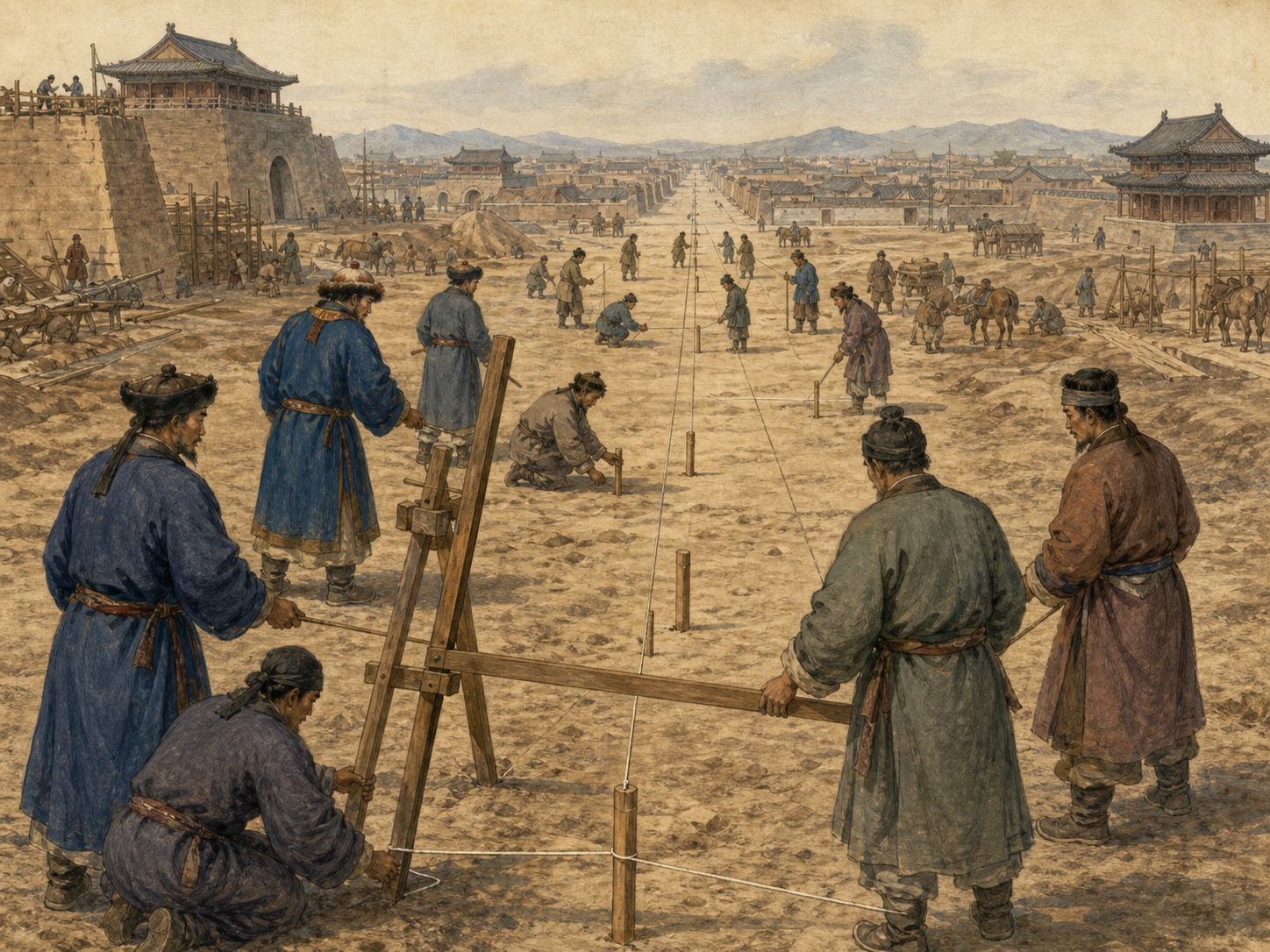
Placed in charge of northern China in 1251, Kublai built an administrative base with Chinese advisers. Möngke's death in 1259 triggered his succession war with Ariq Böke and accelerated political division across the Mongol Empire.
- In 1251, Möngke placed Kublai in charge of northern China. Kublai recruited Chinese advisers and developed a distinct governing base through agriculture, taxation, water management, and urban planning.
- Governing northern China required a new connection between steppe politics and Chinese administrative practice. Local personnel and institutions were used, but regional differences and the interests of other Mongol princes were not uniformly absorbed.
- When Möngke died on campaign in 1259, Kublai and Ariq Böke contested the title of Great Khan. Their civil war from 1260 to 1264 secured Kublai's position while deepening political division across the Mongol Empire.
Course
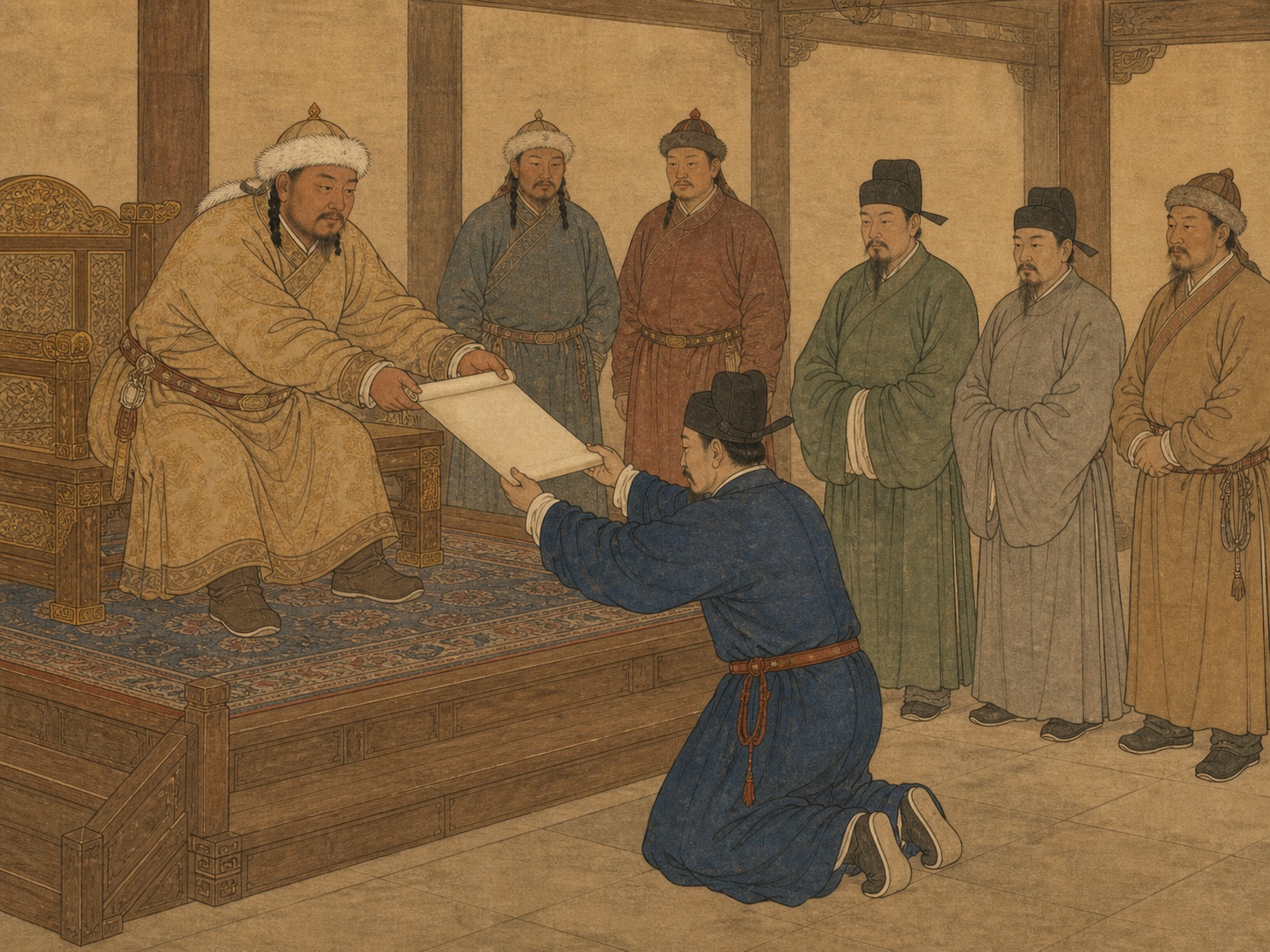
Kublai claimed the title of Great Khan in 1260 and the dynastic name Yuan in 1271. The capture of Xiangyang, Pu Shougeng's support at Quanzhou, and the 1279 defeat of the Southern Song advanced consolidation, while specialists such as Guo Shoujing served calendar and water projects.
- Kublai claimed the title of Great Khan in 1260 and forced Ariq Böke's submission by 1264. His authority, however, did not reach every western Mongol khanate with the same effective force.
- In 1271, Kublai proclaimed Yuan as the name of a Chinese dynasty. He centered government at Dadu and developed institutions that joined Mongol court practice with Chinese bureaucratic administration.
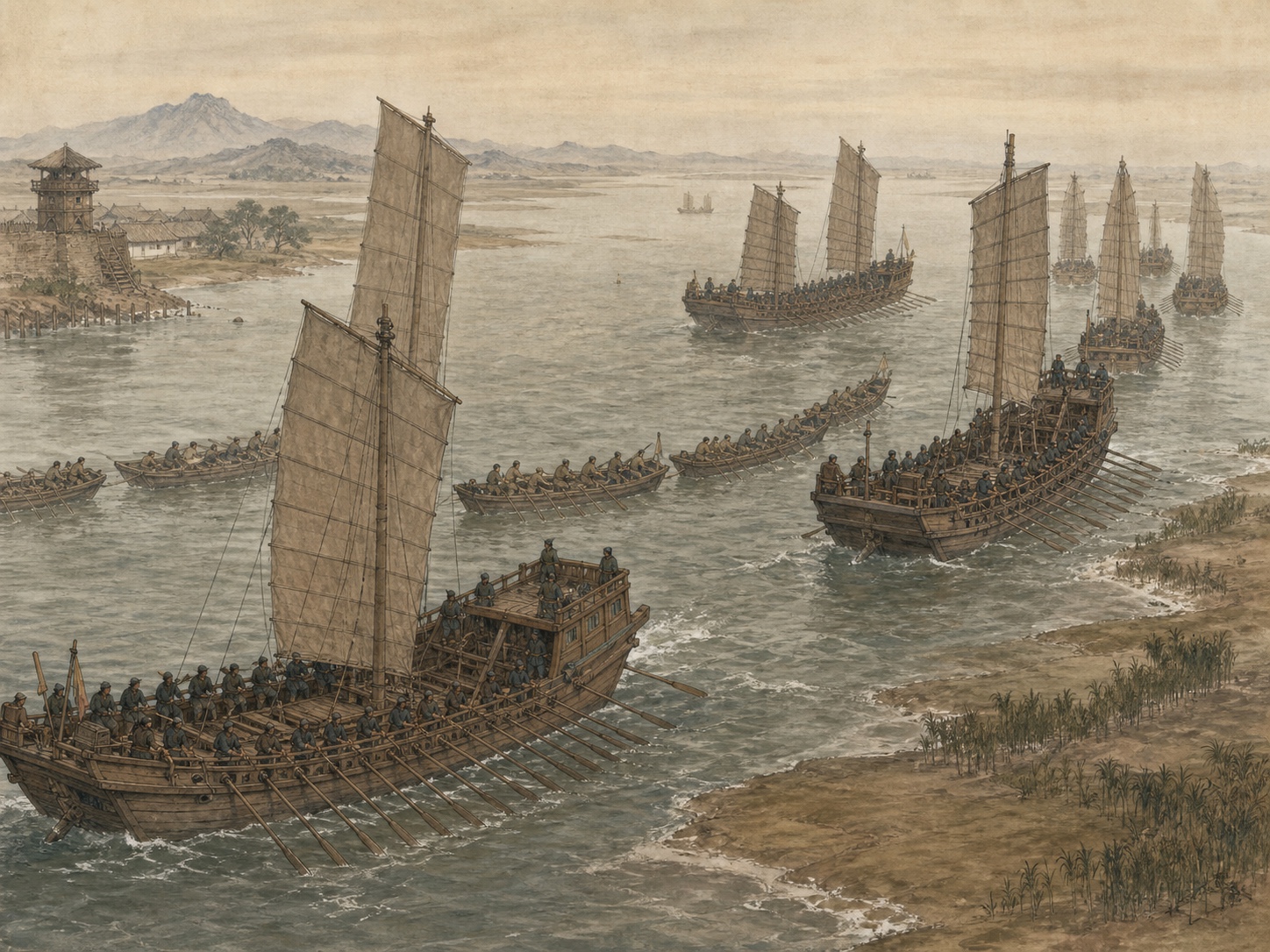
- The long siege and capture of Xiangyang opened the route against the Southern Song. Pu Shougeng's submission at the maritime center of Quanzhou helped coastal control, and the Song court ended at Yamen in 1279.
Outcome
The Yuan brought northern and southern China under one dynasty centered on Dadu and linked regions through roads, relay posts, and mobile expertise. Kublai's grandson Temür succeeded him in 1294.
- By 1279, the Yuan had brought northern and southern China under one dynasty. It governed major Chinese regions from Dadu, but rule over China must be distinguished from uniform effective control of every Mongol khanate.
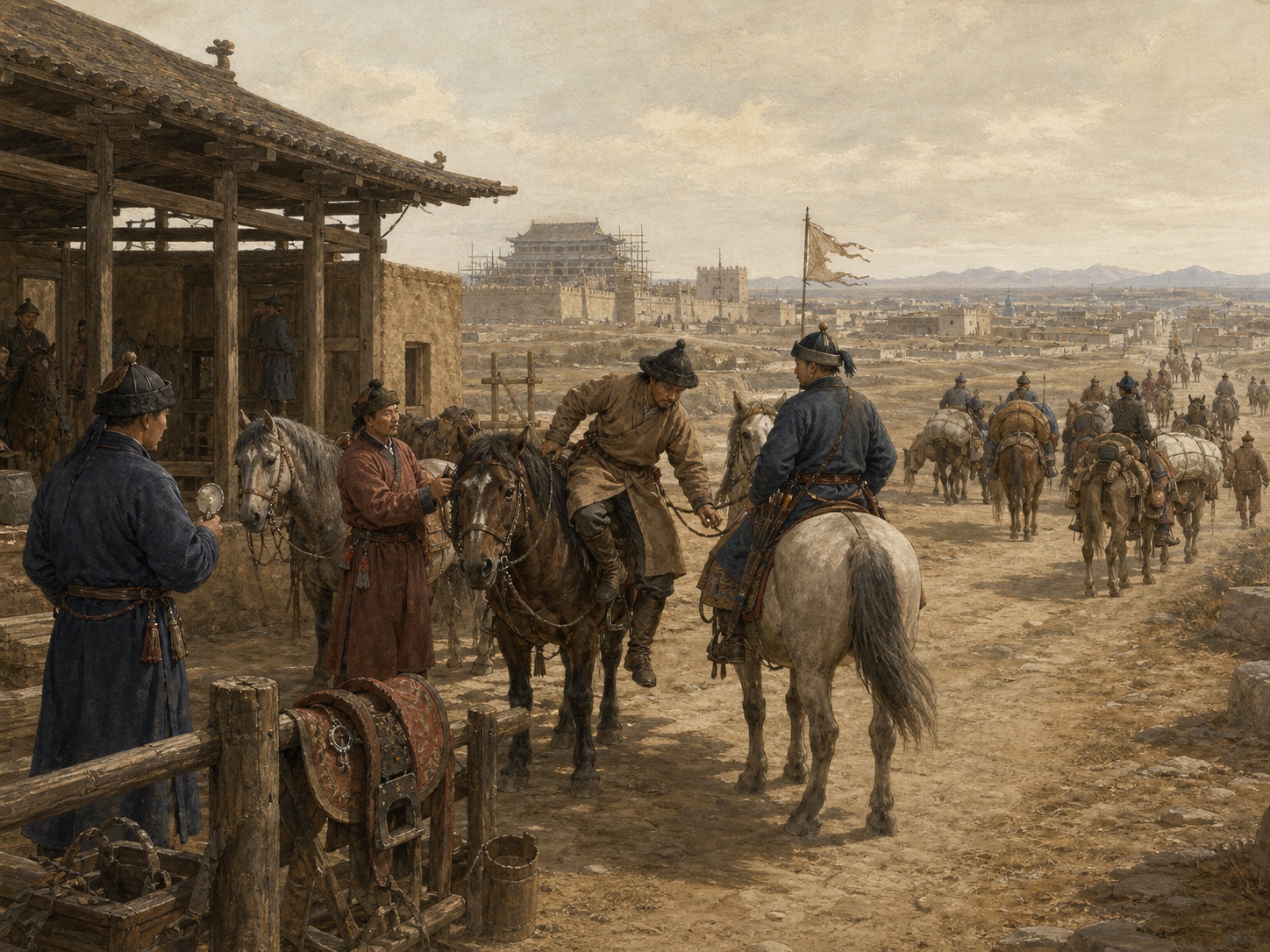
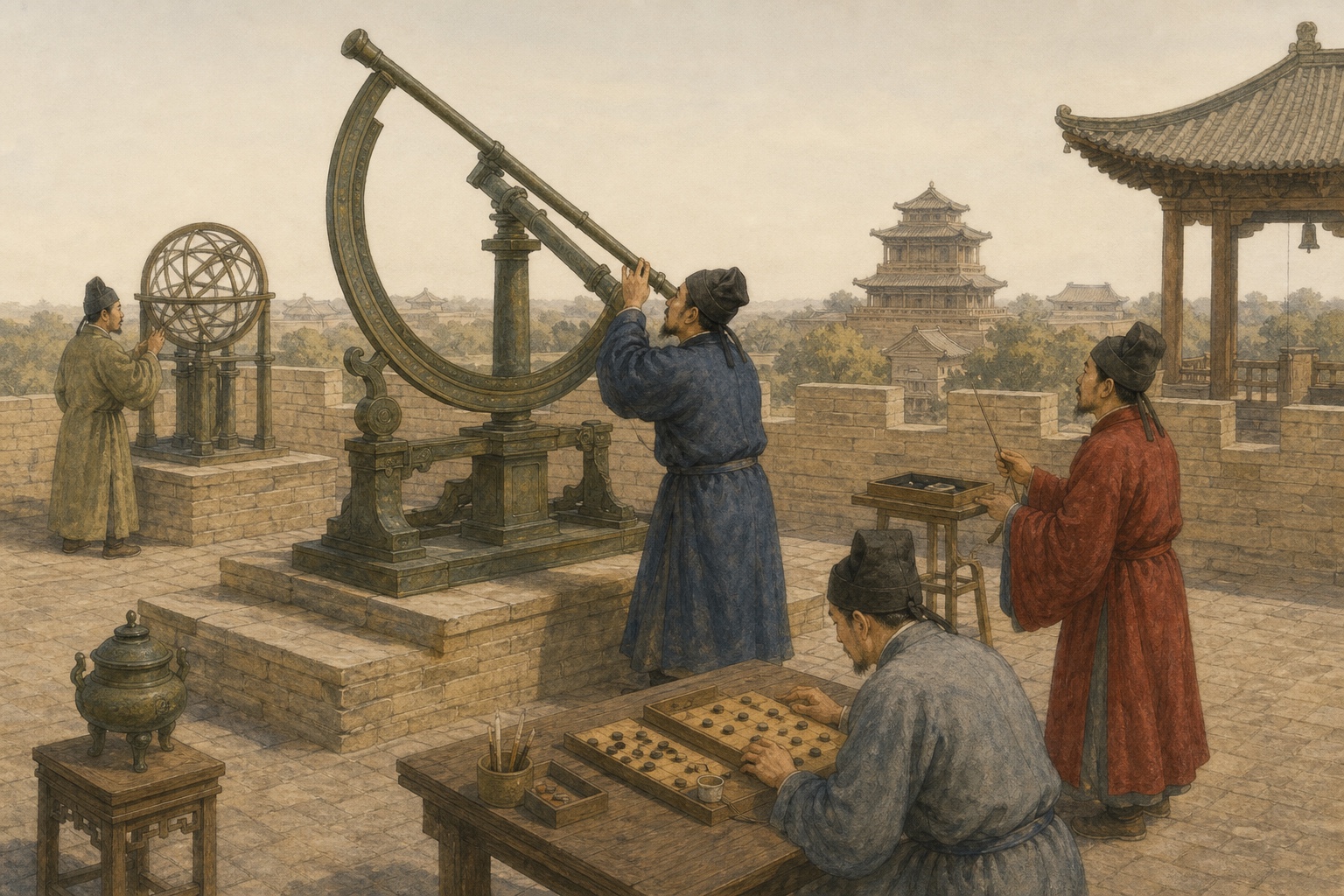
- Specialists including Guo Shoujing worked on water management, astronomy, and calendar reform. Roads and relay posts moved official orders, expertise, goods, and information across long distances and connected multiple regions.
- When Kublai died in 1294, his grandson Temür succeeded him. Yuan rule continued beyond its founder, while succession and shifting court coalitions remained central to later government.
Historical significance
Yuan rule tied China to a broad Mongol exchange world, while Southern Song descendants such as Zhao Mengfu entered Yuan service and reshaped cultural life. Effective rule from Dadu did not extend uniformly over every Mongol khanate.
- The Yuan incorporated China into a Mongol exchange world spanning Eurasia. Envoys, merchants, religious travelers, and specialists moved through it, and Marco Polo's account later transmitted part of that circulation.
- Southern Song descendants such as Zhao Mengfu chose to serve the Yuan. Such choices reveal a complex reorganization of political participation, cultural inheritance, and artistic practice rather than uniform assimilation.
- Institutions centered on Dadu achieved dynastic unification of China while retaining regional difference, status hierarchy, and fiscal strain. Later rule until the loss of Dadu in 1368 inherited both the founding period's achievements and tensions.


Related figures
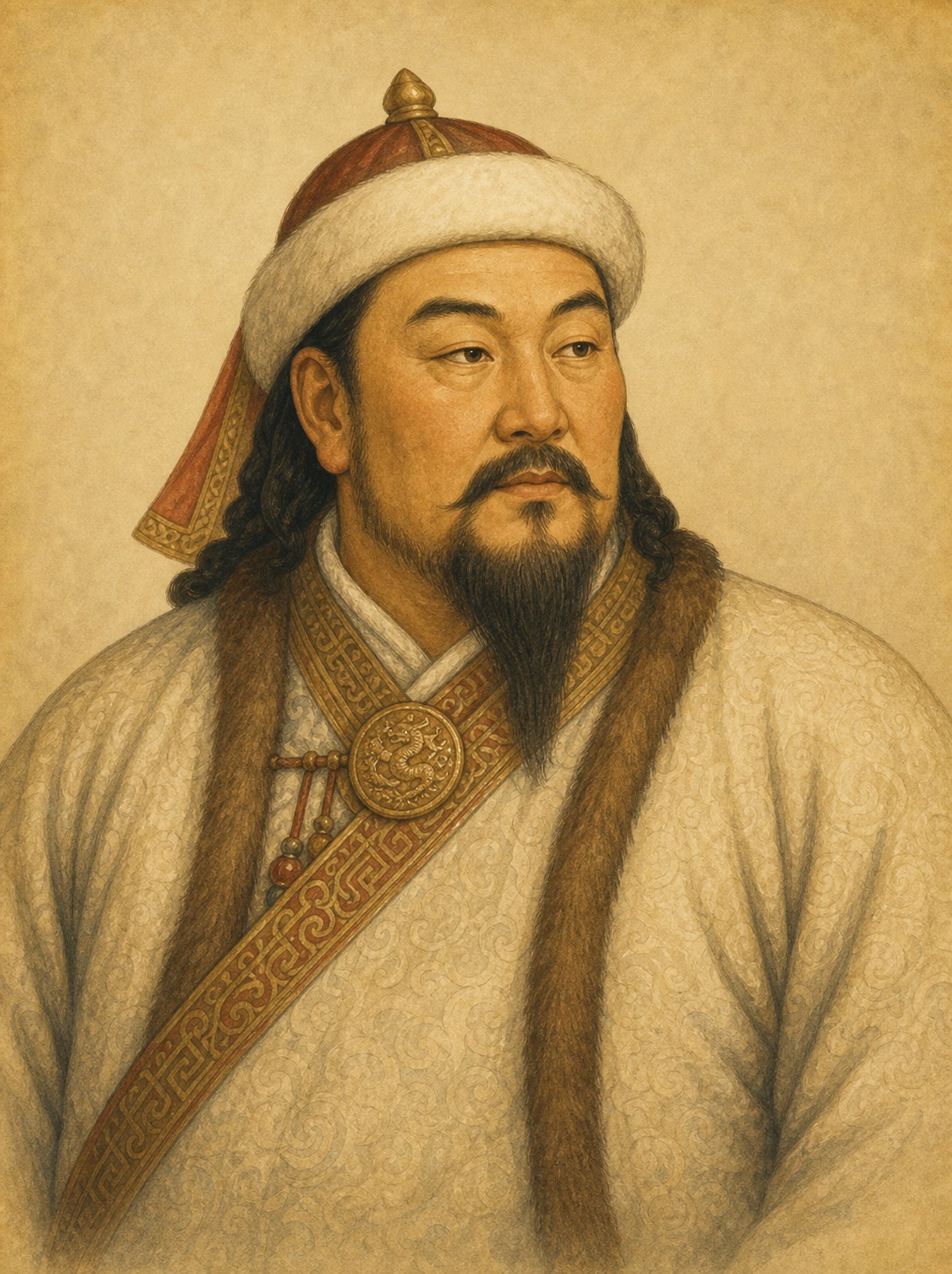
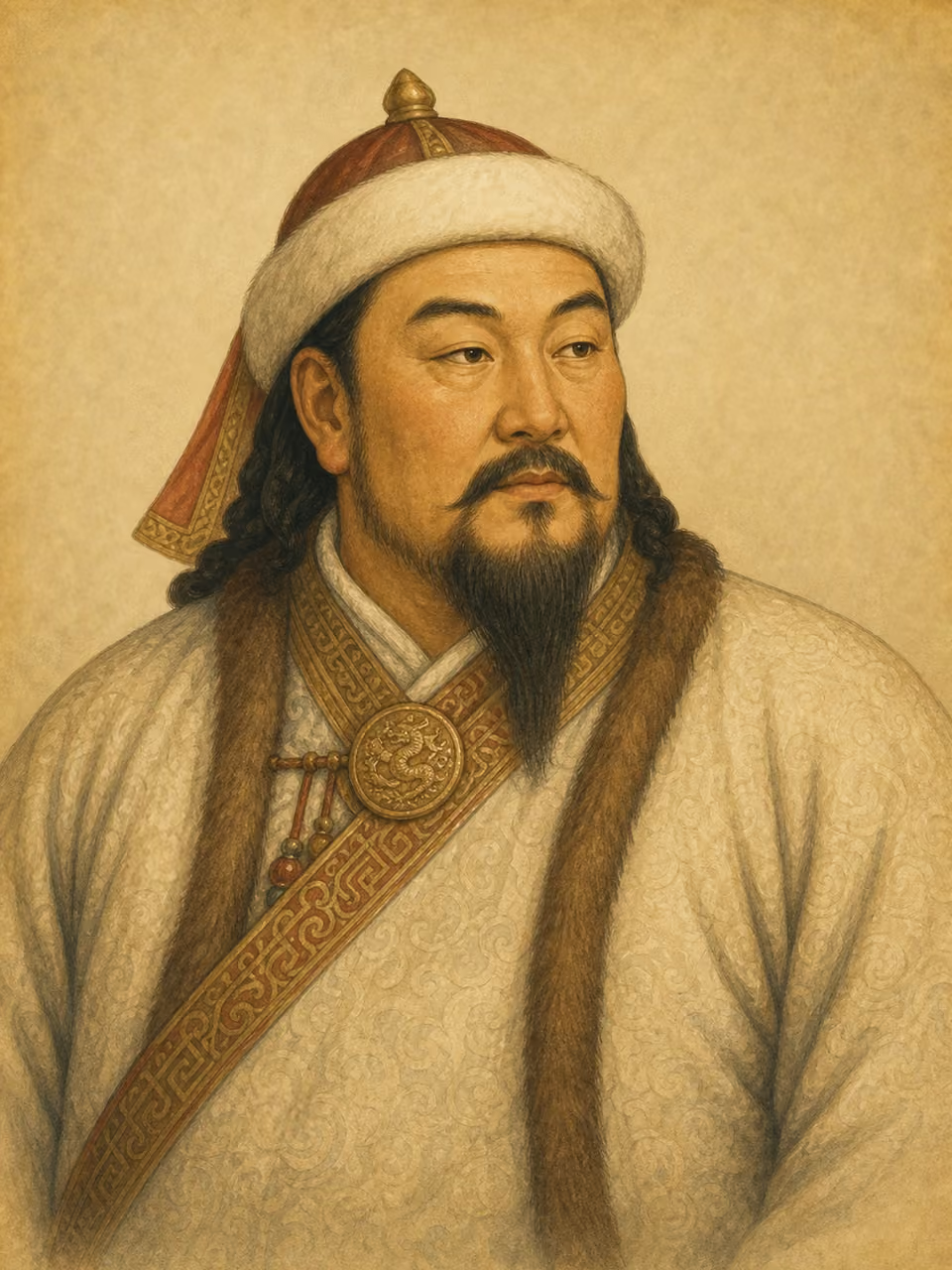
Kublai Khan
founder and emperor of the Yuan
Building on his northern China base, Kublai claimed the supreme title in 1260 and founded the Yuan in 1271. He defeated the Southern Song and unified China, although effective control did not extend uniformly to every Mongol khanate.
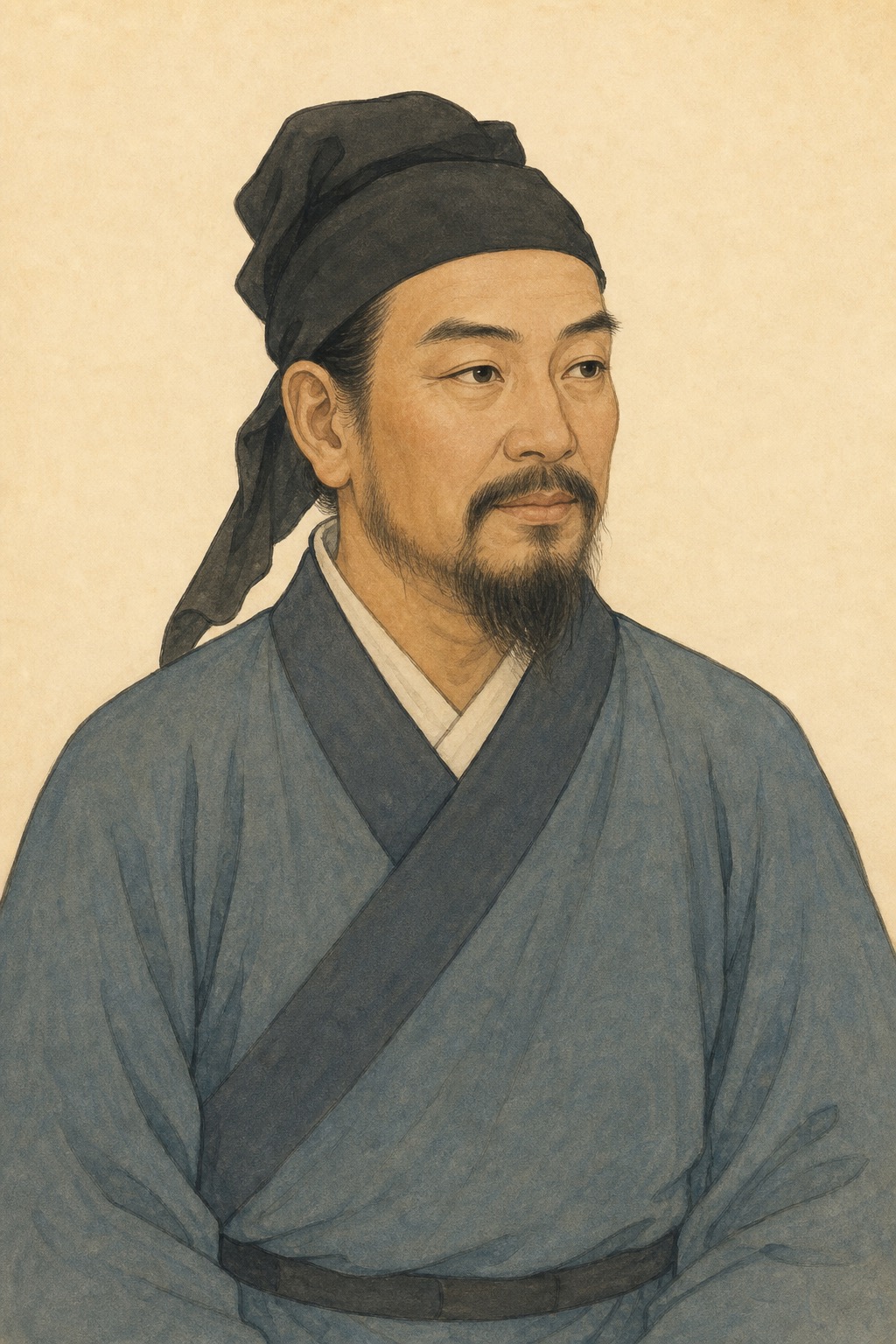
Pu Shougeng
Quanzhou maritime official and political actor
Pu held influence over maritime trade and port administration at late-Song Quanzhou and submitted to the Yuan. His role in coastal consolidation shows how commercial personnel were incorporated into the new dynasty.
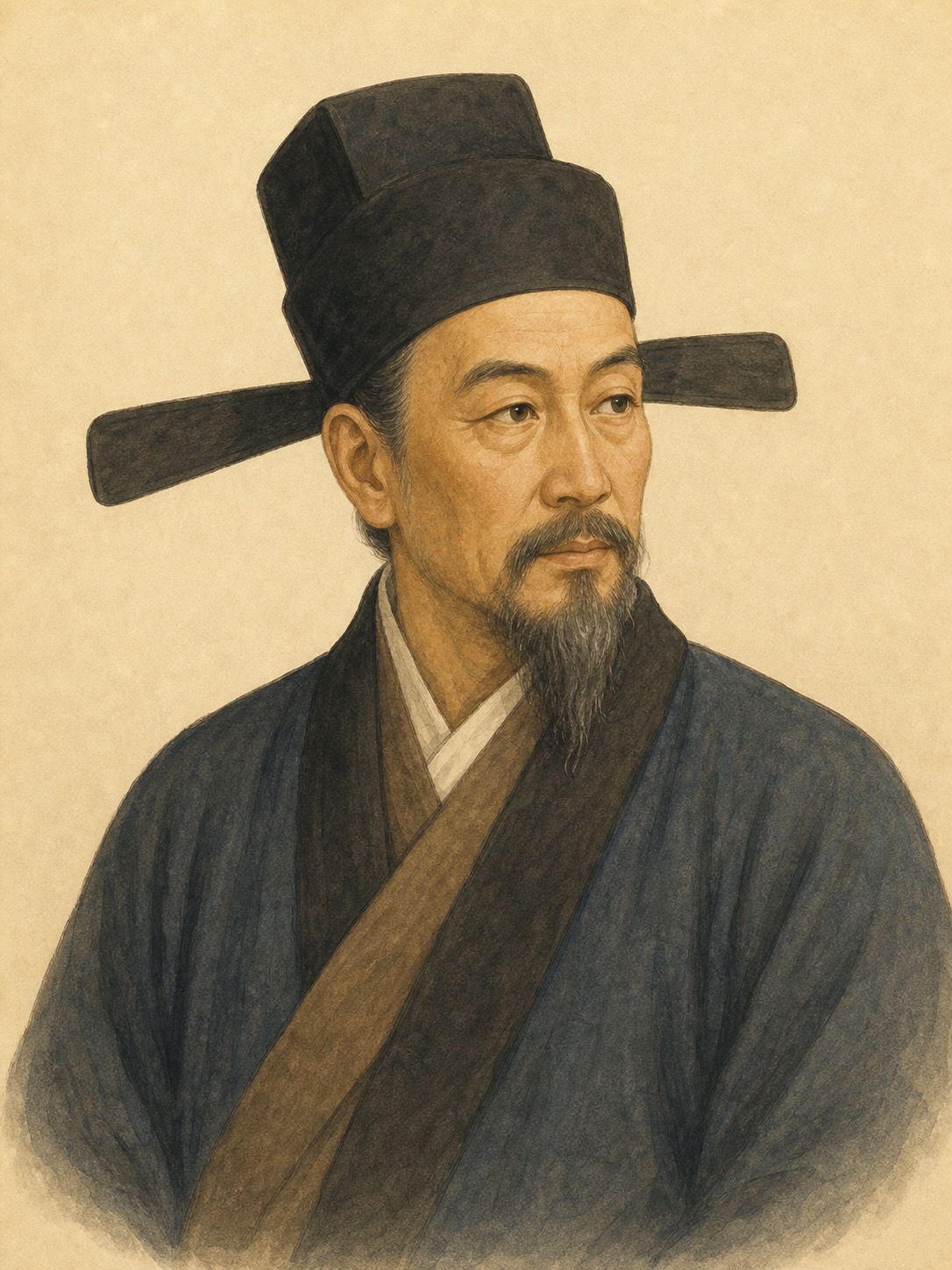
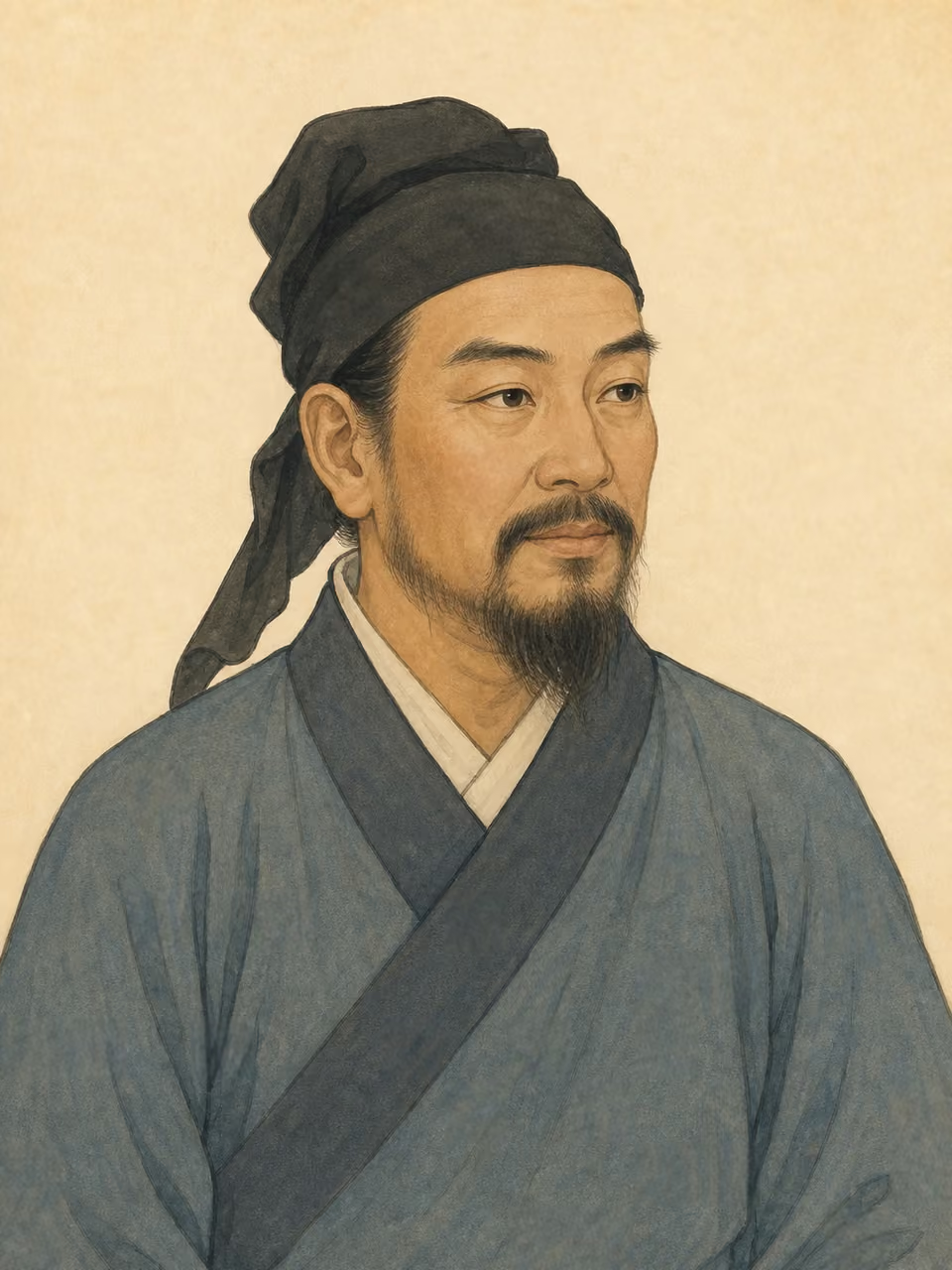
Guo Shoujing
Yuan astronomer and engineer
Under Kublai's government, Guo worked on water projects, astronomical observation, and calendar reform. His observation network and work on the Shoushi calendar show how technical expertise supported wider administration.
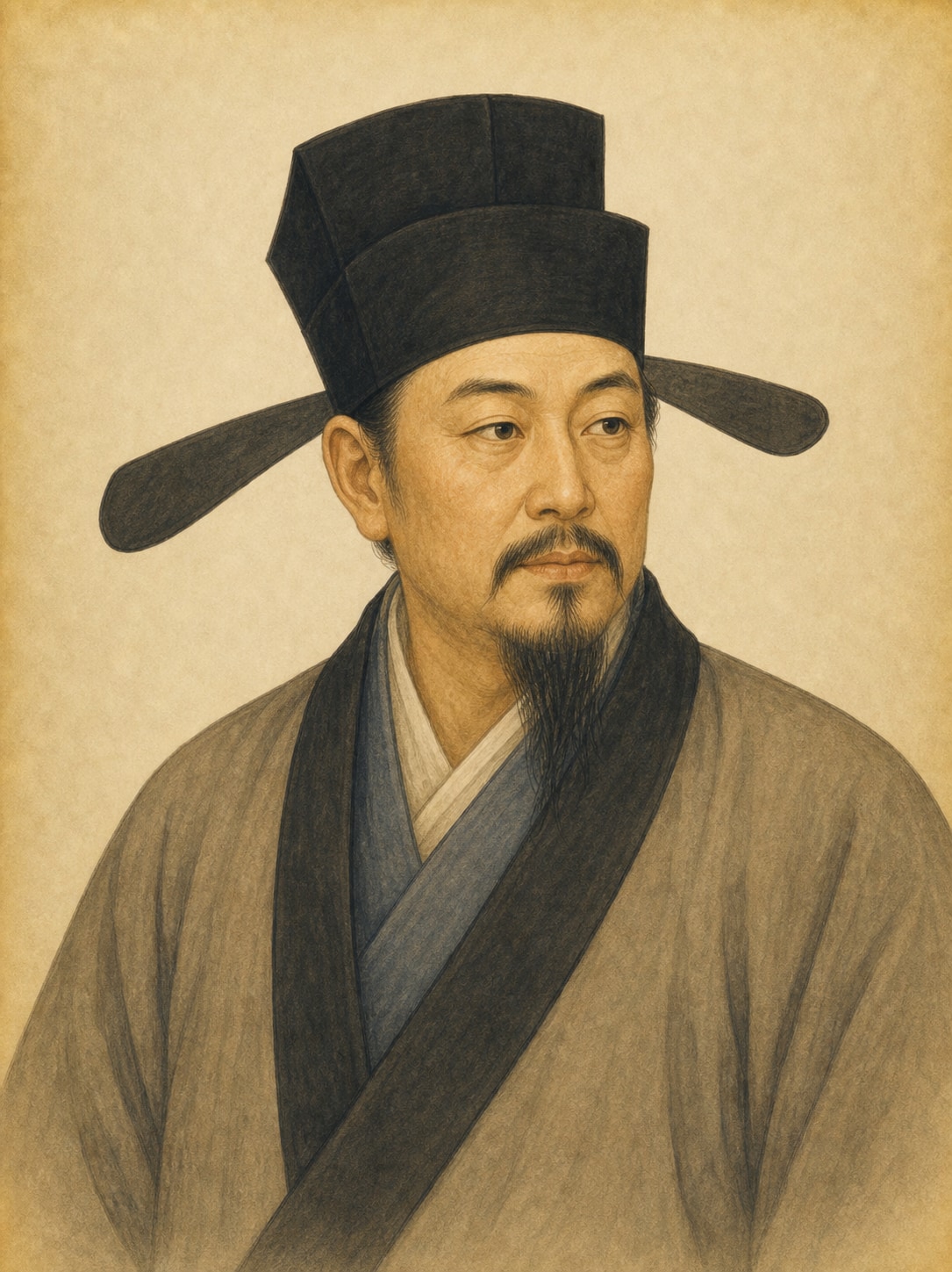
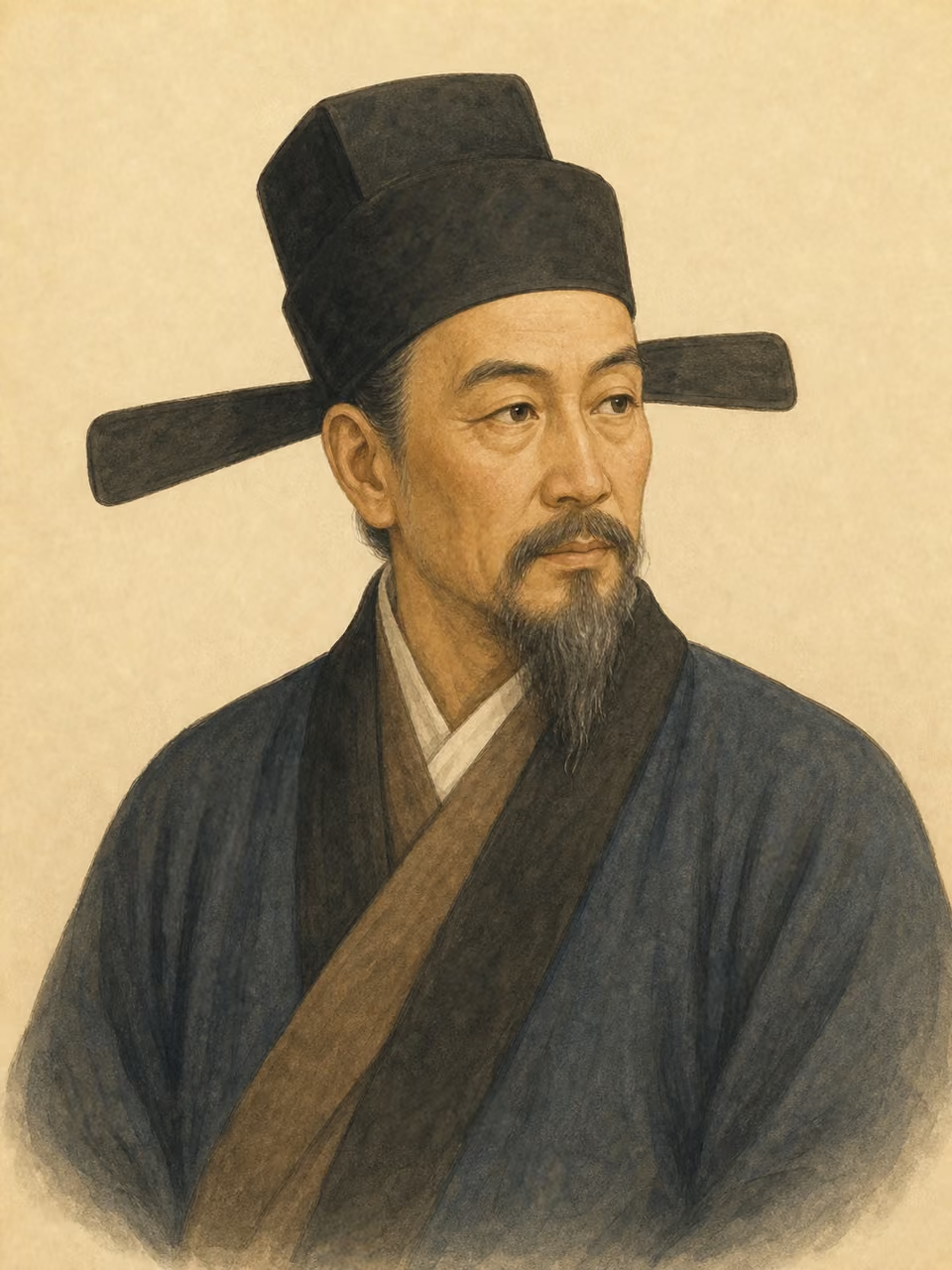
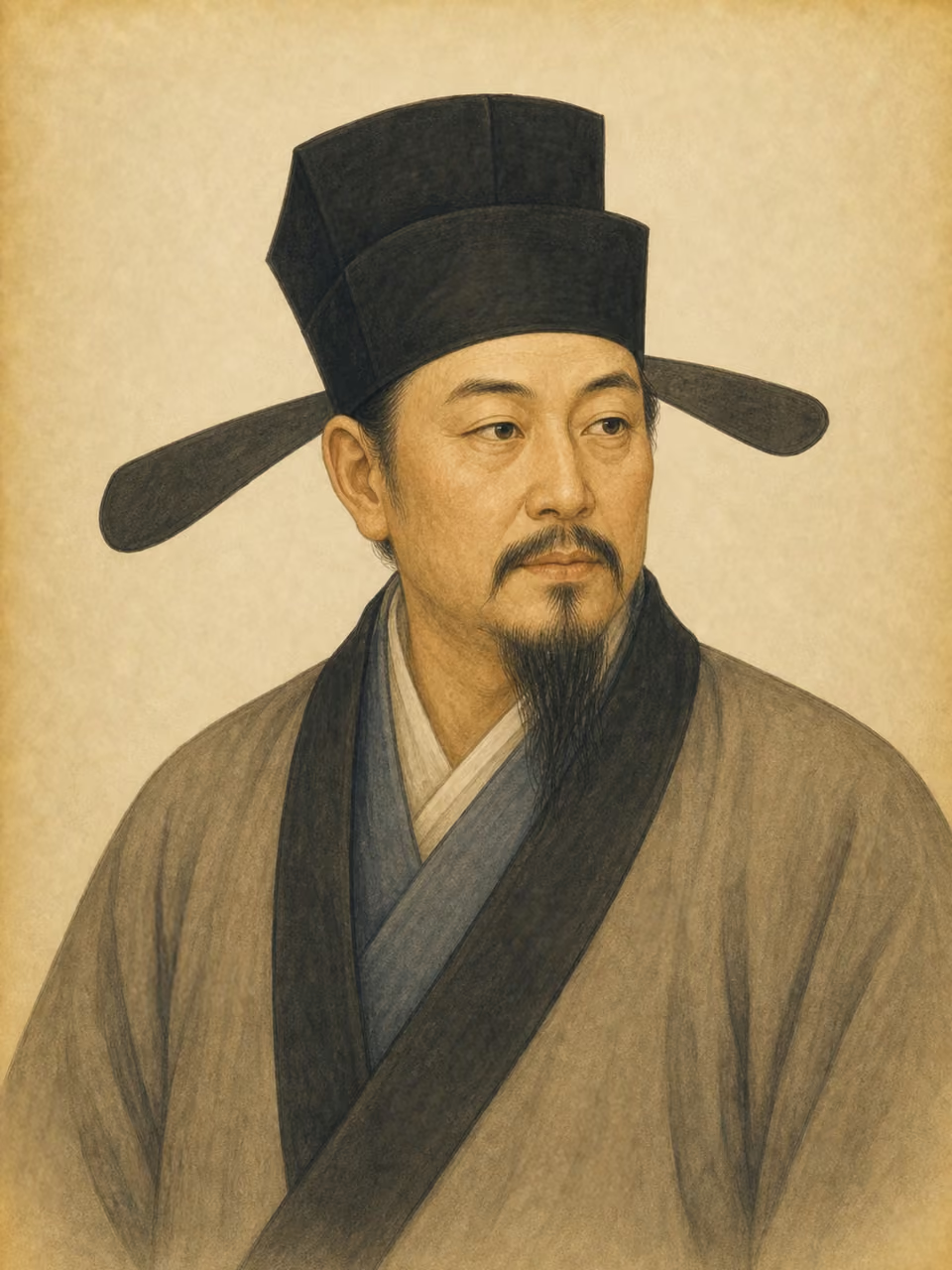
Zhao Mengfu
scholar-artist and Yuan official
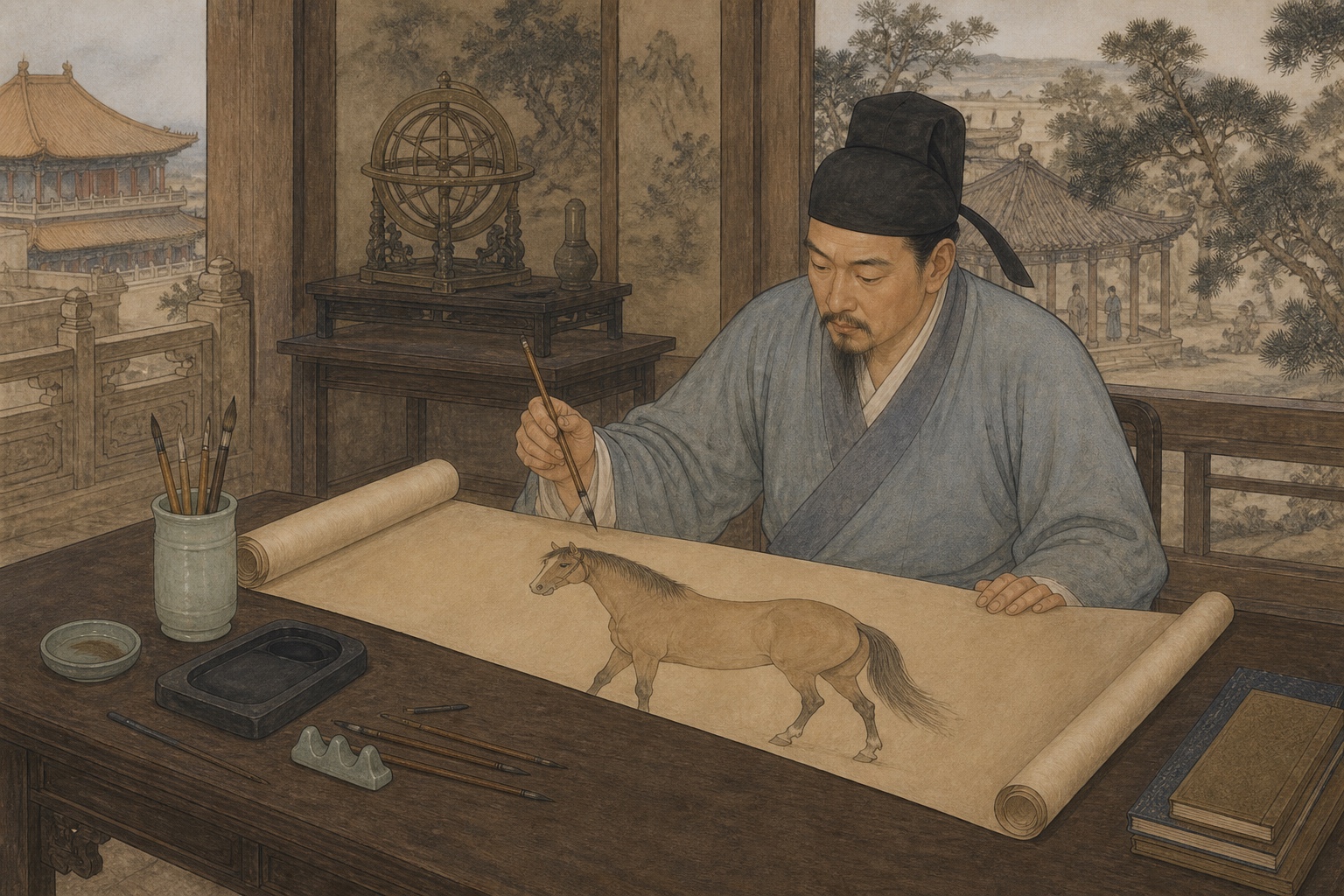
Born into the Southern Song imperial lineage, Zhao entered Yuan service and influenced painting, calligraphy, and government. His career reflects the complex reordering of participation and cultural inheritance after conquest.
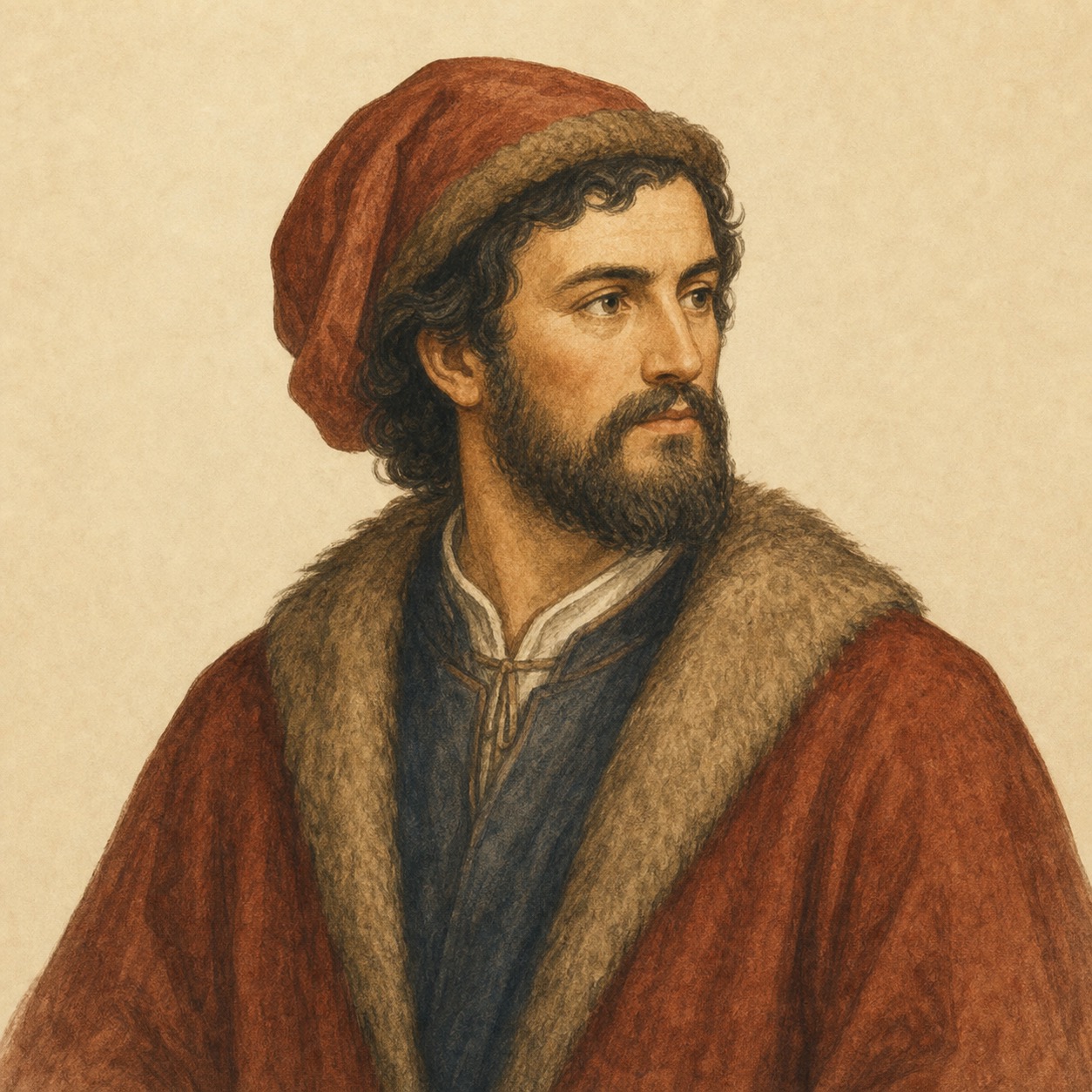
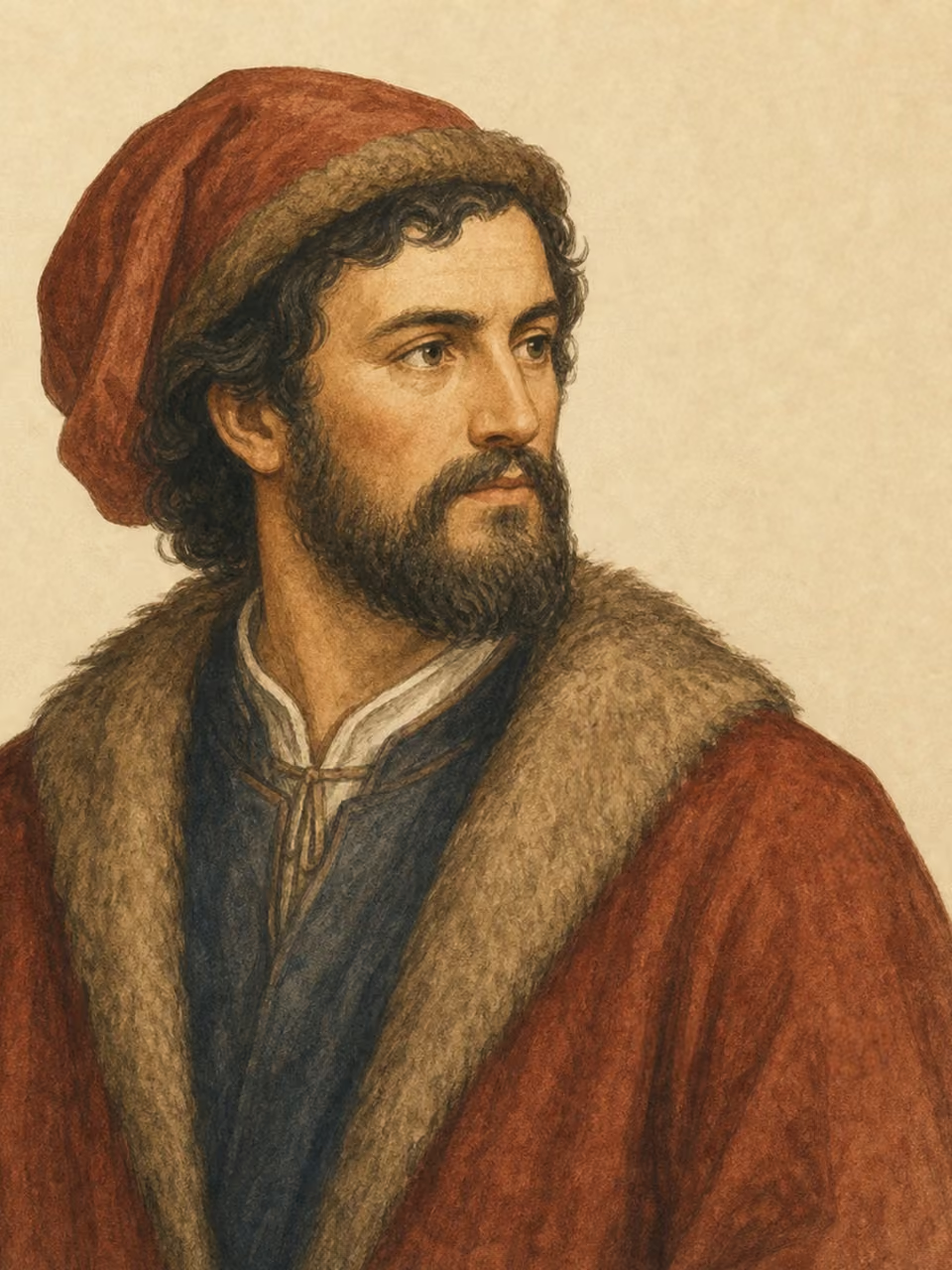
Marco Polo
traveler and recorder in the Yuan era
Marco Polo reached Kublai's court in the 1270s and is reported to have departed by sea from Quanzhou in 1291. His account requires critical reading but conveys the Eurasian mobility enabled through the Yuan realm.
Related events
1251–1259
Kublai's northern China power base
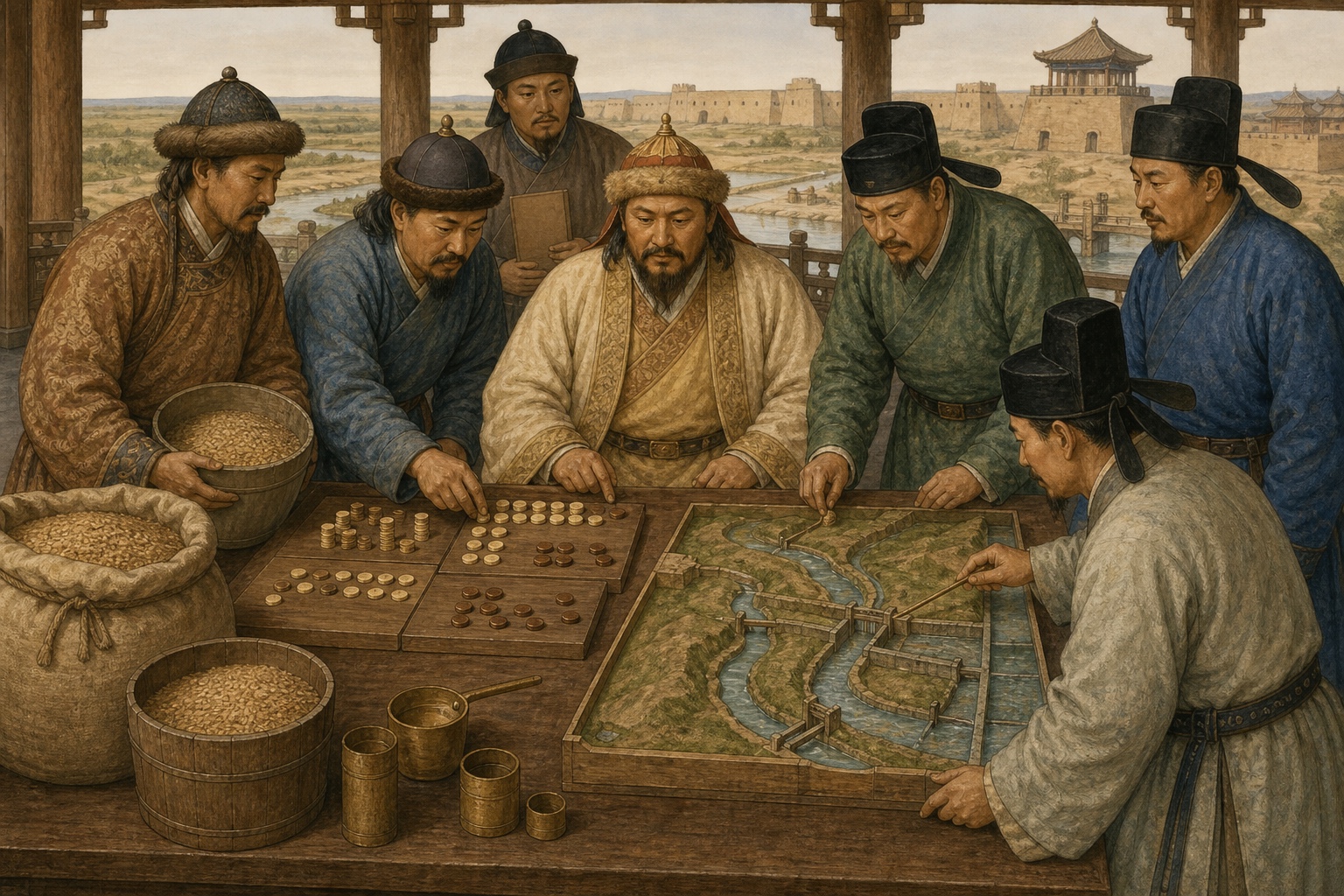
Charged by Möngke with northern China, Kublai cultivated Chinese advisers, agricultural administration, and urban planning as a distinct governing base.
1259–1264
Möngke's death and the Mongol succession crisis
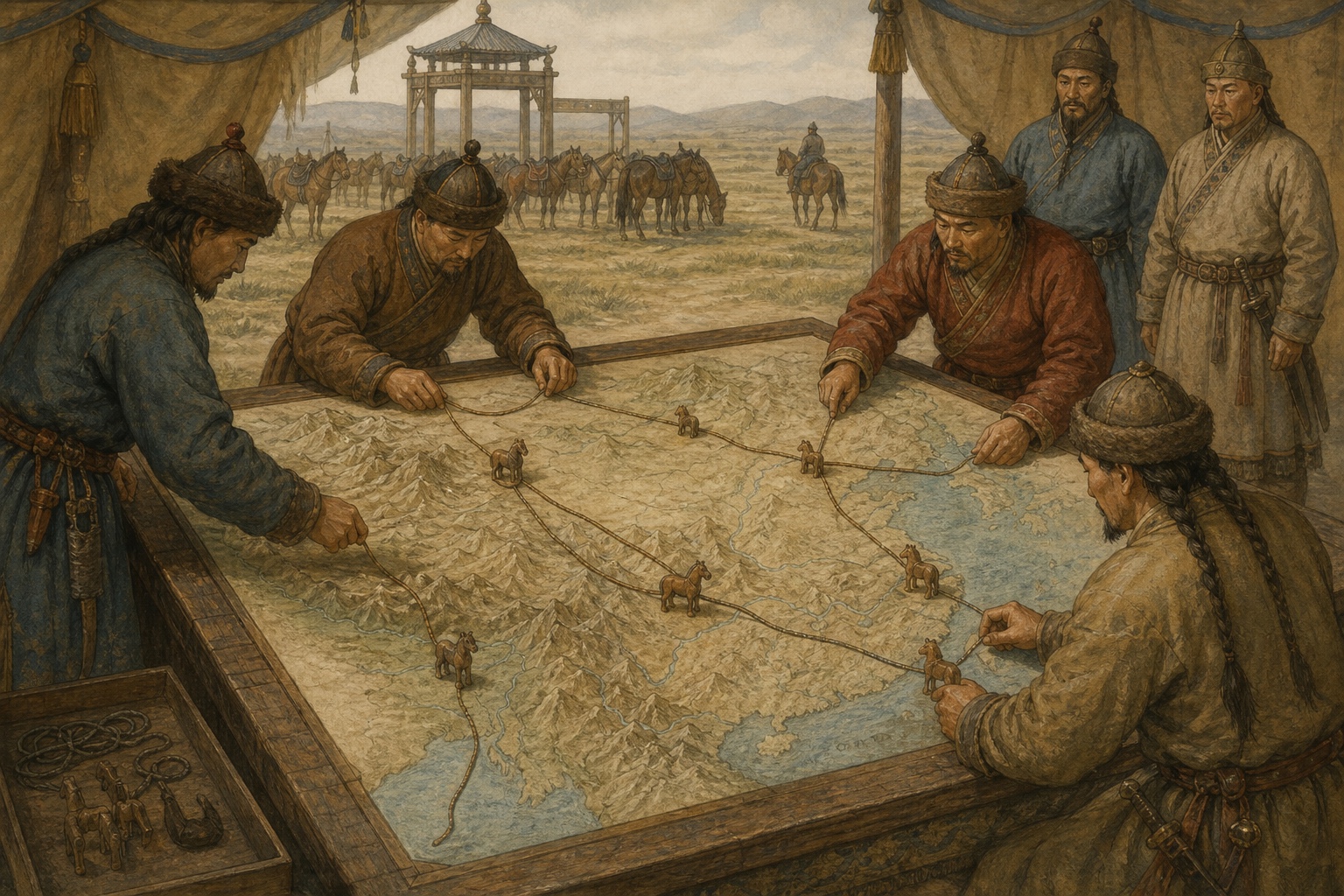
After Möngke died in 1259, Kublai and Ariq Böke contested the supreme title; their civil war through 1264 weakened empire-wide unity.
1260–1294
Yuan founding and consolidation
Current event
Kublai proclaimed the Yuan in 1271, defeated the Southern Song by 1279, and consolidated a dynasty governing China from Dadu.
1294
Temür Khan's succession
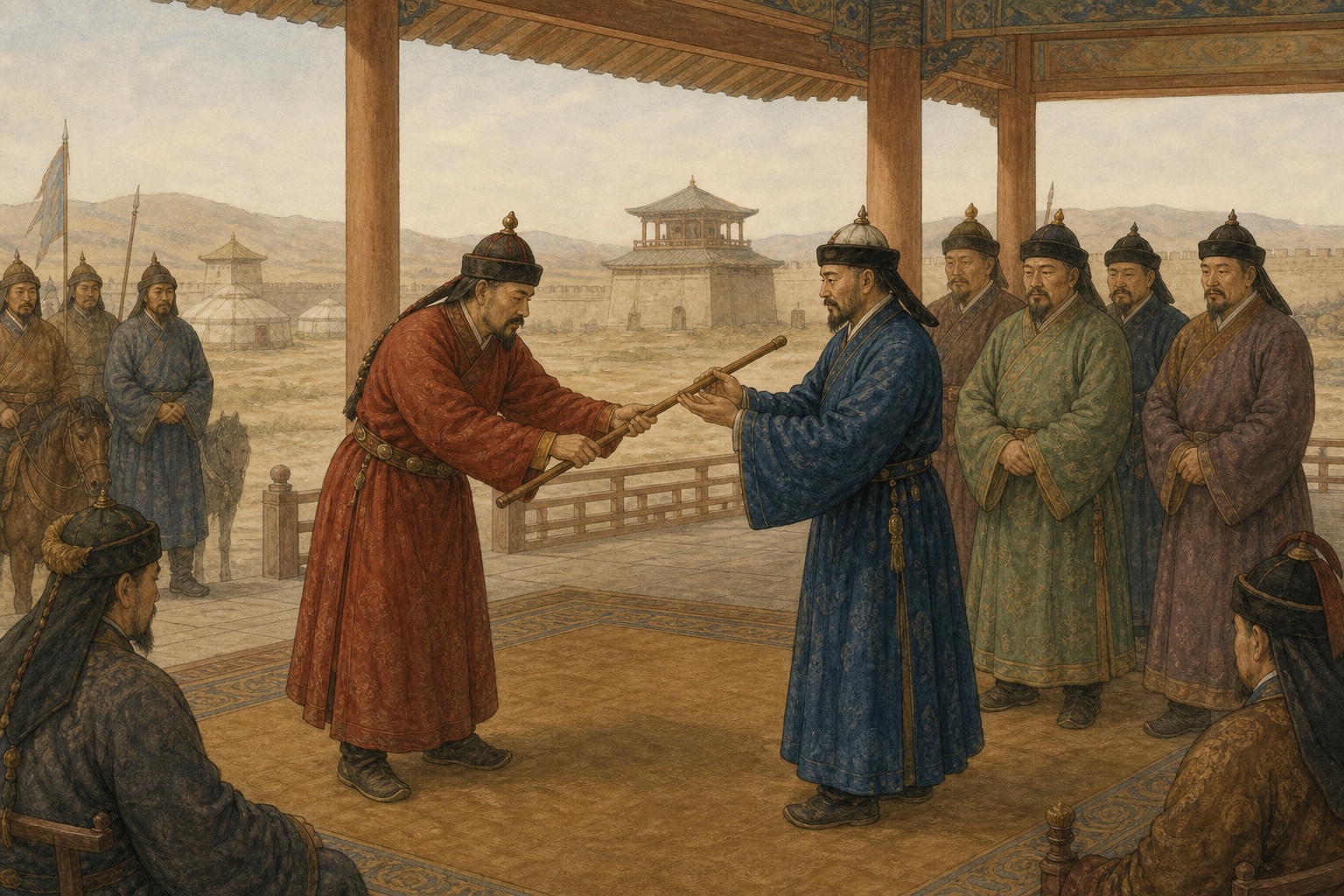
After Kublai's death, his grandson Temür succeeded in 1294 and continued much of the founding reign's governing framework.
1294–1368
Later Yuan rule over China
Later Yuan emperors continued to govern China, but court conflict, fiscal problems, disasters, and rebellion accumulated before Dadu fell in 1368.


Sources
- Yuan Dynasty (1271–1368)The Metropolitan Museum of ArtChecks rule over China from Dadu, the use of Chinese political models, ties to a wider Mongol world, and cultural effects including Zhao Mengfu.
- The World of Khubilai KhanThe Metropolitan Museum of ArtChecks reunification under Kublai, Dadu, postal roads, court and capital material culture, Quanzhou, and Zhao Mengfu.
- China timelinePrinceton University Art MuseumChecks Kublai's 1260 title, the 1271 proclamation, Dadu, the Southern Song fall in 1279, and dynastic reunification.
- Kublai KhanNational Geographic SocietyChecks Kublai's 1251 northern-China charge, the 1259 succession crisis, the 1260 accession, Yuan in 1271, conquest in 1279, and death in 1294.
- Mongol Support for ScienceColumbia University, Asia for EducatorsChecks Kublai's support for observatory work and Guo Shoujing's contributions to astronomy and calendar reform.
- Polo, MarcoEncyclopaedia IranicaChecks the 1271 departure, the 1275 meeting with Qubilai, Khanbaliq, the 1291 departure through Quanzhou, and limits of the account.
- The Yuan RevolutionThe Metropolitan Museum of ArtChecks Zhao Mengfu's choice to become a Yuan official and his influence on Yuan art.