
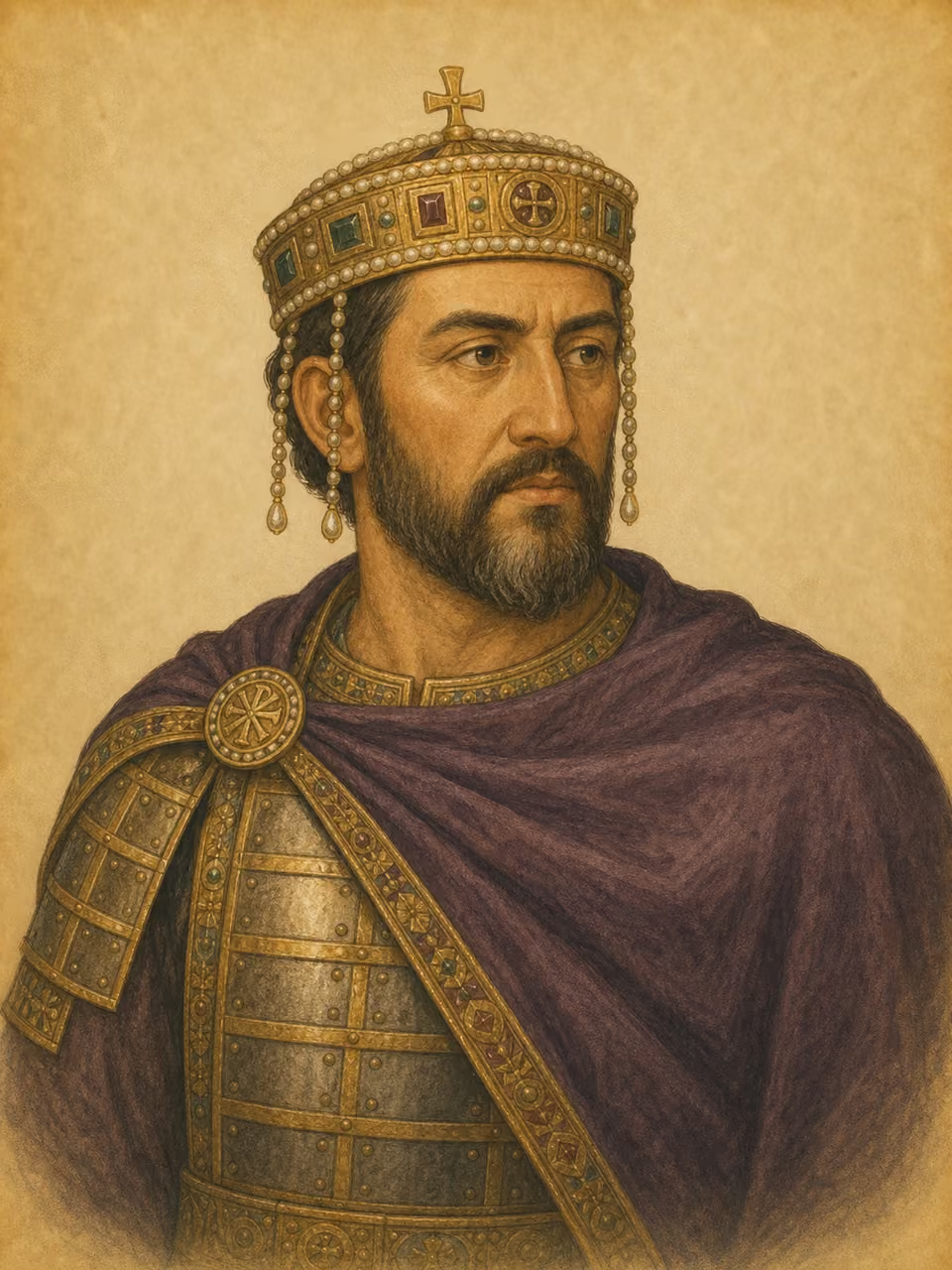
Leo III the Syrian

Portrait: AI-generated imagined likeness

Leo III the Syrian

Emperor · Monarch · Military leader

Years
c. 675–741
Birthplace
Greece
Birth polity
Byzantine Empire
Era
Medieval
Field
Politics
Occupations
Emperor · Monarch · Military leader

Emperor of the Eastern Roman Empire and founder of the Isaurian dynasty. His defense against Islamic forces and his iconoclasm movement created a turning point in medieval Byzantine history. It connects local history and world history and provides clues for deciphering changes during the same era.

View in catalog

Historical context

Places

  • Germanikeia

    Birth

  • Constantinople

    Work

Works & achievements

  • Ecloga

    726

    Law

Events

  • Second Arab siege of Constantinople

    717–718

    War · Commander

  • Byzantine Iconoclasm

    726–741

    Movement · Leader

Origins

Origins map
Birth countryAssociated countries
Birth country
Greece
Associated countries
Türkiye

Map: Natural Earth (PD)

Biography

Early life

He is believed to have come from Syria and distinguished himself as a military man. He came to power under pressure from Arab forces and became emperor in 717.

Achievements

He successfully defended Constantinople and supported the continued existence of the empire. He also created a legal code called ``Ekroga'' and caused a major controversy between the church and society due to his policies regarding icon veneration.

Character & anecdotes

Leo III's iconoclastic policy was not only a religious reform, but also a political issue concerning the extent to which the imperial power could control the church. The distance with the Western church was also widened.

Historical Impact

If you study Leo III, you will understand that the Byzantine Empire had military defense, imperial power, and religious controversy all in one. It also leads to an understanding of the relationship between the Eastern and Western churches. When you look at the people's activities and works together, it becomes easier to understand the terms in textbooks as concrete historical trends.