
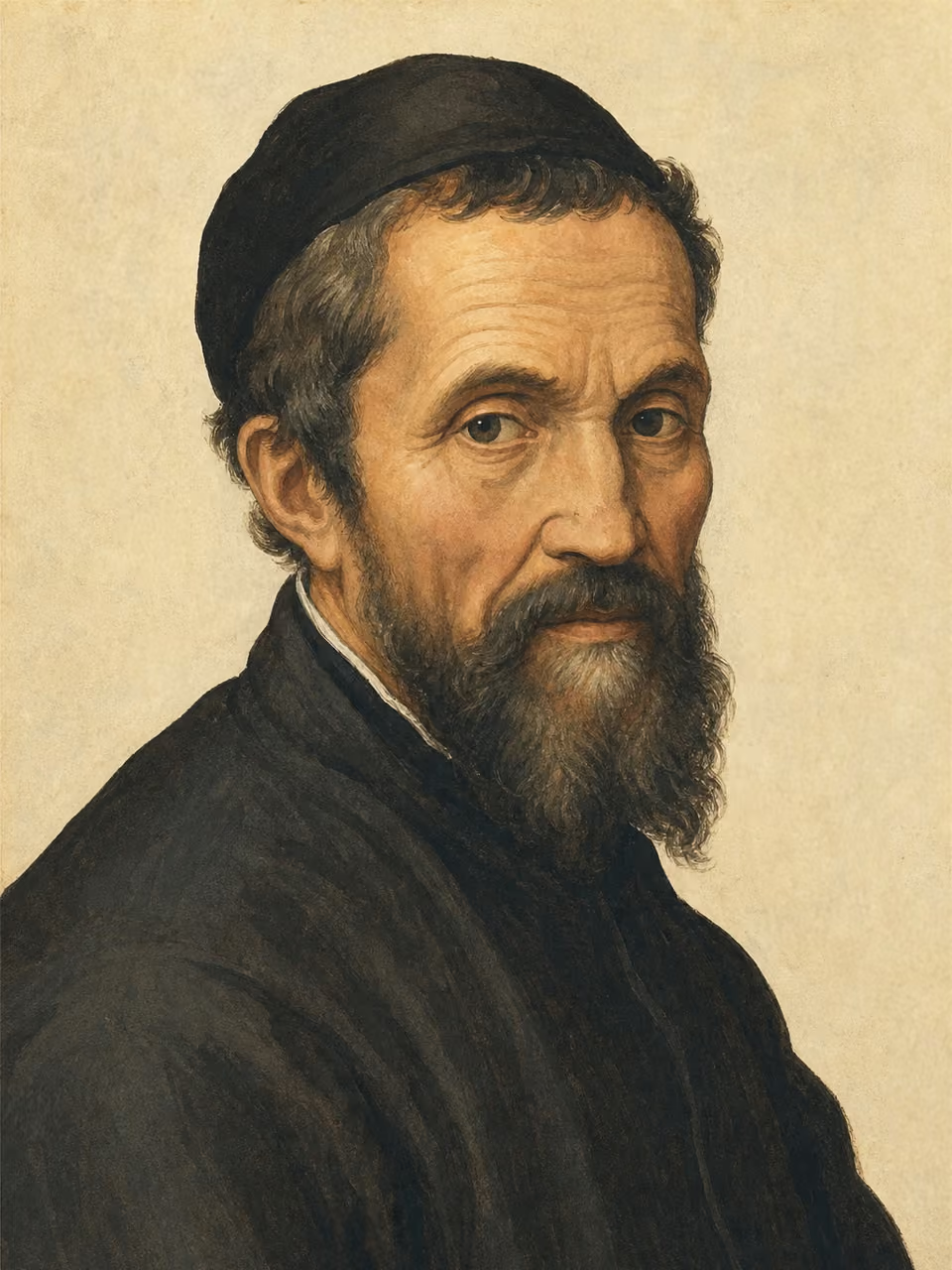
Michelangelo

Portrait: AI-generated imagined likeness

Michelangelo

Sculptor · Painter · Architect · Poet

Years
1475–1564
Birthplace
Italy
Birth polity
Republic of Florence
Era
Early modern
Field
Art
Occupations
Sculptor · Painter · Architect · Poet

After establishing his reputation with the Pieta in Rome and David in Florence, Michelangelo was pulled into vast commissions by powerful patrons, most famously Julius II's demand for work in the Sistine Chapel. Even while insisting that he was fundamentally a sculptor, he moved from marble to fresco, tomb design, and the rebuilding of St. Peter's, turning each commission into a new test of bodily drama and scale.

View in catalog
Historical context

Places

  • Caprese Michelangelo

    Birth

  • Florence

    Work

  • Rome

    Work

Works & achievements

  • David

    1504

    Other

  • Sistine Chapel ceiling

    1508–1512

    Painting

Origins

Origins map
Birth country
Birth country
Italy

Map: Natural Earth (PD)

Biography

Early life

Michelangelo was born in 1475 at Caprese in the Republic of Florence. He trained in Florence, first in the workshop of Domenico Ghirlandaio and then in circles connected to the Medici, where he studied ancient sculpture and humanist culture.

Achievements

He established his reputation with marble sculptures such as the Pieta and David. Under papal patronage he painted the ceiling of the Sistine Chapel, later created the Last Judgment, and contributed to major architectural projects including St. Peter's Basilica. He also wrote sonnets and other poems.

Character & anecdotes

Although he worked in many media, Michelangelo thought of himself above all as a sculptor. His unfinished figures, seeming to struggle out of the stone, later became central to the way his creative process was understood.

Historical Impact

Michelangelo reshaped Western art not only through masterpieces, but by changing how the human body could carry spiritual tension, political symbolism, and architectural force at once. His example pushed Renaissance balance toward Mannerist exaggeration, and his Vatican and Florentine works remain central to institutions that teach, collect, and narrate European art.

Notes

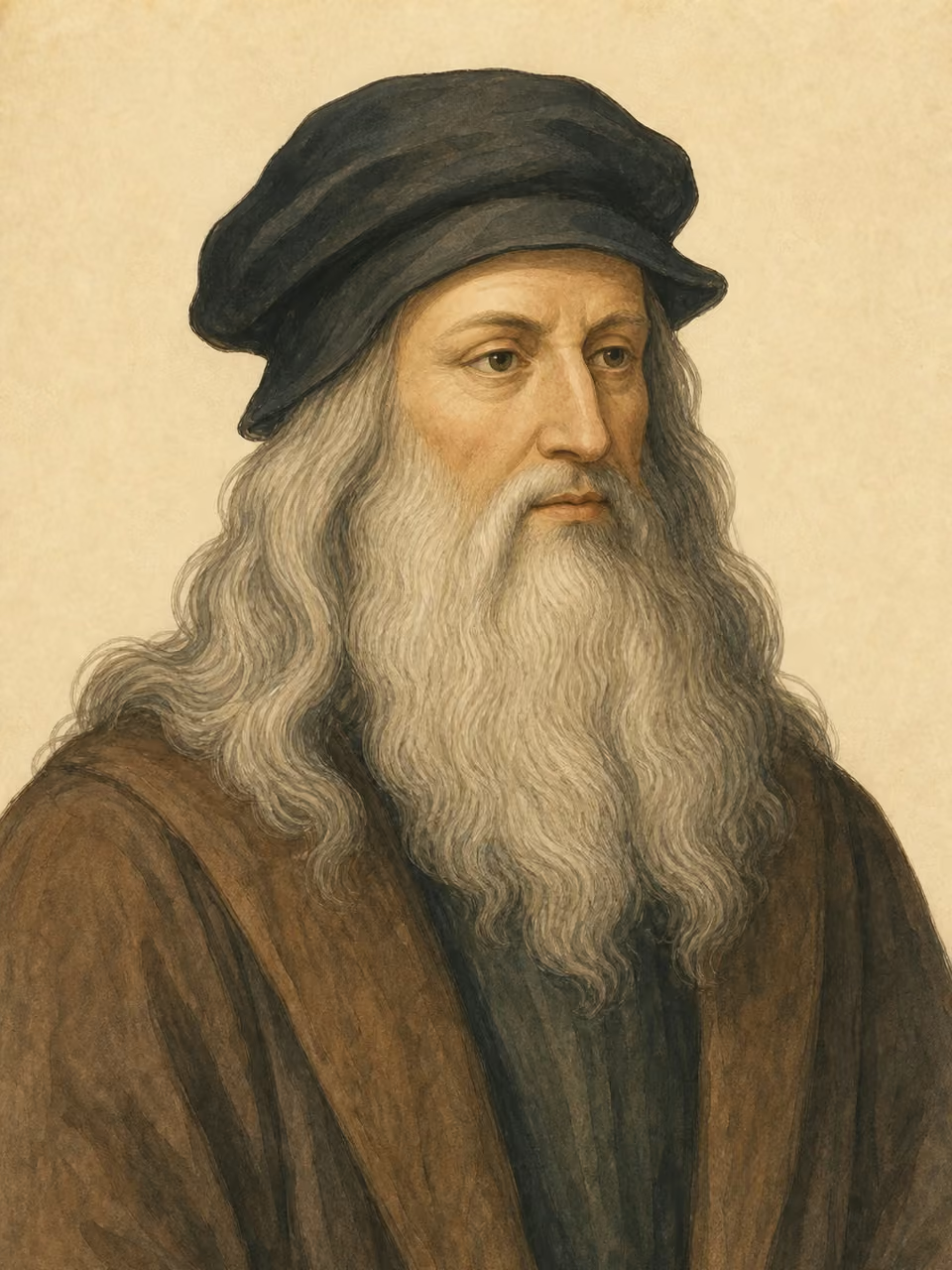
He is commonly grouped with Leonardo da Vinci and Raphael as one of the three central masters of the High Renaissance.

Related figures

View all in catalog