
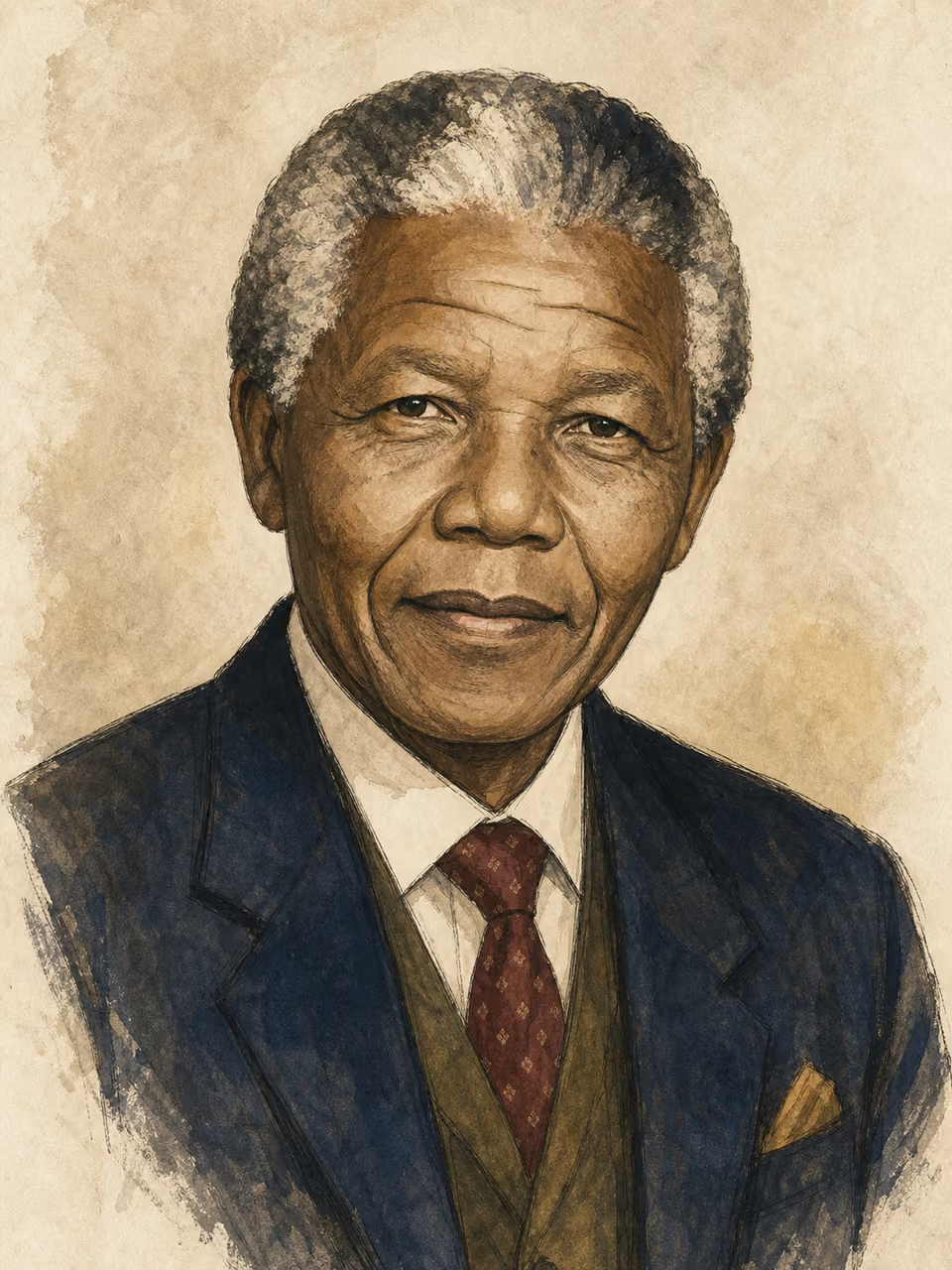
Nelson Mandela

Portrait: AI-generated imagined likeness

Nelson Mandela

Politician · Political activist · Lawyer

Years
1918–2013
Birthplace
South Africa
Birth polity
Union of South Africa
Era
Contemporary
Field
Politics
Occupations
Politician · Political activist · Lawyer

When Nelson Mandela walked out of prison after twenty-seven years, he reentered politics not as a private survivor but as the central negotiator of South Africa's transition. The drama of his later life lay in carrying the memory of resistance into talks that aimed at elections, institutions, and a post-apartheid state.

View in catalog
Historical context

Places

  • Mvezo

    Birth

  • Johannesburg

    Work

  • Robben Island

    Residence

Works & achievements

  • Long Walk to Freedom

    1994

    Book

Events

  • Rivonia Trial

    1963–1964

    Trial · Subject

  • Anti-apartheid movement

    Movement · Leader

Origins

Origins map
Birth country
Birth country
South Africa

Map: Natural Earth (PD)

Biography

Early life

Nelson Mandela was born in 1918 in Mvezo in South Africa's Eastern Cape. Raised within a Thembu royal setting, he studied in mission schools and at Fort Hare before moving to Johannesburg, where law, urban work, and politics drew him into organized resistance.

Achievements

Mandela became a central figure in the African National Congress and in the struggle against apartheid. Sentenced to life imprisonment in 1964, he spent 27 years in prison, including on Robben Island, and after his release helped steer negotiations toward the 1994 multiracial election that made him president.

Character & anecdotes

Prison was harsh, but Mandela and other political prisoners maintained discipline, study, and a sense of collective purpose. As president he emphasized institutional transition and reconciliation over revenge, while later debate has continued over how far that settlement transformed economic inequality.

Historical Impact

Mandela became a global symbol of democratization and the defeat of legal racial segregation, yet his historical importance also lies in revealing how difficult reconciliation and state-building are after violent rule. Public memory often sanctifies him, but his career is most meaningful when read alongside the unresolved economic inequalities that survived political transition.

Notes

He shared the 1993 Nobel Peace Prize with F. W. de Klerk.

Related figures

View all in catalog