Alexander's Conquests
334 BC–324 BC
The campaign from Alexander's crossing into Asia at the Hellespont in 334 BCE through the army's return in 324 BCE, spanning Achaemenid lands, Central Asia, and the Indus region. His accession in 336 BCE and death in 323 BCE lie outside this boundary.

- Period
- 334 BC–324 BC
- Kind
- Expedition
- Regions
- Europe, Middle East, Central Asia, South Asia
- Keywords
- Macedon · Achaemenid Empire · eastern campaign · Hellenistic world · successor wars
Follow the story · Four stages
Background
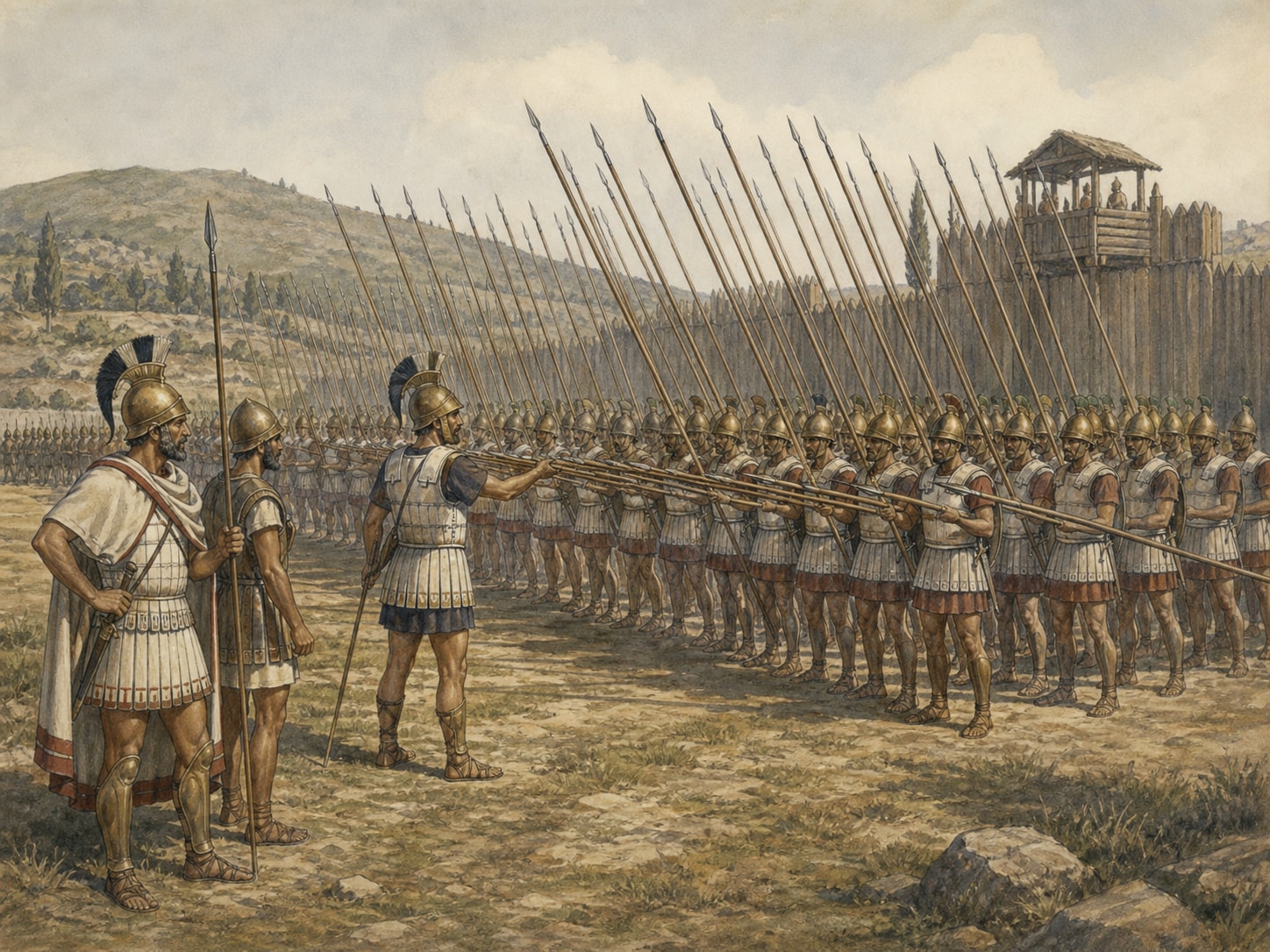
Alexander inherited Philip II's reformed army and leadership of the Corinthian League. Macedonian hegemony, the long conflict with Persia, and ambitions for wealth and renown supported his decision to cross into Asia in 334 BCE.
- Philip II strengthened the army and monarchy, making Macedon the leading power in the Greek world.
- Close coordination between the sarissa phalanx and cavalry gave the expedition both staying power and mobility.
- After his father's death, Alexander secured the throne, suppressed resistance, and inherited the eastern campaign.
Course
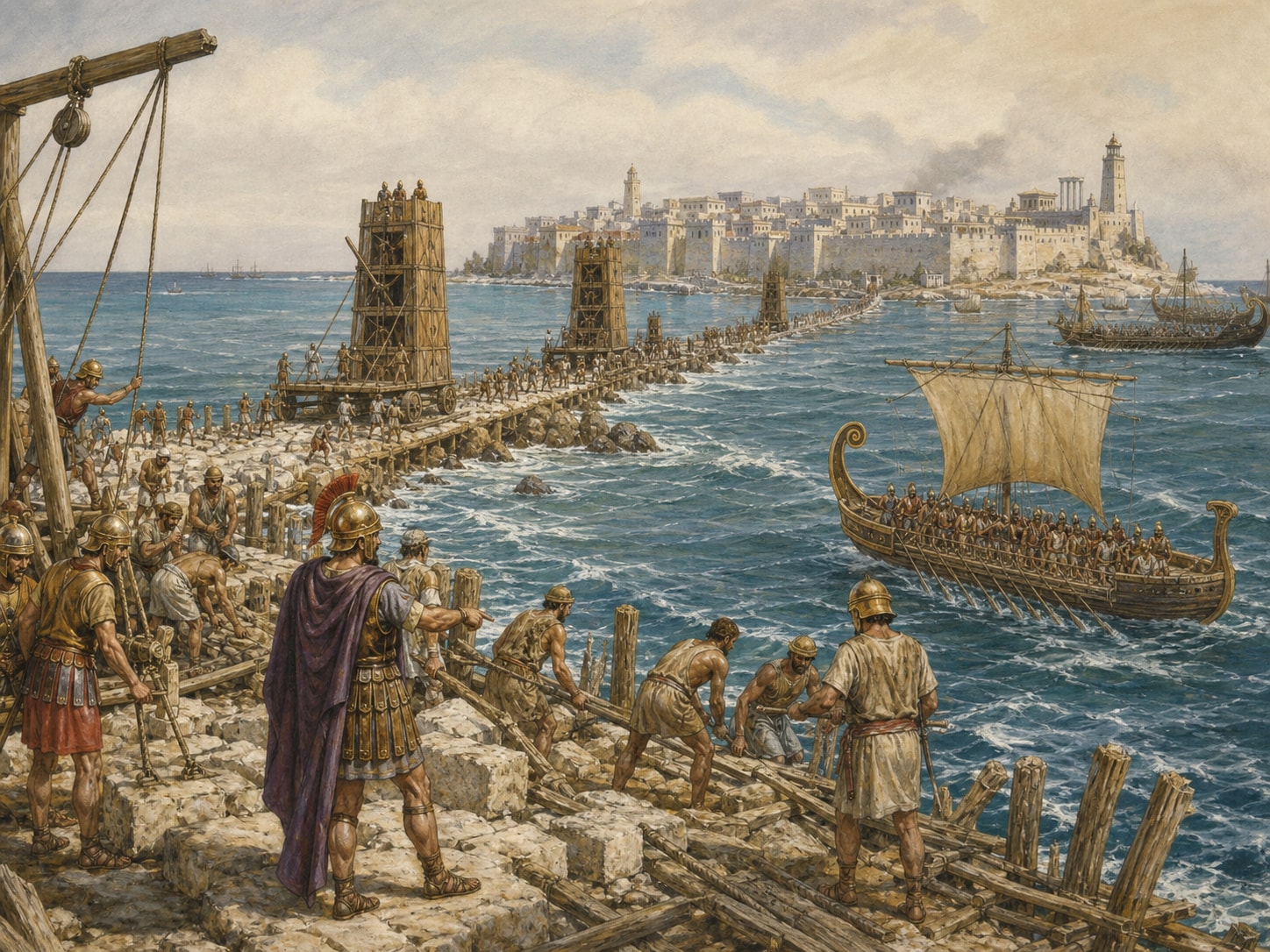
Victories at the Granicus, Issus, Tyre, and Gaugamela opened the Persian heartland before campaigns continued into Central Asia and the Indus. Ptolemy served as an officer in Alexander's army; after the troops refused to advance farther, the army turned west.
- The army crossed the Hellespont in 334 BCE and advanced through Asia Minor into Achaemenid territory.
- Victories at the Granicus, Issus, and Gaugamela opened the centers of Persian royal power.
- After the siege of Tyre and campaigns in Central Asia, the expedition reached the Indus basin.
Outcome
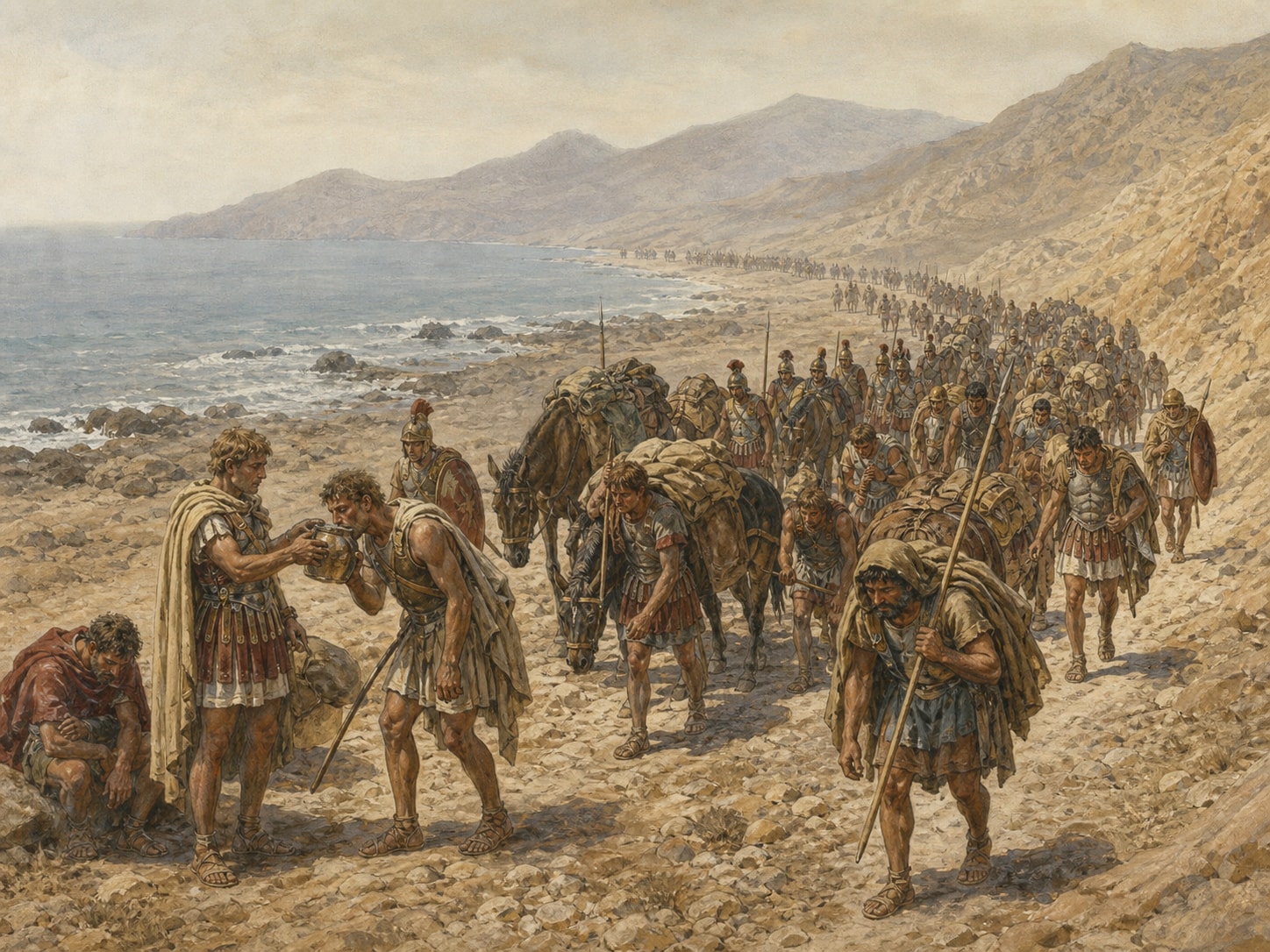
The expedition returned to Susa in 324 BCE with a vast but unsettled empire. Alexander's death the next year left no stable adult successor, and commanders including Ptolemy contested the territories that became Hellenistic kingdoms.
- Years of campaigning exhausted the army, which refused to march farther east and endured a punishing return.
- The conquests created a vast realm stretching from Macedon and Egypt to Iran and Central Asia.
- Alexander's sudden death in 323 BCE left no uncontested successor and opened a struggle among his commanders.
Historical significance
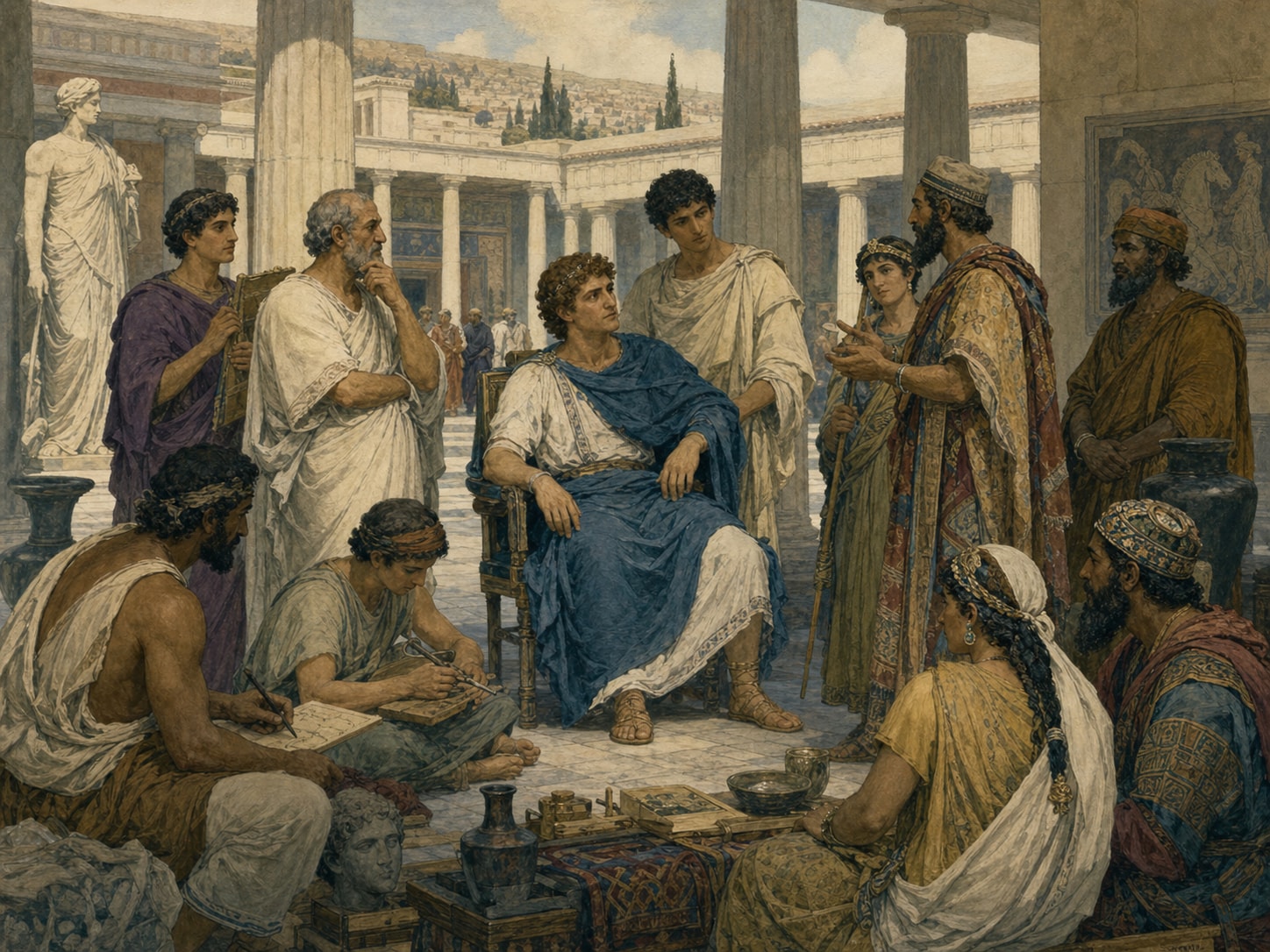
The conquests expanded movements of people, goods, and knowledge from the eastern Mediterranean into western, central, and southern Asia. Resistance and the succession wars also show the difference between rapid conquest and durable government.
- The successor wars produced several Hellenistic kingdoms, including the Ptolemaic realm in Egypt.
- Cities and courts brought Greek-language culture into sustained contact with local traditions across the conquered regions.
- The rapid conquest connected distant territories while revealing how fragile an empire built around one commander's authority could be.


Related figures
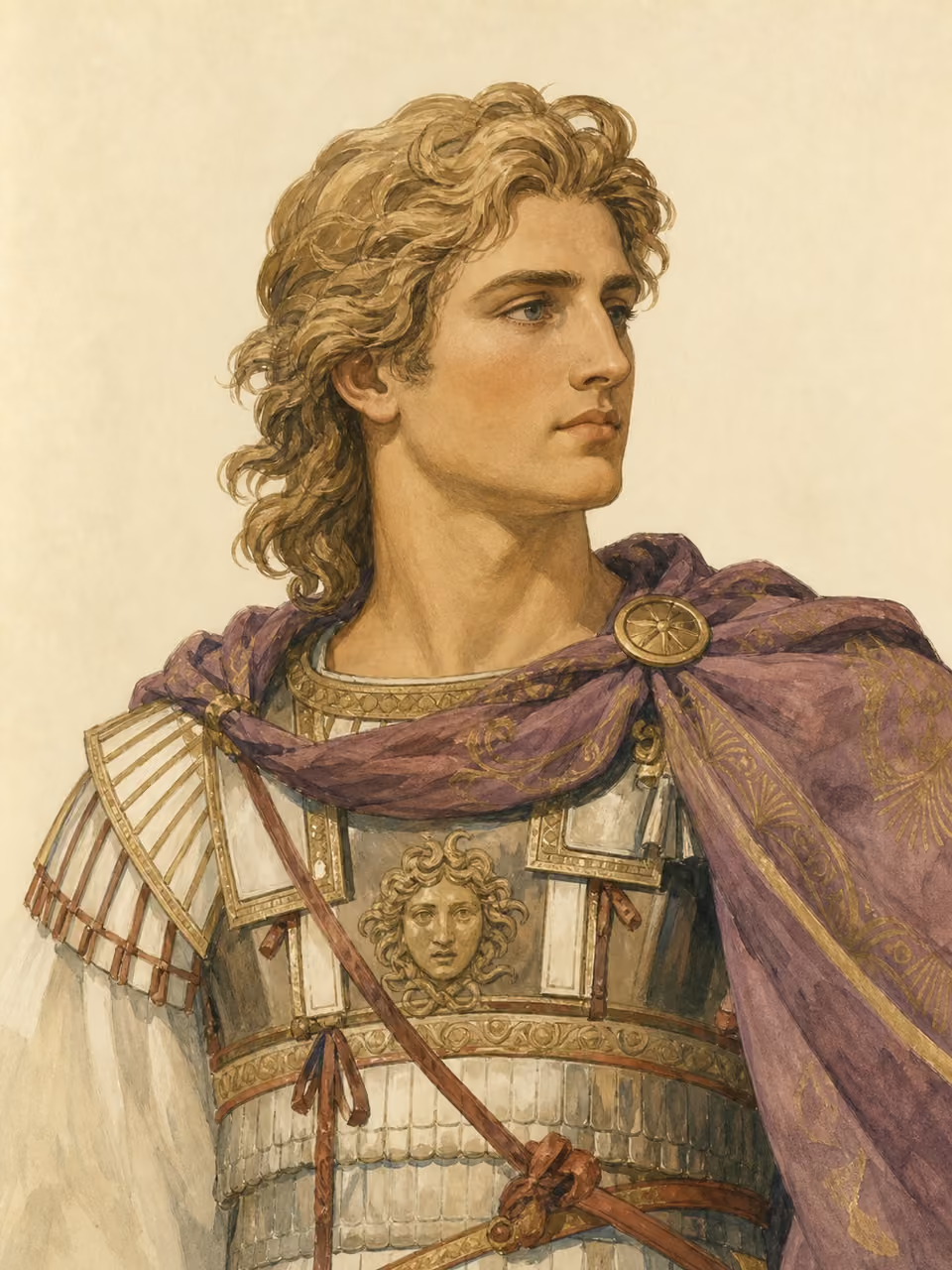
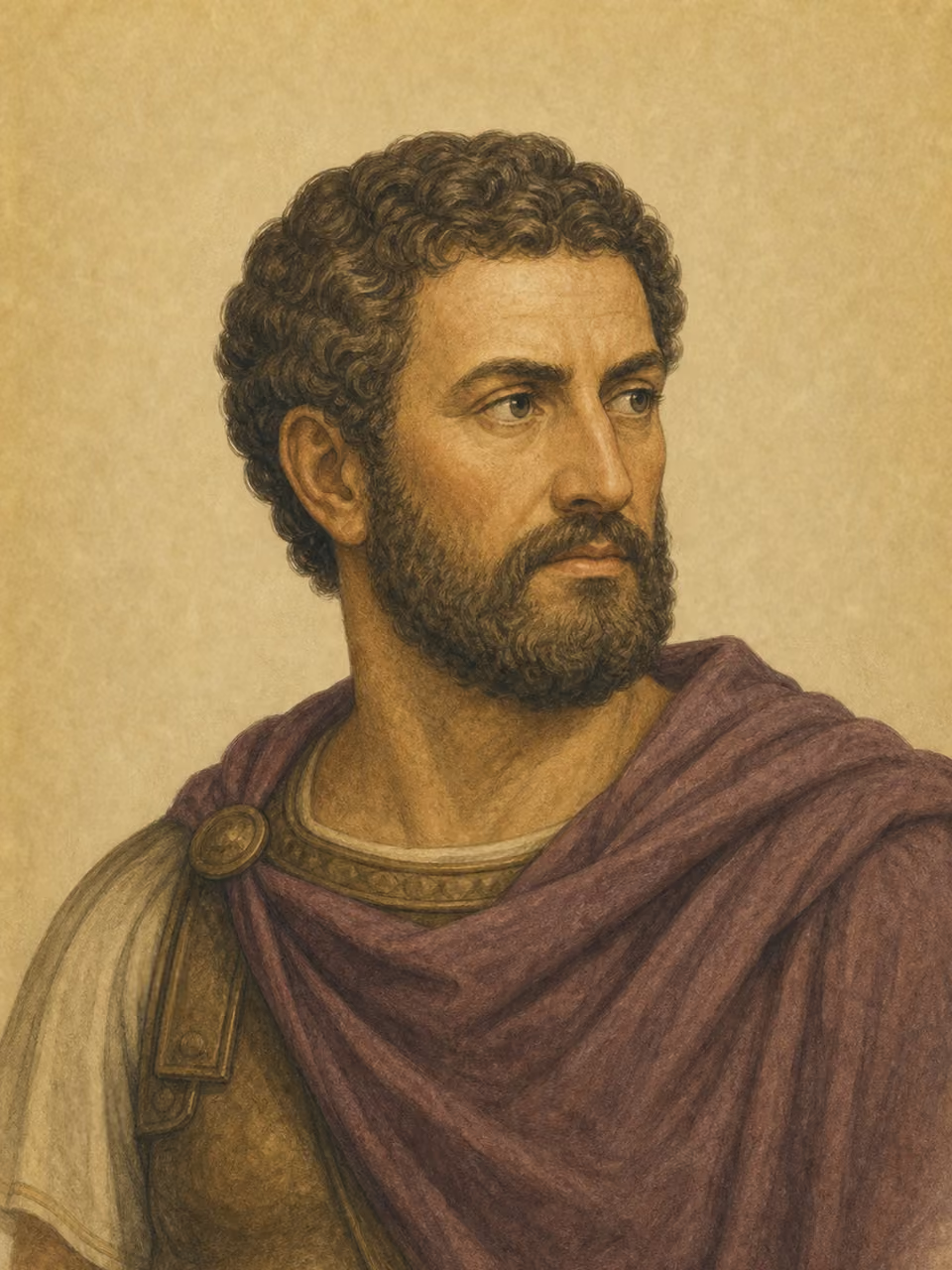
Related events
359 BC–336 BC
Philip II establishes Macedonian hegemony
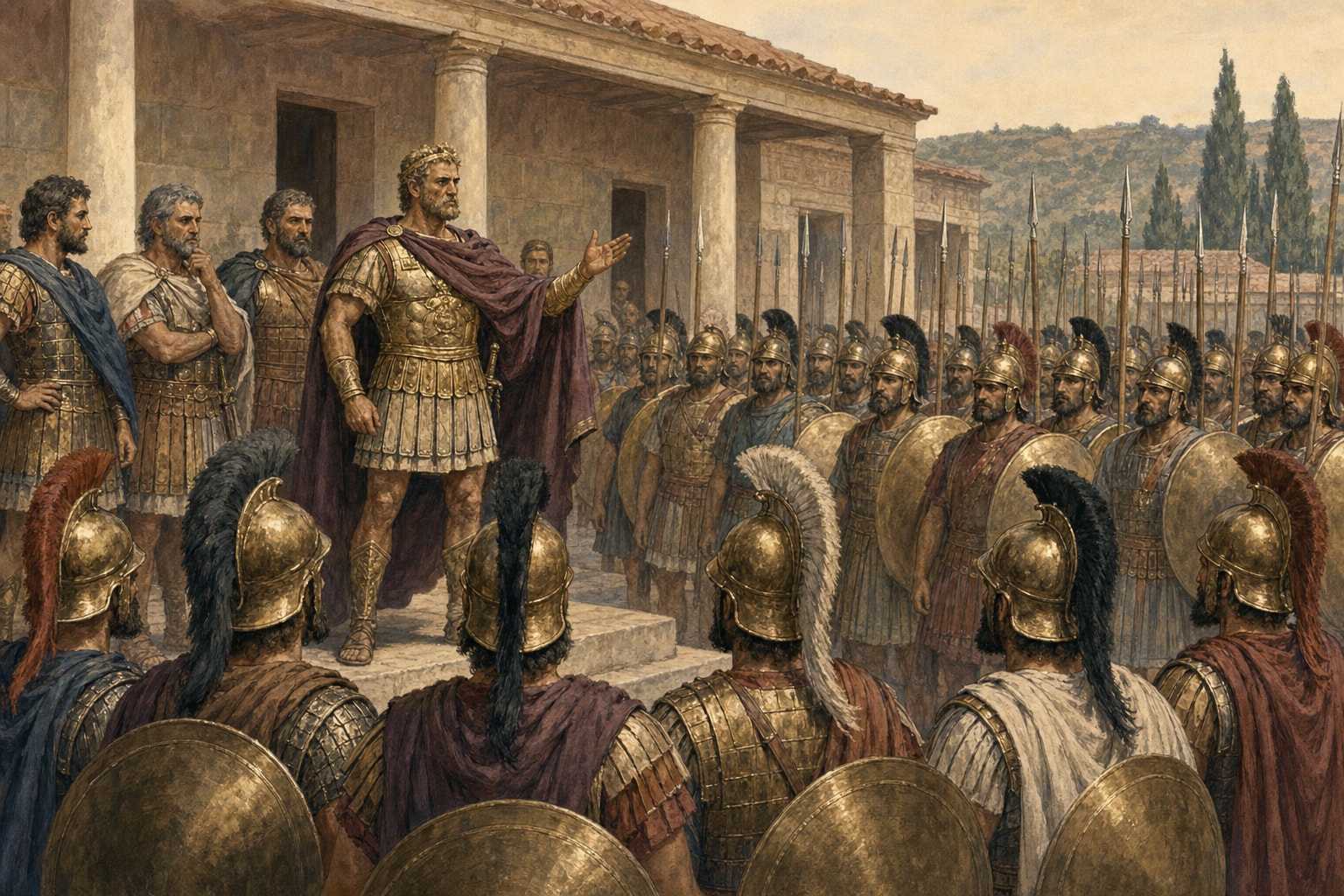
Military reform and diplomacy strengthened the kingdom and created the base from which Alexander could campaign in Asia.
336 BC
Alexander succeeds Philip
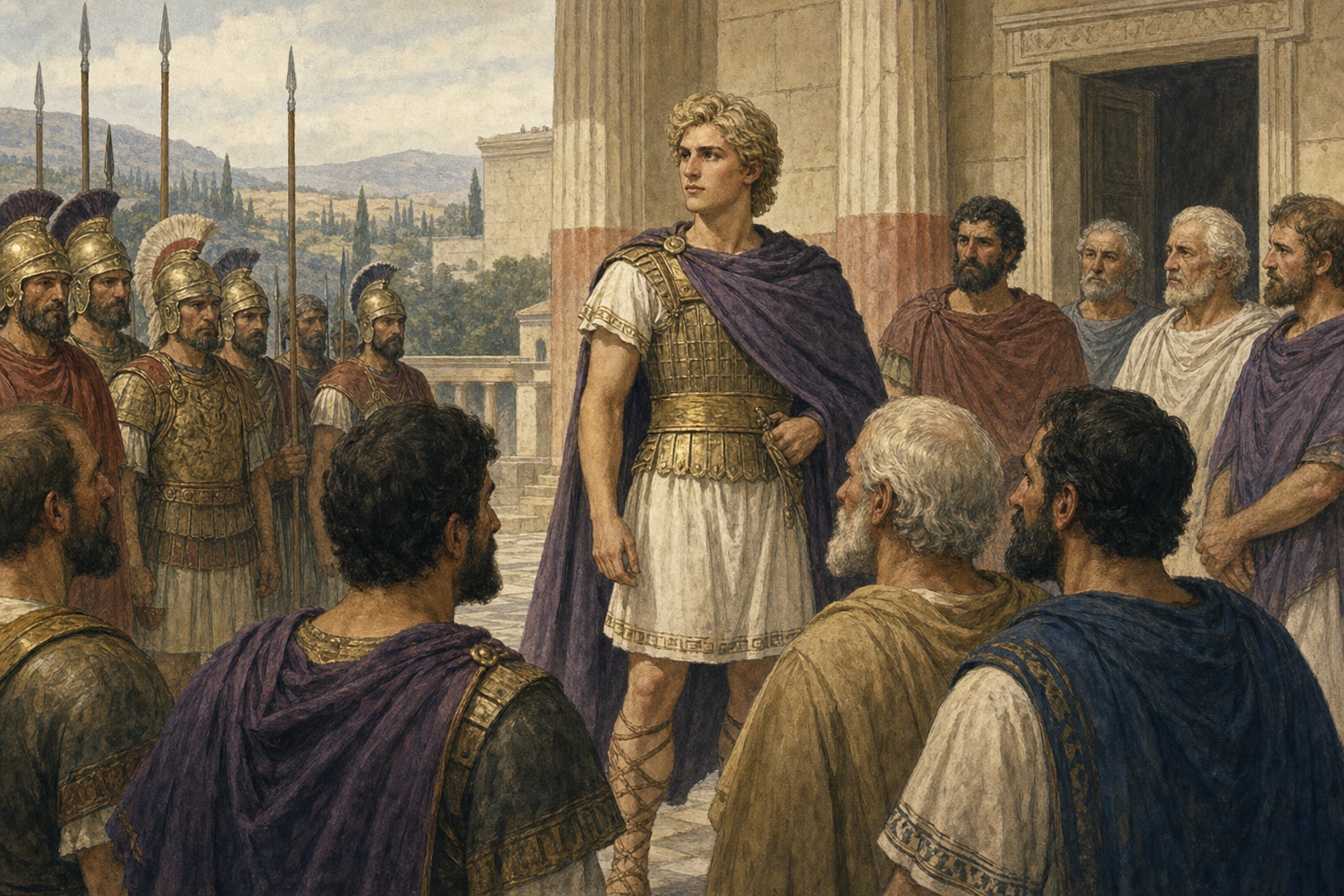
After Philip II's death, the young Alexander became king and moved quickly against opposition at home and abroad.
334 BC–324 BC
Alexander's Conquests
Current event
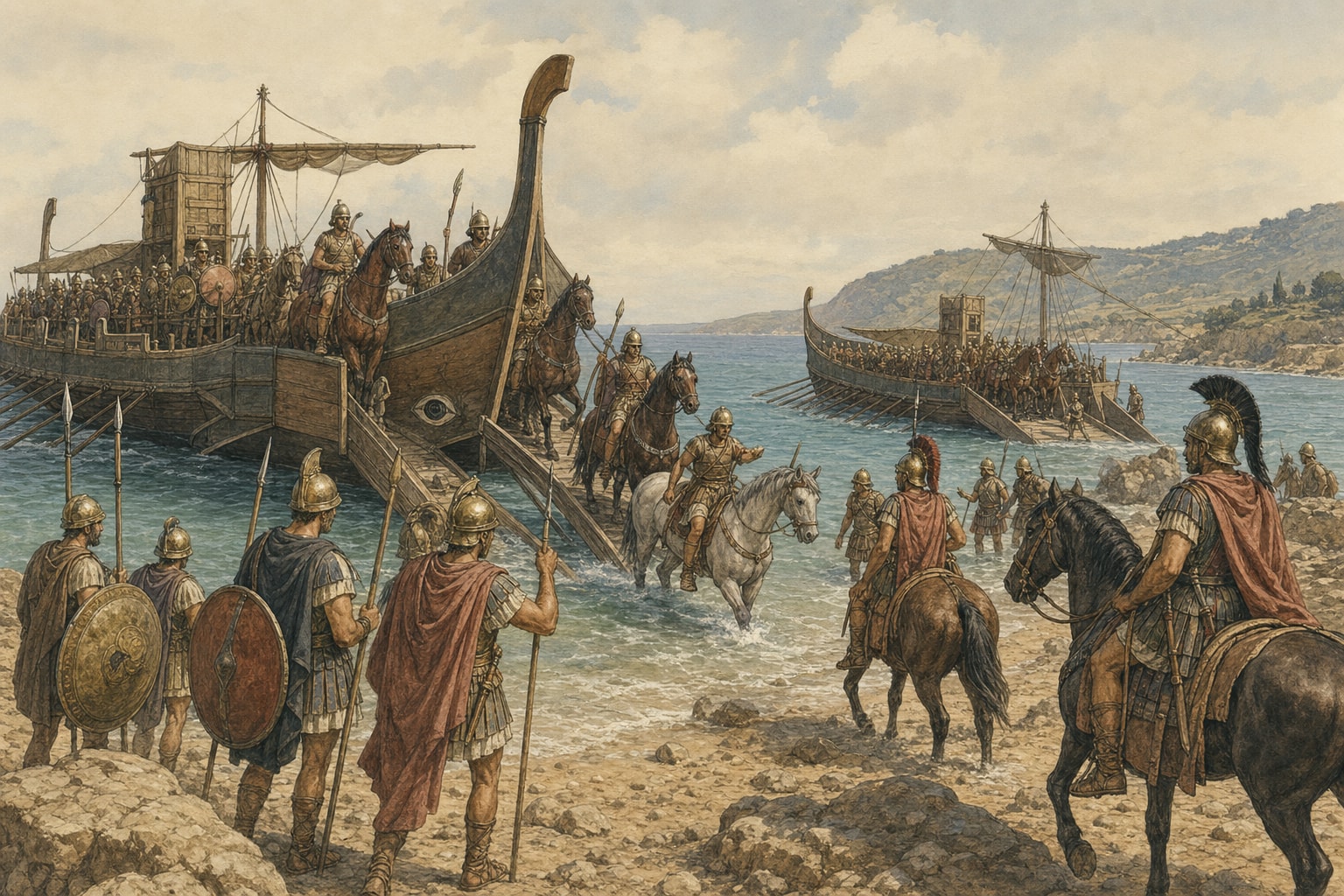
The Macedonian army defeated Achaemenid power and advanced from the eastern Mediterranean through Central Asia to northwestern India.
323 BC
Death of Alexander
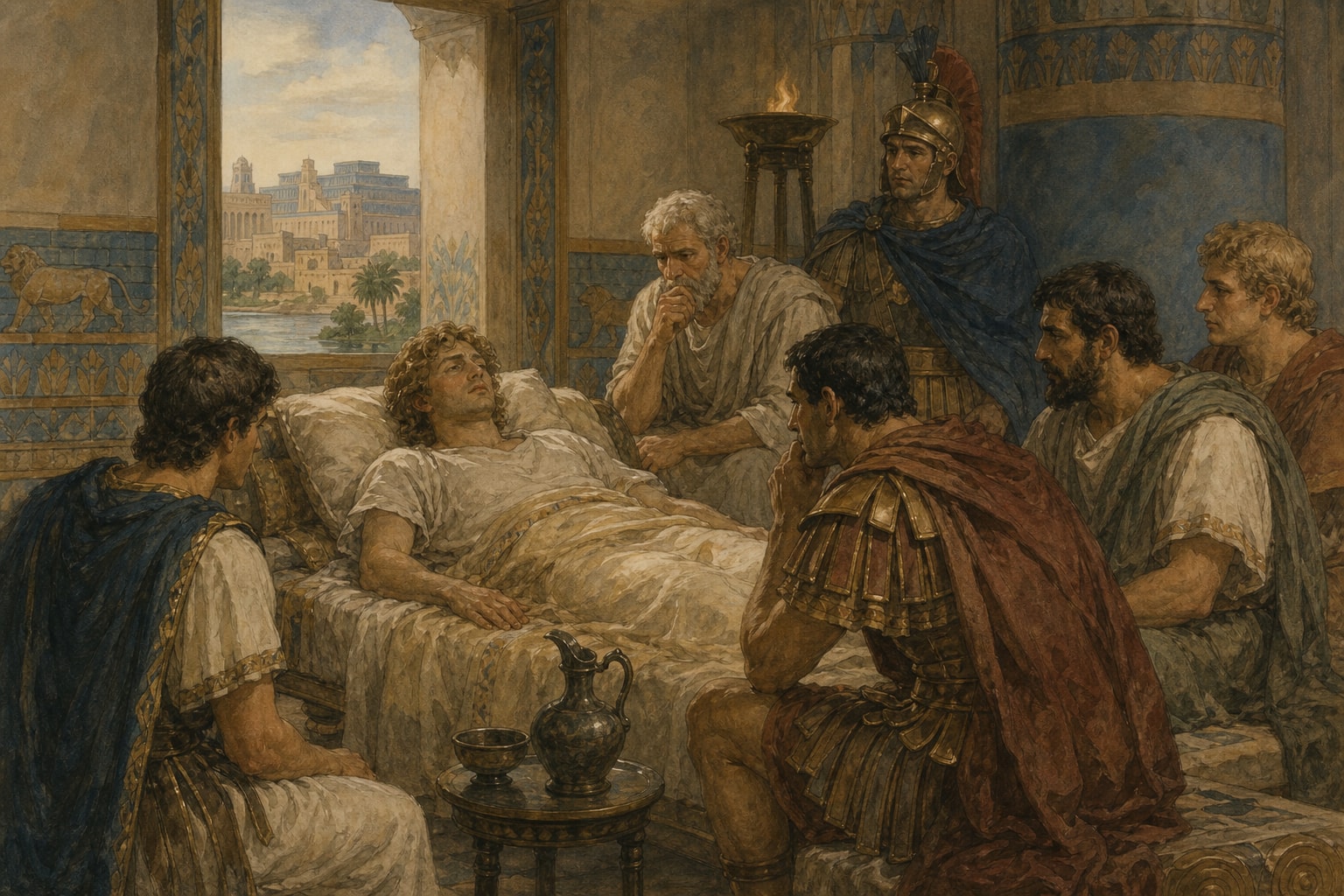
Alexander died in Babylon, leaving the commanders of his vast empire to contest its leadership and territory.
301 BC
Battle of Ipsus
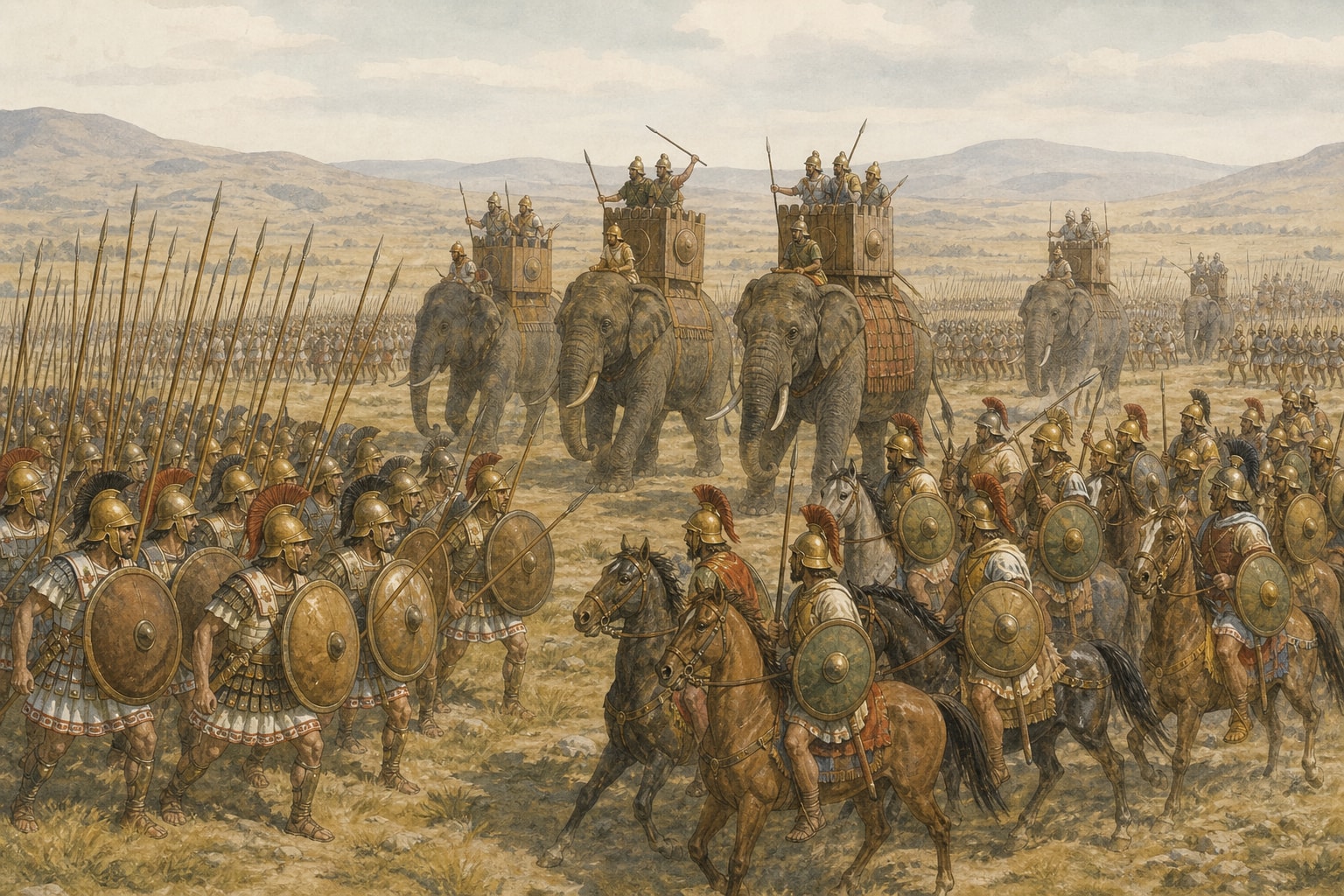
A major clash among the successors ended hopes of quickly reunifying Alexander's empire and reinforced the division into kingdoms.


Sources
- The Rise of Macedon and the Conquests of Alexander the GreatThe Metropolitan Museum of ArtA museum overview of Macedon's rise, Alexander's campaign, and the emergence of the Hellenistic world.
- Who was Alexander the Great?British MuseumA museum account of Alexander's life, conquests, death, and historical legacy.
- Plutarch, Life of AlexanderPerseus Digital LibraryA digital edition of an ancient biography describing the expedition and its participants.