Battle of Legnica
1241
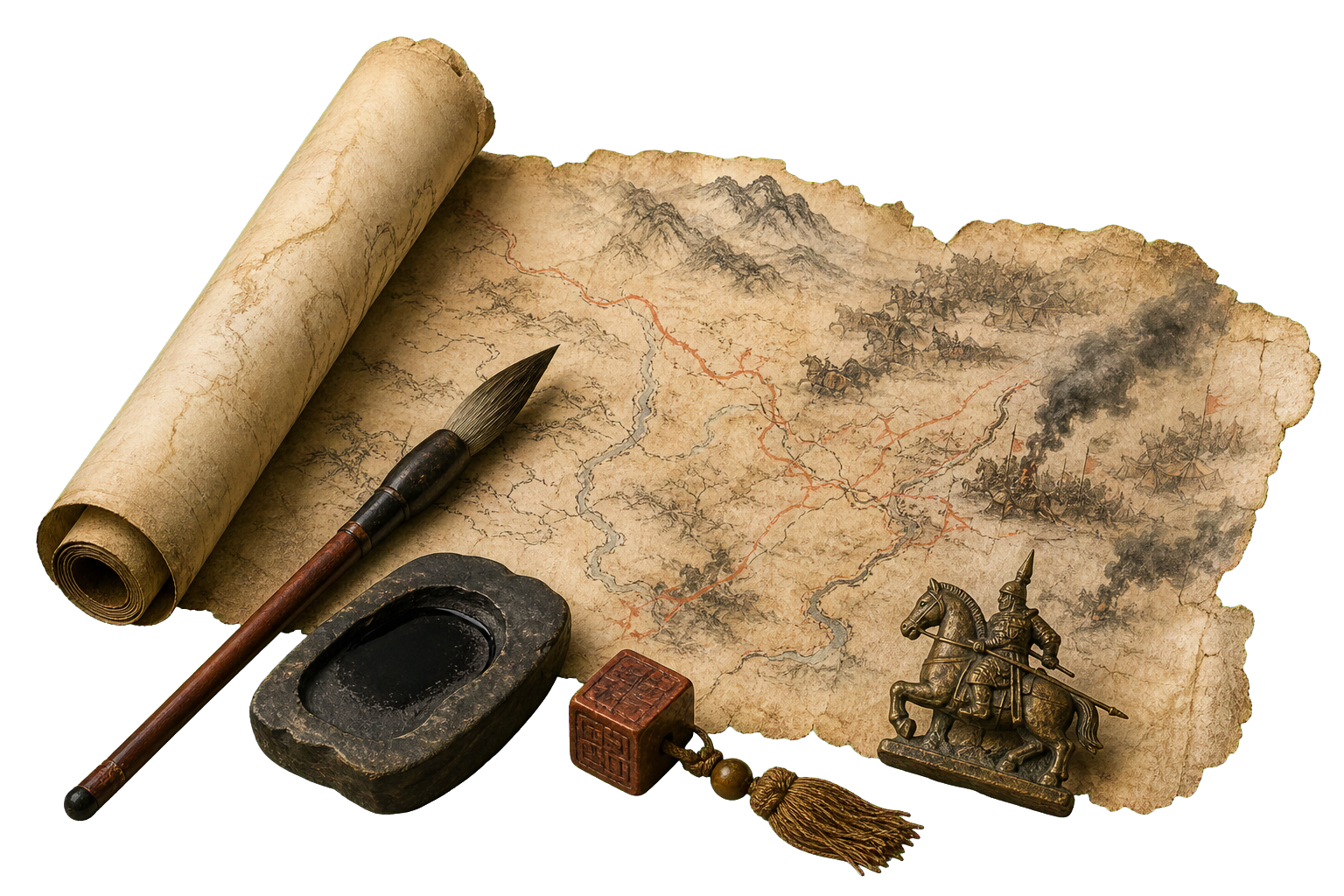
A 1241 battle in present-day southwestern Poland between a Mongol army and forces led by Duke Henry II of Silesia; it is also known as the Battle of Wahlstatt or Liegnitz.

- Period
- 1241
- Kind
- Battle
- Regions
- Europe
- Keywords
- Battle of Legnica · background · course · outcome
Follow the story · Four stages
Background
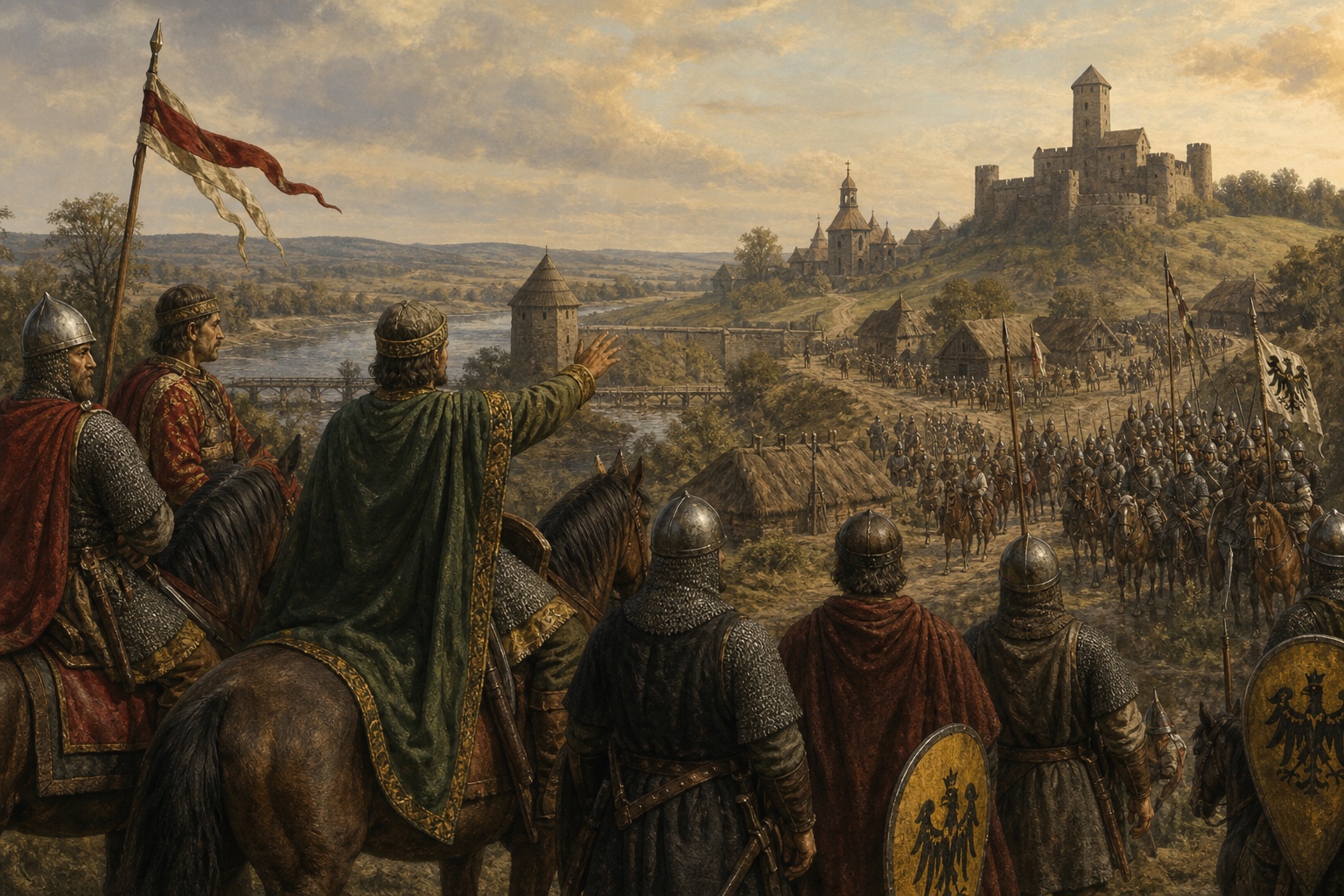
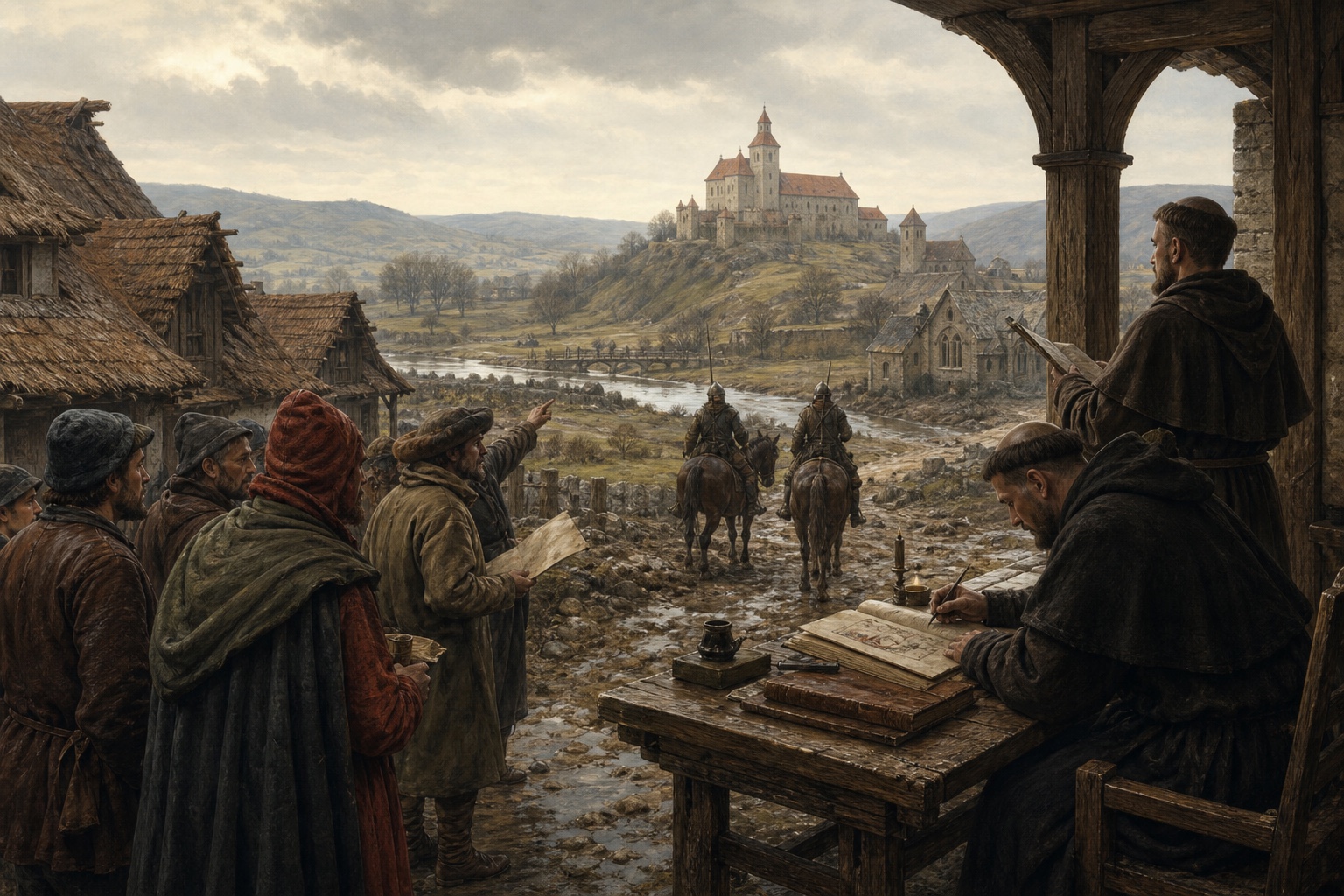
The Mongol Empire's western campaigns had advanced through the Rus' principalities into Central Europe. Duke Henry II of Silesia assembled forces from neighboring territories and knightly contingents to oppose the army operating in Poland.
- The Mongol Empire's western campaigns had advanced through the Rus' principalities into Central Europe.
- Duke Henry II of Silesia assembled forces from neighboring territories and knightly contingents to oppose the army operating in Poland.
- Core event: A 1241 battle in present-day southwestern Poland between a Mongol army and forces led by Duke Henry II of Silesia; it is also known as the Battle of Wahlstatt or Liegnitz.
Course
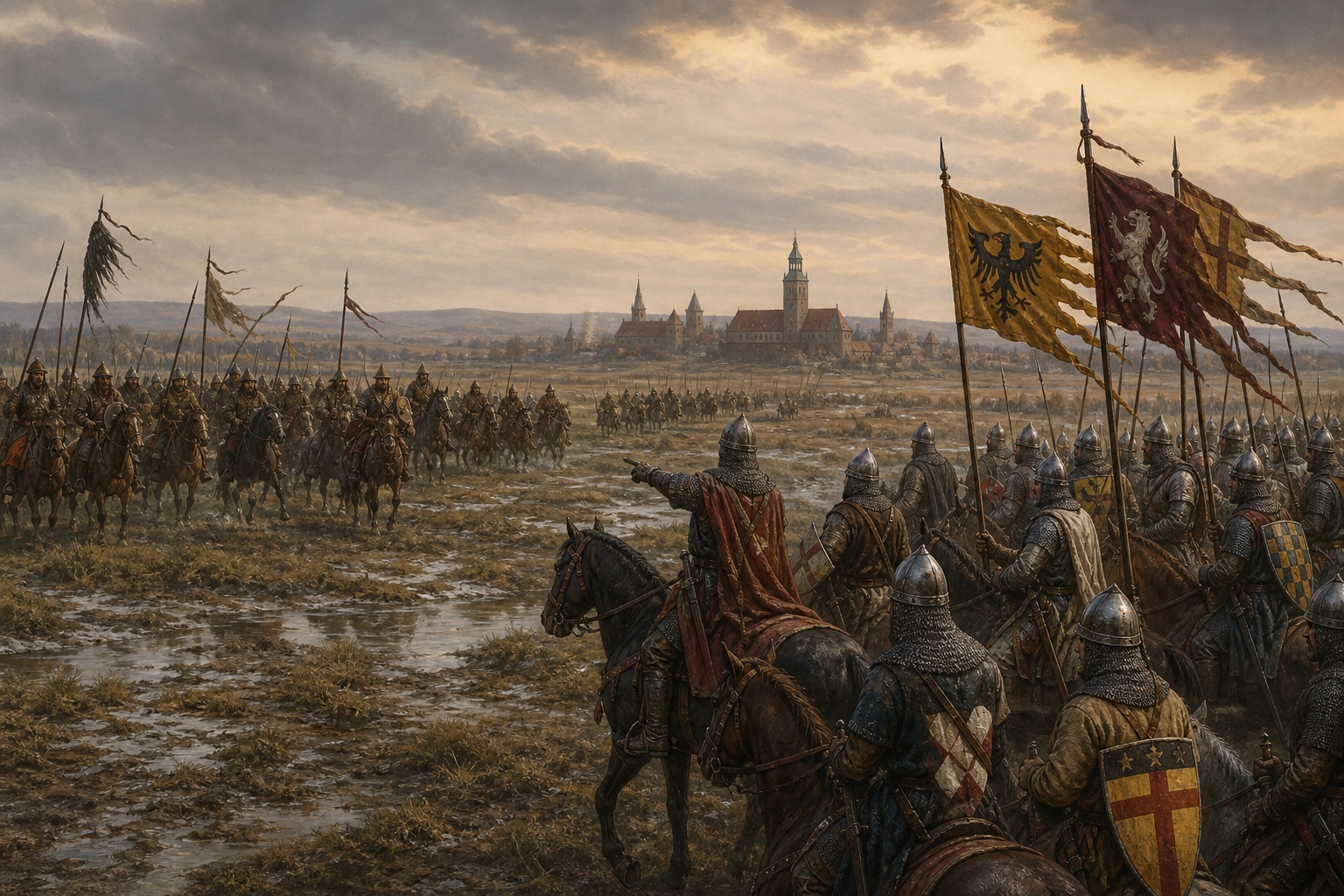
The armies fought near Legnica on 9 April 1241. Many tactical details come from later narratives and remain debated, but Henry's force broke during the battle and the duke was killed.
- The armies fought near Legnica on 9 April 1241.
- Many tactical details come from later narratives and remain debated, but Henry's force broke during the battle and the duke was killed.
- Conditions behind the action: The Mongol Empire's western campaigns had advanced through the Rus' principalities into Central Europe. Duke Henry II of Silesia assembled forces from neighboring territories and knightly contingents to oppose the army operating in Poland.
Outcome
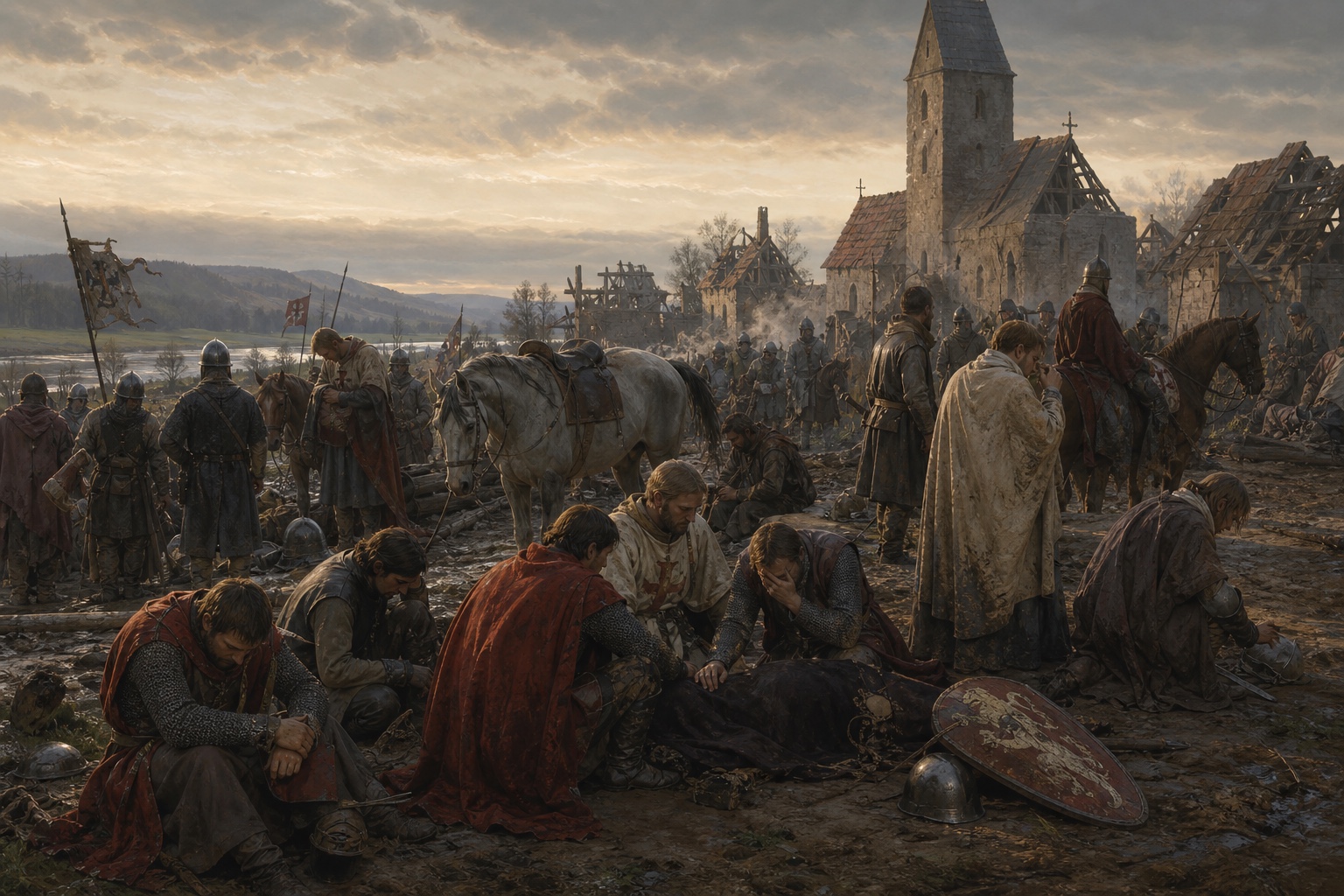
The Mongol army won and the defending forces suffered severe losses. Mongol operations continued in Central Europe, although this battle alone did not determine whether the Mongols would conquer farther west.
- The Mongol army won and the defending forces suffered severe losses.
- Mongol operations continued in Central Europe, although this battle alone did not determine whether the Mongols would conquer farther west.
- Process producing the result: The armies fought near Legnica on 9 April 1241. Many tactical details come from later narratives and remain debated, but Henry's force broke during the battle and the duke was killed.
Historical significance
Legnica became a powerful symbol of how far Mongol military operations reached into Central Europe. It also shows why historians must distinguish limited contemporary evidence from later traditions about a famous battle.
- Legnica became a powerful symbol of how far Mongol military operations reached into Central Europe.
- It also shows why historians must distinguish limited contemporary evidence from later traditions about a famous battle.
- Immediate consequence: The Mongol army won and the defending forces suffered severe losses. Mongol operations continued in Central Europe, although this battle alone did not determine whether the Mongols would conquer farther west.


Related figures

Jerome
historical figure in context
A Christian theologian of late antiquity who was involved in the translation of the Latin Bible Vulgate. This is important when considering the Christianization of the Roman Empire and the standardization of Bible interpretation. It represents the academic tradition of the Western Church.
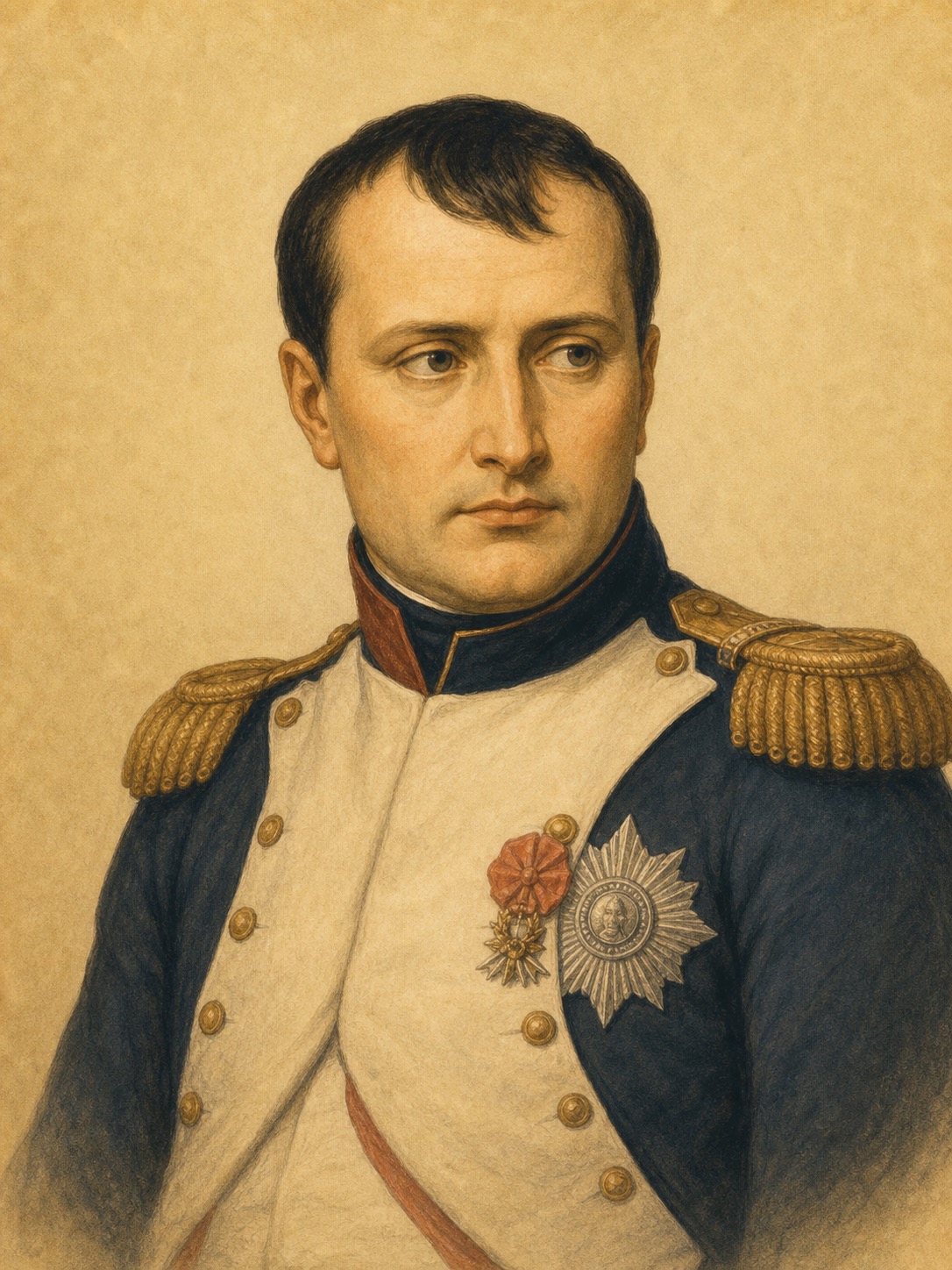
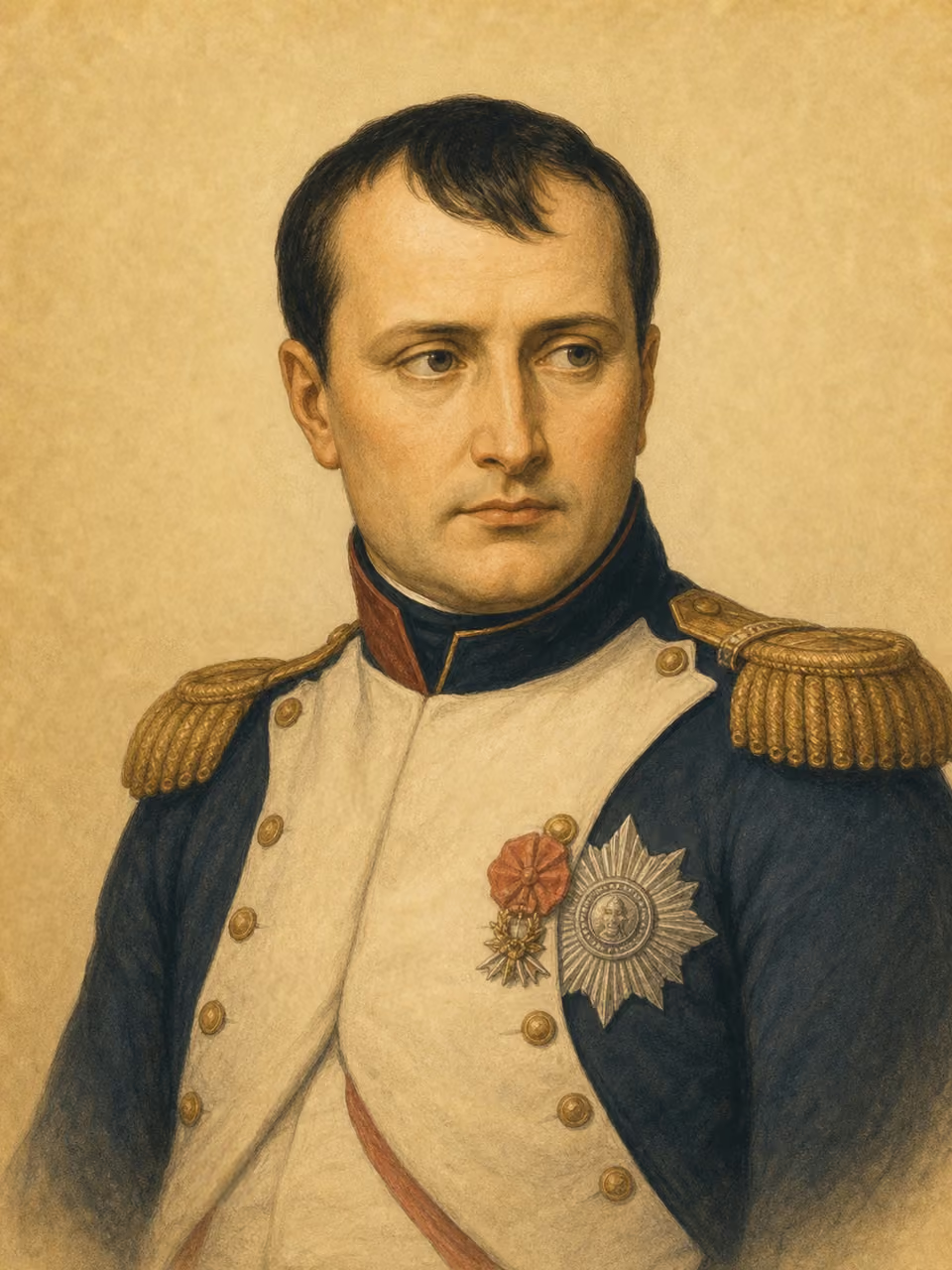
Napoleon Bonaparte
historical figure in context
Rising fast through the turmoil of the French Revolution, Napoleon turned the Italian campaigns, Austerlitz, and the coup of 1799 into a path from general to emperor. While war and conquest drove his fame, he also recast legal codes, education, and administration, making his rule decisive both on the battlefield and inside the machinery of the state.
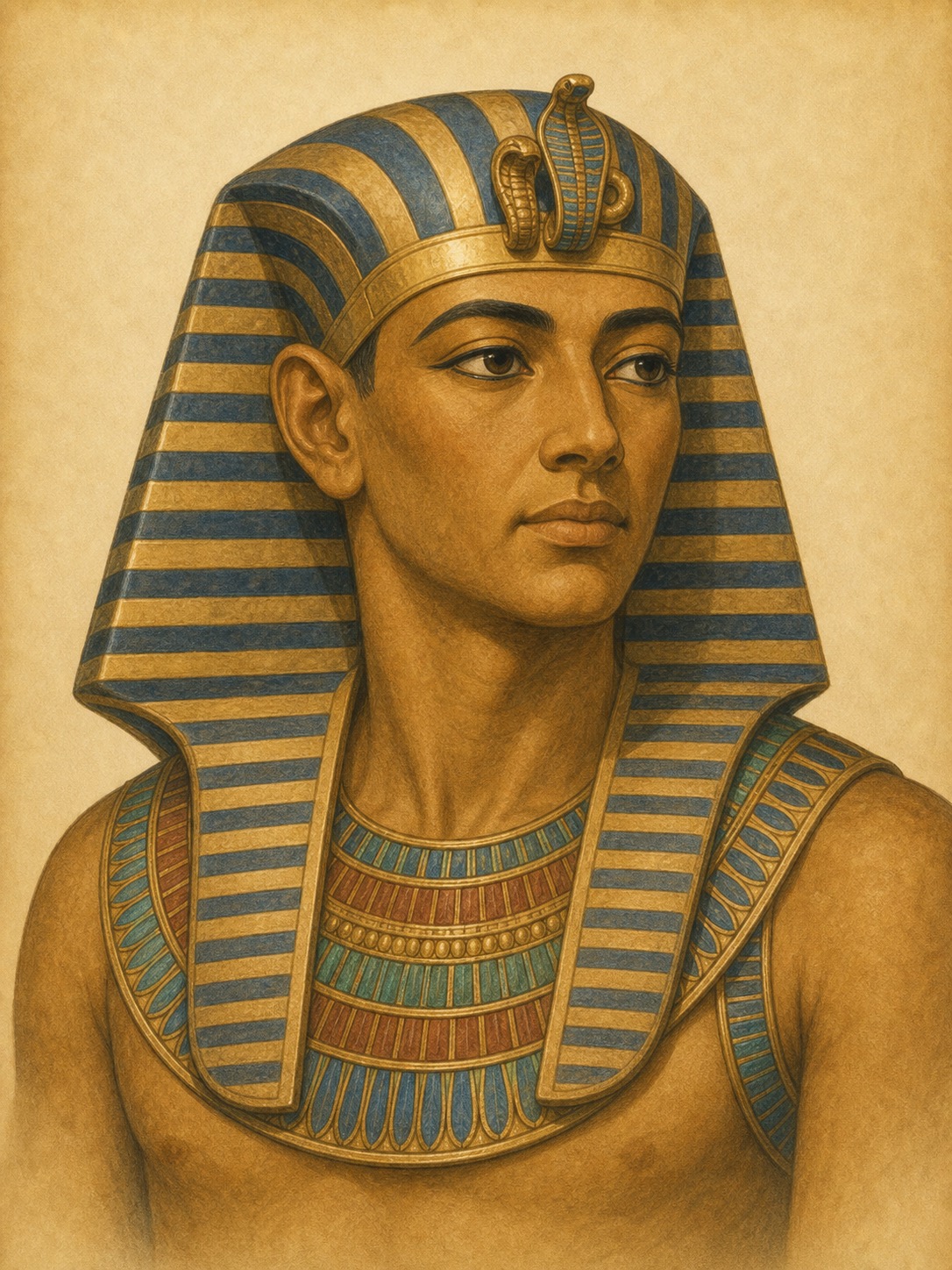
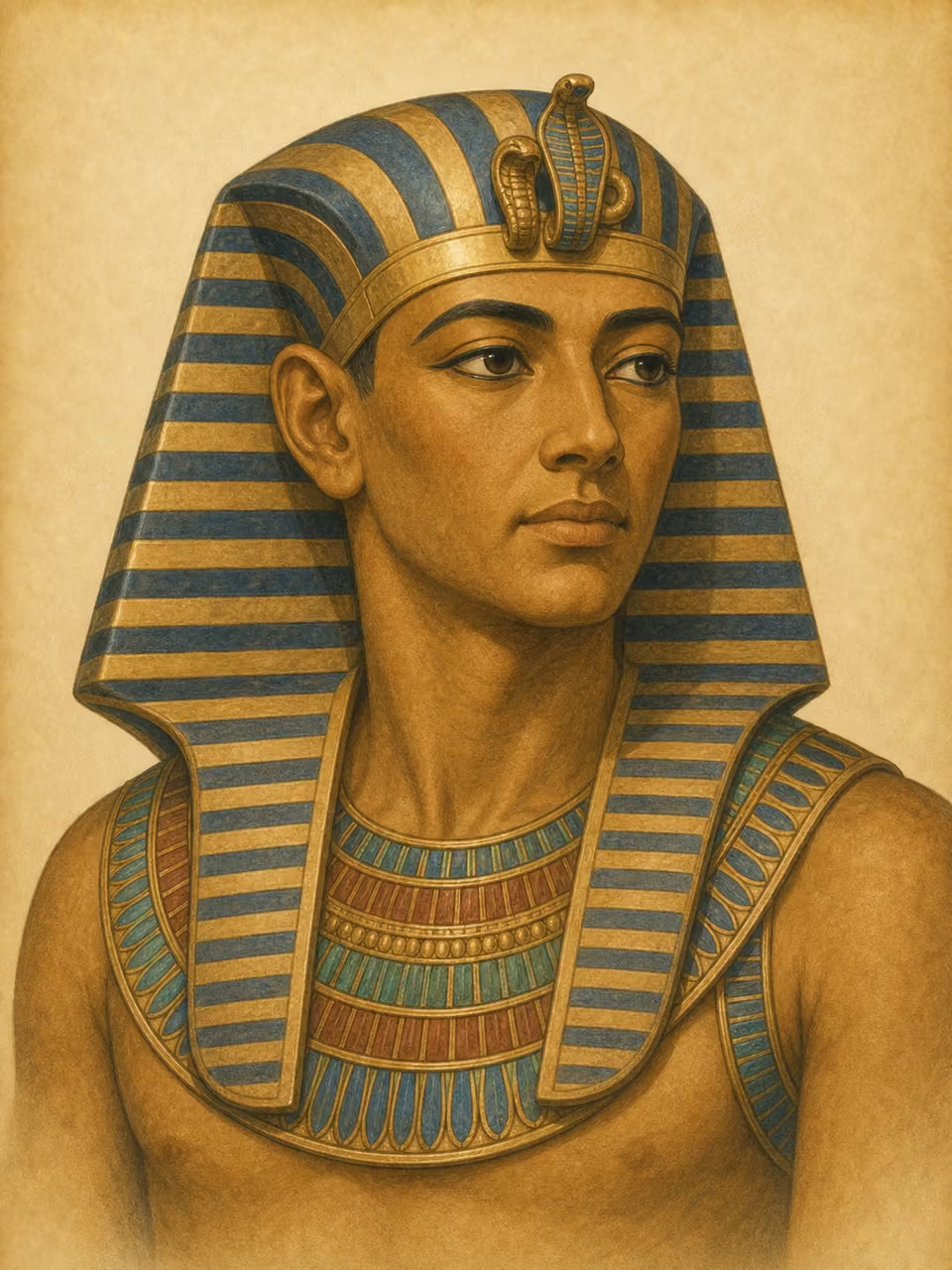
Thutmose III
historical figure in context
A pharaoh of the New Kingdom of ancient Egypt who expanded his empire through aggressive expeditions. He is known for his battles at Megiddo and is sometimes called the ``Napoleon of Egypt.'' He is a figure who represents the New Kingdom as a military empire.
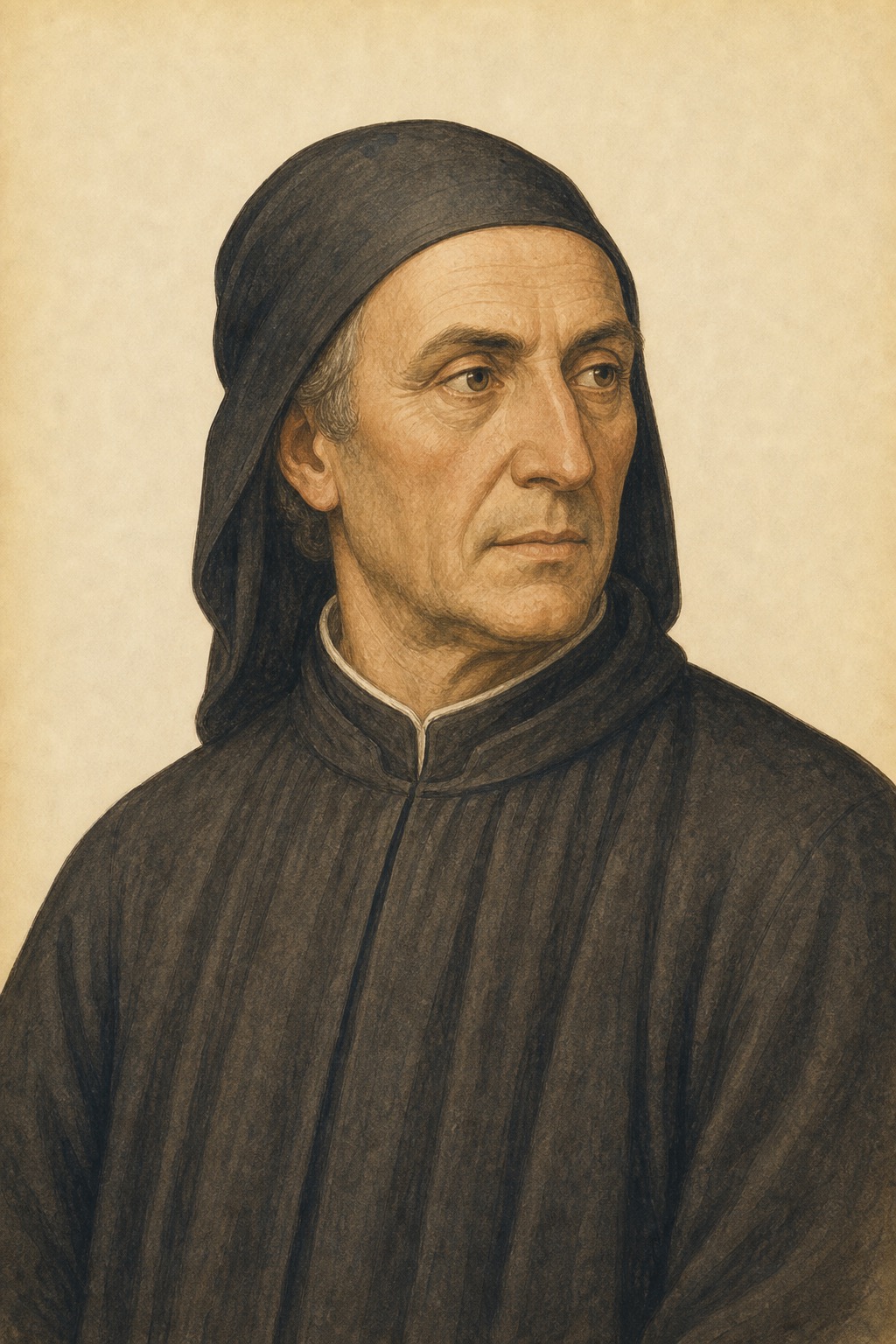
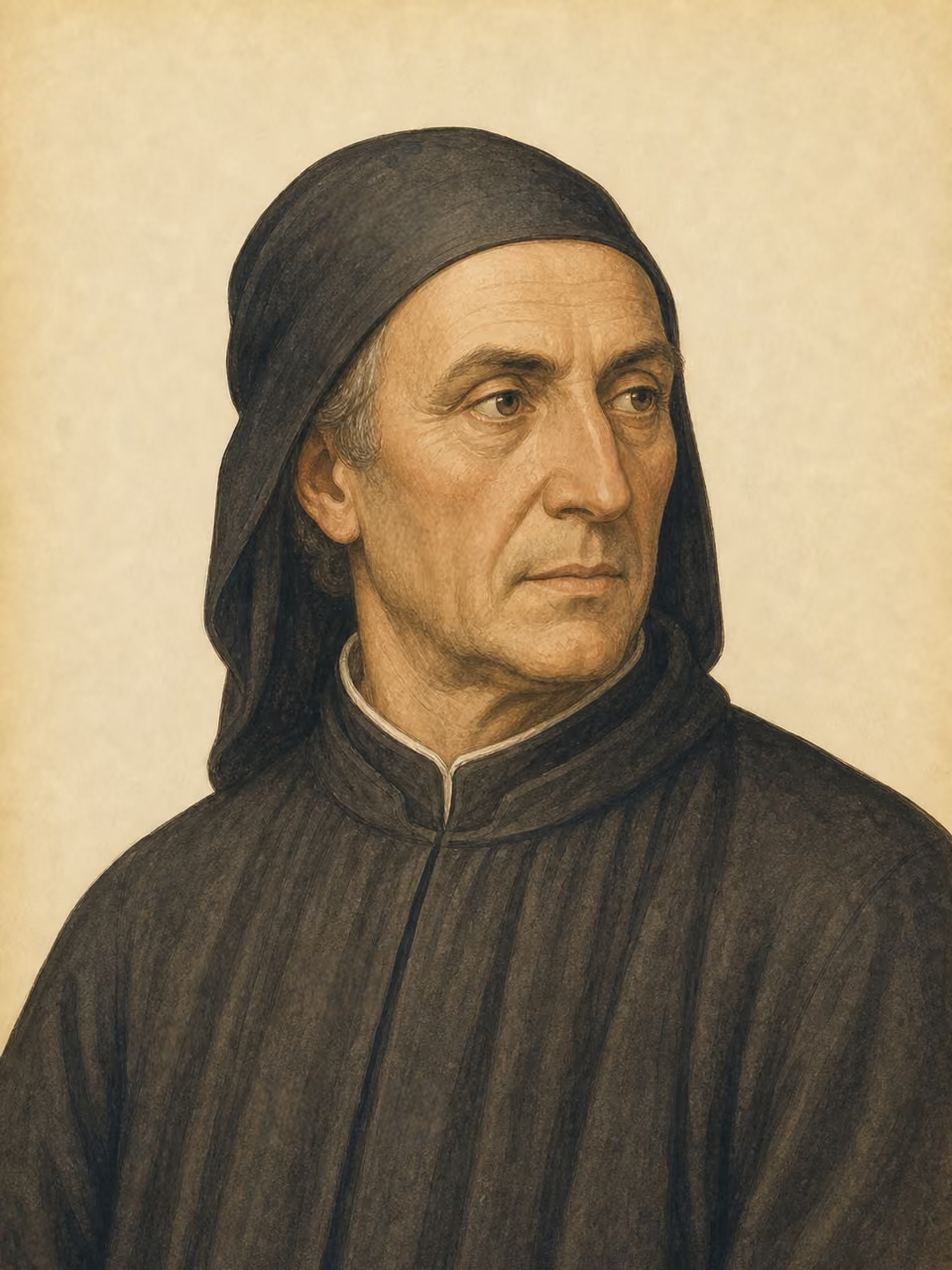
Filippo Brunelleschi
historical figure in context
Florentine architect and engineer. He is best known for the dome of the Cathedral of Santa Maria del Fiore, and was also involved in the study of linear perspective. He is a person who thinks about Renaissance architecture.
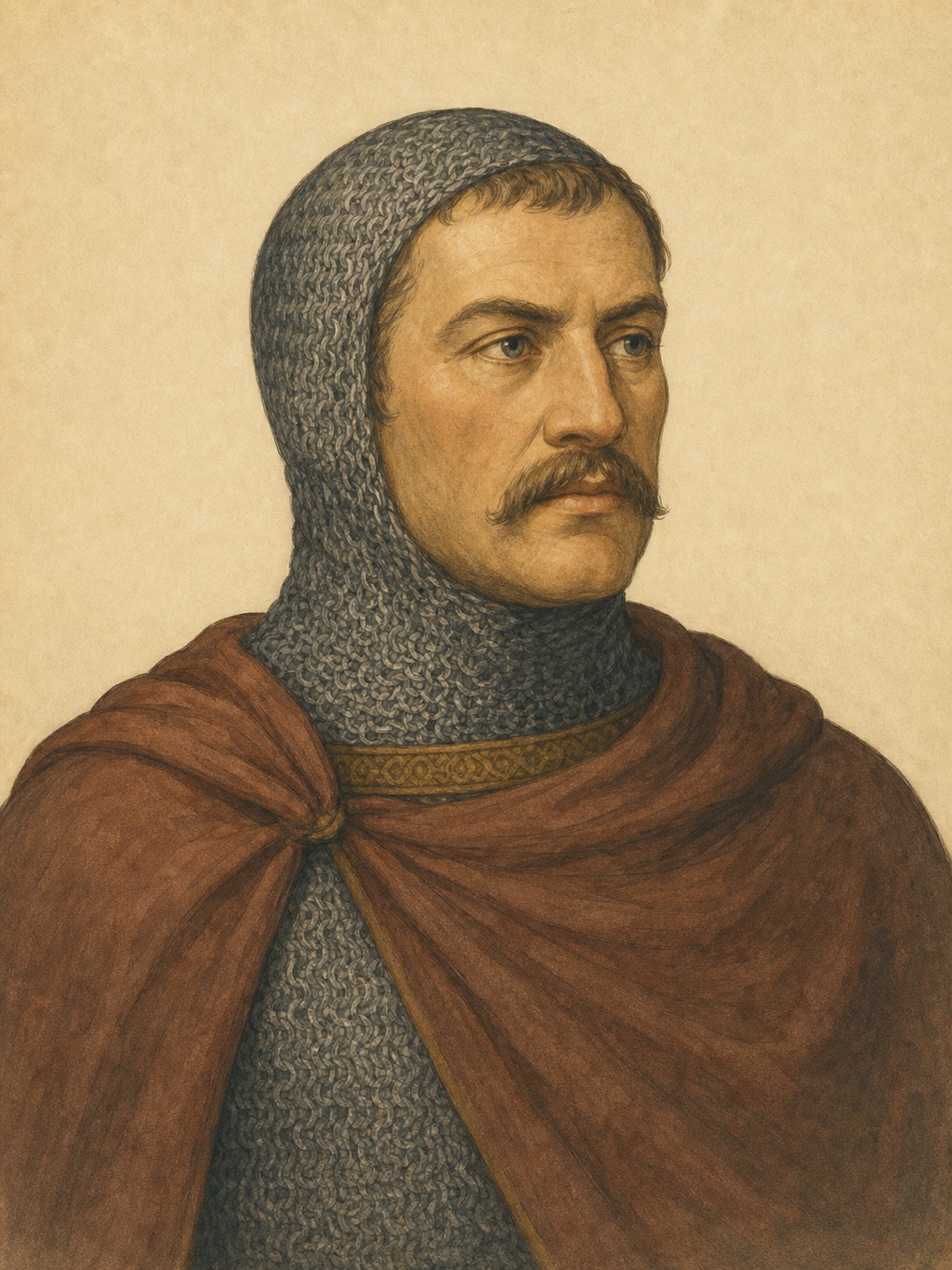
William the Conqueror
historical figure in context
Duke of Normandy who conquered England in 1066. The Norman Conquest brought major changes to England's royal power, aristocracy, language and culture. It became a reference point for medieval Western European history.

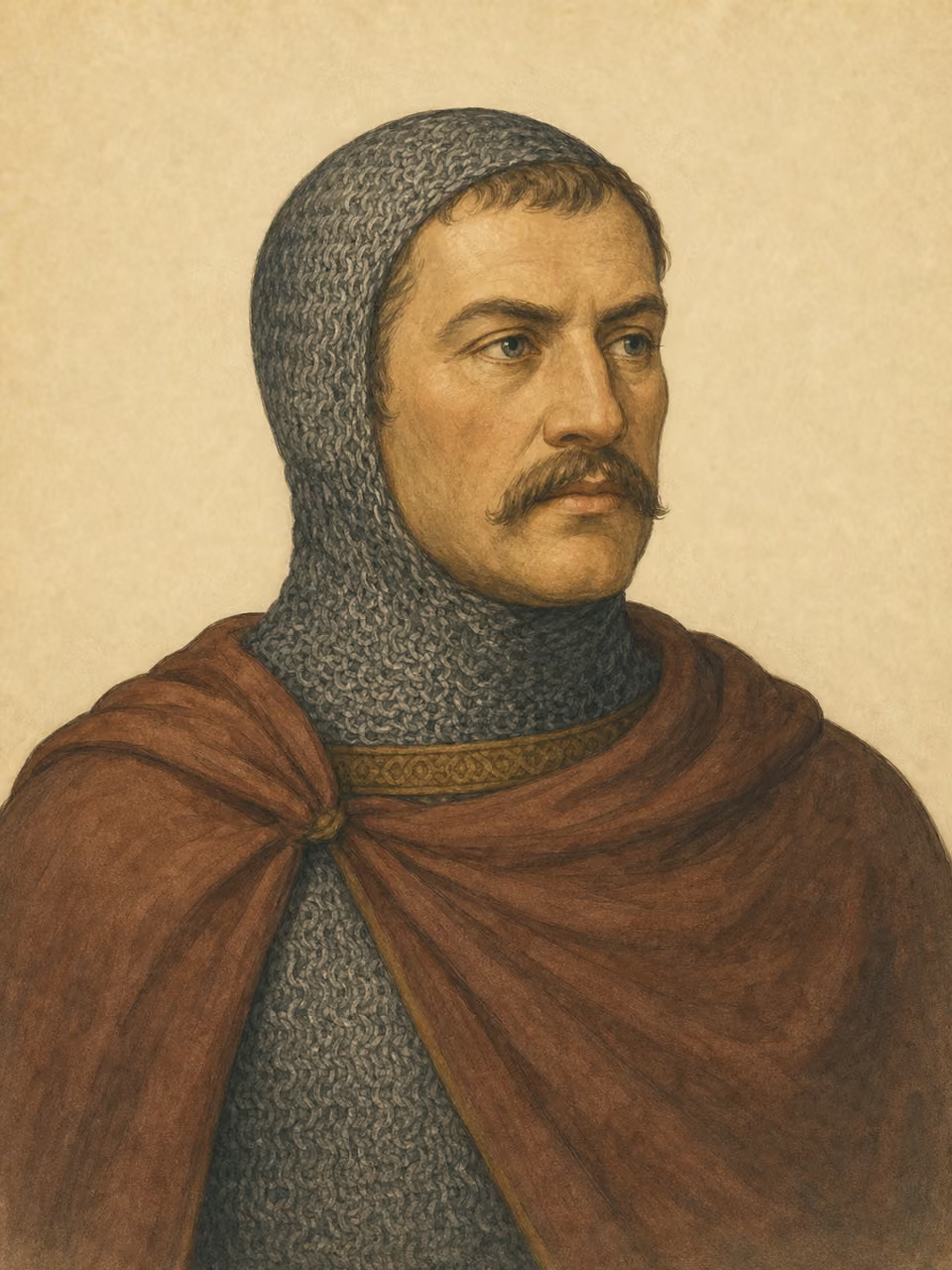
Related events
1221
Prelude
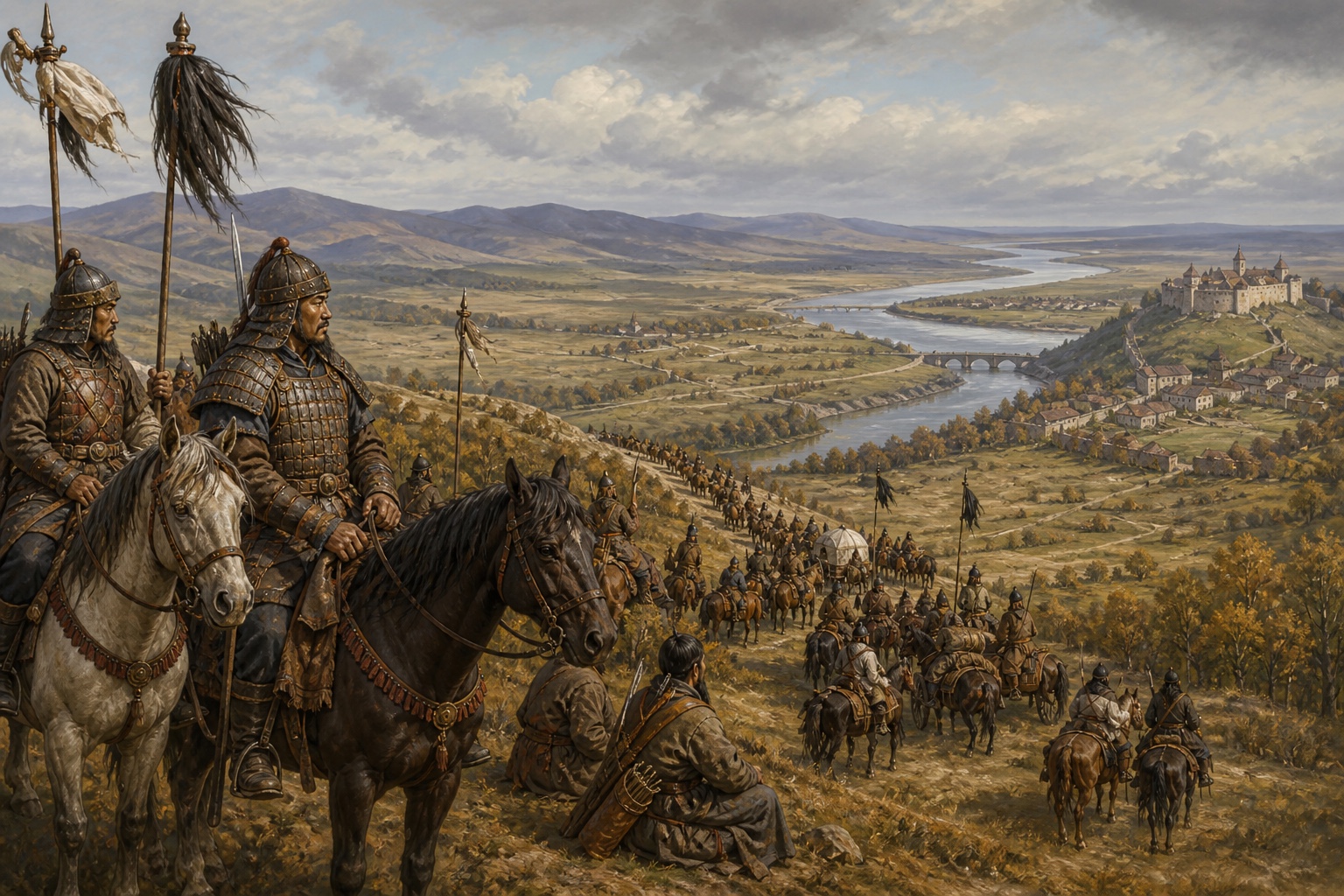
Prelude — Background: The Mongol Empire's western campaigns had advanced through the Rus' principalities into Central Europe. Duke Henry II of Silesia assembled forces from neighboring territories and knightly contingents to oppose the army operating in Poland.
c. 1240
Rising tension
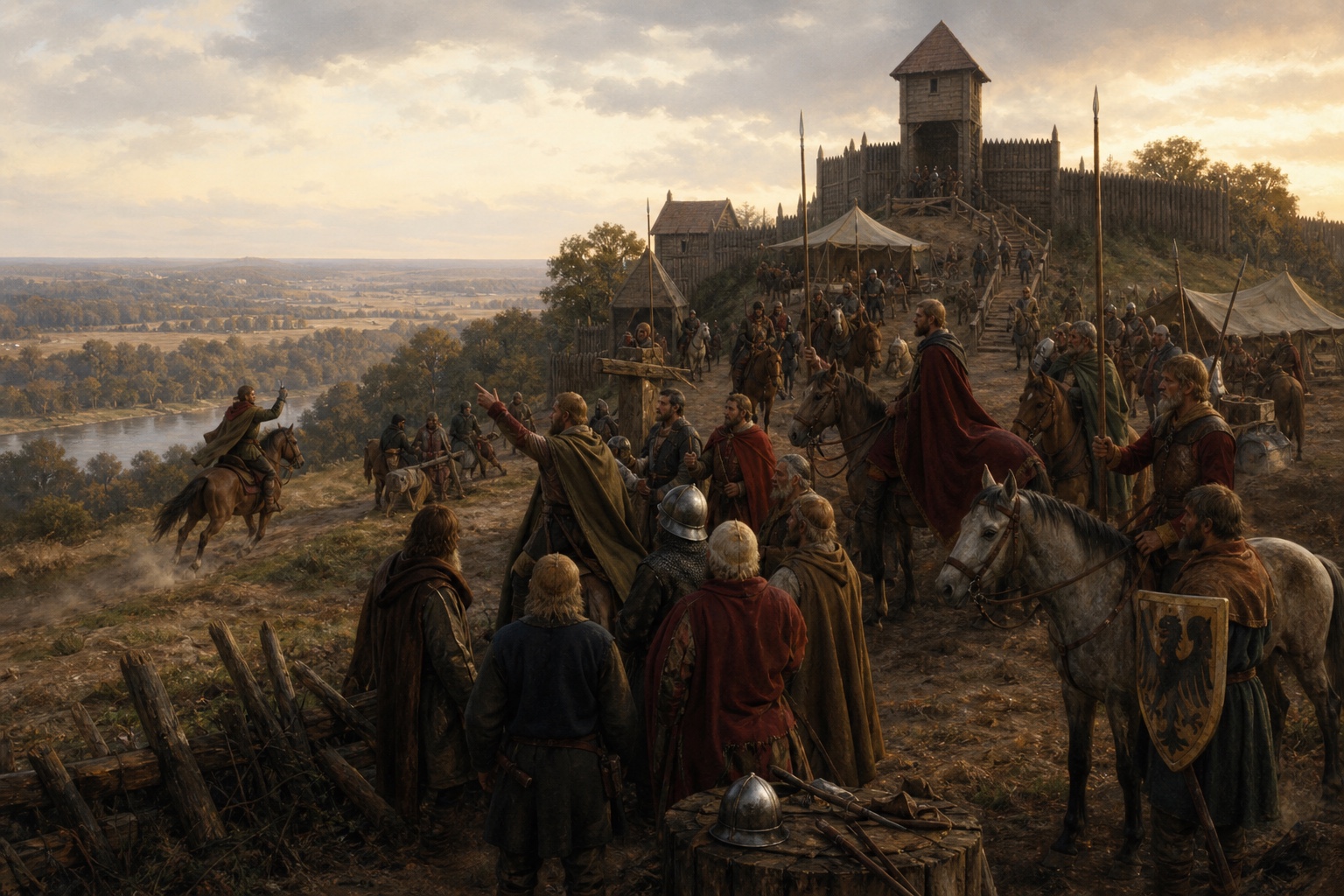
Rising tension — Build-up: The armies fought near Legnica on 9 April 1241. Many tactical details come from later narratives and remain debated, but Henry's force broke during the battle and the duke was killed.
1241
Battle of Legnica
Current event
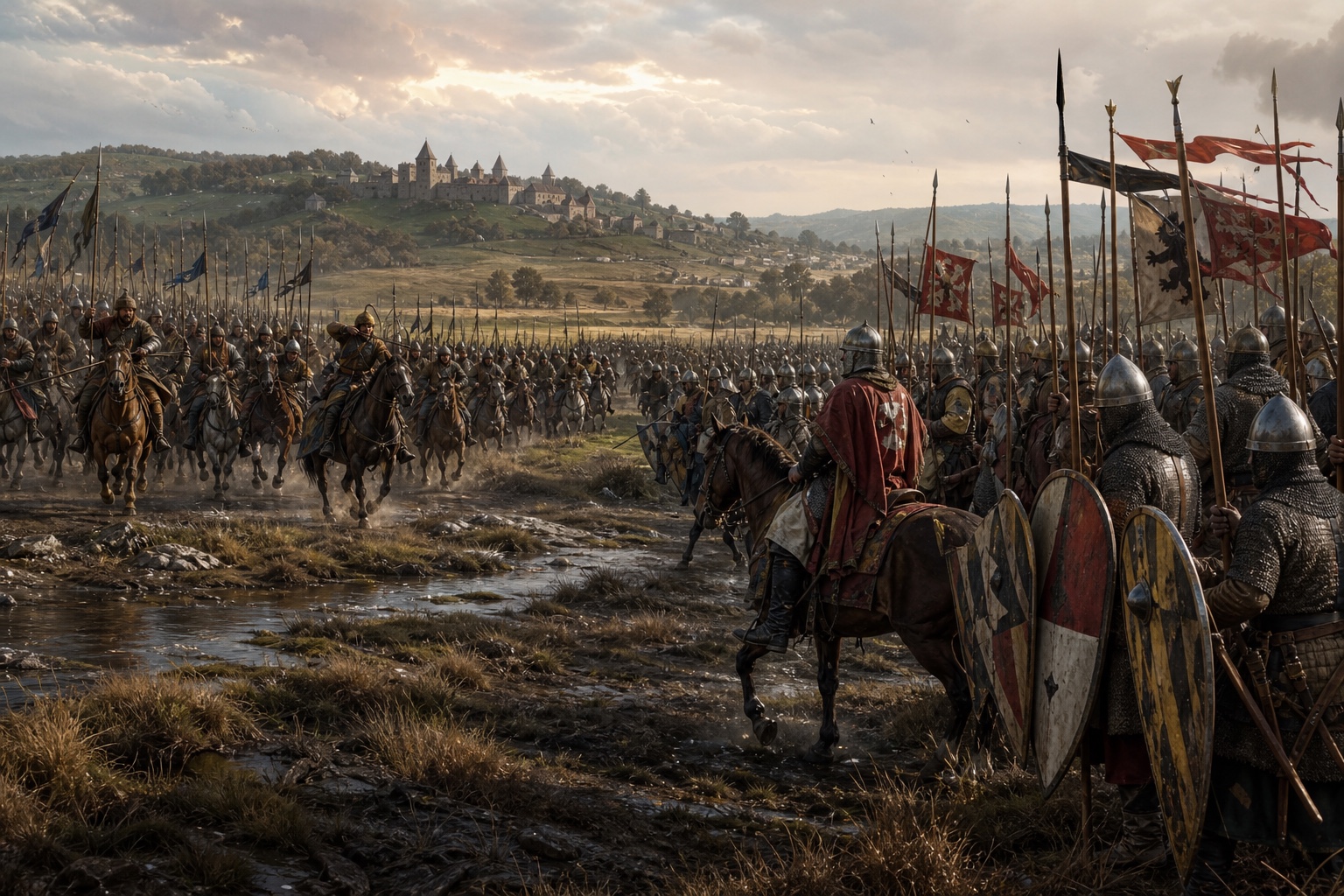
Battle of Legnica — Central transition: A 1241 battle in present-day southwestern Poland between a Mongol army and forces led by Duke Henry II of Silesia; it is also known as the Battle of Wahlstatt or Liegnitz.
c. 1242
Immediate aftermath
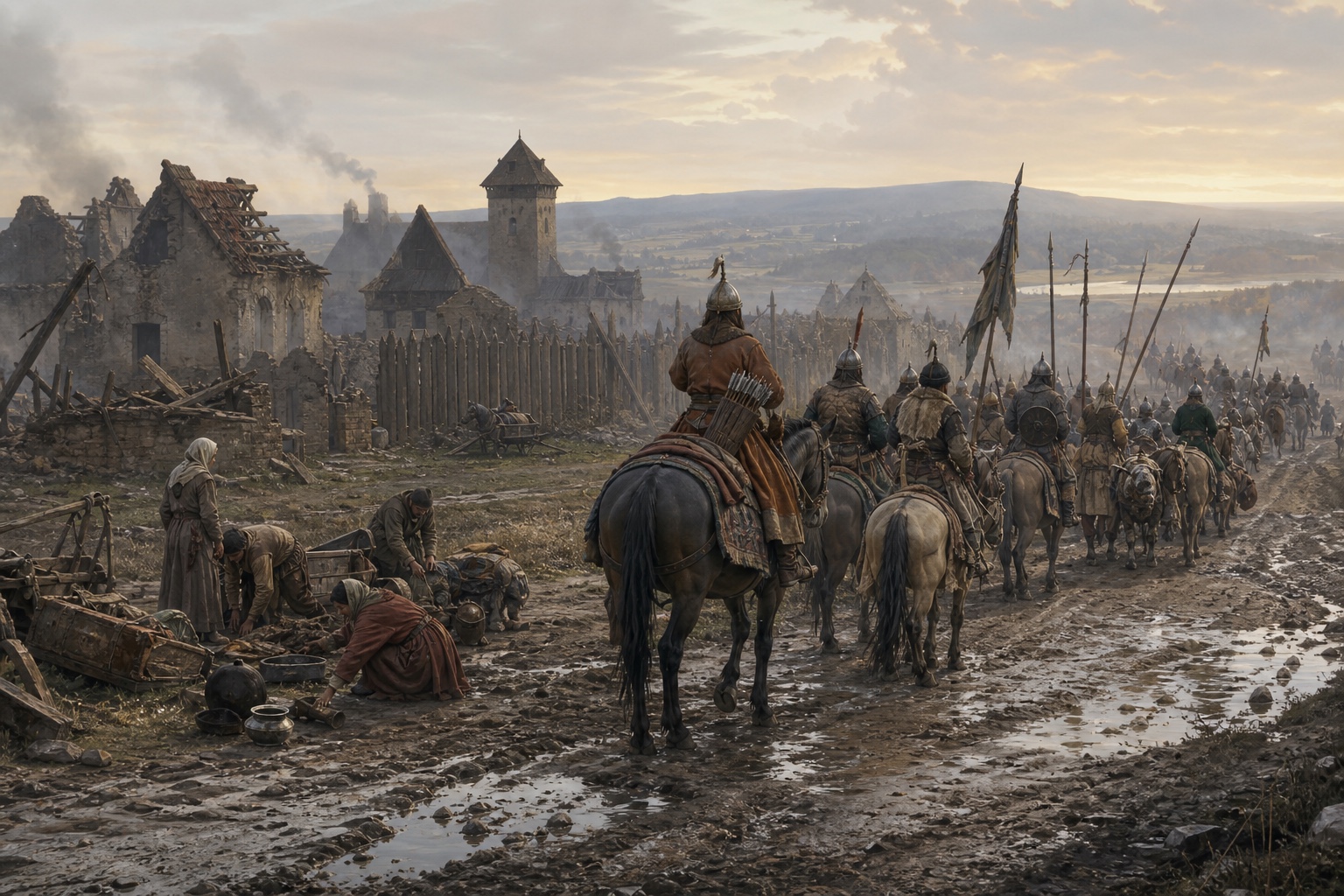
Immediate aftermath — Immediate result: The Mongol army won and the defending forces suffered severe losses. Mongol operations continued in Central Europe, although this battle alone did not determine whether the Mongols would conquer farther west.
c. 1251
Long-term significance
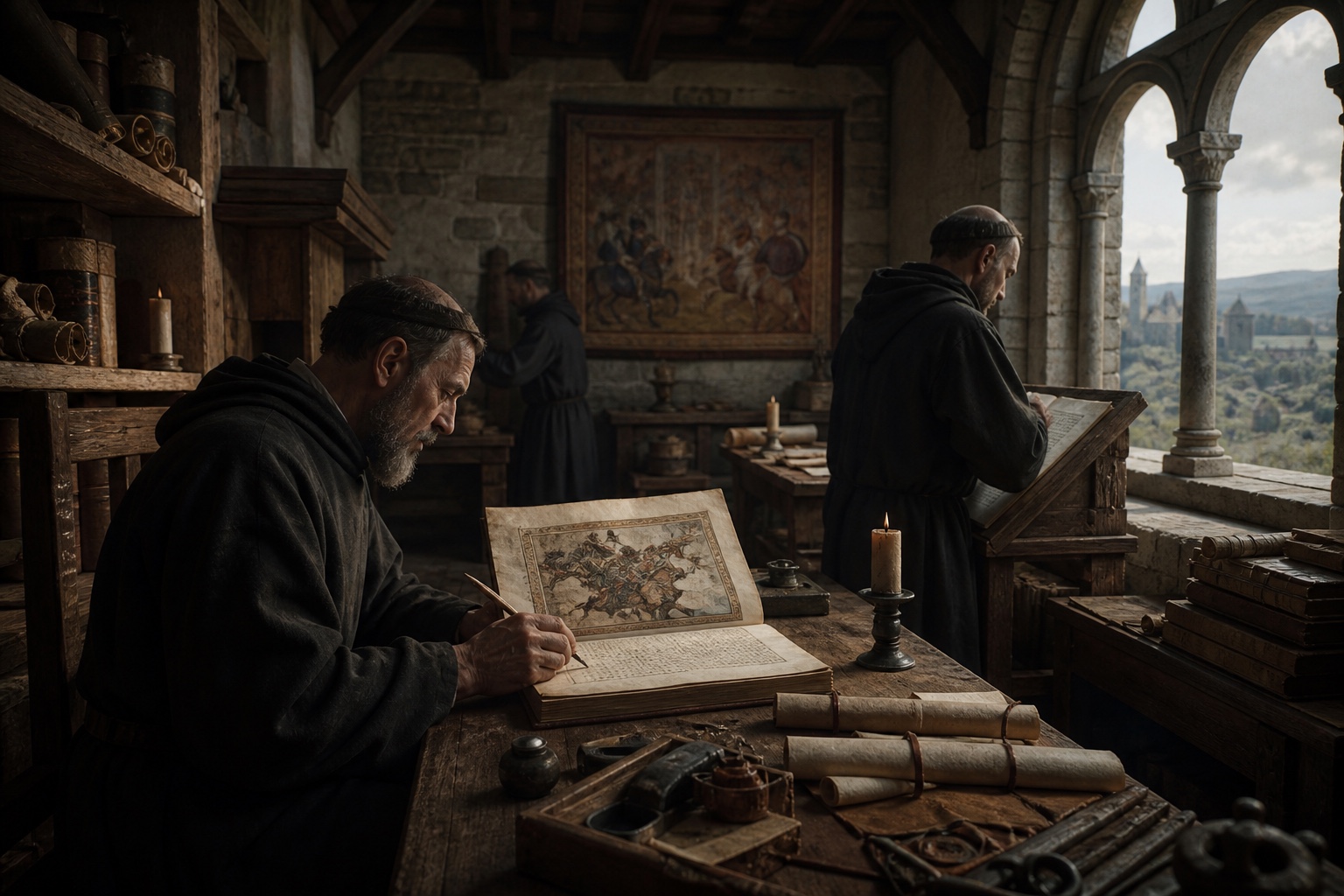
Long-term significance — Long-term significance: Legnica became a powerful symbol of how far Mongol military operations reached into Central Europe. It also shows why historians must distinguish limited contemporary evidence from later traditions about a famous battle.


Sources
- Battle of Legnica — Muzeum Bitwy Legnickiej (Muzeum Miedzi)muzeum-miedzi.art.plThis Muzeum Miedzi resource supports the chronology, setting, and course of Battle of Legnica.
- Battle of Legnica — 16089 (Wuwr)wuwr.plThis Wuwr resource supports the chronology, setting, and course of Battle of Legnica.
- Battle of Legnica — Q159512 (Wikidata)wikidata.orgThis Wikidata resource supports the chronology, setting, and course of Battle of Legnica.