
Congo Crisis
1960–1965
The Congo became independent from Belgium in June 1960, but army mutiny, Belgian military intervention, the Katanga and South Kasai secessions, and division in the central government followed. A crisis involving the UN's ONUC and foreign powers reached a political endpoint with Mobutu's coup in November 1965.

- Period
- 1960–1965
- Kind
- Political event
- Regions
- Africa
- Keywords
- decolonization · Katanga secession · ONUC · Cold War · Lumumba · Mobutu
Follow the story · Four stages
Background
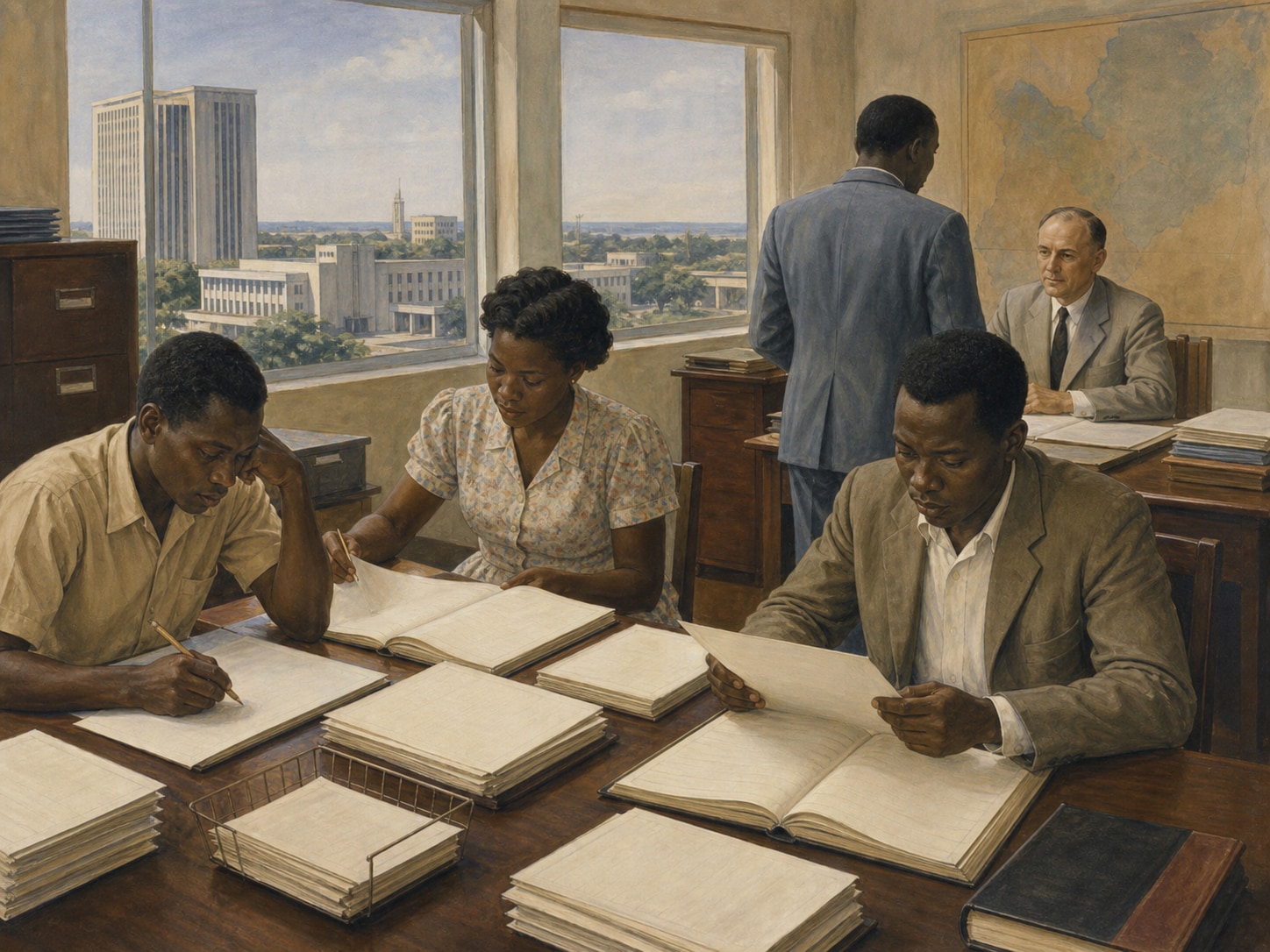
Belgian colonial rule sharply limited political participation and preparation for state administration before a rapid transition. Congolese nationalism in the 1950s and negotiations in early 1960 led to independence.
- Belgian colonial rule severely restricted Congolese political participation and experience in state administration
- Political associations and nationalist demands for independence spread during the 1950s and accelerated reform
- The transition from the January 1960 Round Table to independence on 30 June allowed very little preparation time
Course
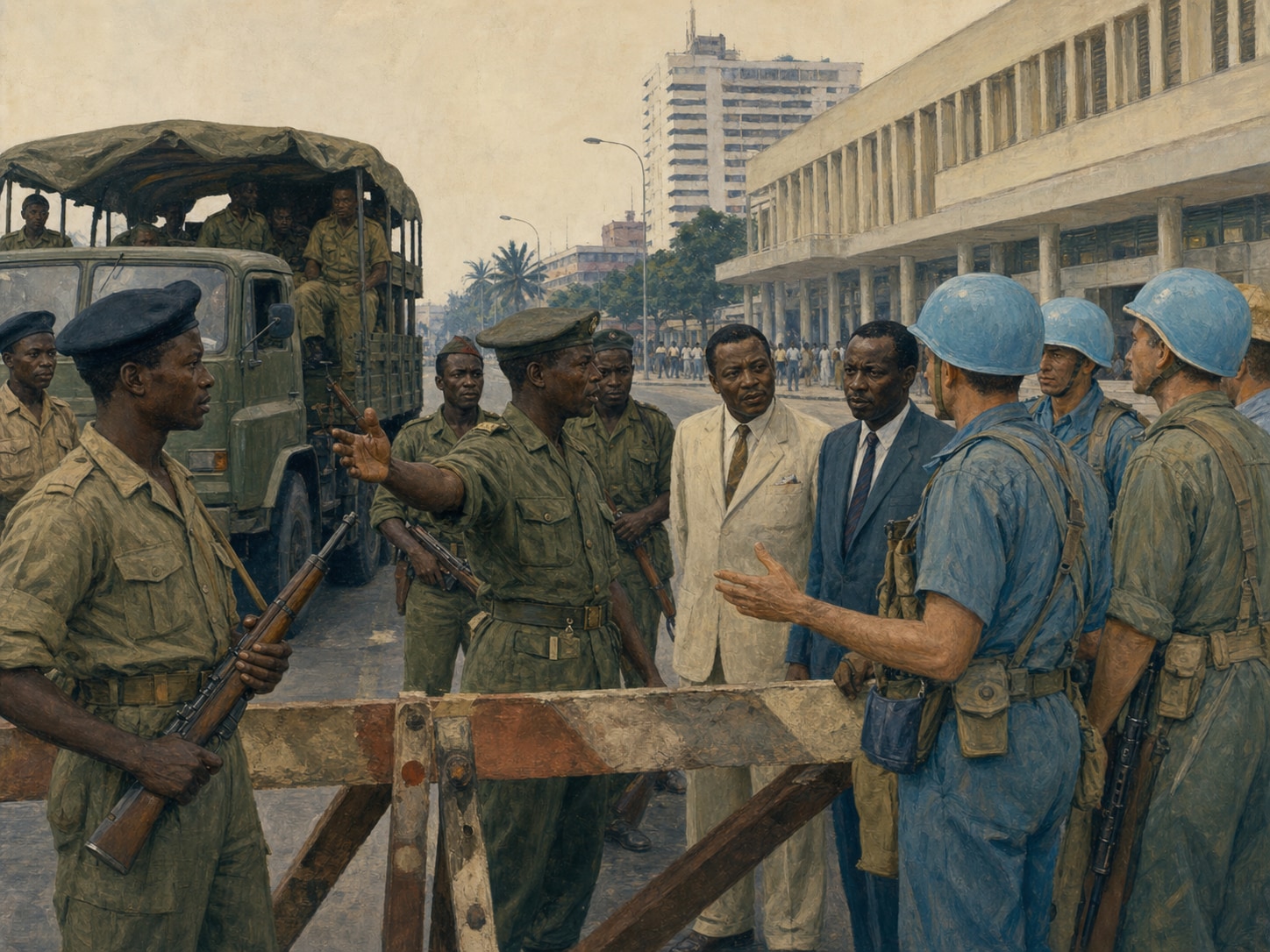
After an army mutiny and Belgian military intervention, the Congolese government requested UN aid. ONUC deployed in July 1960 and its mandate expanded around territorial integrity, foreign-force withdrawal, and preventing civil war.
- Army mutiny and Belgian military intervention shook the new government immediately after independence
- The Katanga and South Kasai secessions and rivalry among central leaders fragmented political authority
- ONUC deployed in July 1960 at the government's request and expanded its mandate, while its political and military role remained contested
Outcome
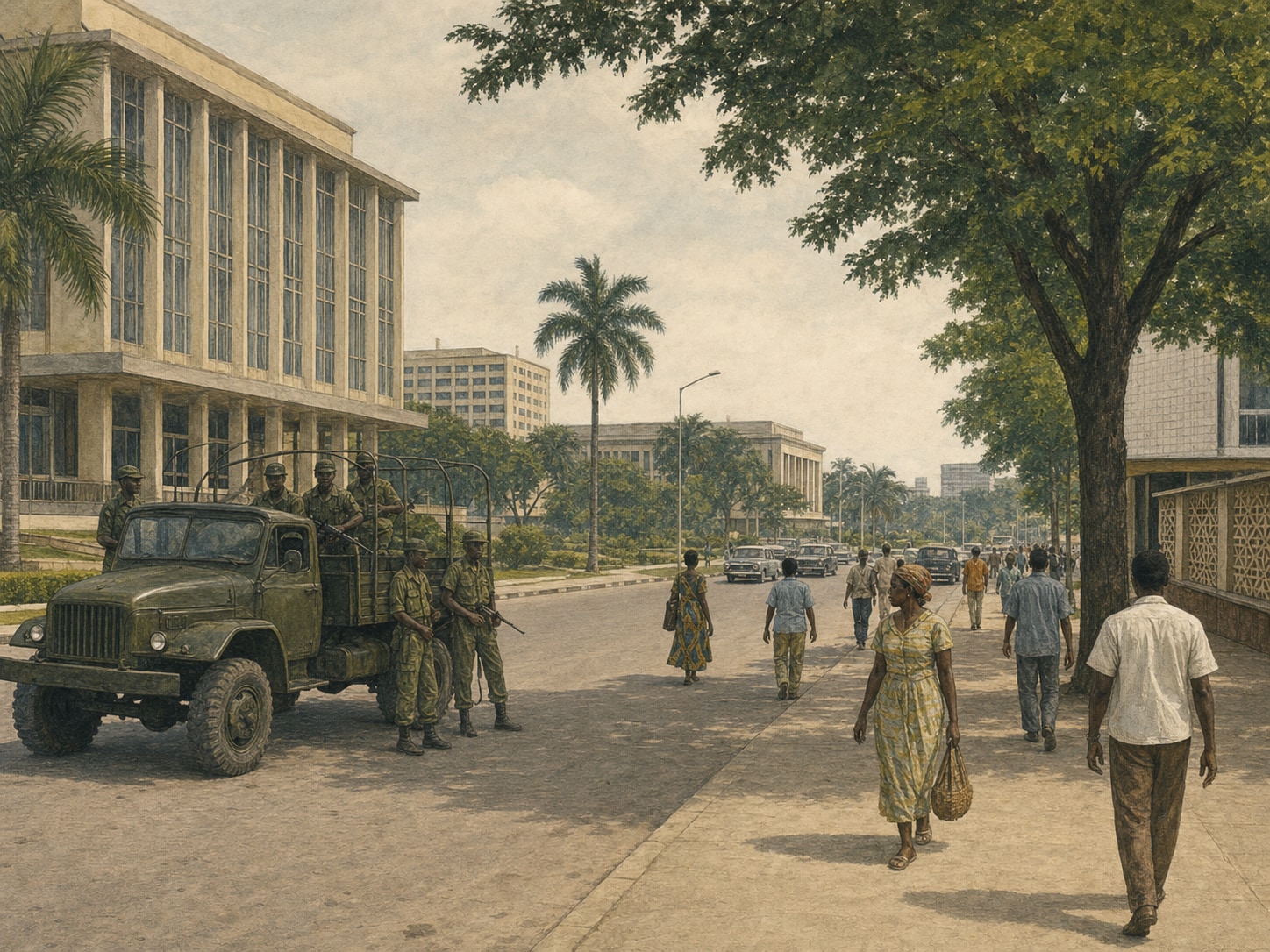
Lumumba was removed from power in 1960 and killed in Katanga in January 1961. After continued secessions, rebellions, and foreign involvement, Mobutu seized power in another coup on 25 November 1965.
- Lumumba was removed from office in 1960 and killed after transfer to Katanga in January 1961
- A Belgian parliamentary inquiry distinguished Katangan ordering and execution from Belgian involvement and moral responsibility
- Rebellion and foreign intervention continued after the secessions ended, until Mobutu's November 1965 coup formed a political endpoint
Historical significance
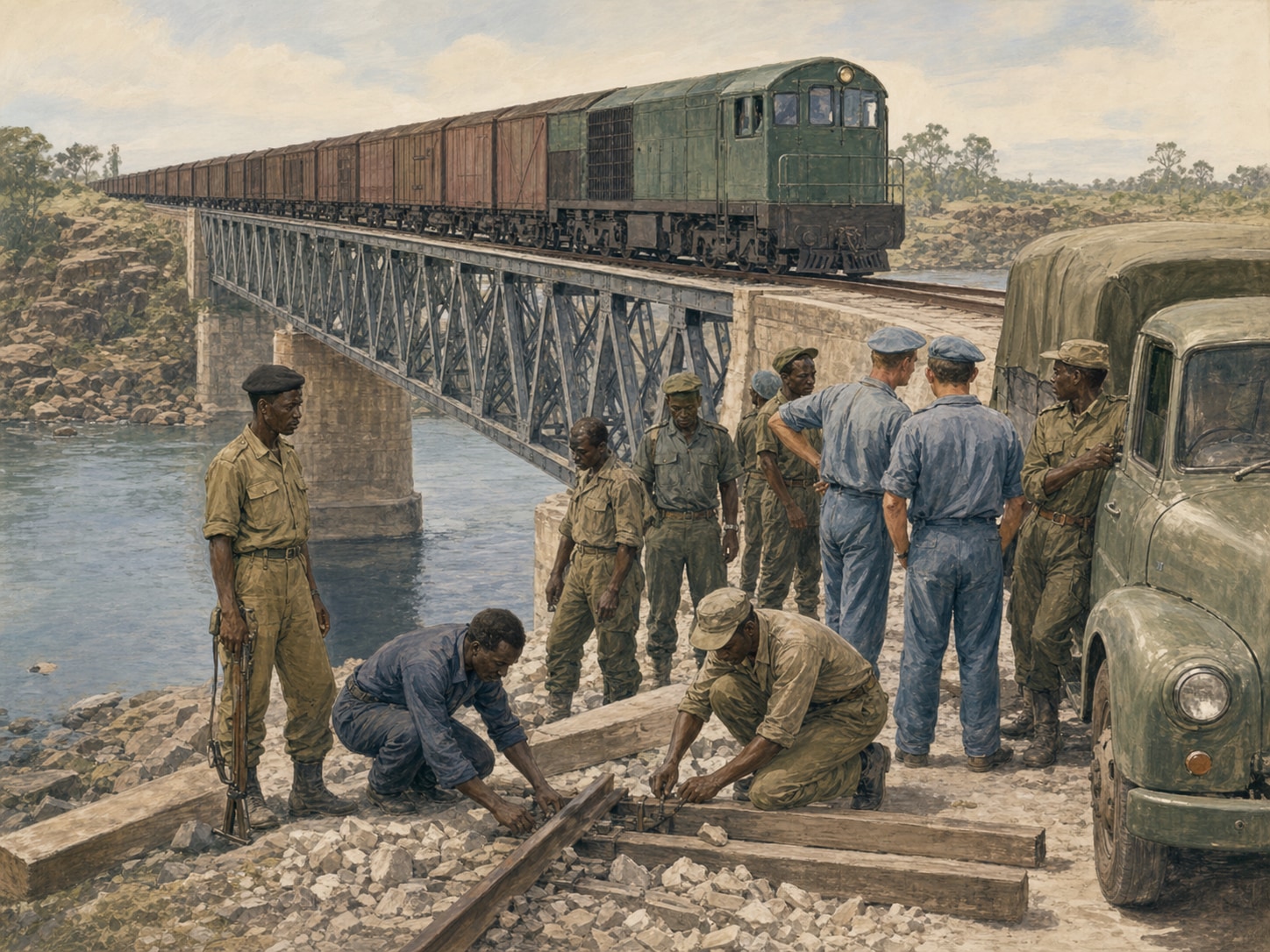
The crisis brought decolonization, Cold War rivalry, mineral interests, and UN peacekeeping together. ONUC became the UN's largest operation to that date and an important precedent for later intervention, while its political and military role remained contested.
- Decolonization, domestic politics, Cold War competition, and interests in mineral resources converged
- The large ONUC mission became a major precedent for UN action on territorial integrity and civil war
- The state's reintegration unfolded alongside the opening of a long authoritarian era under Mobutu


Related figures
Related events
c. 1950–c. 1959
Rise of Congolese nationalism
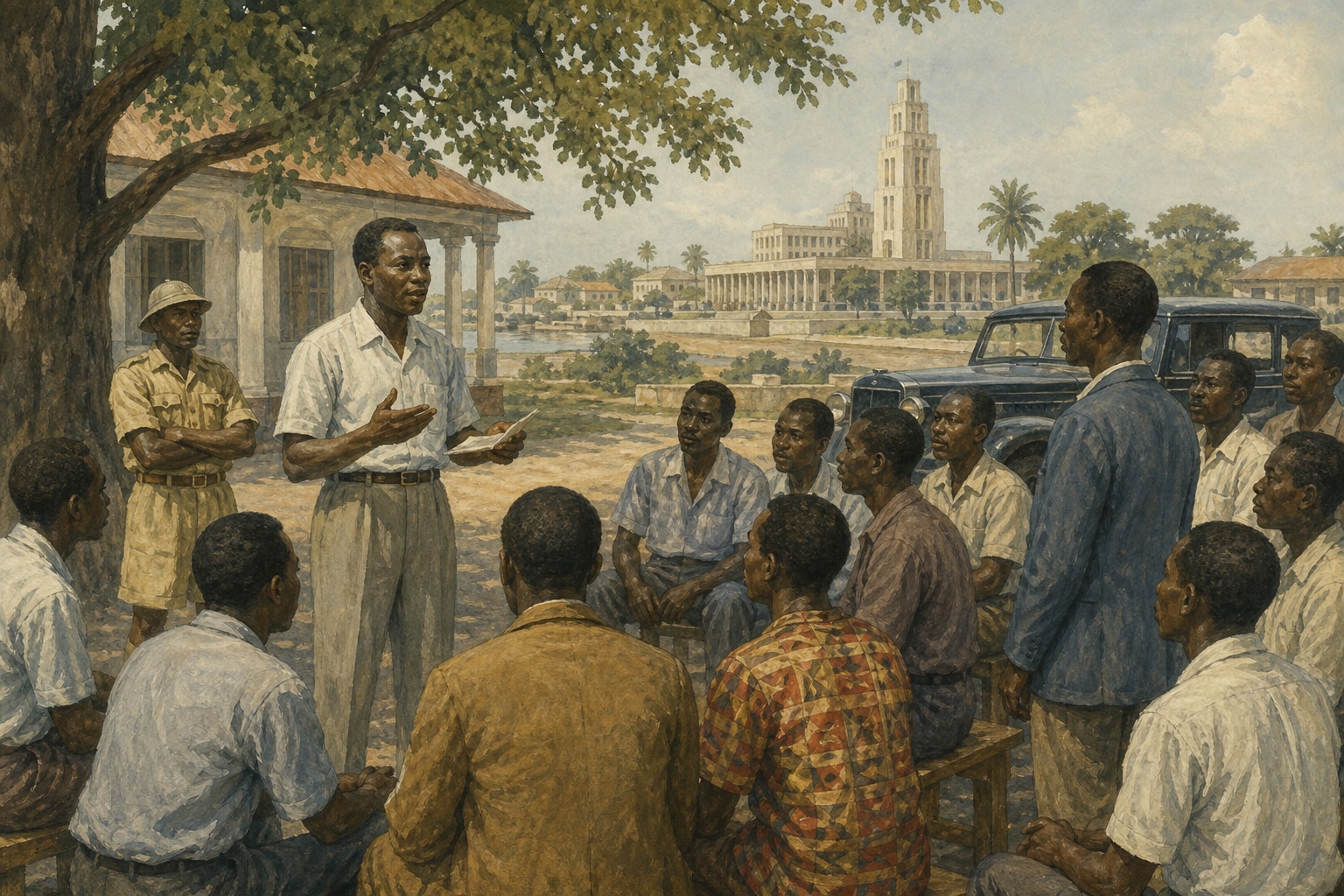
Political associations and demands for independence spread during the 1950s and pressed the Belgian colonial government toward reform.
1960–1960
Negotiating independence
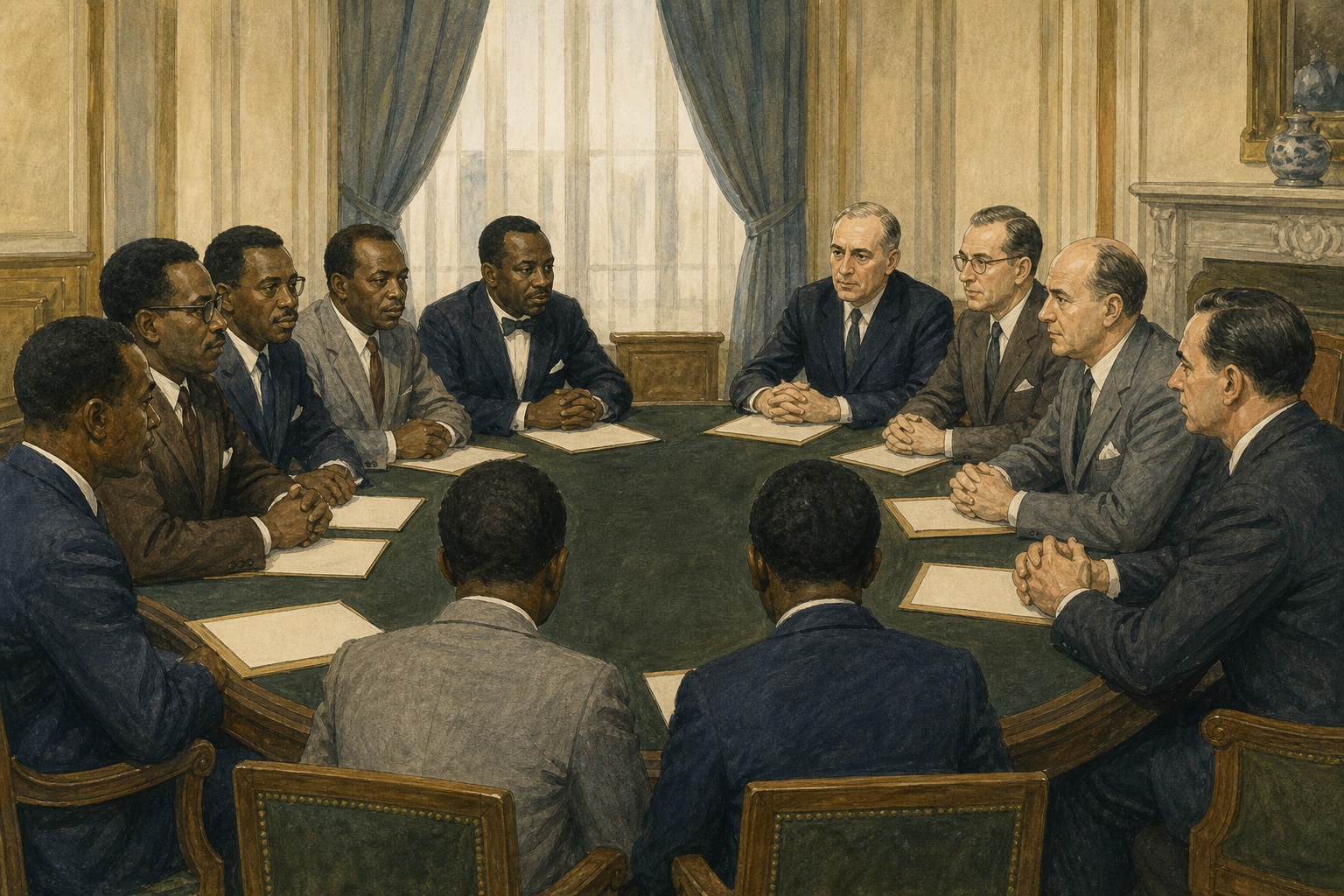
The Brussels Round Table in January 1960 fixed independence for 30 June and established May elections and a provisional constitutional system.
1960–1965
Congo Crisis
Current event
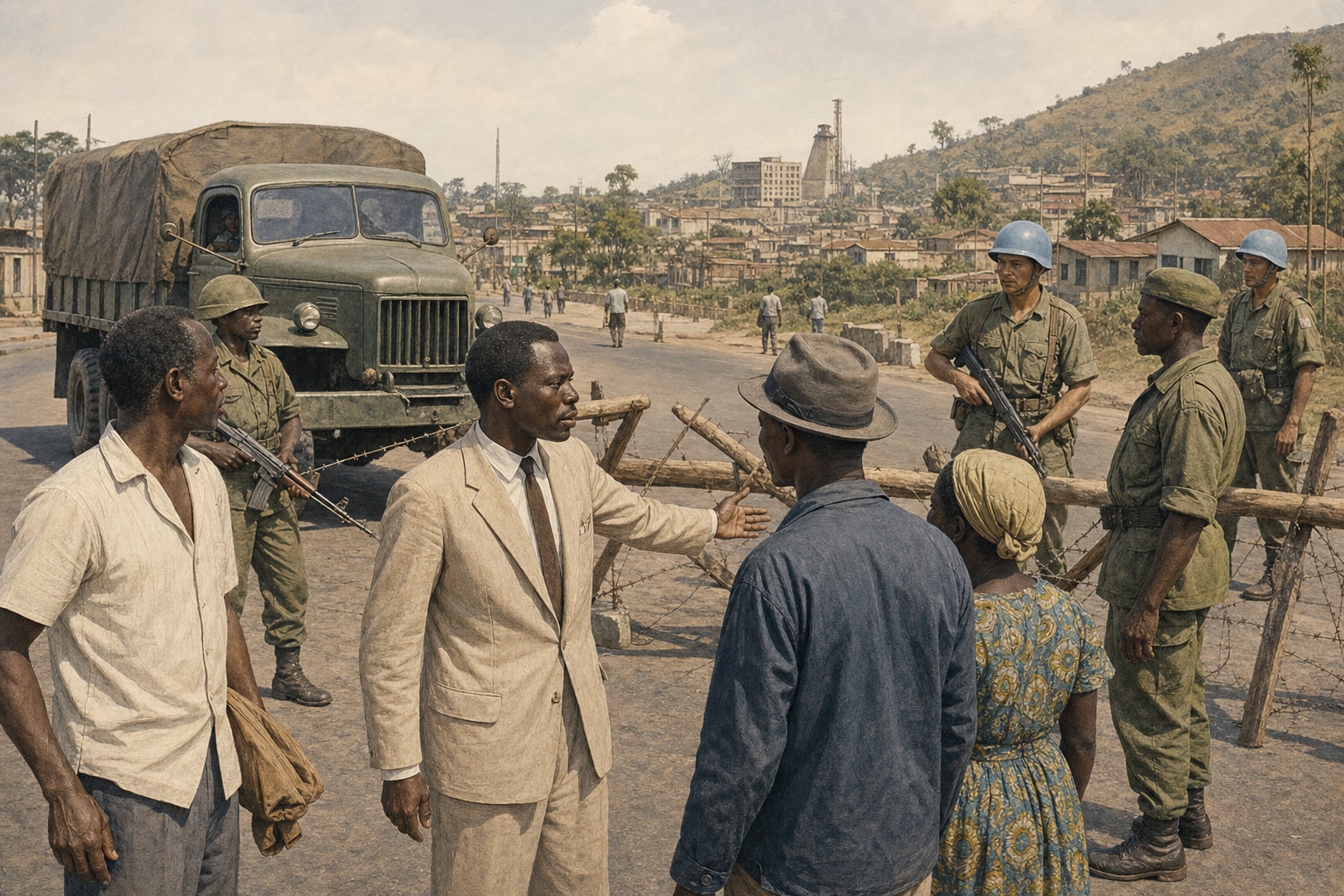
Independence, army mutiny, secessions, ONUC and foreign interventions, and central political conflict continued from 1960 through the 1965 coup.
1965–1997
Mobutu's long rule
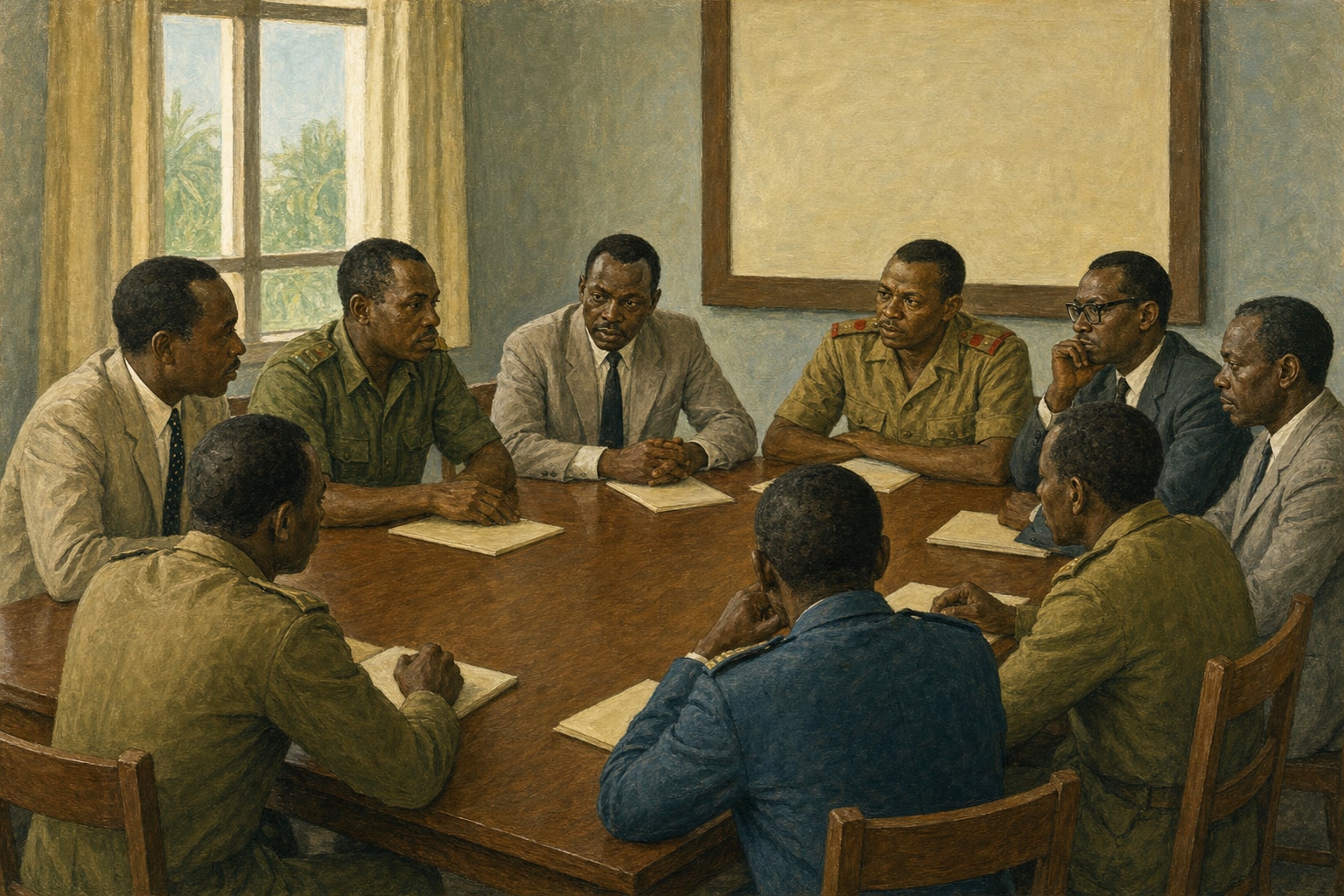
After seizing power in 1965, Mobutu built a long authoritarian regime and later renamed the country Zaire.
1964–1964
The ONUC precedent
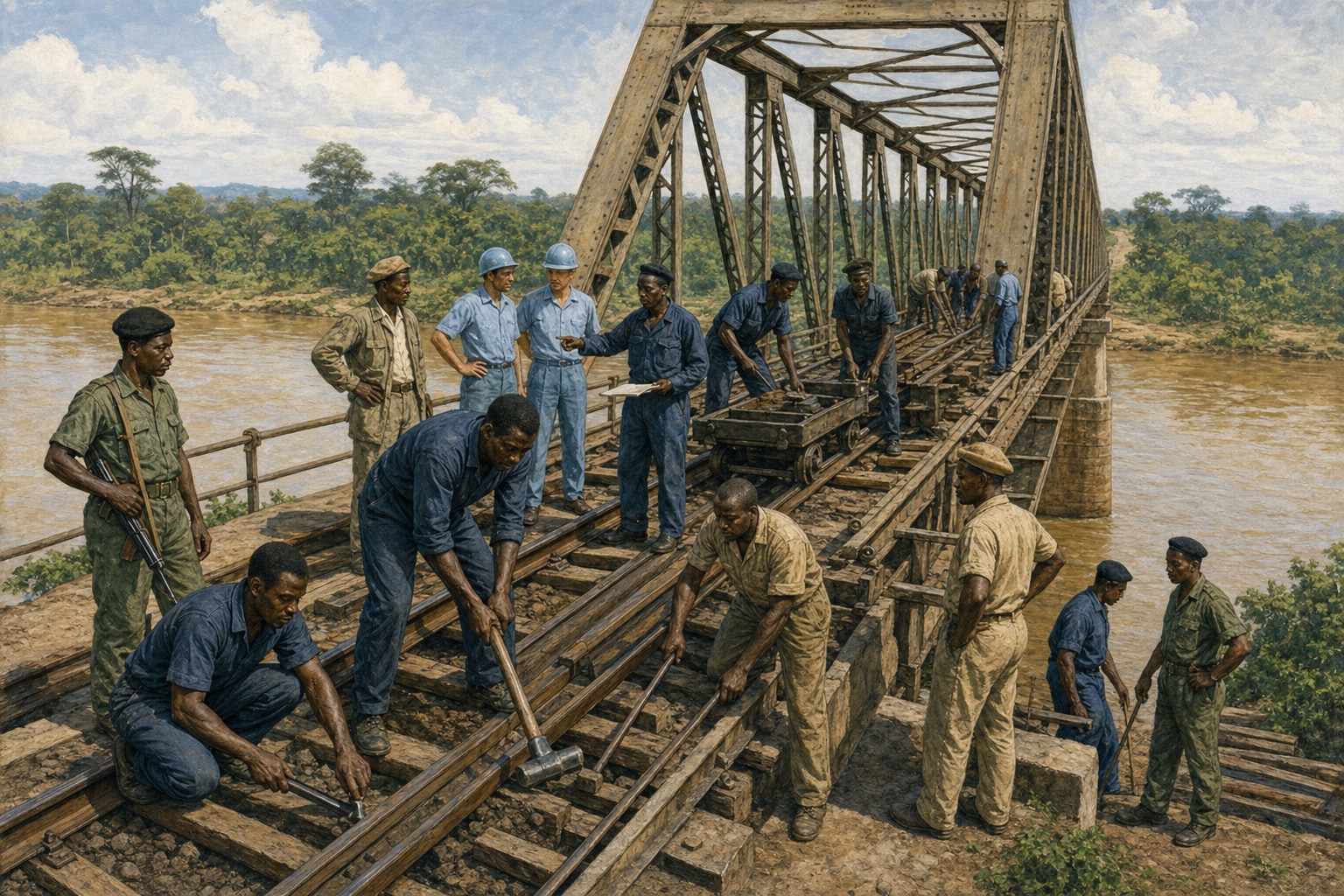
By the mission's end in 1964, the UN had established a precedent involving large-scale deployment, territorial integrity, and action to prevent civil war.


Sources
- ONUC: United Nations Operation in the CongoUnited Nations PeacekeepingThe official record documents ONUC's dates, scale, the Congolese request, and its expanded mandate for territorial integrity and prevention of civil war.
- Decolonization of the CongoOffice of the Historian, U.S. Department of StateA policy-history overview of the secessions, Lumumba's removal and death, and Mobutu's coups in 1960 and 1965.
- The Congo Crisis, 1960–1965Cambridge University PressA scholarly account connecting decolonization, mineral interests, Cold War rivalry, multiple foreign interventions, and Congolese politics.
- Parliamentary Commission on Patrice Lumumba: ConclusionsBelgian Chamber of RepresentativesThe commission distinguishes the Katangan order, those who carried out the killing, the presence of Belgian personnel, and moral responsibility among Belgian participants. It found no document showing a Belgian-government order to kill.
- Zaire: A Country StudyLibrary of Congress Federal Research DivisionA country study tracing colonial restrictions on political participation, 1950s nationalism, the 1960 Round Table, and the transition to independence.