Cuban Missile Crisis
1962
The October 1962 confrontation over Soviet nuclear missiles in Cuba, when decisions in Havana, Moscow, and Washington brought the world close to nuclear war.

- Period
- 1962
- Kind
- Political event
- Regions
- Latin America, North America, Europe
- Keywords
- Cuban Missile Crisis · background · course · outcome
Follow the story · Four stages
Background
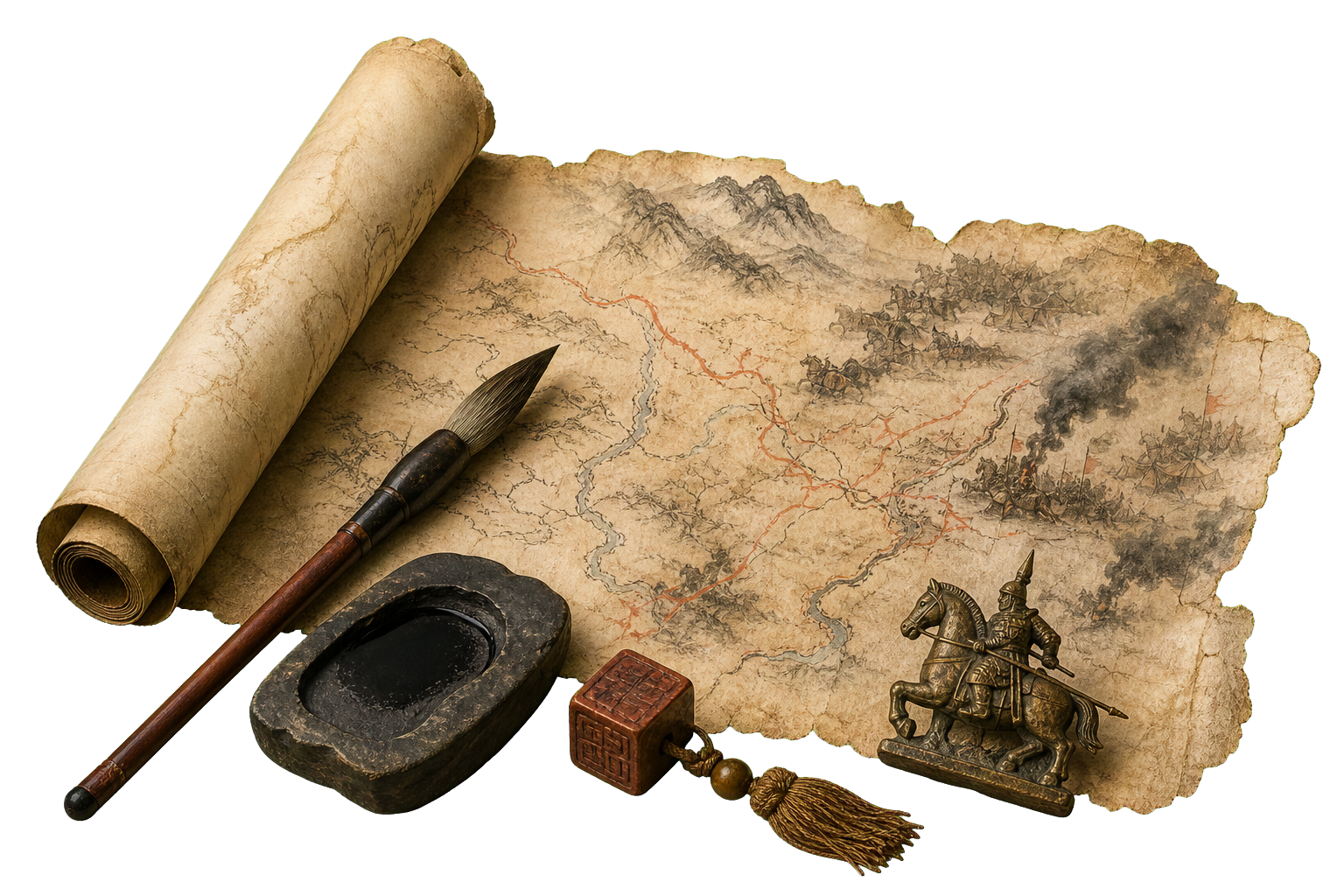
After Cuba's revolution, US hostility, covert action, and the failed Bay of Pigs invasion made another invasion credible to Cuban and Soviet leaders. Fidel Castro accepted Soviet missiles as protection for Cuba, while Nikita Khrushchev also sought strategic leverage amid US nuclear superiority and American Jupiter missiles in Turkey. The secret deployment denied Cuba's agency neither as an ally nor as the territory most exposed to attack.
- After Cuba's revolution, US hostility, covert action, and the failed Bay of Pigs invasion made another invasion credible to Cuban and Soviet leaders.
- Fidel Castro accepted Soviet missiles as protection for Cuba, while Nikita Khrushchev also sought strategic leverage amid US nuclear superiority and American Jupiter missiles in Turkey.
- The secret deployment denied Cuba's agency neither as an ally nor as the territory most exposed to attack.
Course
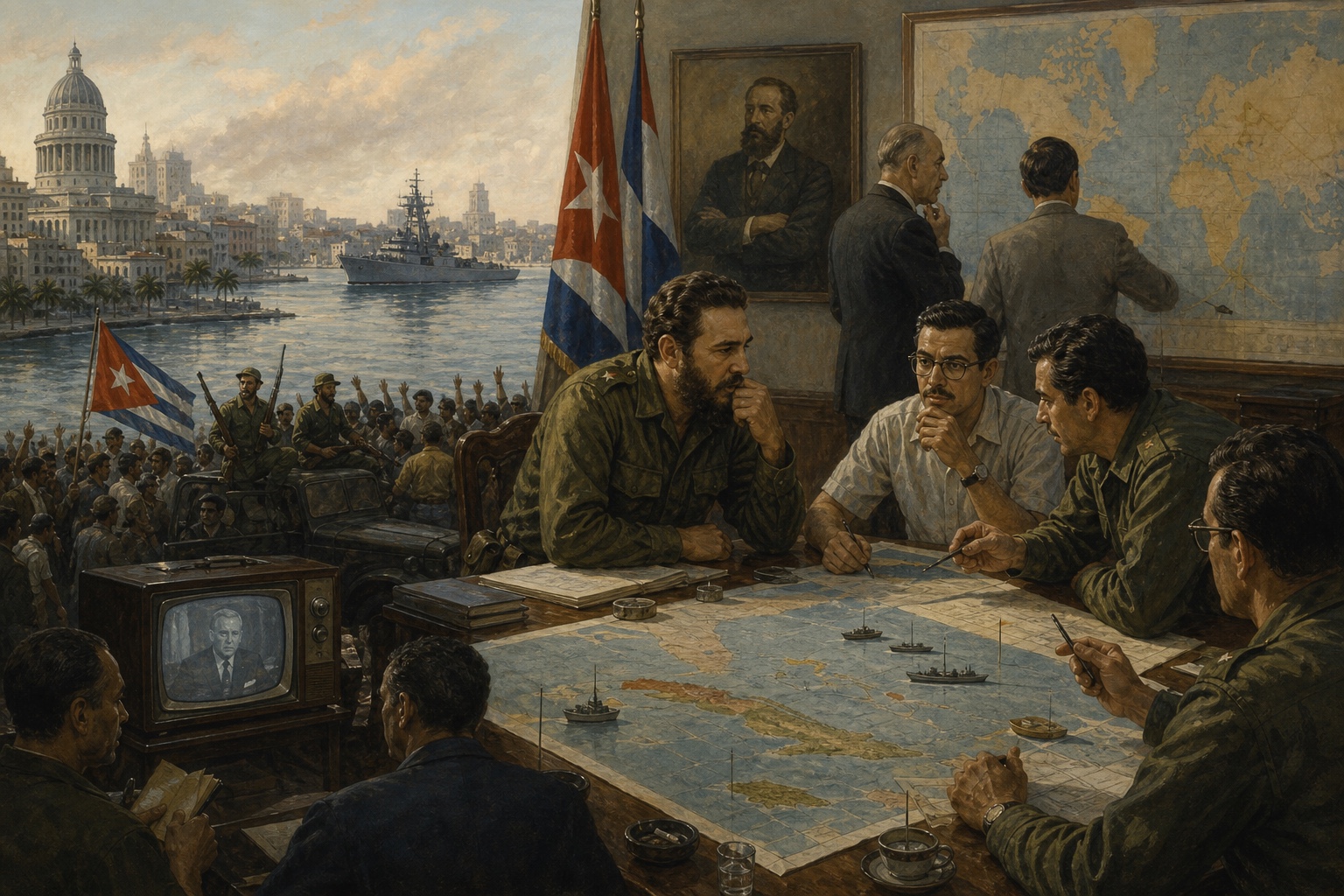
US aerial photographs revealed missile sites on 14 October. Kennedy's advisers debated air strikes and invasion before he announced a naval 'quarantine' on 22 October; Soviet ships and forces faced US units while Cuban forces mobilized and antiaircraft fire downed a U-2. Castro urged Khrushchev not to yield to an invasion, but the decisive letters and back-channel bargain were negotiated mainly between the superpowers without Cuba at the table.
- US aerial photographs revealed missile sites on 14 October.
- Kennedy's advisers debated air strikes and invasion before he announced a naval 'quarantine' on 22 October; Soviet ships and forces faced US units while Cuban forces mobilized and antiaircraft fire downed a U-2.
- Castro urged Khrushchev not to yield to an invasion, but the decisive letters and back-channel bargain were negotiated mainly between the superpowers without Cuba at the table.
Outcome
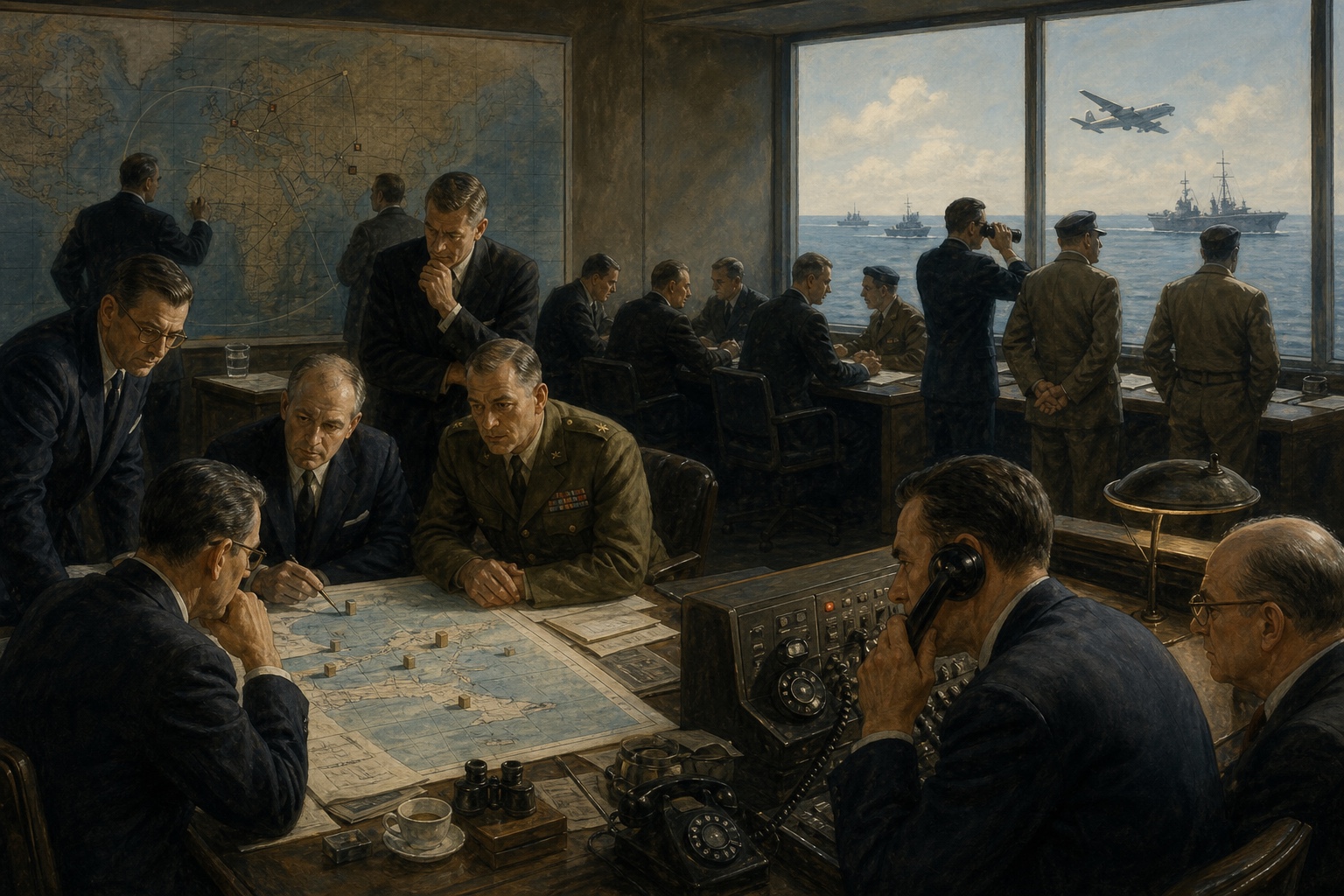
On 28 October Khrushchev agreed to remove Soviet offensive missiles under UN observation in return for Kennedy's public pledge not to invade Cuba; the United States also privately agreed to withdraw Jupiter missiles from Turkey. Soviet bombers left later, while Cuba rejected intrusive inspections and retained deep objections to US pressure and the Guantánamo base.
- On 28 October Khrushchev agreed to remove Soviet offensive missiles under UN observation in return for Kennedy's public pledge not to invade Cuba; the United States also privately agreed to withdraw Jupiter missiles from Turkey.
- Soviet bombers left later, while Cuba rejected intrusive inspections and retained deep objections to US pressure and the Guantánamo base.
- The source record helps place this stage in context.
Historical significance
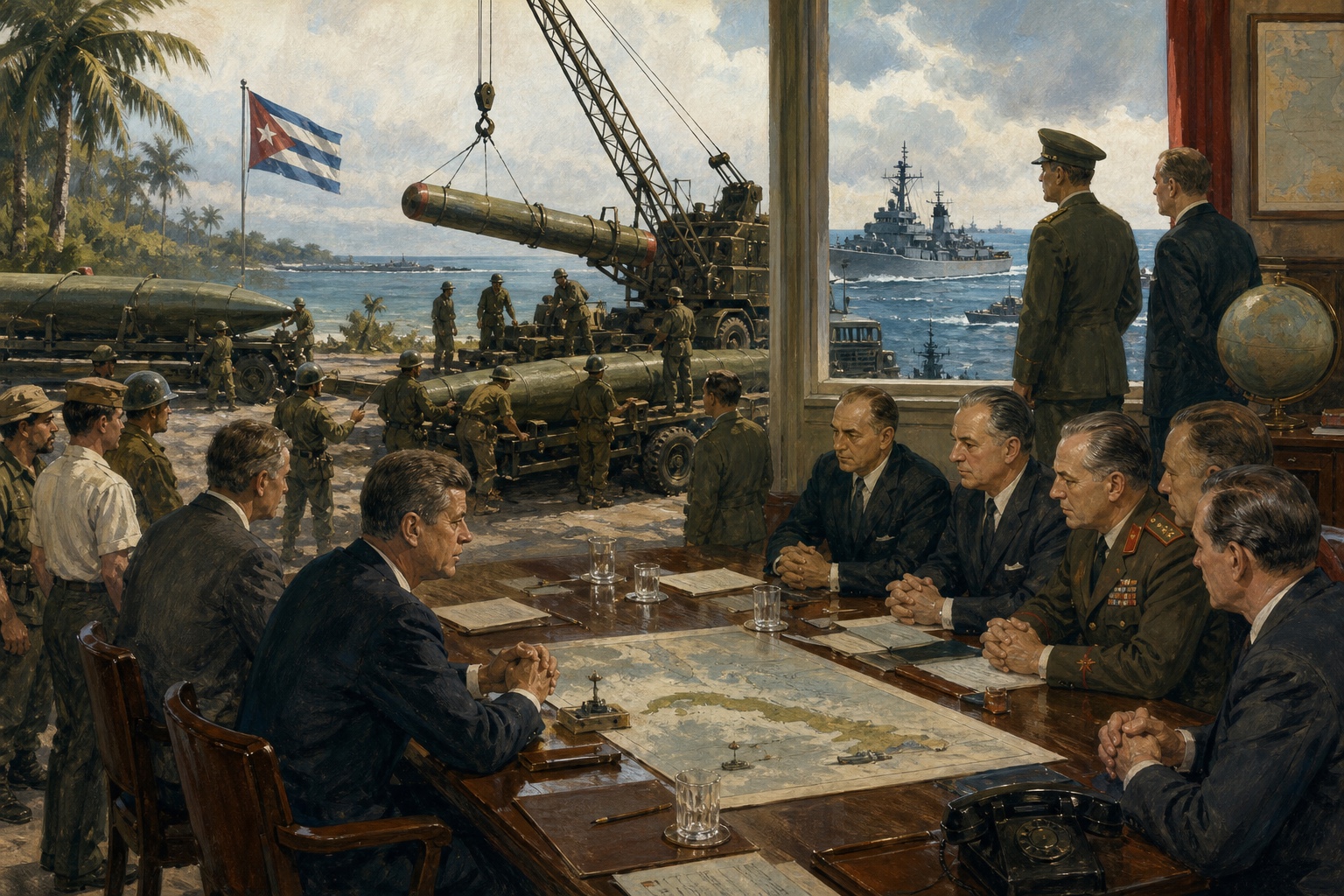
The crisis showed how misperception, military routines, and decisions by several governments could escalate nuclear danger. Washington and Moscow later improved direct communication and moved toward a limited test-ban treaty, yet Cuba remained excluded from the central settlement and US-Cuban hostility continued. No direct event edge is forced here because this roster has no general Cold War record; that larger context is carried in the dossier itself.
- The crisis showed how misperception, military routines, and decisions by several governments could escalate nuclear danger.
- Washington and Moscow later improved direct communication and moved toward a limited test-ban treaty, yet Cuba remained excluded from the central settlement and US-Cuban hostility continued.
- No direct event edge is forced here because this roster has no general Cold War record; that larger context is carried in the dossier itself.


Related figures
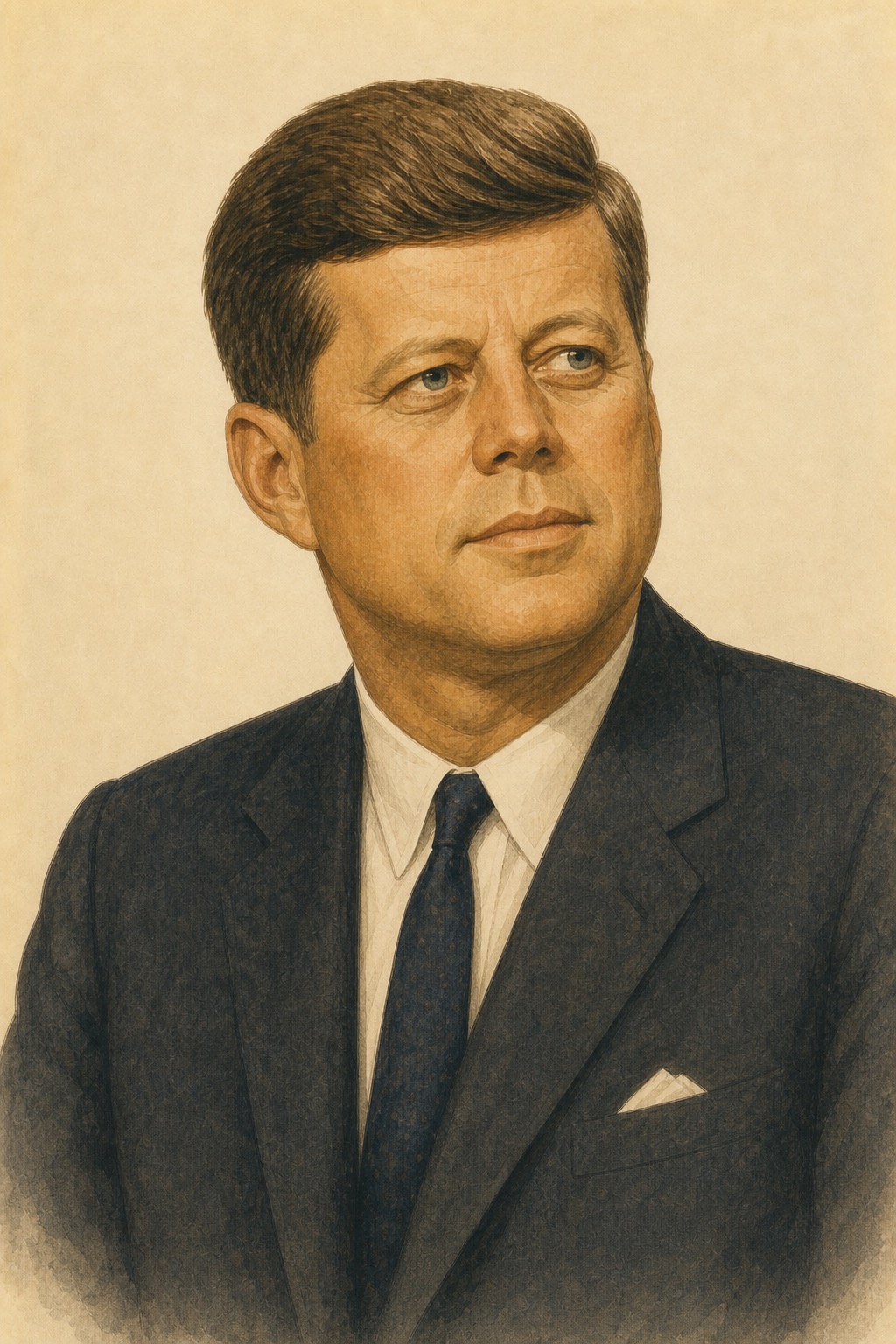
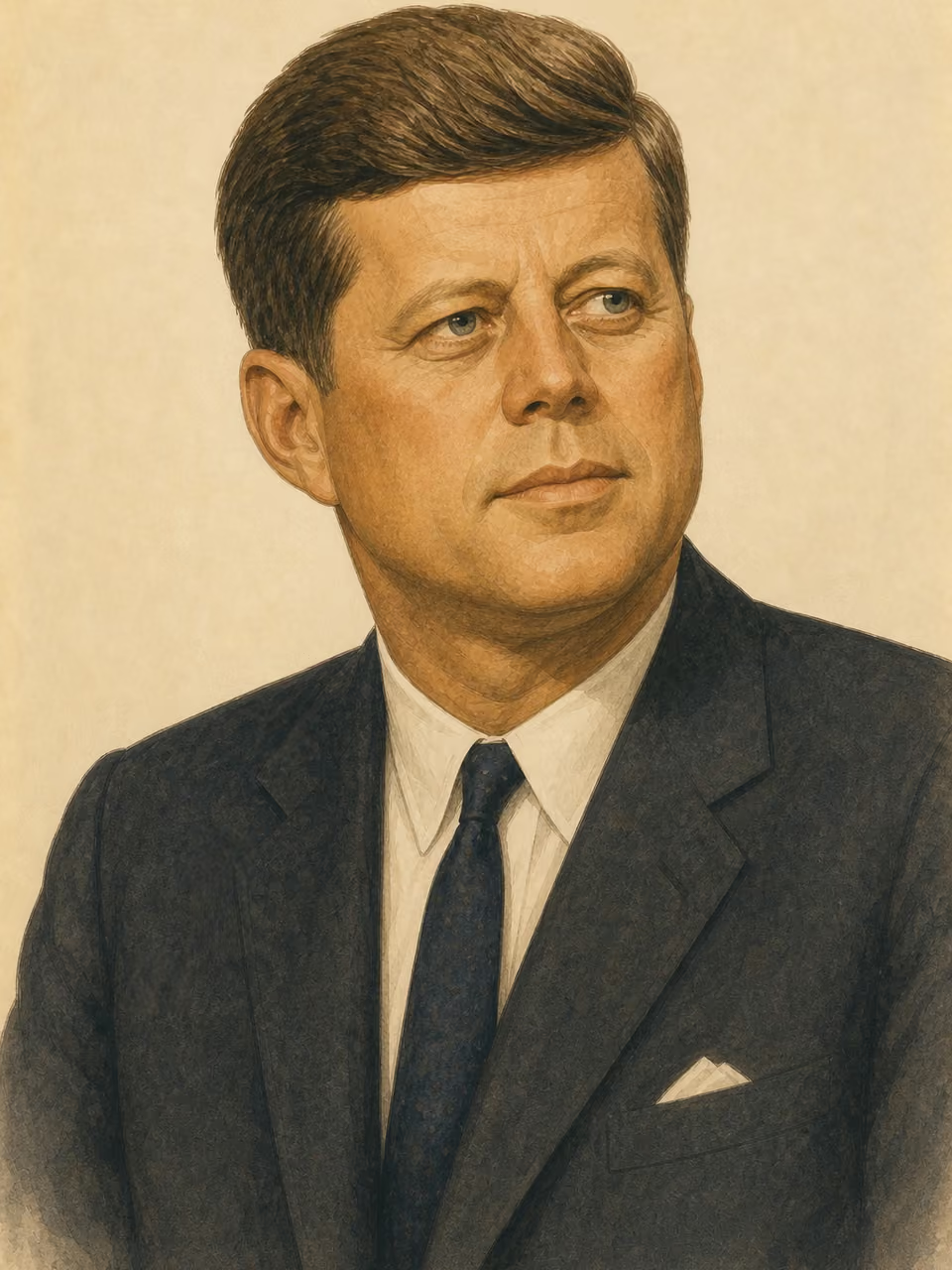
John F. Kennedy
historical figure in context
Thirty-fifth president of the United States. During the Cold War he faced the Cuban Missile Crisis and was also involved in space exploration and civil rights. He symbolizes both hope and crisis in postwar American politics.
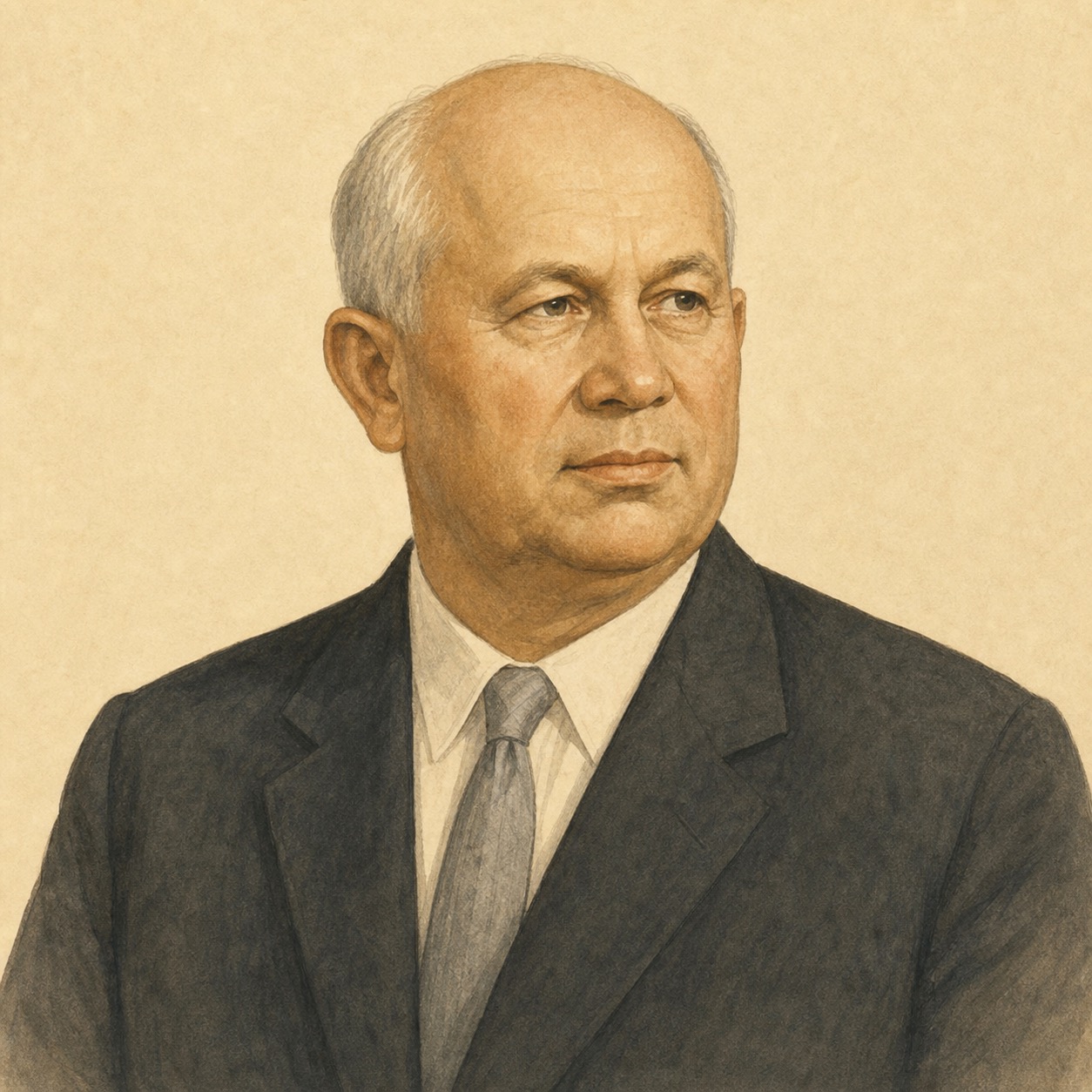
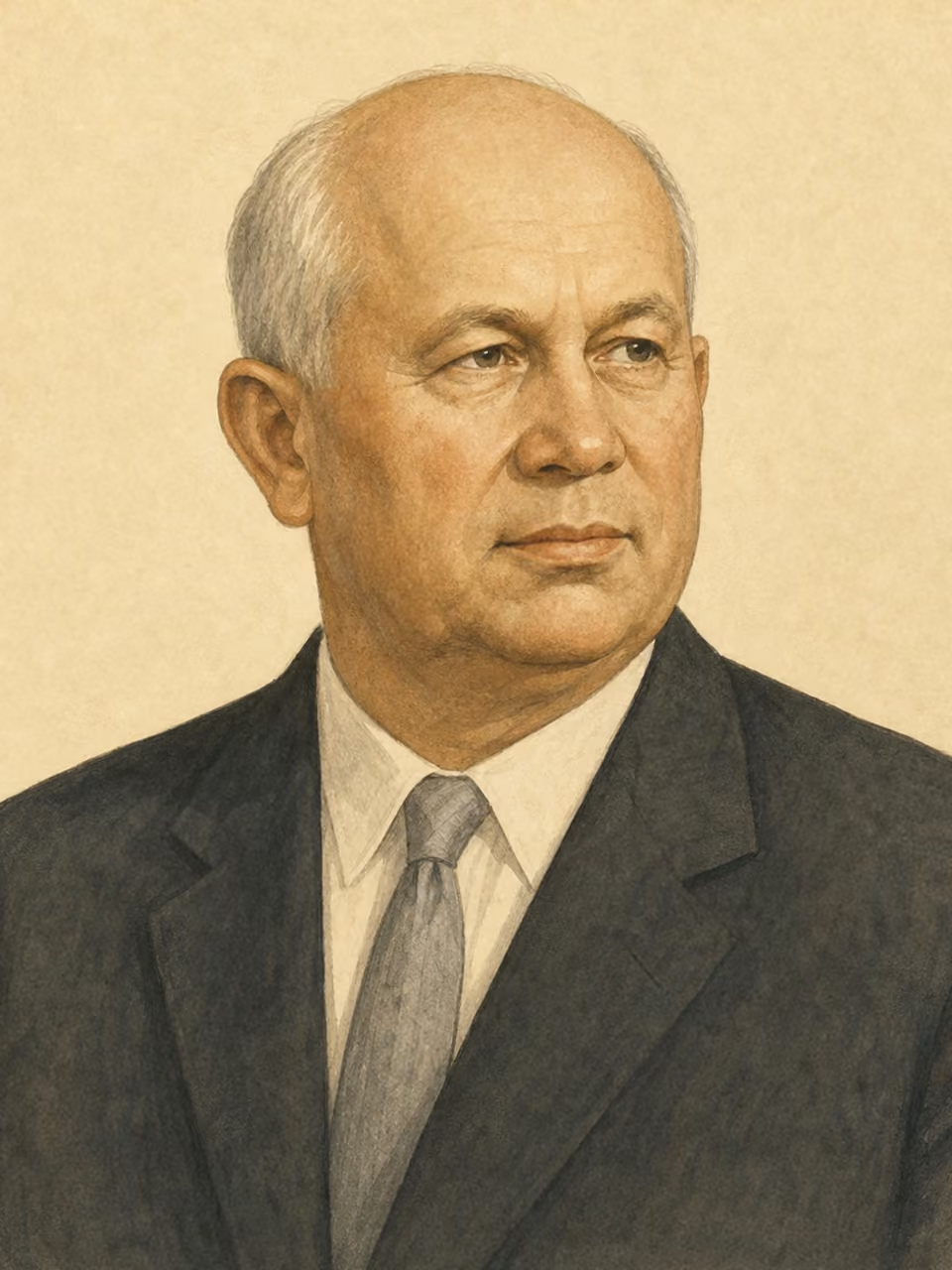
Nikita Khrushchev
historical figure in context
Soviet leader. He denounced Stalin while pursuing both confrontation and détente with the United States during the Cold War. Through the Cuban Missile Crisis, he showed the danger of the nuclear age.
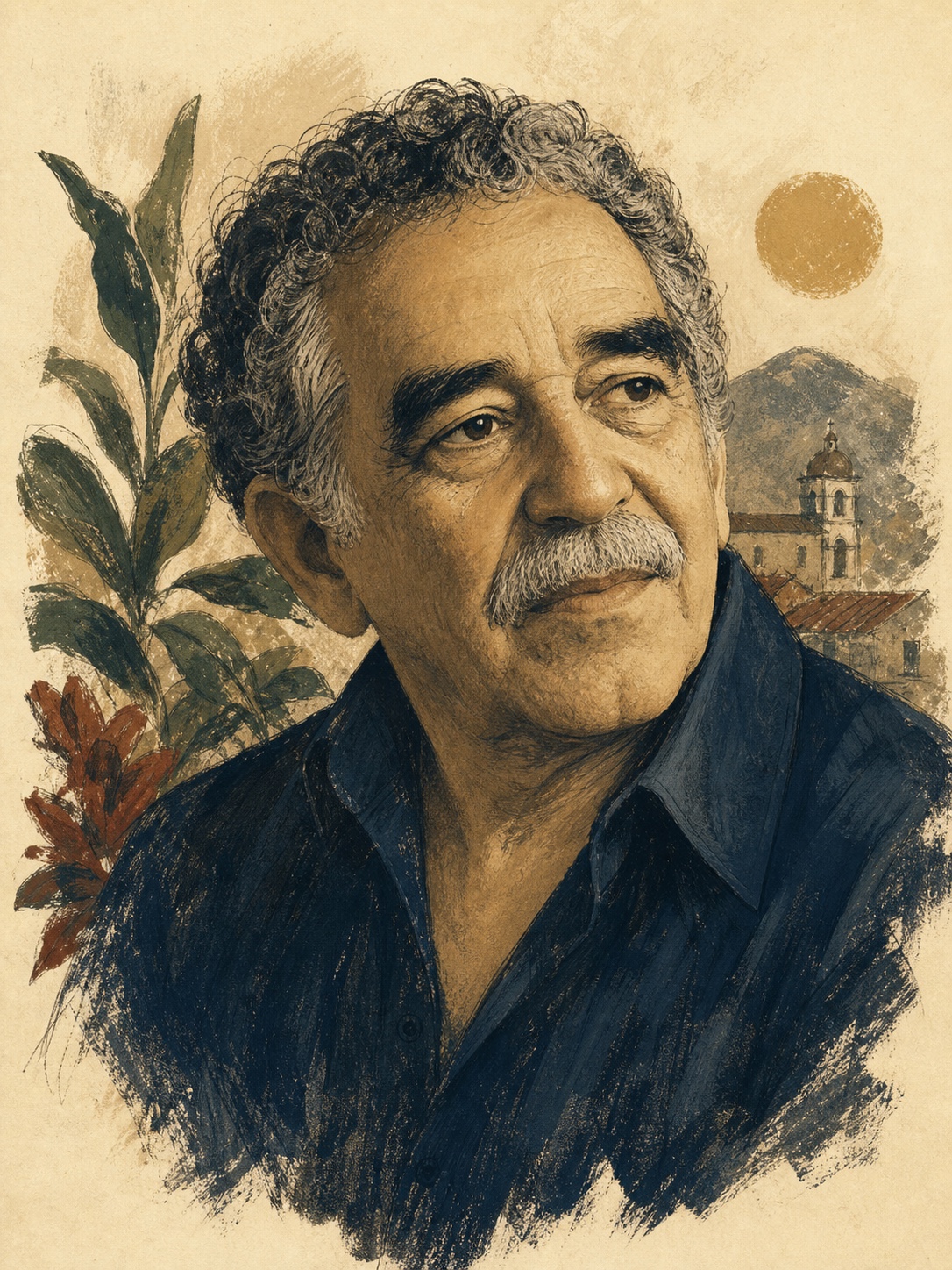
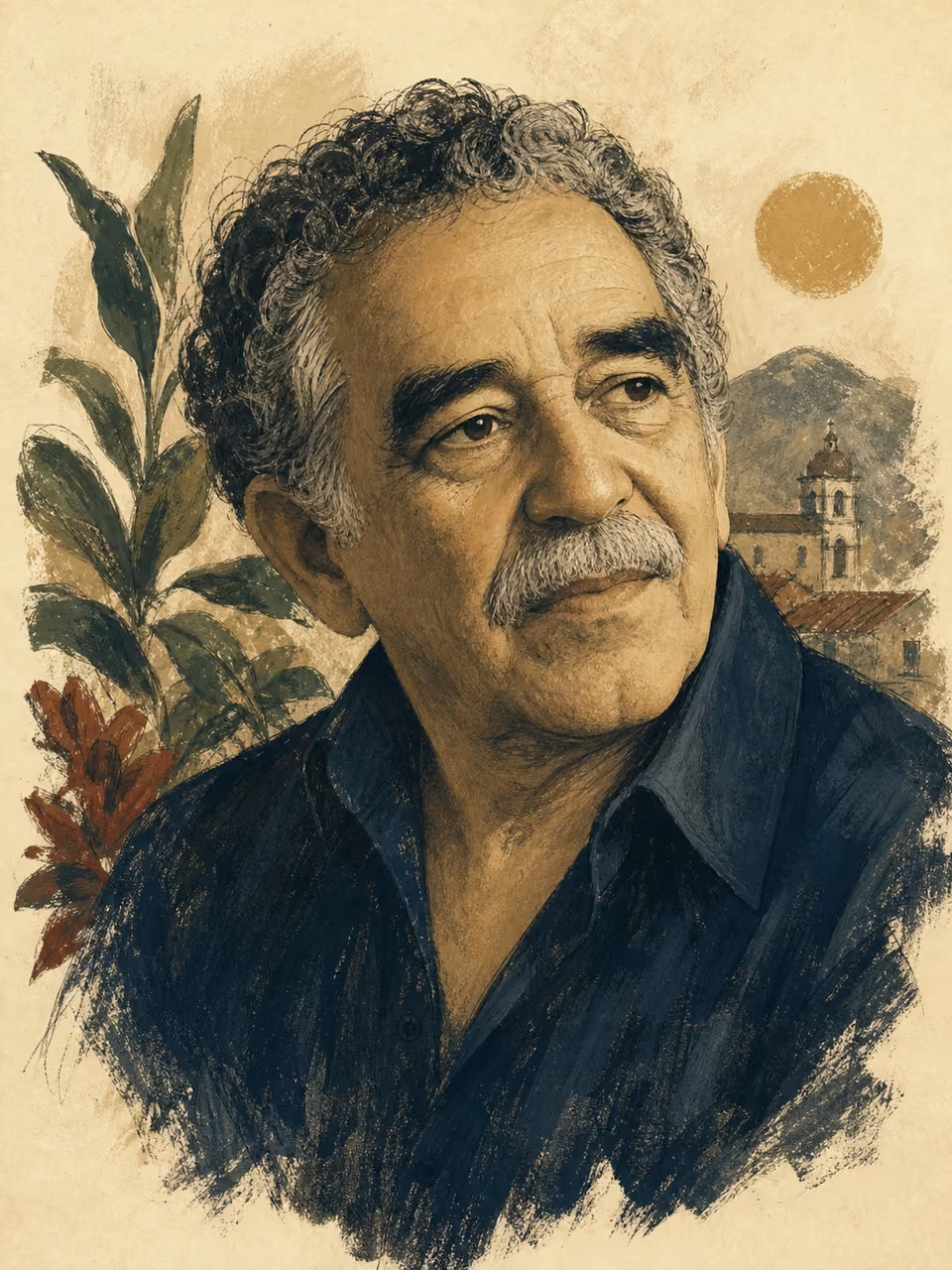
Gabriel García Márquez
historical figure in context
When One Hundred Years of Solitude appeared, Gabriel García Márquez compressed family saga, civil conflict, and mythical time into the town of Macondo. His training as a journalist gave that seemingly impossible world the observational density that let the marvelous and the political inhabit the same sentence.
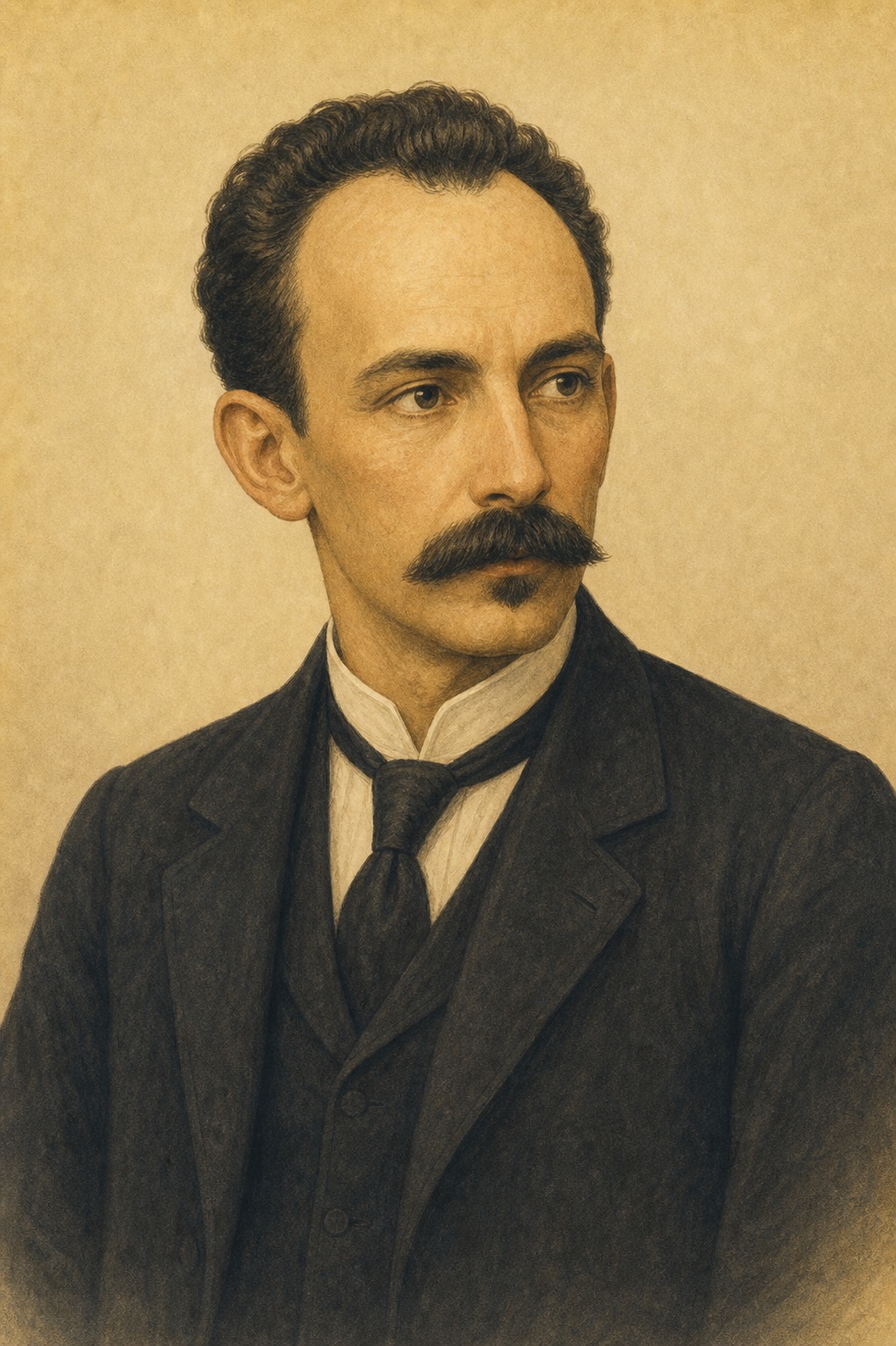
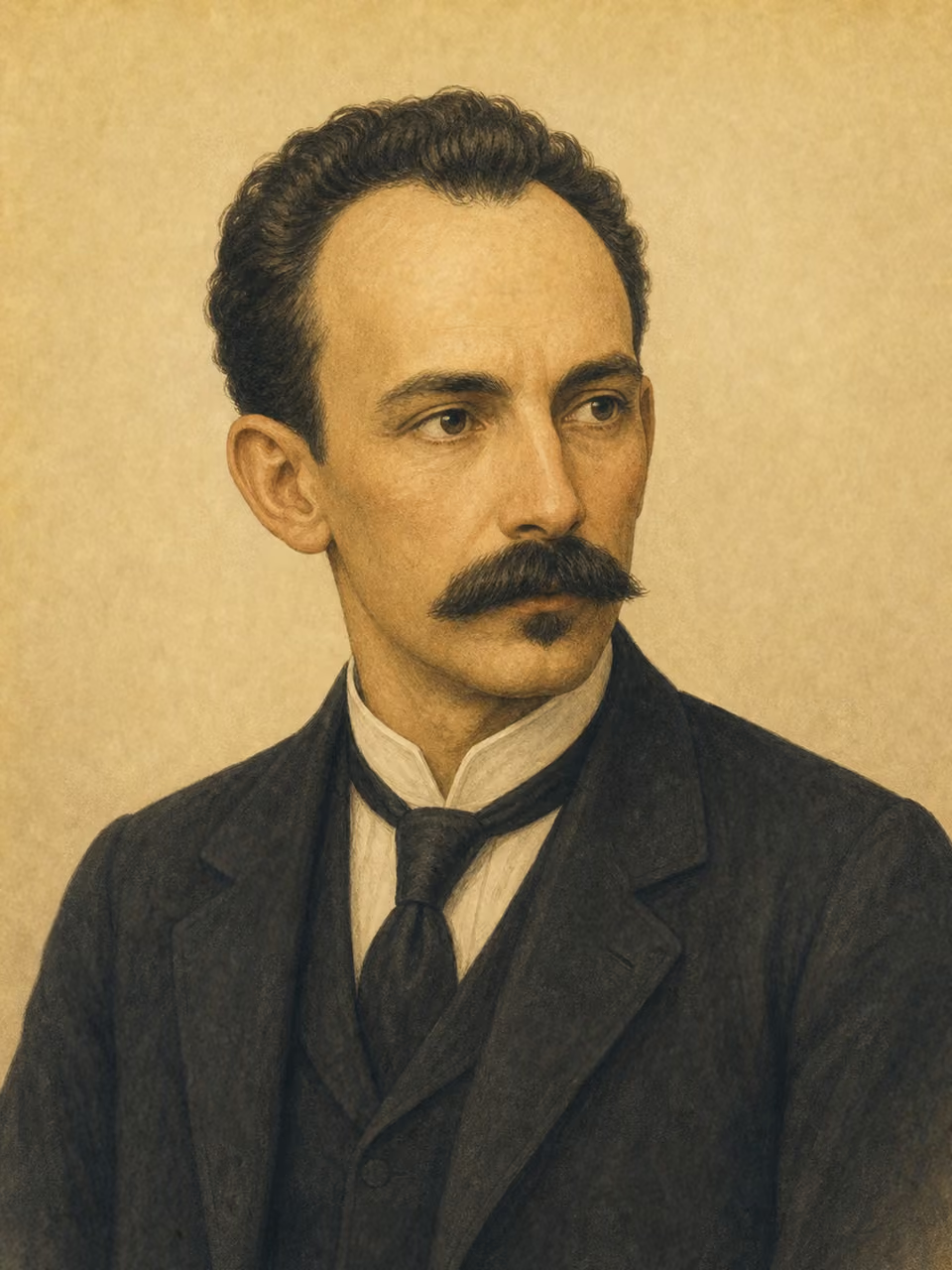
Jose Marti
historical figure in context
A Cuban poet, thinker, and independence activist who advocated for liberation from Spanish rule. He combined literature and political activism and represented anti-colonialism in Latin America. He is a central figure in the history of Cuban independence.
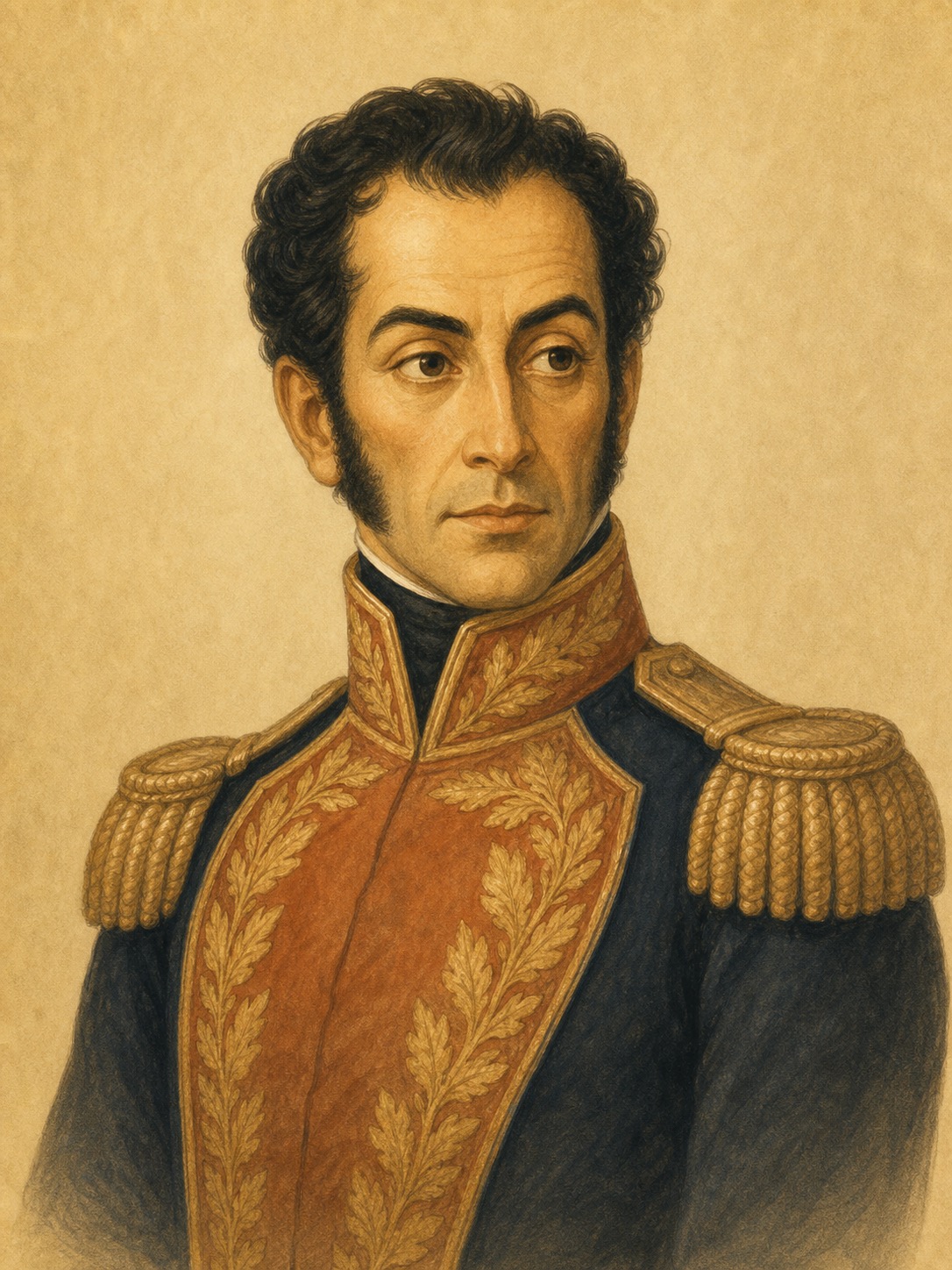
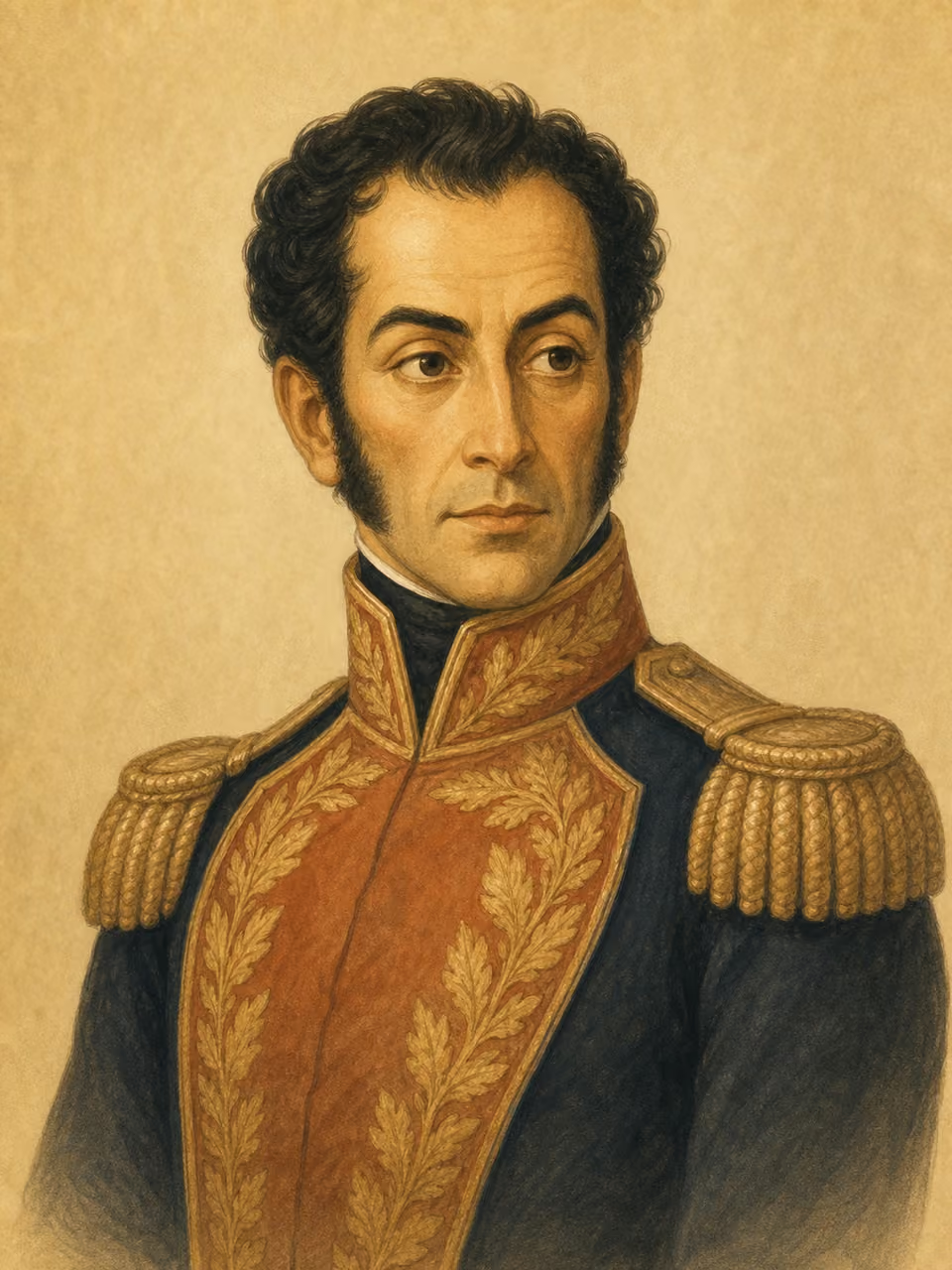
Simon Bolivar
historical figure in context
Through exile, return, and punishing campaigns such as the crossing of the Andes, Bolivar turned independence into a military and political project spanning much of northern South America. Yet victory did not end the story: the struggle to hold Gran Colombia together made the Liberator's career just as much about the fragility of state building as about battlefield triumph.
Related events
1942
Prelude
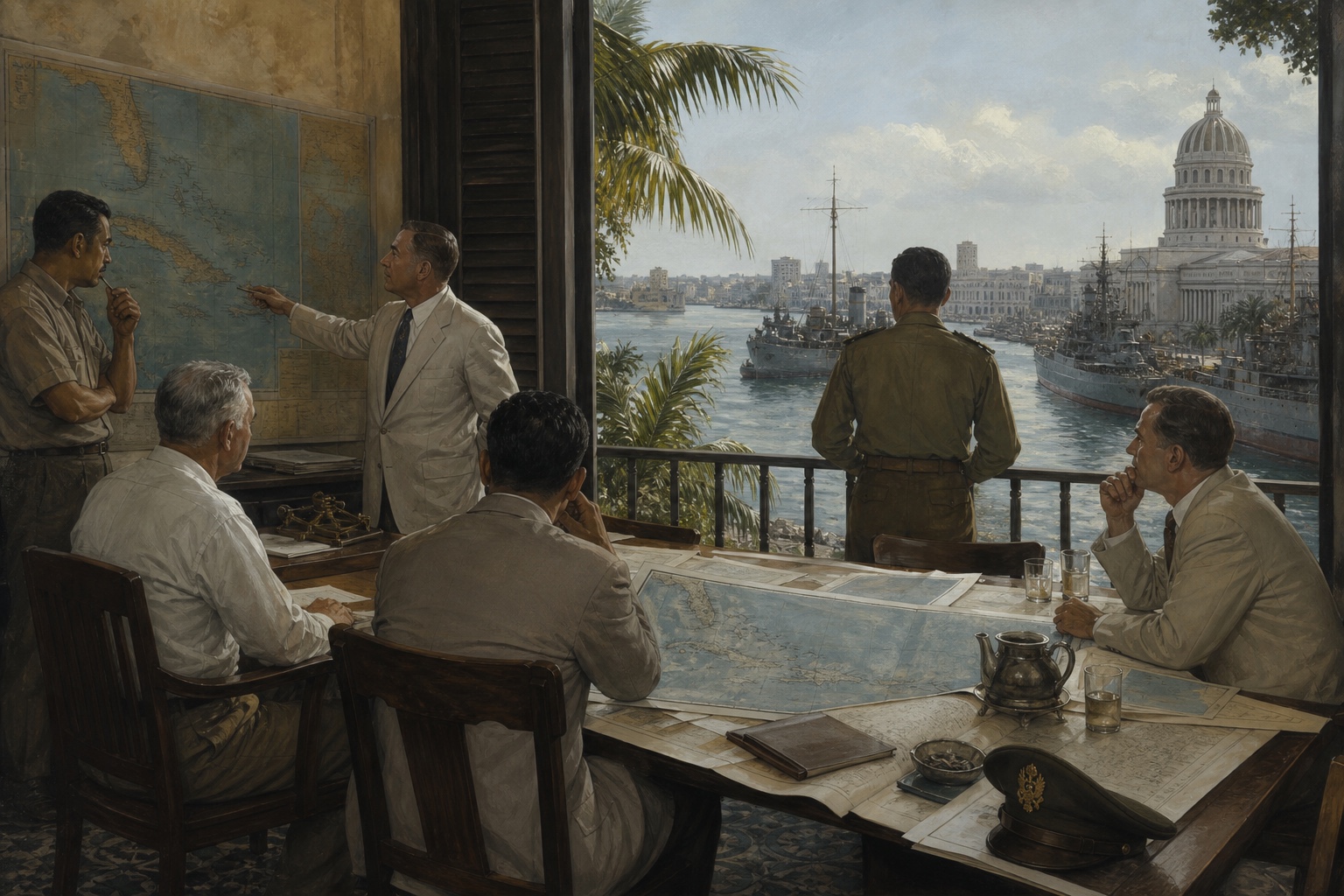
Prelude — Background: After Cuba's revolution, US hostility, covert action, and the failed Bay of Pigs invasion made another invasion credible to Cuban and Soviet leaders. Fidel Castro accepted Soviet missiles as protection for Cuba, while Nikita Khrushchev also sought strategic leverage amid US nuclear superiority and American Jupiter missiles in Turkey. The secret deployment denied Cuba's agency neither as an ally nor as the territory most exposed to attack.
c. 1961
Rising tension
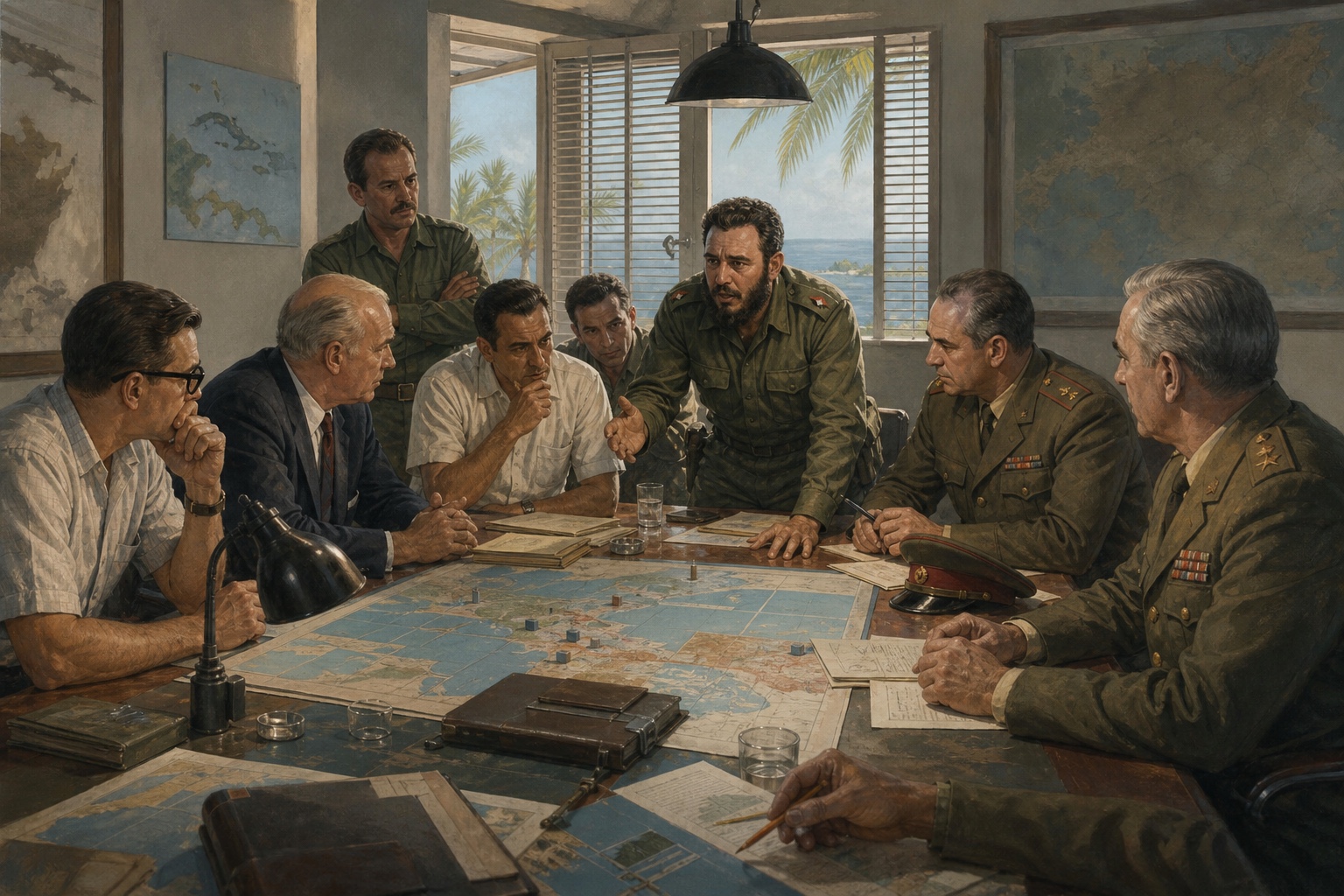
Rising tension — Build-up: US aerial photographs revealed missile sites on 14 October. Kennedy's advisers debated air strikes and invasion before he announced a naval 'quarantine' on 22 October; Soviet ships and forces faced US units while Cuban forces mobilized and antiaircraft fire downed a U-2. Castro urged Khrushchev not to yield to an invasion, but the decisive letters and back-channel bargain were negotiated mainly between the superpowers without Cuba at the table.
1962
Cuban Missile Crisis
Current event
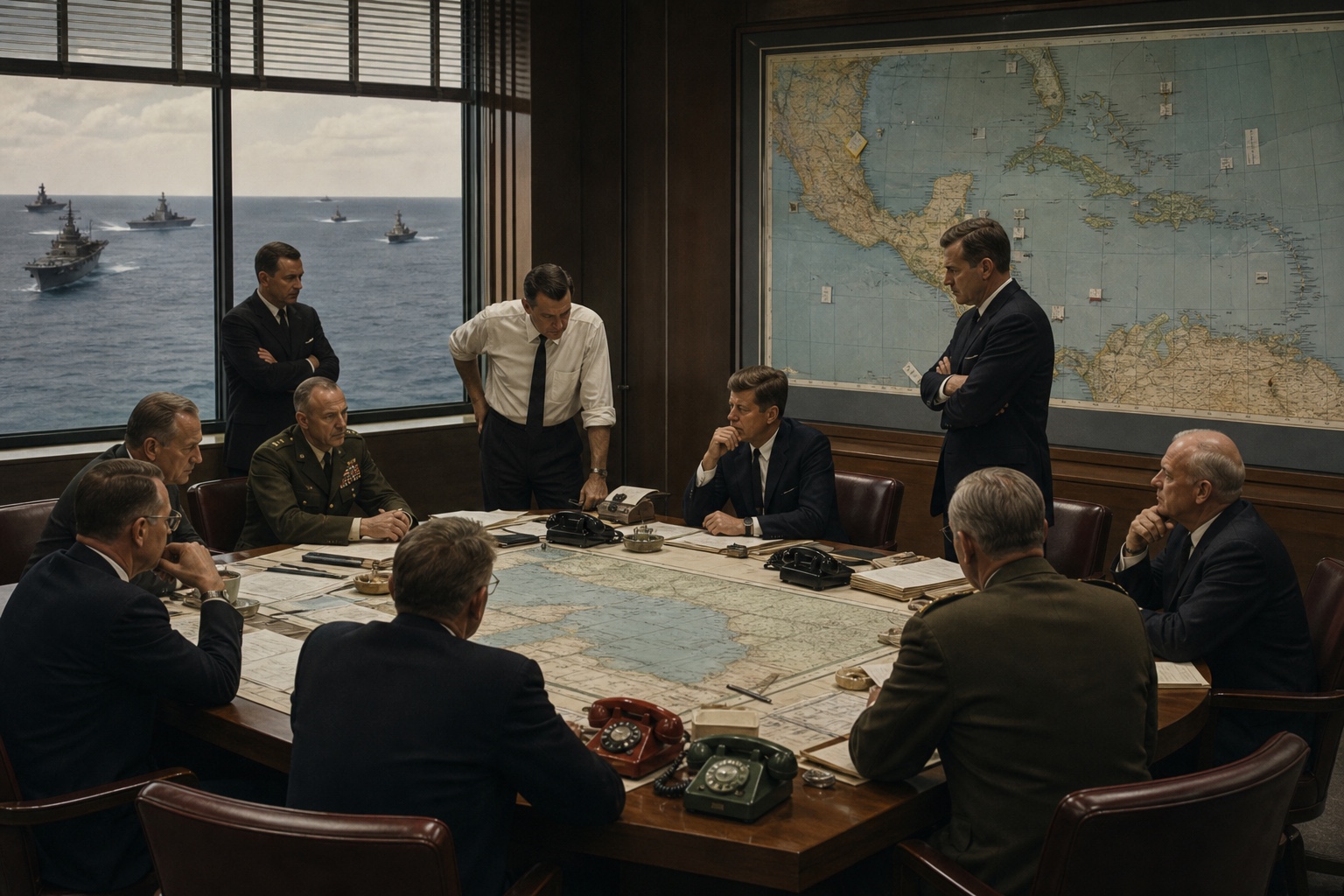
Cuban Missile Crisis — Central transition: The October 1962 confrontation over Soviet nuclear missiles in Cuba, when decisions in Havana, Moscow, and Washington brought the world close to nuclear war.
c. 1963
Immediate aftermath
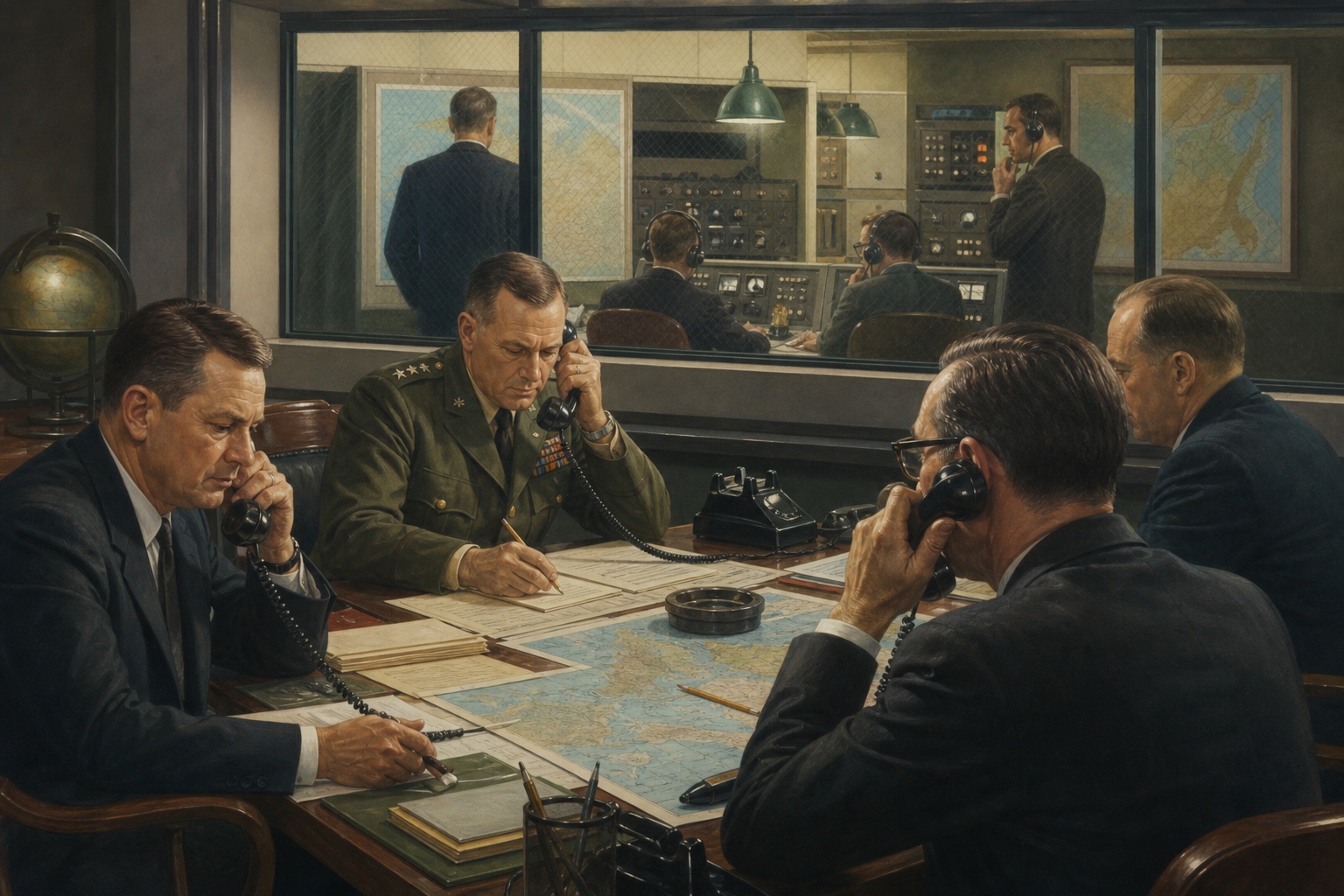
Immediate aftermath — Immediate result: On 28 October Khrushchev agreed to remove Soviet offensive missiles under UN observation in return for Kennedy's public pledge not to invade Cuba; the United States also privately agreed to withdraw Jupiter missiles from Turkey. Soviet bombers left later, while Cuba rejected intrusive inspections and retained deep objections to US pressure and the Guantánamo base.
c. 1972
Long-term significance
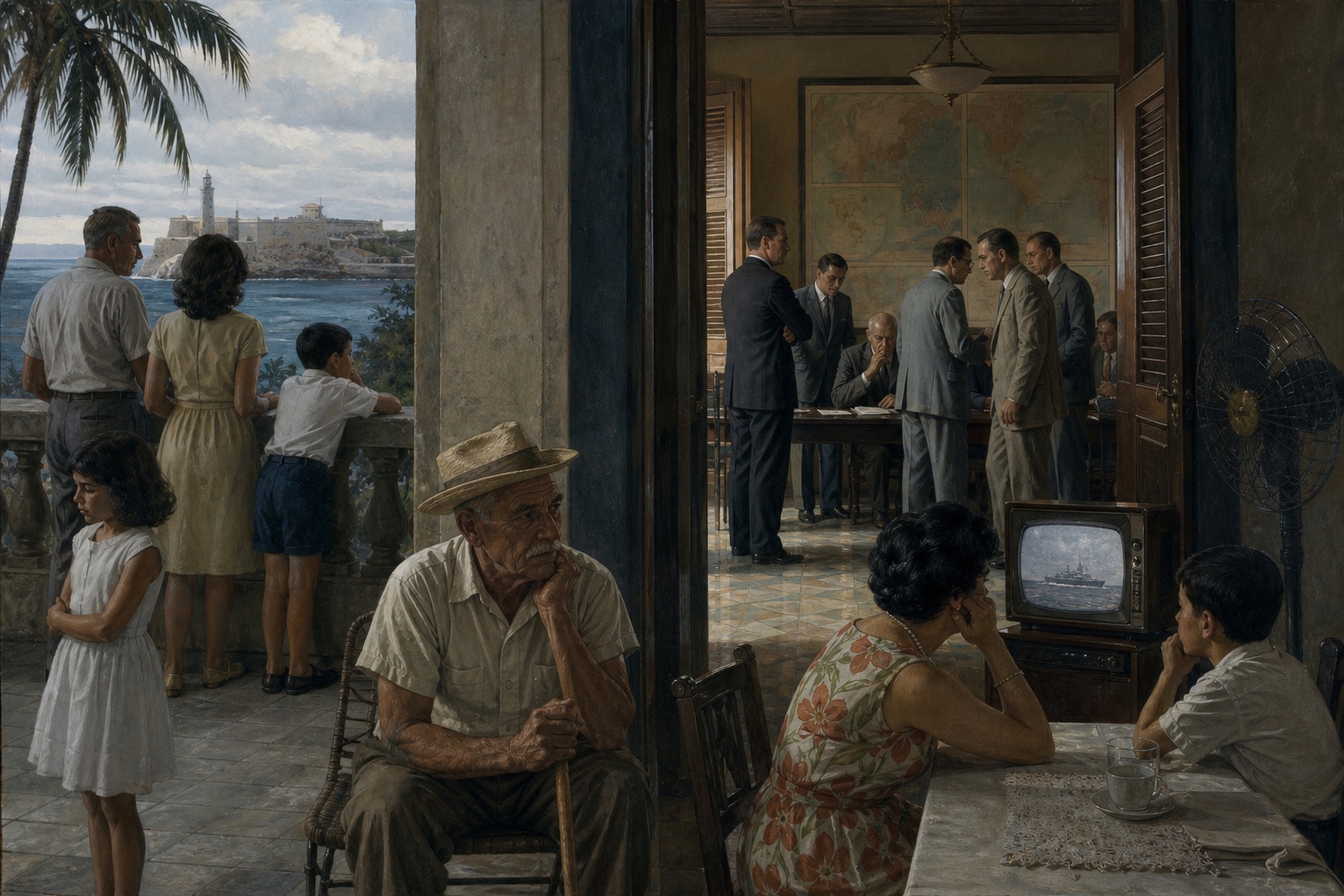
Long-term significance — Long-term significance: The crisis showed how misperception, military routines, and decisions by several governments could escalate nuclear danger. Washington and Moscow later improved direct communication and moved toward a limited test-ban treaty, yet Cuba remained excluded from the central settlement and US-Cuban hostility continued. No direct event edge is forced here because this roster has no general Cold War record; that larger context is carried in the dossier itself.


Sources
- Cuban Missile Crisis — Cuban Missile Crisis (U.S. National Archives)archives.govThis U.S. National Archives resource supports the chronology, setting, and course of Cuban Missile Crisis.
- Cuban Missile Crisis — Cuban Missile Crisis (Jfklibrary)jfklibrary.orgThis Jfklibrary resource supports the chronology, setting, and course of Cuban Missile Crisis.
- Cuban Missile Crisis — 33669 33 Cuban Missile Crisis Secret Kennedy Khrushchev Letters End Conflict (Nsarchive)nsarchive.gwu.eduThis Nsarchive resource supports the chronology, setting, and course of Cuban Missile Crisis.