
Dissolution of the Soviet Union
1985–1991
From 1985 to 1991, perestroika and glasnost, national movements, economic crisis, and political conflict combined to dissolve the Soviet Union.

- Period
- 1985–1991
- Kind
- Conference
- Regions
- Oceania
- Keywords
- reform · sovereignty · federation · Cold War · dissolution
Follow the story · Four stages
Background
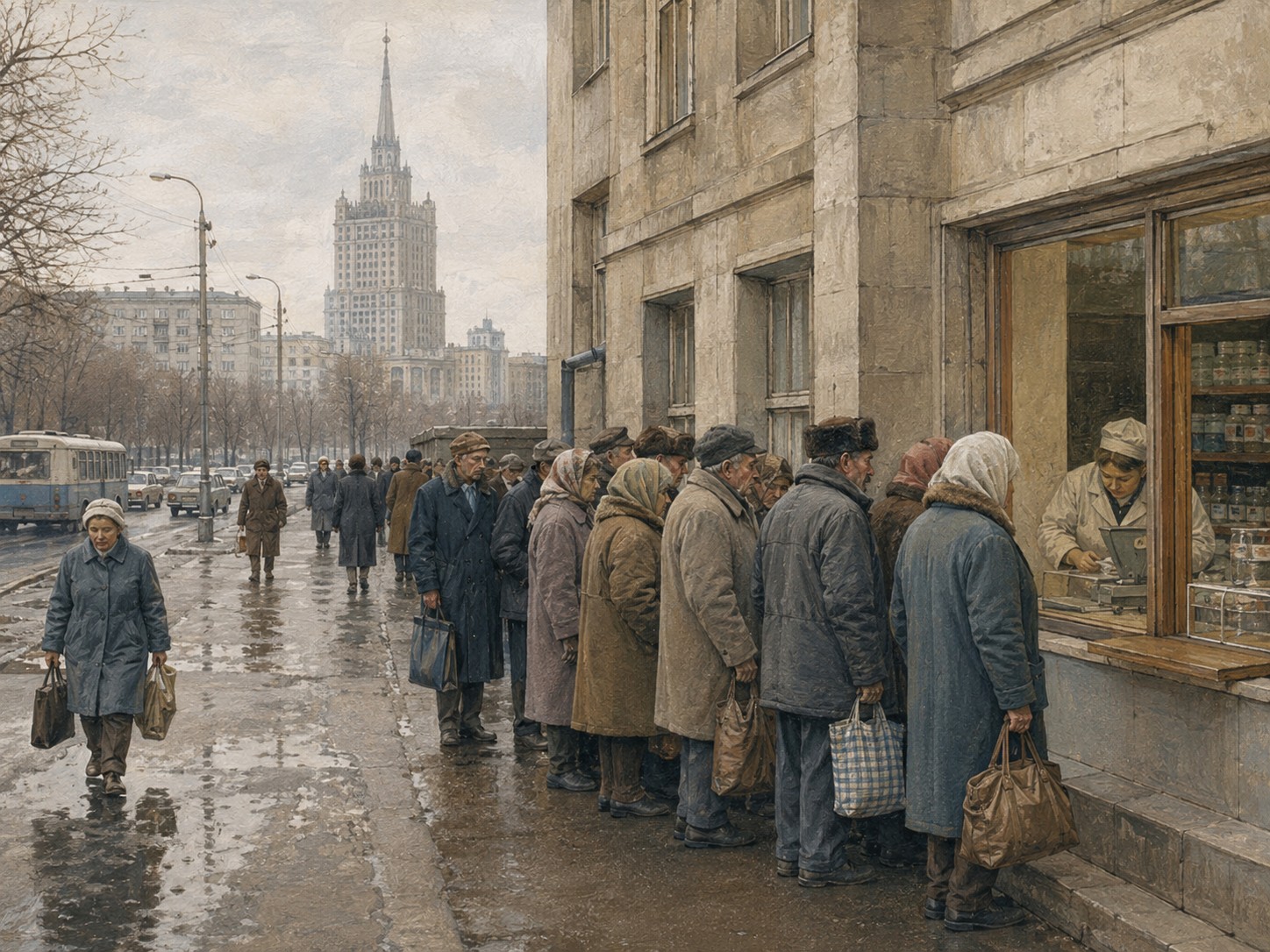
Gorbachev’s reforms sought to renew the economy and political system, while greater openness altered party and republic power relations and public memory.
- Economic stagnation and institutional fatigue drove reform
- Reform unsettled the relationship between party and society
- Sovereignty movements grew across the republics
Course
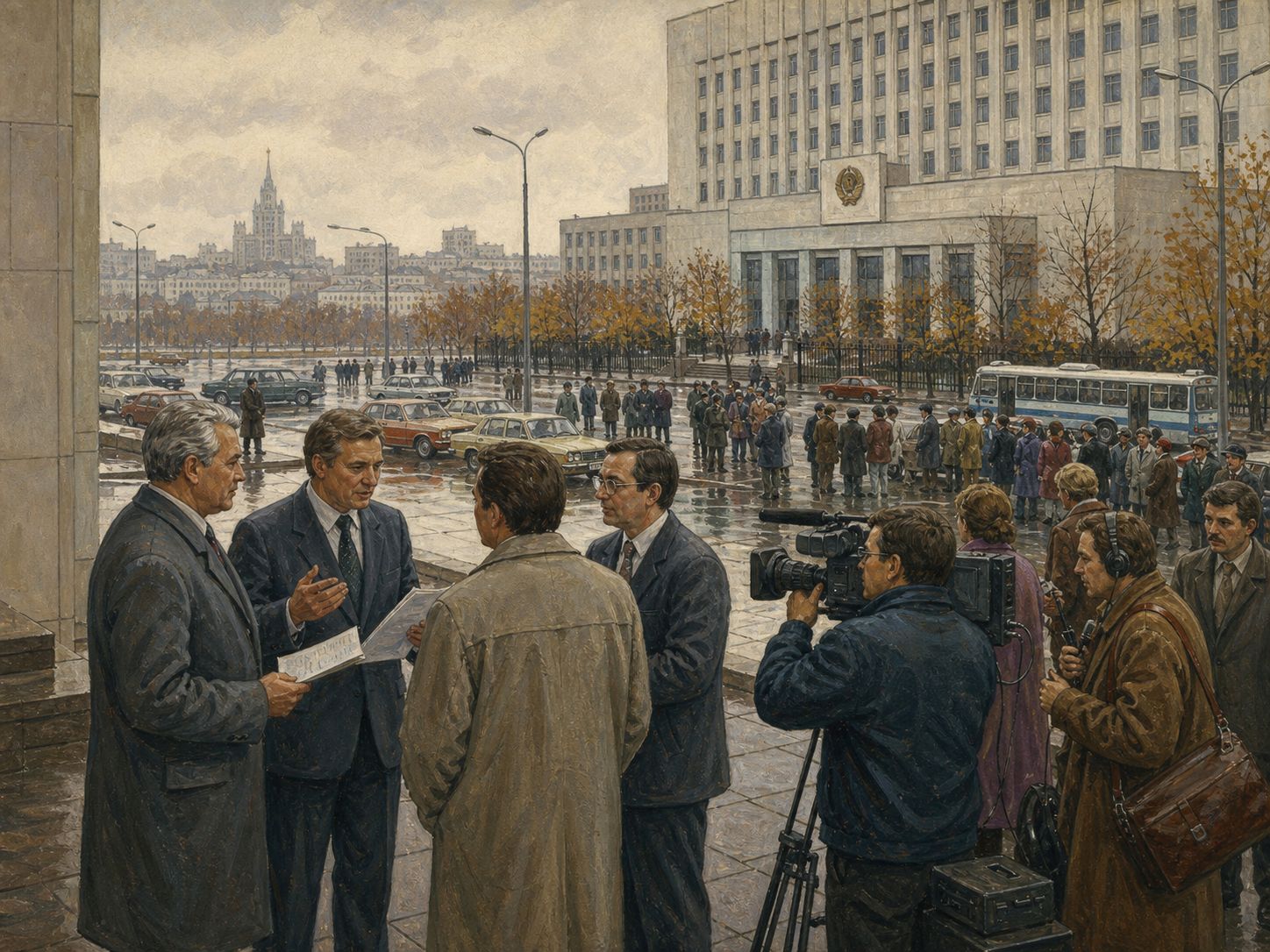
The transformation of Eastern Europe, republic sovereignty declarations, and the failed August 1991 coup were followed by an agreement among Russia, Ukraine, and Belarus that accelerated the Union’s end.
- Perestroika attempted economic and political restructuring
- Glasnost opened debate about past and present
- Central and republican authorities came into conflict
Outcome
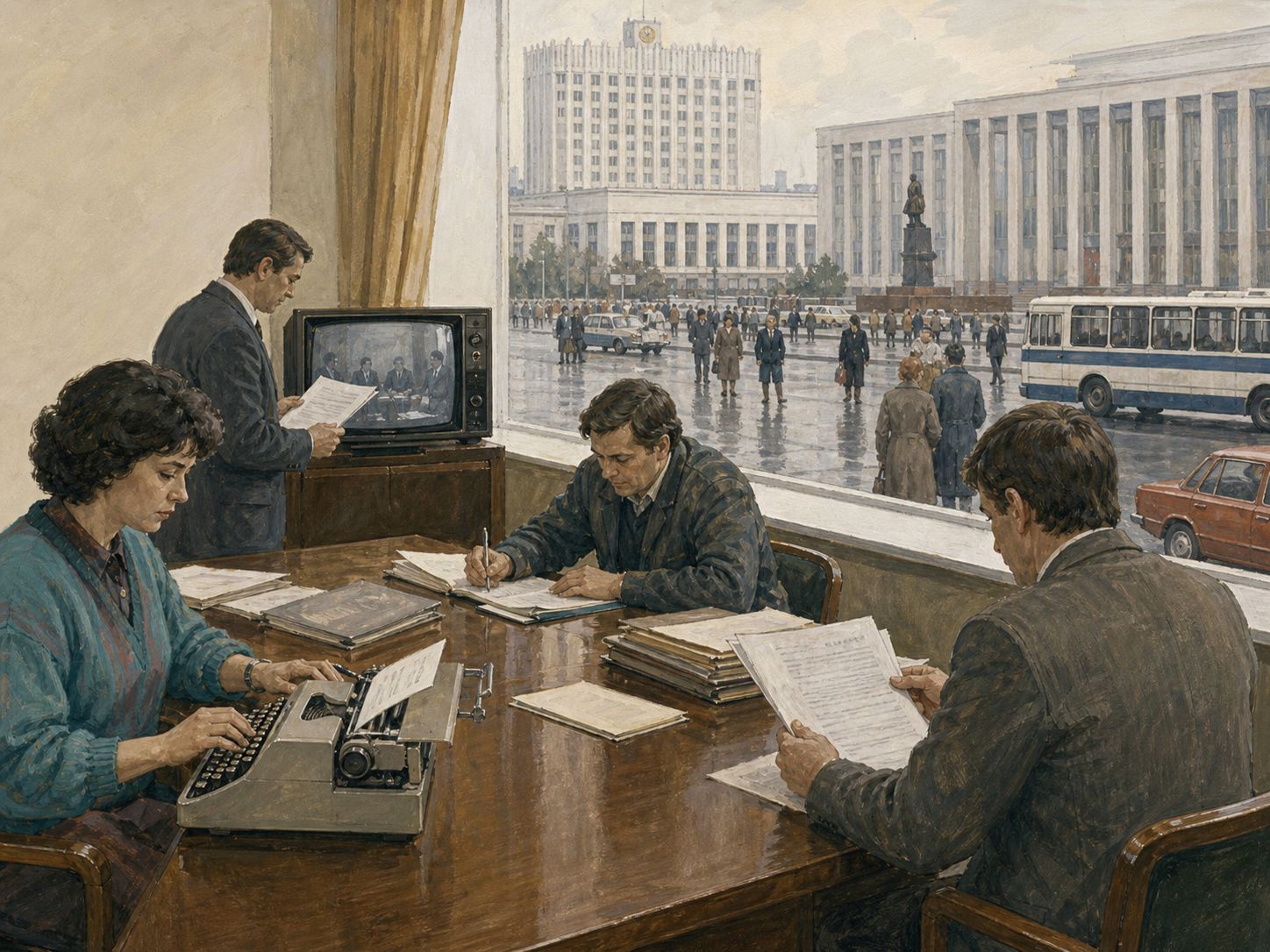
The Commonwealth of Independent States was declared in December 1991. Gorbachev resigned later that month, and the Soviet Union ceased to exist.
- The Soviet Union dissolved at the end of 1991
- Several independent states emerged
- Nuclear weapons and economic succession became urgent issues
Historical significance
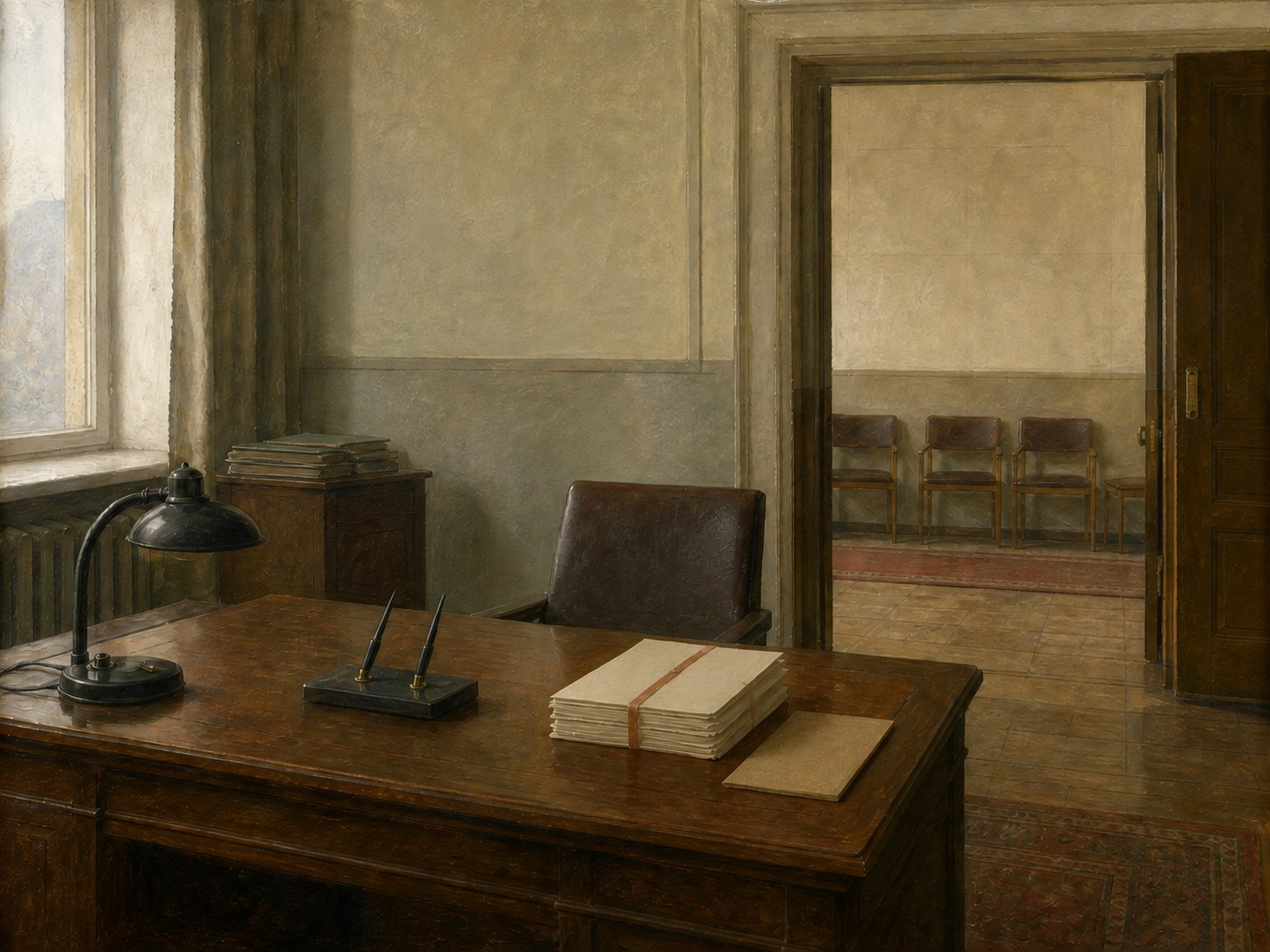
The dissolution changed the Cold War order but left new states to confront borders, economic inequality, nuclear weapons, and the status of minorities.
- It changed the international order after the Cold War
- It shows the breakup of an imperial federation
- It shows how reform can become uncontrollable political change


Related figures
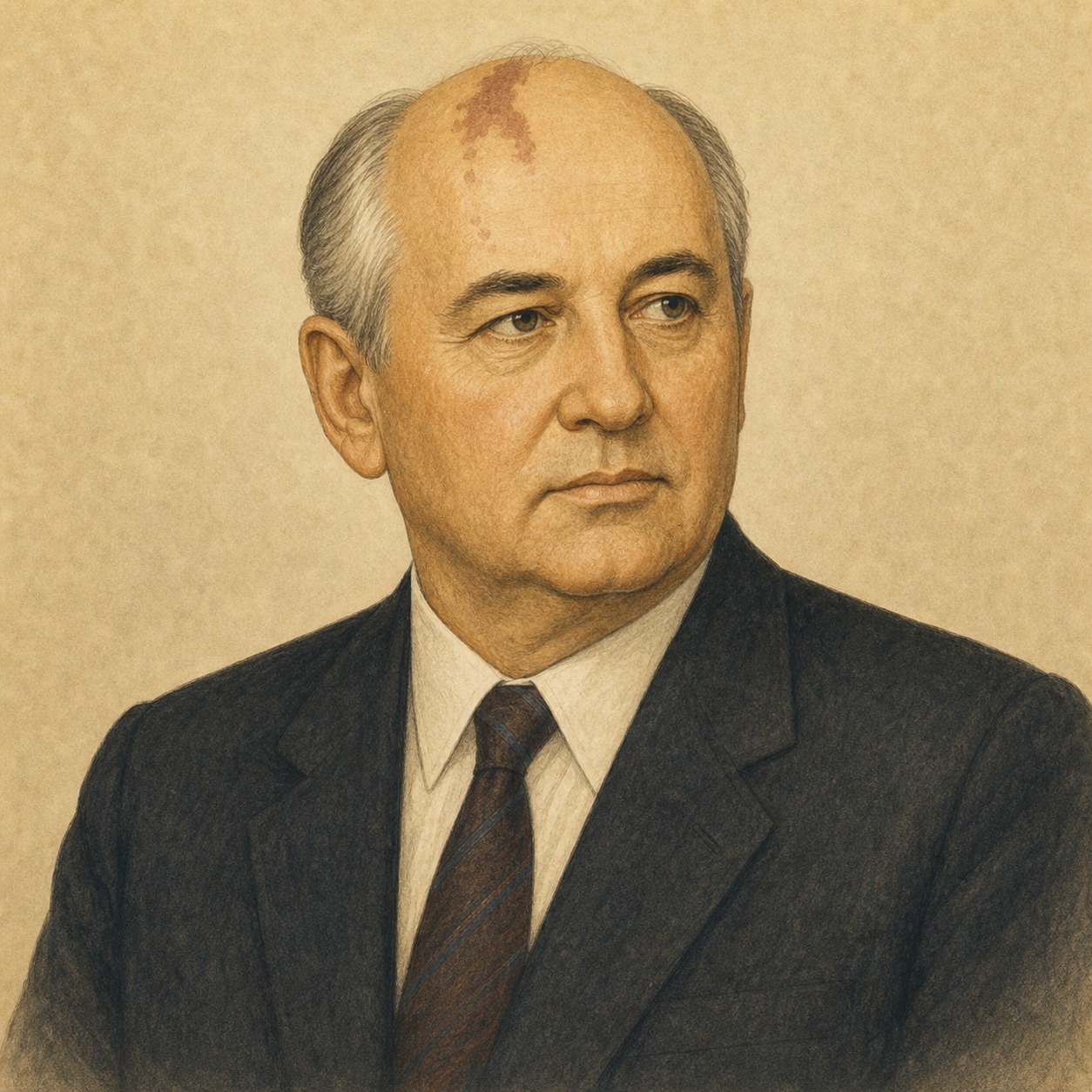
Mikhail Gorbachev
Soviet reform
The leader who pursued perestroika and glasnost while attempting to renew the federation.
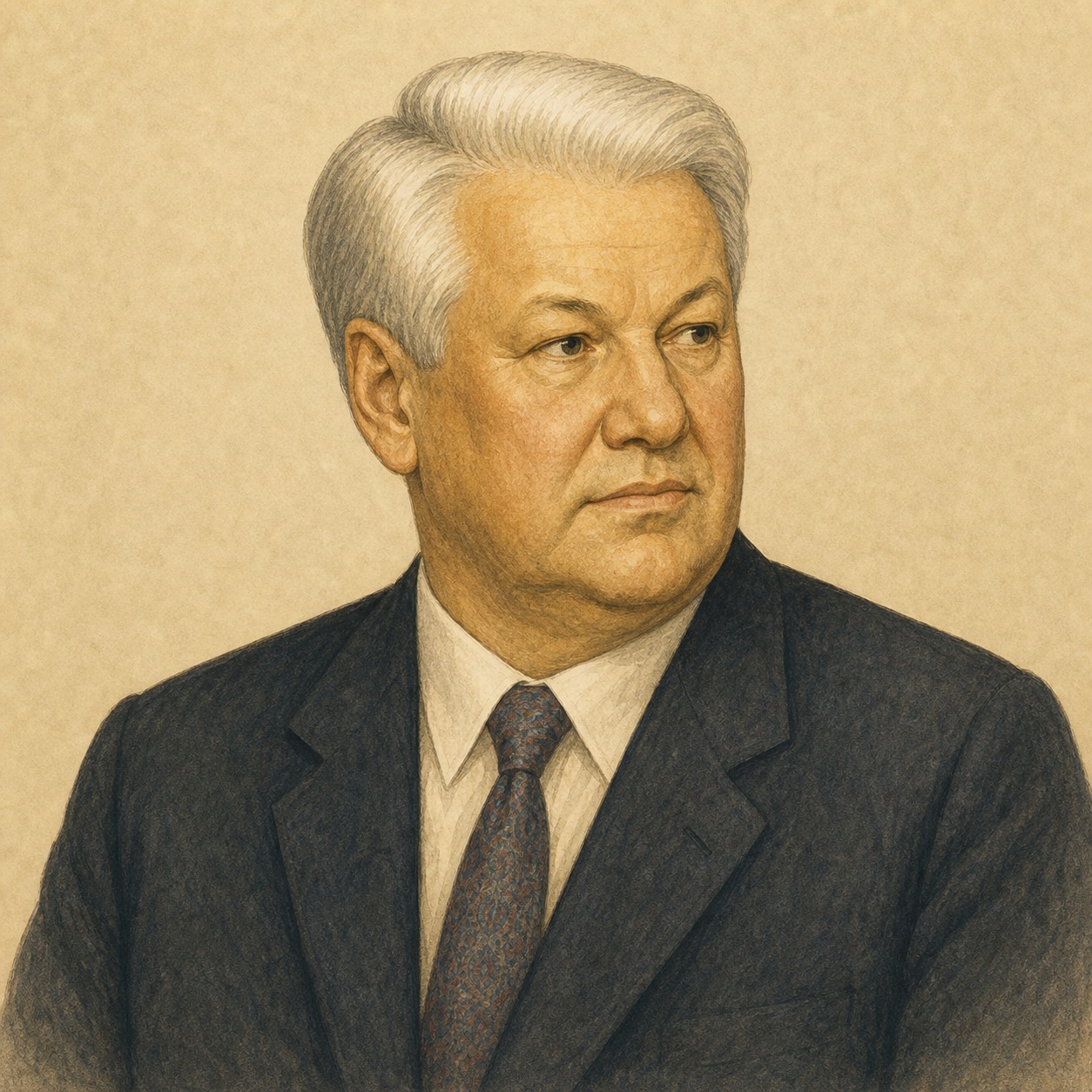
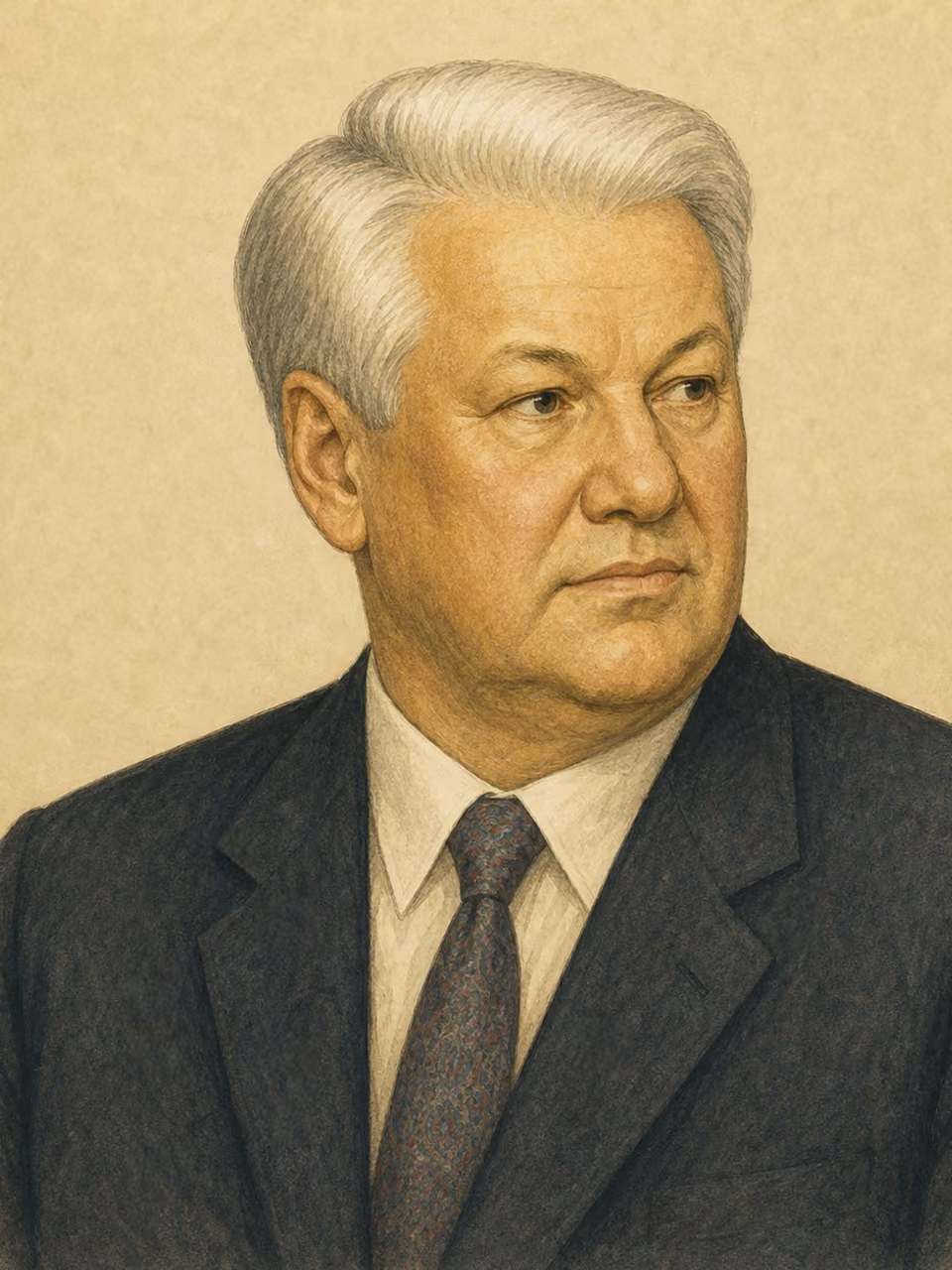
Boris Yeltsin
Russian republic
The politician who asserted Russian sovereignty and led the post-Soviet state.
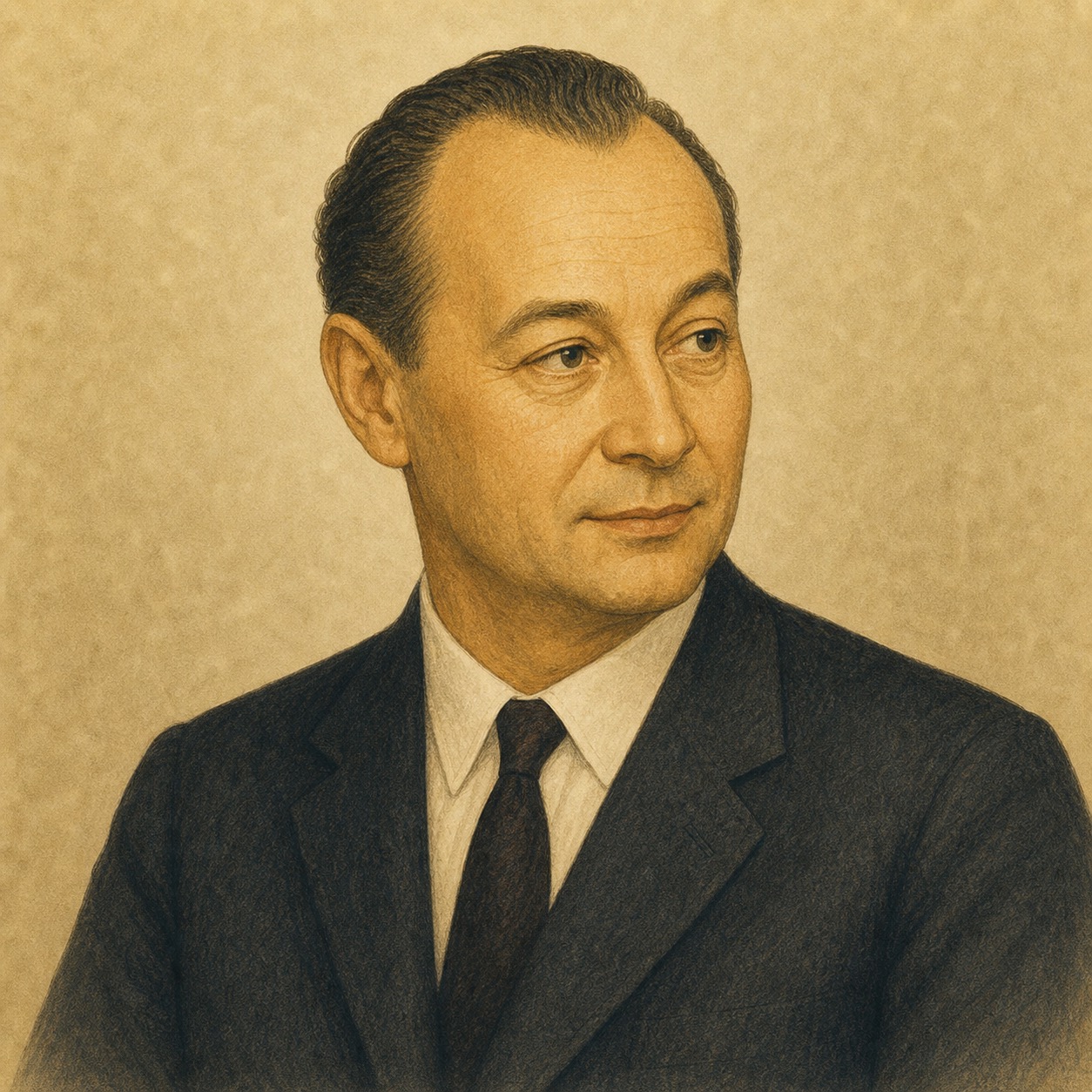
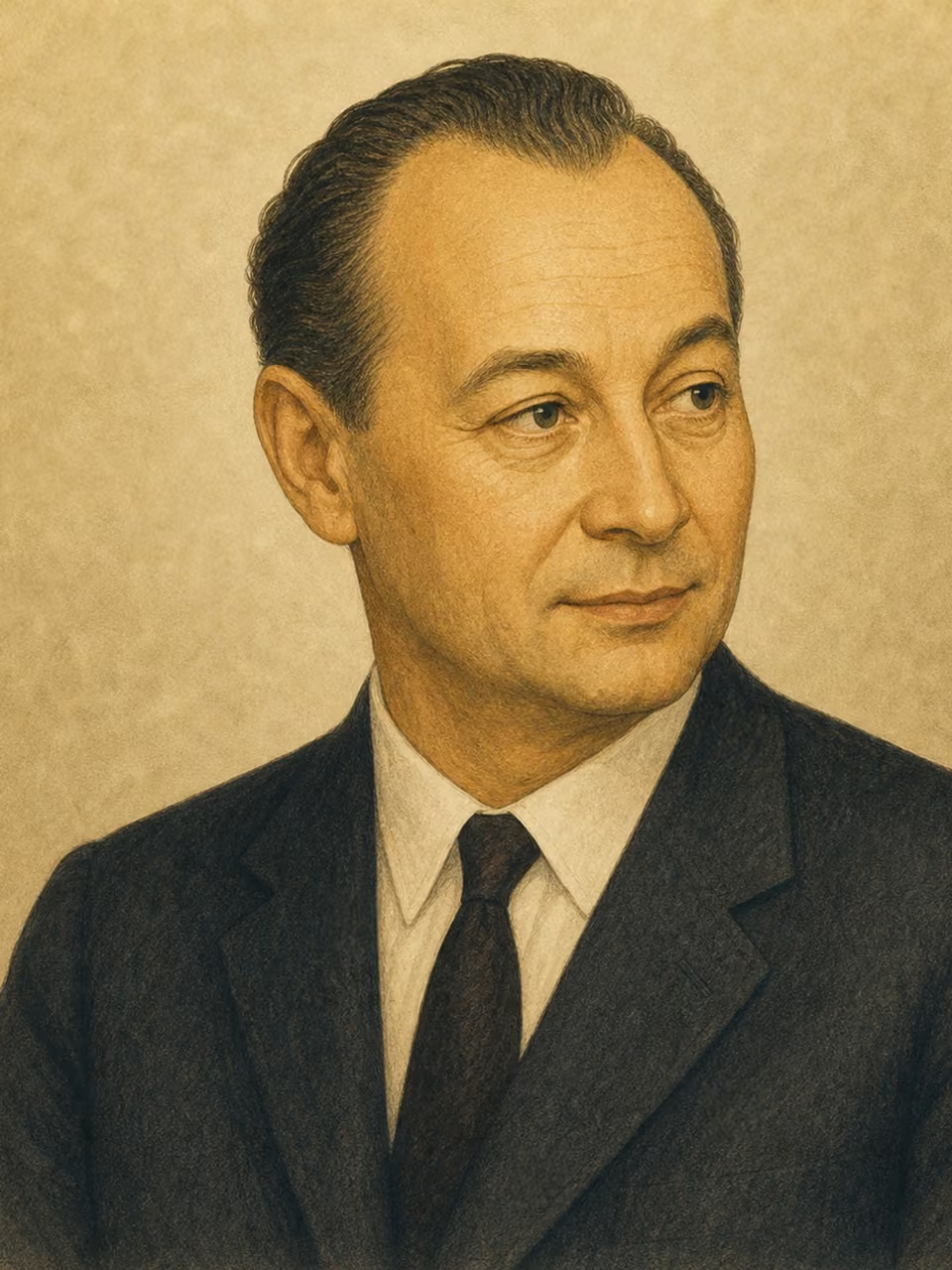
Alexander Dubček
Reform socialism
A Czechoslovak leader remembered as a symbol of reform and political openness.
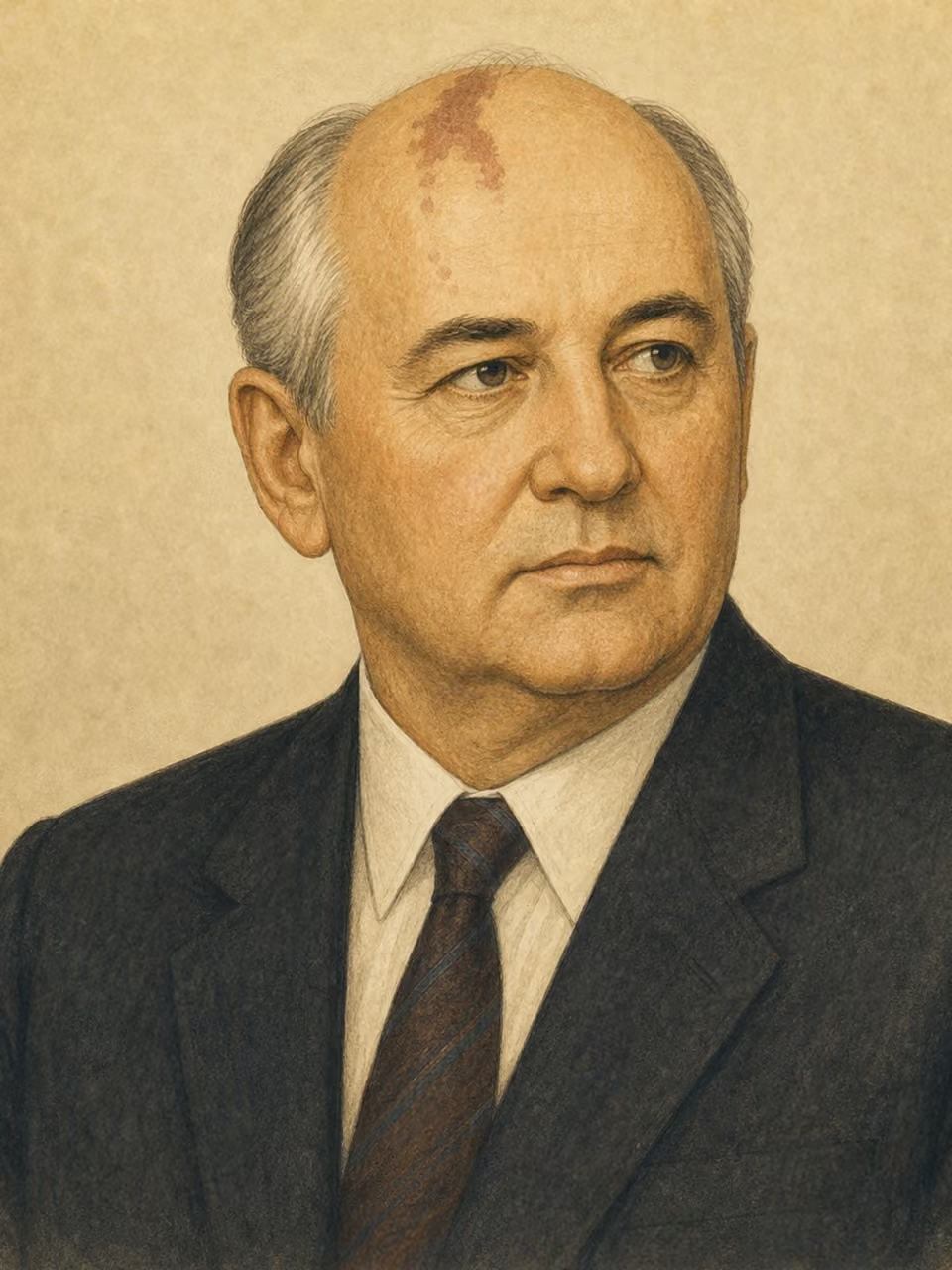
Related events
1985
Perestroika
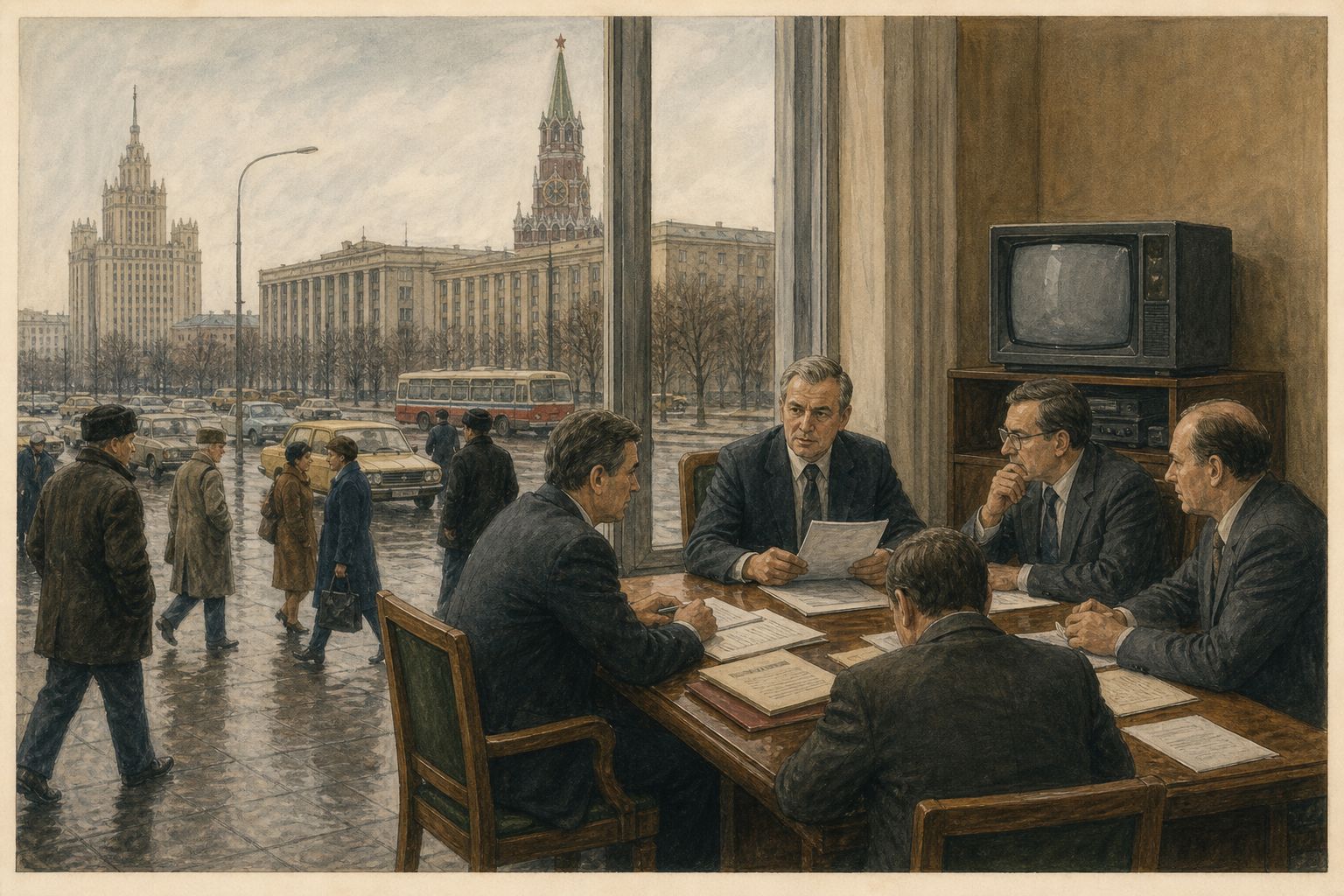
Economic and political restructuring sought to revive a system weakened by stagnation.
1986
Glasnost
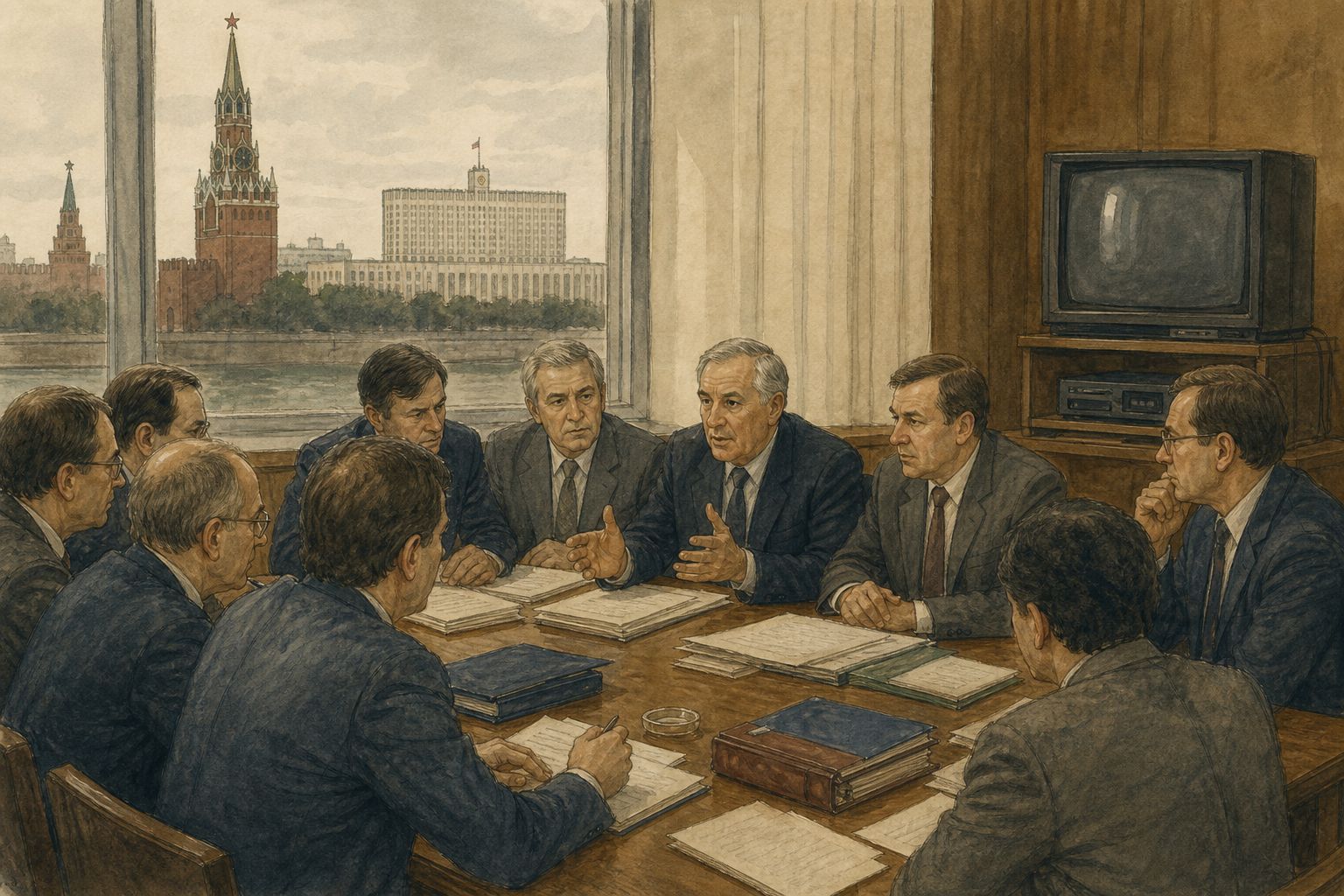
Greater openness brought repression and social problems into public discussion.
1988–1991
Sovereignty movements
Current event
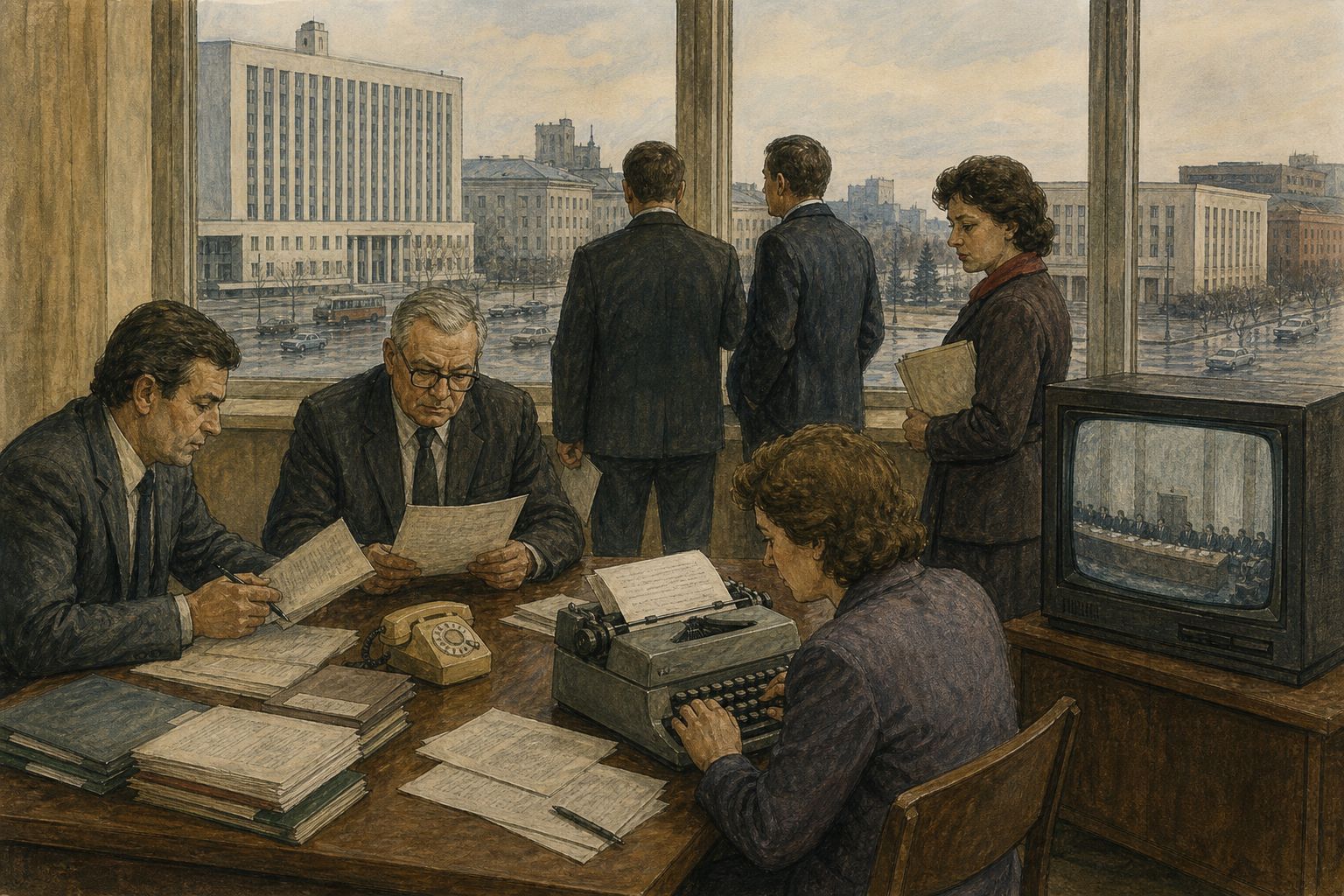
Republican parliaments and citizens sought greater independence from the center.
1991
The August coup
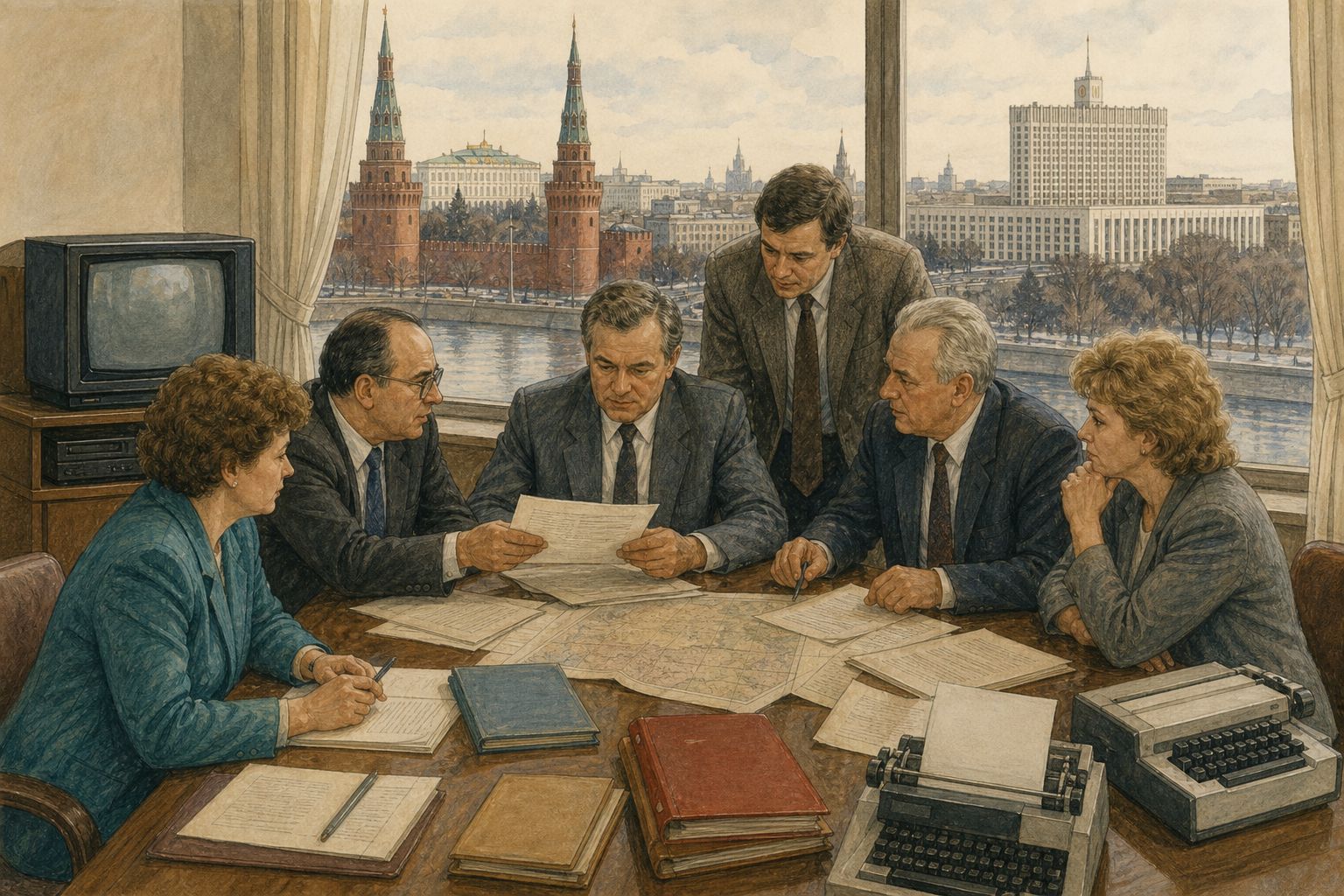
The failed conservative coup exposed the weakening authority of the center.
1991
The federation dissolves
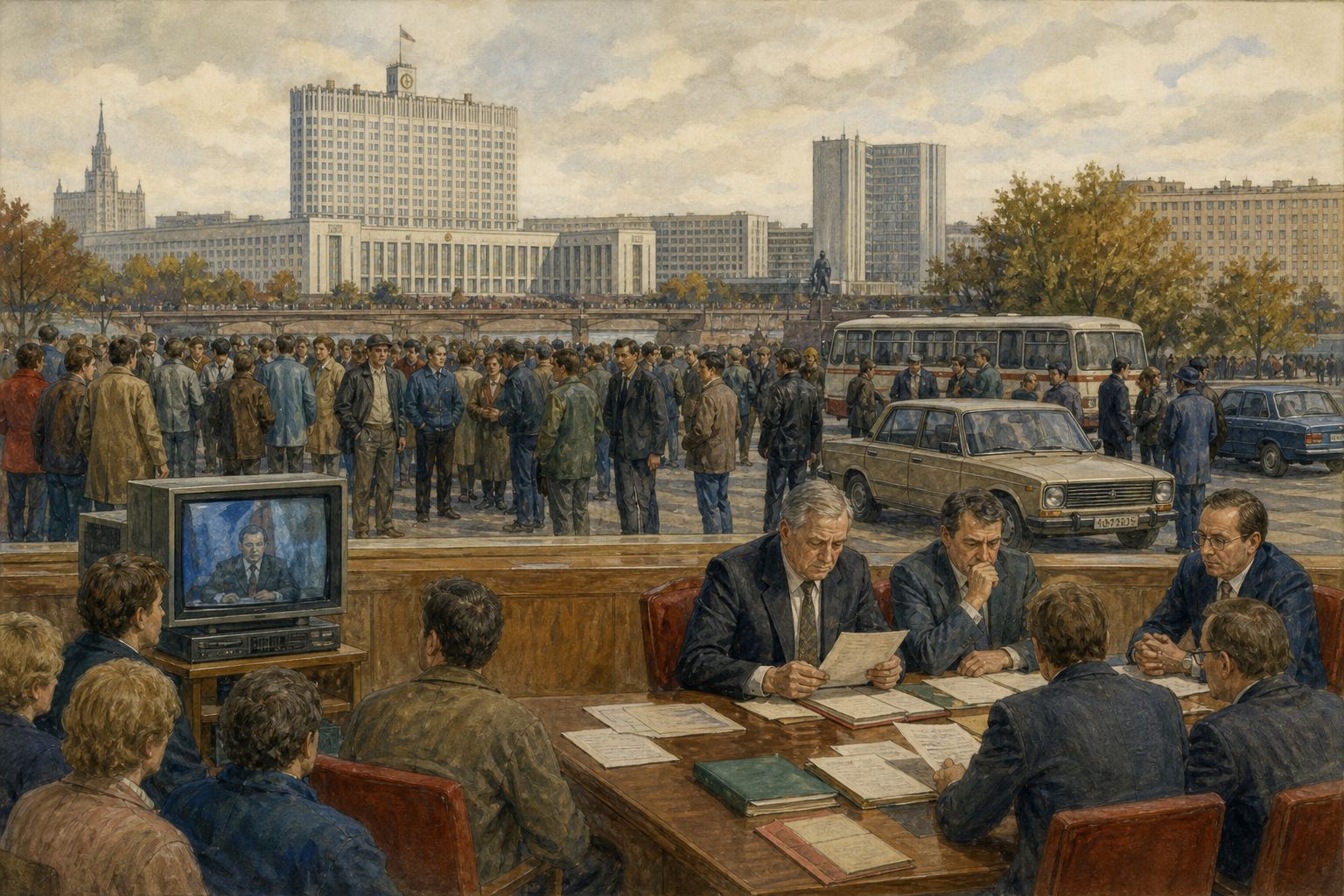
Agreements and a resignation at the end of the year brought the Soviet state to an end.


Sources
- Dissolution of the Soviet UnionEncyclopaedia BritannicaA reference overview of reform, sovereignty movements, the failed coup, and dissolution.
- The Dissolution of the Soviet UnionThe Metropolitan Museum of ArtA cultural context for late Soviet public life and the transformation of political symbols.
- Dissolution of the Soviet UnionWorld History EncyclopediaA concise chronology of the final reform years and the emergence of successor states.