First Opium War
1839–1842
The 1839–1842 war in which Britain used naval force to compel new commercial terms after Qing officials moved against the illegal opium trade.

- Period
- 1839–1842
- Kind
- War
- Regions
- East Asia, Europe, South Asia
- Keywords
- First Opium War · background · course · outcome
Follow the story · Four stages
Background
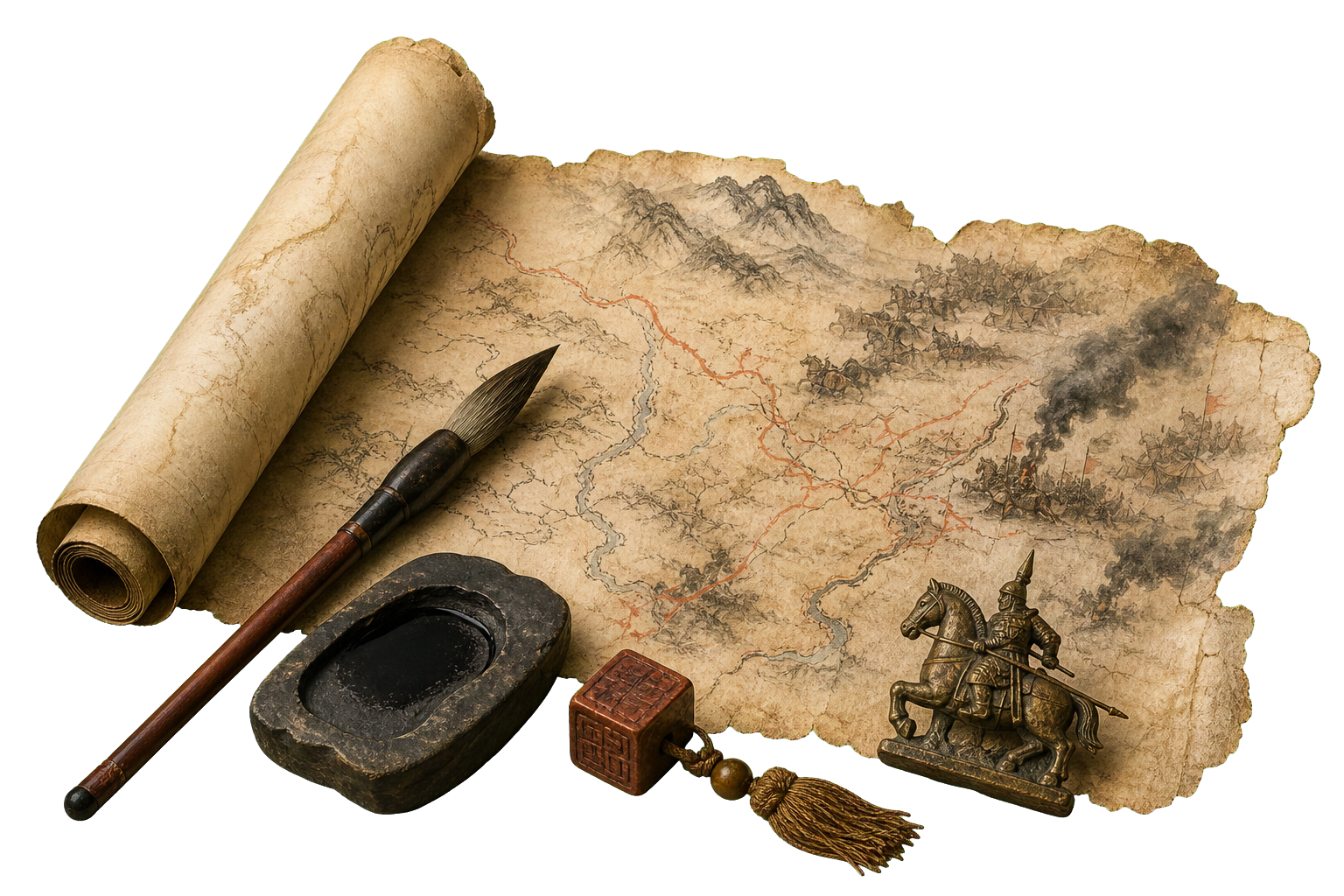
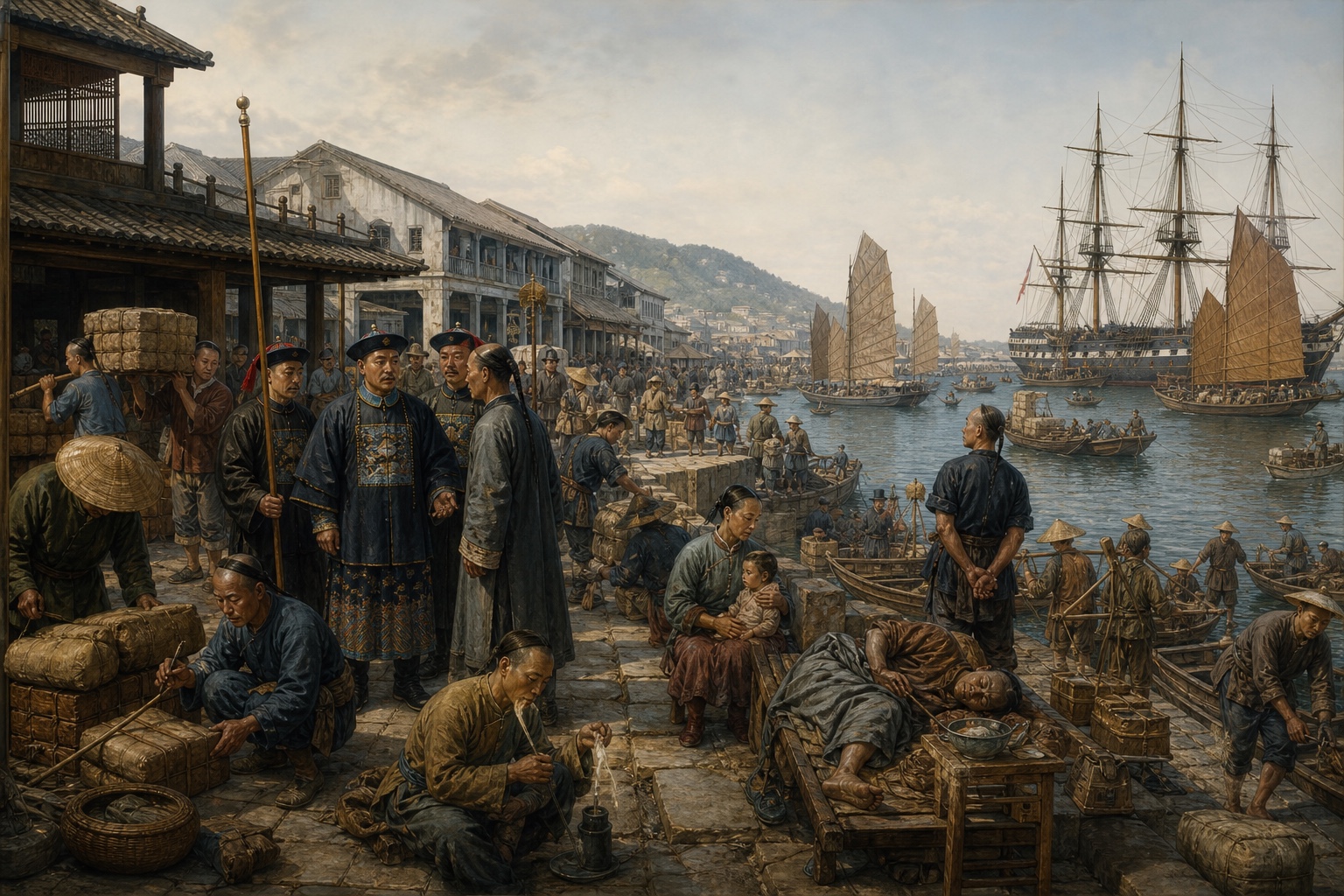
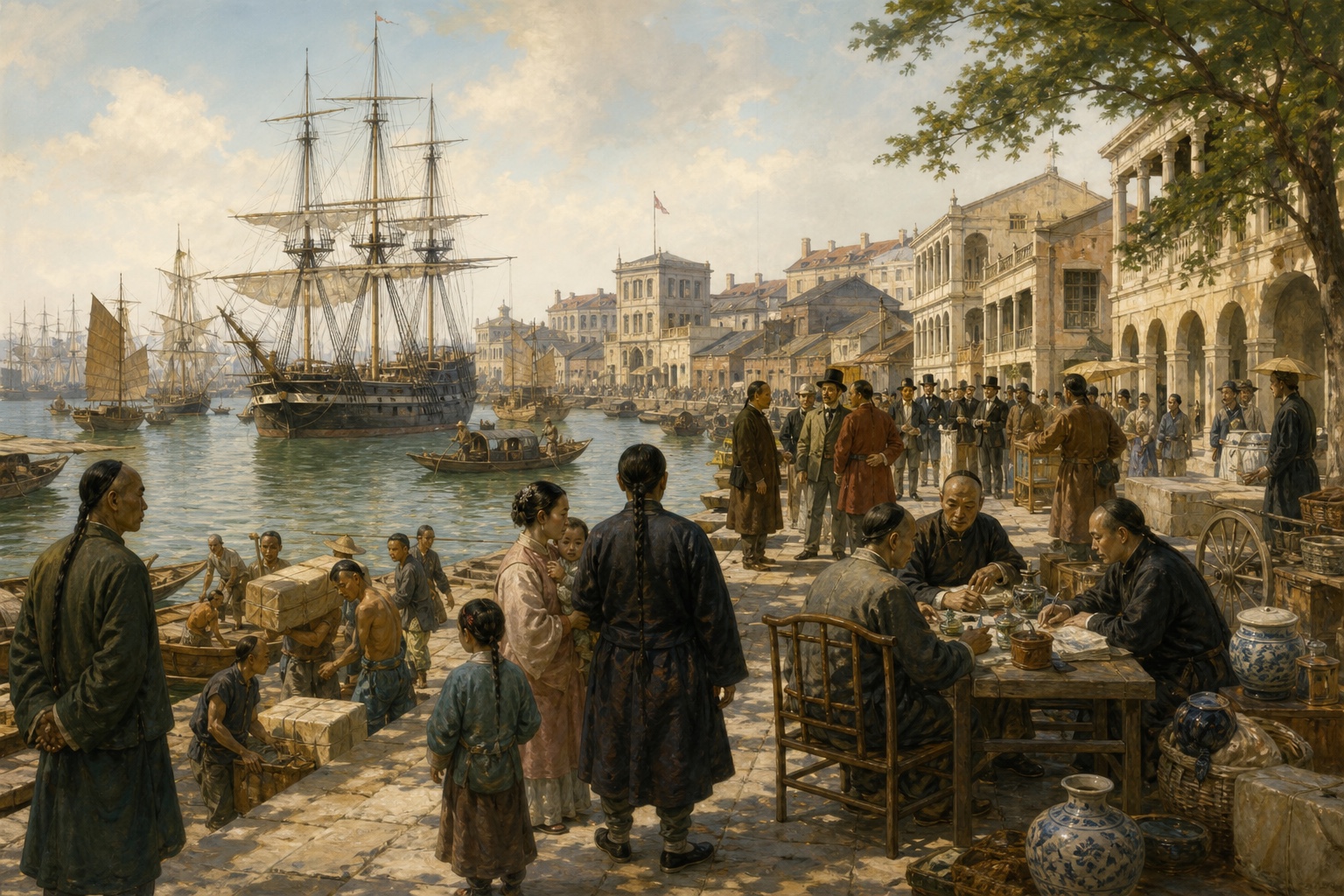
Britain increasingly relied on opium grown in colonial India and smuggled into China to offset silver payments for tea and other goods. Qing concern over addiction and silver outflow drove stronger prohibition, but British merchants' objections to the Canton trade system, disputes over jurisdiction, and pro-war lobbying also shaped the crisis. Qing policy alone did not cause the war.
- Britain increasingly relied on opium grown in colonial India and smuggled into China to offset silver payments for tea and other goods.
- Qing concern over addiction and silver outflow drove stronger prohibition, but British merchants' objections to the Canton trade system, disputes over jurisdiction, and pro-war lobbying also shaped the crisis.
- Qing policy alone did not cause the war.
Course
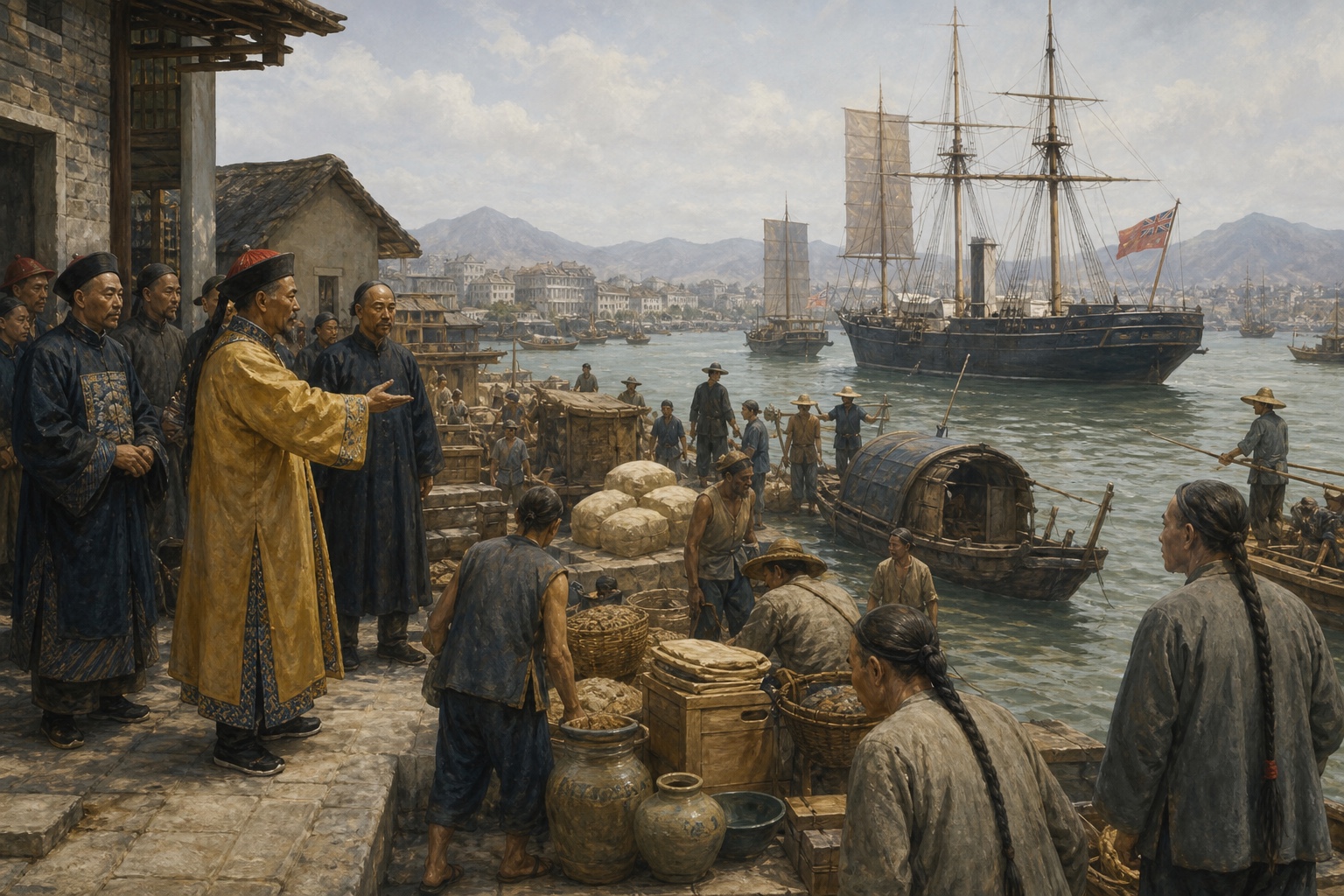
In 1839 Imperial Commissioner Lin Zexu confiscated and destroyed foreign-held opium and demanded pledges against renewed importation. The British government sent a fleet and expeditionary force whose firepower and mobility overwhelmed Qing defenses, widening operations from the Guangzhou area along China's coast and into the lower Yangzi.
- In 1839 Imperial Commissioner Lin Zexu confiscated and destroyed foreign-held opium and demanded pledges against renewed importation.
- The British government sent a fleet and expeditionary force whose firepower and mobility overwhelmed Qing defenses, widening operations from the Guangzhou area along China's coast and into the lower Yangzi.
- The source record helps place this stage in context.
Outcome
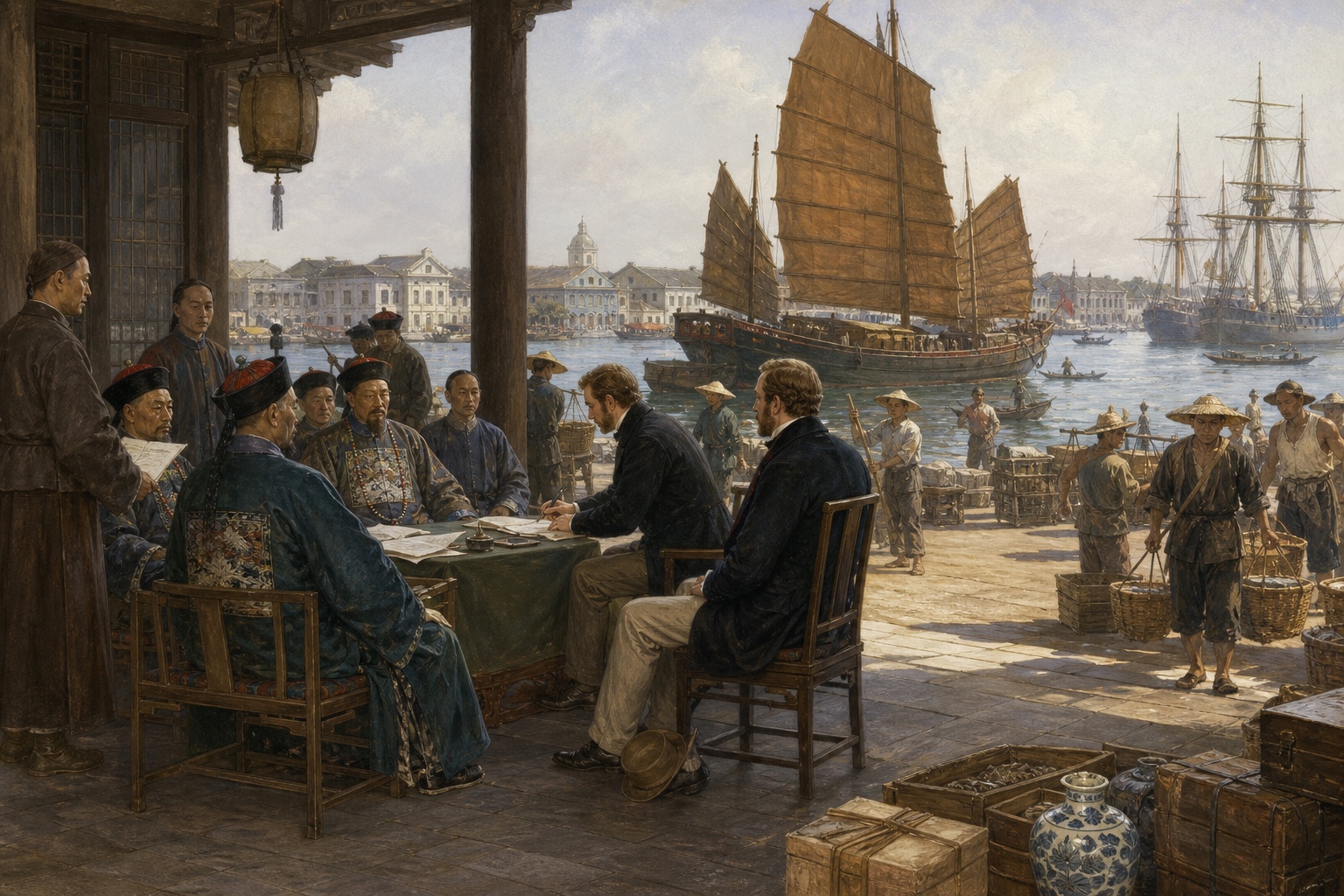
Under the 1842 Treaty of Nanjing, the Qing ceded Hong Kong Island, opened five ports, paid an indemnity, and ended the Cohong monopoly. Supplementary agreements further restricted tariff and judicial autonomy. These were not terms negotiated between equal powers but the beginning of an unequal-treaty order imposed after military defeat.
- Under the 1842 Treaty of Nanjing, the Qing ceded Hong Kong Island, opened five ports, paid an indemnity, and ended the Cohong monopoly.
- Supplementary agreements further restricted tariff and judicial autonomy.
- These were not terms negotiated between equal powers but the beginning of an unequal-treaty order imposed after military defeat.
Historical significance
The war joined opium, commerce, colonial India, and naval power in an act of imperial coercion. Qing defeat spread alarm about Western military pressure across East Asia. It did not directly cause the Meiji Restoration, but it became important regional context for the state-building urgency of Japan's post-1868 leaders.
- The war joined opium, commerce, colonial India, and naval power in an act of imperial coercion.
- Qing defeat spread alarm about Western military pressure across East Asia.
- It did not directly cause the Meiji Restoration, but it became important regional context for the state-building urgency of Japan's post-1868 leaders.


Related figures
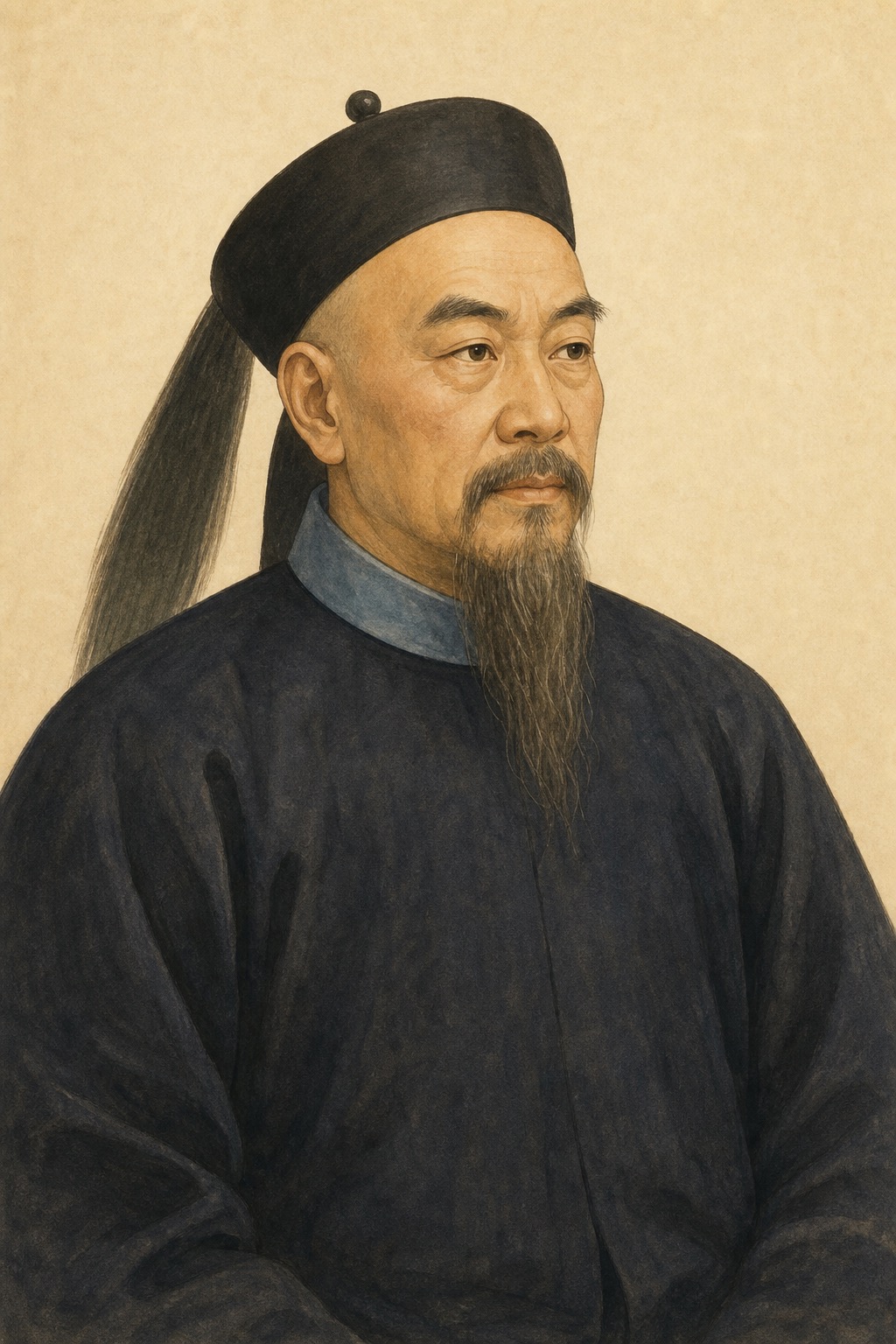
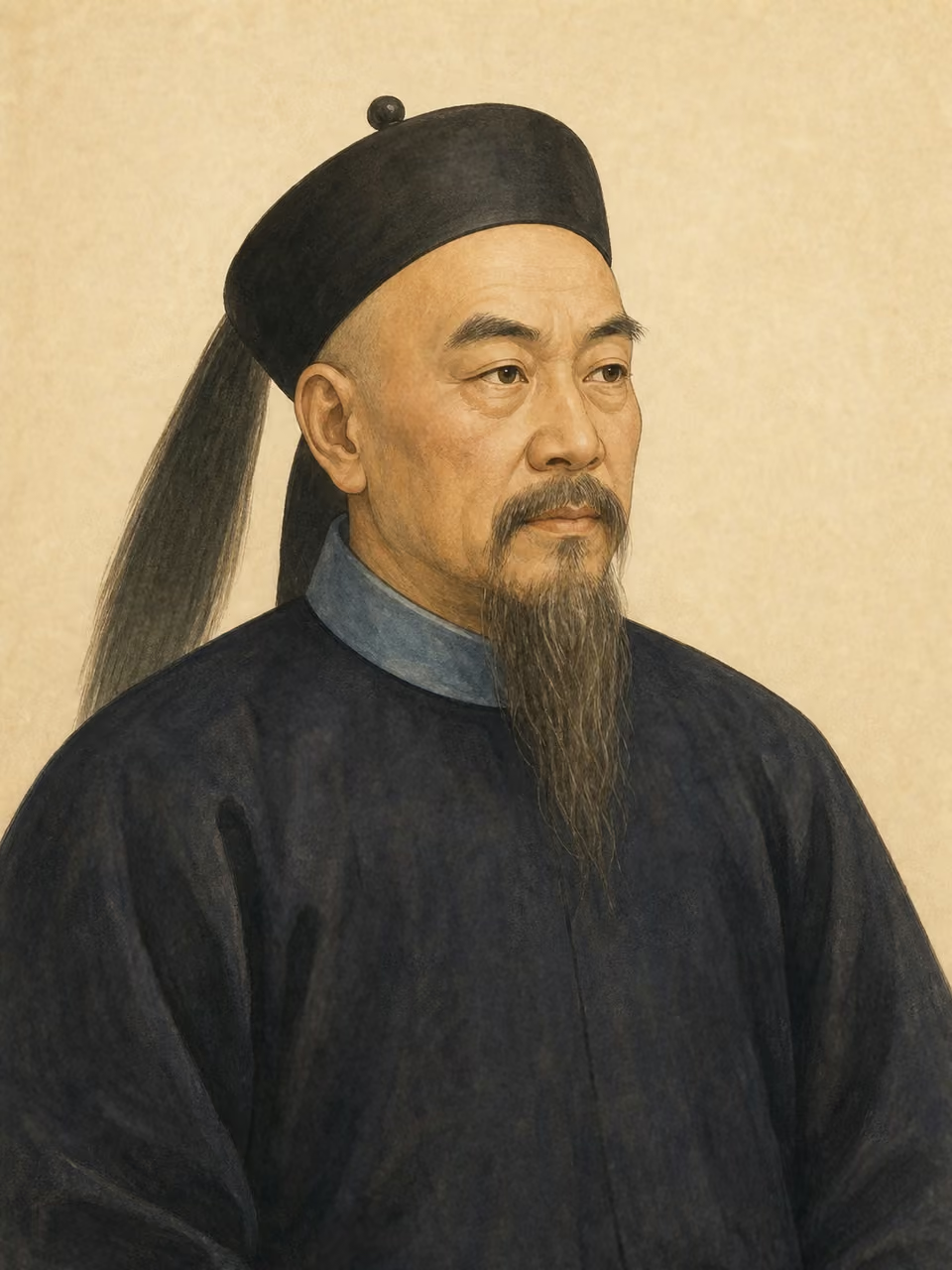
Lin Zexu
historical figure in context
A Qing Dynasty bureaucrat who led the crackdown on opium. Opium was confiscated and destroyed in Guangzhou, deepening the conflict with Britain. He is a central figure in understanding China on the eve of the Opium War. We can also see a conflict with imperialism.
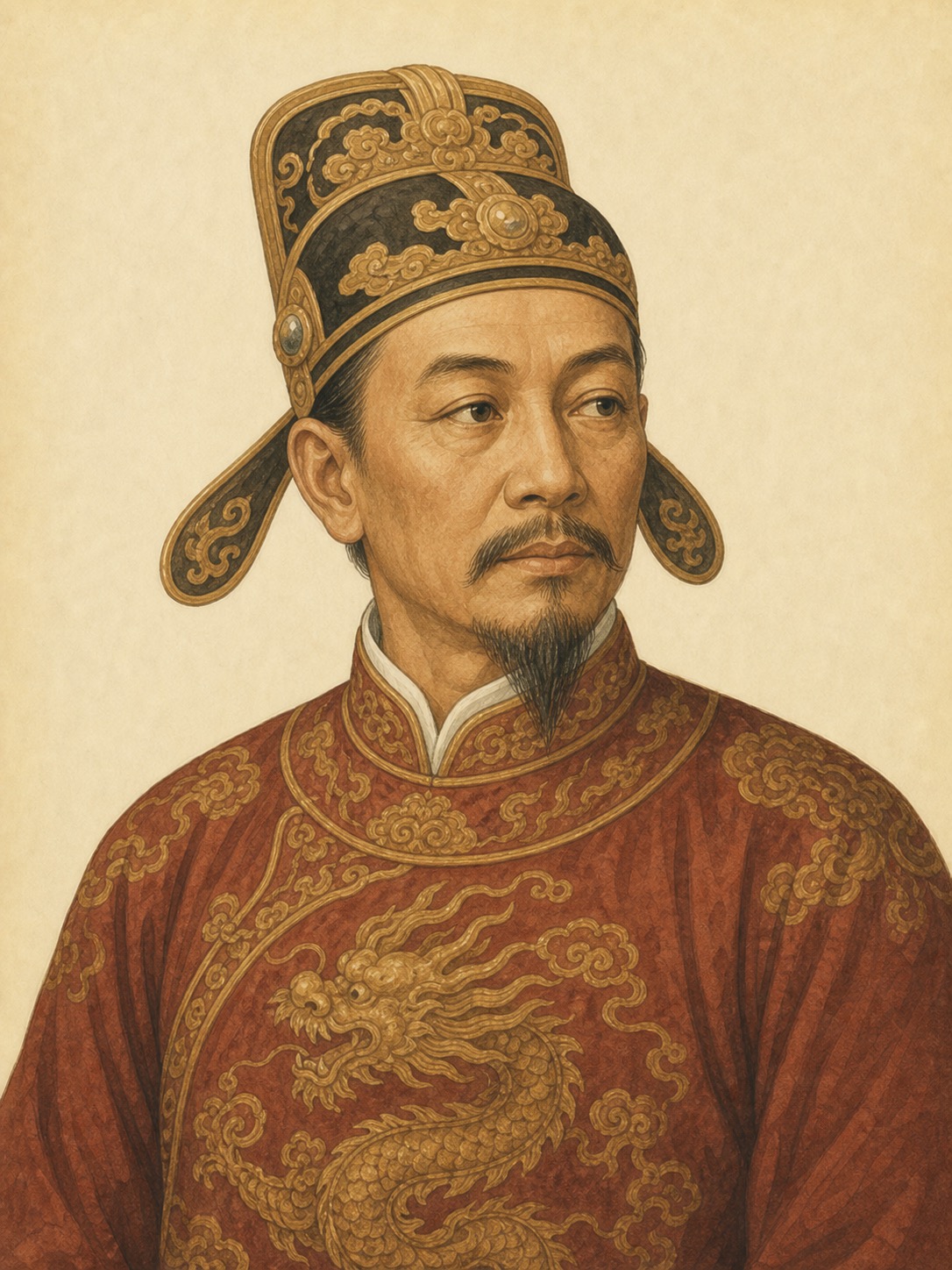
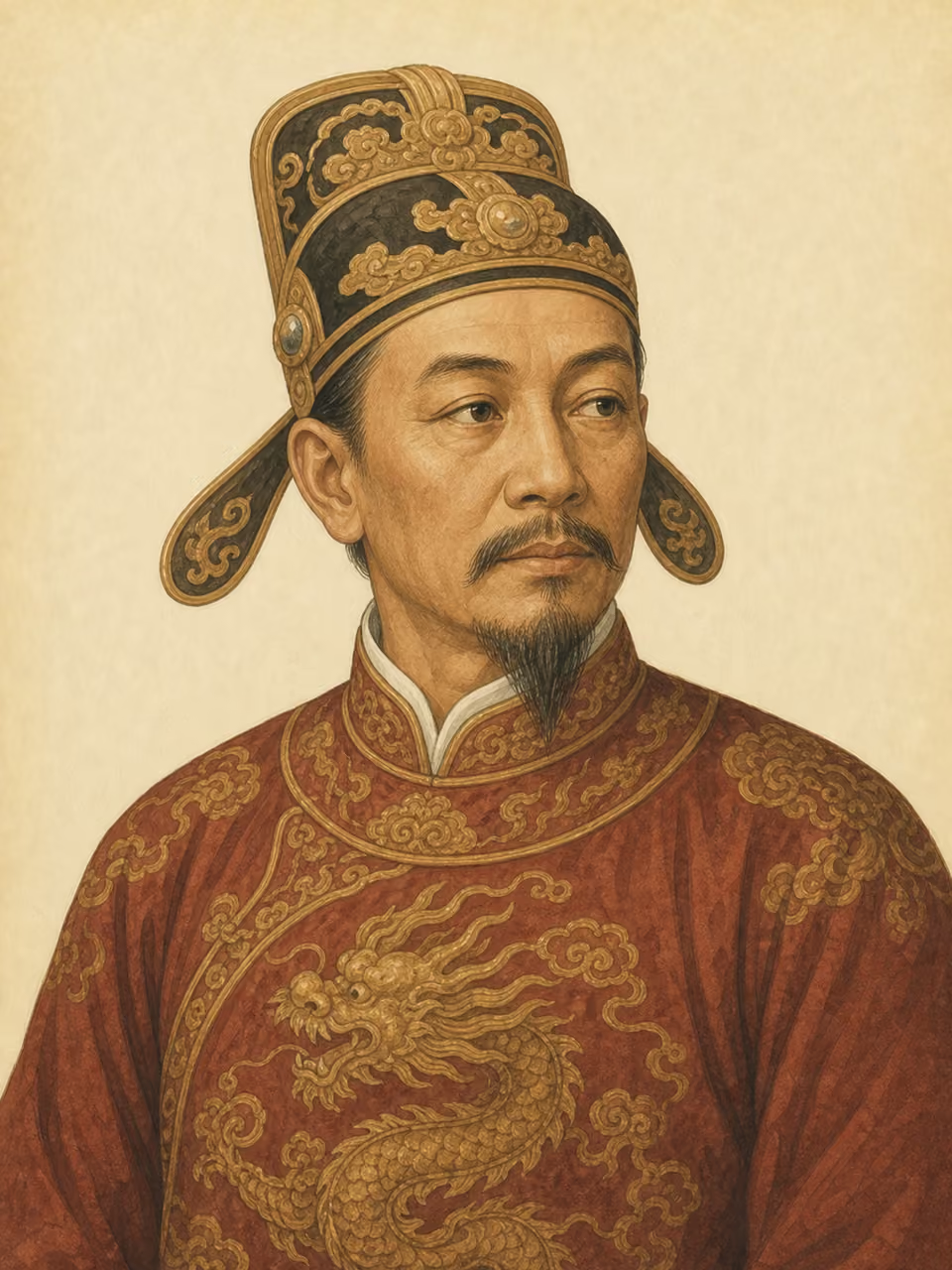
Gia Long
historical figure in context
The first emperor of the Nguyen Dynasty of Vietnam. He won the civil war with the Nishi-Shan Dynasty and unified Vietnam in 1802. He is a person who considers the dynastic states and foreign relations of modern Southeast Asia.
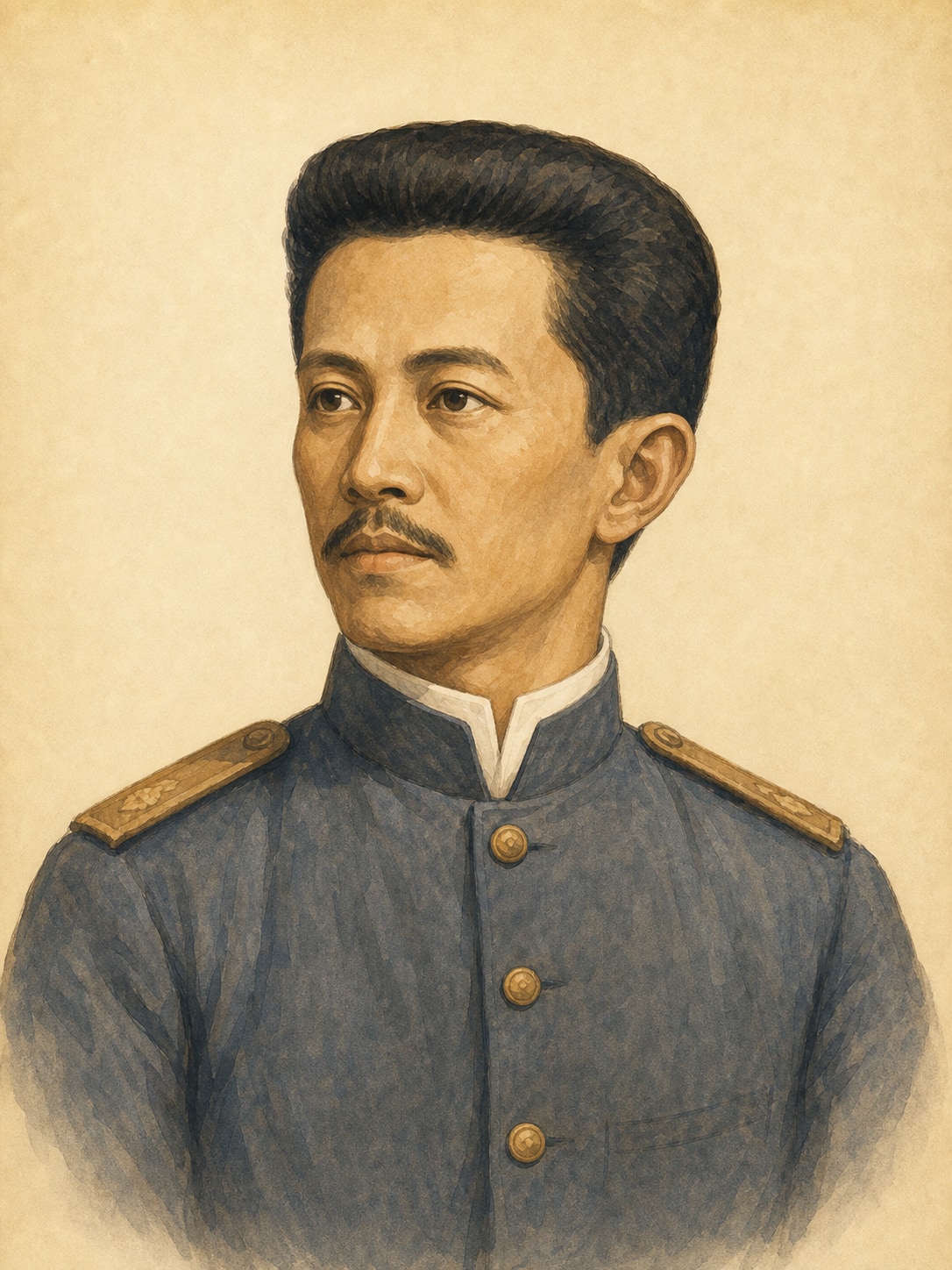
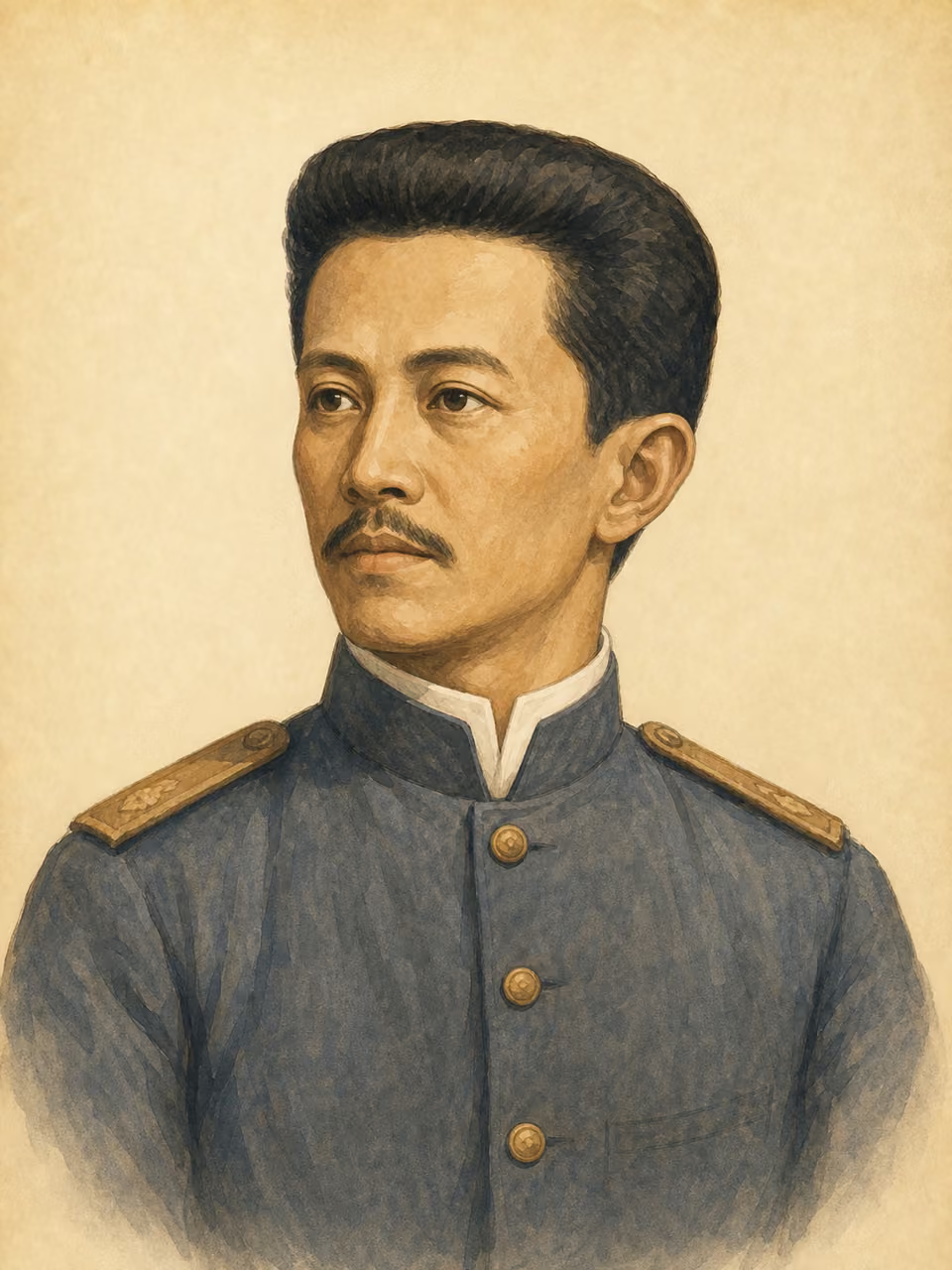
Emilio Aguinaldo
historical figure in context
A leader of the Philippine independence movement and president of the First Republic. He is an important figure in the transition period between Spanish rule and American rule. It connects local history and world history and provides clues for deciphering changes during the same era.
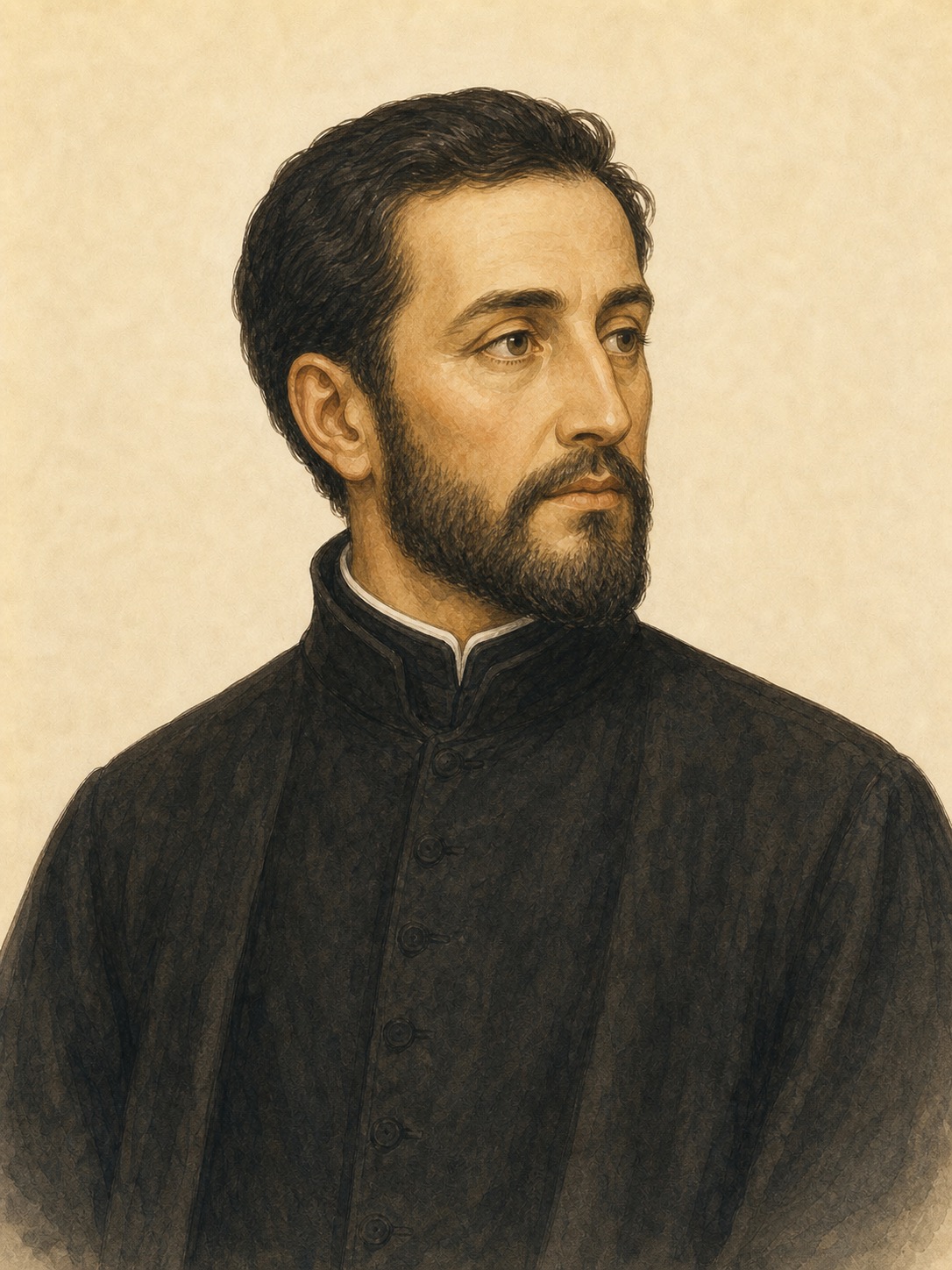
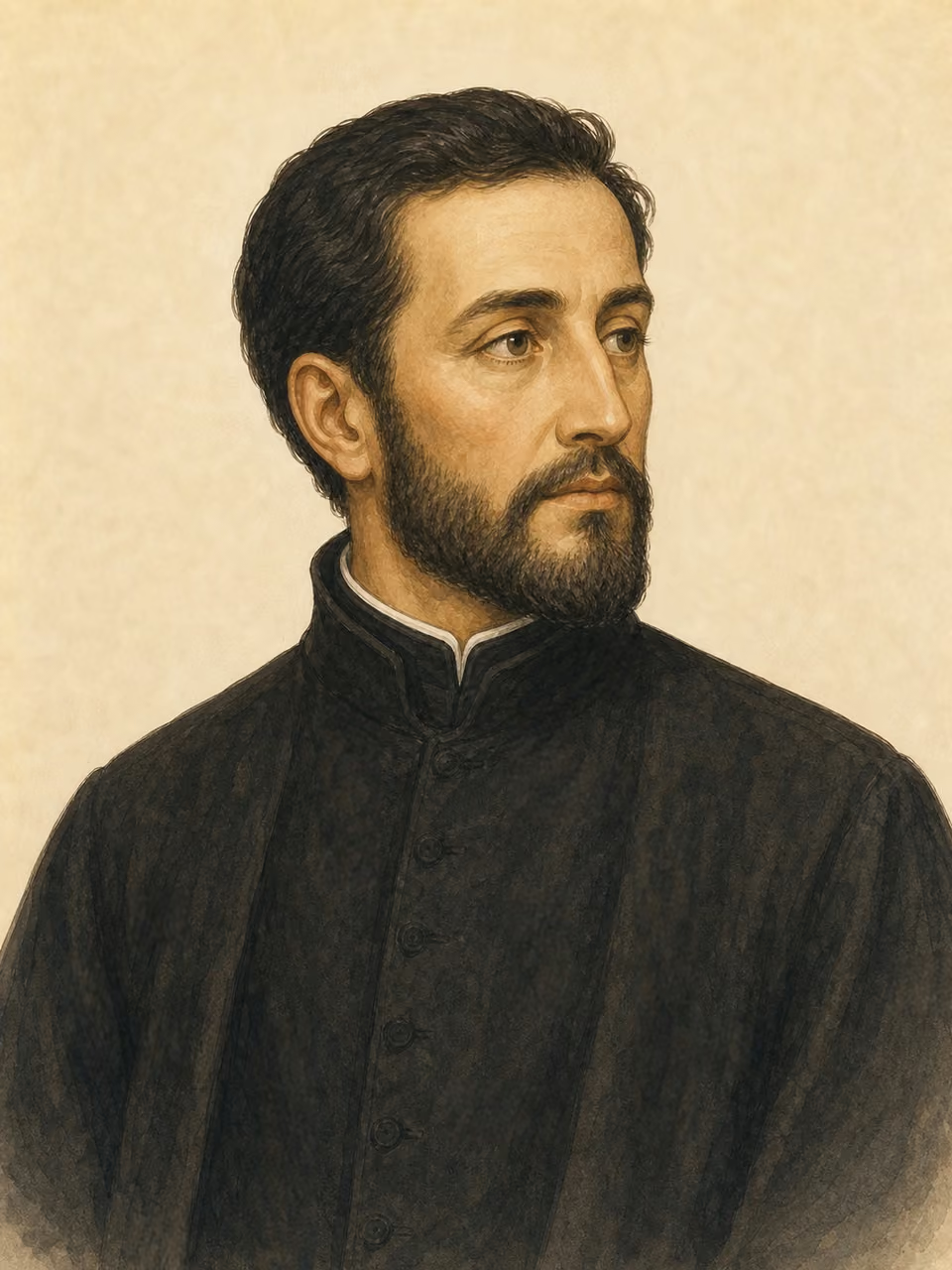
Francis Xavier
historical figure in context
Jesuit missionary. He preached in India, Japan, and elsewhere, becoming a representative figure in the expansion of Catholic missions in Asia. He shows the world-historical change in which movement during the Age of Exploration became linked to Christian mission.
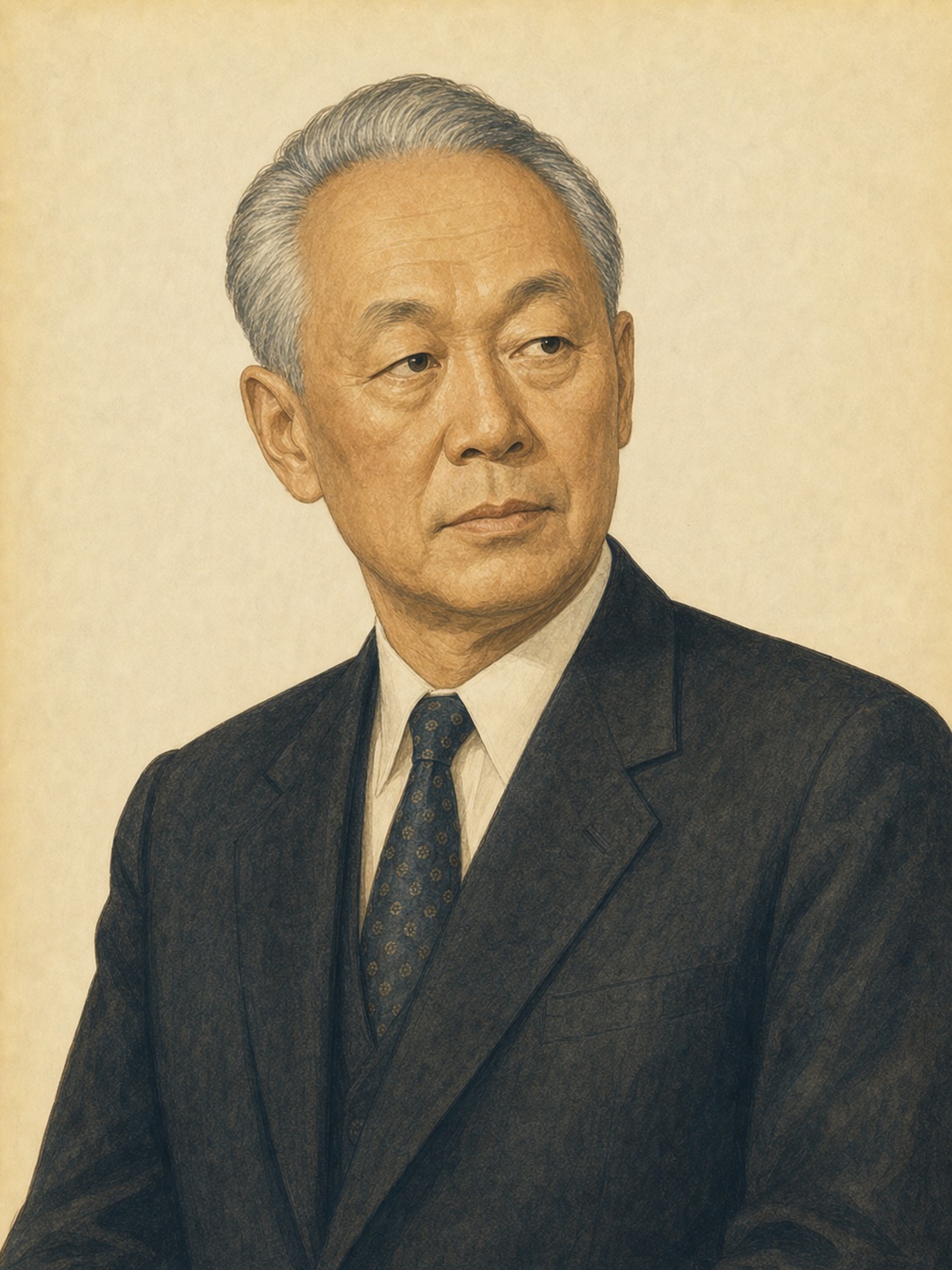
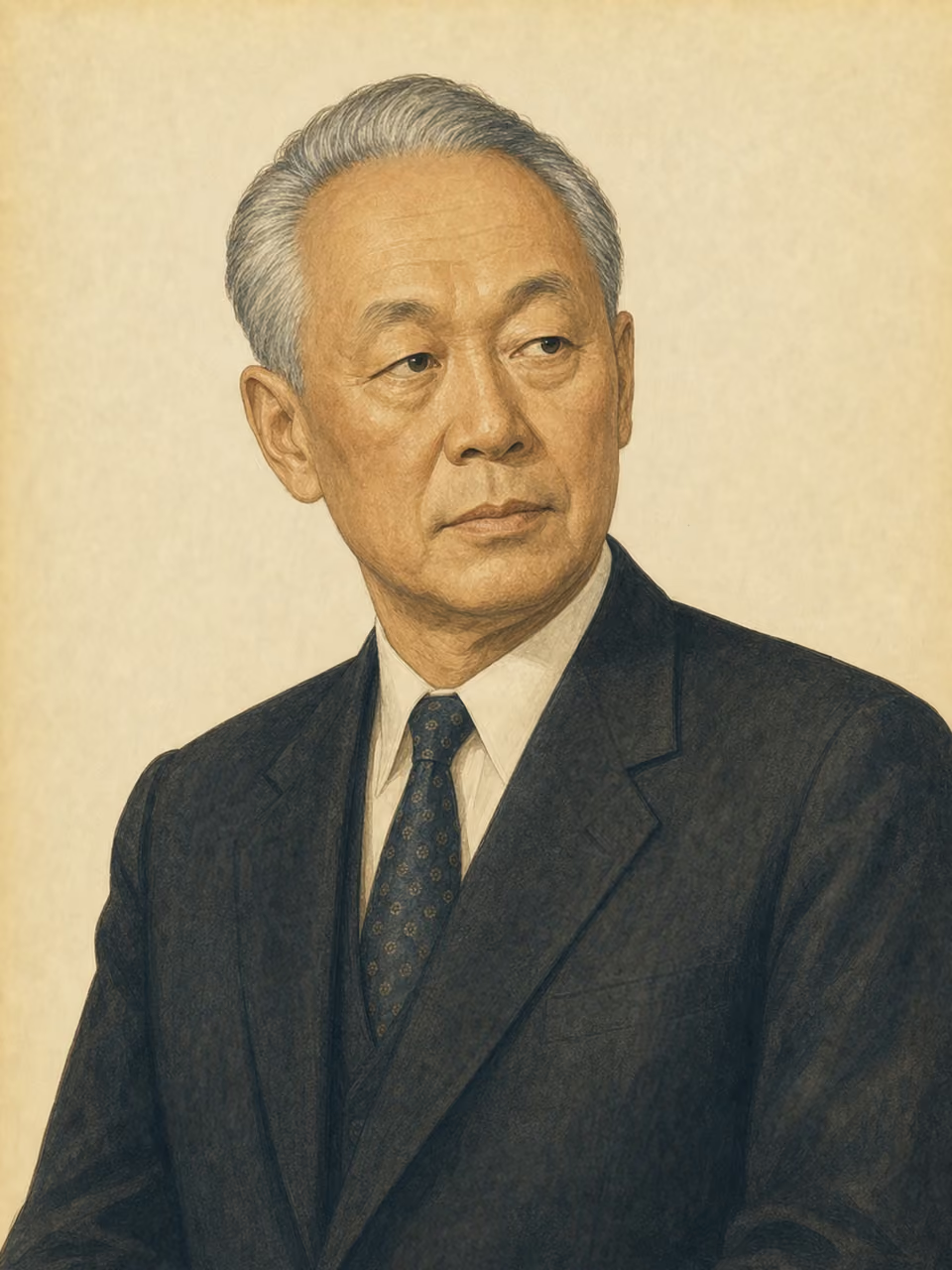
Lee Kuan Yew
historical figure in context
Singaporean politician. As the first prime minister after independence, he helped develop the city-state's economy and established a strong governance system. He is a person who thinks about developing countries in Southeast Asia.
Related events
1819
Prelude
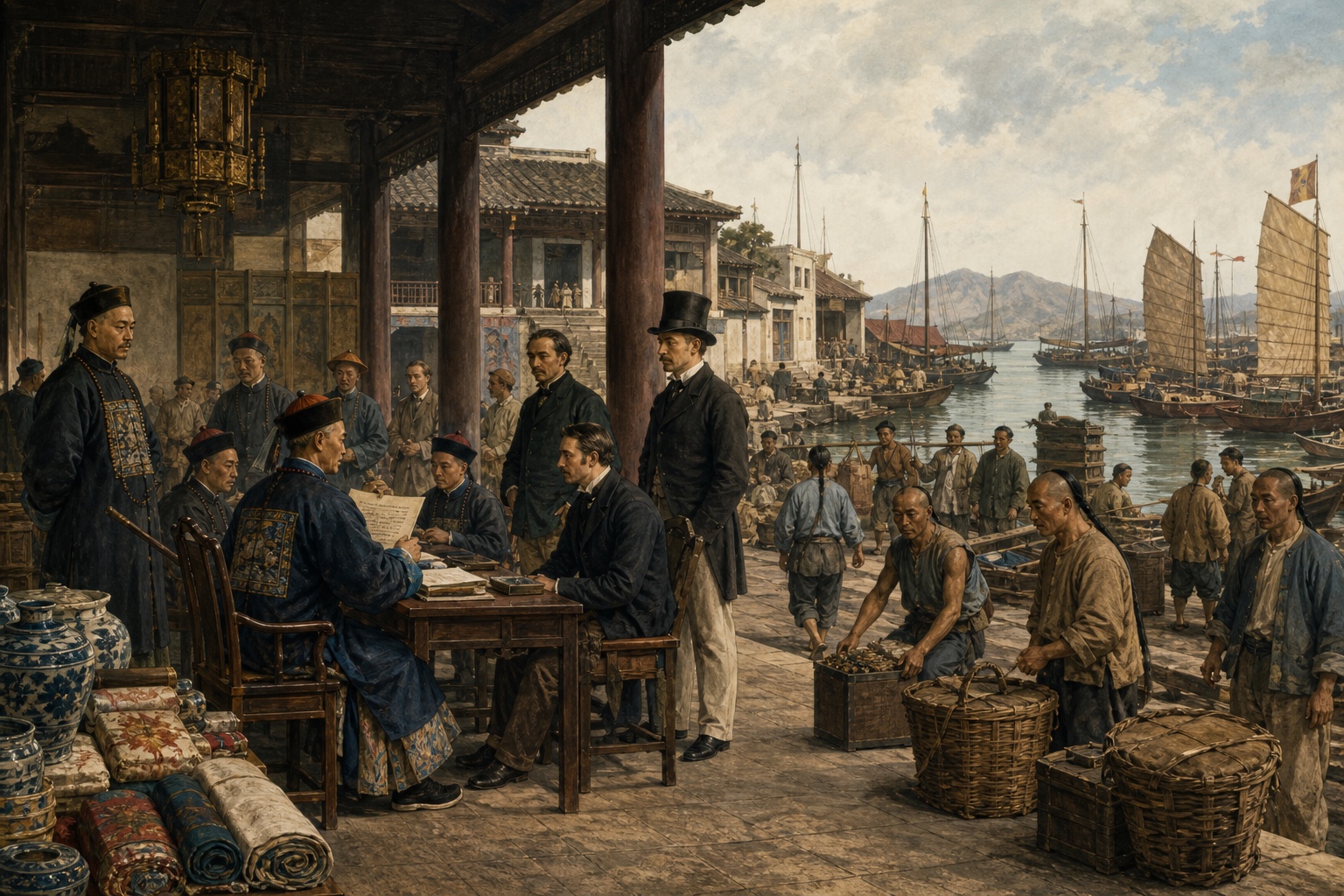
Prelude — Background: Britain increasingly relied on opium grown in colonial India and smuggled into China to offset silver payments for tea and other goods. Qing concern over addiction and silver outflow drove stronger prohibition, but British merchants' objections to the Canton trade system, disputes over jurisdiction, and pro-war lobbying also shaped the crisis. Qing policy alone did not cause the war.
c. 1838
Rising tension
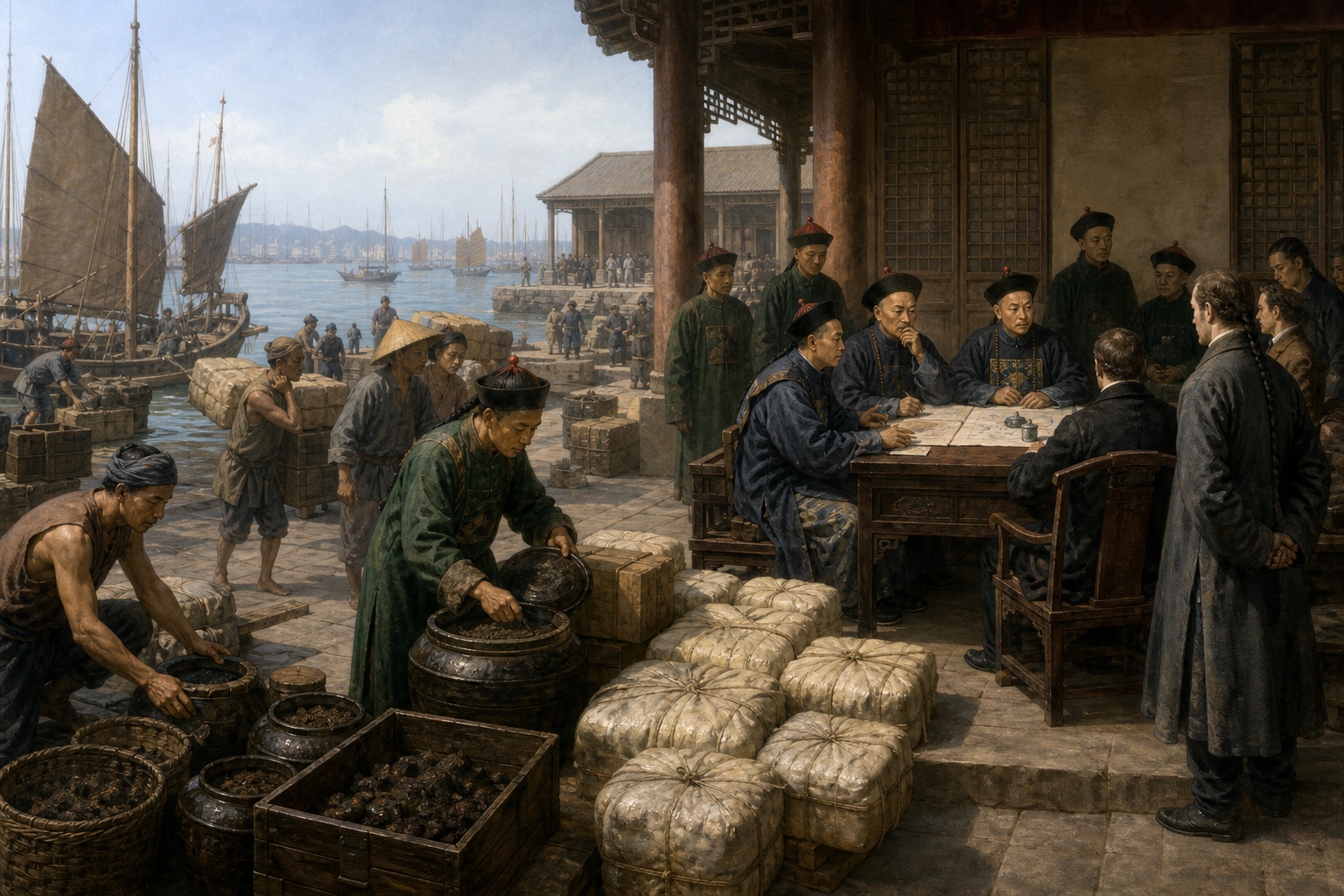
Rising tension — Build-up: In 1839 Imperial Commissioner Lin Zexu confiscated and destroyed foreign-held opium and demanded pledges against renewed importation. The British government sent a fleet and expeditionary force whose firepower and mobility overwhelmed Qing defenses, widening operations from the Guangzhou area along China's coast and into the lower Yangzi.
1839–1842
First Opium War
Current event
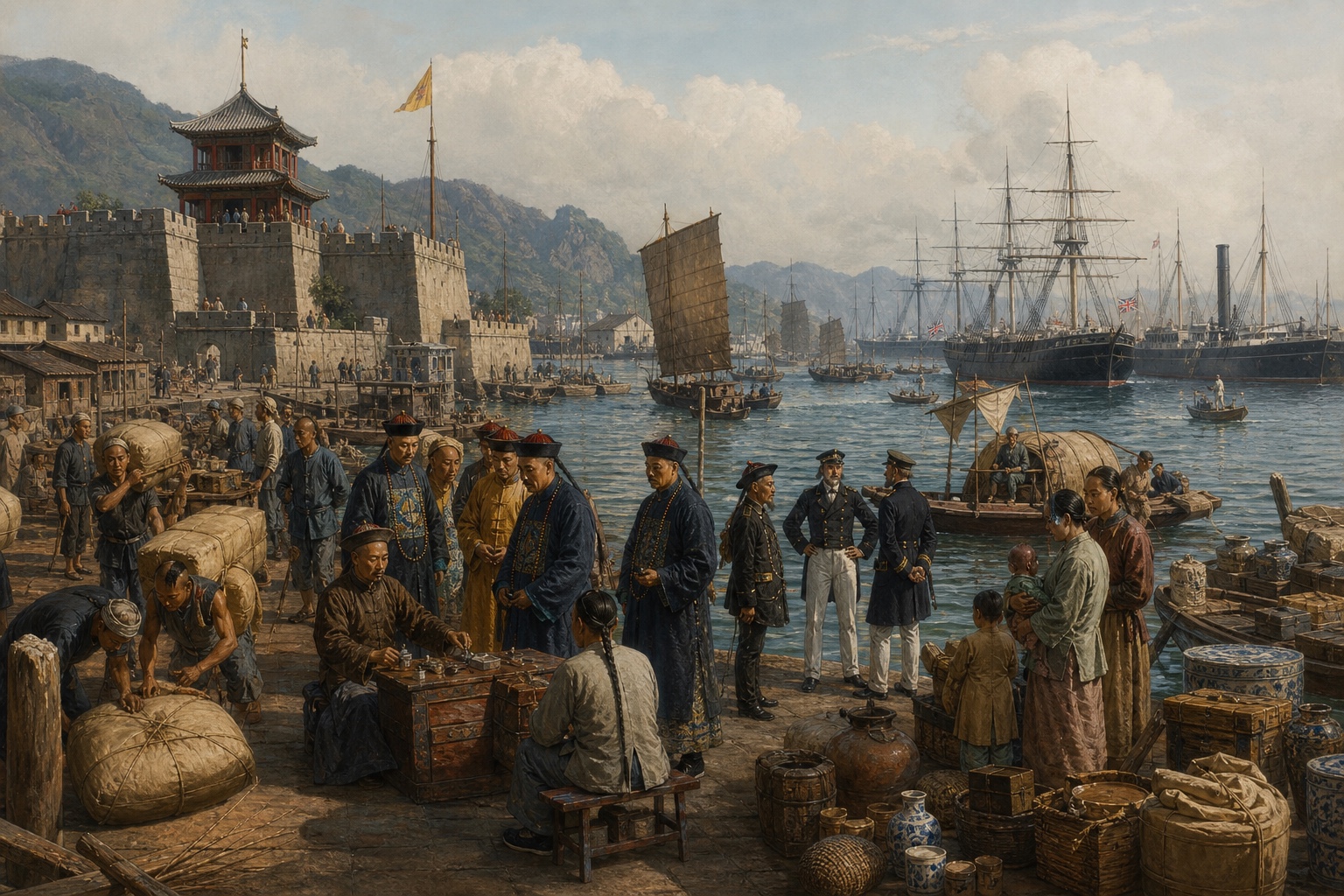
First Opium War — Central transition: The 1839–1842 war in which Britain used naval force to compel new commercial terms after Qing officials moved against the illegal opium trade.
c. 1843
Immediate aftermath
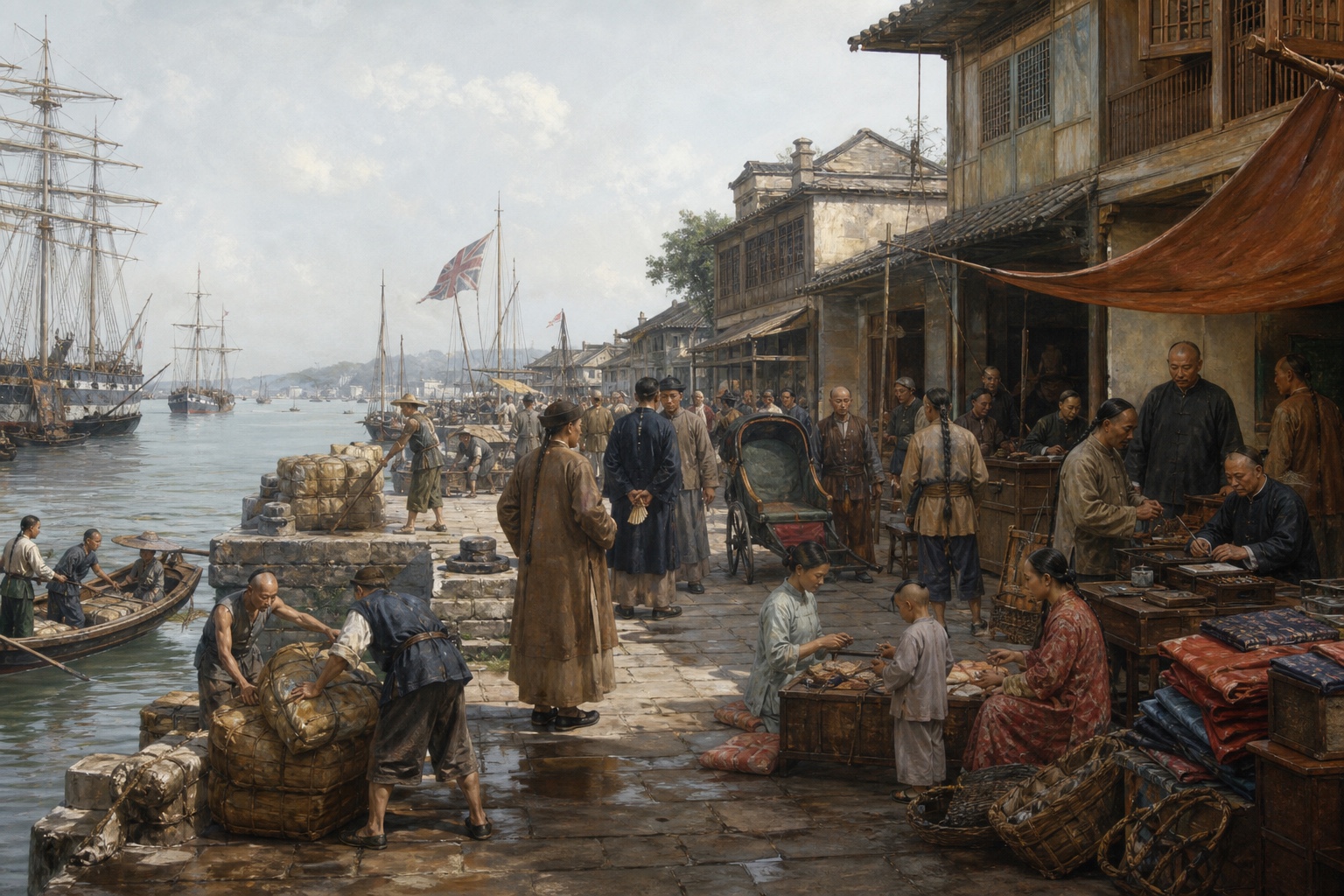
Immediate aftermath — Immediate result: Under the 1842 Treaty of Nanjing, the Qing ceded Hong Kong Island, opened five ports, paid an indemnity, and ended the Cohong monopoly. Supplementary agreements further restricted tariff and judicial autonomy. These were not terms negotiated between equal powers but the beginning of an unequal-treaty order imposed after military defeat.
c. 1852
Long-term significance
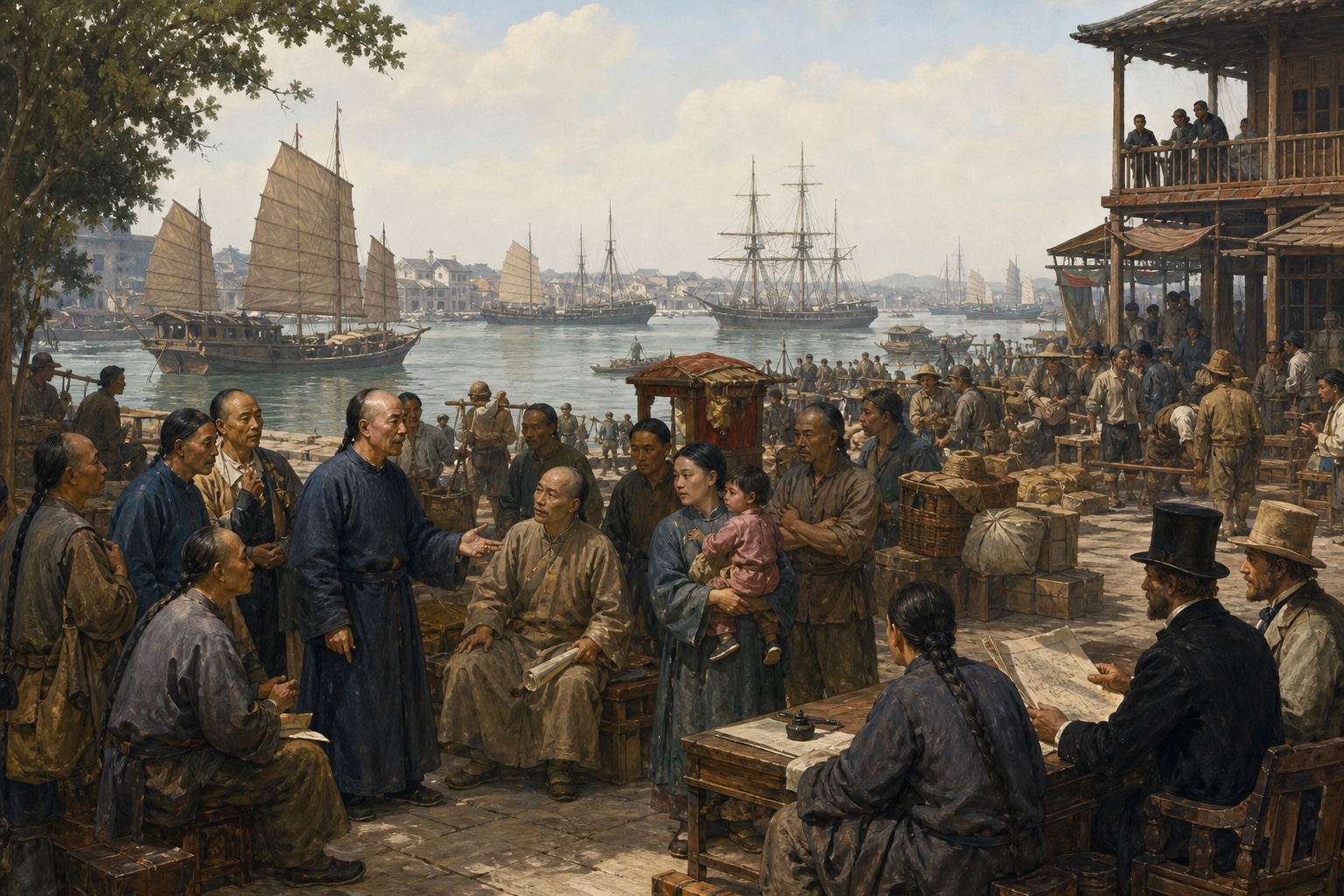
Long-term significance — Long-term significance: The war joined opium, commerce, colonial India, and naval power in an act of imperial coercion. Qing defeat spread alarm about Western military pressure across East Asia. It did not directly cause the Meiji Restoration, but it became important regional context for the state-building urgency of Japan's post-1868 leaders.


Sources
- First Opium War — Hong Kong And The Opium Wars (The National Archives)nationalarchives.gov.ukThis The National Archives resource supports the chronology, setting, and course of First Opium War.
- First Opium War — Overview (Hkupress)hkupress.hku.hkThis Hkupress resource supports the chronology, setting, and course of First Opium War.
- First Opium War — Source document (Research)research.cuhk.edu.hkThis Research resource supports the chronology, setting, and course of First Opium War.