Founding and Consolidation of the Tang Dynasty
617–649
The process from Li Yuan's uprising in 617 through the 618 dynastic replacement, reunification, and the end of Taizong's early consolidation in 649. It does not represent the whole Tang dynasty through 907.

- Period
- 617–649
- Kind
- Political event
- Regions
- East Asia
- Keywords
- late Sui · Tang foundation · Chang'an · Taizong · Eastern Turks
Follow the story · Four stages
Background
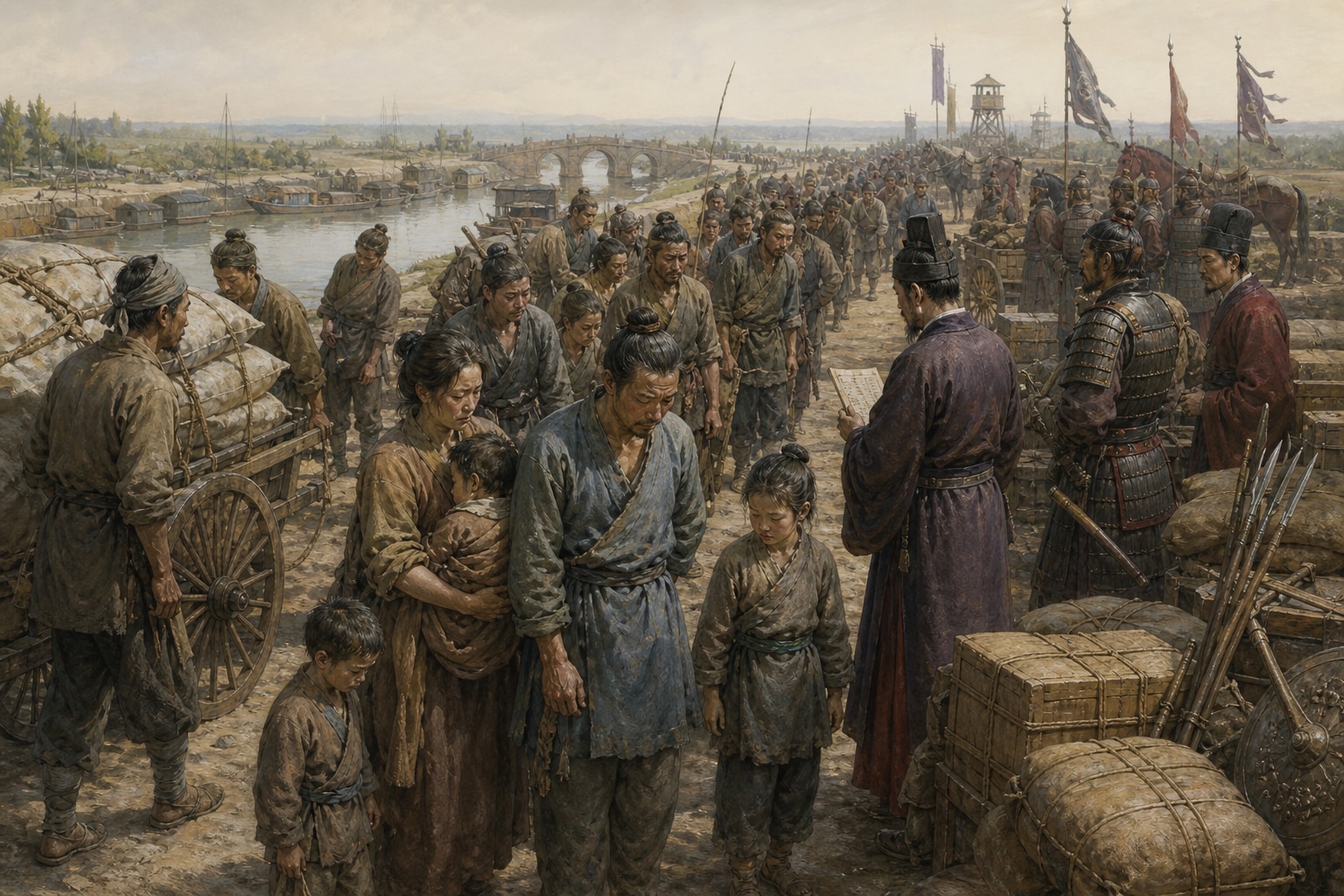
Emperor Yang's campaigns, heavy labor demands, and widespread rebellion fractured Sui authority. Li Yuan rose at Taiyuan, seized Chang'an, initially installed a Sui emperor, and then founded the Tang in 618.
- The Sui dynasty's great campaigns and building projects imposed heavy demands for military service, labor, and supplies, helping provoke widespread rebellion.
- As Emperor Yang's government lost control of the provinces, military groups and regional leaders competed for power.
- Li Yuan rebelled at Taiyuan in 617 and secured Chang'an, giving him the base from which to establish a new dynasty.
Course
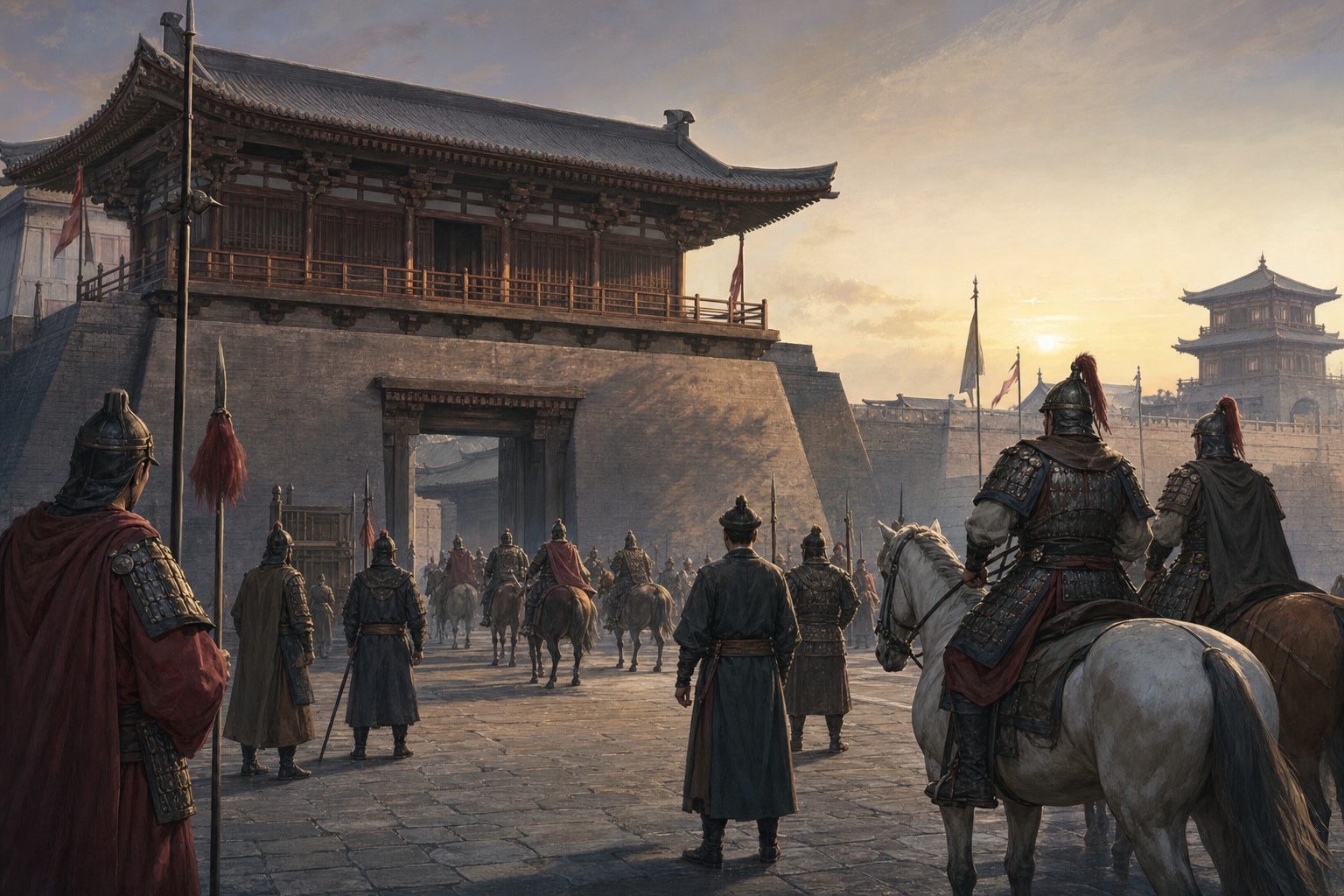
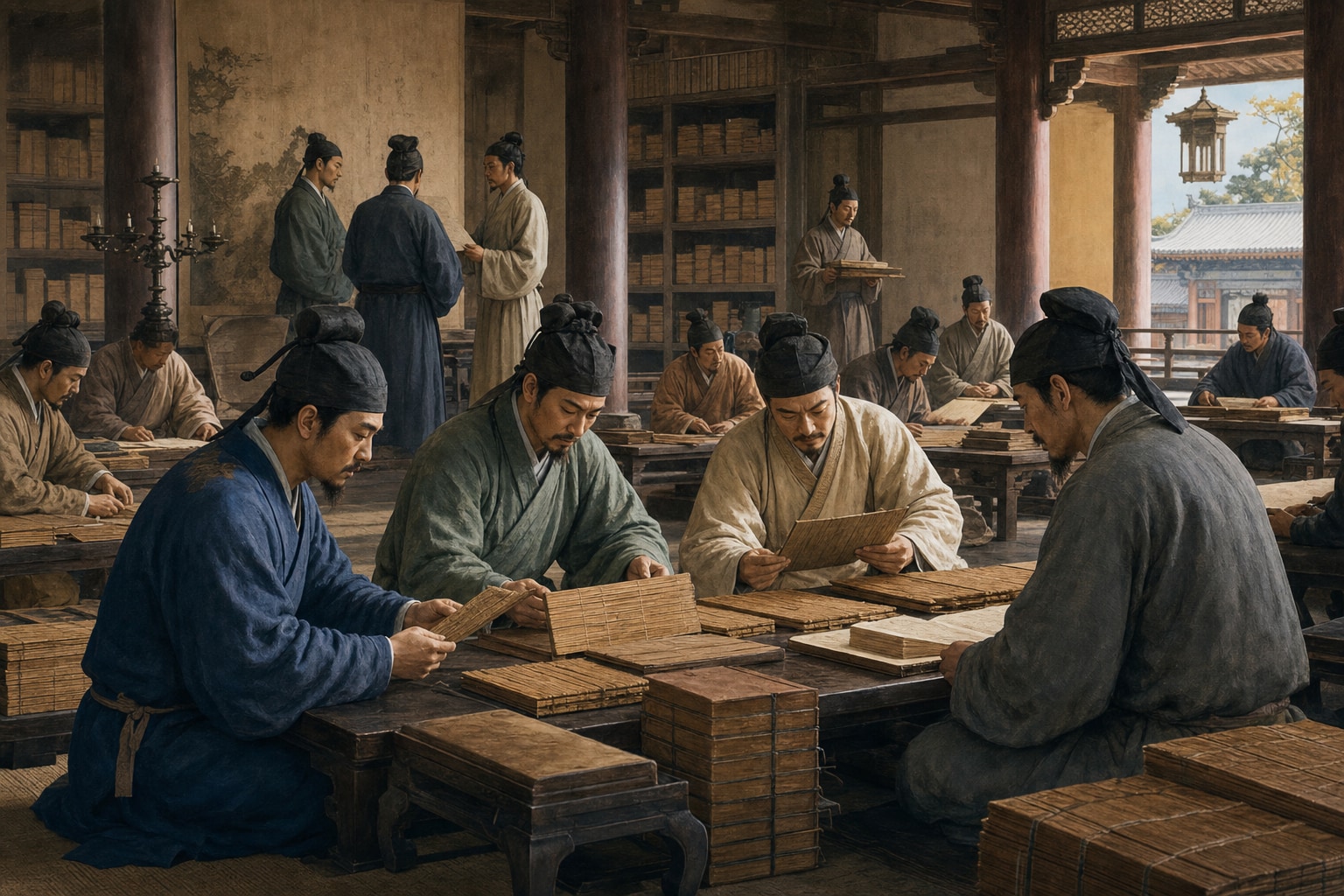
Gaozu and Li Shimin defeated rival regimes and reunited much of China. After taking the throne in 626, Taizong consolidated administration, law, taxation, and defense. Kong Yingda supported the state classics project, while Chu Suiliang served Taizong and participated in late succession deliberations.
- Li Yuan founded the Tang in 618 as Emperor Gaozu and fought rival regimes for control of the realm.
- Li Shimin gained military authority in campaigns including Hulao and became Emperor Taizong after the Xuanwu Gate crisis of 626.
- Taizong consolidated domestic rule and defeated the Eastern Turkic Khaganate in 630, changing the balance on the northern frontier.
Outcome
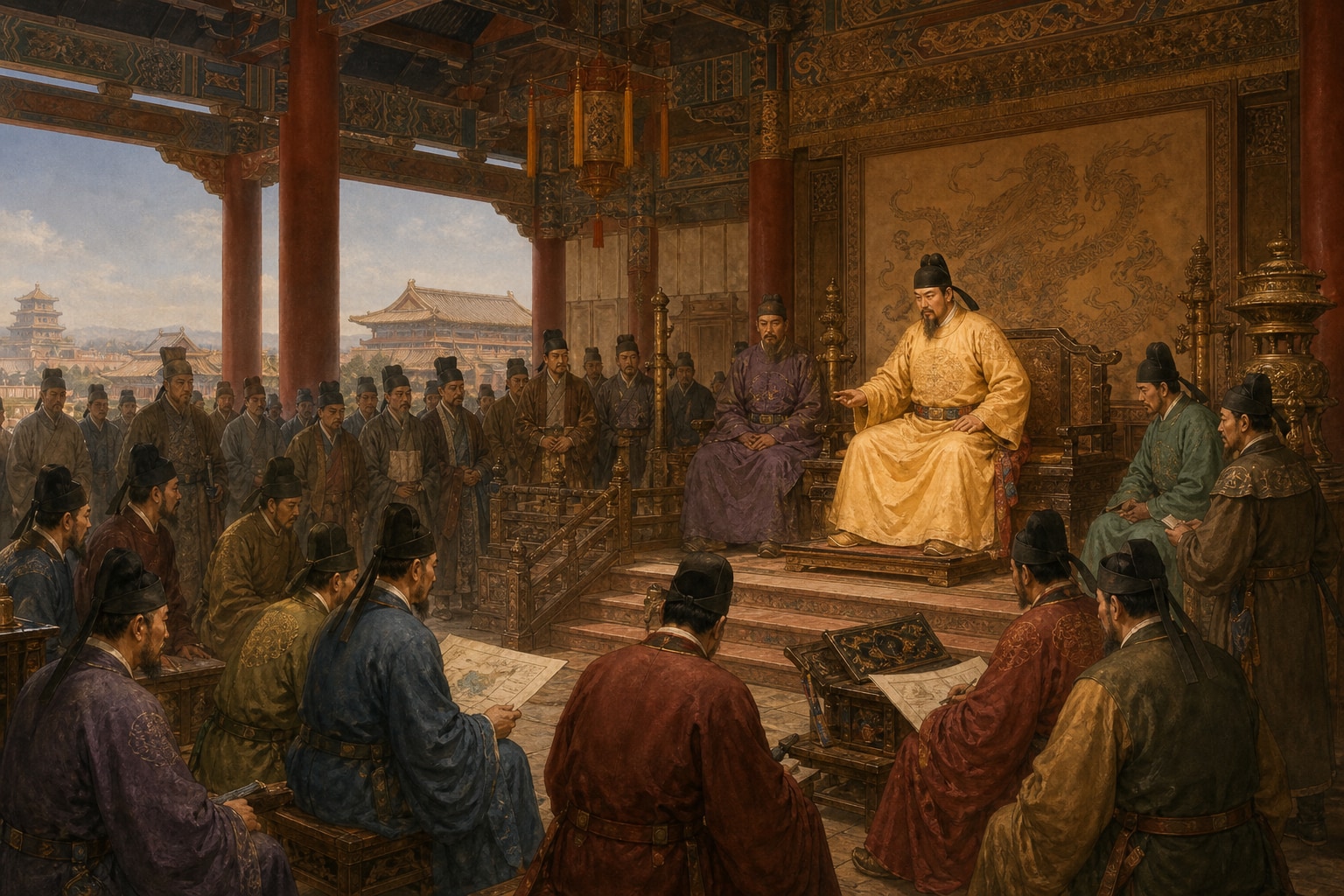
The Tang preserved and revised Sui institutions, creating a stable dynastic state centered on Chang'an. The dynasty continued after Taizong's death in 649, but later territorial expansion and High Tang culture fall outside this event.
- The fragmentation of the late Sui period receded as an imperial and bureaucratic order centered on Chang'an was rebuilt.
- Taizong emphasized the use of talented officials and a court in which advisers could remonstrate, helping stabilize early Tang government.
- Gaozong's succession in 649 carried the institutions and practices of the founding generation into the next reign.
Historical significance
Early consolidation established administrative, legal, scholarly, and diplomatic foundations that shaped East Asia. It was also a reconstruction of government informed by the burdens and civil wars that had destroyed the Sui.
- Early Tang consolidation established foundations for a durable political order and wide cultural exchange across East Asia.
- The classical canon and educational work associated with scholars such as Kong Yingda linked learning to government standards.
- The dynasty's endurance rested not only on military reunification but also on institutional work by officials and scholars.


Related figures
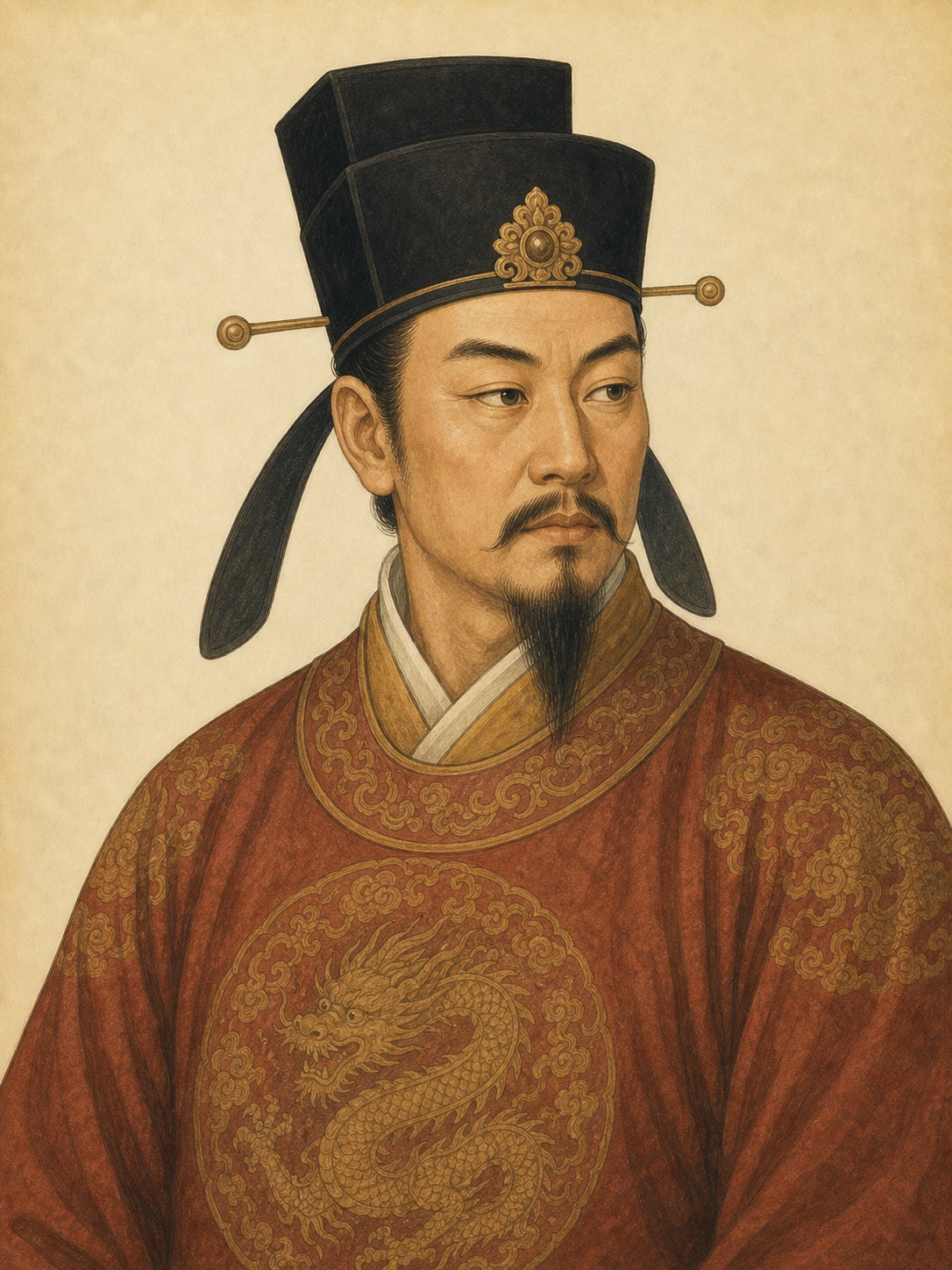
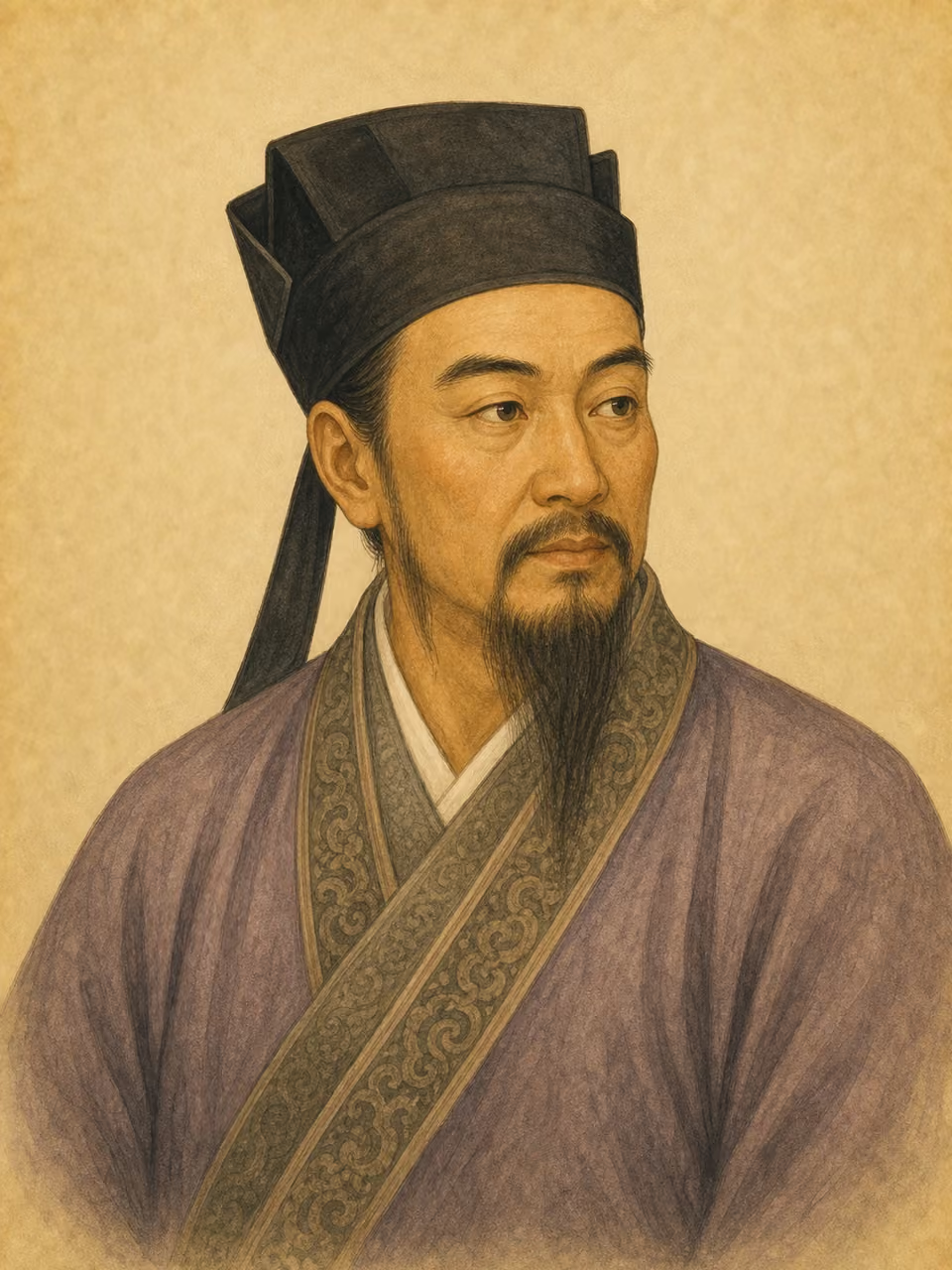
Emperor Yang of Sui
Ruler during Sui collapse
His campaigns and heavy levies contributed to the late-Sui crisis that preceded the Tang foundation.
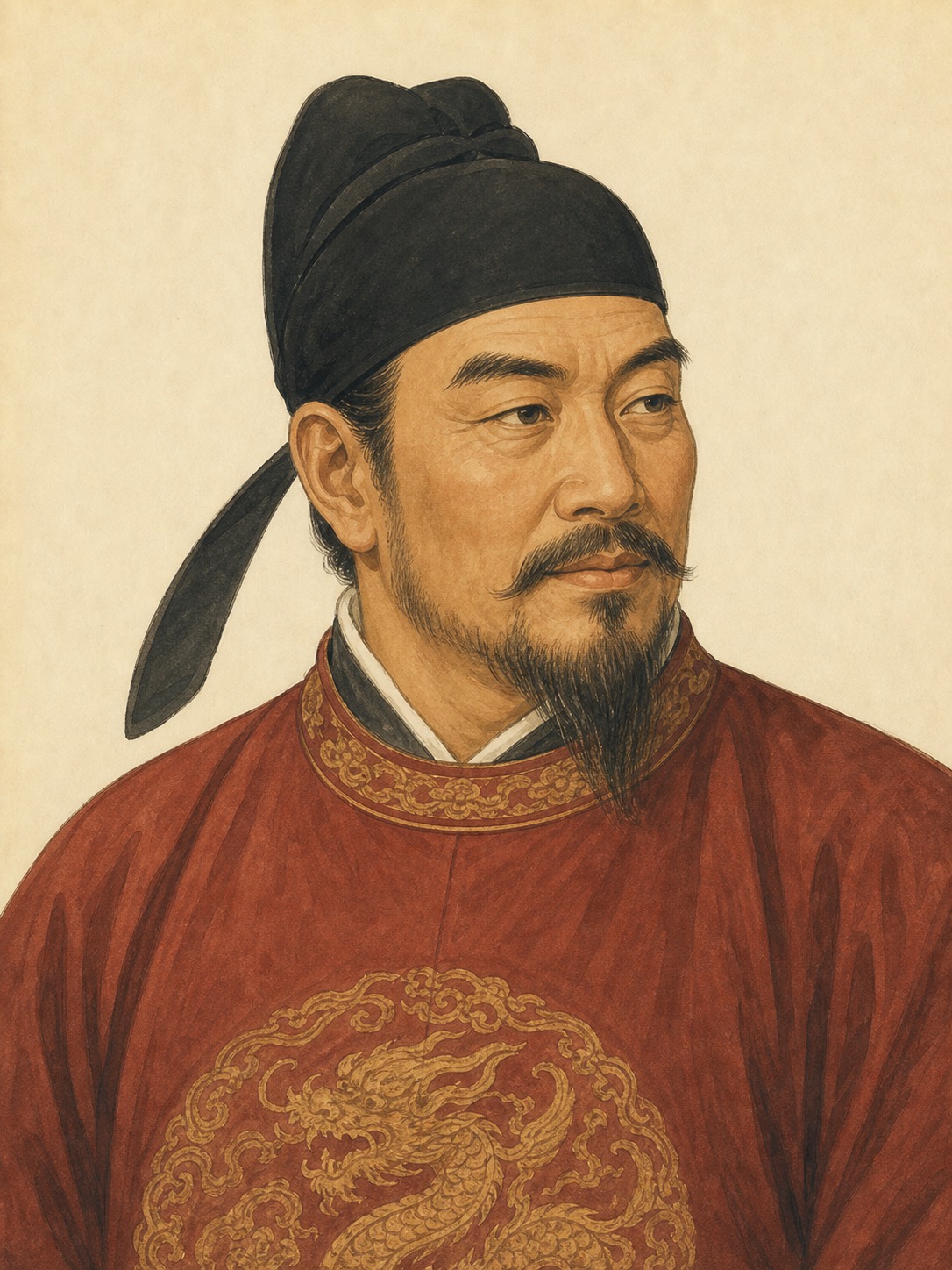
Emperor Gaozu of Tang
Founder of the Tang
He rebelled in 617, secured Chang'an, and founded the Tang the following year before pursuing reunification.
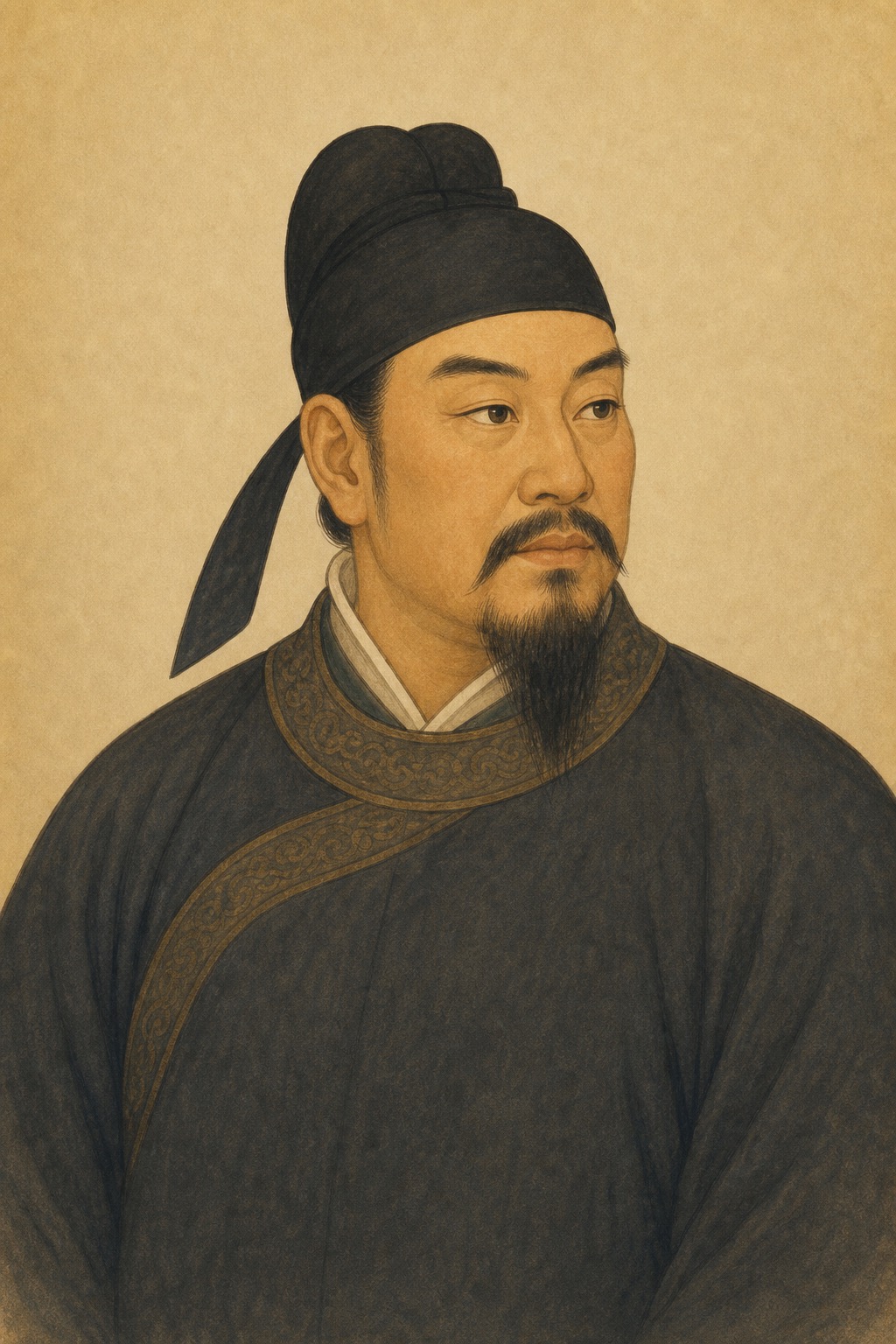
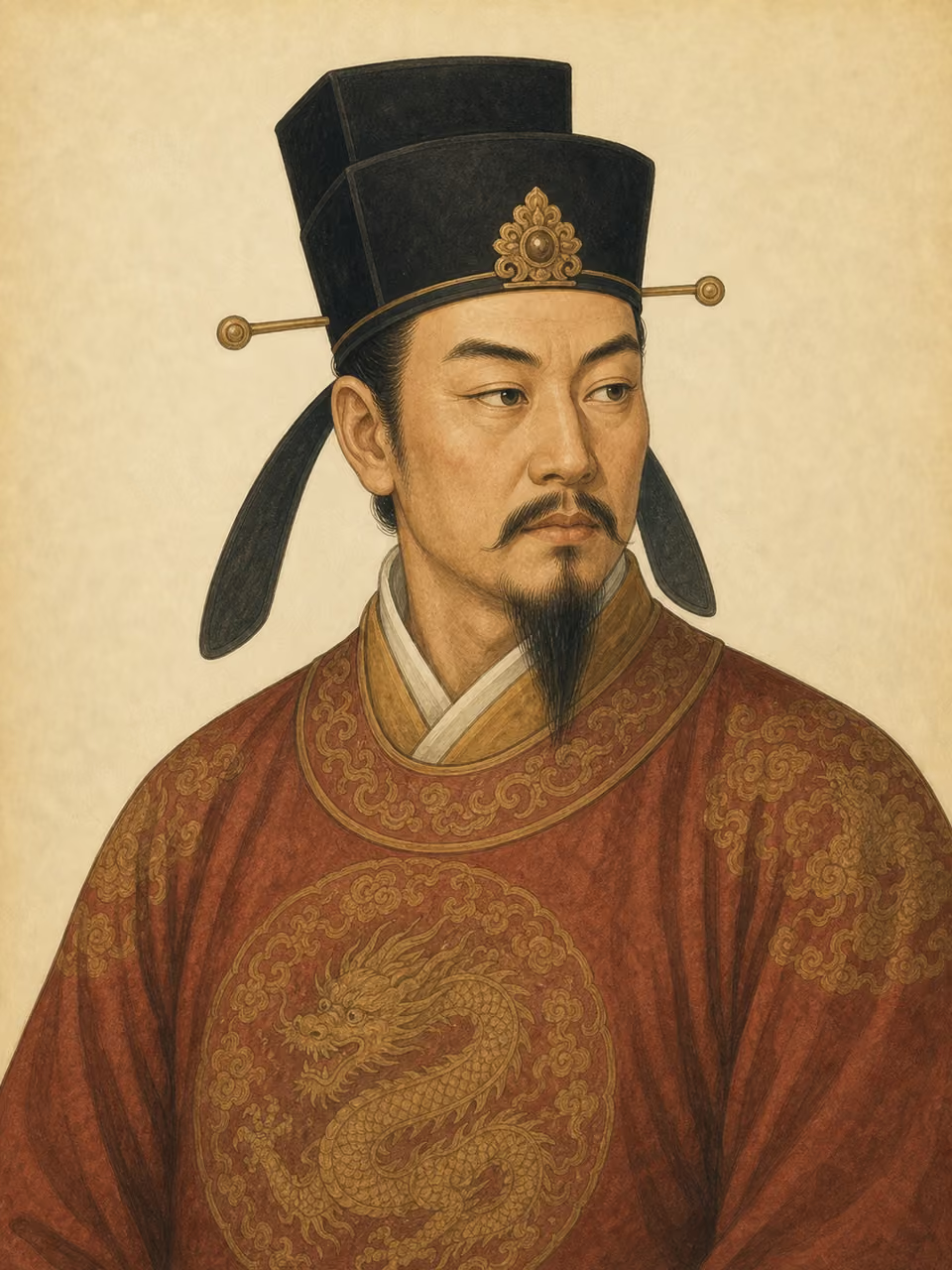
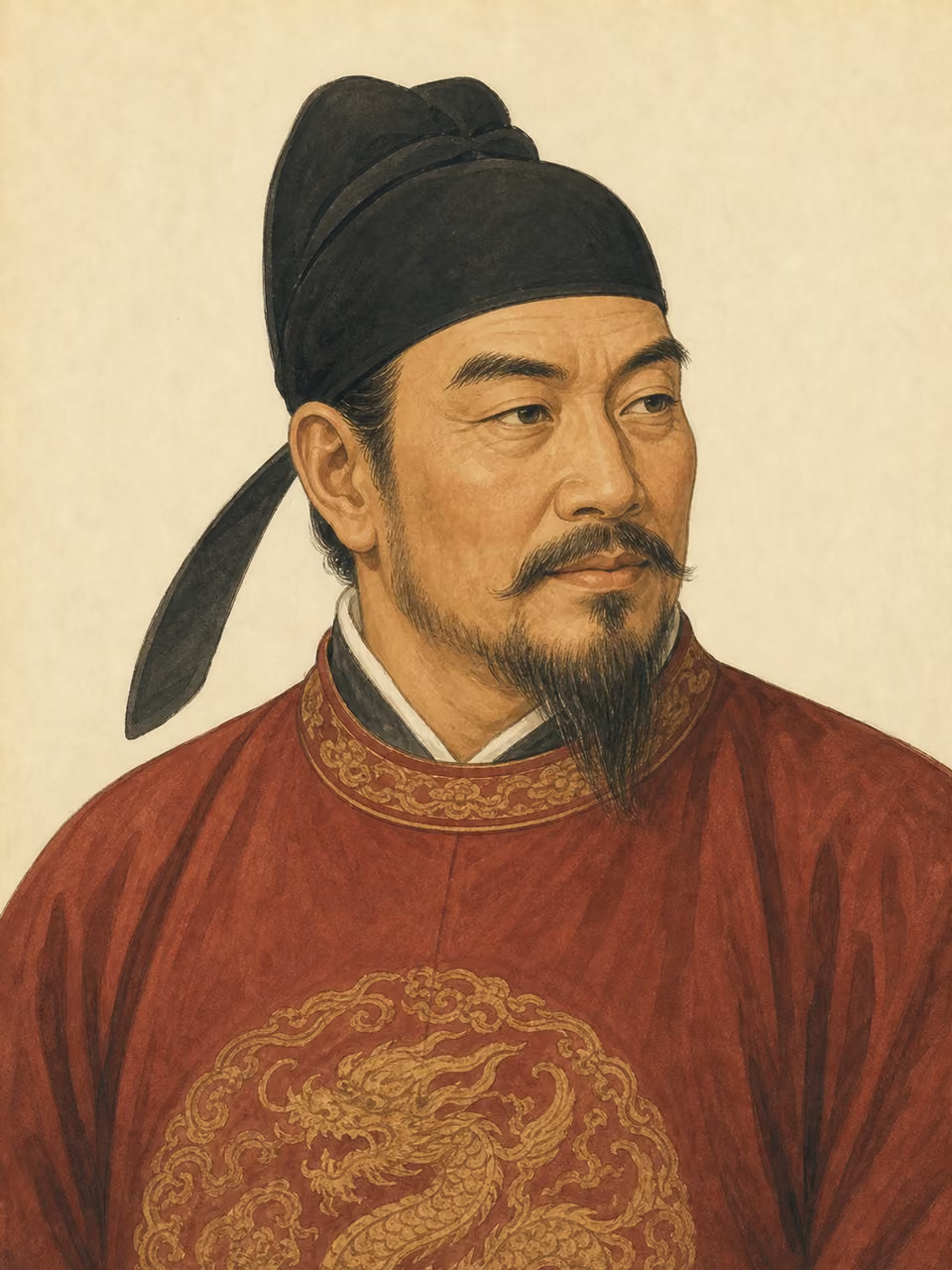
Emperor Taizong of Tang
Leader of consolidation
He led major reunification campaigns and strengthened early Tang institutions and court government from 626.
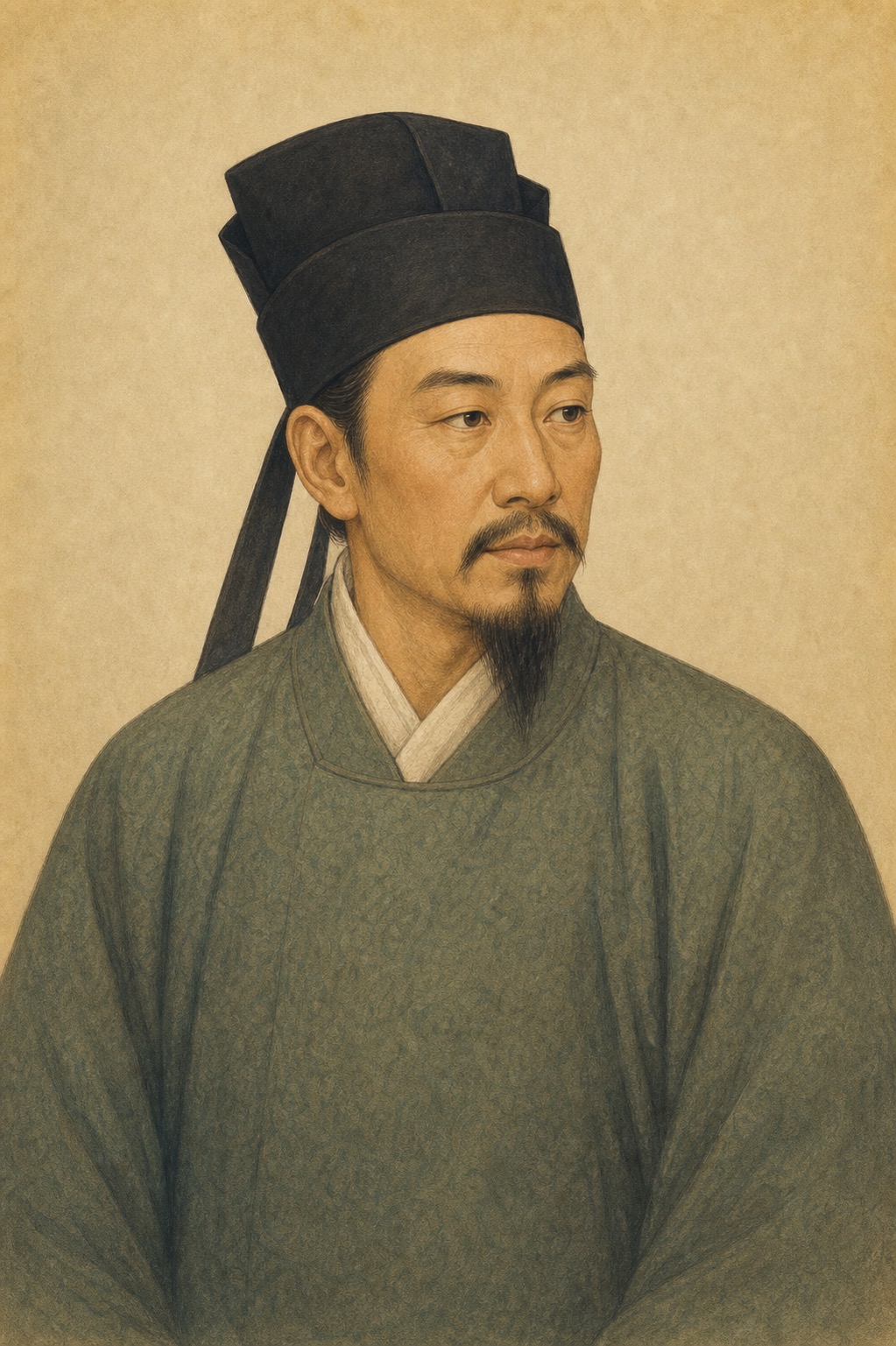
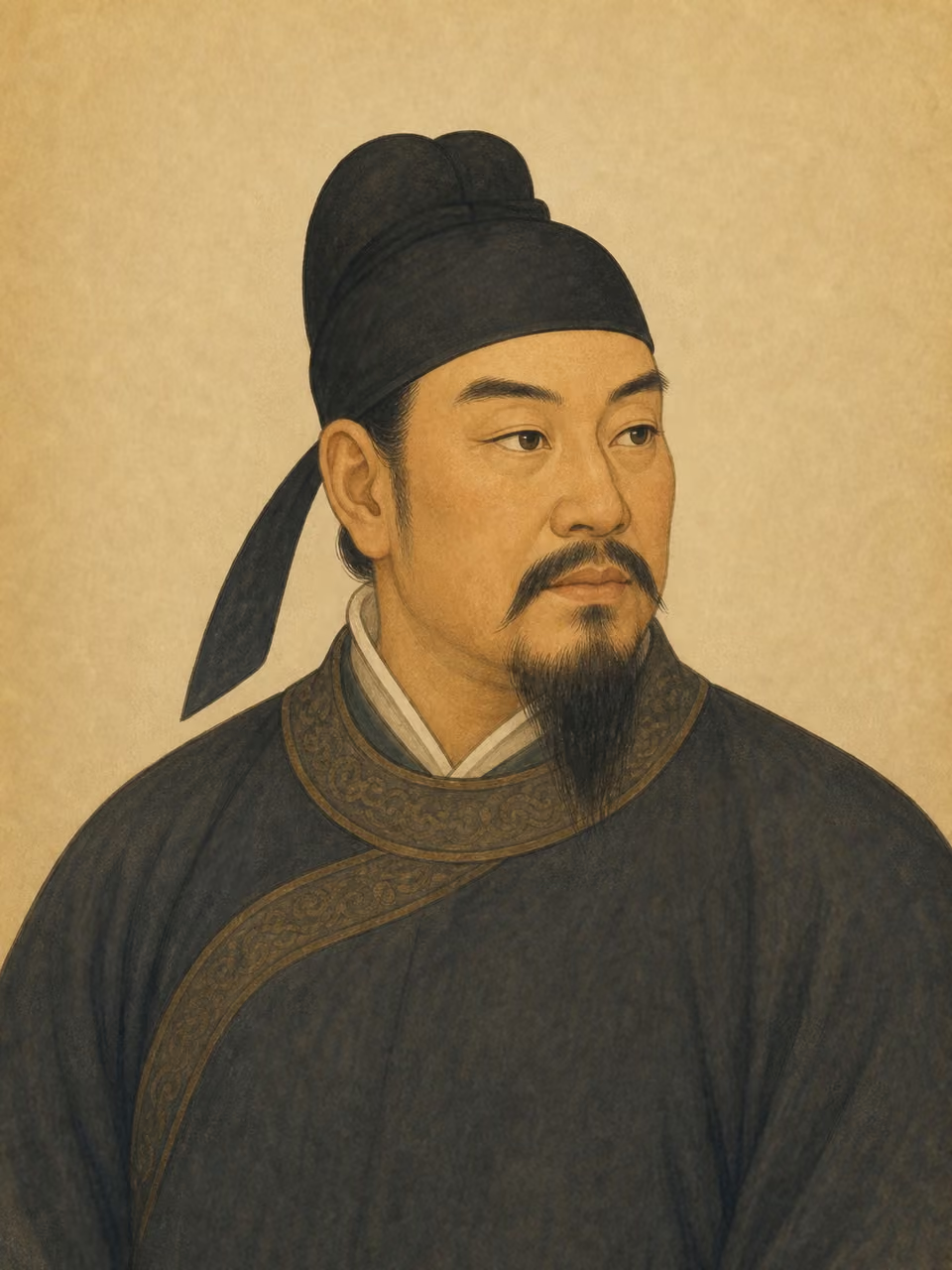
Chu Suiliang
Adviser and chancellor
He participated in late-Taizong government and succession deliberations that led into Gaozong's reign.
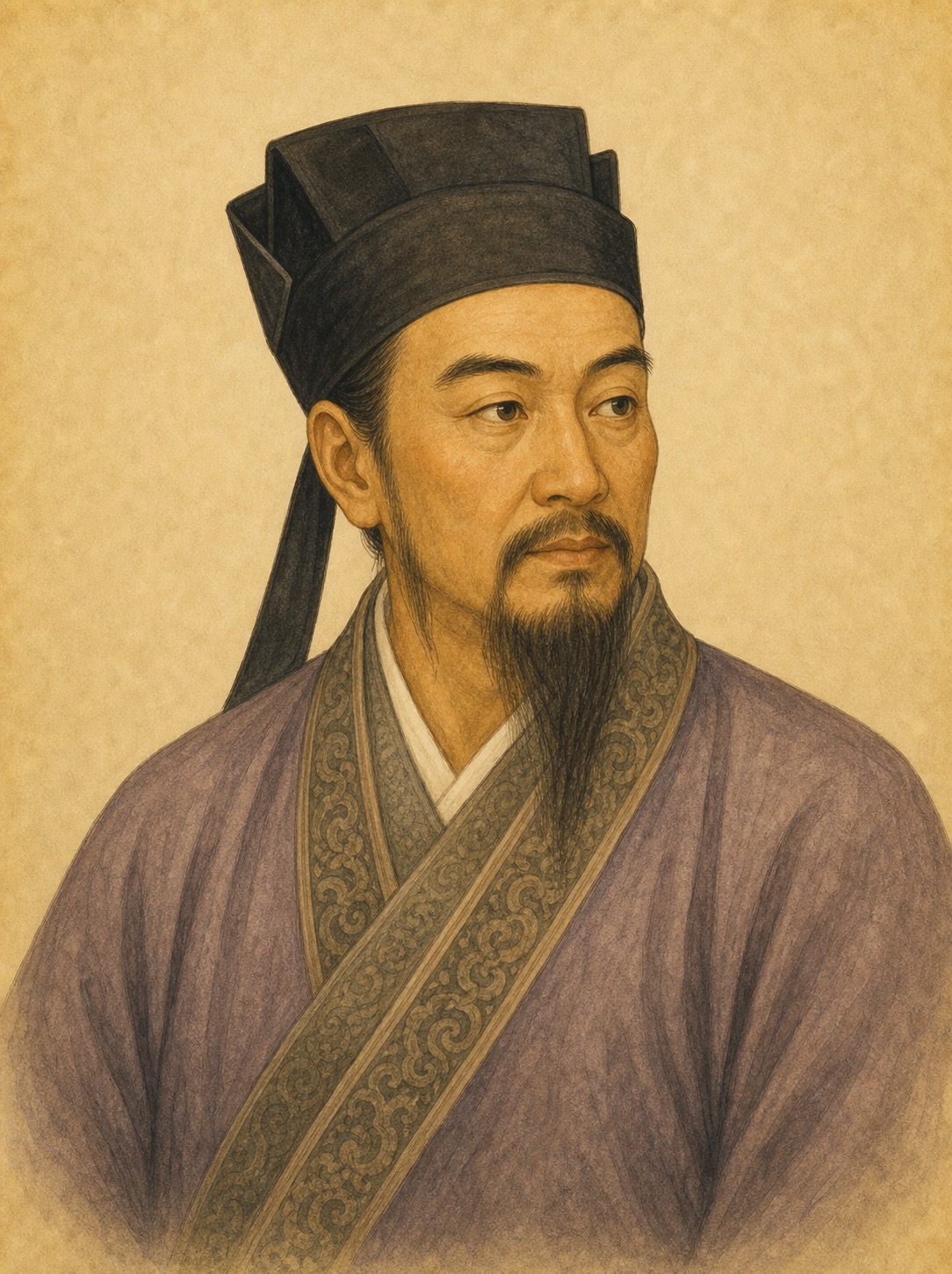
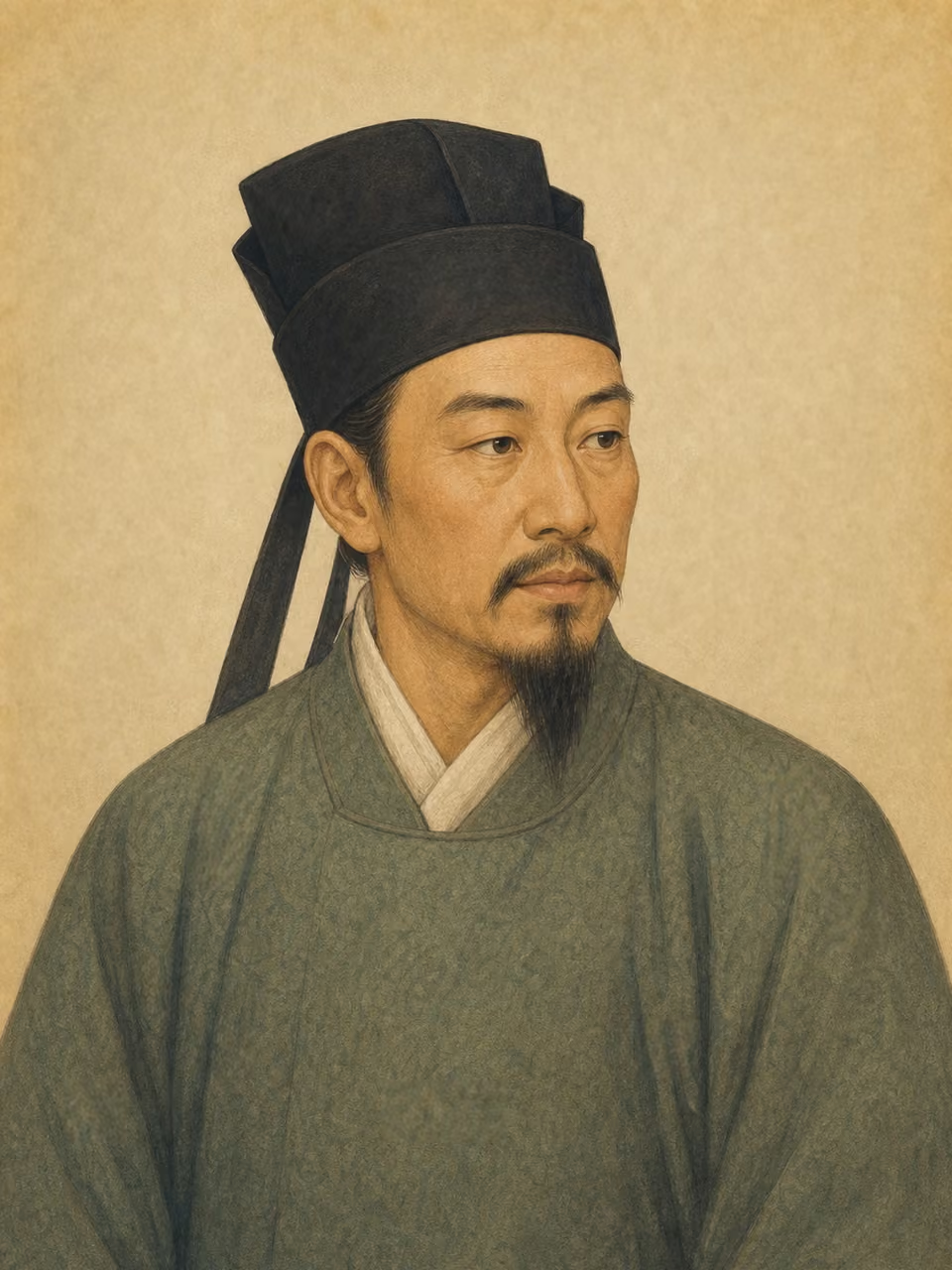
Kong Yingda
Classical scholar
His work on the classical canon and education supported the scholarly institutions of the early Tang state.
Related events
612
Sui campaigns against Goguryeo
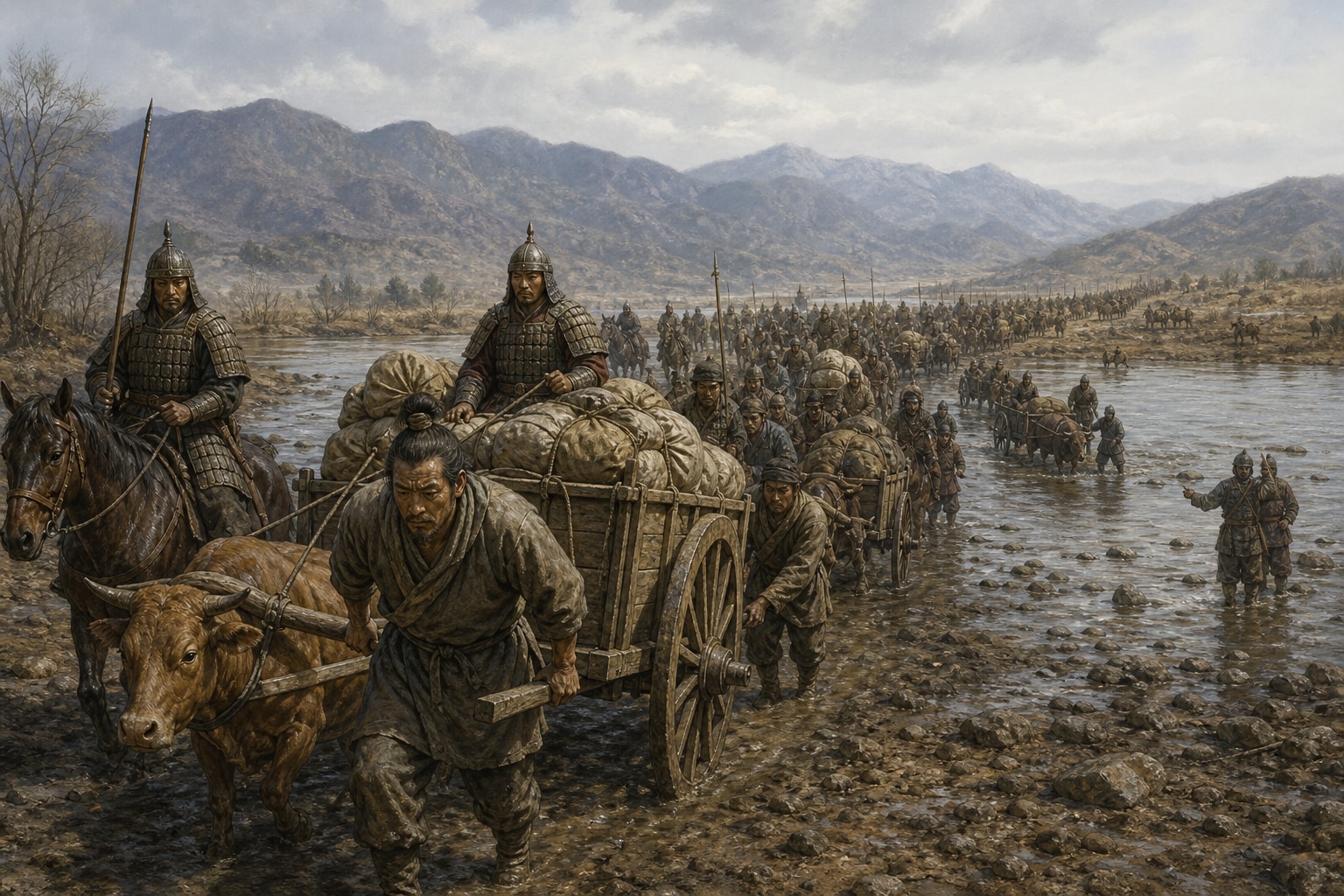
The mobilization of huge armies and supplies deepened popular burdens and the political crisis of the late Sui.
618
Emperor Yang is assassinated
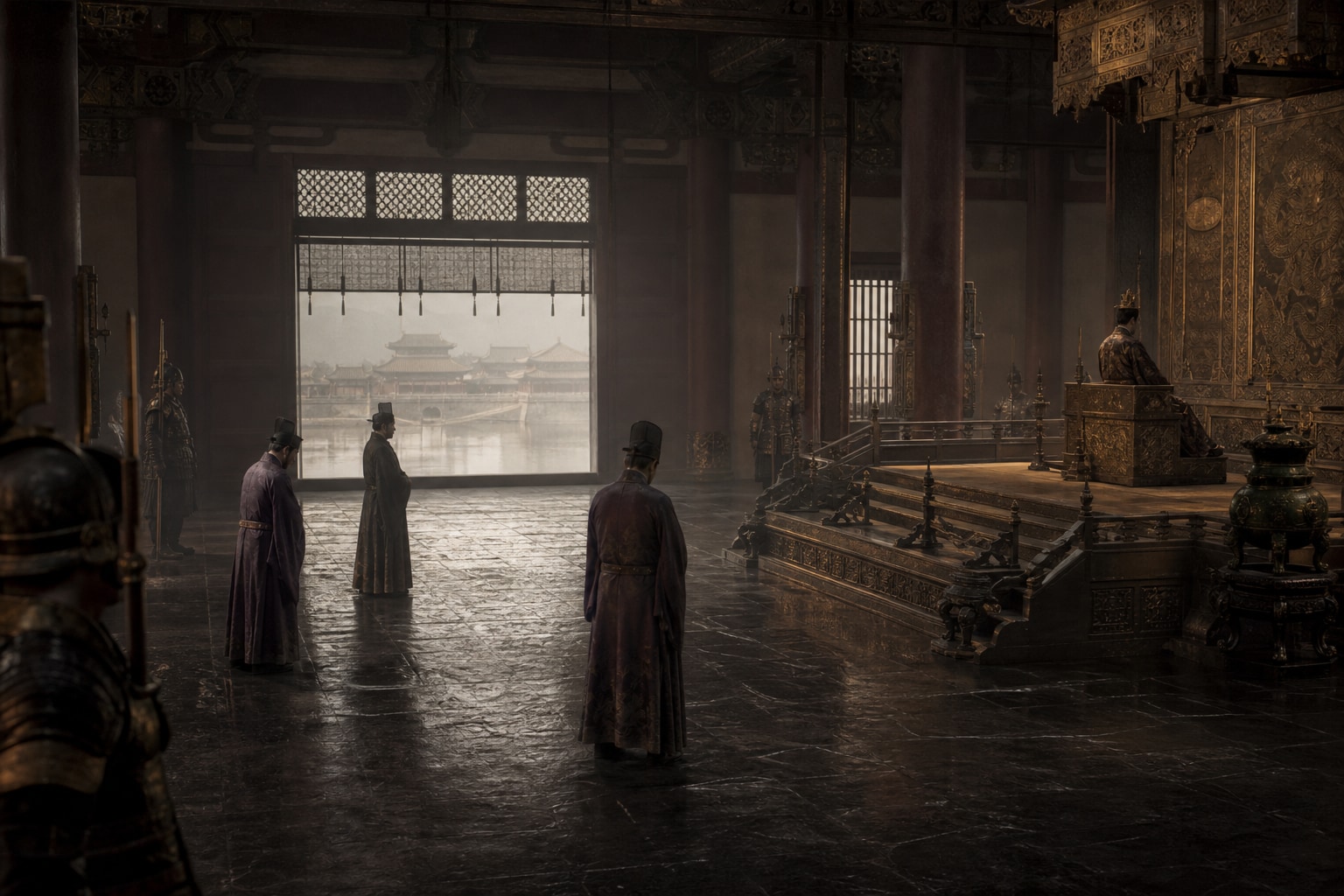
Emperor Yang was killed at Jiangdu as the already fragmented Sui regime approached its end.
617–649
Tang founding and consolidation
Current event
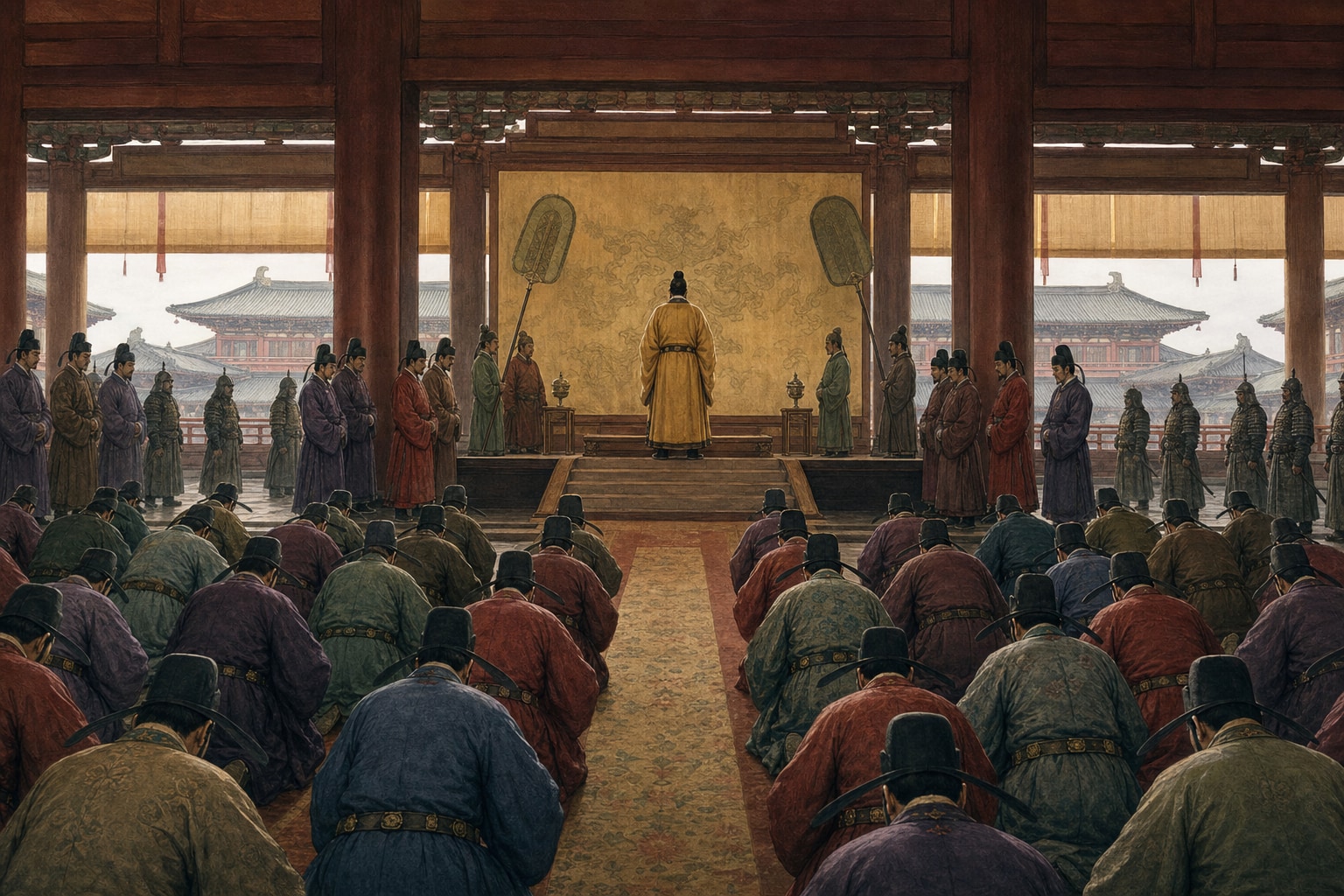
From Li Yuan's uprising through Taizong's reign, warfare and institutional rebuilding created a new dynastic order.
630
Eastern Turkic Khaganate defeated
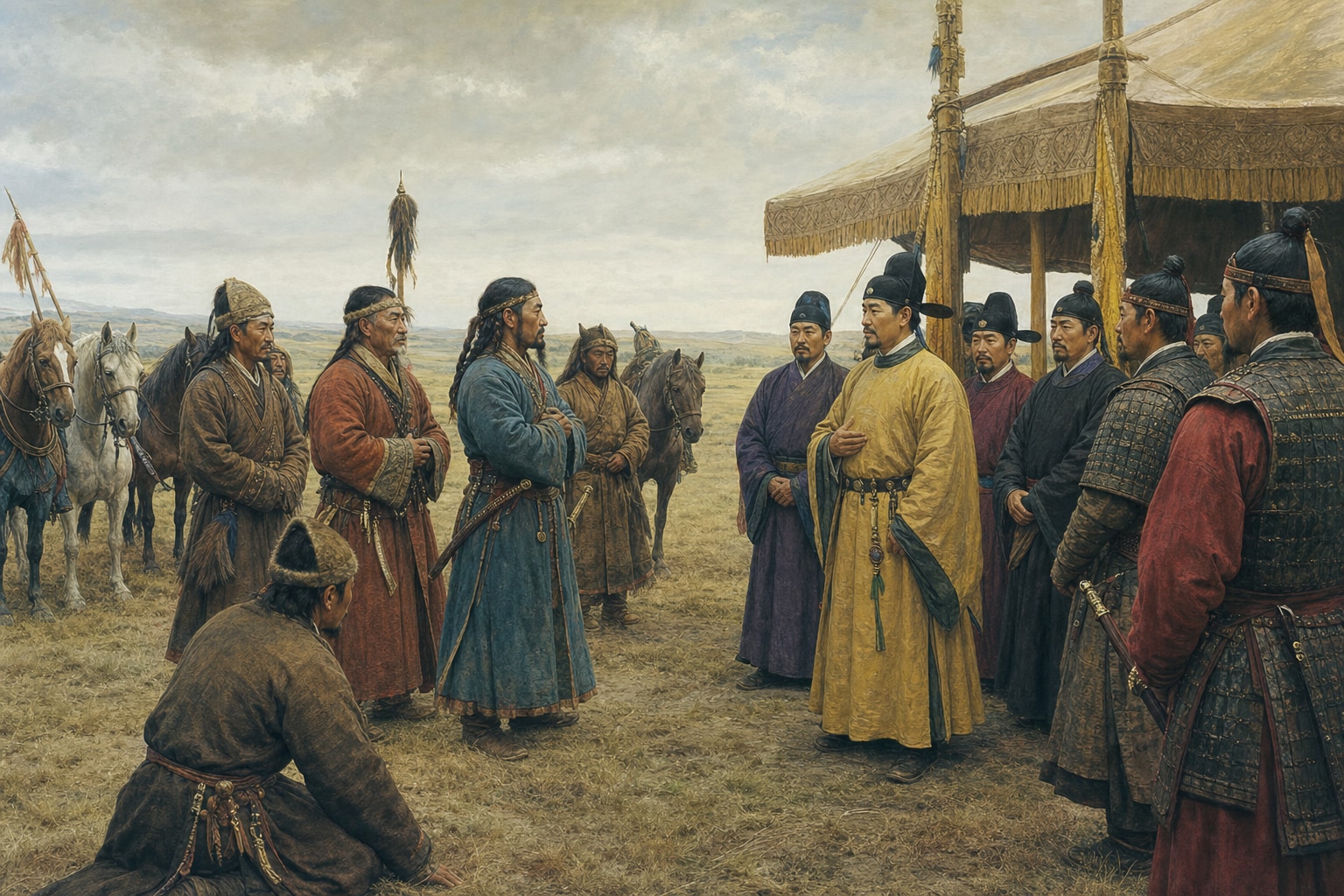
Tang victory reduced a major northern threat and strengthened the external prestige of Taizong's government.
649
Gaozong succeeds Taizong
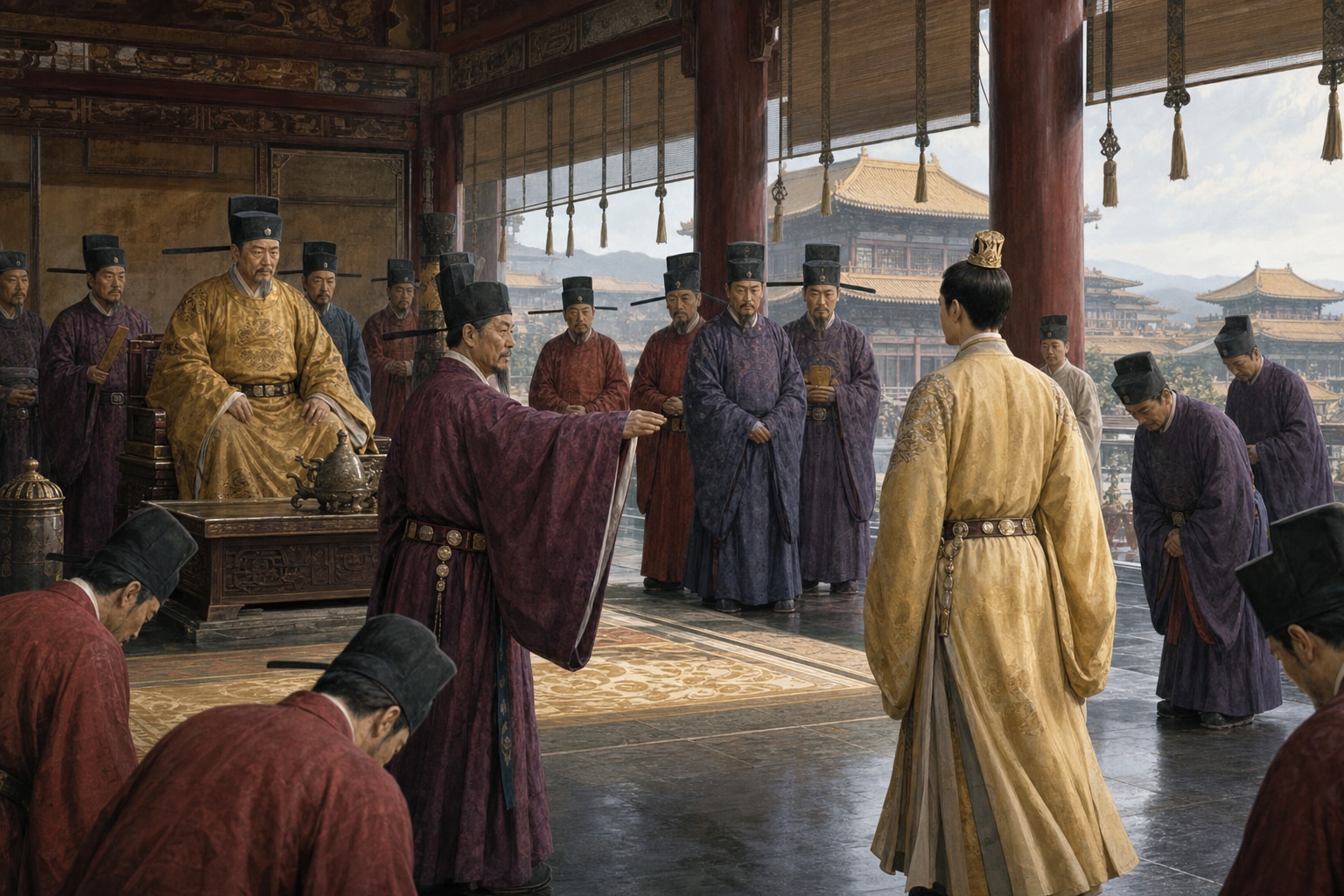
After Taizong's death, Gaozong inherited the institutions and administrative framework of the early Tang.


Sources
- Tang Dynasty (618–907)The Metropolitan Museum of ArtA museum overview of Tang political development and cultural reach.
- Tang dynastyEncyclopaedia BritannicaA general history covering the late Sui, Tang foundation, and early rule.
- China and South AsiaBritish MuseumMuseum context for the material cultures of China and surrounding regions, including the Tang era.
- Chapter on Emperor Yang of SuiJSTORResearch on Emperor Yang's campaigns, court, and the late-Sui crisis.
- Emperor Tang Taizong’s PlaybookUniversity of WisconsinA study of Taizong's rule, advisers, and succession politics.