
Hundred Schools of Thought
c. 770 BC–c. 221 BC
A long period of intellectual activity, conventionally spanning the Eastern Zhou era through Qin unification in 221 BCE, in which thinkers across China developed competing accounts of ethics, government, language, and nature.

- Period
- c. 770 BC–c. 221 BC
- Kind
- Movement
- Regions
- East Asia
- Keywords
- thought · learning · ethics · government · human nature
Follow the story · Four stages
Background
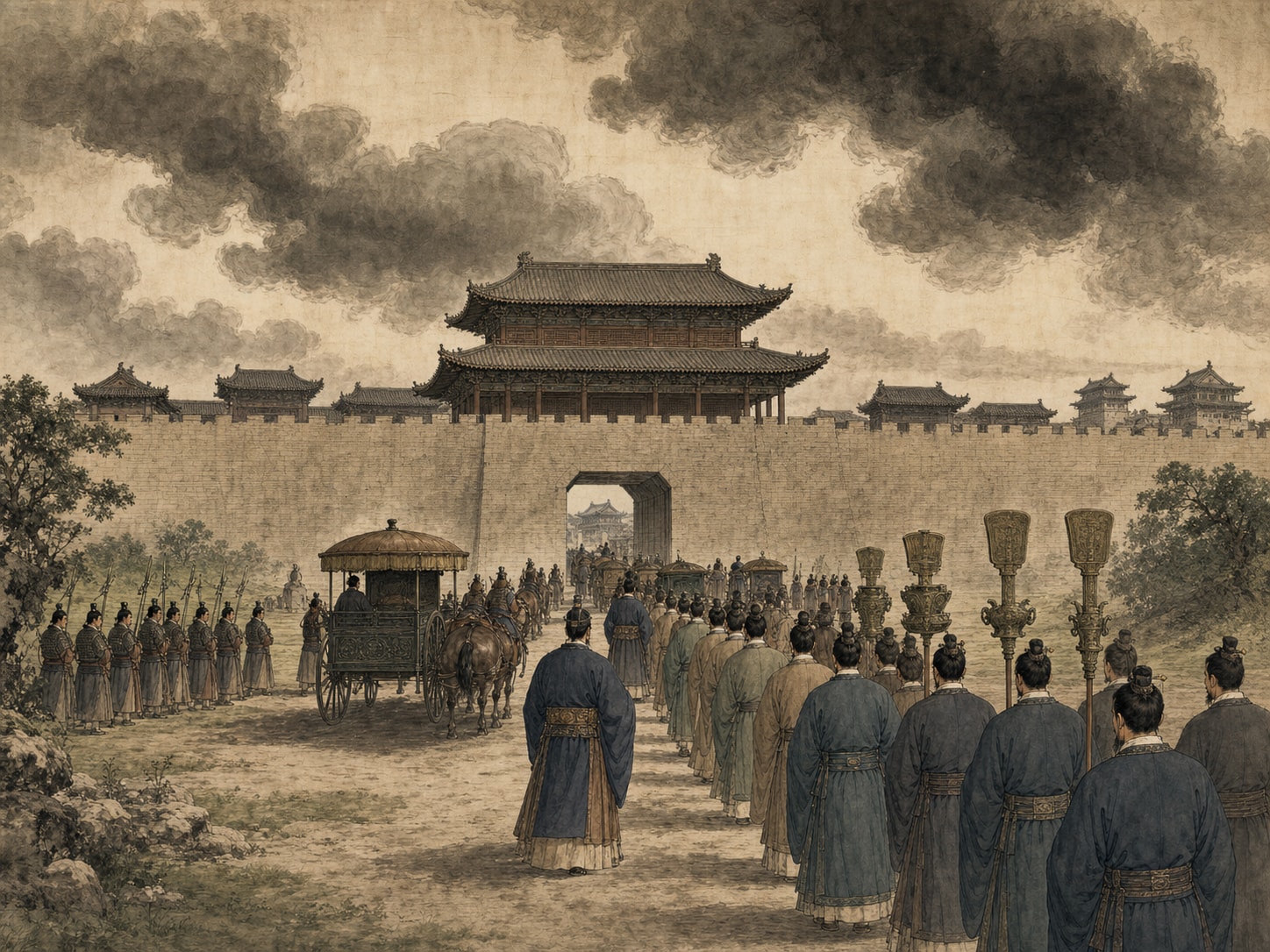
As Zhou royal authority weakened, interstate rivalry and domestic reform created demand for new ways to restore order. A mobile class of educated specialists known as shi increasingly advised rulers and carried arguments between courts and teaching circles.
- The Zhou royal house declined as regional lords gained autonomy
- Warfare became routine and social order fractured
- Thinkers searched for new values and forms of order
Course
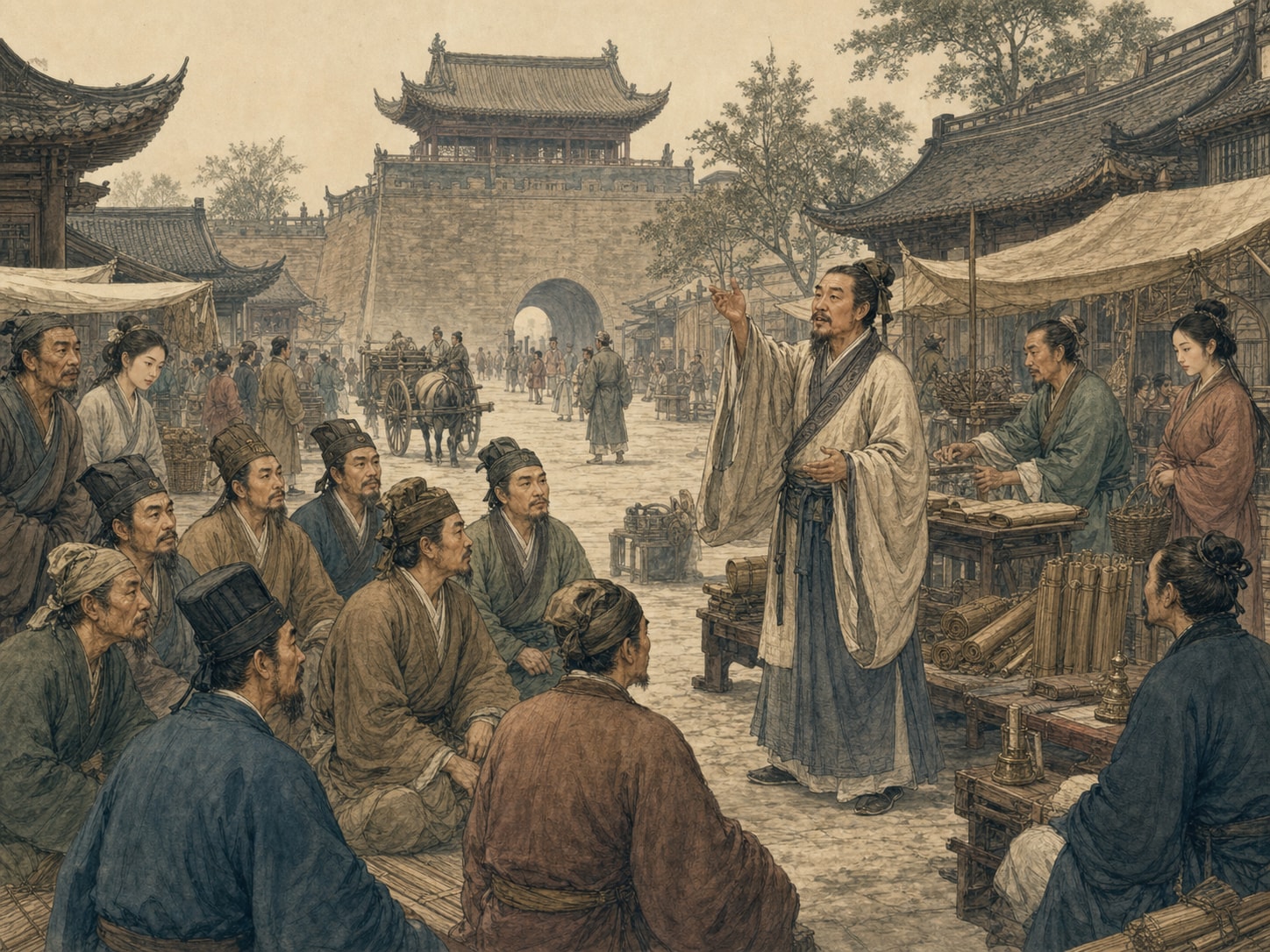
Thinkers later grouped as Confucians, Mohists, Daoists, and Legalists debated alongside advocates associated with the School of Names, yin-yang thought, and other currents. The label does not mean that exactly one hundred organized schools existed at the time.
- Traveling persuasion and public debate intensified
- Distinct schools of thought formed and developed
- Rulers sponsored learning and centers of scholarship
Outcome
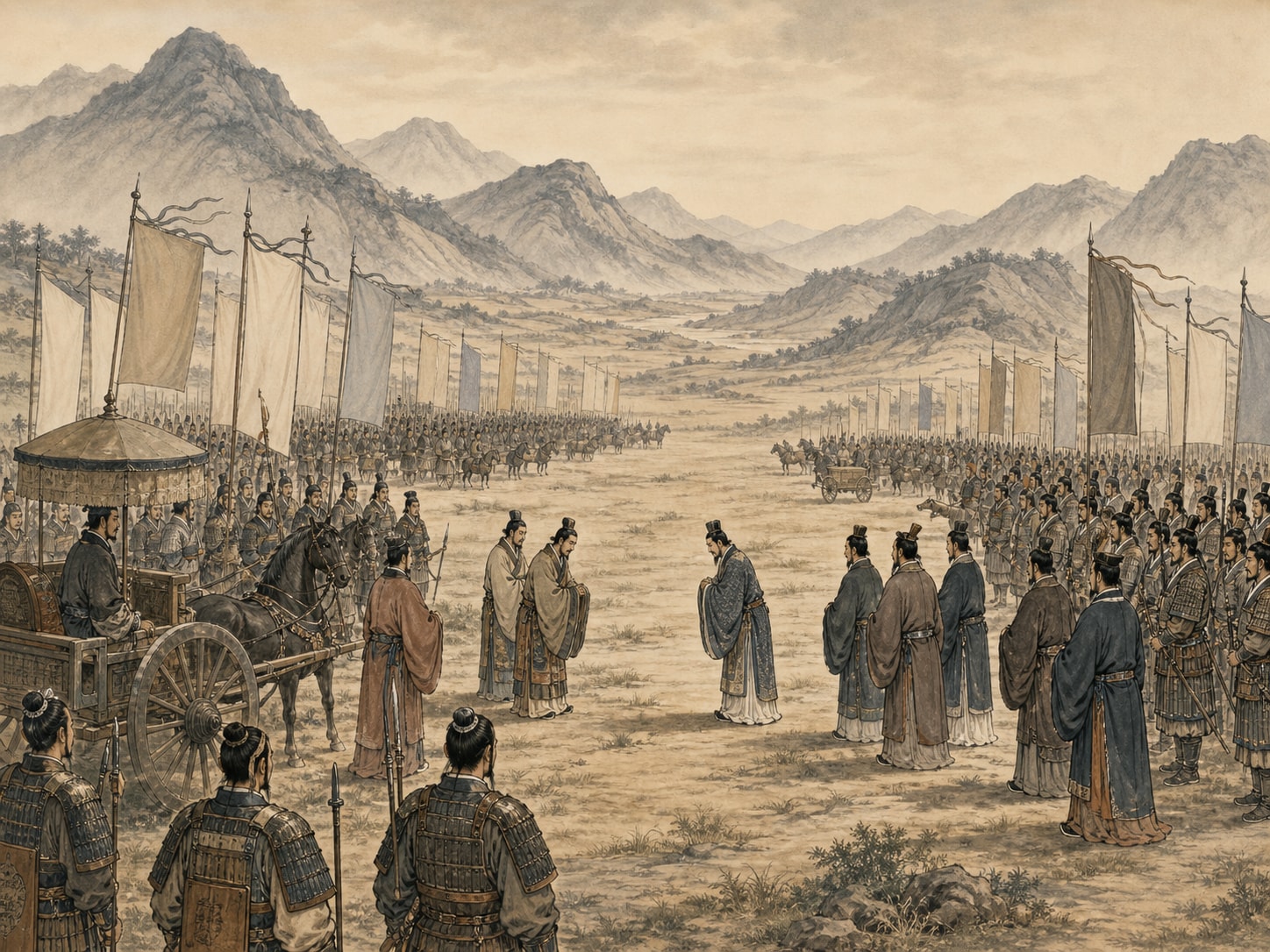
Qin unification ended the Warring States competition in 221 BCE, but not the ideas it had generated. Han scholars later arranged earlier thinkers into a limited number of named lineages, creating many of the categories through which the period is still studied.
- The schools influenced policy across the competing states
- Legalist methods helped Qin achieve unification
- Learning and philosophical systems became more organized
Historical significance
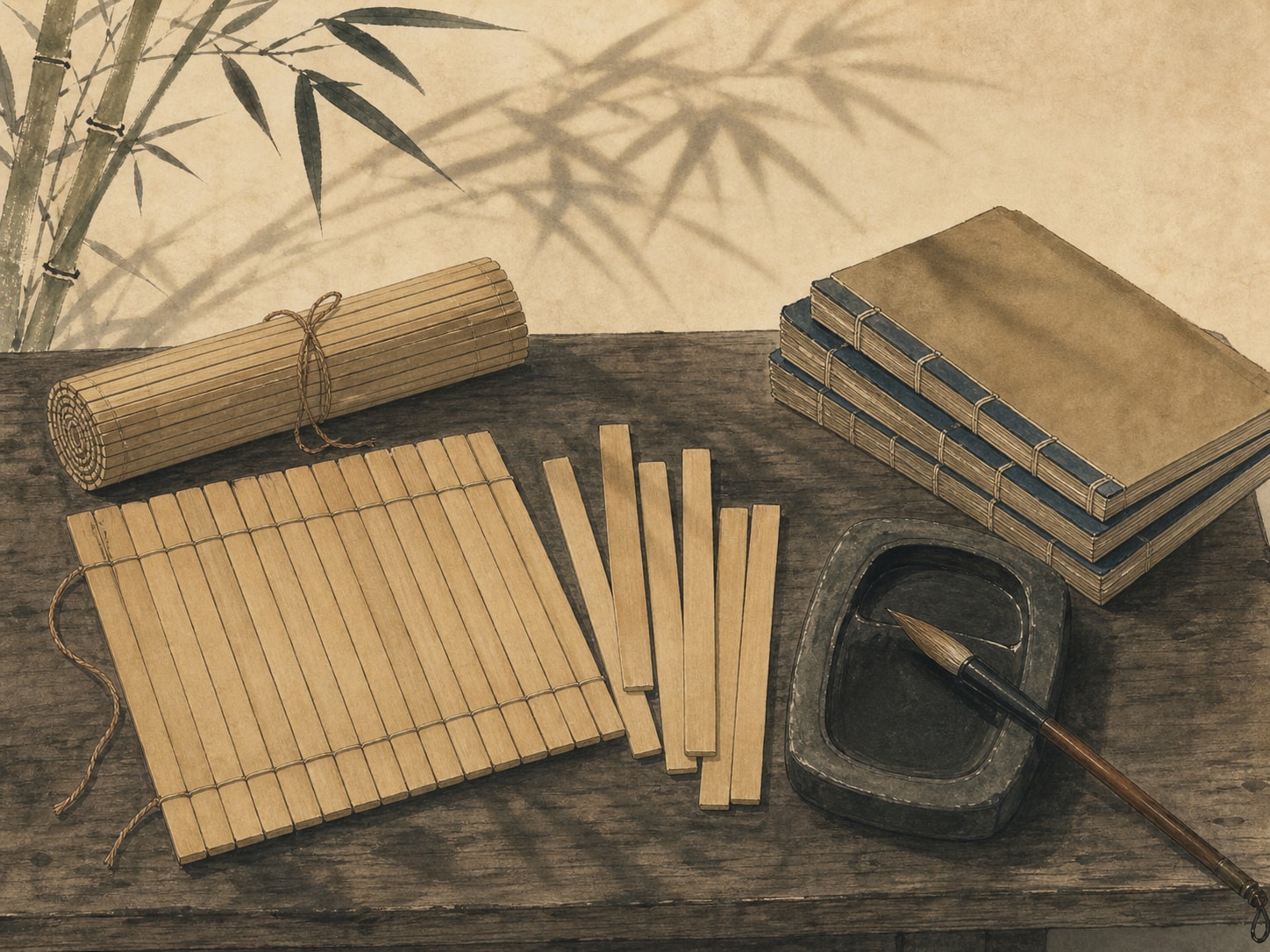
These arguments helped shape Chinese government, education, ethics, and religious thought, with effects across East Asia. Because many familiar school labels are retrospective, they can conceal intellectual overlap, disagreement within traditions, and change over time.
- A source of the diversity and depth of Chinese thought
- A lasting influence on later philosophy and culture
- The establishment of traditions of learning and debate


Related figures
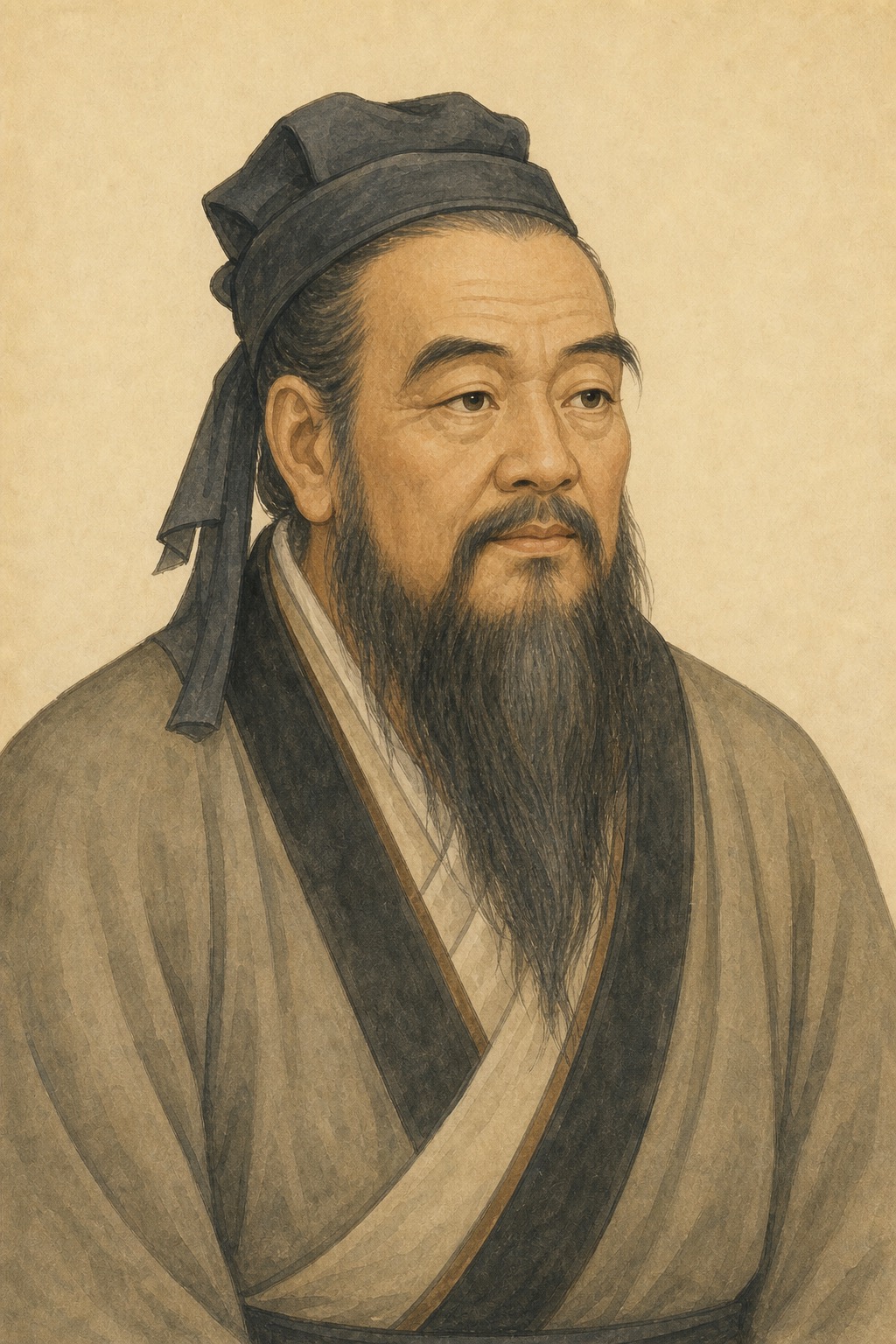
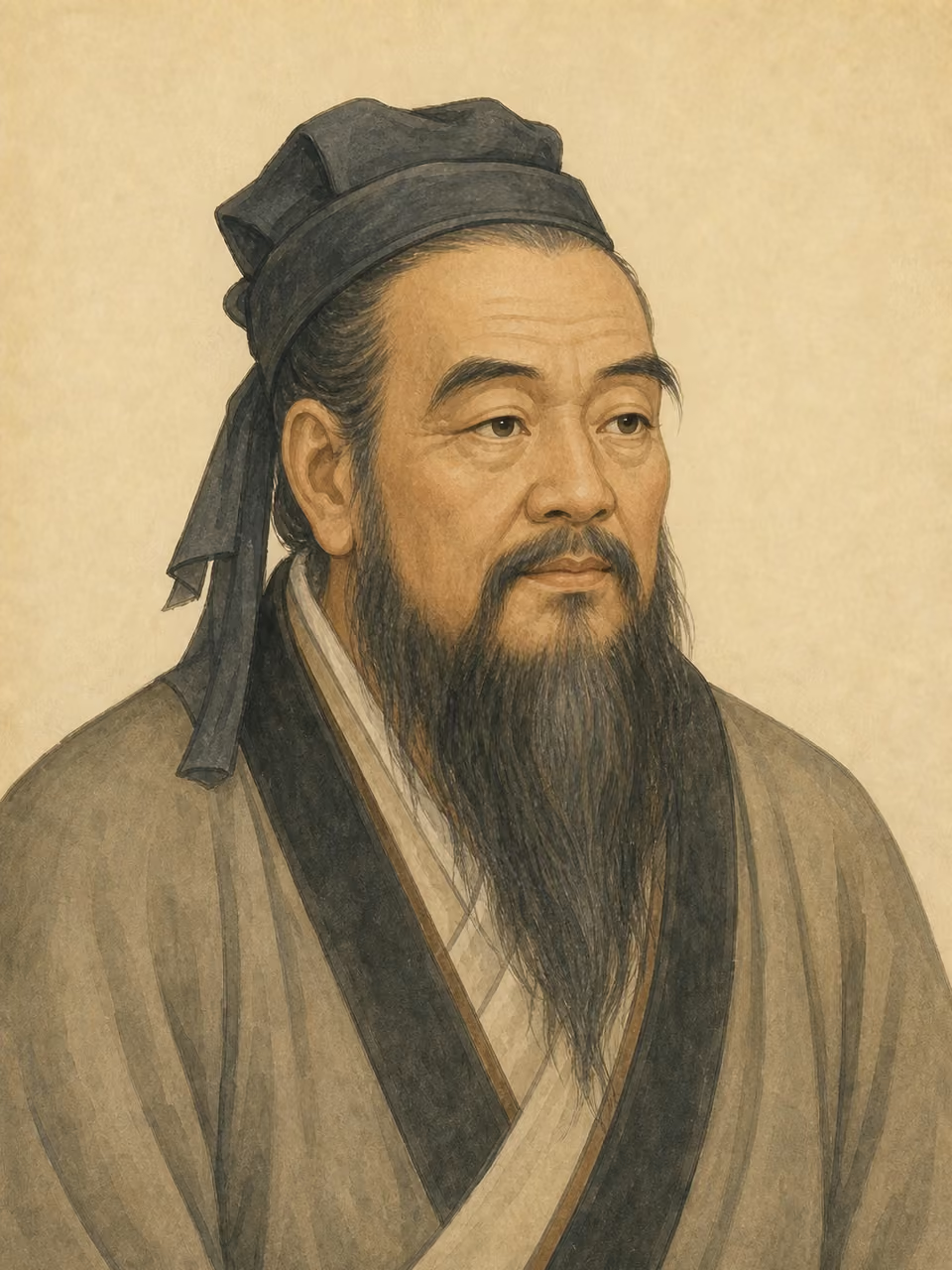
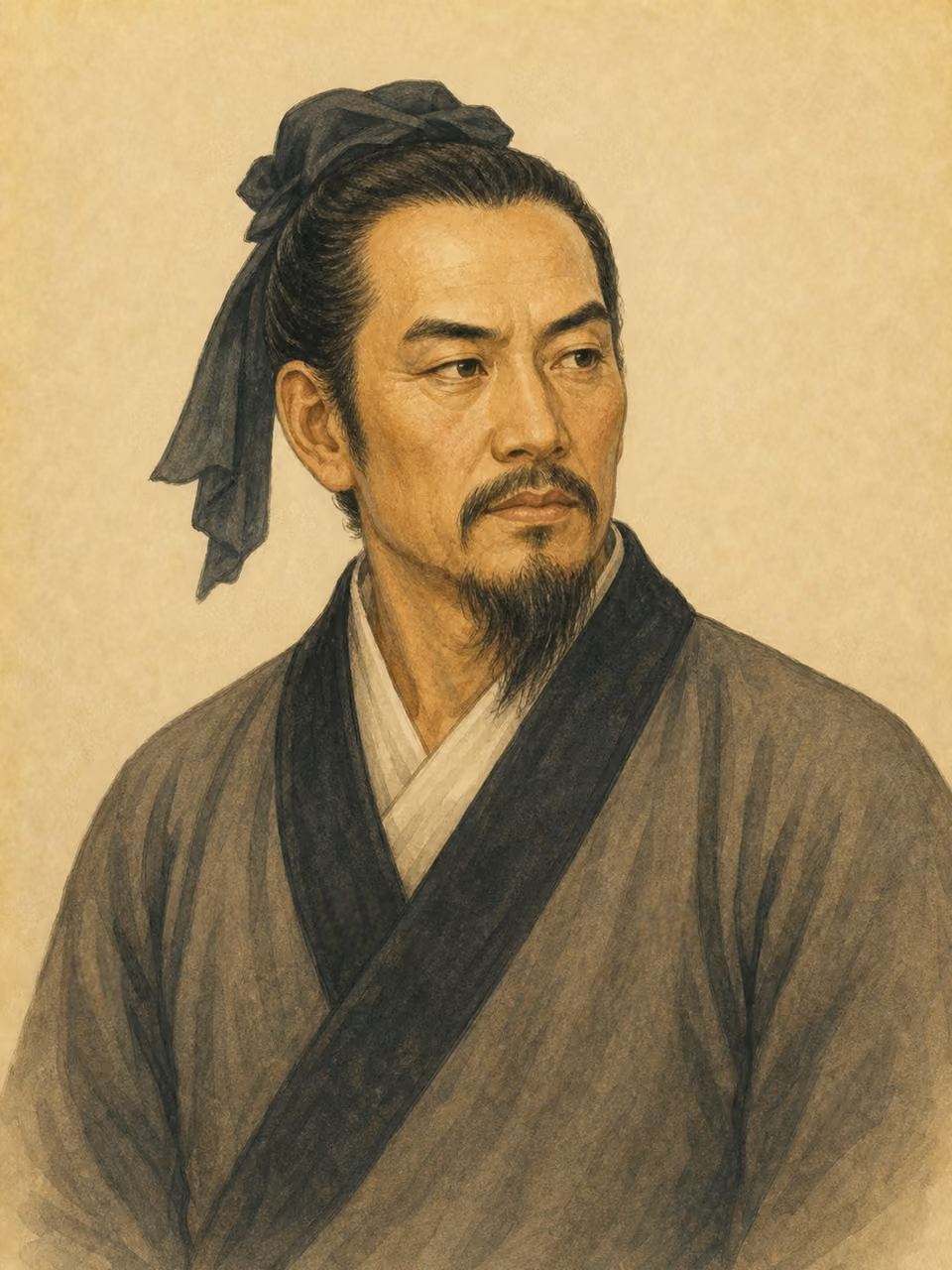
Confucius
Confucian
He emphasized benevolence, ritual, moral cultivation, and government by virtue.
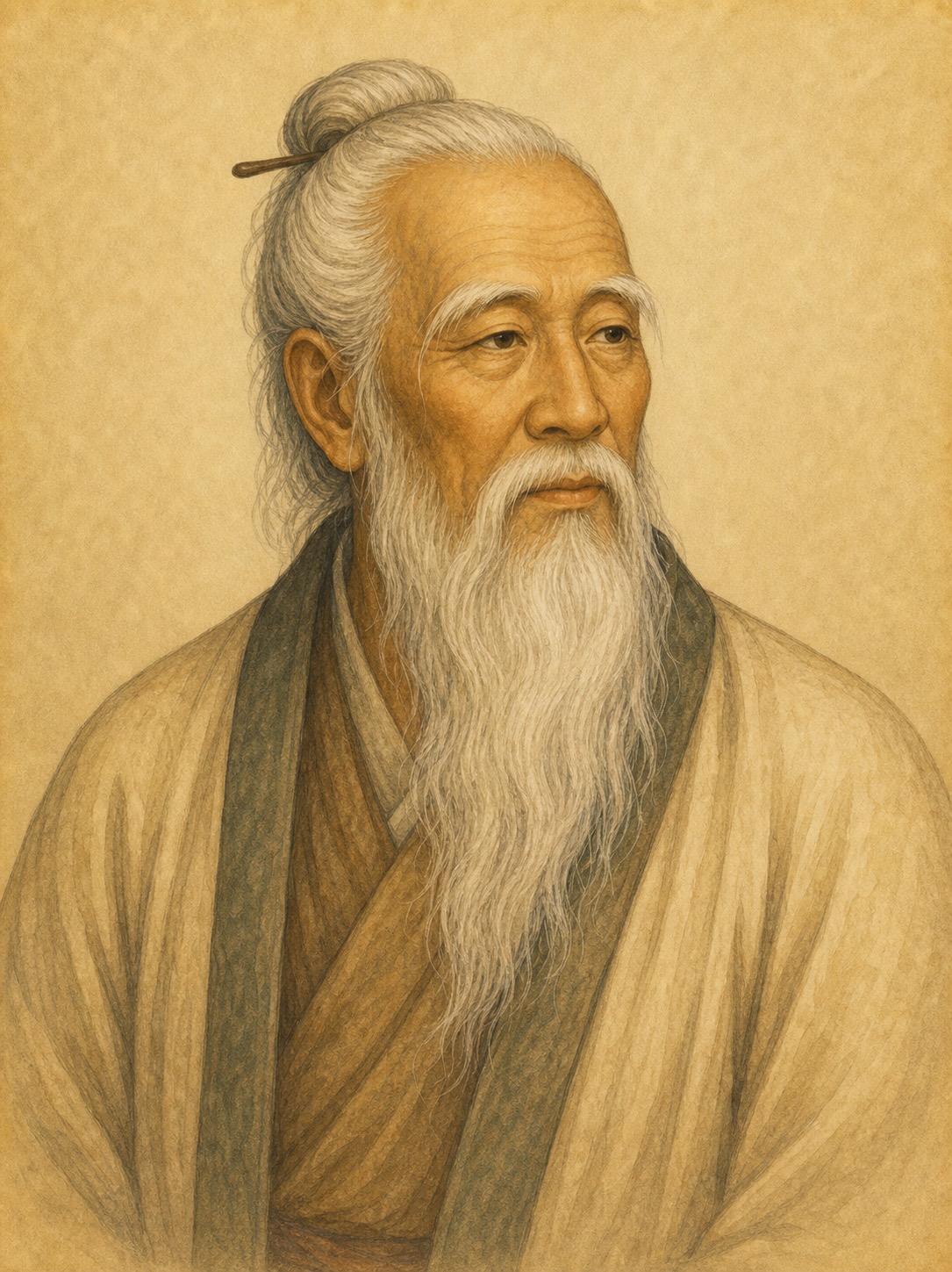
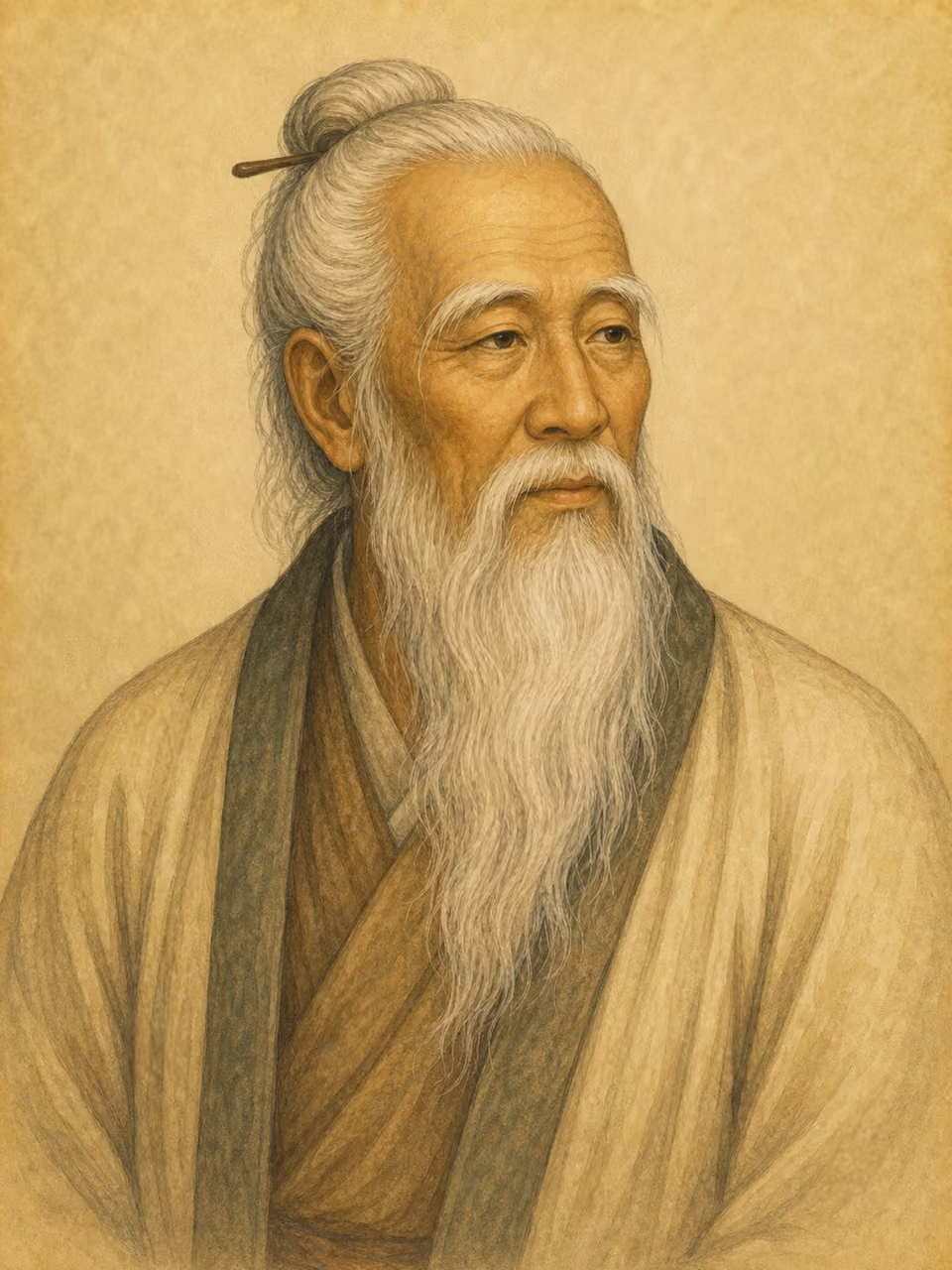
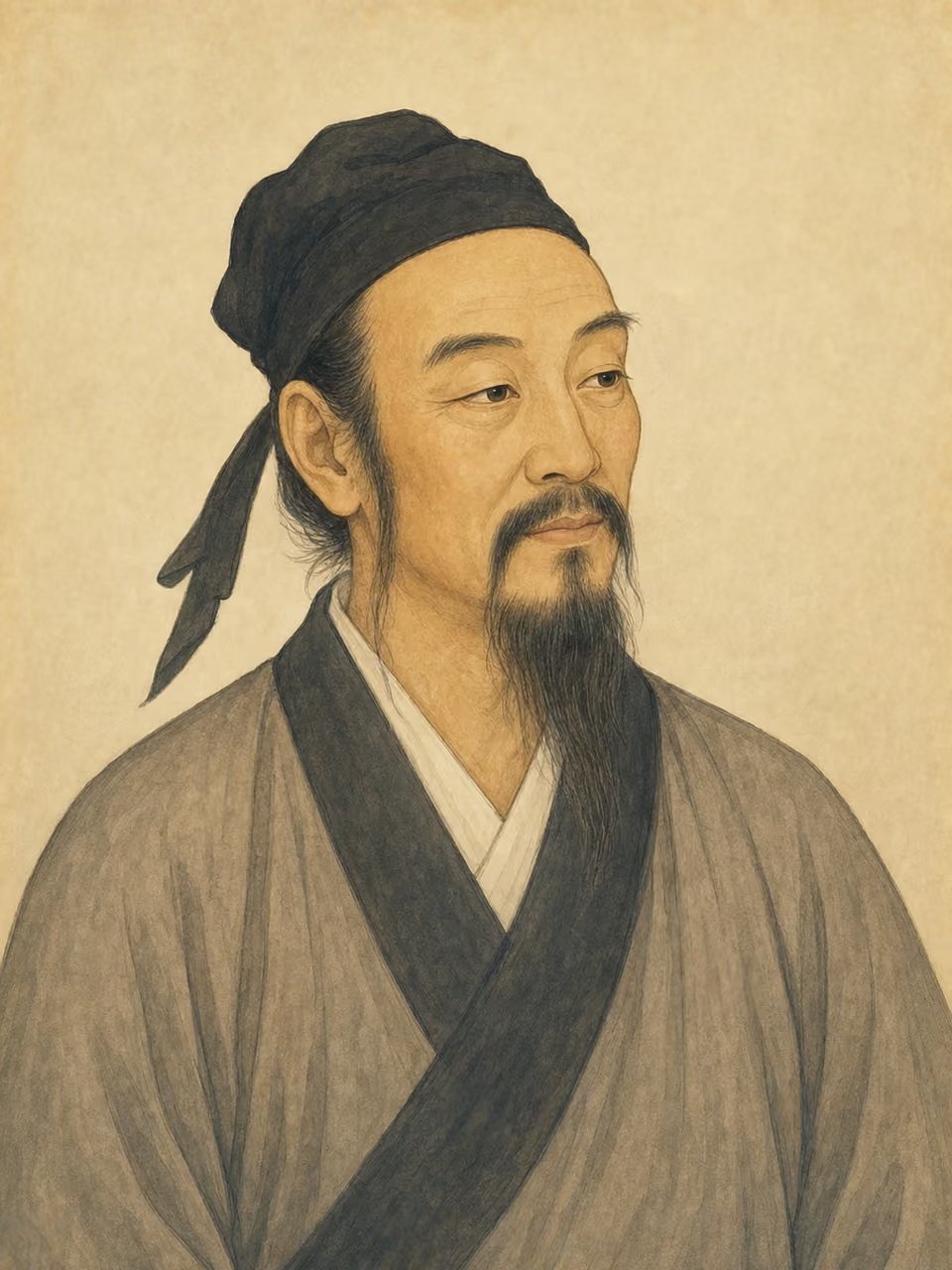
Laozi
Daoist
He presented the Way and non-action as guides to life beyond contrivance.
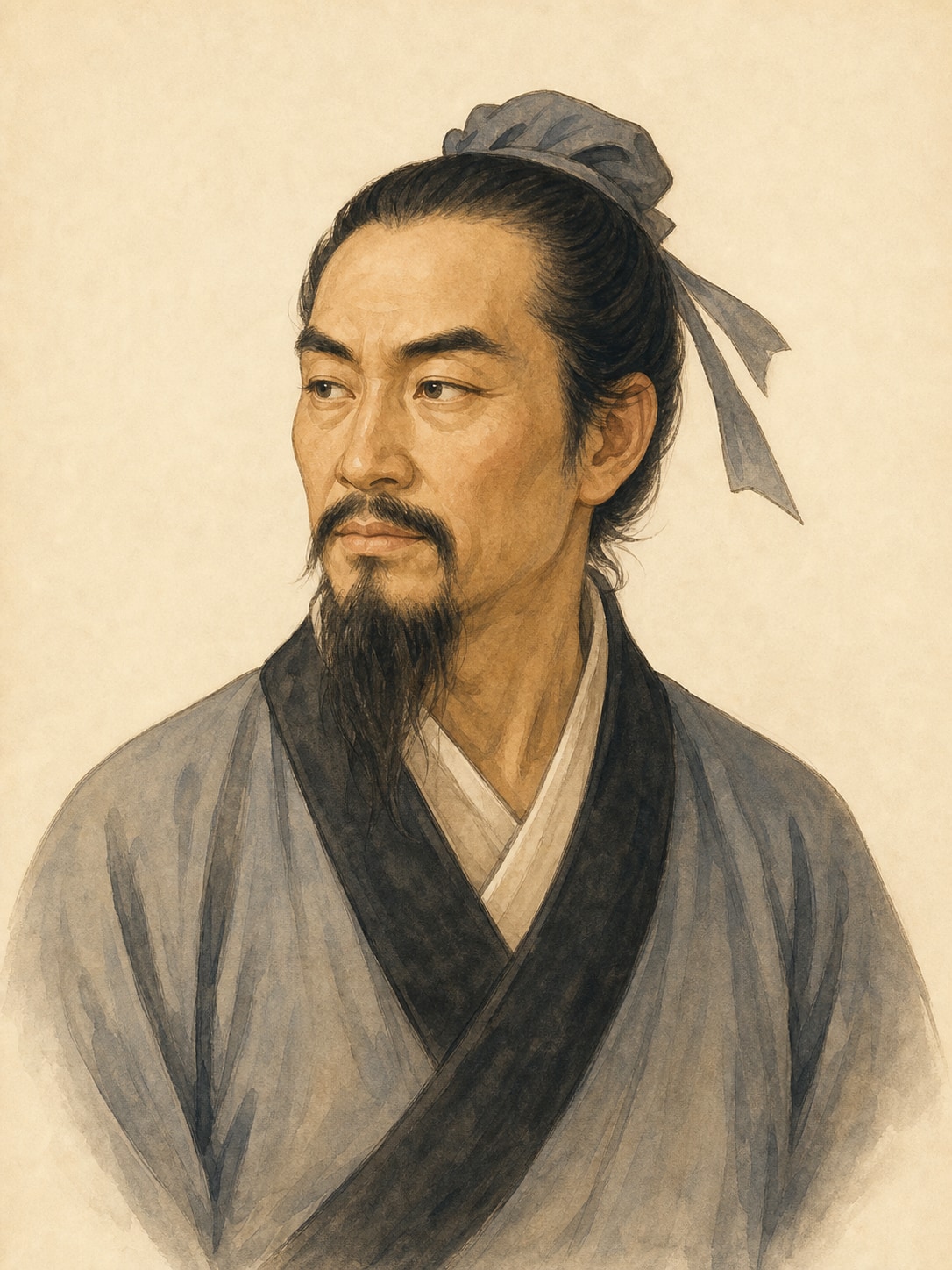
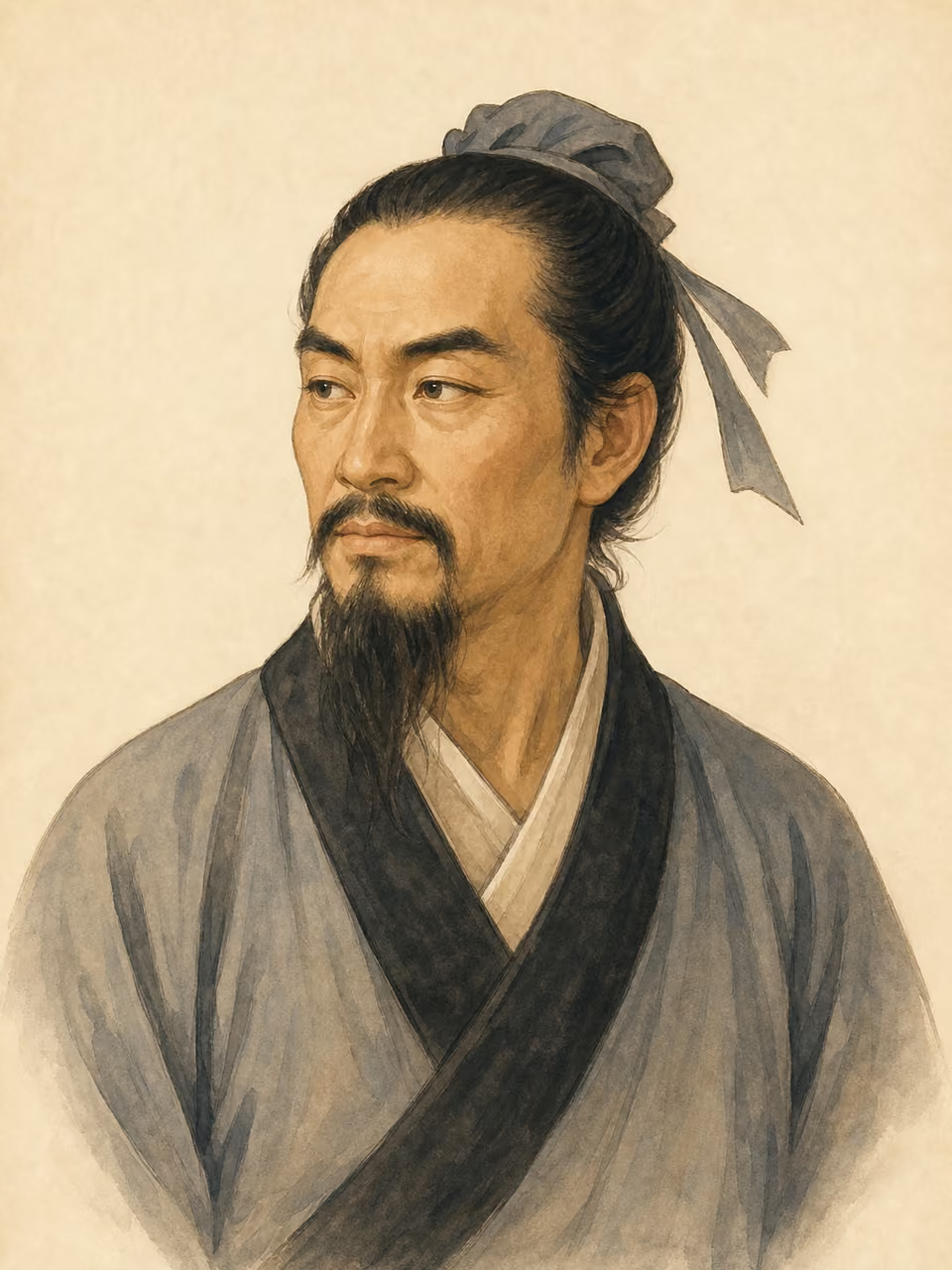
Mozi
Mohist
He advocated impartial care, opposition to aggression, utility, and fairness.
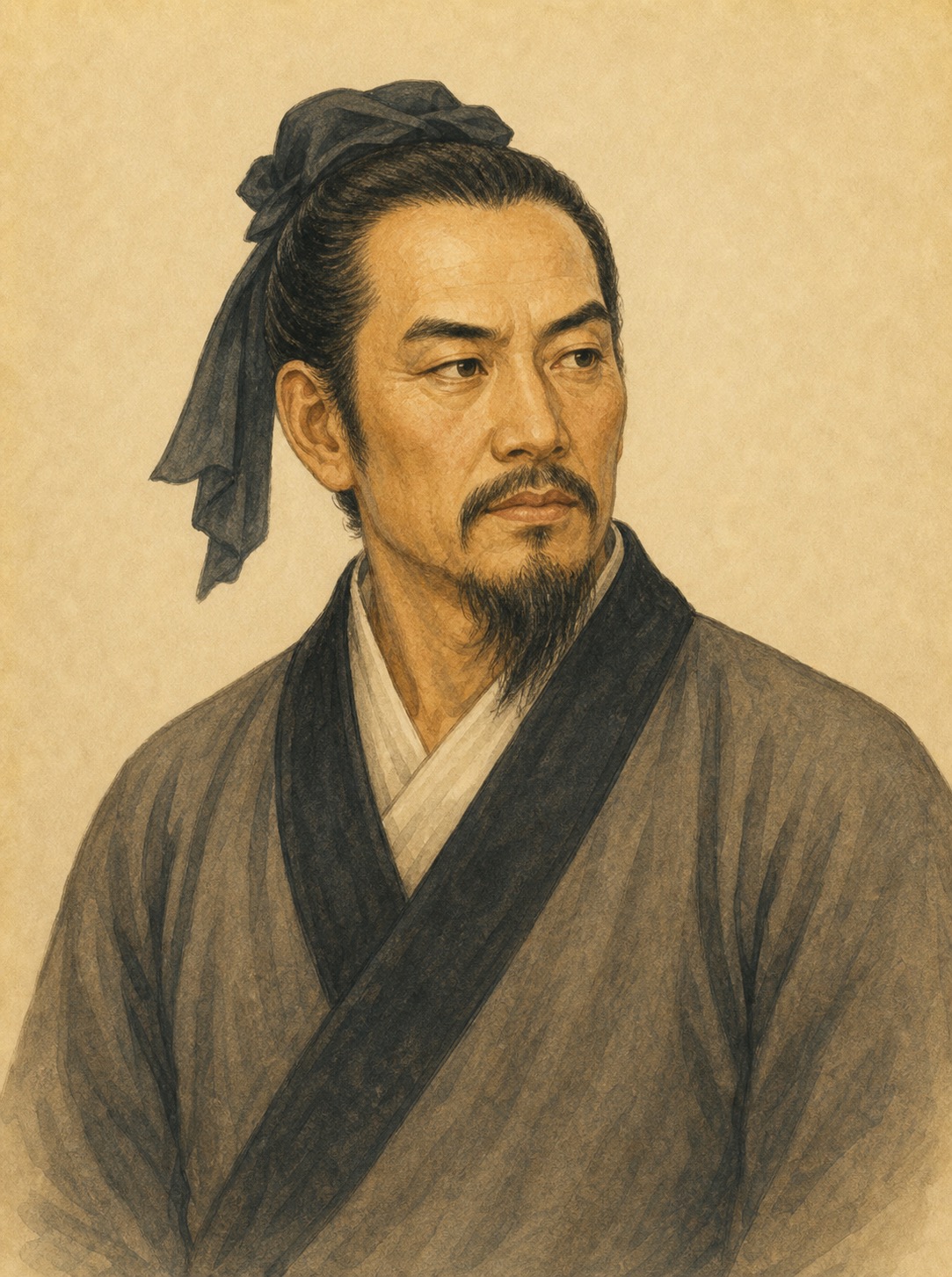
Han Fei
Legalist
He systematized rule through standards, administrative methods, and authority.
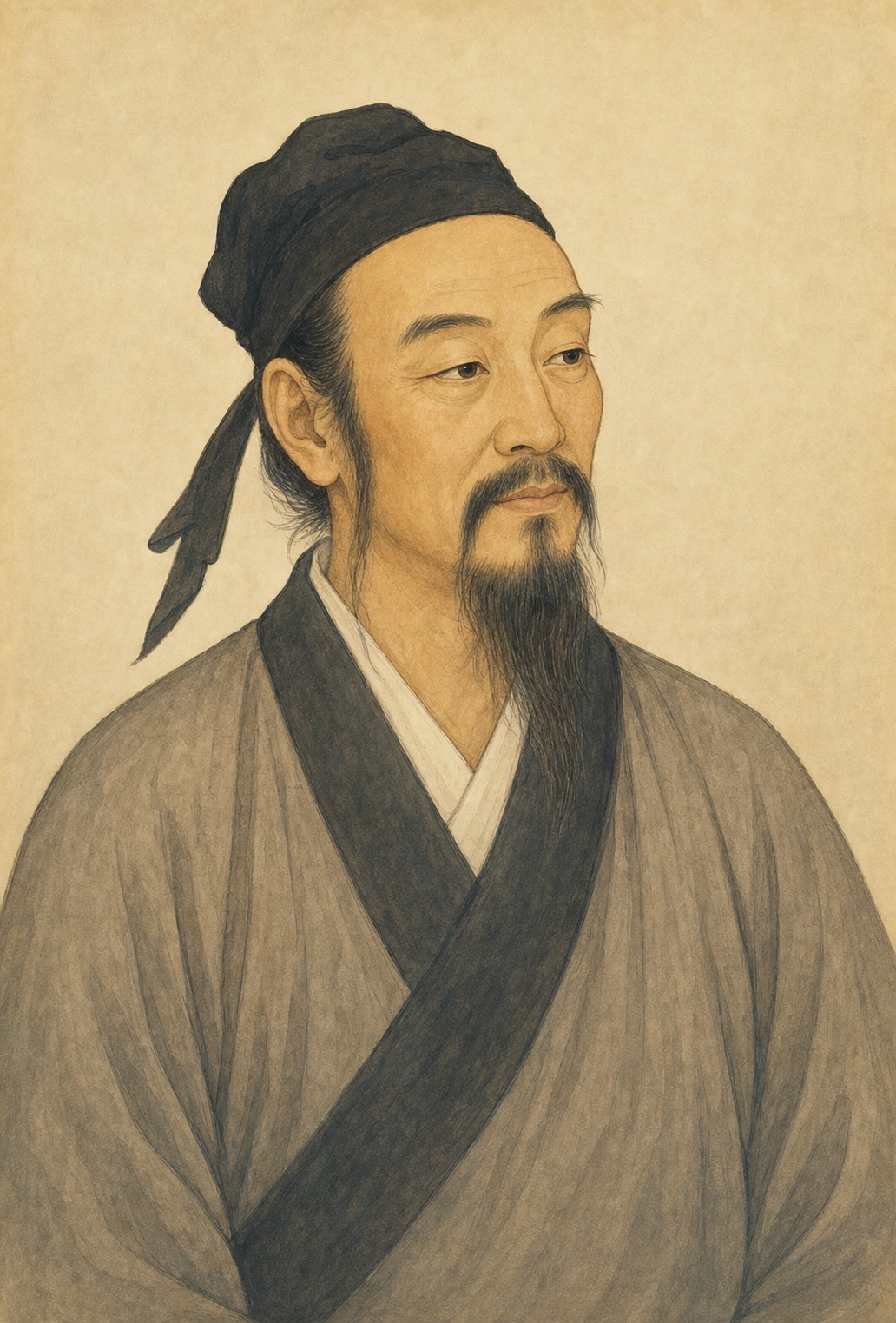
Zhuang Zhou
Daoist
He explored equality among things and freedom of mind through vivid parables.
Related events
c. 770 BC
Spring and Autumn period begins
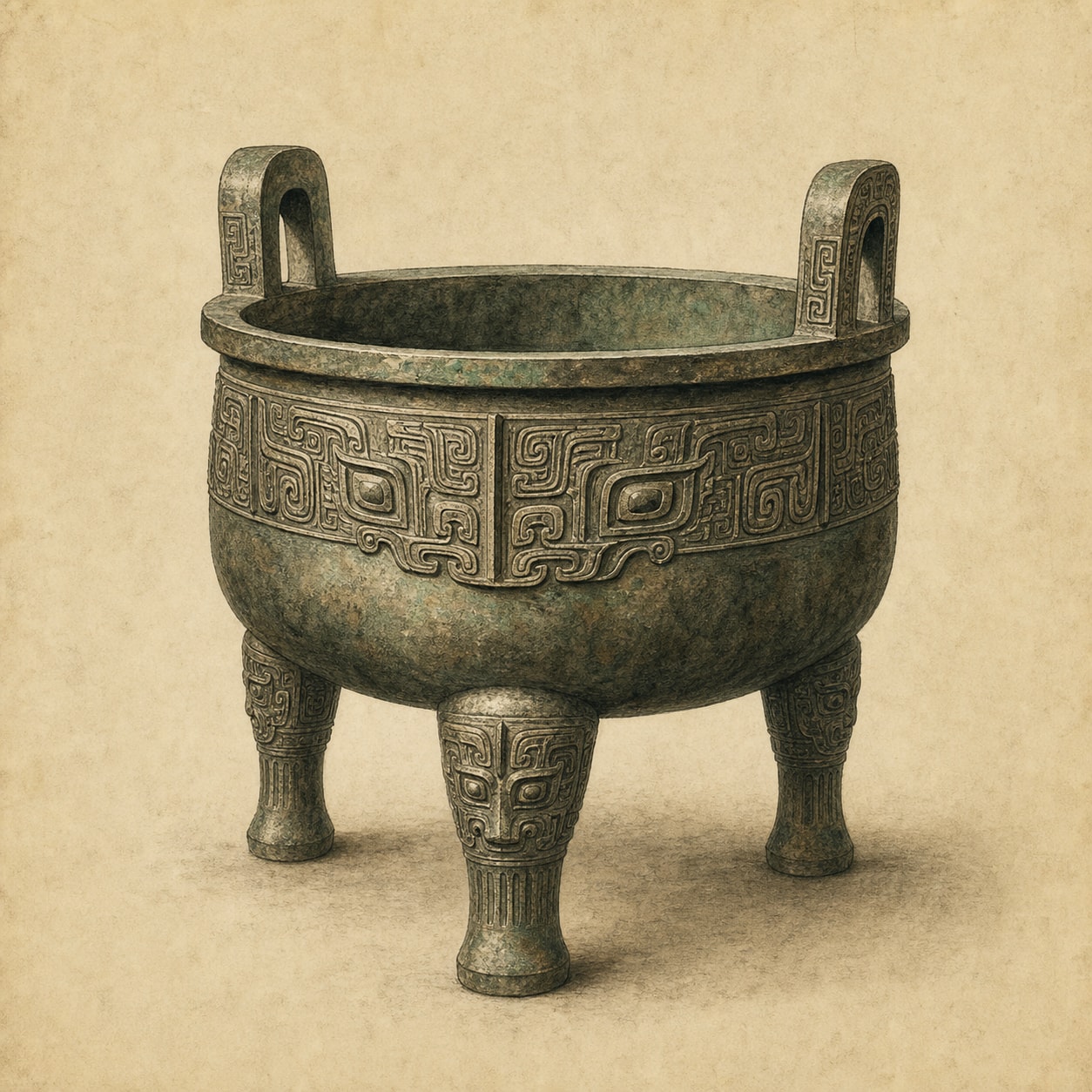
The Zhou court moved east, opening an era in which regional lords gained greater autonomy.
403 BC
Partition of Jin
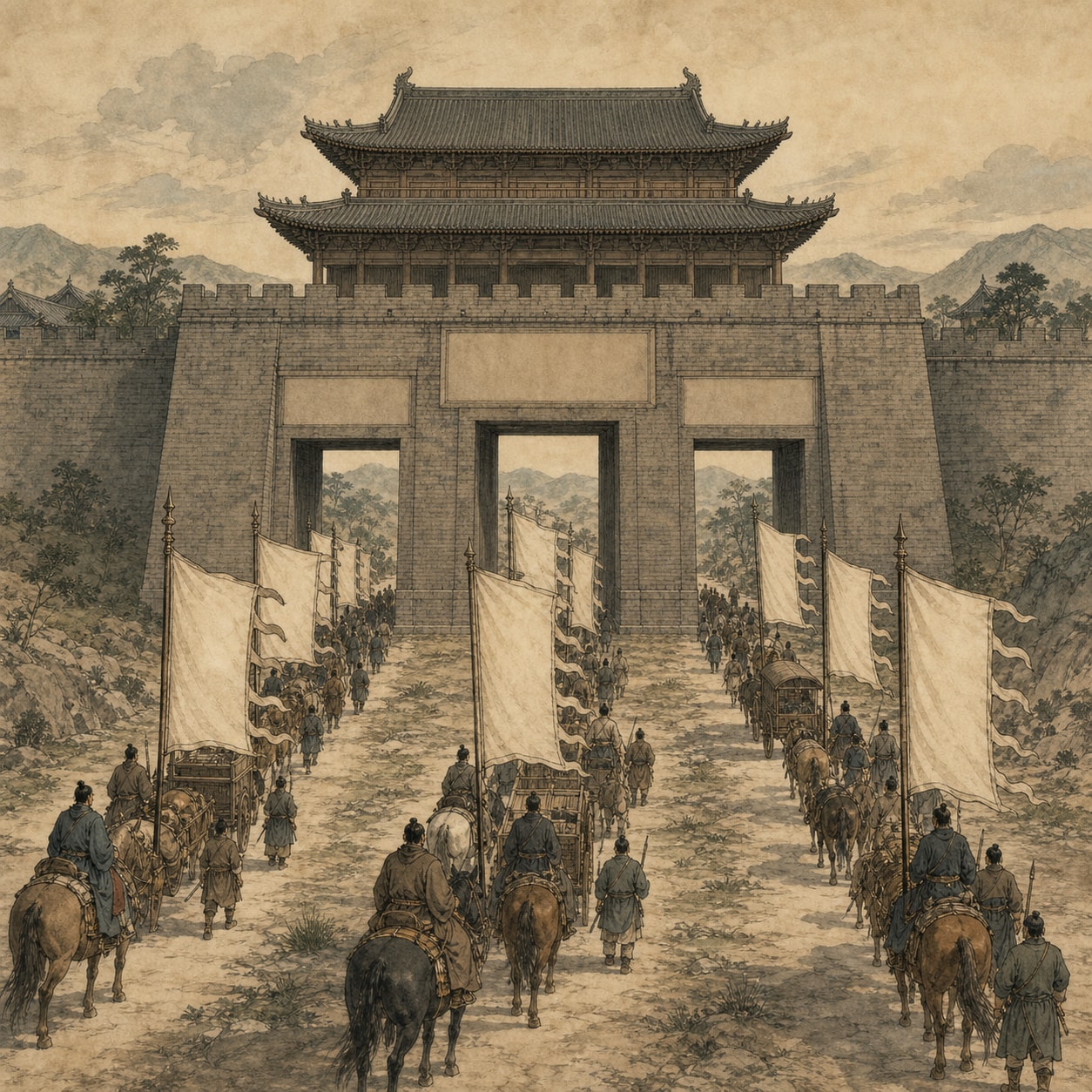
Han, Wei, and Zhao were recognized as states, shaping the Warring States balance of power.
c. 770 BC–c. 221 BC
Hundred Schools of Thought
Current event
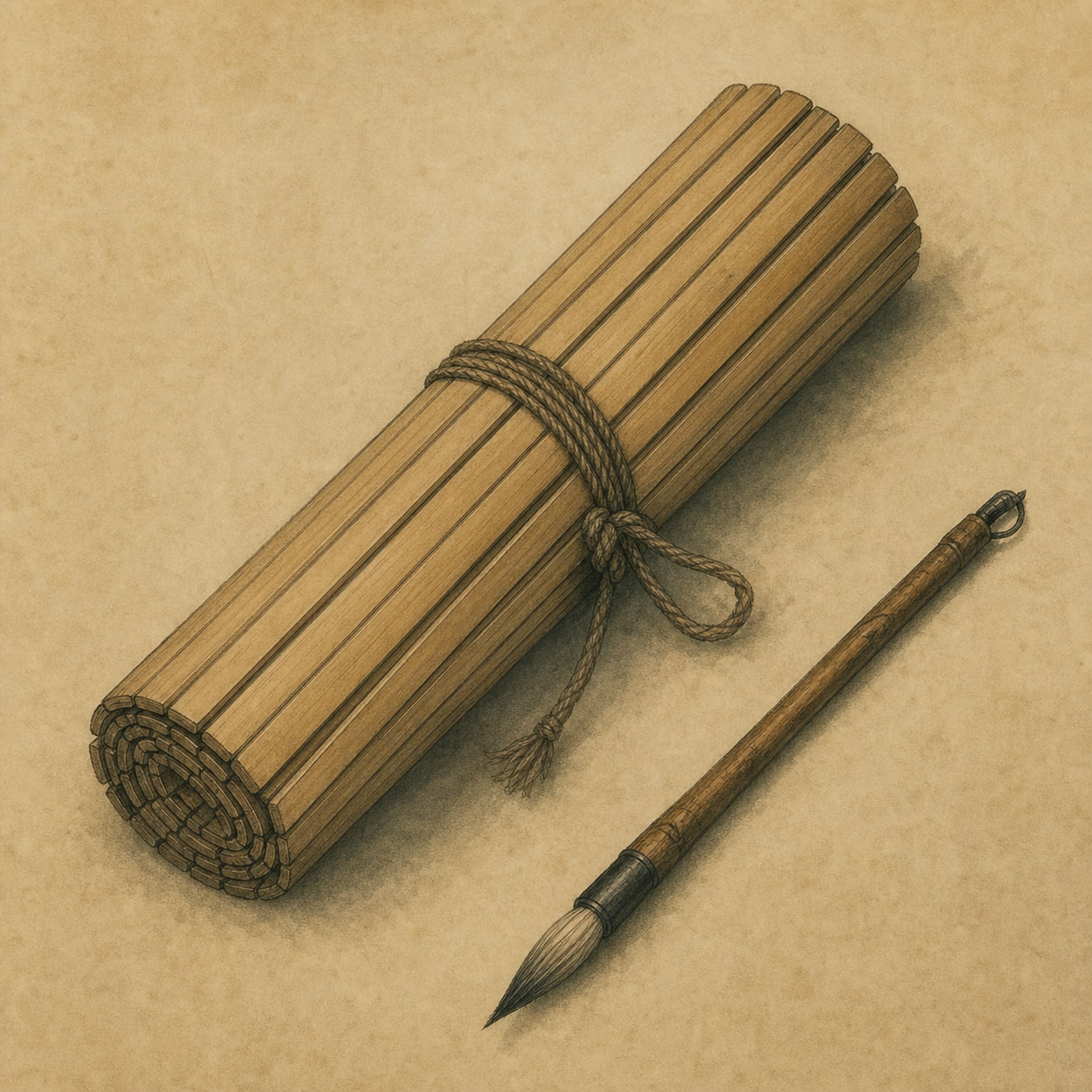
Thinkers across the states competed to explain order, government, and human conduct.
356 BC
Shang Yang's reforms
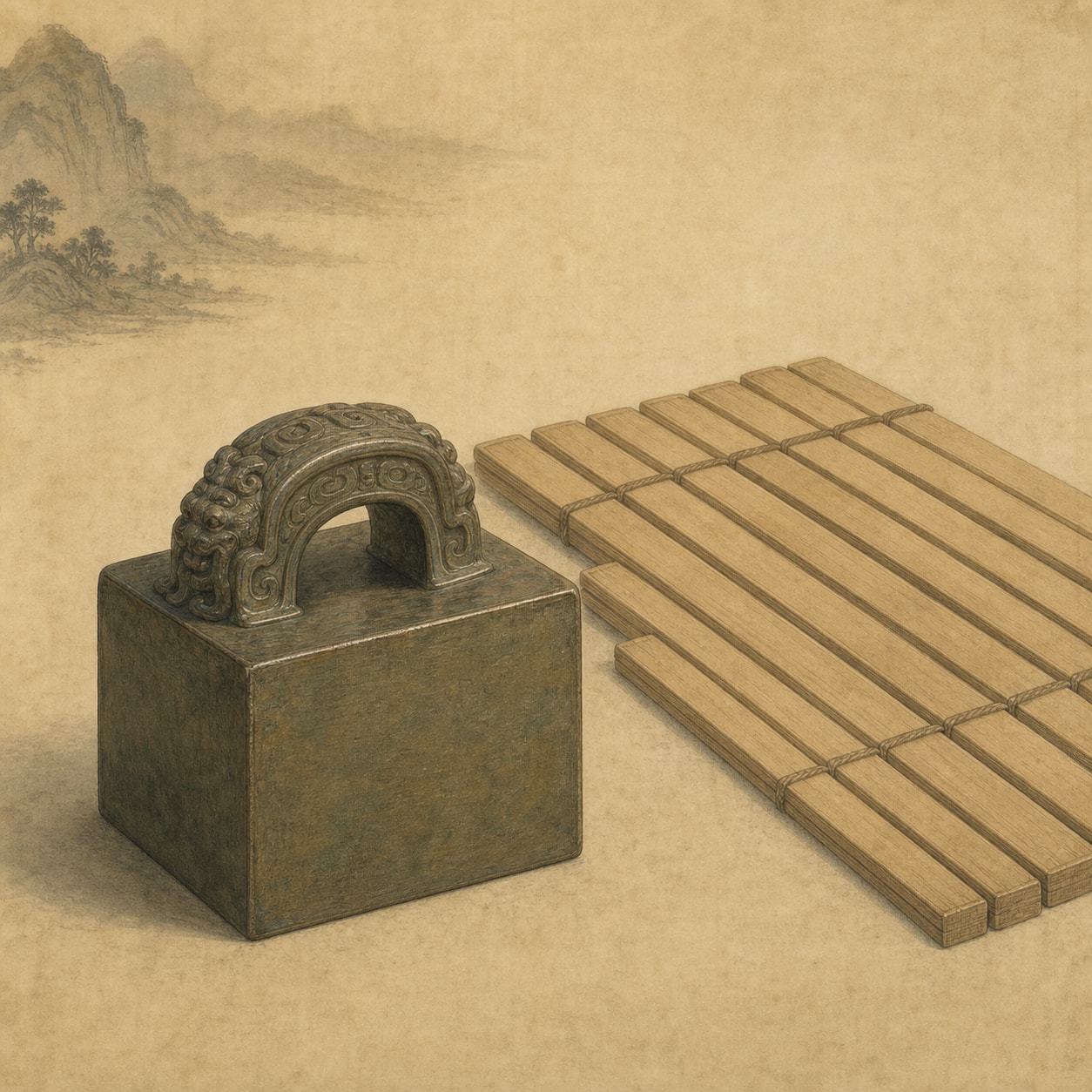
Qin adopted institutional reforms associated with Legalist statecraft and strengthened its power.
221 BC
Qin unifies China
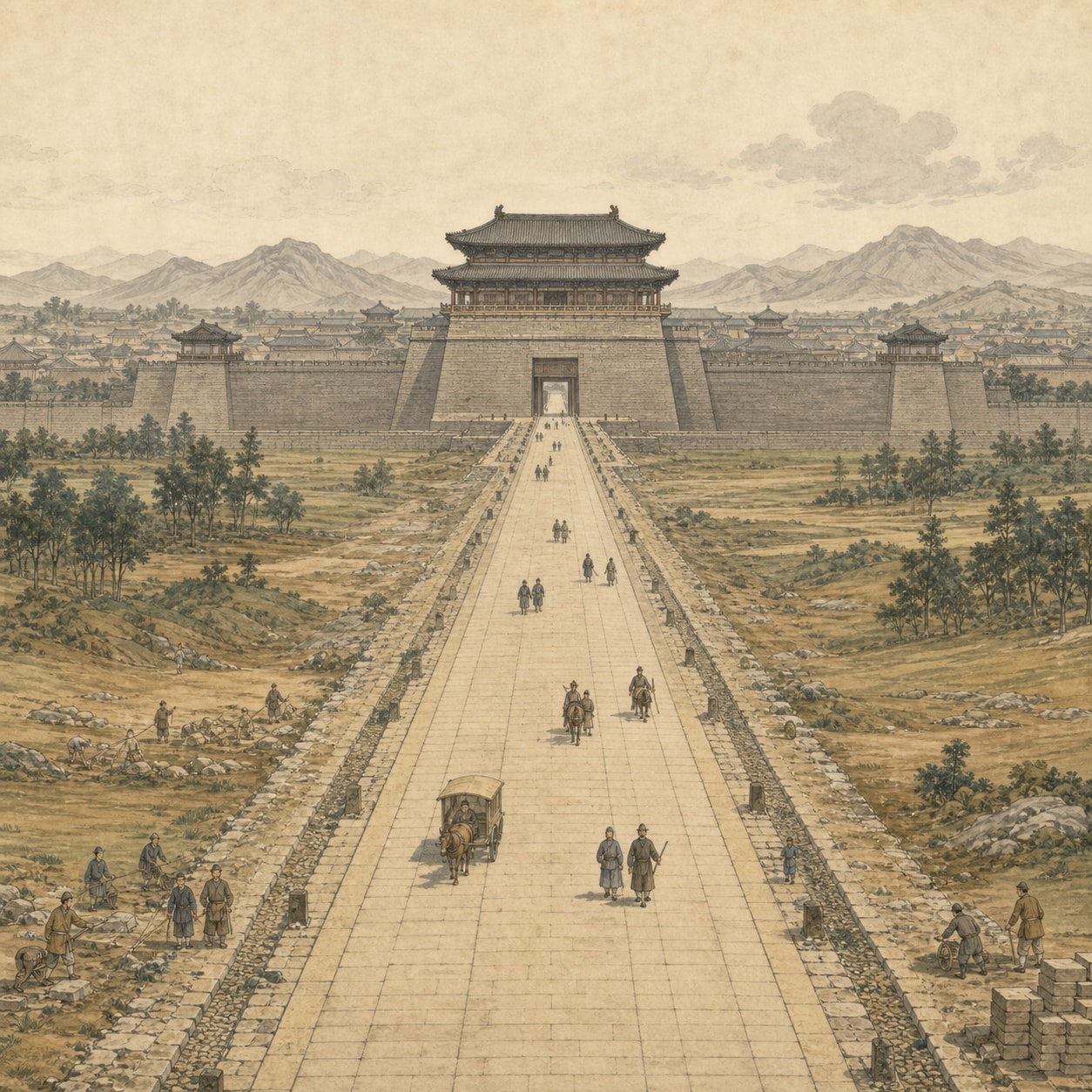
King Zheng of Qin conquered the rival states and brought the Warring States period to an end.


Sources
- Chinese LegalismStanford Encyclopedia of PhilosophyA philosophical overview of the formation and central concepts of Chinese Legalism.
- Key Points across East Asian HistoryAsia for Educators, Columbia UniversityAn educational chronology placing the Hundred Schools in the wider course of early East Asian history.
- Hundred Schools of Thought (Q864947)WikidataStructured identifiers and basic linked information for the Hundred Schools of Thought.