
Indian Independence and Partition
1885–1947
From 1885 to 1947, anti-colonial politics expanded into cross-regional mass movements and party negotiations, ending British rule through the partition of India and Pakistan.

- Period
- 1885–1947
- Kind
- Political event
- Regions
- South Asia
- Keywords
- Indian independence movement · Indian National Congress · Muslim League · nonviolent resistance · Partition of India
Follow the story · Four stages
Background
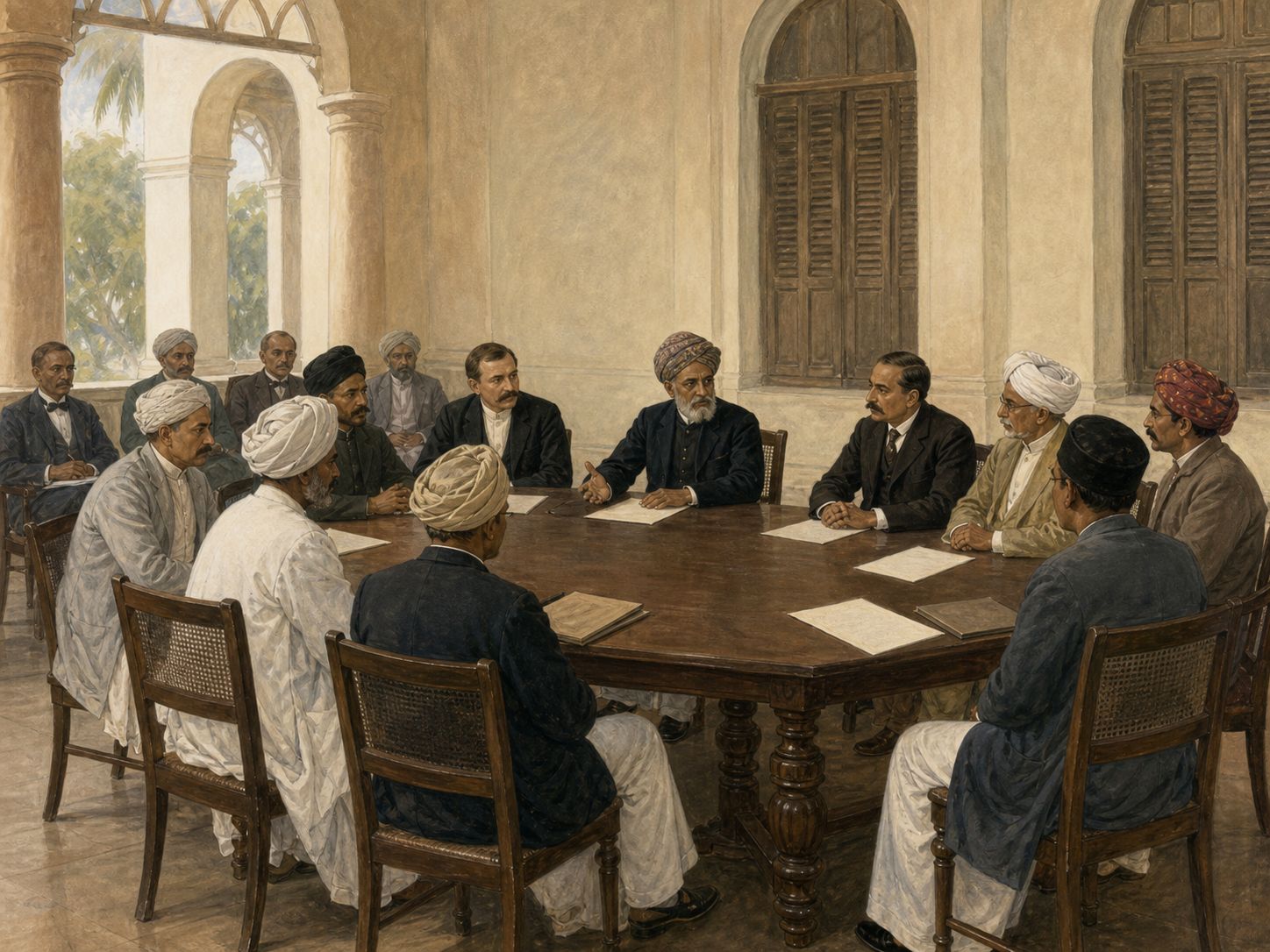
The Indian National Congress, founded in 1885, became a forum for political deliberation, while protest against postwar repression and non-cooperation broadened demands for self-rule and independence.
- Founded in 1885, the Indian National Congress became a forum for discussing political reform under colonial rule. Its early participation was limited, but it created an enduring institutional base for politicians from several regions to share demands.
- In the early twentieth century, Bal Gangadhar Tilak and others carried demands for self-rule into mass politics. The Home Rule campaigns during the First World War fostered cross-regional organization that openly argued for swaraj.
- The Amritsar massacre of 1919 and the repression surrounding it intensified opposition to colonial rule. Tagore renounced his knighthood in protest, while politics moved beyond petitions toward non-cooperation and wider mobilization.
Course
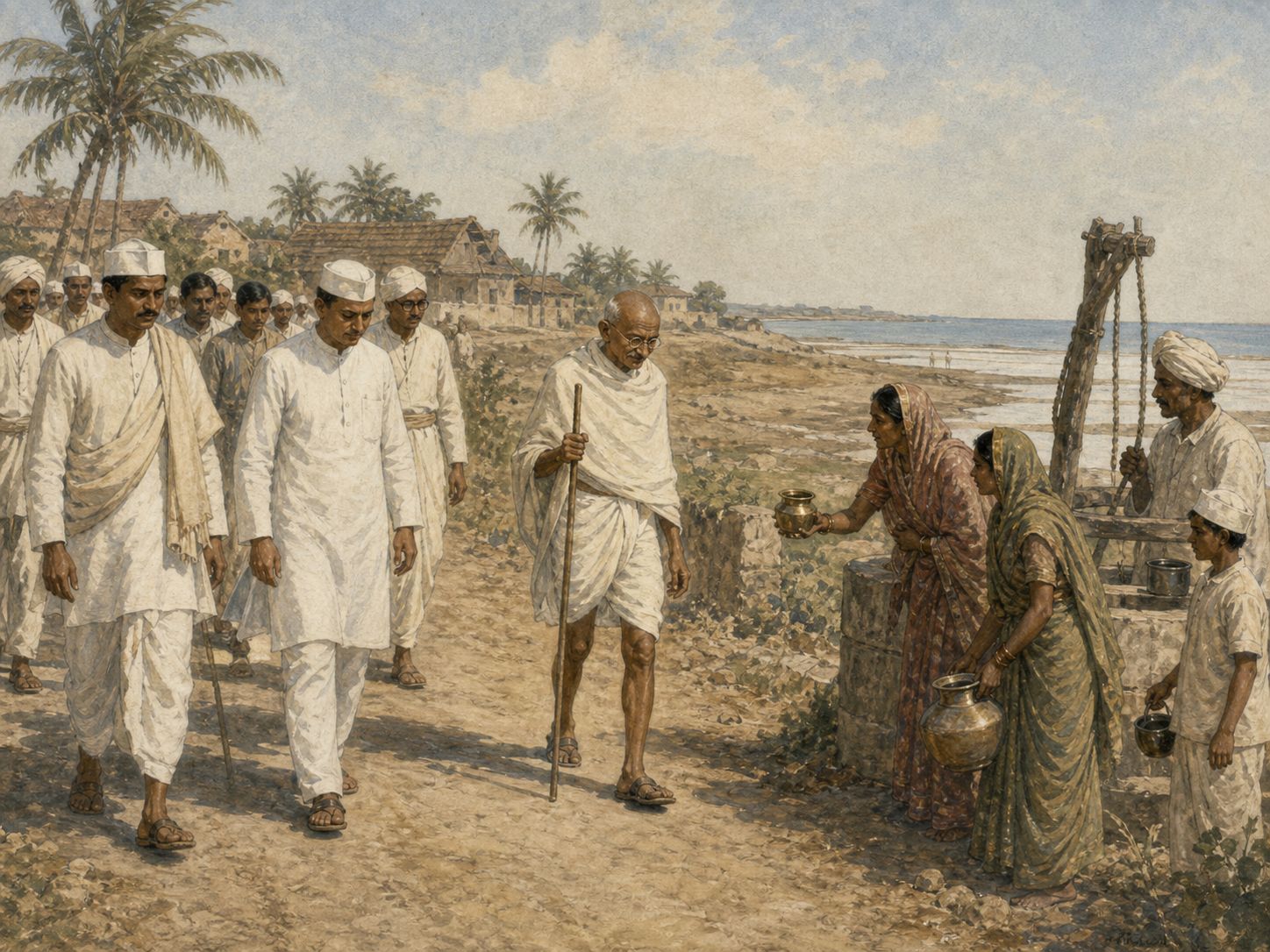
Home Rule activism associated with Tilak, Tagore's public opposition to colonial rule, and civil disobedience including Gandhi's Salt March sustained the struggle. After the Second World War, negotiations among Congress, Jinnah's Muslim League, and the colonial government converged on partition.
- Gandhi joined non-cooperation to civil disobedience, and the 1930 Salt March made the salt tax an everyday symbol of colonial rule. Participation and local interests nevertheless differed from region to region.
- Congress intensified its claim to independence, while the Muslim League under Mohammad Ali Jinnah expanded demands for Muslim political safeguards and a separate state. Their programs also interacted with provincial politics and minority fears.
- After the Second World War, negotiations among the British government, Congress, and the Muslim League failed to secure a shared federal plan. Talks in 1946 and mounting violence were followed in 1947 by a decision to accelerate independence through partition.
Outcome
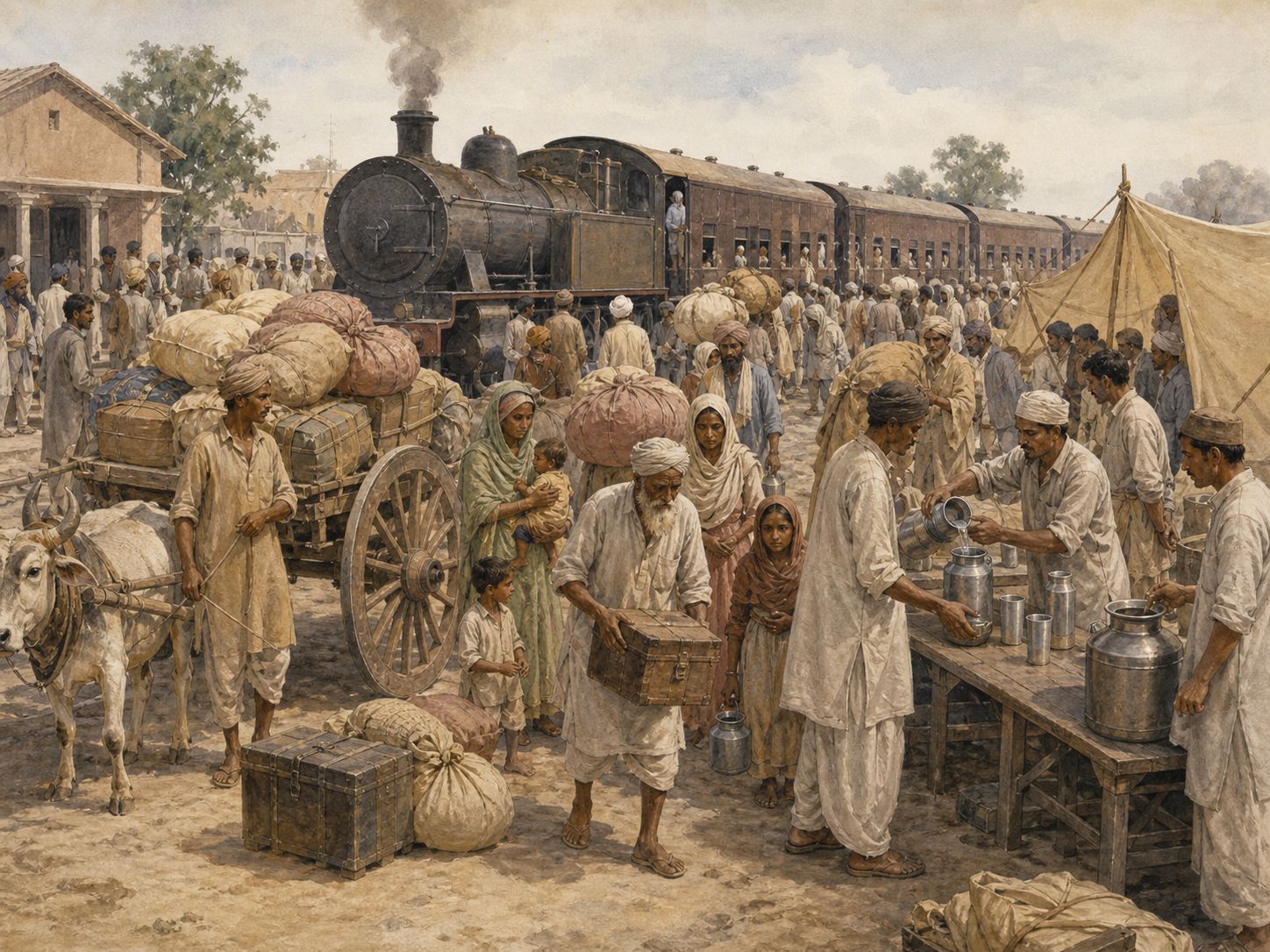
India and Pakistan emerged in August 1947, while Bengal and Punjab were divided. Hastily drawn boundaries brought mass flight, communal violence, and the loss of family, property, and home.
- Pakistan and India became independent in August 1947, ending direct British rule. Independence culminated a long anti-colonial struggle, but it arrived together with the partition of Bengal and Punjab.
- As boundaries were announced and authority transferred at speed, millions crossed the new borders. Trains, columns on foot, and temporary camps became settings for family separation, loss of property, and communal violence.
- Responsibility and suffering cannot be assigned to one community. State formation, colonial withdrawal, leadership decisions, local fear, and retaliation combined differently across regions.
Historical significance
Independence ended colonial rule, but partition was neither inevitable nor the choice of one community alone. Its decisions and migrations left enduring fractures in South Asian politics and society.
- Independence and partition occurred together, but partition was not inevitable from the movement's beginning. It must be understood through accumulated choices about federation, representation, provincial futures, and security.
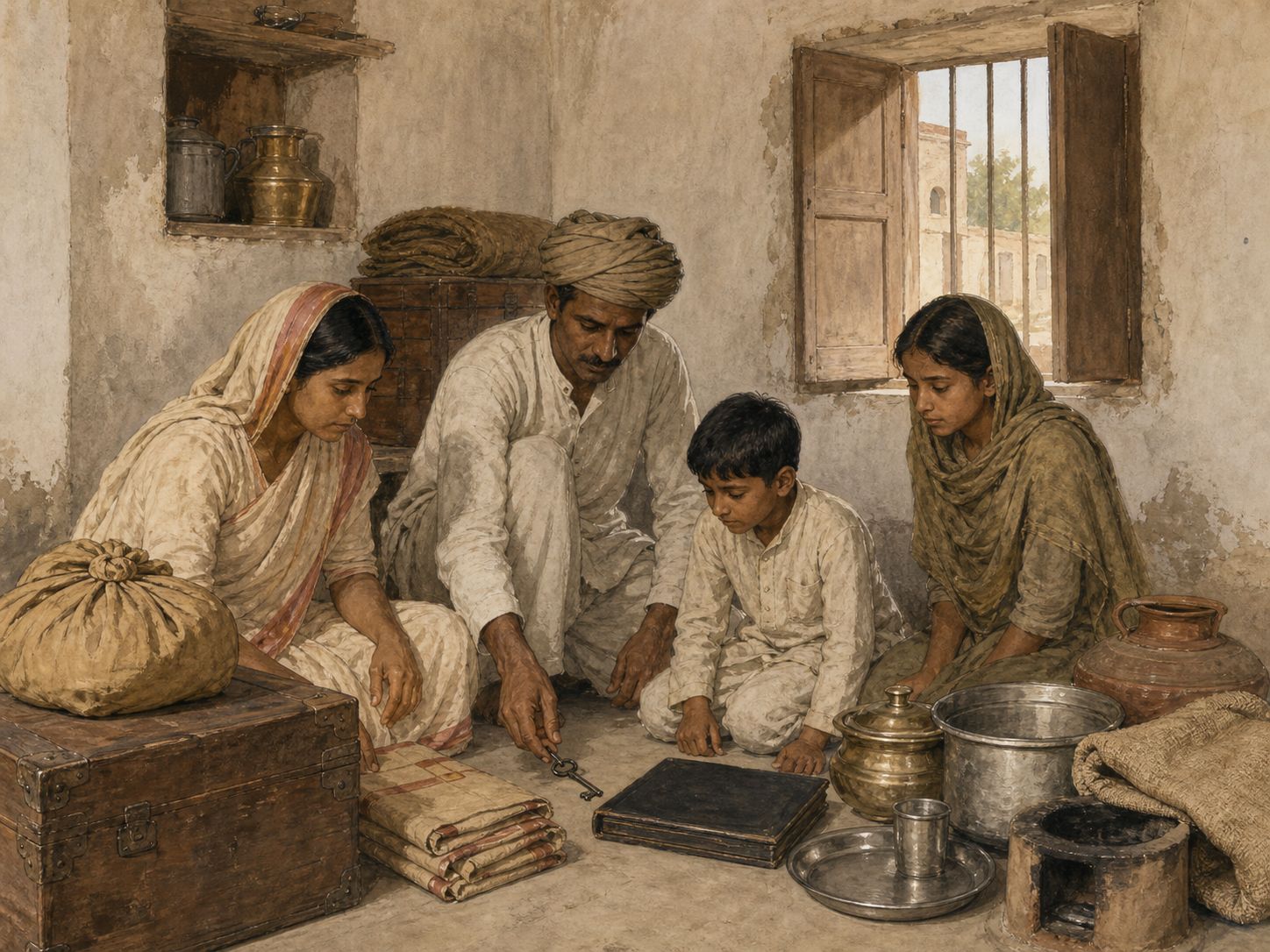
- Displaced people rebuilt work, homes, and family life in new settlements while carrying memories of places they had lost. Everyday objects such as keys, photographs, papers, and cooking vessels also became records of partition.
- The borders and migrations of 1947 left lasting effects on the politics and societies of India, Pakistan, and later Bangladesh. Understanding the event requires holding the achievement of independence together with the losses of partition.


Related figures
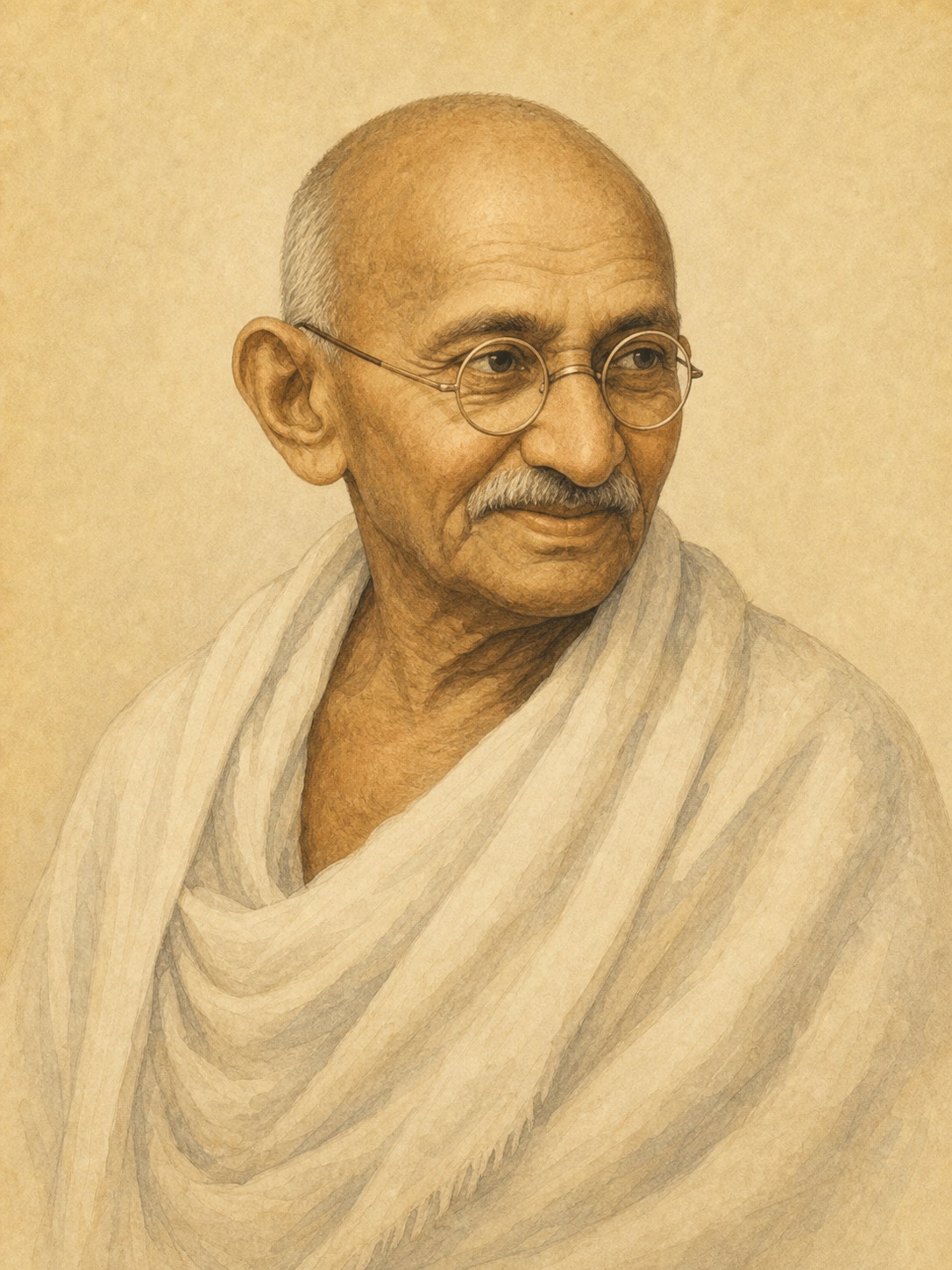
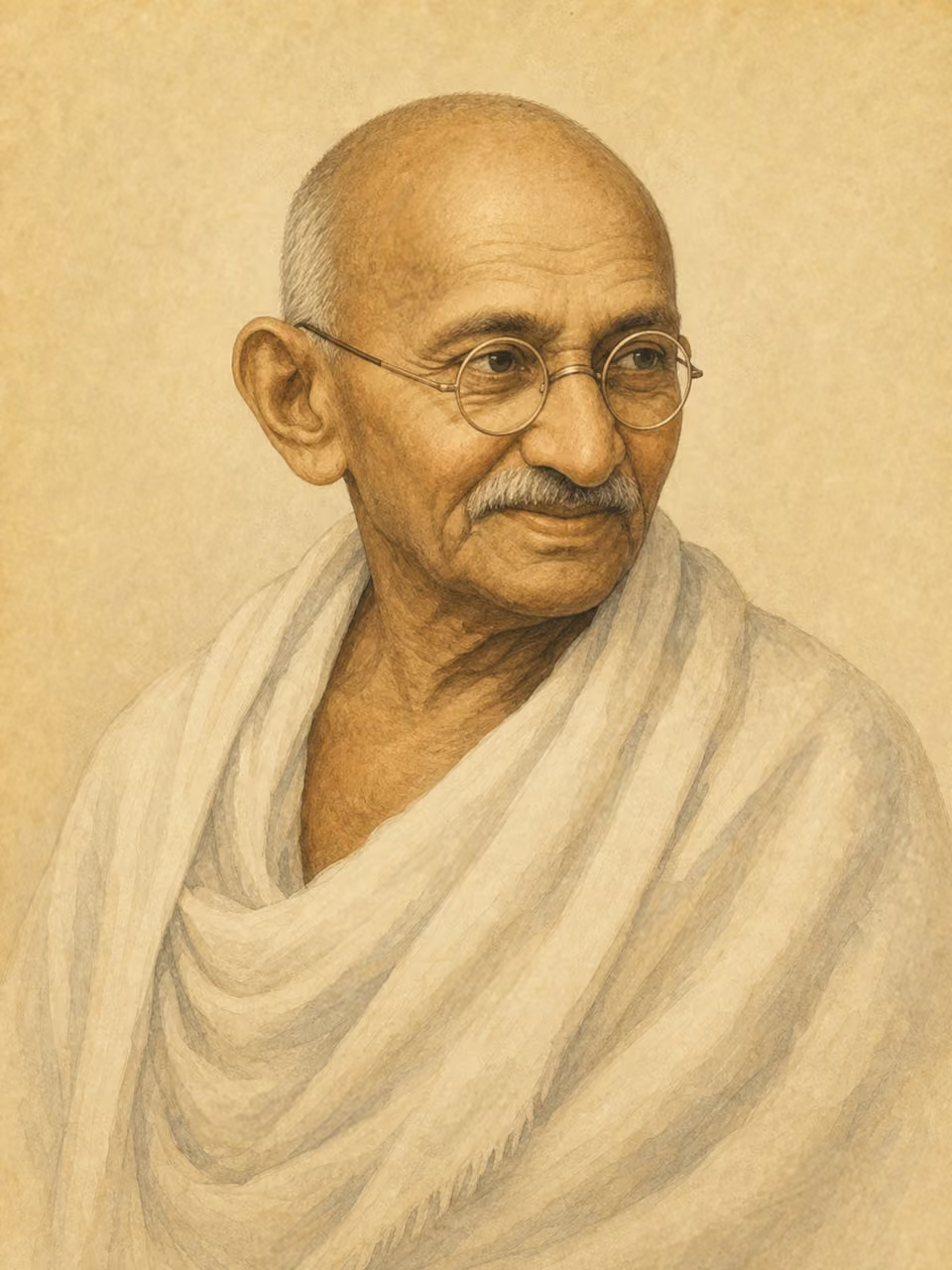
Mahatma Gandhi
Leader of nonviolent mass politics
Gandhi led non-cooperation and civil disobedience and broadened resistance to colonial rule through the 1930 Salt March. He argued for a united India but could not prevent partition.
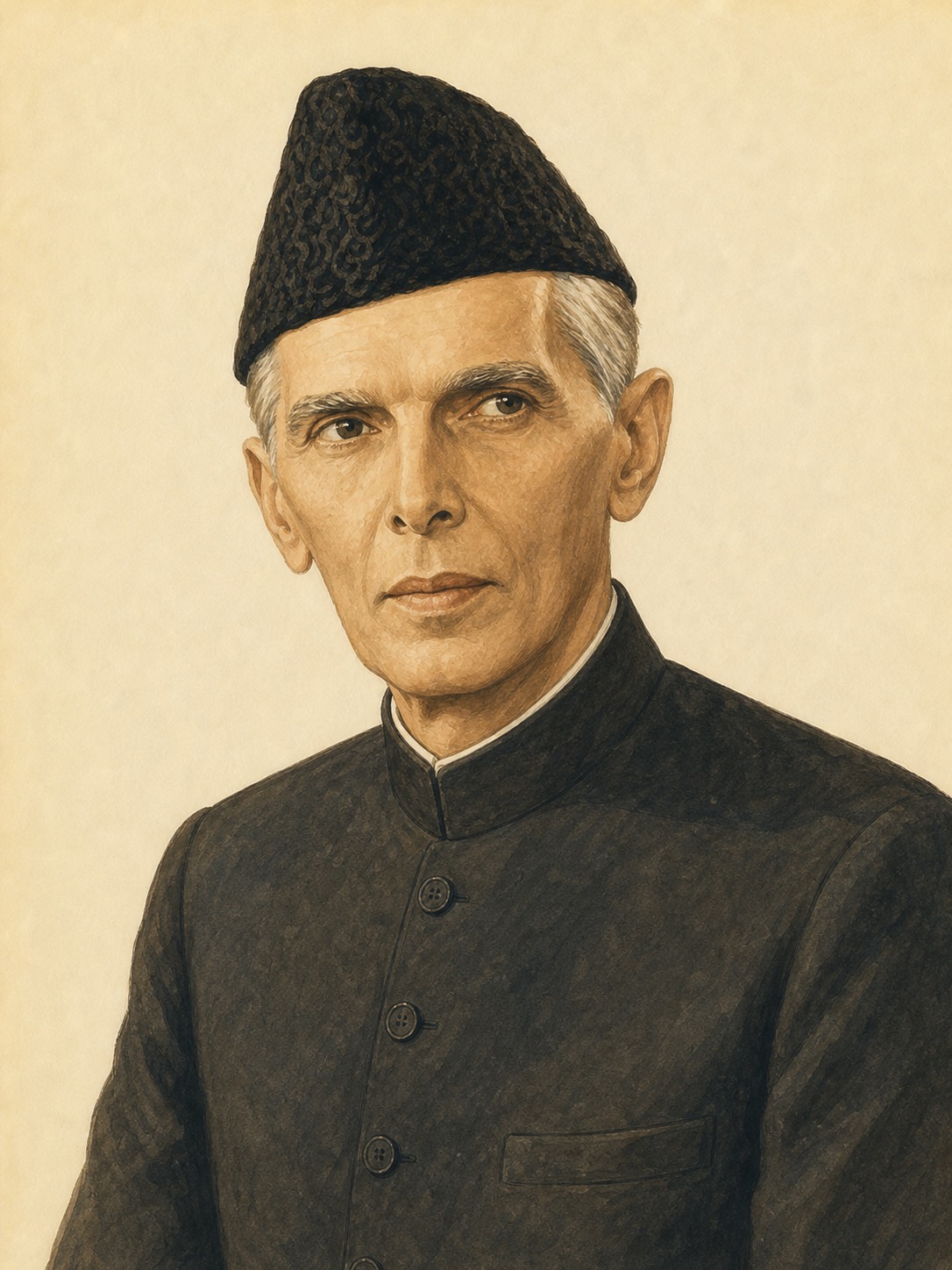
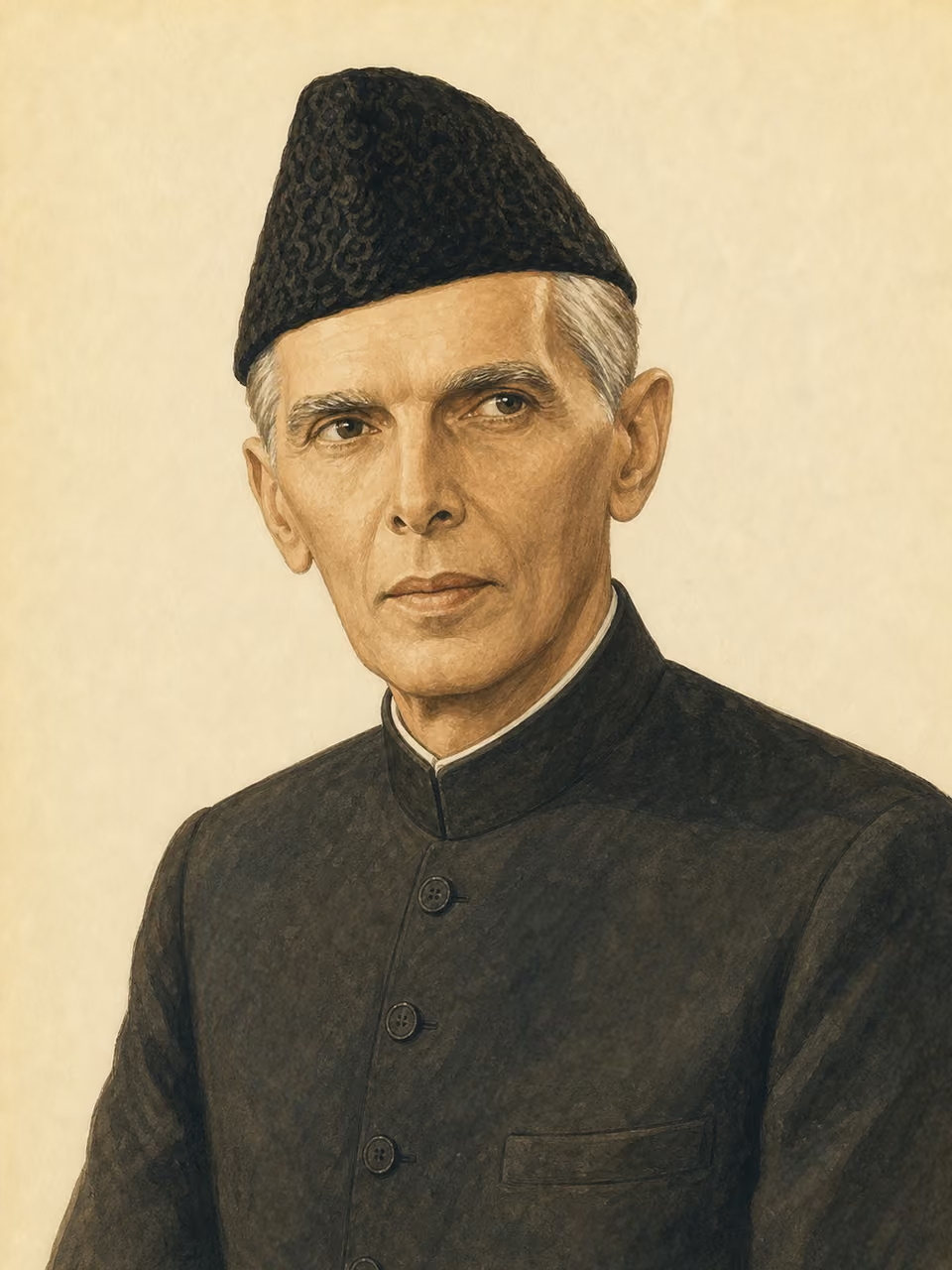
Mohammad Ali Jinnah
Leader of the Muslim League
Jinnah led negotiations for Muslim political safeguards and became central to the demand for Pakistan in the 1940s. He became Pakistan's first governor-general at independence in 1947.
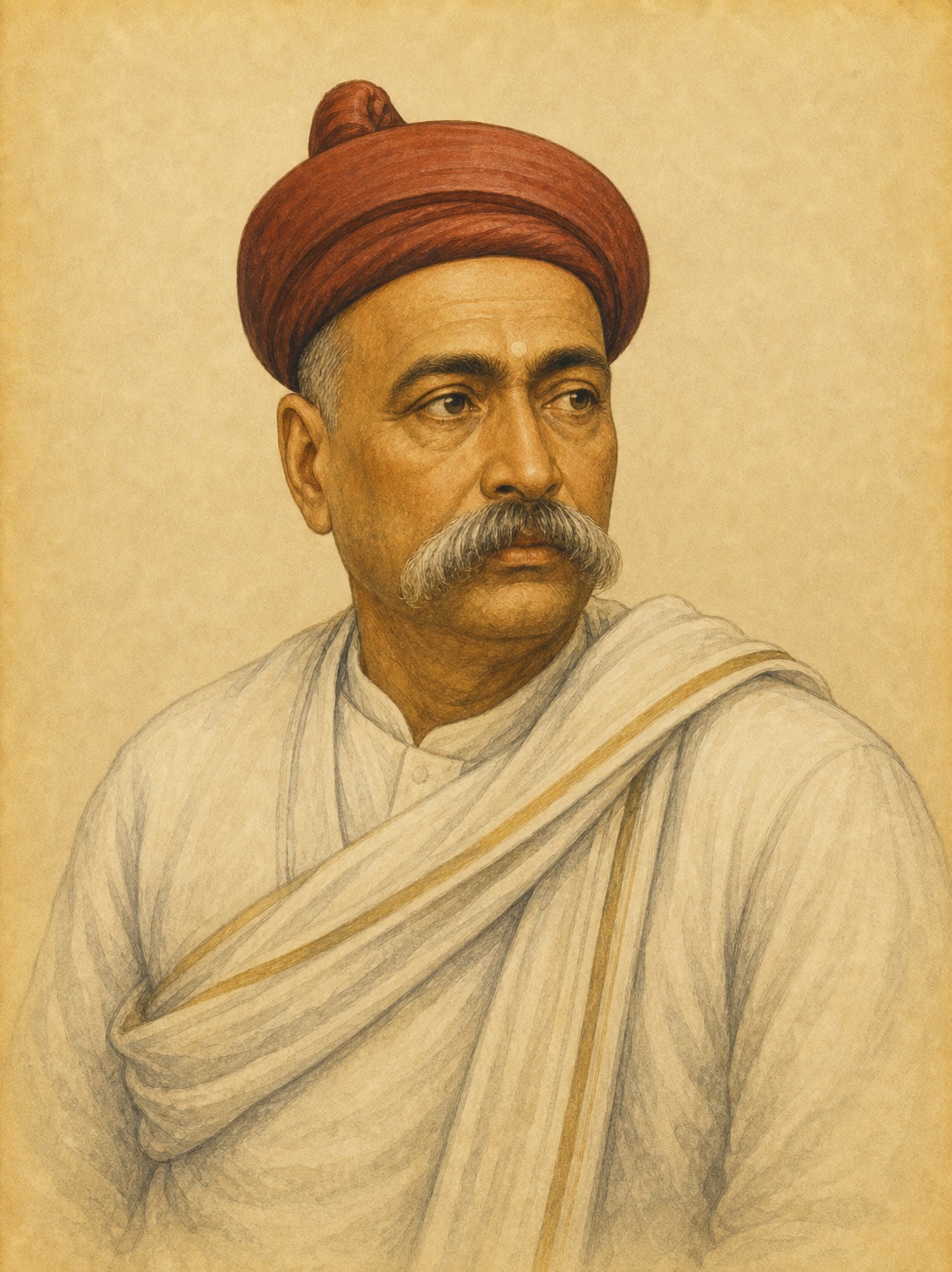
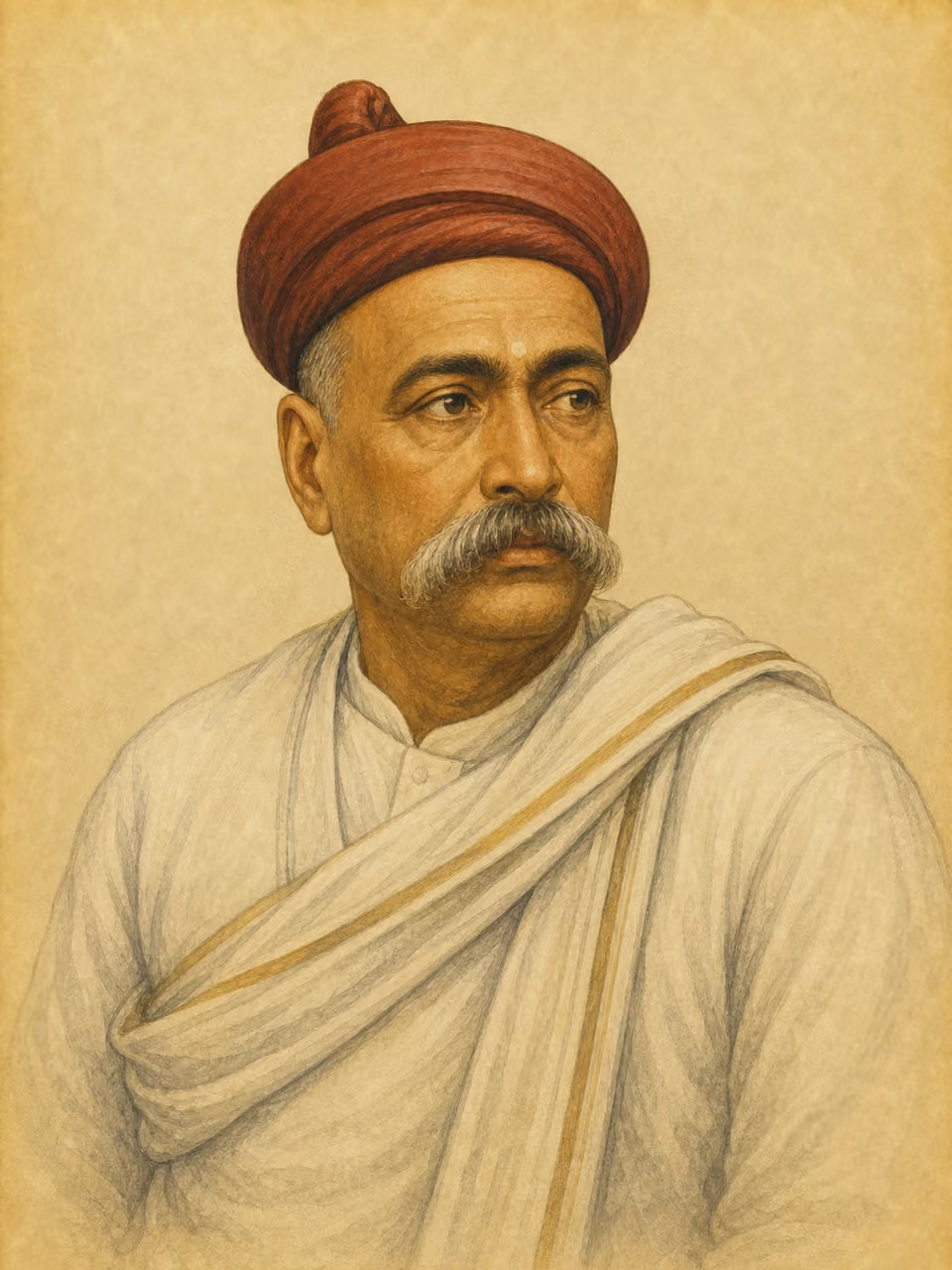
Bal Gangadhar Tilak
Home Rule politician and publicist
Tilak spread demands for self-rule in the early twentieth century and organized Home Rule politics from 1916. His work helped build a political base for later mass independence campaigns.
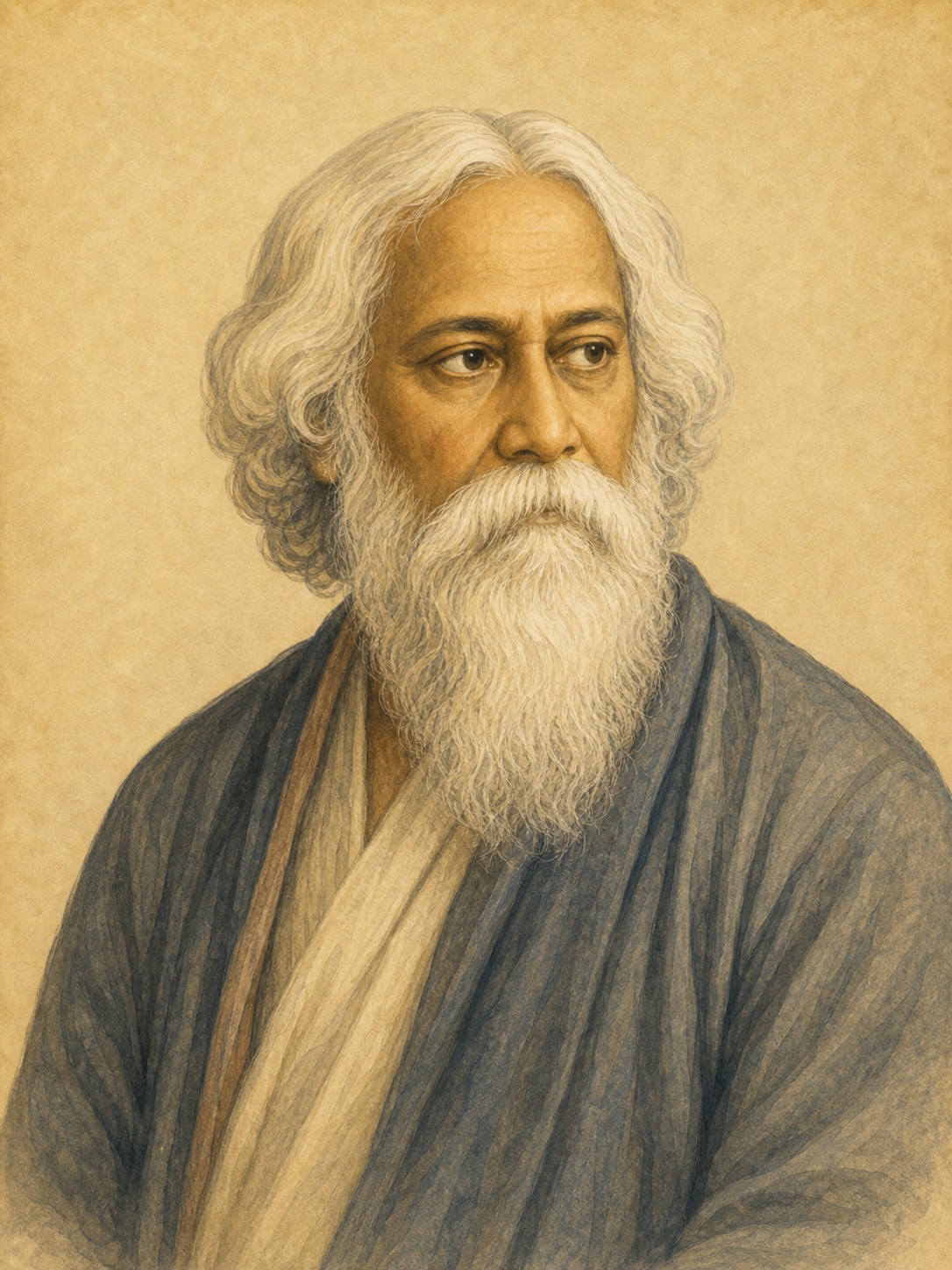
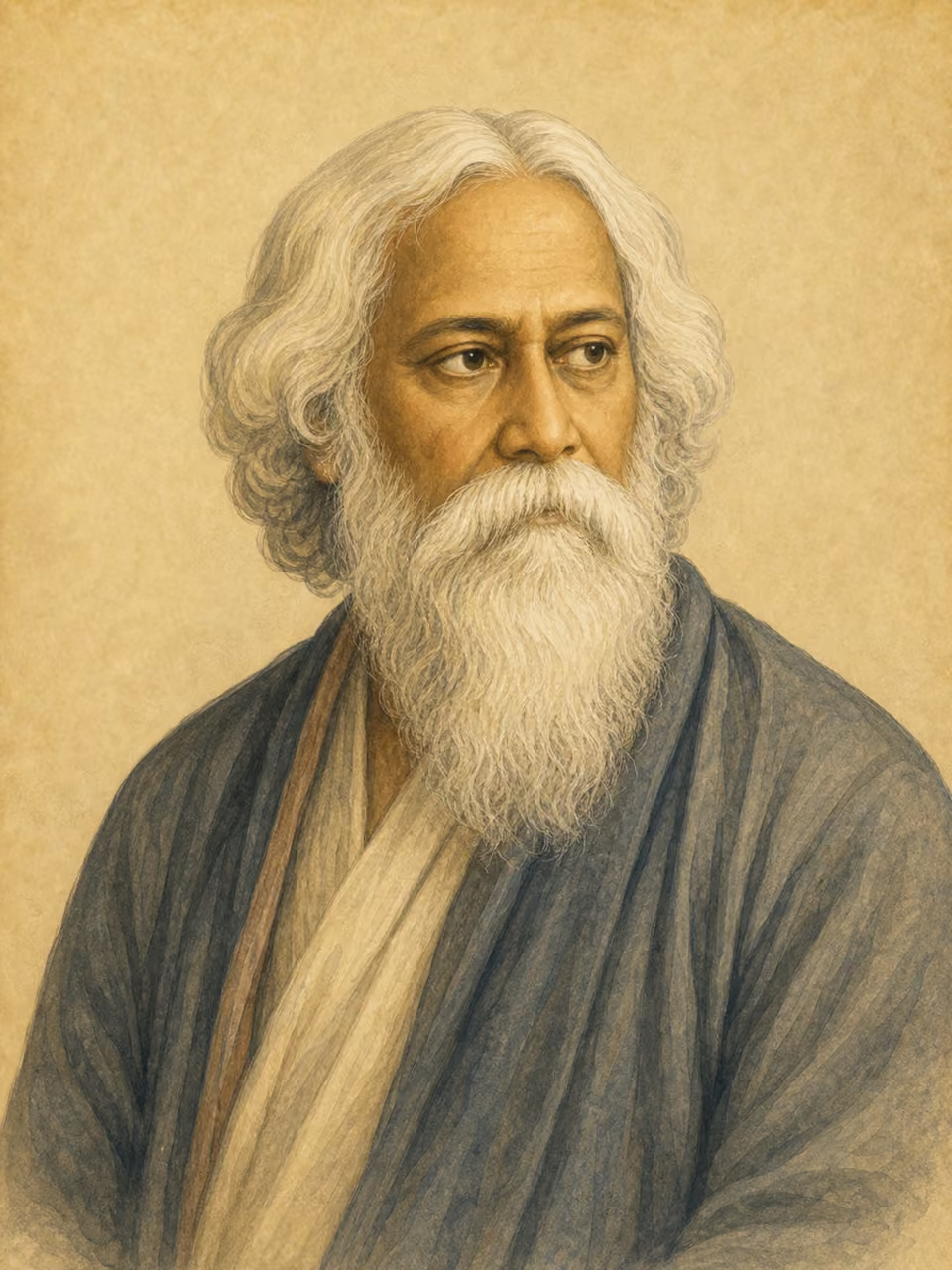
Rabindranath Tagore
Poet and critic of colonial rule
Tagore renounced his knighthood after the Amritsar massacre of 1919. He opposed colonial rule while also warning against the dangers of exclusionary nationalism.
Related events
1885
The Indian National Congress forms
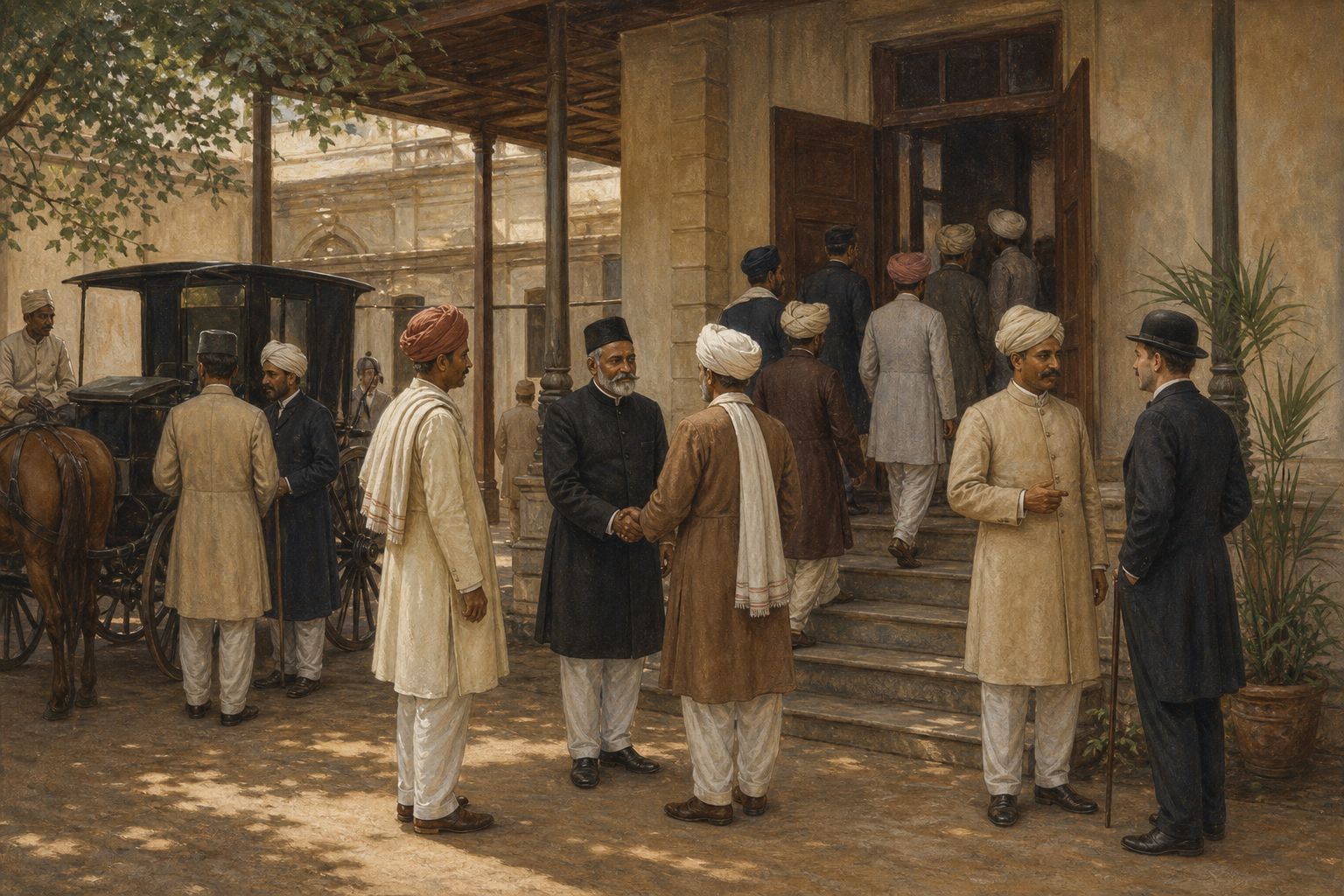
The first Congress met in Bombay in 1885, creating an enduring forum in which politicians from several regions discussed demands for reform.
1916–1922
From Home Rule to mass mobilization
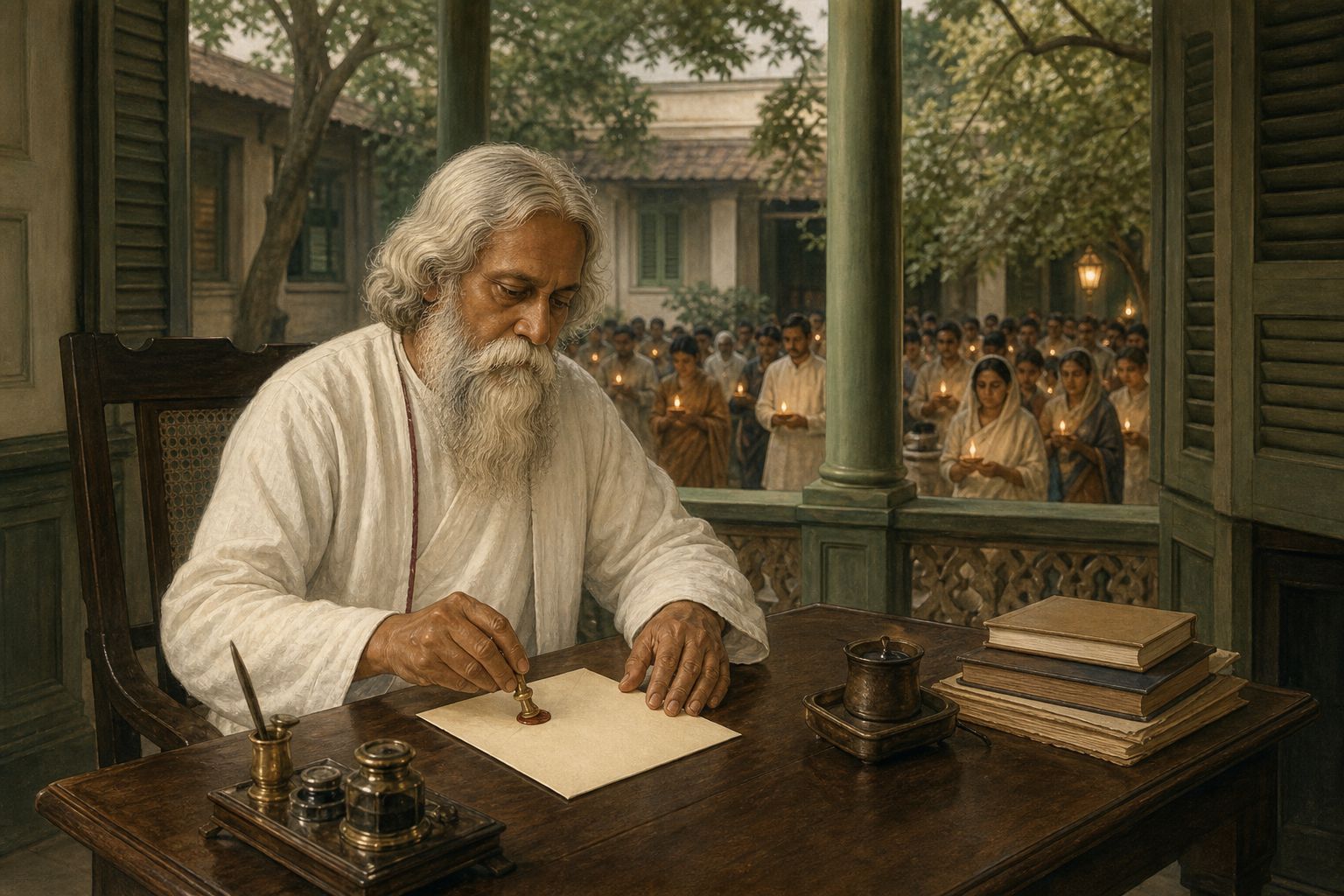
Home Rule campaigns, protest against repression in 1919, and non-cooperation carried demands for self-government and independence to wider publics.
1930–1947
From the Salt March to independence and partition
Current event
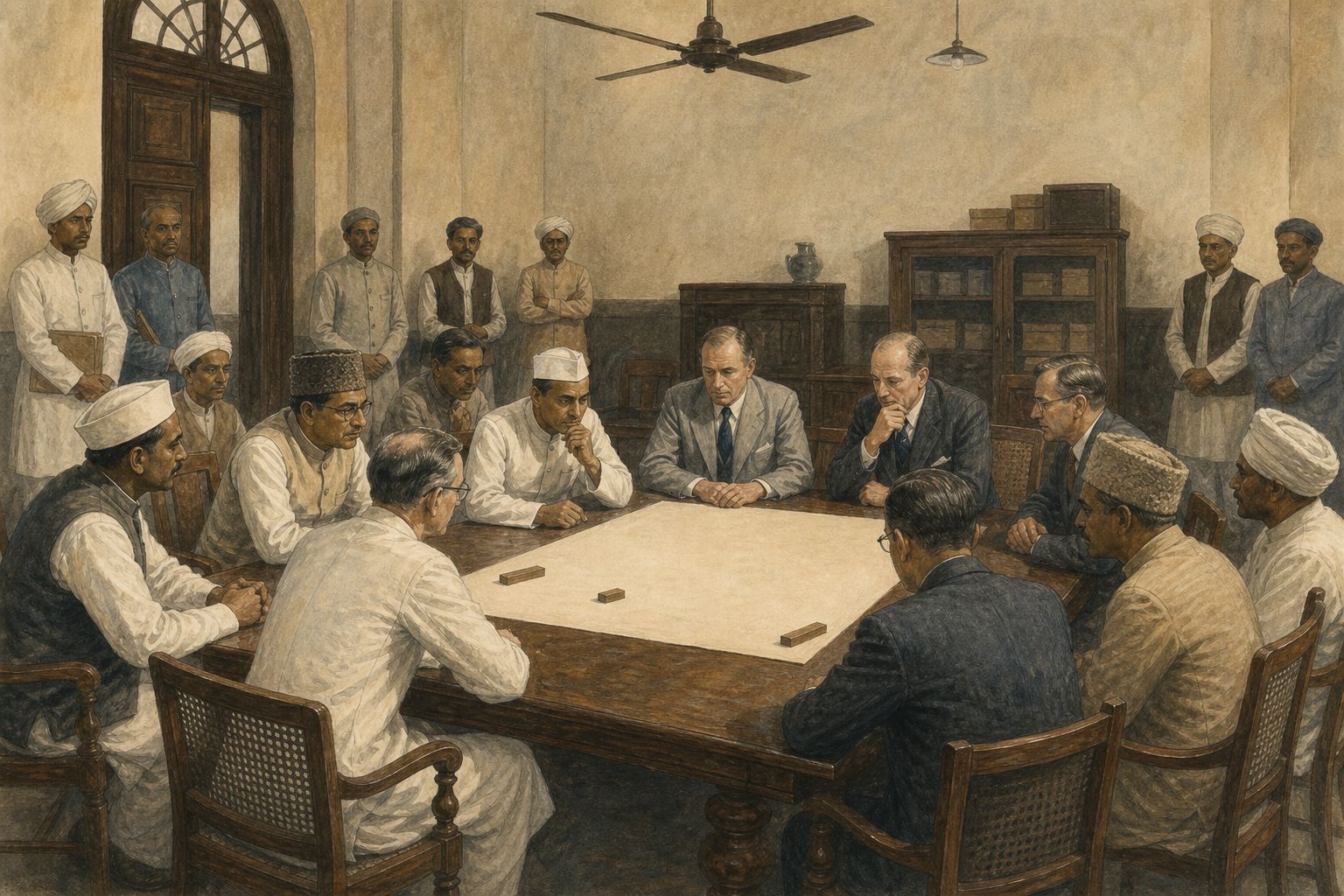
After the Salt March in 1930, civil disobedience, party politics, wartime change, and postwar negotiation converged on independence through partition in 1947.
1947
India and Pakistan become independent
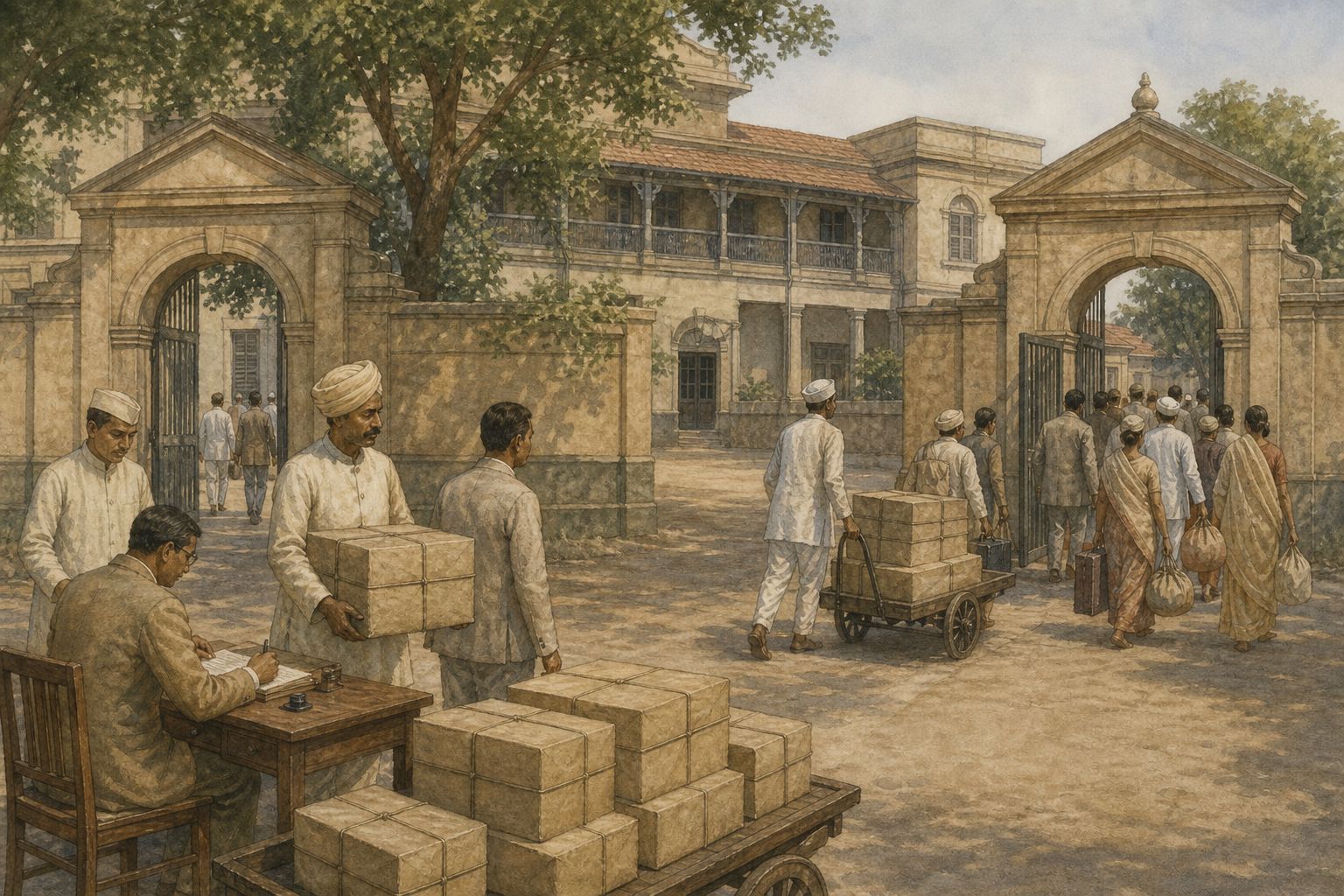
Two independent states emerged in August 1947 through a rapid transfer of authority that also divided Bengal and Punjab.
1947–1948
Displacement, resettlement, and partition memory
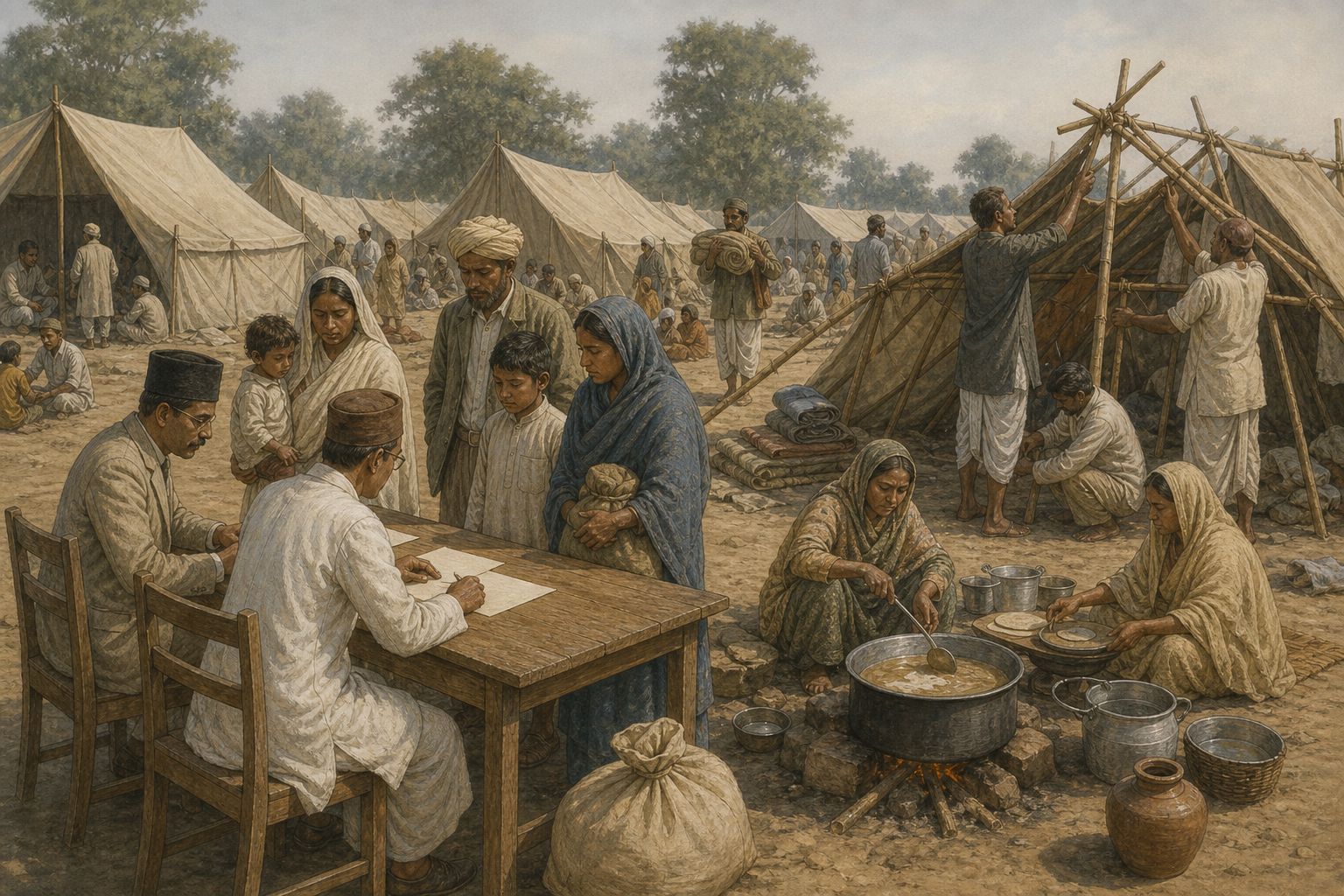
After mass movement and violence, survivors rebuilt homes and livelihoods. Memories of loss and resettlement remained embedded in South Asian societies.


Sources
- Presidential lecture on the Indian independence movement and the history of CongressPresident of IndiaConfirms the formation of Congress, the development of the independence movement, and major political turning points.
- Bal Gangadhar TilakMuseums of IndiaSupports Tilak's Home Rule activity and place in the independence movement.
- Dandi March DetailsGandhi Heritage PortalConfirms the route, participation, and sequence of the Salt March in 1930.
- Indian IndependenceThe National Archives, United KingdomProvides records for the independence movement, postwar negotiations, and independence and partition in 1947.
- The Raj and Independence 1914–47UK ParliamentSupports the history of British rule, political movements, and transfer of authority from the First World War to 1947.
- The 1947 Indian Independence ActUK ParliamentConfirms the statutory transfer of power that created India and Pakistan.
- Rabindranath Tagore's Renunciation of KnighthoodPress Information Bureau, Government of IndiaSupports Tagore's protest and renunciation of his knighthood after the violence of 1919.