
Foundation of the Maurya Empire
c. 322 BC
The political transition around 322 BCE in which Chandragupta replaced the Nanda dynasty in Magadha and founded the state that grew into South Asia's first large-scale empire.

- Period
- c. 322 BC
- Kind
- Political event
- Regions
- South Asia
- Keywords
- Foundation of the Maurya Empire · background · course · outcome
Follow the story · Four stages
Background
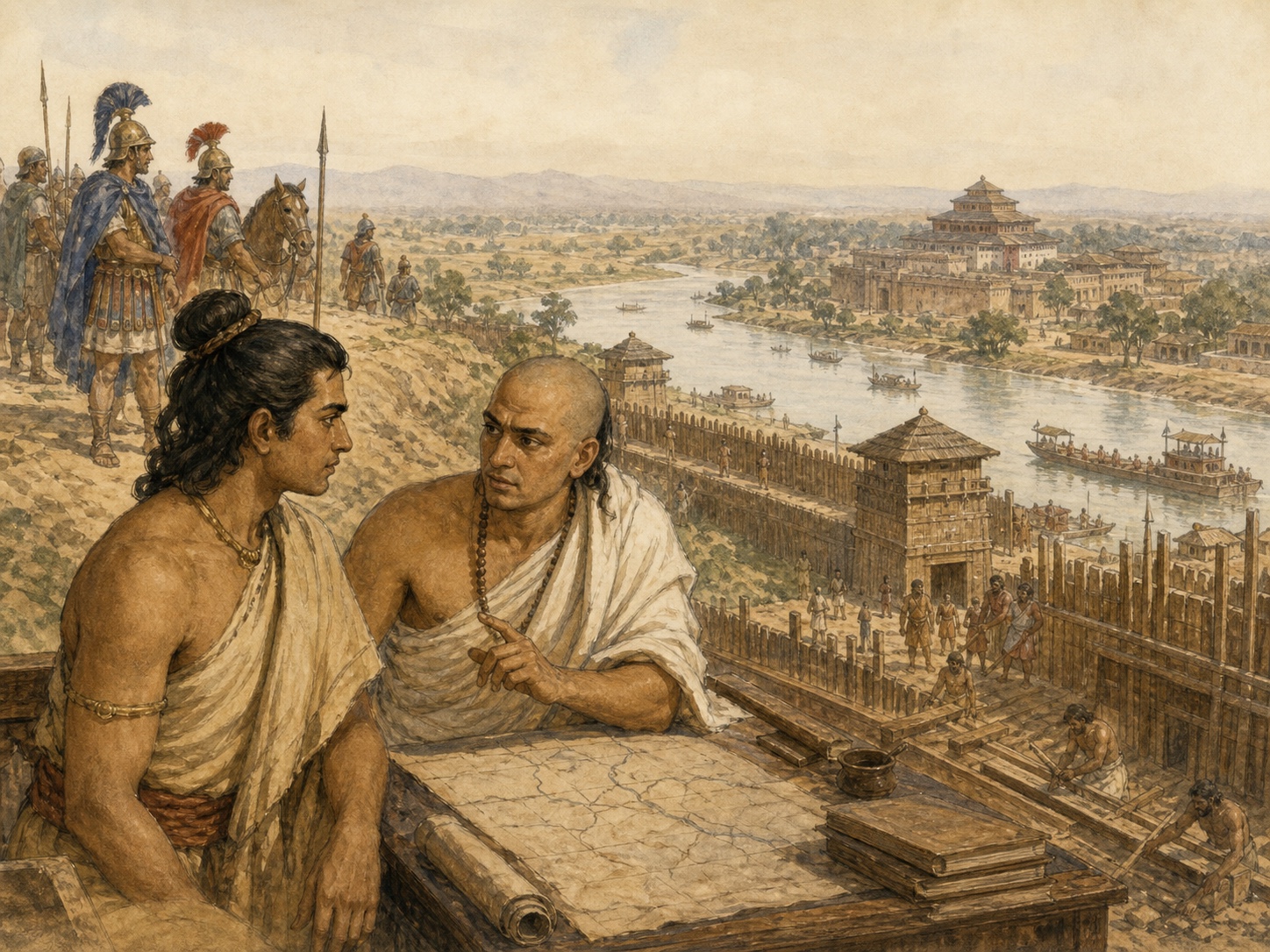
Magadha had already become a major power in the Ganges basin, while Alexander's campaigns left unsettled authority in the northwest. Chandragupta and Kautilya—remembered in later traditions as his adviser—acted within this changing political landscape.
- Magadha had already become a major power in the Ganges basin, while Alexander's campaigns left unsettled authority in the northwest.
- Chandragupta and Kautilya—remembered in later traditions as his adviser—acted within this changing political landscape.
- Core event: The political transition around 322 BCE in which Chandragupta replaced the Nanda dynasty in Magadha and founded the state that grew into South Asia's first large-scale empire.
Course
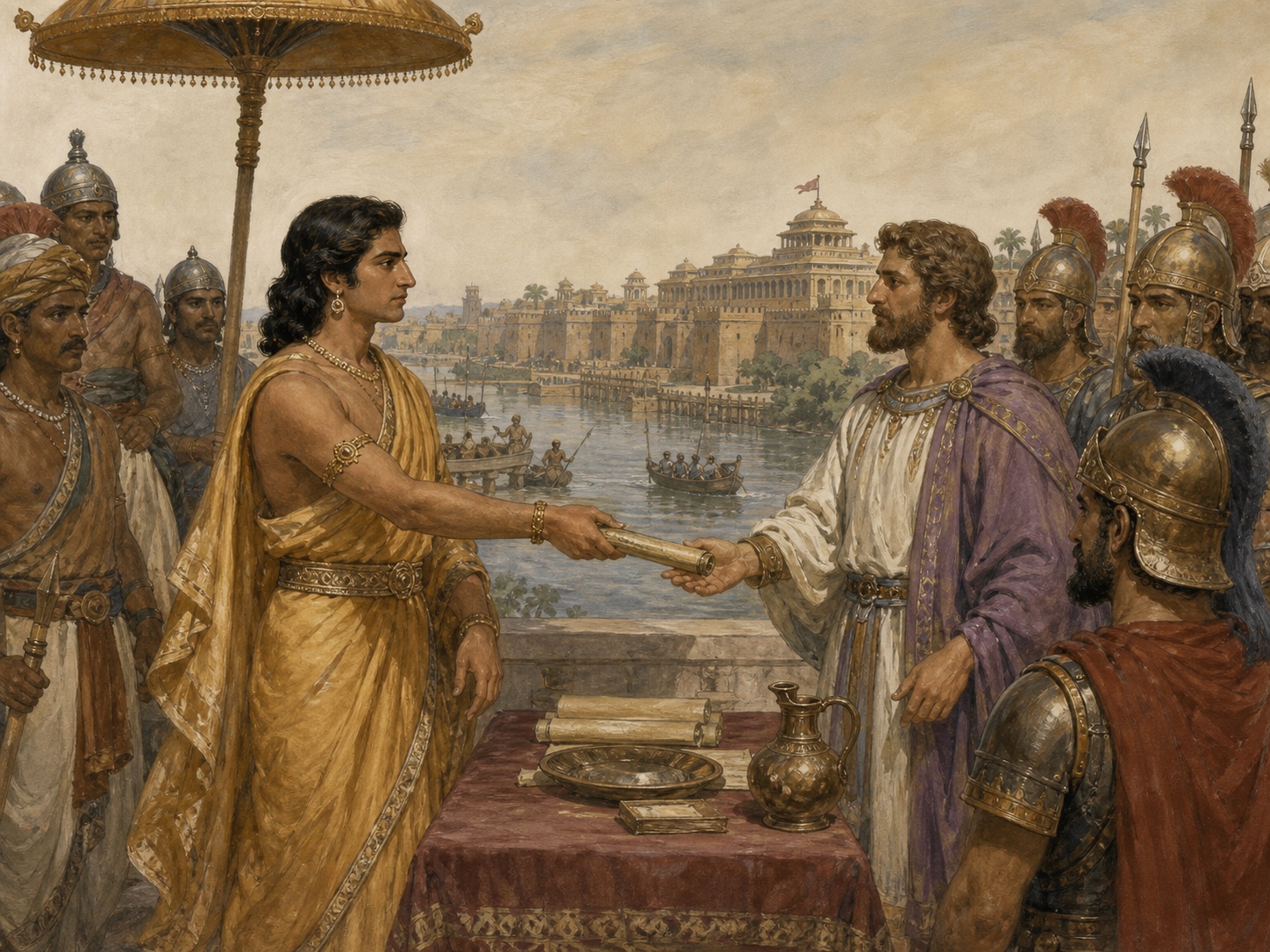
Chandragupta overthrew the Nandas, established his center at Pataliputra, and extended control across northern India. Around 305 BCE he fought Seleucus I and then reached a settlement that confirmed Mauryan power in the northwest.
- Chandragupta overthrew the Nandas, established his center at Pataliputra, and extended control across northern India.
- Around 305 BCE he fought Seleucus I and then reached a settlement that confirmed Mauryan power in the northwest.
- Conditions behind the action: Magadha had already become a major power in the Ganges basin, while Alexander's campaigns left unsettled authority in the northwest. Chandragupta and Kautilya—remembered in later traditions as his adviser—acted within this changing political landscape.
Outcome
A strong monarchy now connected a wide and growing territory, which Chandragupta's successors expanded further. The foundation date and sequence of the earliest conquests remain approximate because the evidence comes from later South Asian traditions and fragmentary Greek accounts.
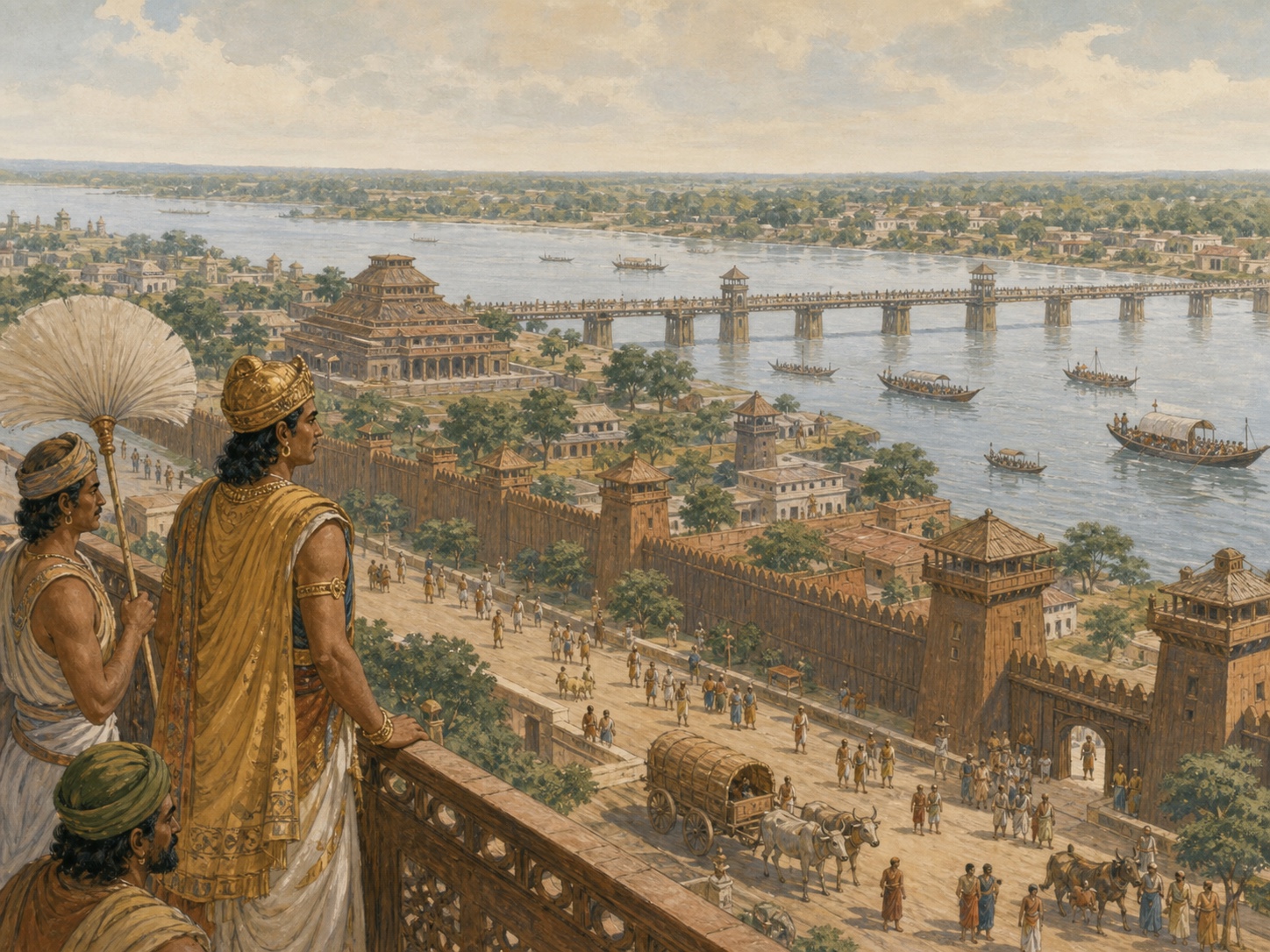
- A strong monarchy now connected a wide and growing territory, which Chandragupta's successors expanded further.
- The foundation date and sequence of the earliest conquests remain approximate because the evidence comes from later South Asian traditions and fragmentary Greek accounts.
- Process producing the result: Chandragupta overthrew the Nandas, established his center at Pataliputra, and extended control across northern India. Around 305 BCE he fought Seleucus I and then reached a settlement that confirmed Mauryan power in the northwest.
Historical significance
The new imperial base made possible Ashoka's later government, inscriptions, and patronage of Buddhism. The Mauryan foundation is central to the study of South Asian state formation, but later works such as the Arthashastra cannot simply be read as contemporary administrative records.
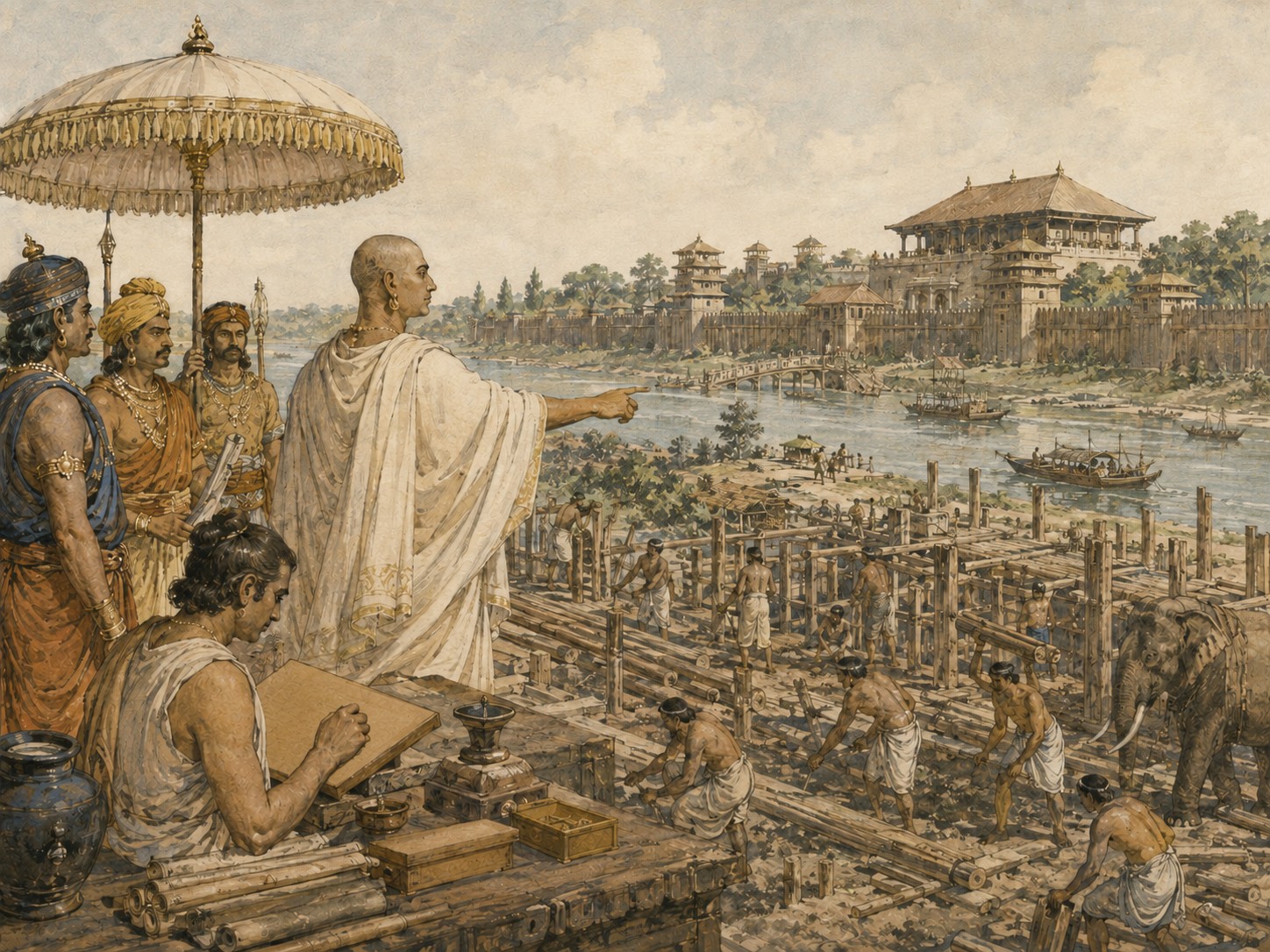
- The new imperial base made possible Ashoka's later government, inscriptions, and patronage of Buddhism.
- The Mauryan foundation is central to the study of South Asian state formation, but later works such as the Arthashastra cannot simply be read as contemporary administrative records.
- Immediate consequence: A strong monarchy now connected a wide and growing territory, which Chandragupta's successors expanded further. The foundation date and sequence of the earliest conquests remain approximate because the evidence comes from later South Asian traditions and fragmentary Greek accounts.


Related figures
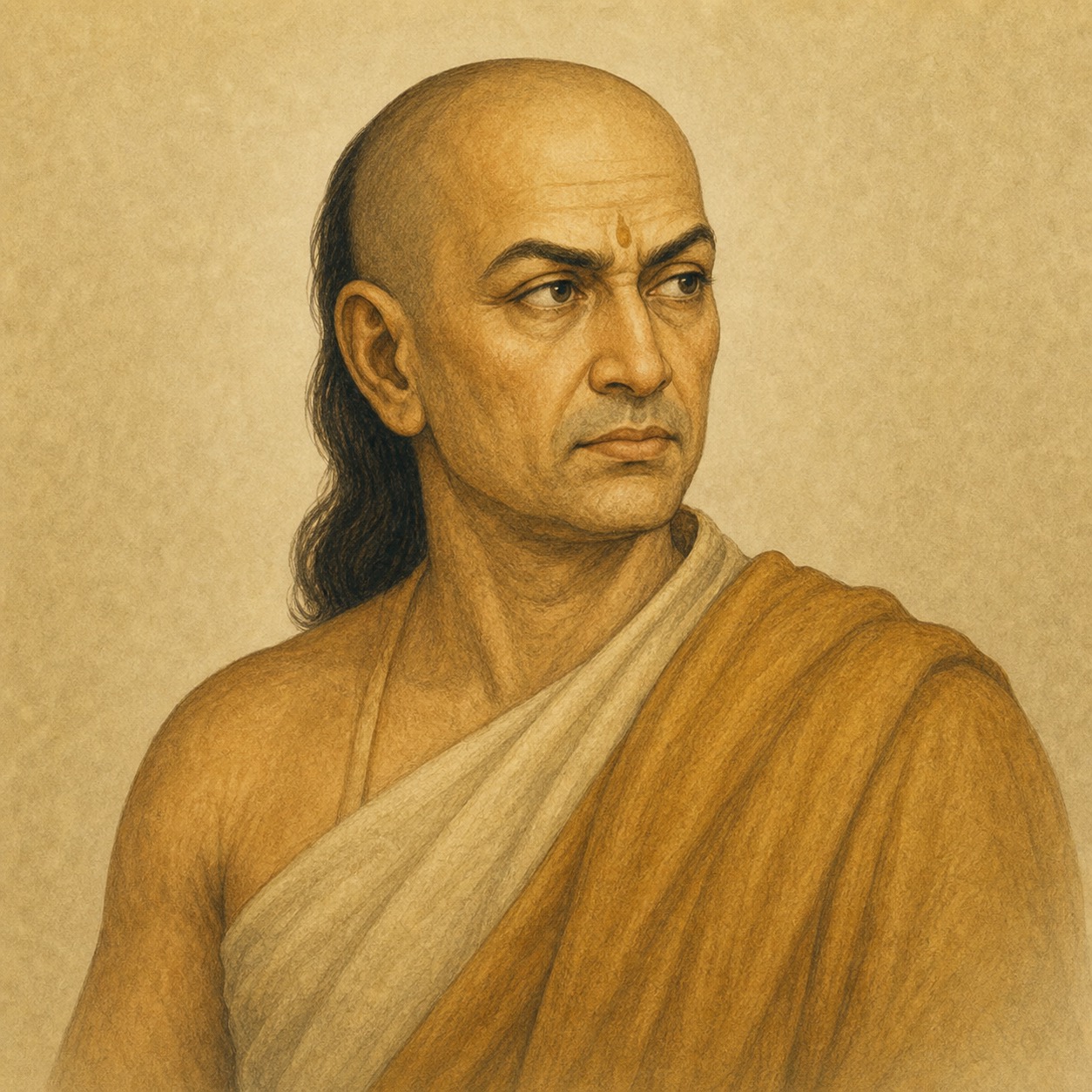
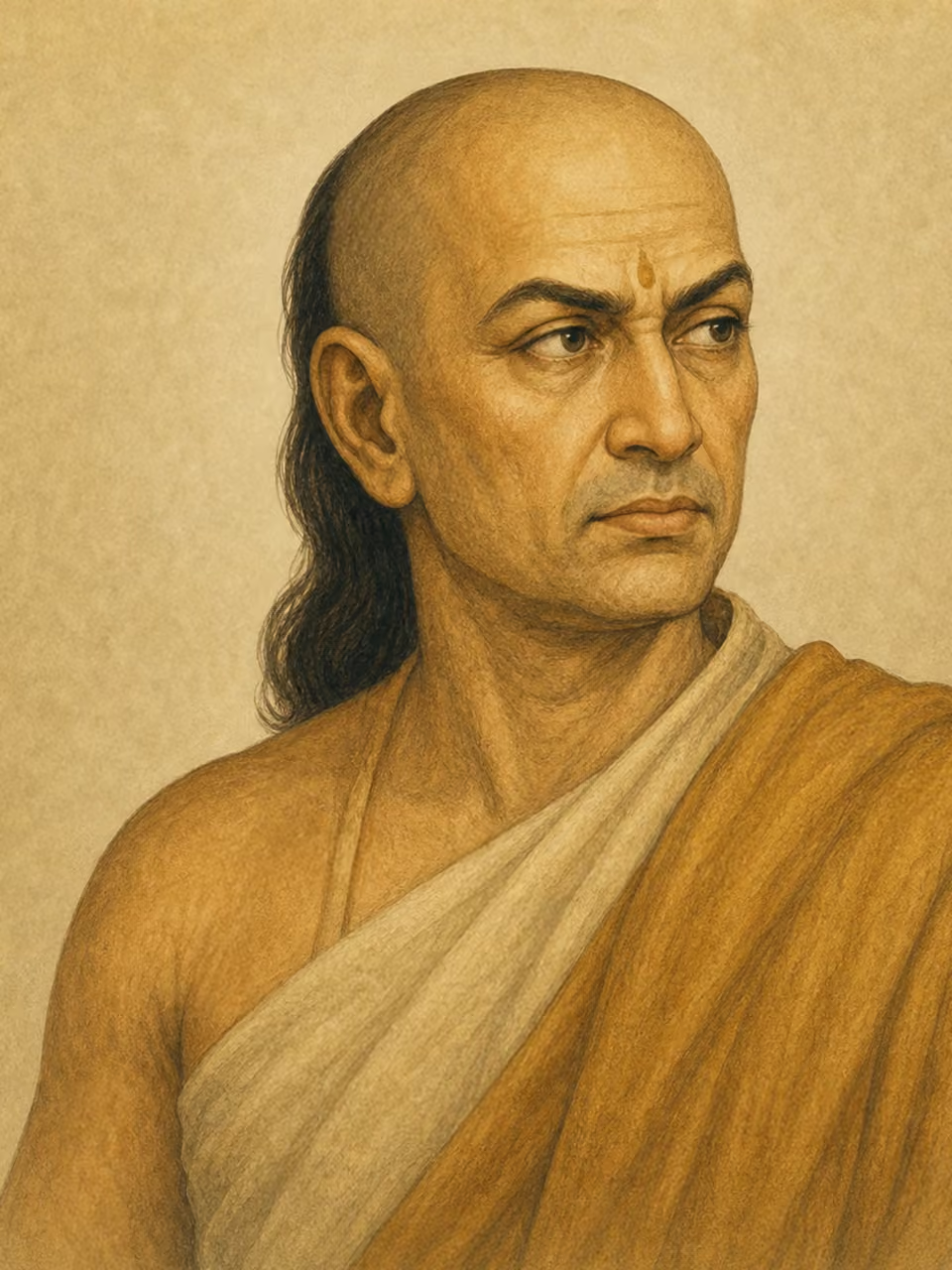
Chanakya Kautilya
historical figure in context
Ancient Indian thinker and political advisor. It is associated with ``Pragmatism,'' which supported King Chandragupta and discussed state management and diplomacy. He was a person who thought about the establishment of the Maurya dynasty.
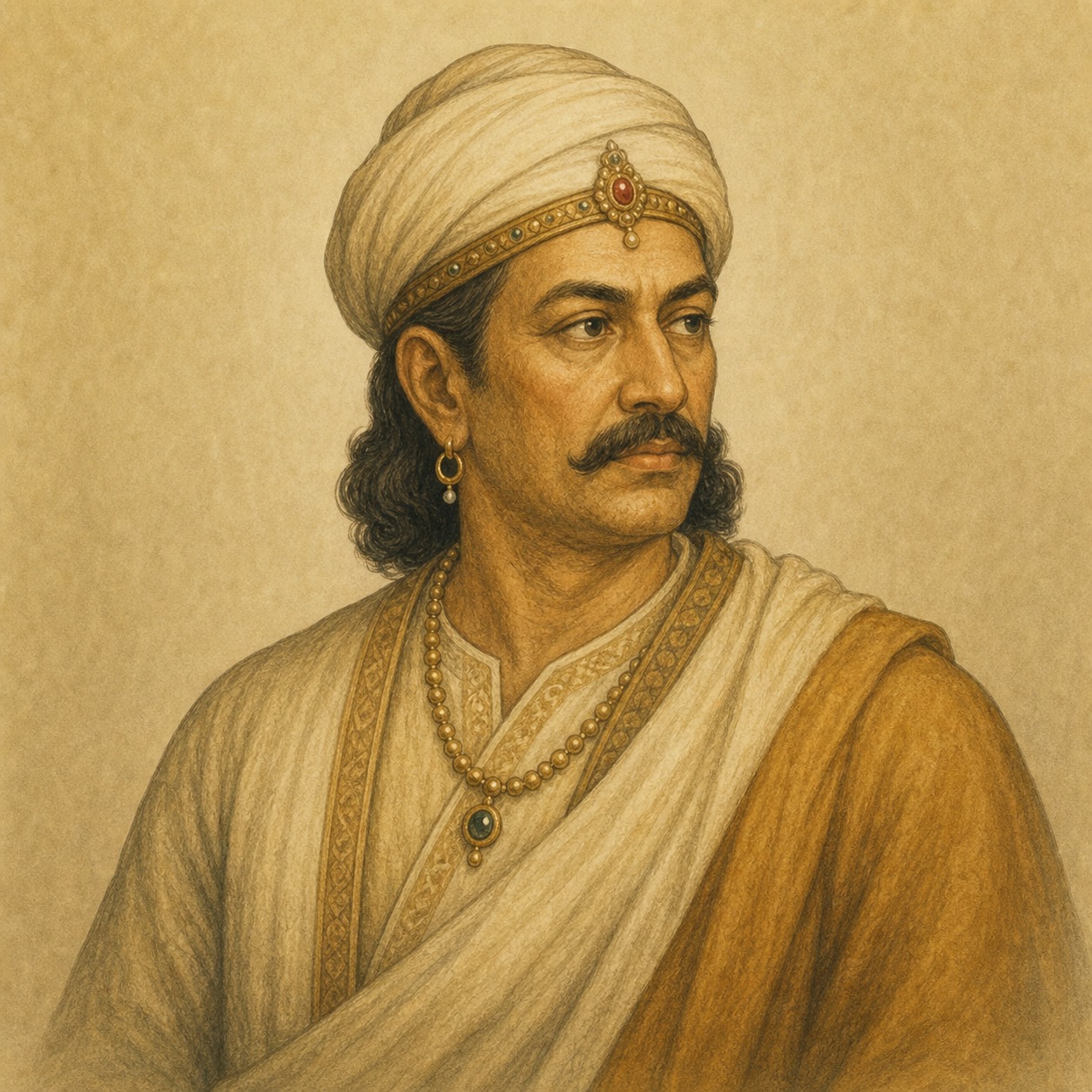
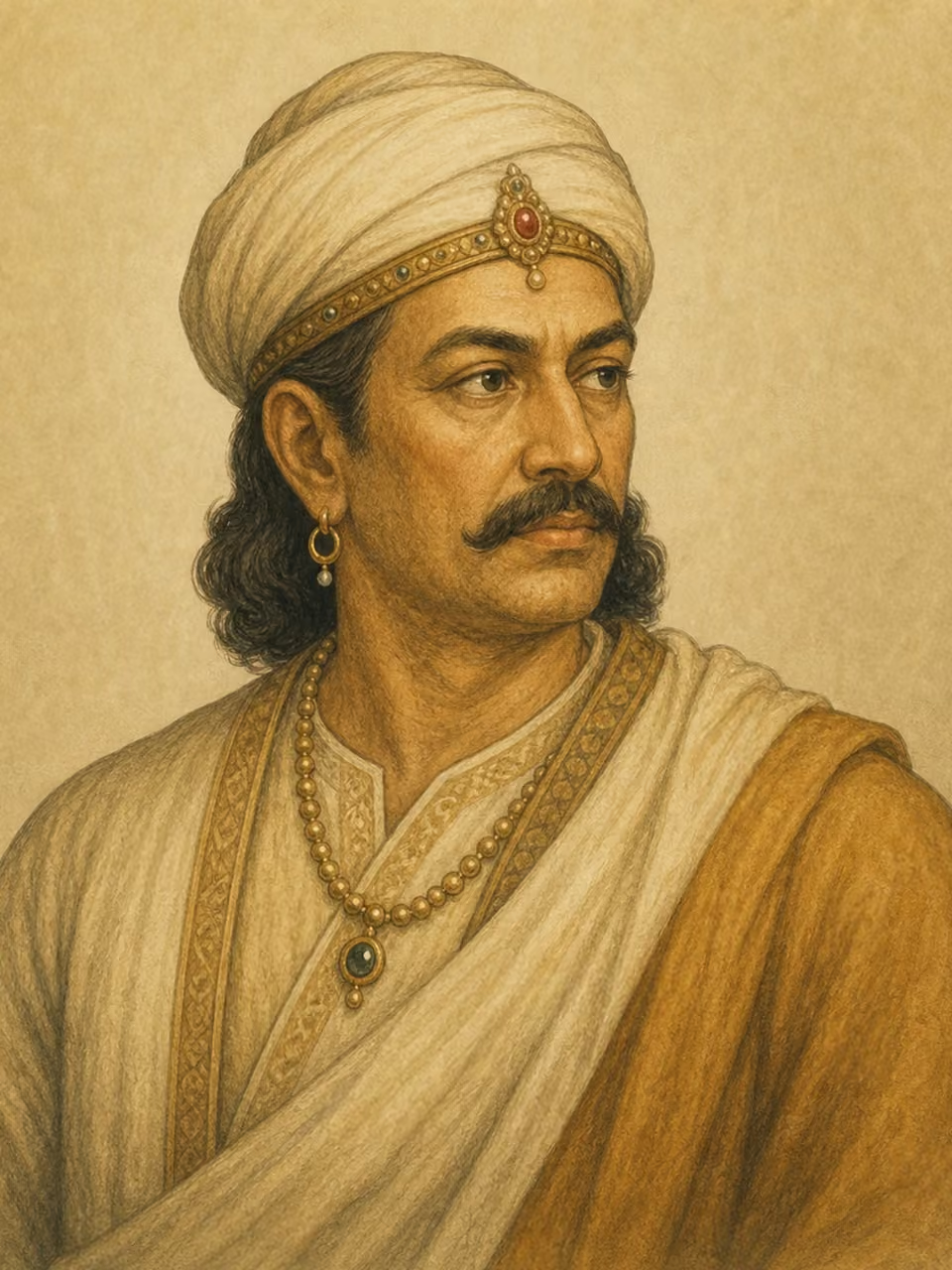
Chandragupta Maurya
historical figure in context
Founder of the Mauryan dynasty. He overthrew the Nanda dynasty and built a large empire centered on northern India. He is a person who thought about the unification of ancient India before King Ashoka.
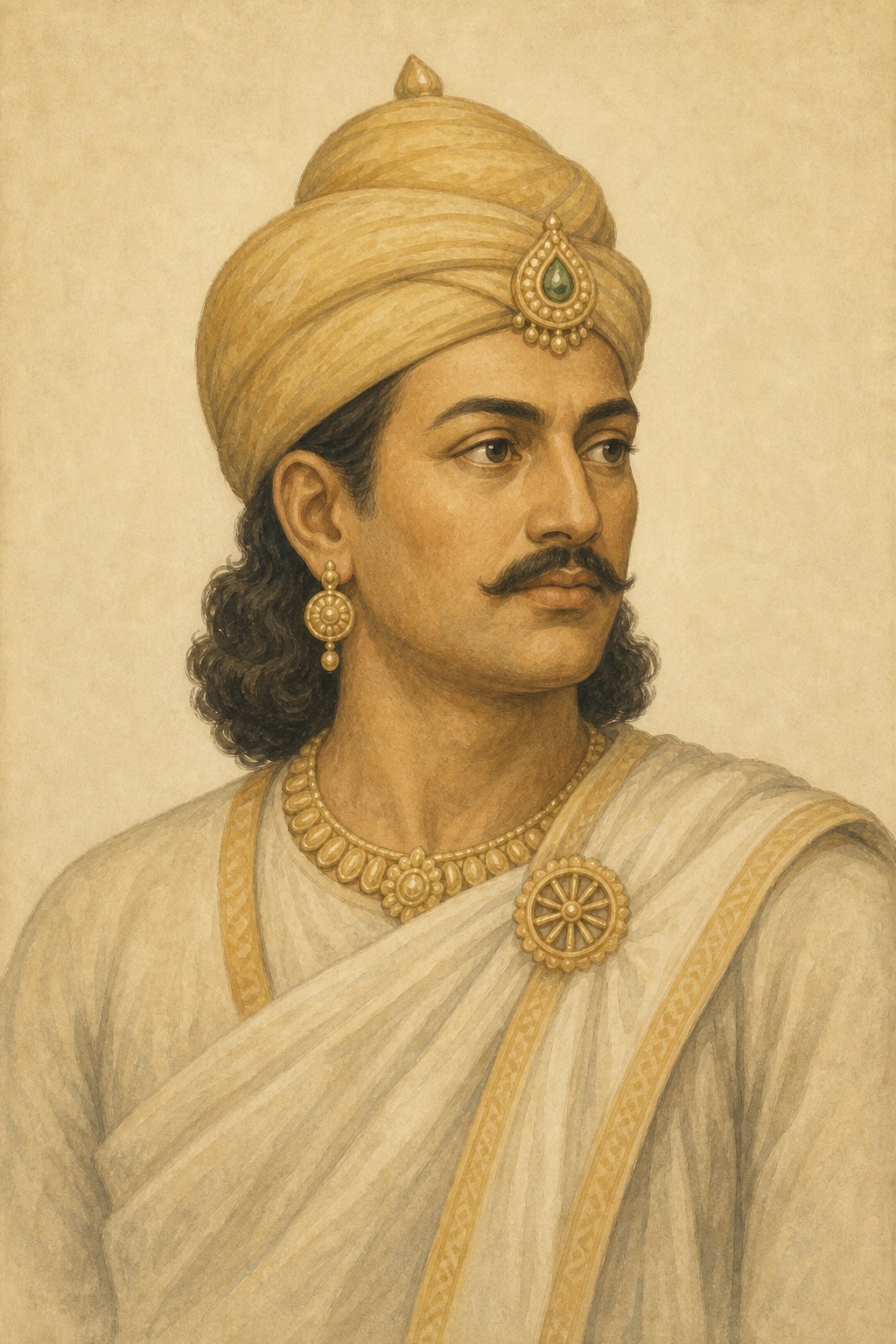
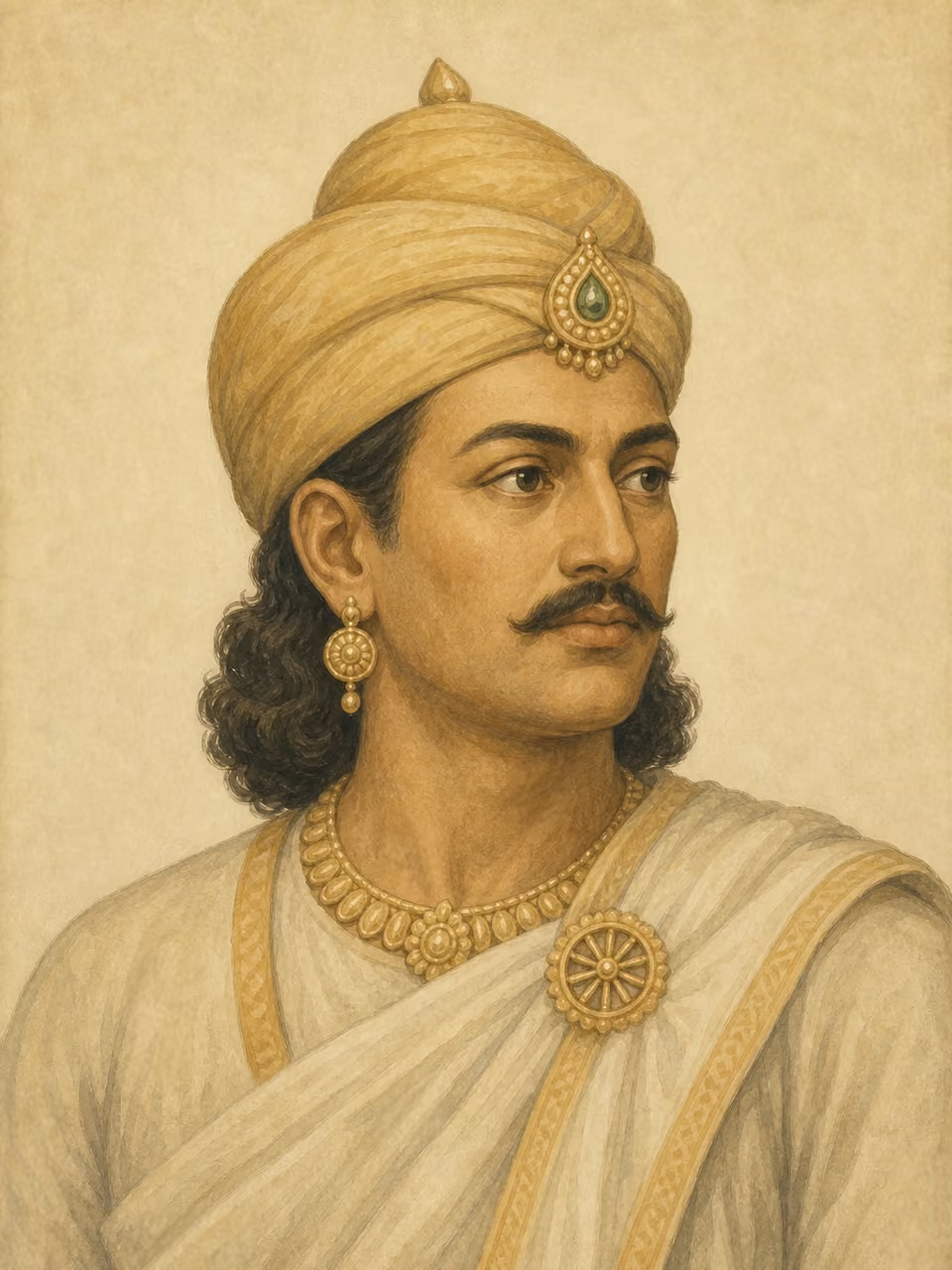
Ashoka
historical figure in context
Ashoka stands out because the violence of the Kalinga campaign was later reframed in his own inscriptions as a reason to speak publicly about restraint, welfare, and moral rule. In those edicts, imperial administration, diplomacy, and care for subjects are presented as part of a wider attempt to govern a vast realm through dhamma as well as force.
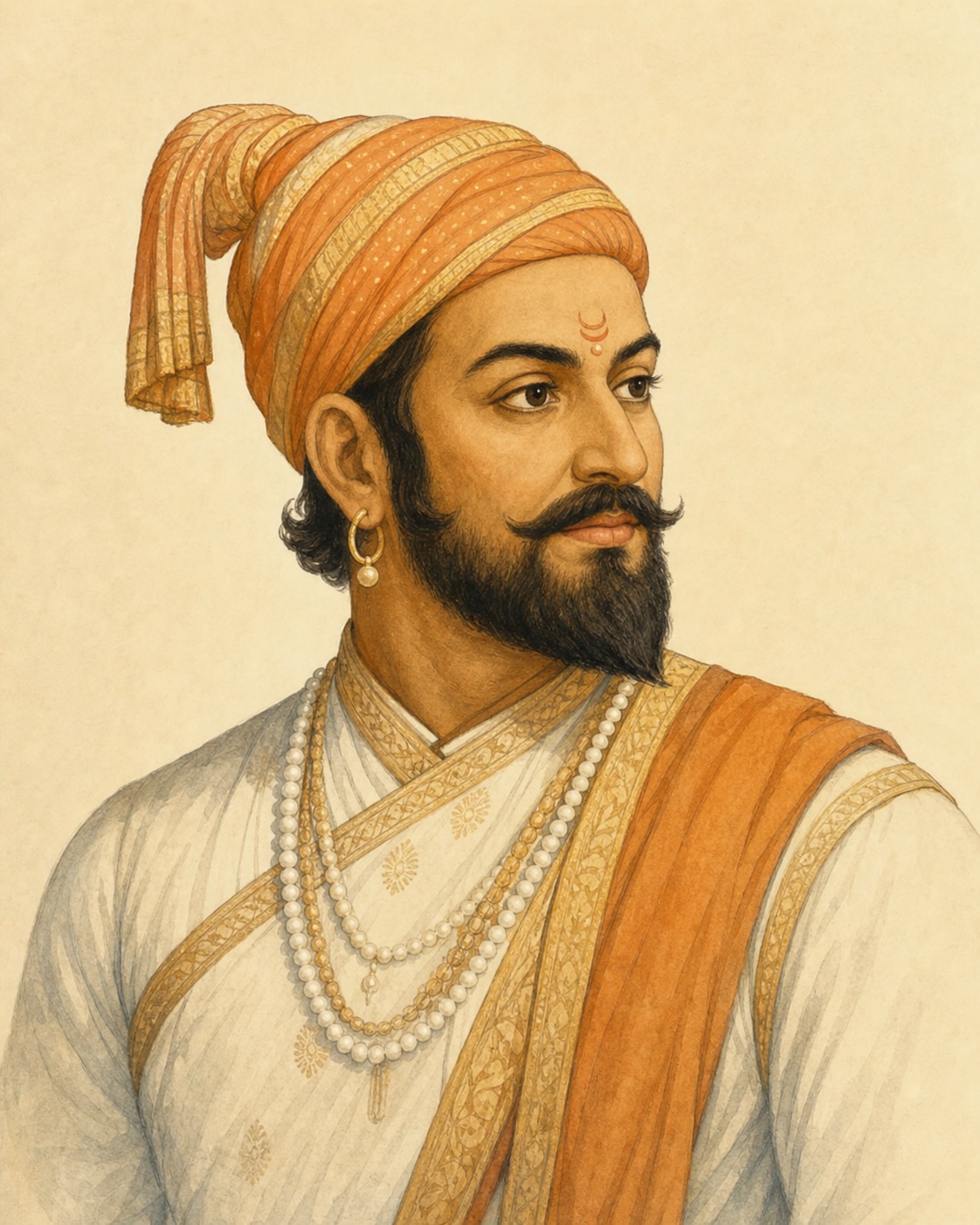
Shivaji
historical figure in context
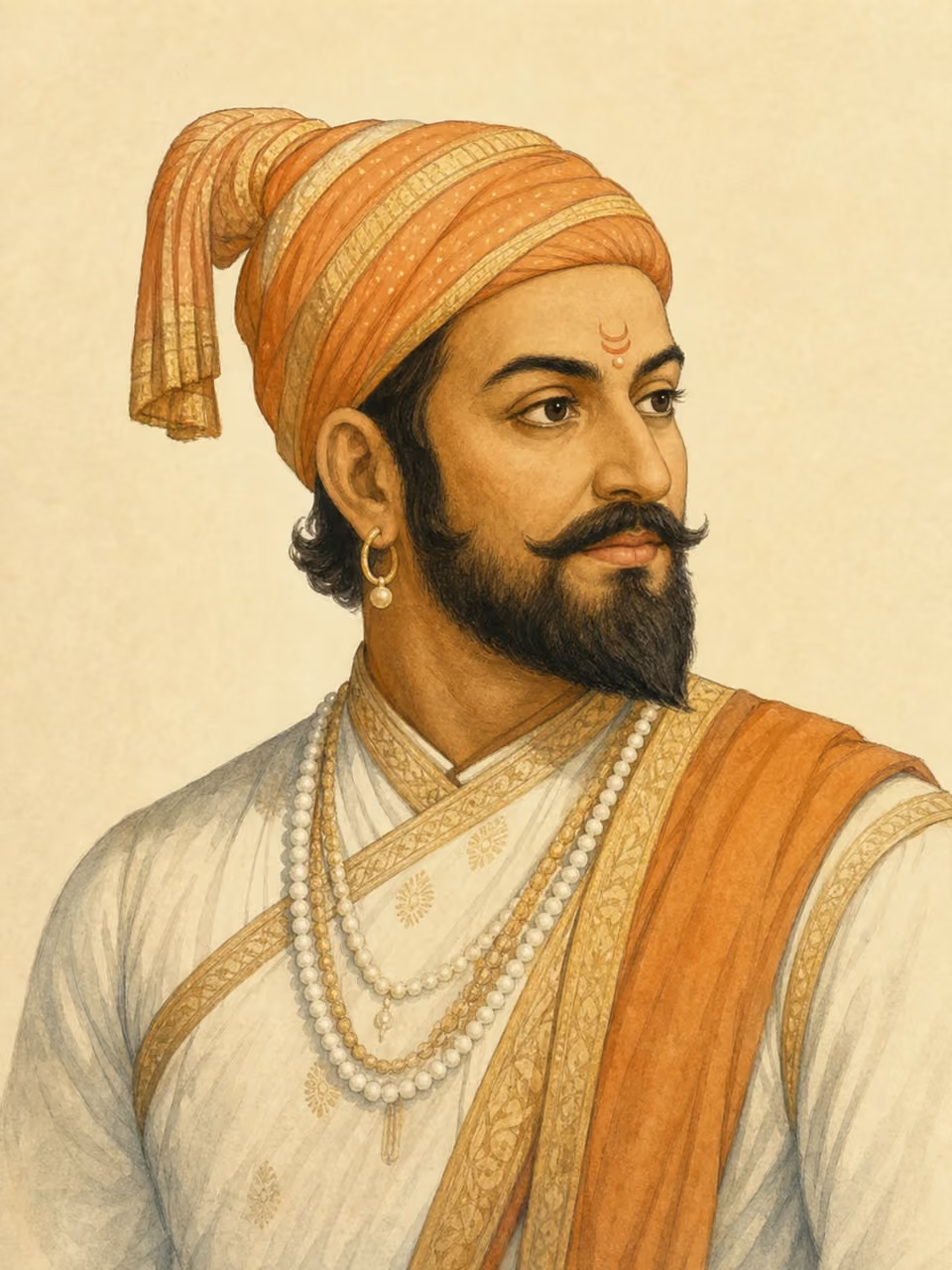
A ruler who led the Maratha forces in India in the 17th century and opposed the Mughal Empire. They built the foundations of the Maratha kingdom by taking advantage of their mountainous forts and mobility. He is an important figure in early modern South Asian history.
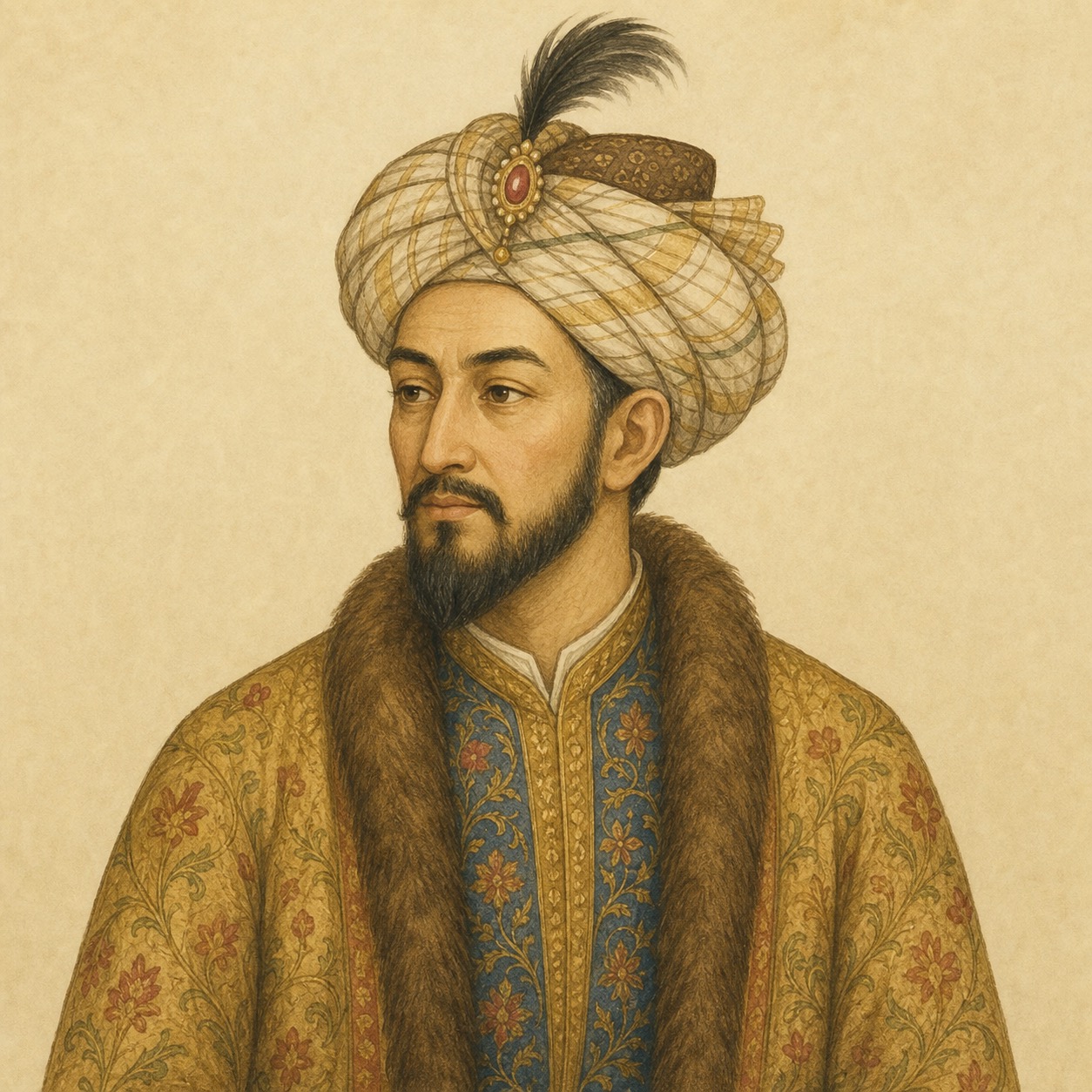
Babur
historical figure in context
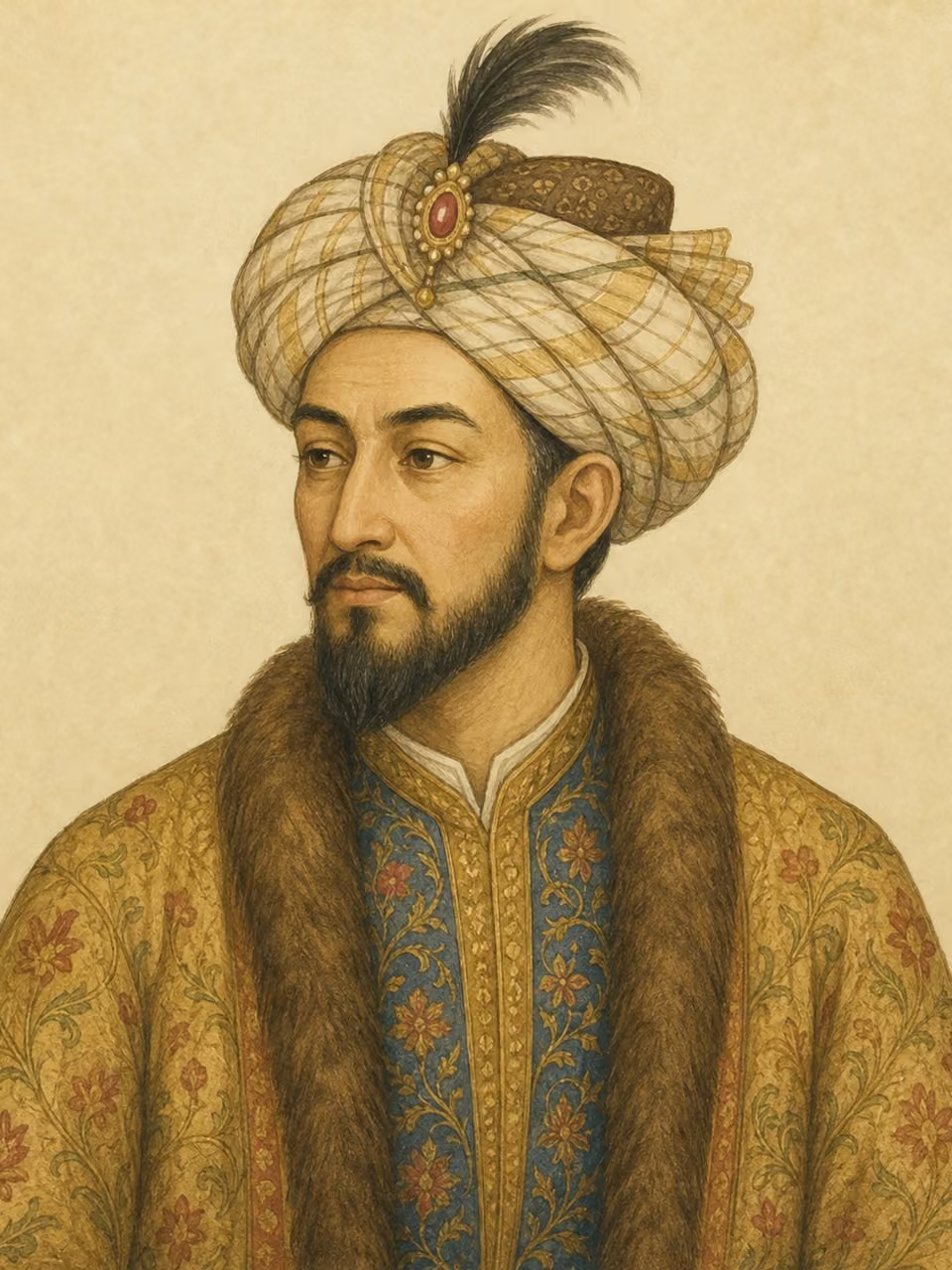
Central Asian ruler and founder of the Mughal Empire. Inheriting Timurid traditions, he established a new rule in northern India. He is an entry point to early modern South Asian history.
Related events
342 BC
Prelude
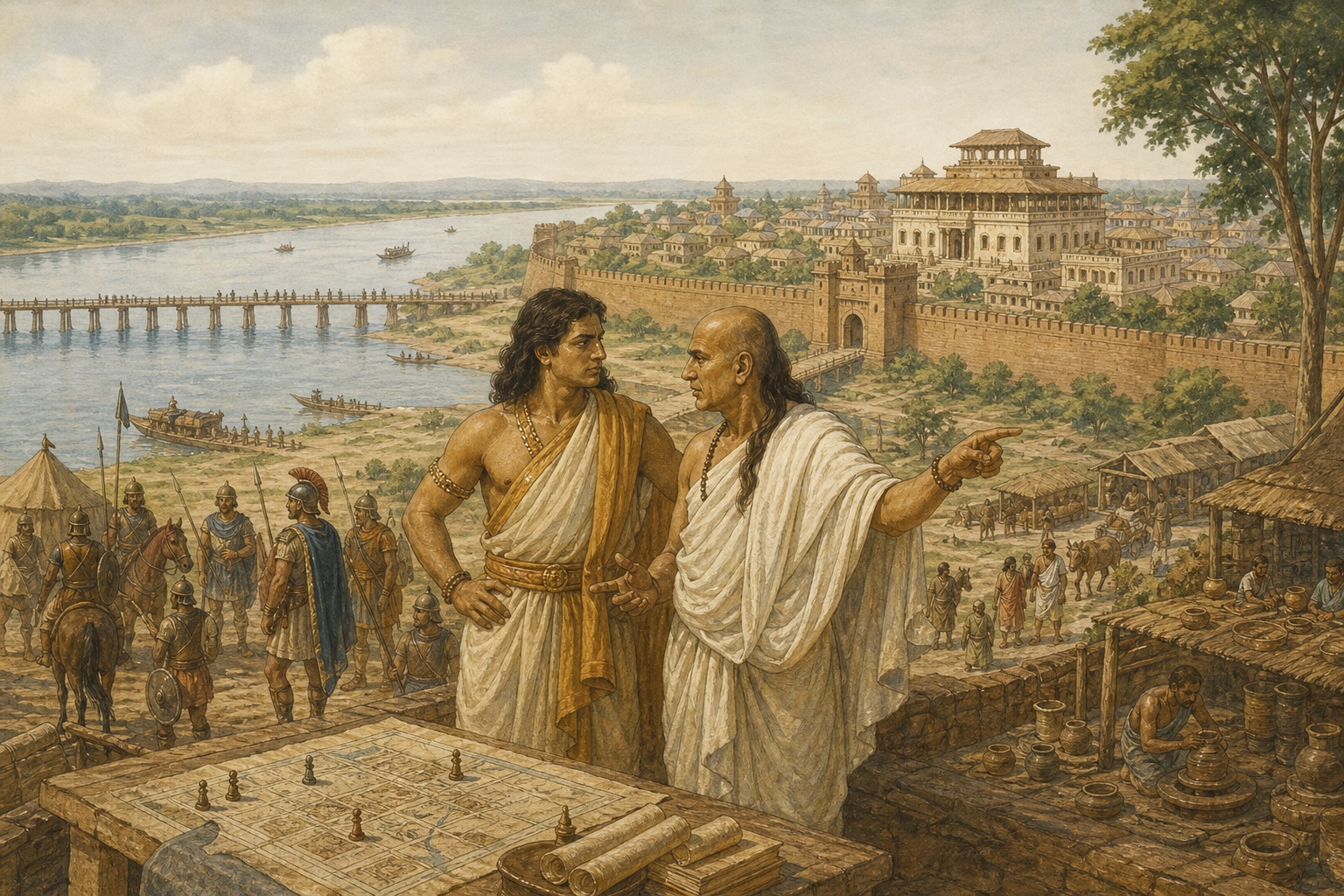
Prelude — Background: Magadha had already become a major power in the Ganges basin, while Alexander's campaigns left unsettled authority in the northwest. Chandragupta and Kautilya—remembered in later traditions as his adviser—acted within this changing political landscape.
c. 323 BC
Rising tension
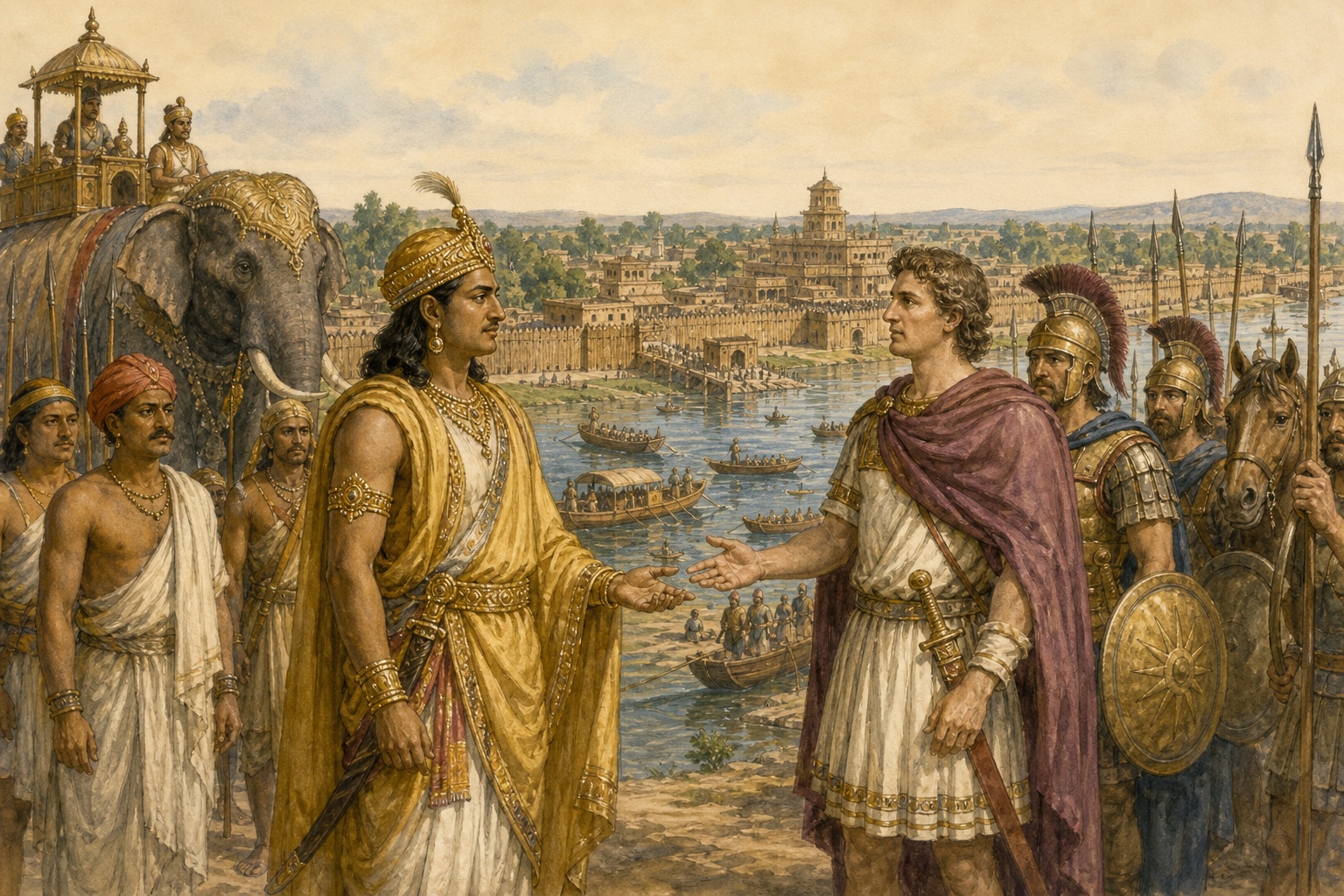
Rising tension — Build-up: Chandragupta overthrew the Nandas, established his center at Pataliputra, and extended control across northern India. Around 305 BCE he fought Seleucus I and then reached a settlement that confirmed Mauryan power in the northwest.
c. 322 BC
Foundation of the Maurya Empire
Current event
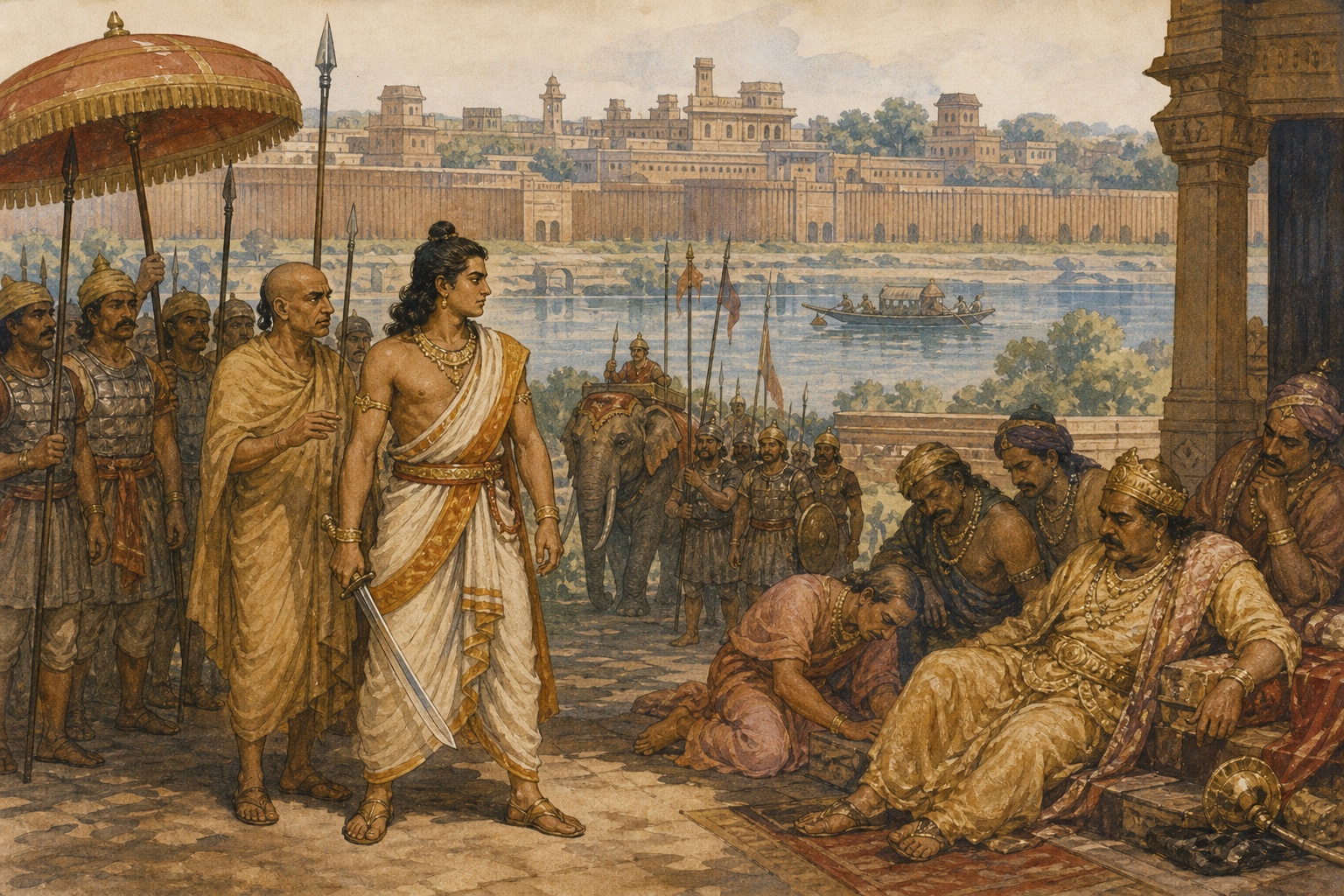
Foundation of the Maurya Empire — Central transition: The political transition around 322 BCE in which Chandragupta replaced the Nanda dynasty in Magadha and founded the state that grew into South Asia's first large-scale empire.
c. 321 BC
Immediate aftermath
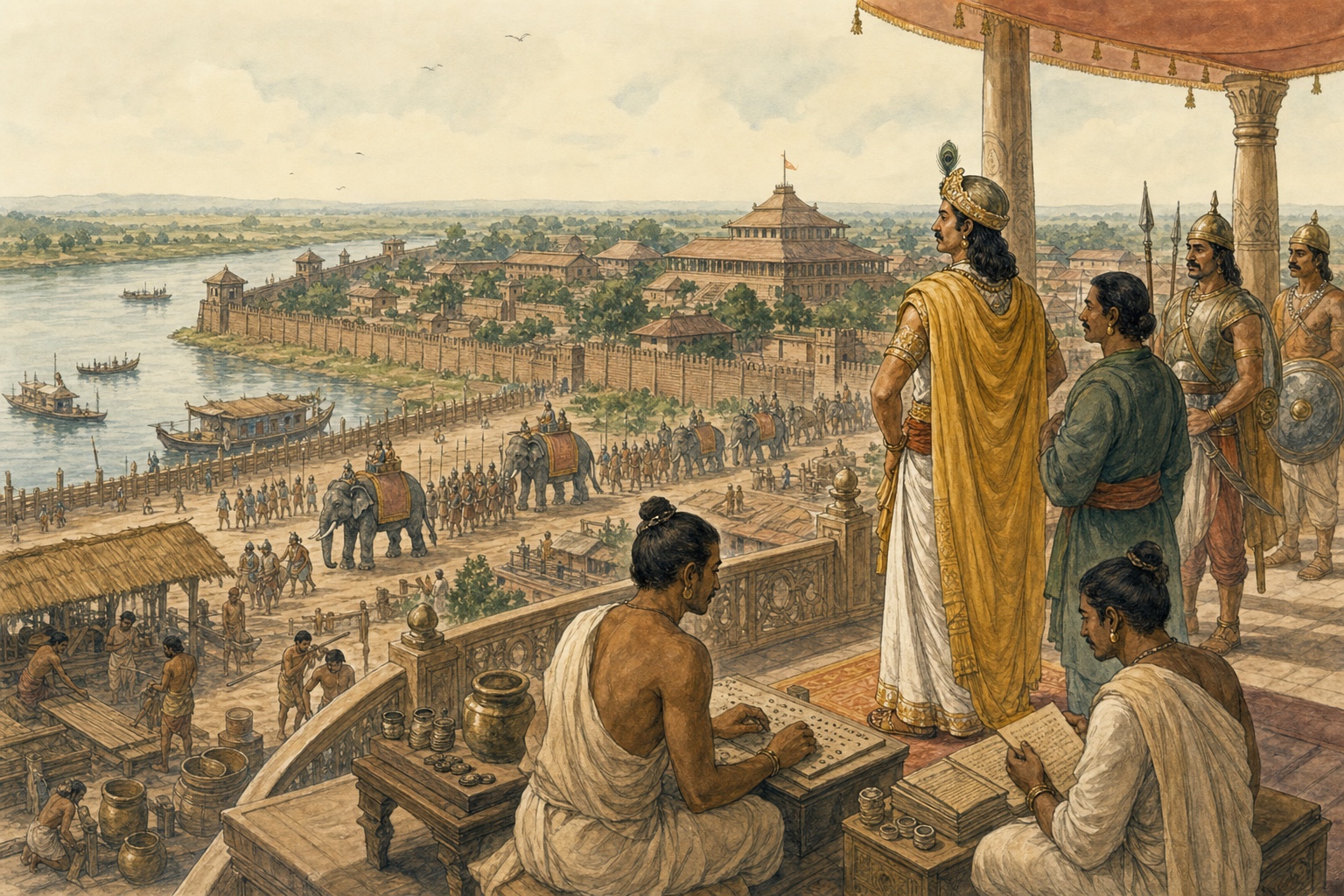
Immediate aftermath — Immediate result: A strong monarchy now connected a wide and growing territory, which Chandragupta's successors expanded further. The foundation date and sequence of the earliest conquests remain approximate because the evidence comes from later South Asian traditions and fragmentary Greek accounts.
c. 312 BC
Long-term significance
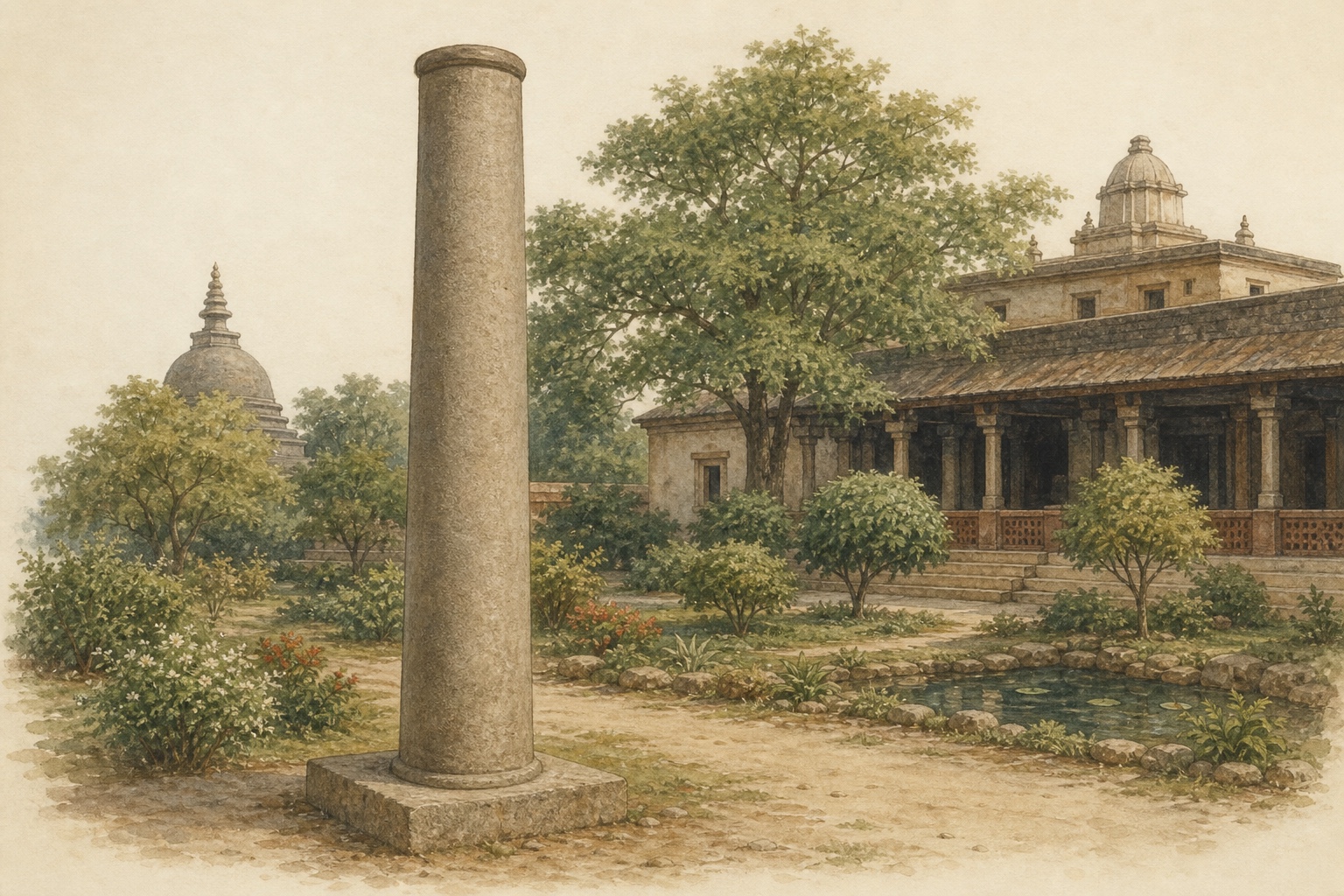
Long-term significance — Long-term significance: The new imperial base made possible Ashoka's later government, inscriptions, and patronage of Buddhism. The Mauryan foundation is central to the study of South Asian state formation, but later works such as the Arthashastra cannot simply be read as contemporary administrative records.


Sources
- Foundation of the Maurya Empire — Mauryan Empire Ca 323 185 B C (The Metropolitan Museum of Art)metmuseum.orgThis The Metropolitan Museum of Art resource supports the chronology, setting, and course of Foundation of the Maurya Empire.
- Foundation of the Maurya Empire — Money Gallery LPG 2020 Room 68 (British Museum)britishmuseum.orgThis British Museum resource supports the chronology, setting, and course of Foundation of the Maurya Empire.
- Foundation of the Maurya Empire — The Mauryan Empire (INFLIBNET Centre)ebooks.inflibnet.ac.inThis INFLIBNET Centre resource supports the chronology, setting, and course of Foundation of the Maurya Empire.