
Protestant Reformation
1517–1648
The diverse movements of religious reform that began conventionally with Luther's 1517 challenge to indulgences and permanently divided western Christianity.

- Period
- 1517–1648
- Kind
- Movement
- Regions
- Europe
- Keywords
- Protestant Reformation · background · course · outcome
Follow the story · Four stages
Background
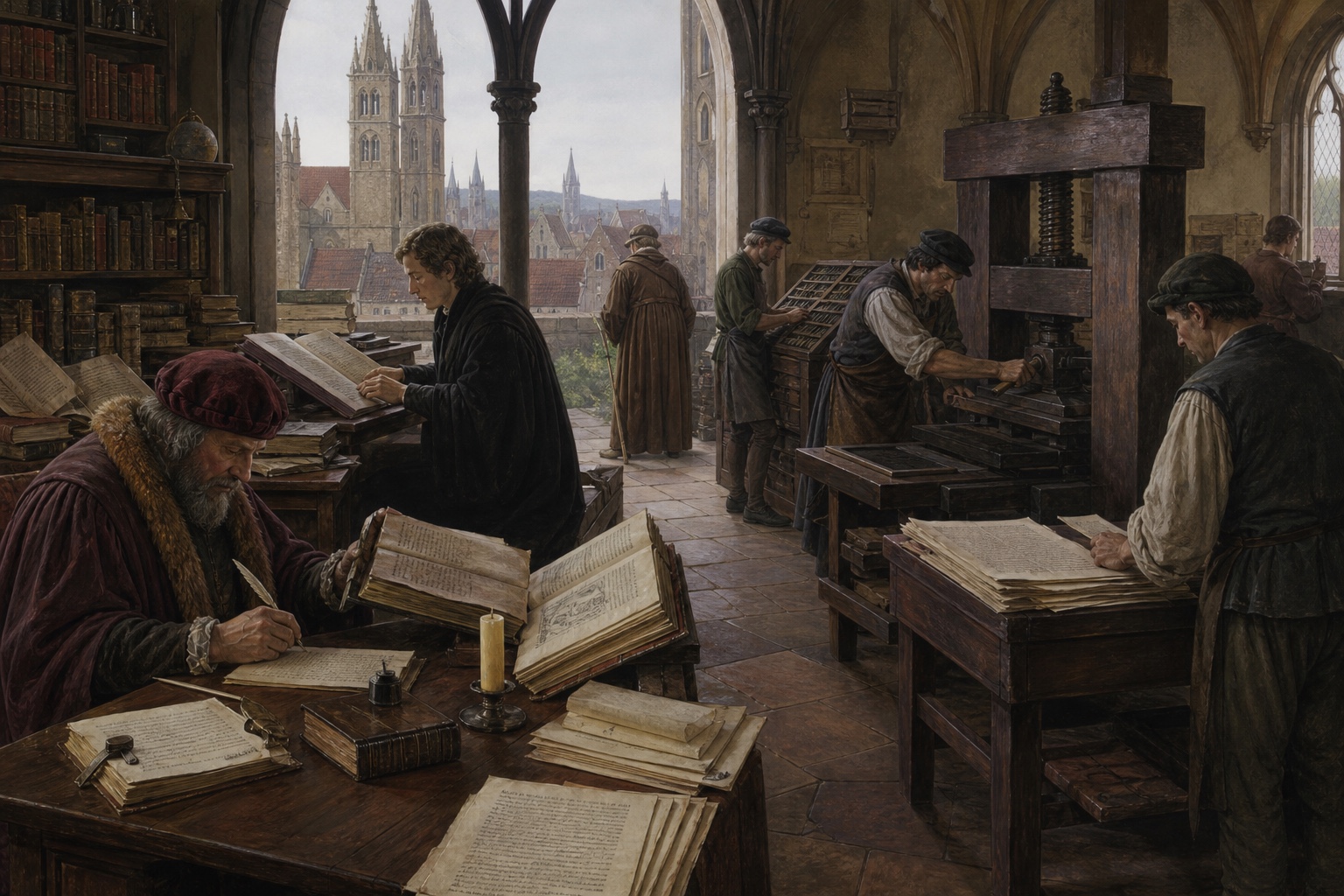
Late-medieval calls for reform, criticism of clerical institutions, humanist scholarship, printing, and disputes over papal and secular authority formed the setting. Luther's arguments about salvation and scriptural authority gained protection and political force within the decentralized Holy Roman Empire.
- Late-medieval calls for reform, criticism of clerical institutions, humanist scholarship, printing, and disputes over papal and secular authority formed the setting.
- Luther's arguments about salvation and scriptural authority gained protection and political force within the decentralized Holy Roman Empire.
- Core event: The diverse movements of religious reform that began conventionally with Luther's 1517 challenge to indulgences and permanently divided western Christianity.
Course
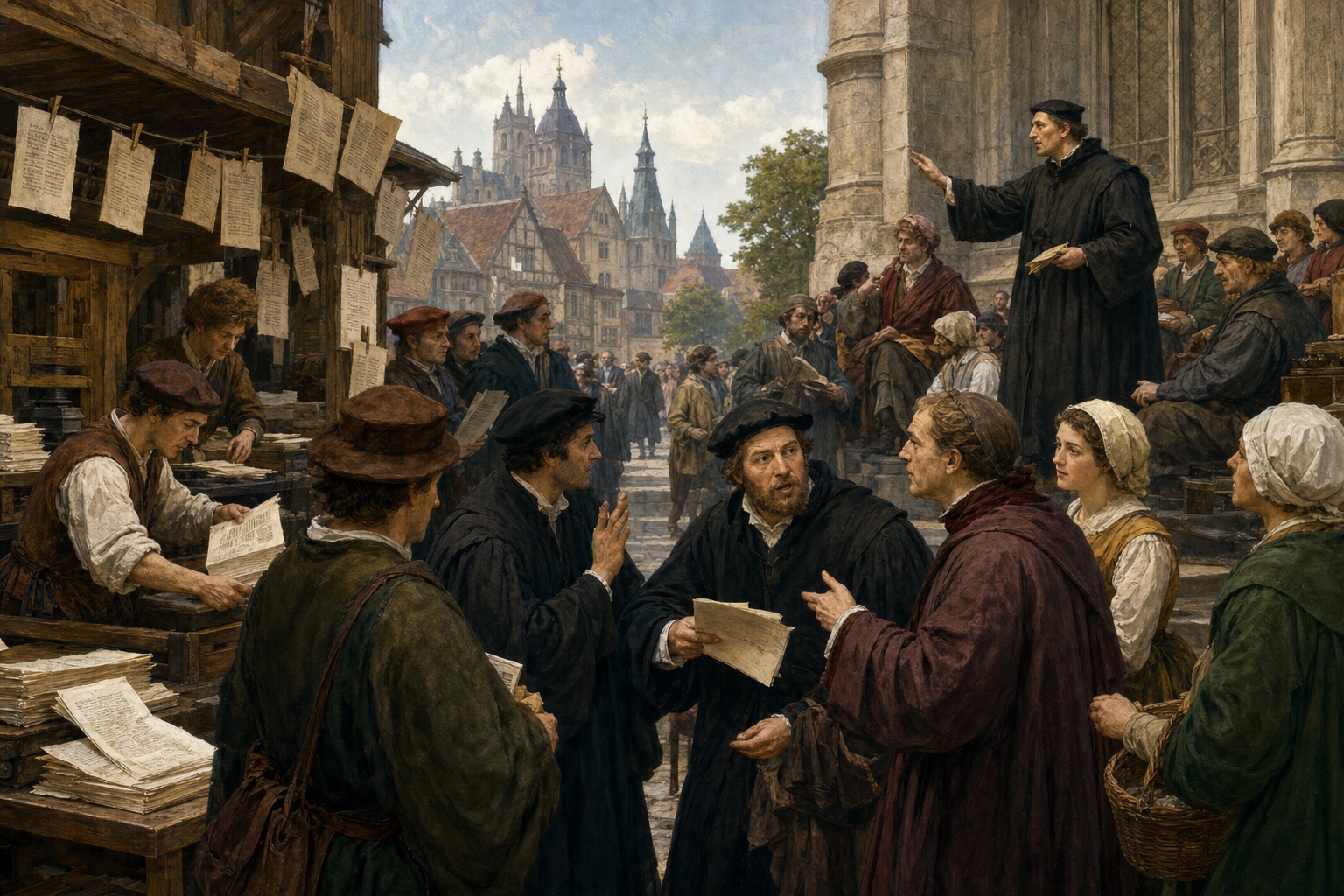
Luther's controversy spread through print and preaching, while Zwingli, Calvin, Anabaptists, English reformers, and many local communities pursued distinct programs. Catholic renewal and the Council of Trent answered Protestant challenges; rulers, cities, and subjects negotiated or fought over doctrine, property, and authority.
- Luther's controversy spread through print and preaching, while Zwingli, Calvin, Anabaptists, English reformers, and many local communities pursued distinct programs.
- Catholic renewal and the Council of Trent answered Protestant challenges; rulers, cities, and subjects negotiated or fought over doctrine, property, and authority.
- Conditions behind the action: Late-medieval calls for reform, criticism of clerical institutions, humanist scholarship, printing, and disputes over papal and secular authority formed the setting. Luther's arguments about salvation and scriptural authority gained protection and political force within the decentralized Holy Roman Empire.
Outcome
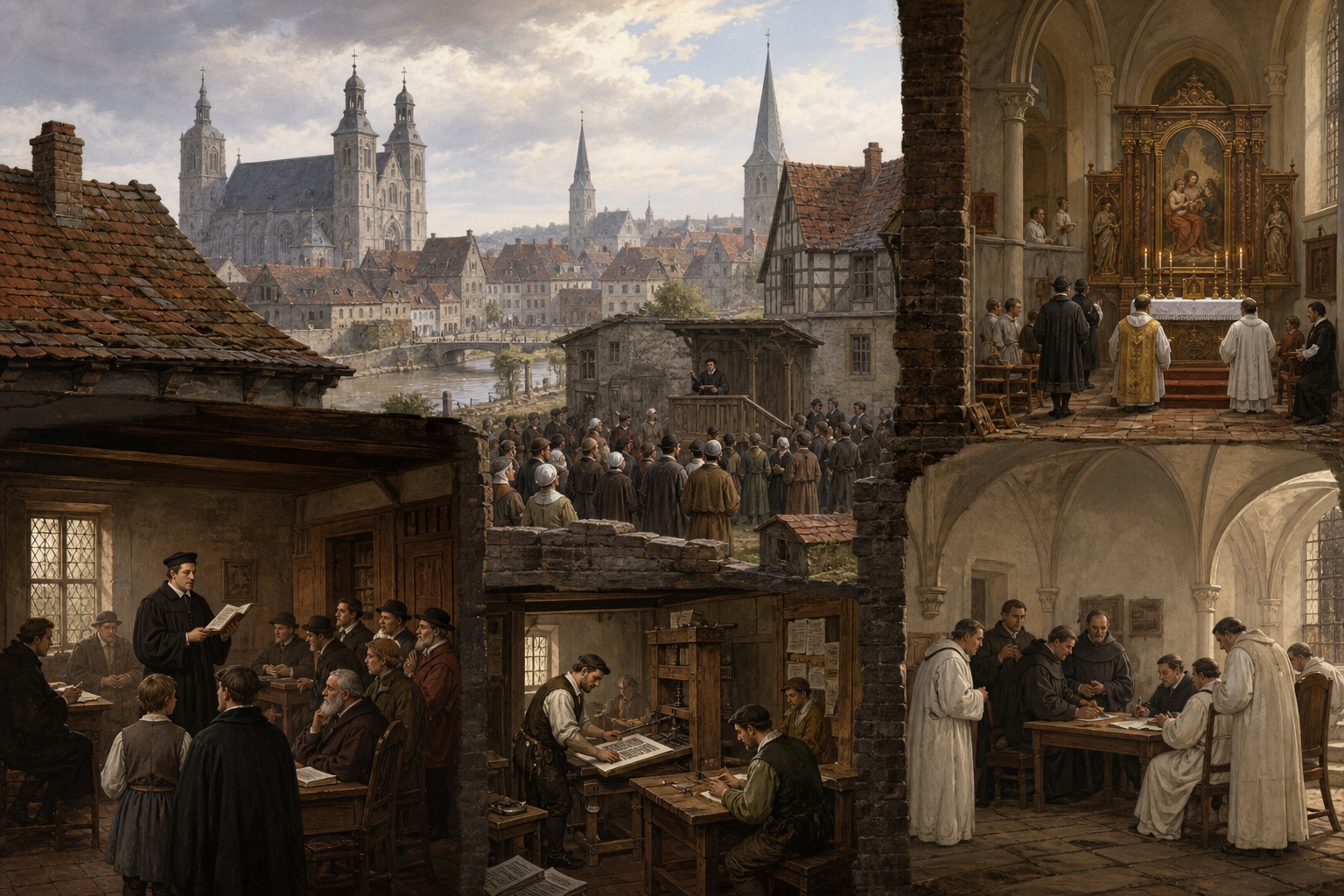
Lutheran, Reformed, Anglican, and other Protestant churches took institutional form, while Catholic reform reshaped its own institutions. The Peace of Augsburg brought a limited settlement in 1555, but excluded important confessions and left political and constitutional disputes unresolved.
- Lutheran, Reformed, Anglican, and other Protestant churches took institutional form, while Catholic reform reshaped its own institutions.
- The Peace of Augsburg brought a limited settlement in 1555, but excluded important confessions and left political and constitutional disputes unresolved.
- Process producing the result: Luther's controversy spread through print and preaching, while Zwingli, Calvin, Anabaptists, English reformers, and many local communities pursued distinct programs. Catholic renewal and the Council of Trent answered Protestant challenges; rulers, cities, and subjects negotiated or fought over doctrine, property, and authority.
Historical significance
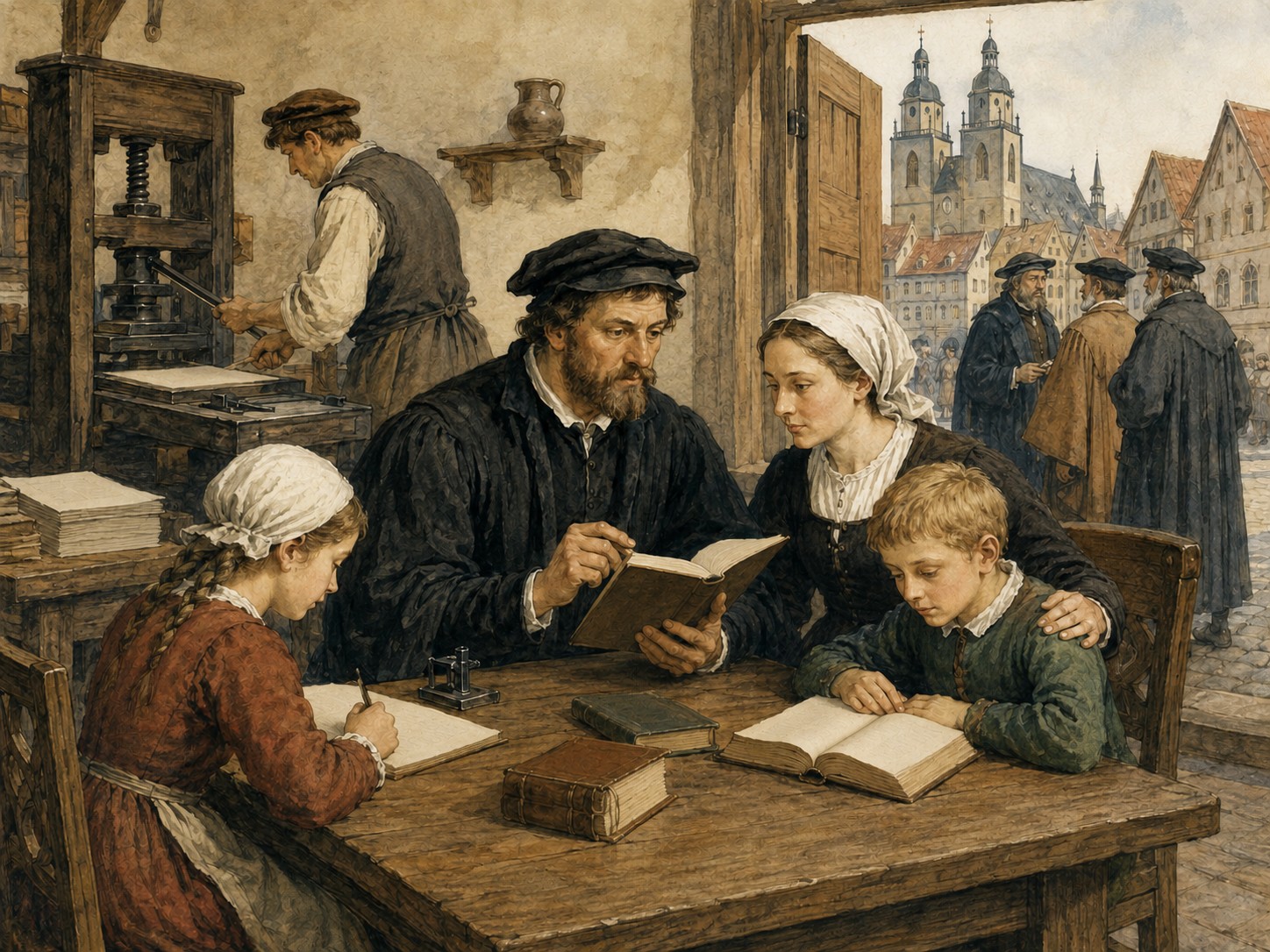
The Reformation transformed worship, education, print culture, family life, and relations between churches and governments. Its confessional divisions helped frame the Thirty Years' War, but that later conflict also grew from the Holy Roman Empire's constitutional tensions, dynastic rivalry, and competition among European powers; religion alone does not explain it.
- The Reformation transformed worship, education, print culture, family life, and relations between churches and governments.
- Its confessional divisions helped frame the Thirty Years' War, but that later conflict also grew from the Holy Roman Empire's constitutional tensions, dynastic rivalry, and competition among European powers; religion alone does not explain it.
- Immediate consequence: Lutheran, Reformed, Anglican, and other Protestant churches took institutional form, while Catholic reform reshaped its own institutions. The Peace of Augsburg brought a limited settlement in 1555, but excluded important confessions and left political and constitutional disputes unresolved.


Related figures
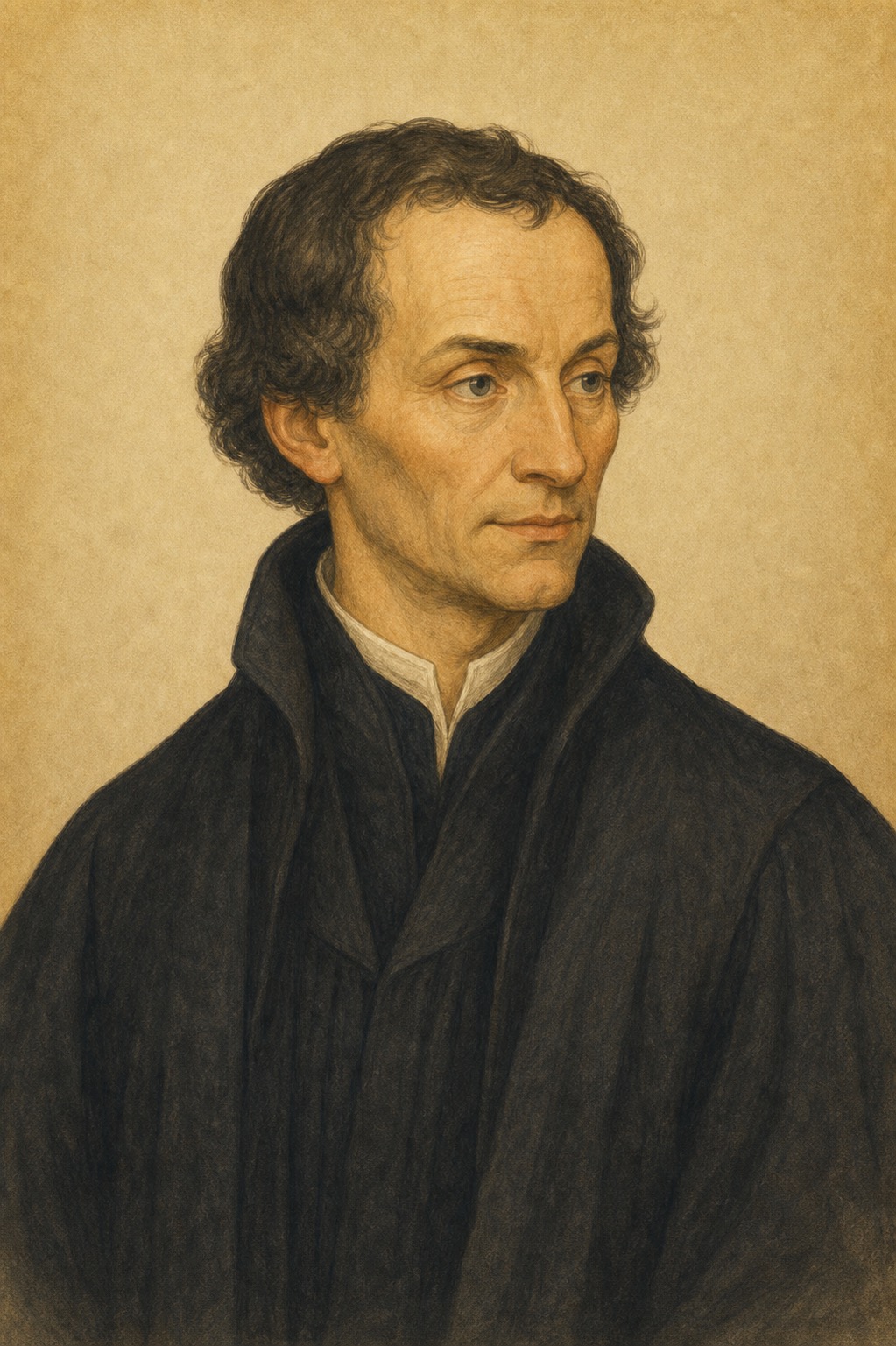
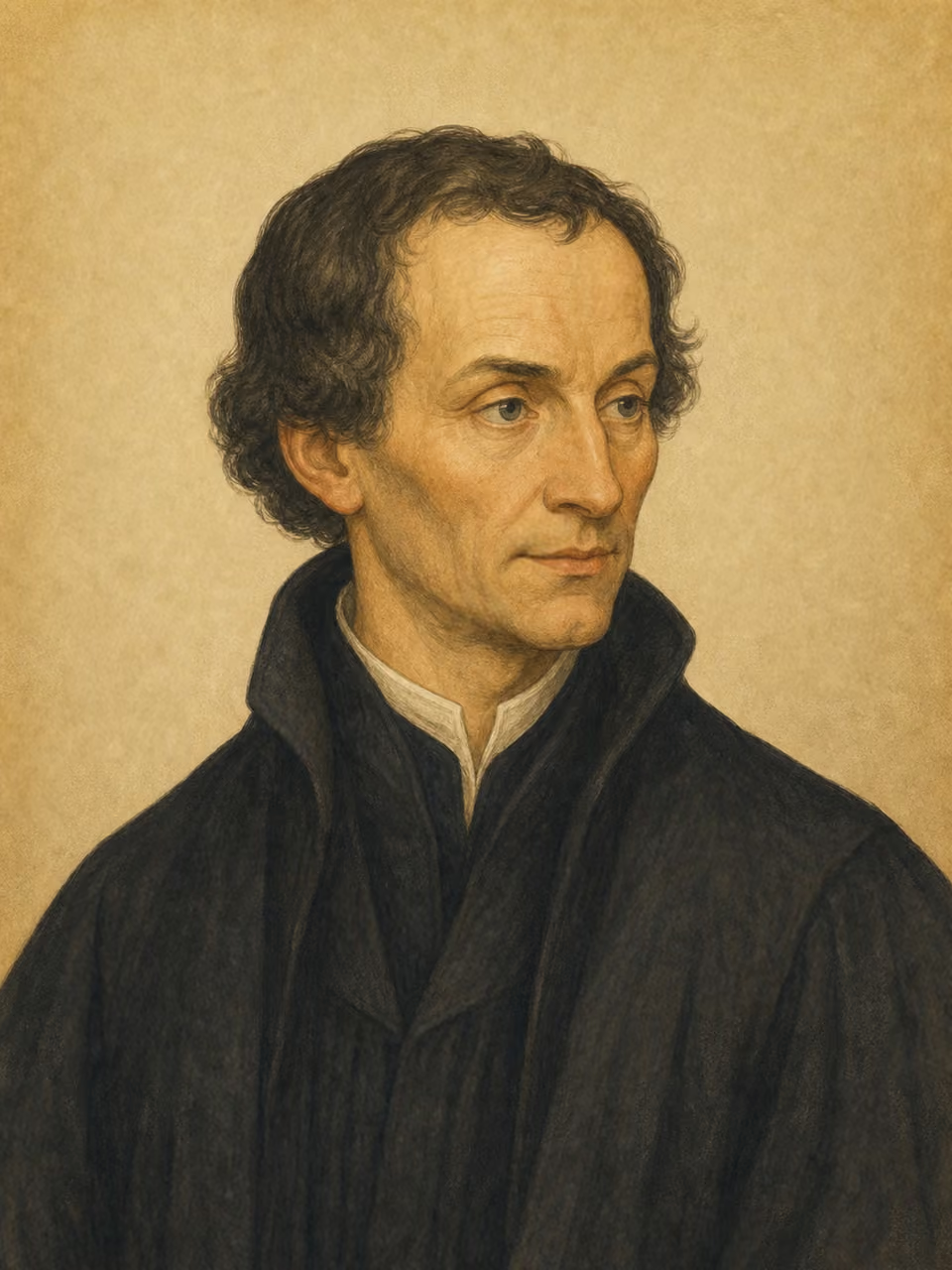
Philipp Melanchthon
historical figure in context
A theologian of the German Reformation and known as a collaborator of Luther. He demonstrated his power in educational reform and the organization of doctrine, and systematized Protestant thought. Showing the intellectual aspects of the Reformation.
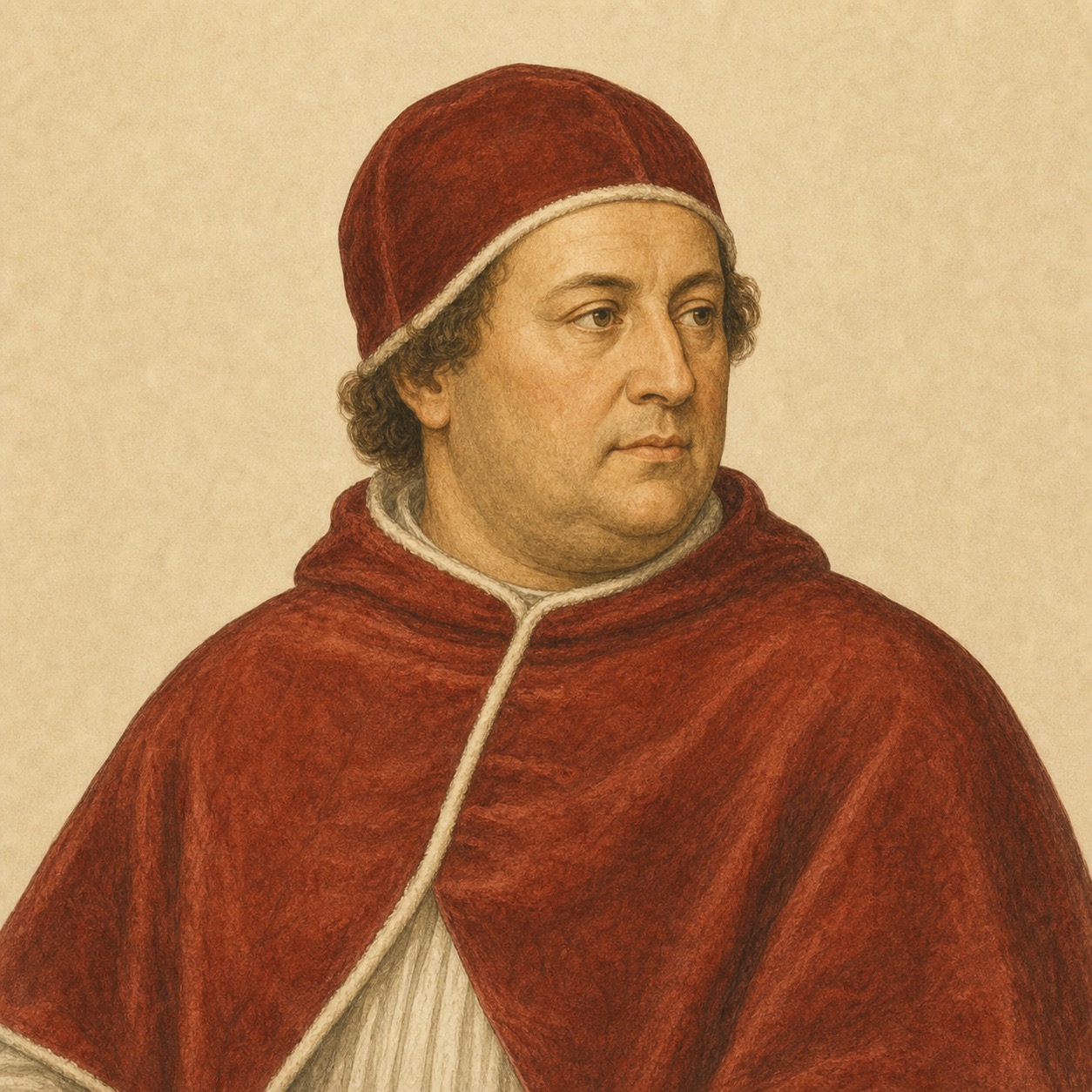
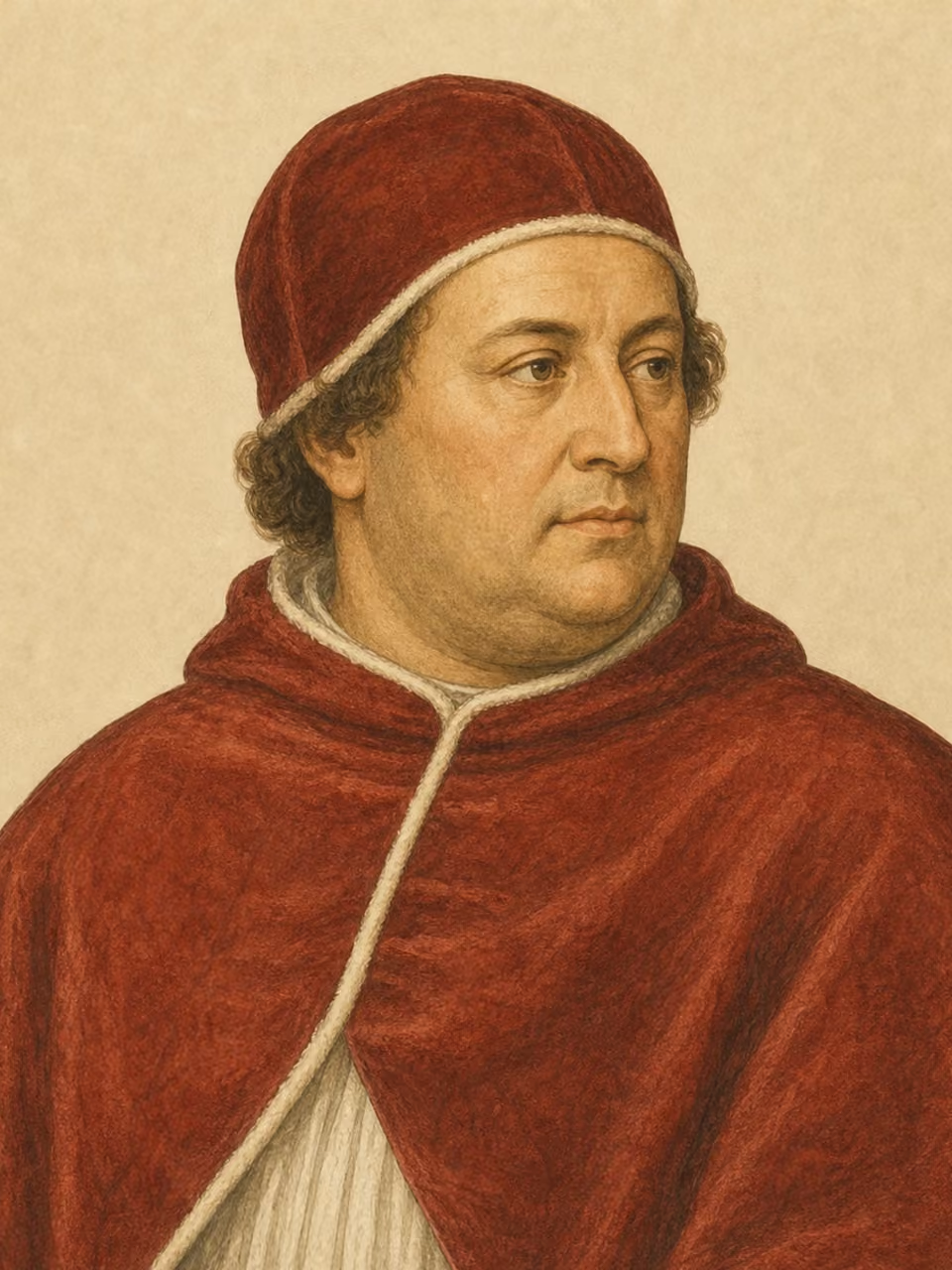
Leo X
historical figure in context
Pope during the Renaissance. While he was a member of the Medici family and protected the arts, he faced Luther's religious reforms. He is a person who shows the glamor and crisis of the Holy See at the same time.
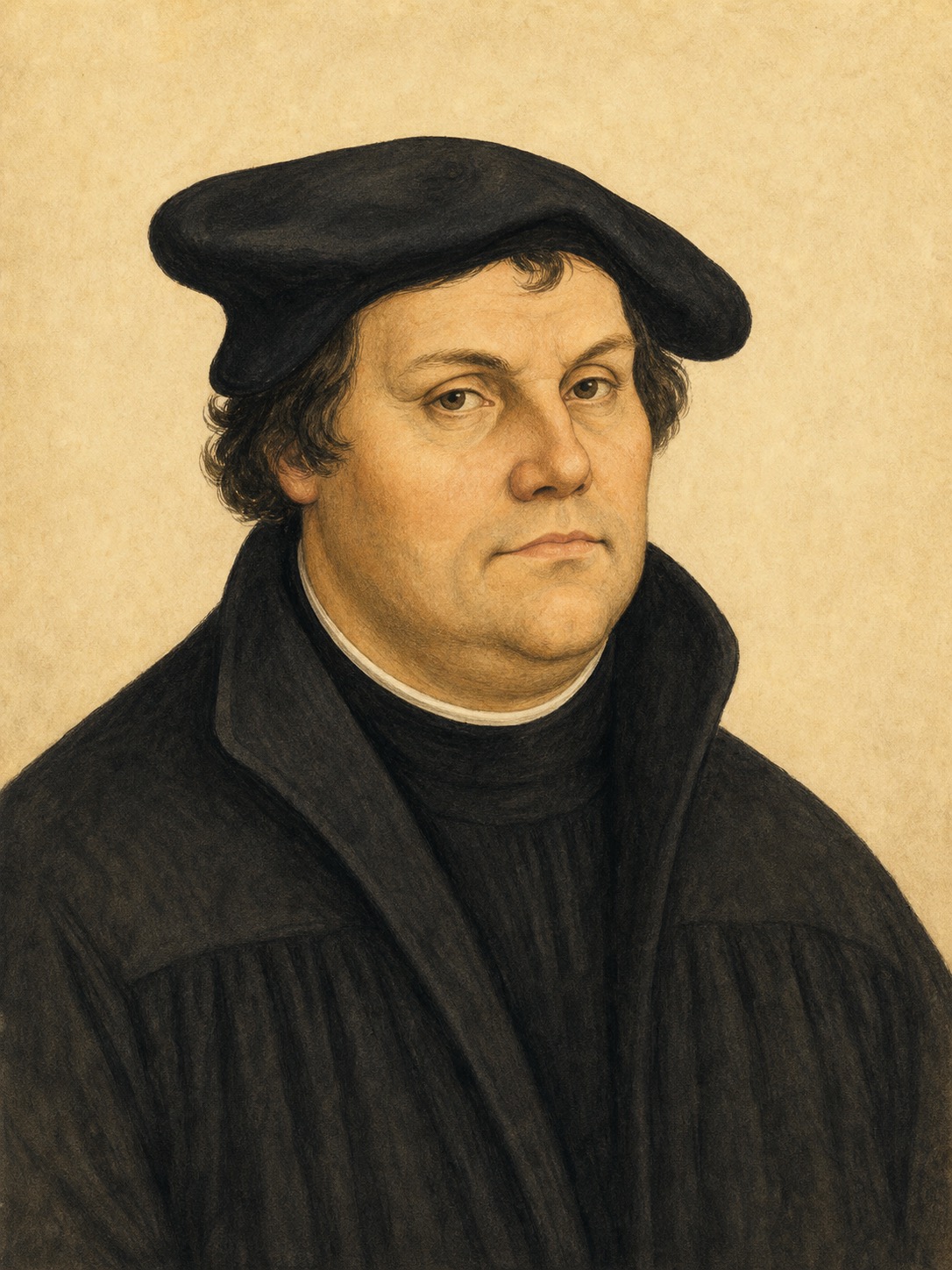
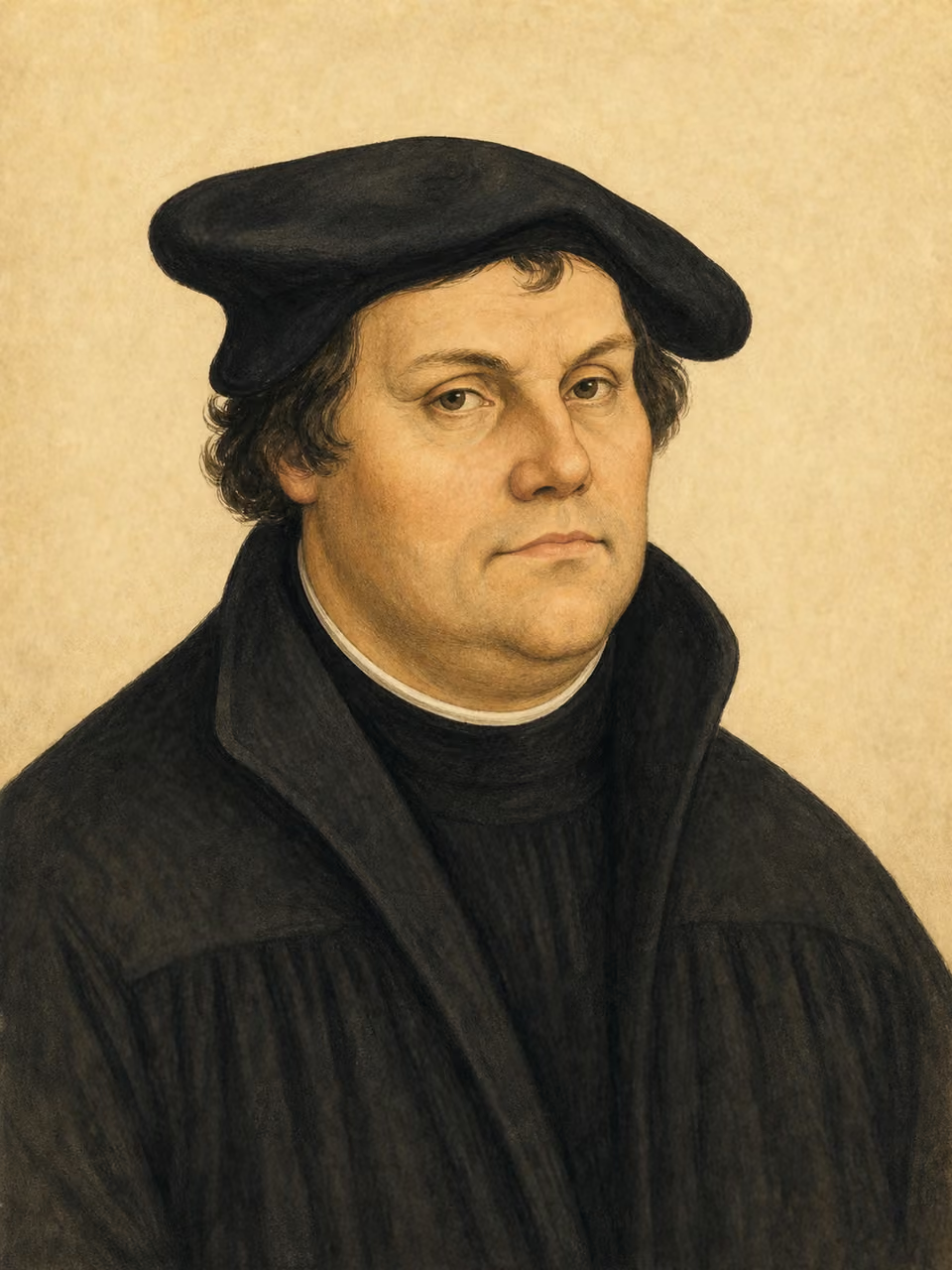
Martin Luther
historical figure in context
When Luther circulated the Ninety-Five Theses against indulgence preaching in 1517, a university dispute quickly became a continental crisis about authority, salvation, and the church's right to mediate grace. His refusal to recant at Worms and his period at Wartburg, where he pushed forward a German Bible translation, turned theological controversy into a print-driven movement with mass social reach.
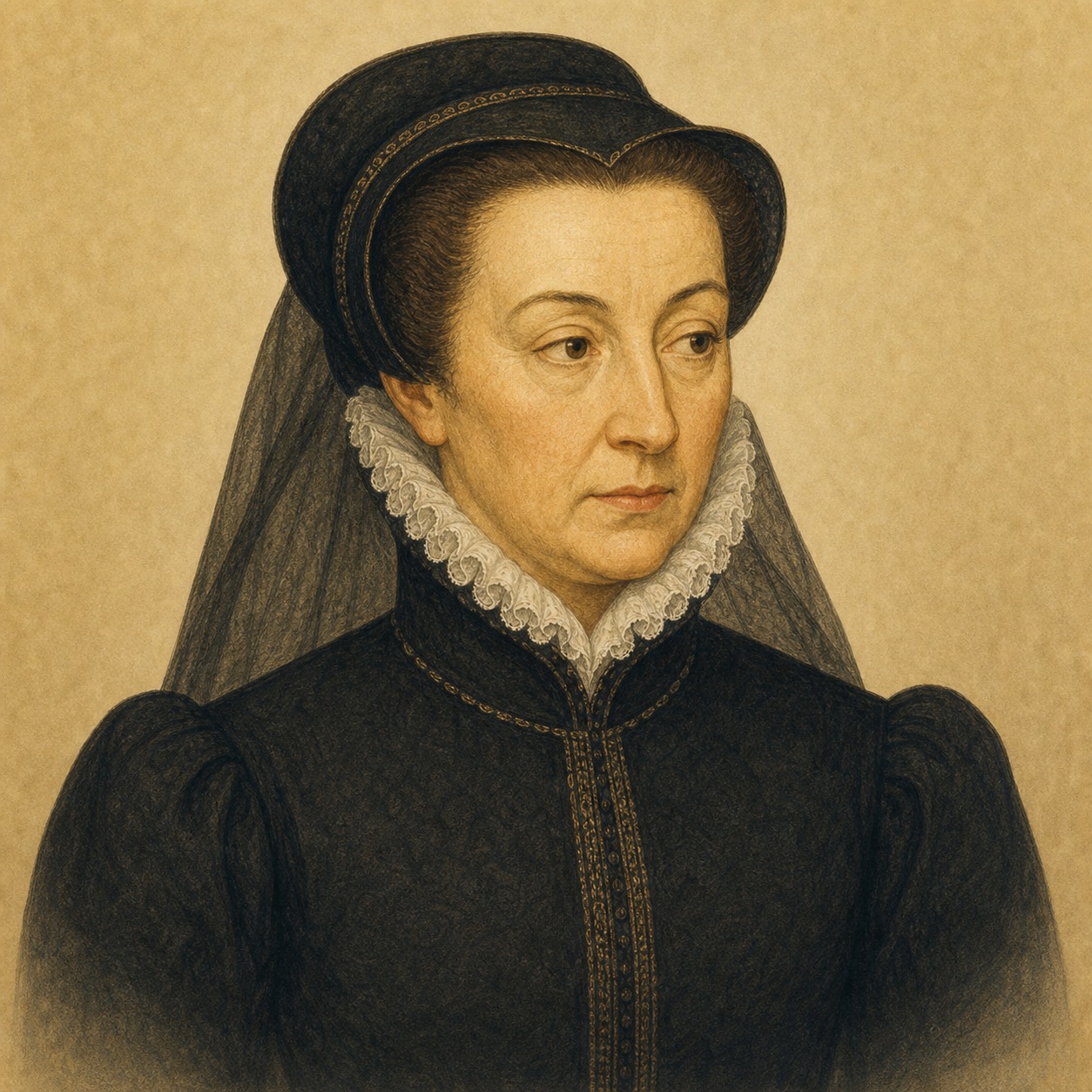
Catherine de' Medici
historical figure in context
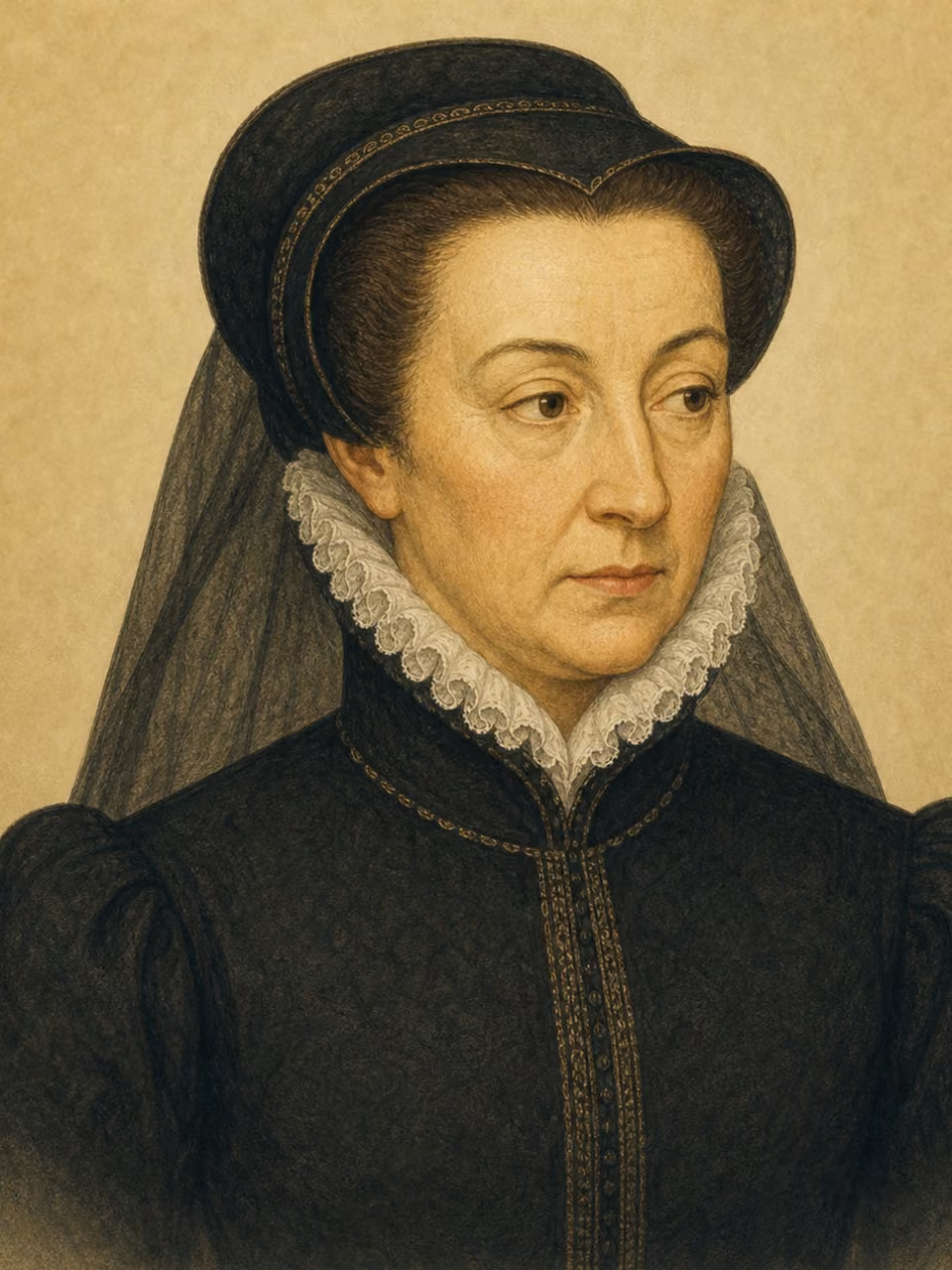
Queen and Regent of France. As the queen mother of the Valois dynasty, she controlled court politics during the Huguenot Wars. He is a person who thinks about the French Civil War after the Reformation.
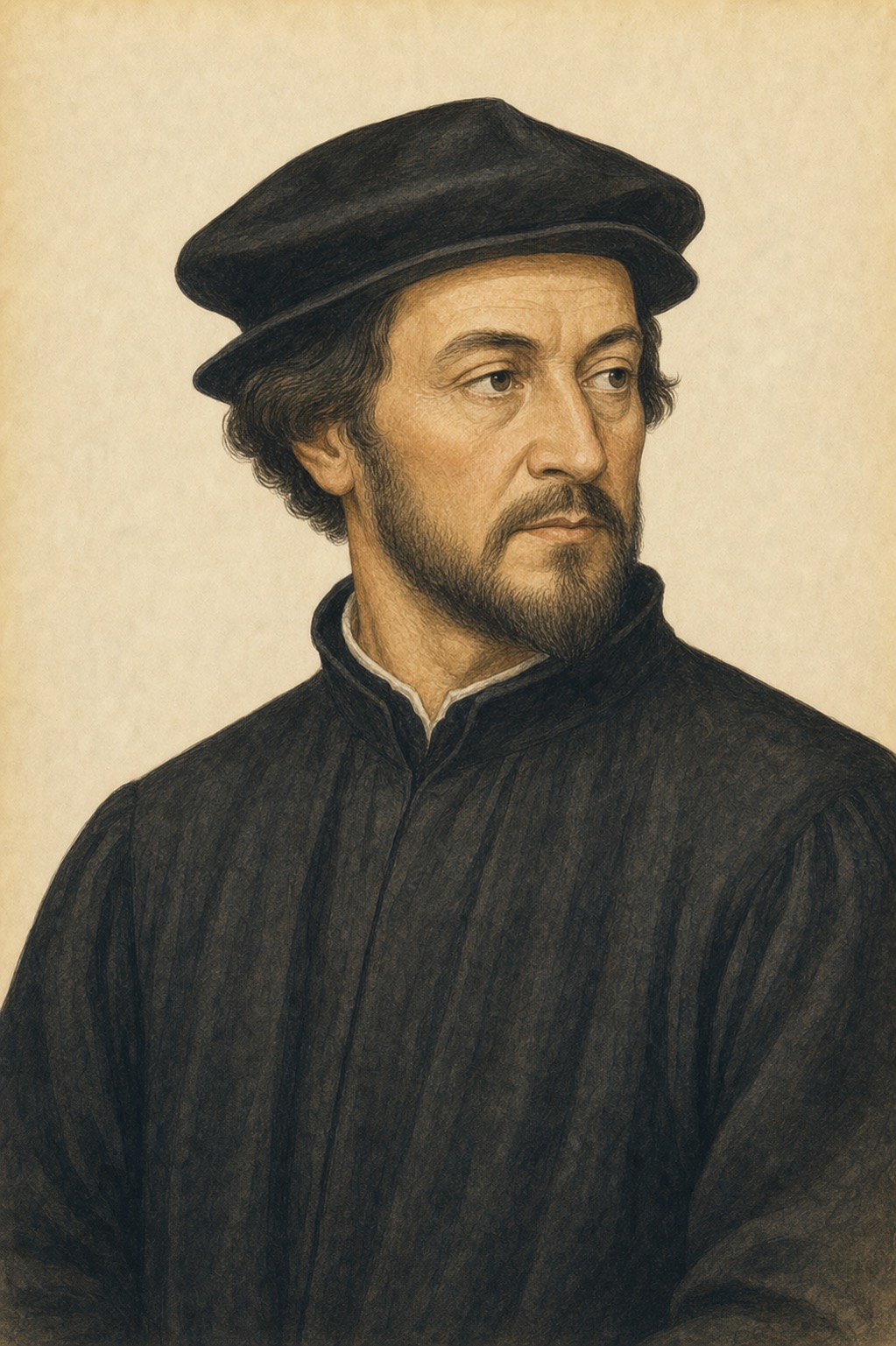
Huldrych Zwingli
historical figure in context
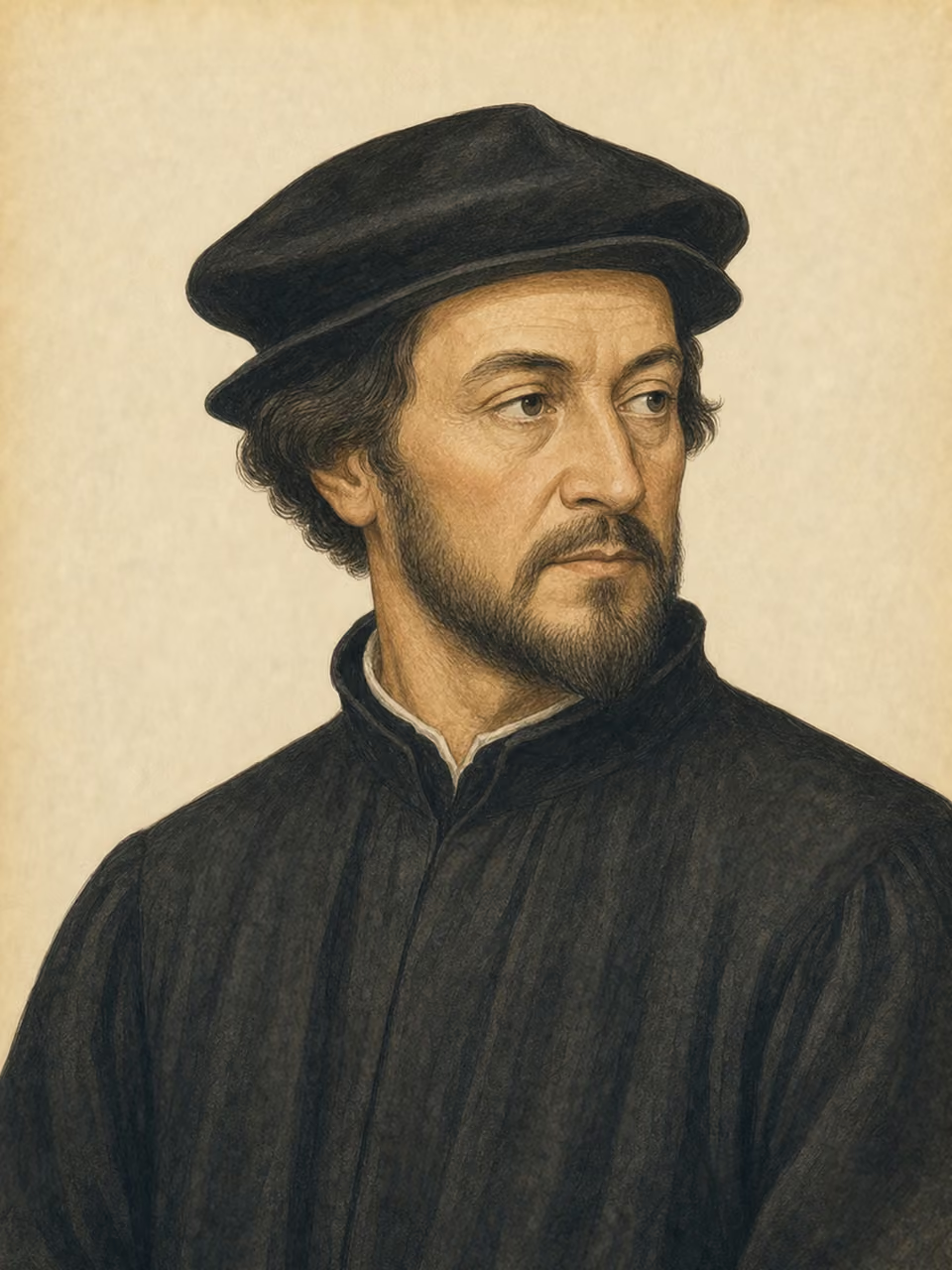
Leader of the Swiss Reformation. He promoted a Bible-centered reform in Zurich and formed a reformed school that was different from Luther. He is a person who considers the diversity of religious reform.
Related events
1497
Prelude
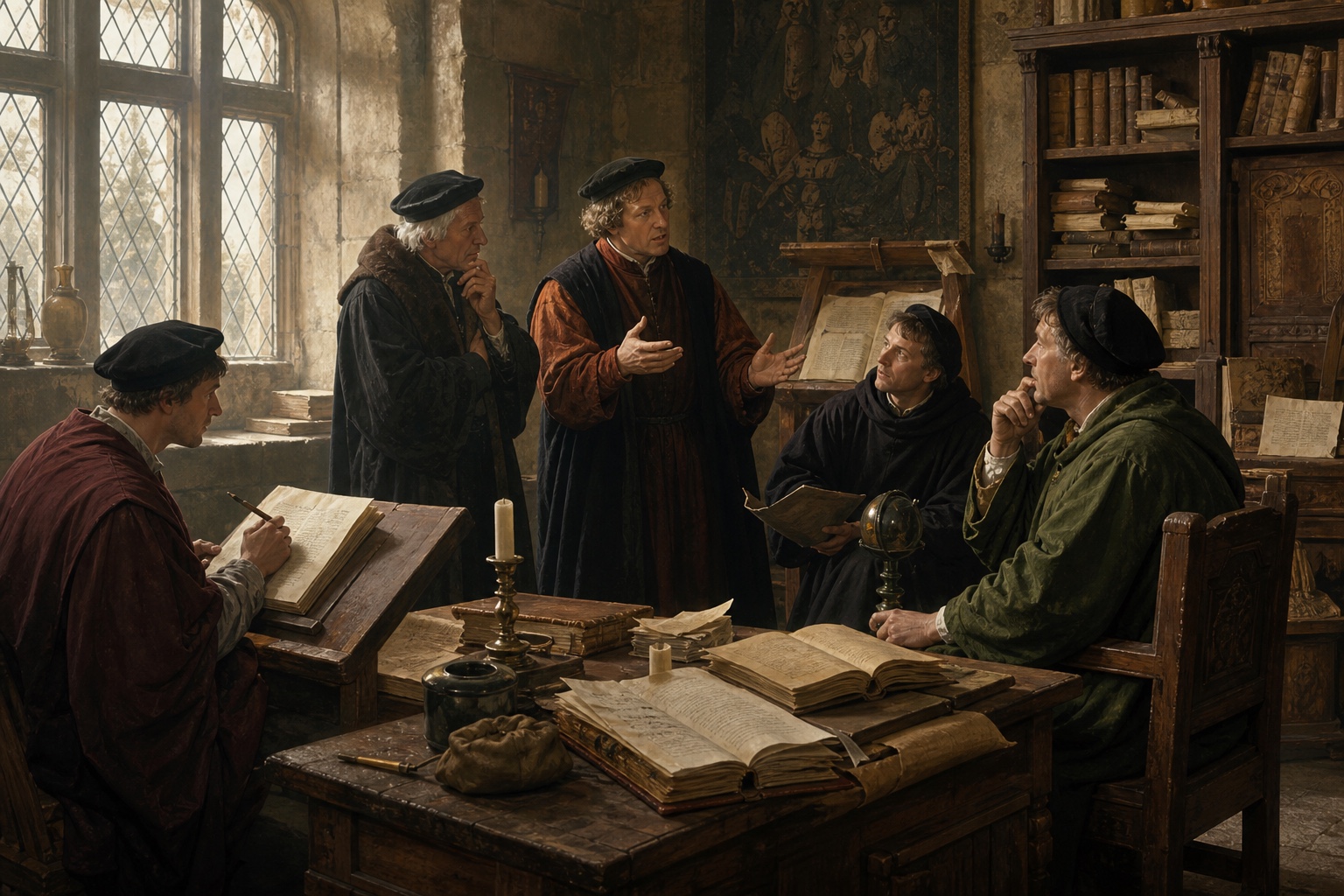
Prelude — Background: Late-medieval calls for reform, criticism of clerical institutions, humanist scholarship, printing, and disputes over papal and secular authority formed the setting. Luther's arguments about salvation and scriptural authority gained protection and political force within the decentralized Holy Roman Empire.
c. 1516
Rising tension
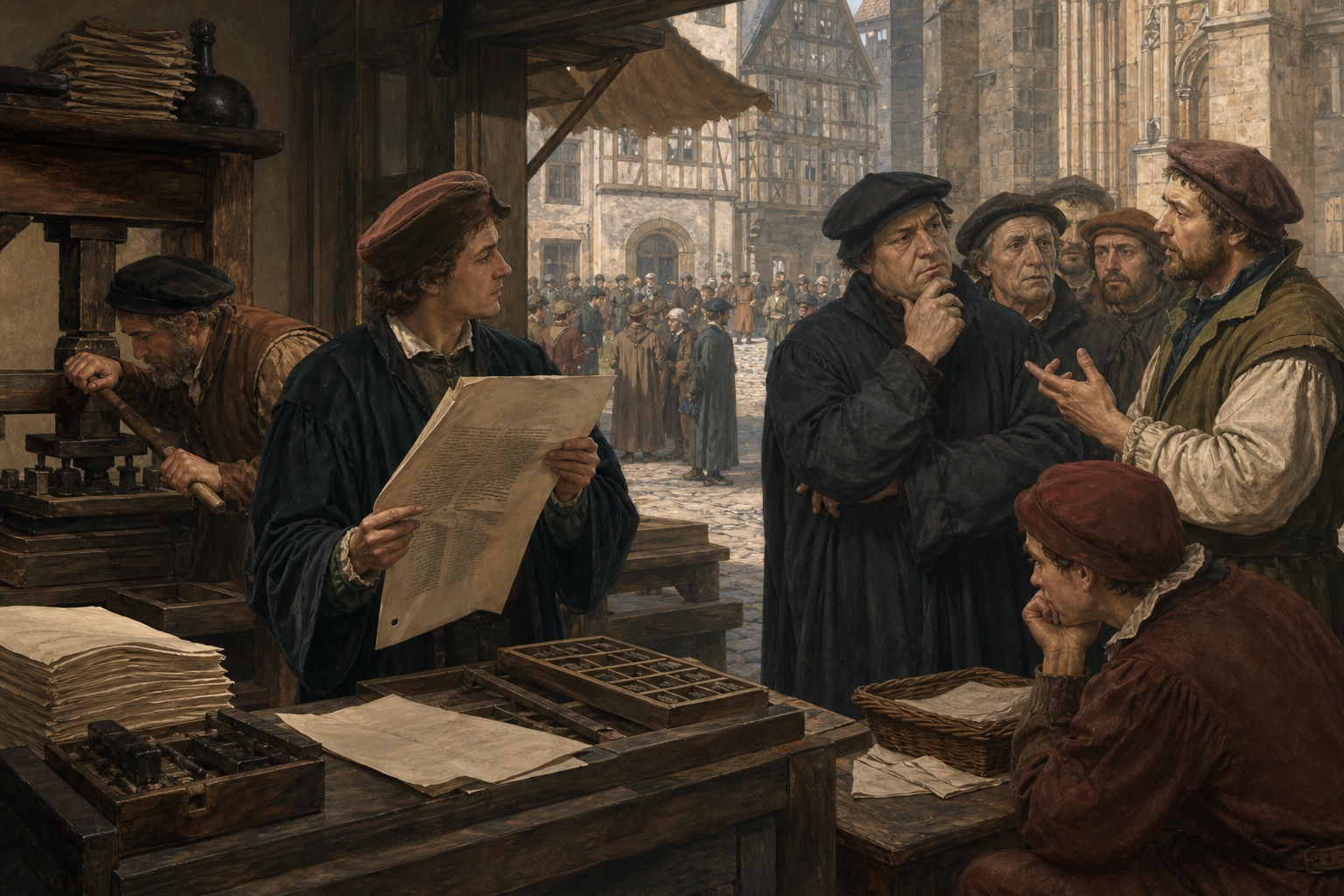
Rising tension — Build-up: Luther's controversy spread through print and preaching, while Zwingli, Calvin, Anabaptists, English reformers, and many local communities pursued distinct programs. Catholic renewal and the Council of Trent answered Protestant challenges; rulers, cities, and subjects negotiated or fought over doctrine, property, and authority.
1517–1648
Protestant Reformation
Current event
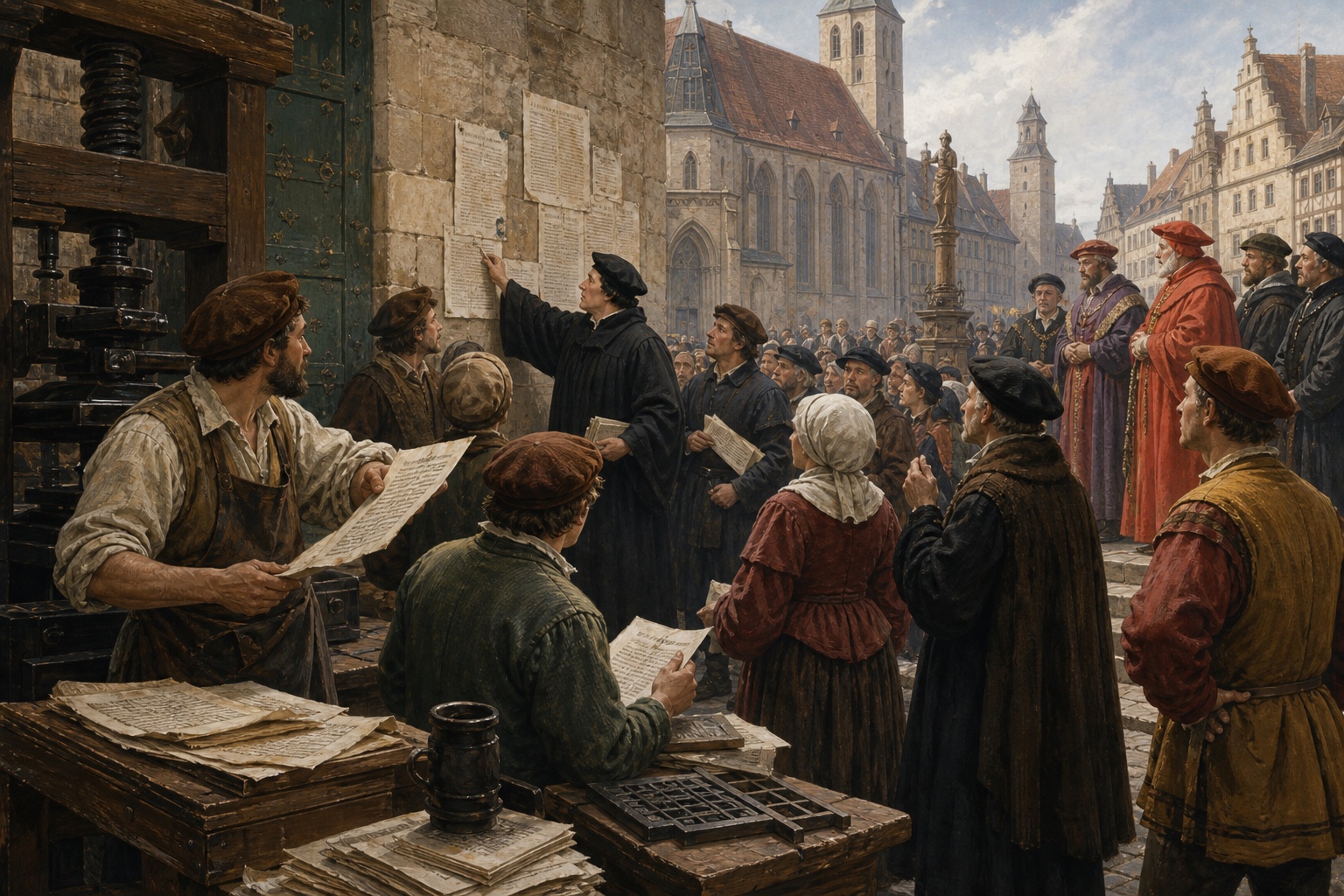
Protestant Reformation — Central transition: The diverse movements of religious reform that began conventionally with Luther's 1517 challenge to indulgences and permanently divided western Christianity.
c. 1649
Immediate aftermath
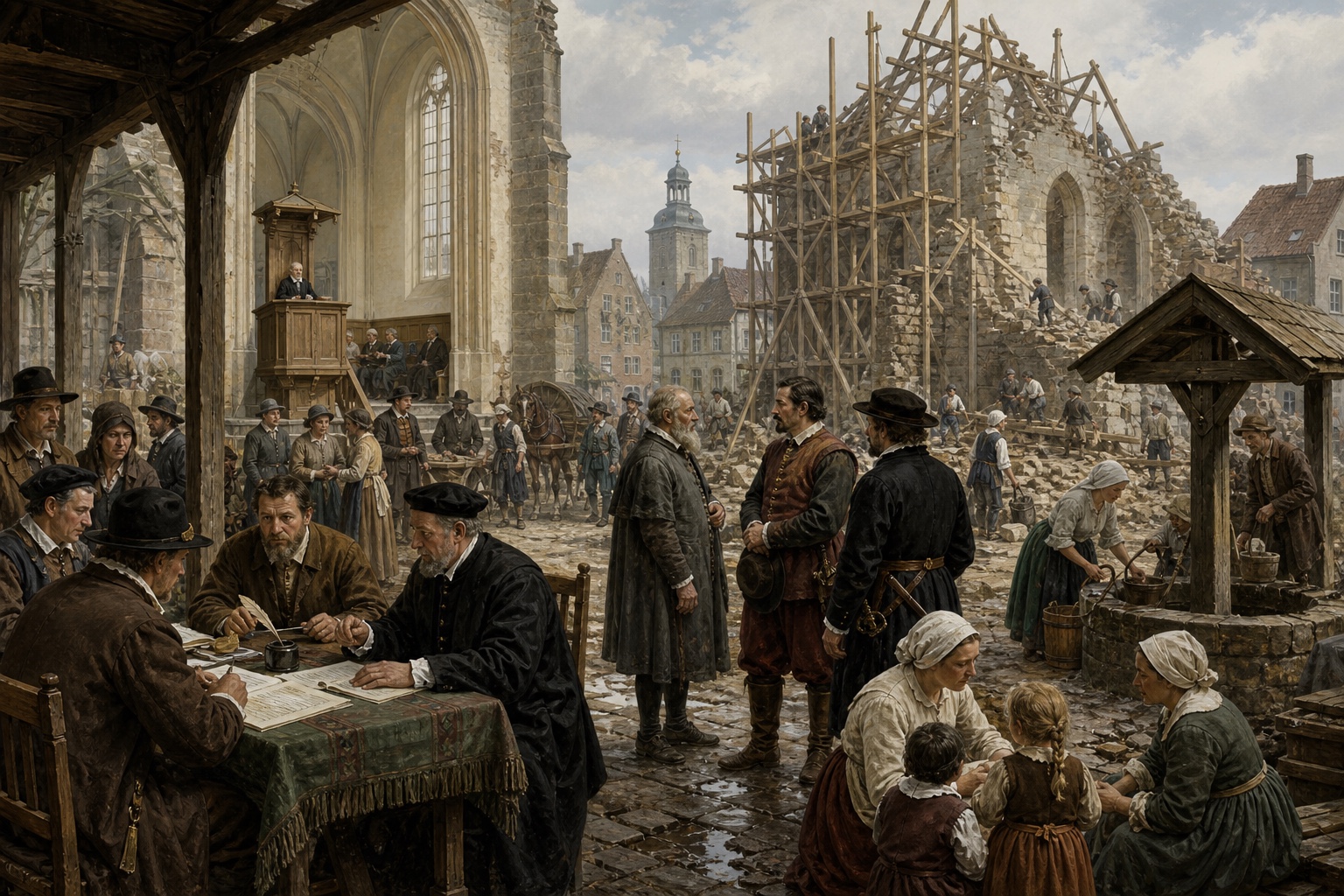
Immediate aftermath — Immediate result: Lutheran, Reformed, Anglican, and other Protestant churches took institutional form, while Catholic reform reshaped its own institutions. The Peace of Augsburg brought a limited settlement in 1555, but excluded important confessions and left political and constitutional disputes unresolved.
c. 1658
Long-term significance
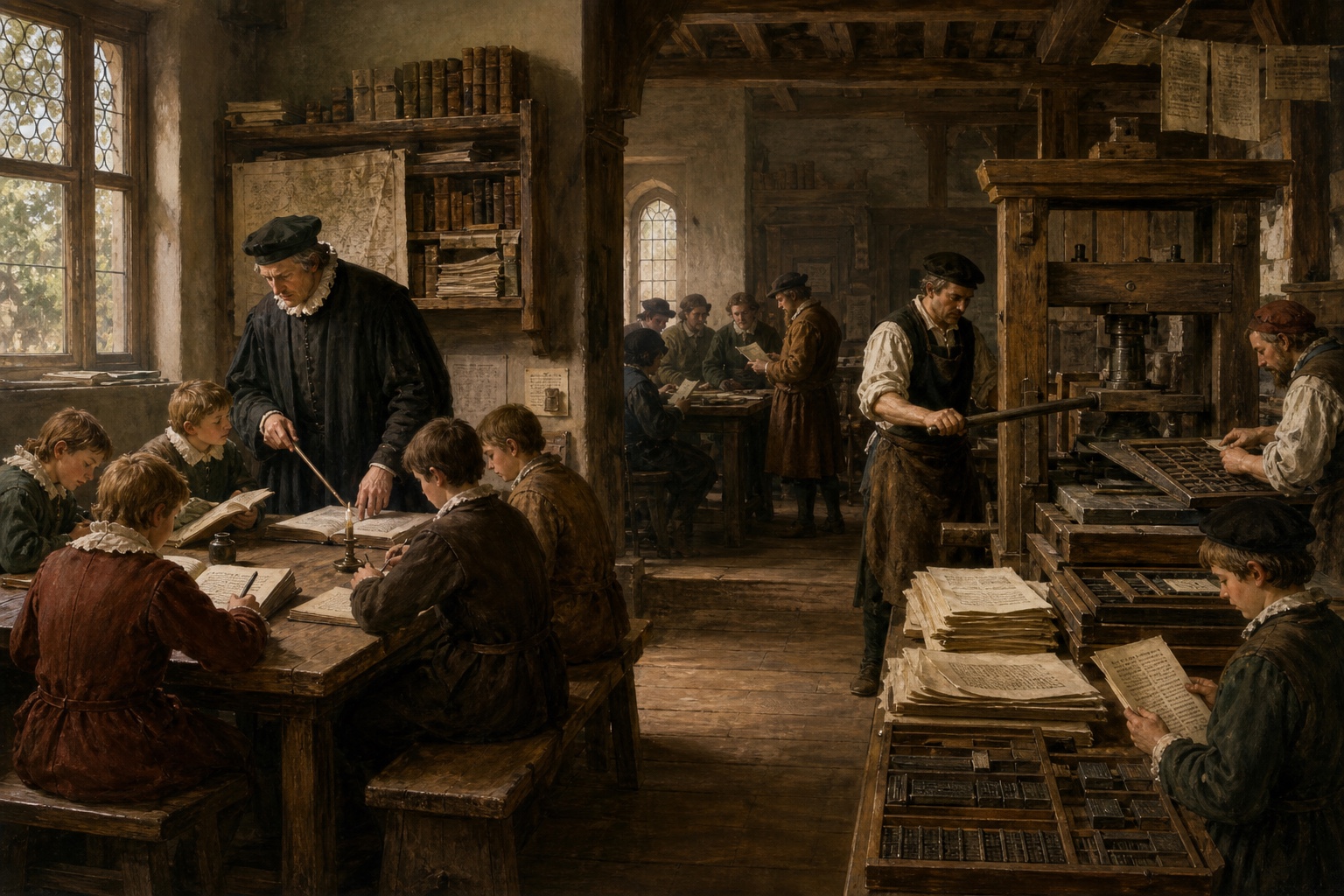
Long-term significance — Long-term significance: The Reformation transformed worship, education, print culture, family life, and relations between churches and governments. Its confessional divisions helped frame the Thirty Years' War, but that later conflict also grew from the Holy Roman Empire's constitutional tensions, dynastic rivalry, and competition among European powers; religion alone does not explain it.


Sources
- Protestant Reformation — Introduction (Germanhistorydocs)germanhistorydocs.orgThis Germanhistorydocs resource supports the chronology, setting, and course of Protestant Reformation.
- Protestant Reformation — The Reformation (The Metropolitan Museum of Art)metmuseum.orgThis The Metropolitan Museum of Art resource supports the chronology, setting, and course of Protestant Reformation.
- Protestant Reformation — Sbook (History)history.hanover.eduThis History resource supports the chronology, setting, and course of Protestant Reformation.