Qin Unification of China
221 BC–210 BC
In 221 BCE, King Zheng of Qin completed the conquest of the rival states, became the First Emperor, and built a centralized settlement through 210 BCE.

- Period
- 221 BC–210 BC
- Kind
- Political event
- Regions
- East Asia
- Keywords
- First Emperor · centralization · commanderies · standardization · unified empire
Follow the story · Four stages
Background
Long-running reforms gave Qin stronger taxation, armies, and administration, creating the state capacity to defeat its rivals.
- Long-running reforms during the Warring States period
- Stronger taxation, armies, and administration
- State capacity built for conquest
Course
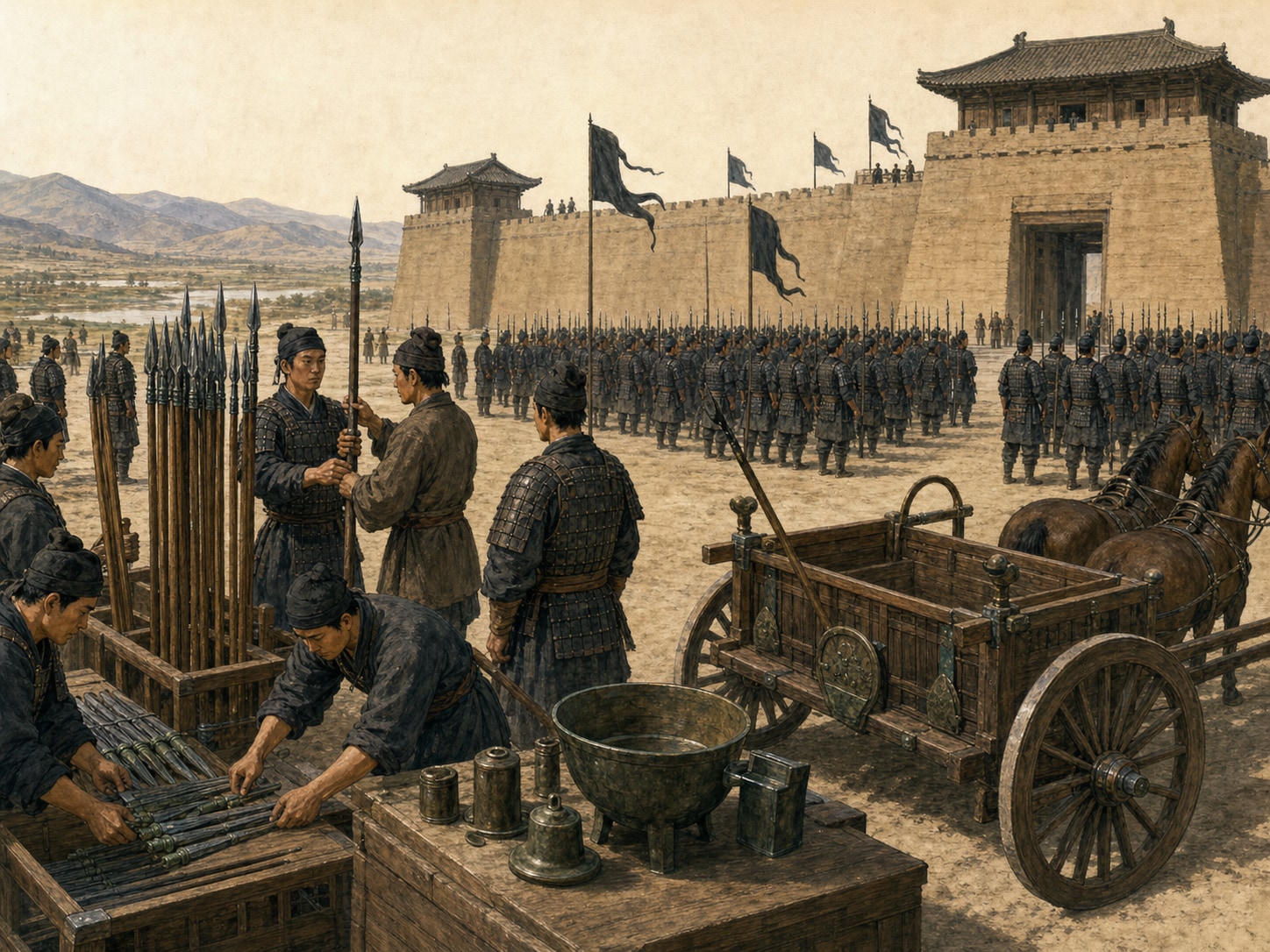
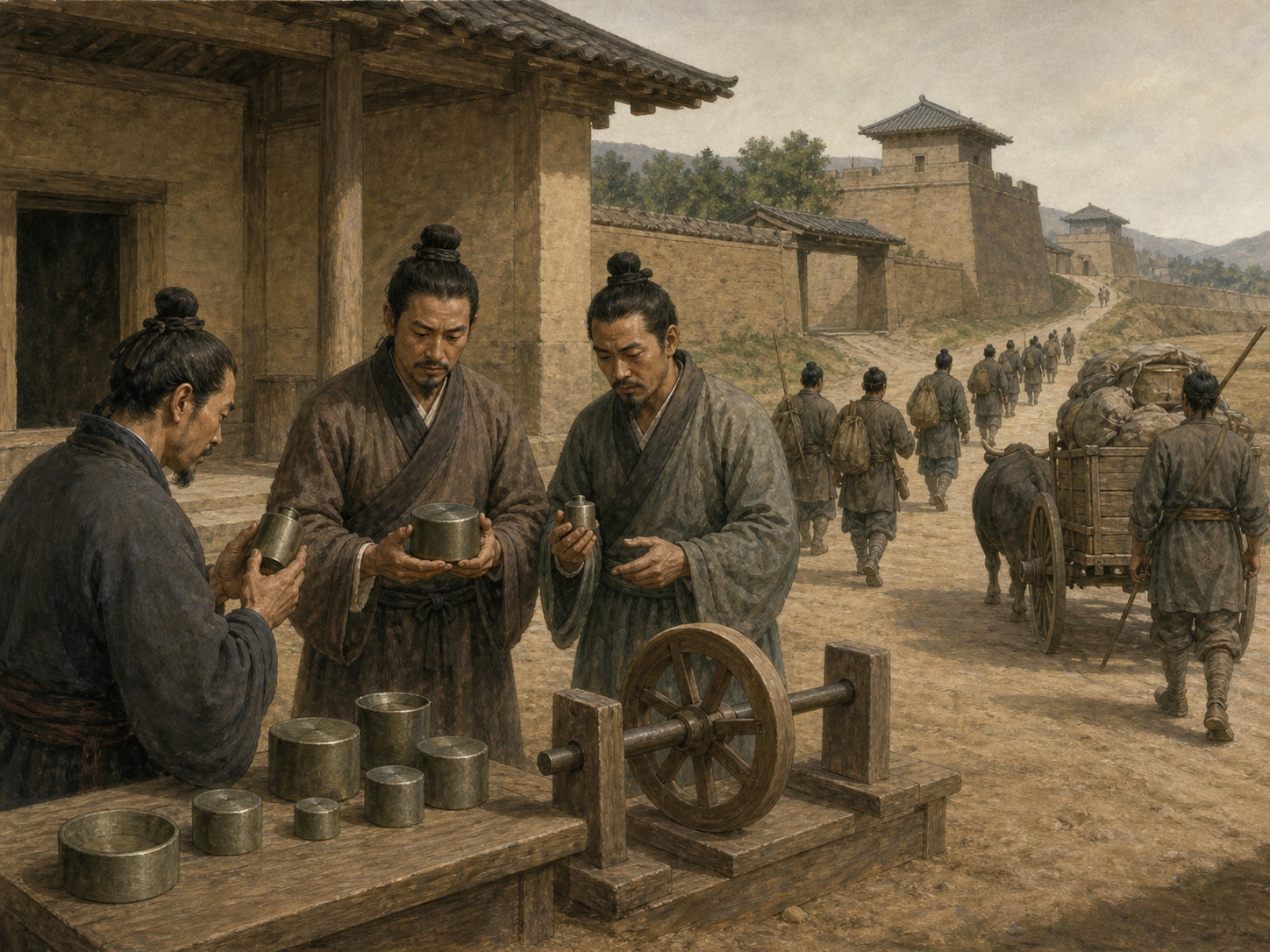
Qin completed the final conquests and imposed bureaucratic commanderies, standardized script, weights and measures, and expanded imperial roads.
- The last rival states conquered by 221 BCE
- Bureaucratic rule through commanderies
- Standardization and an expanded road network
Outcome
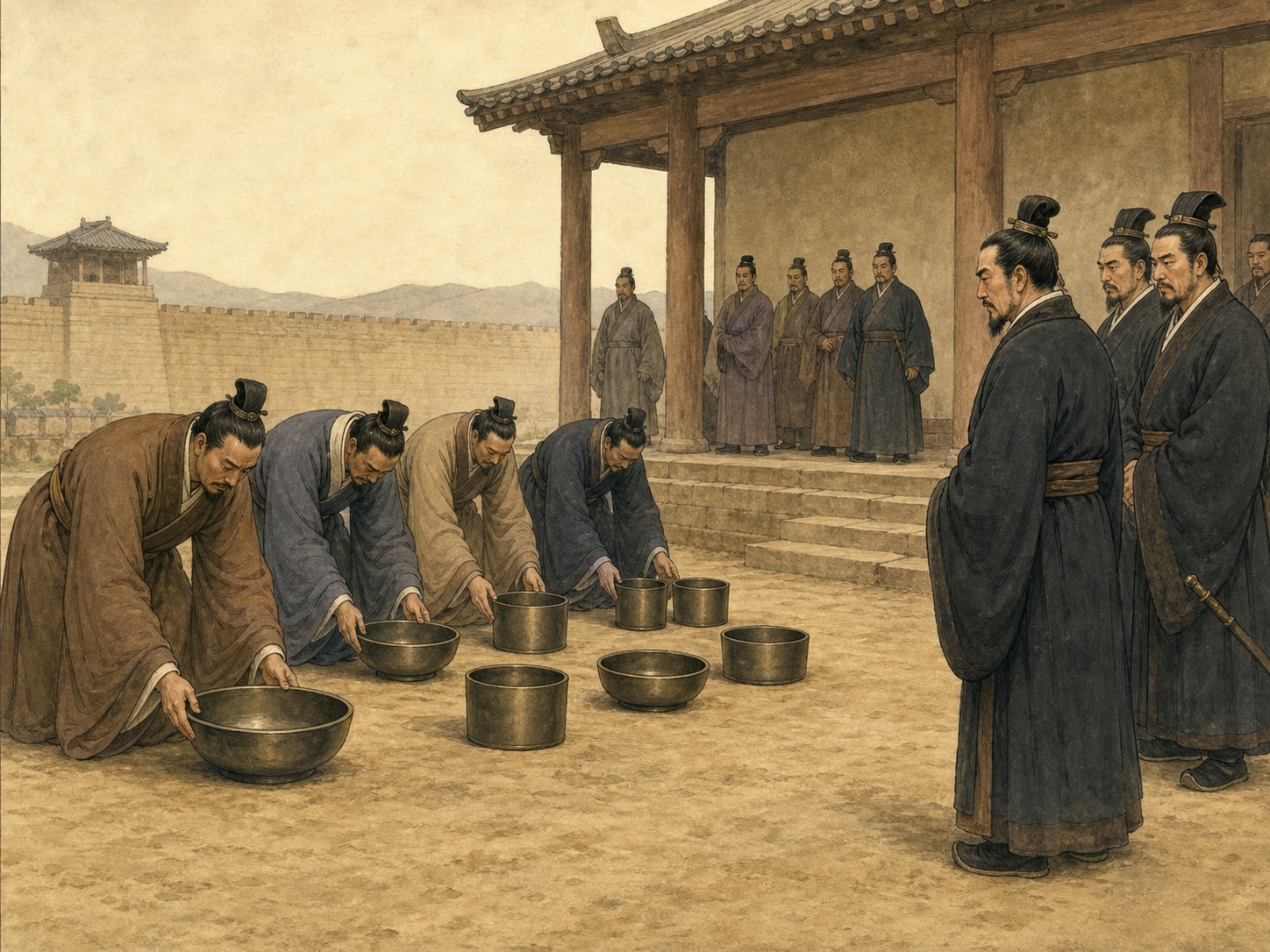
Rebellions spread after the First Emperor's death, and Qin rule ended in 206 BCE, but its framework for governing a unified empire survived.
- Centralization under the First Emperor
- Rebellions spread after his death
- Qin rule ended in 206 BCE
Historical significance
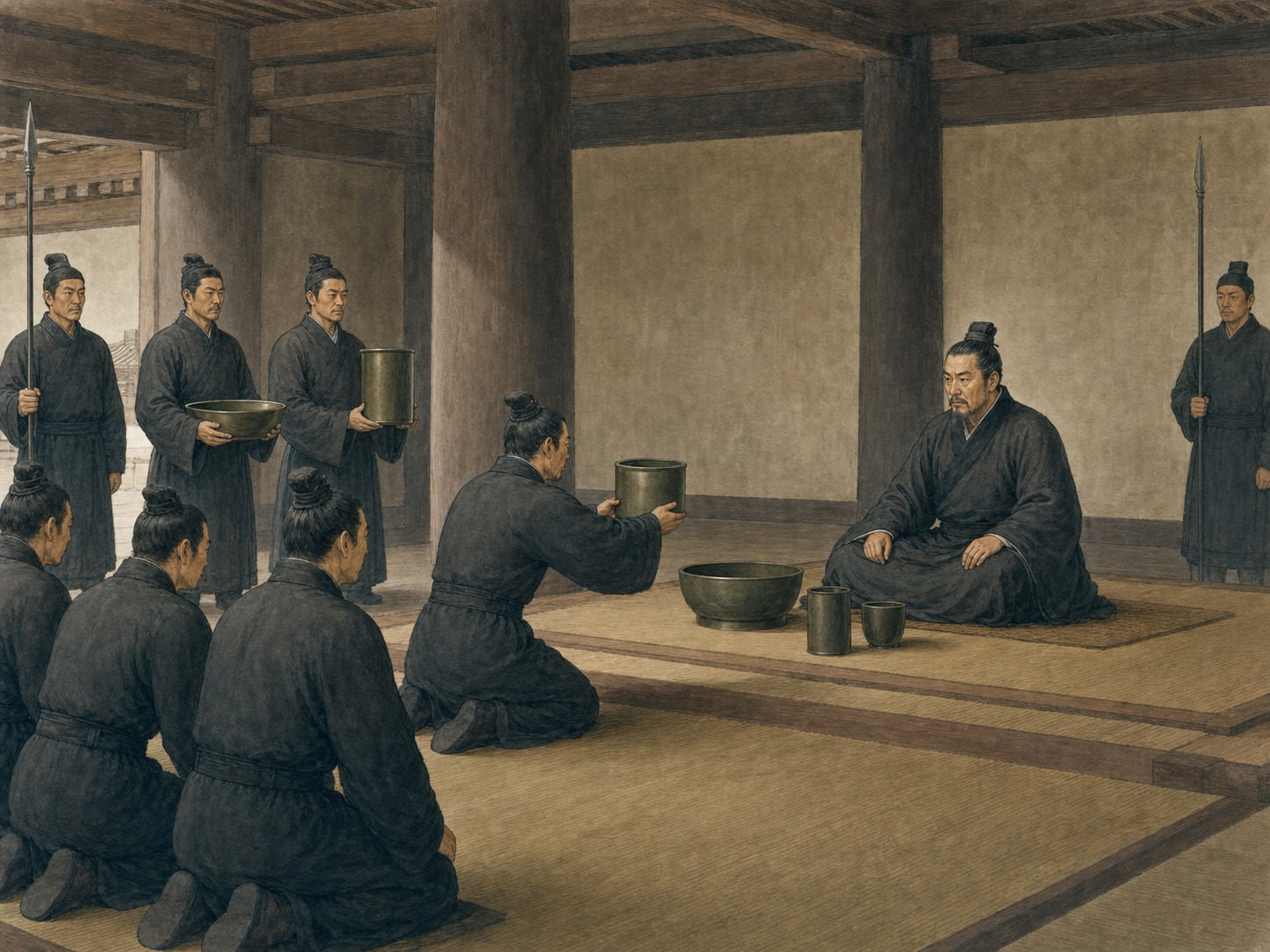
The unification recast China as a single imperial state and left later dynasties a durable model of central bureaucracy and standardization.
- China recast as a single imperial state
- A durable model of central bureaucracy
- Standards and institutions inherited by later dynasties


Related figures
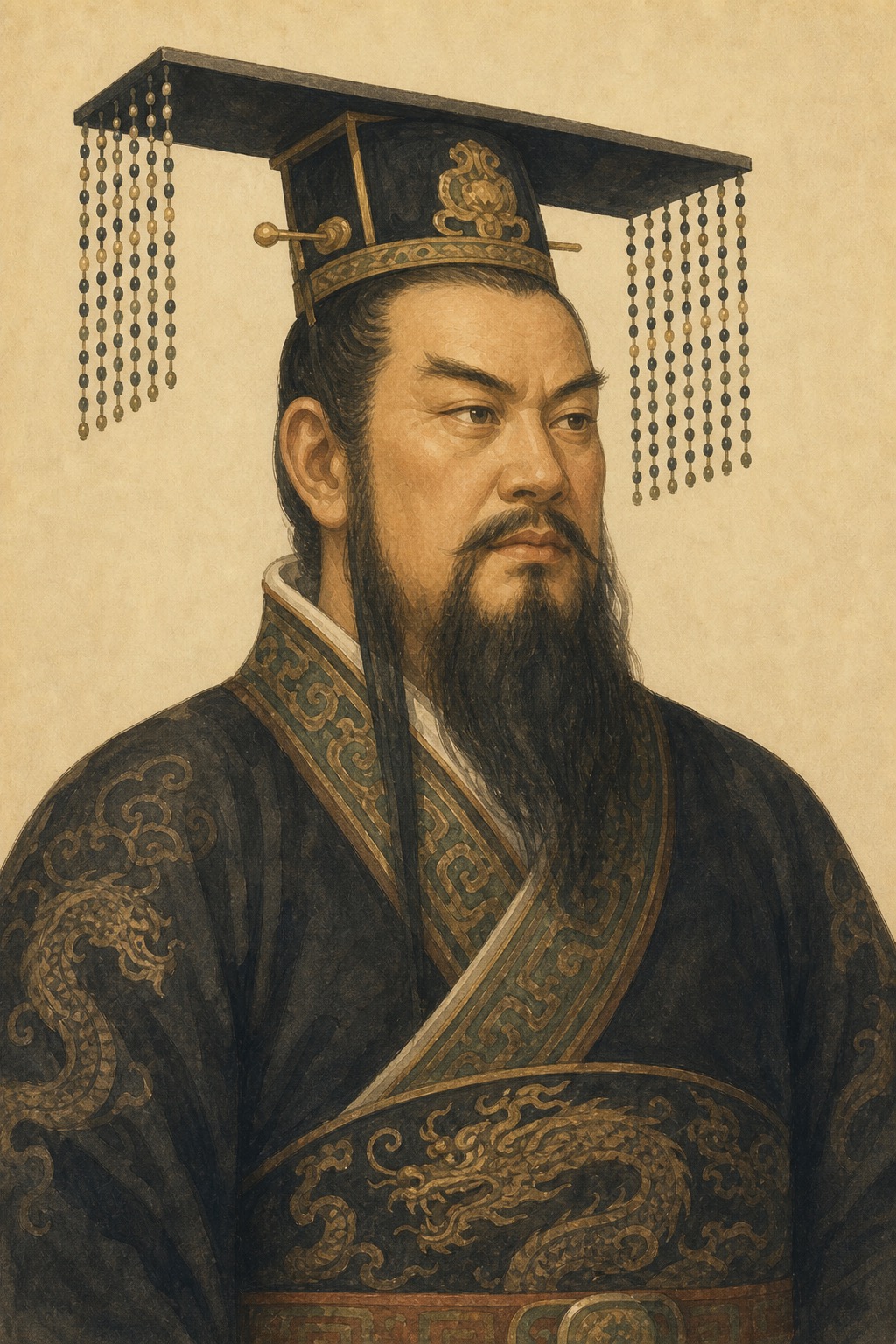
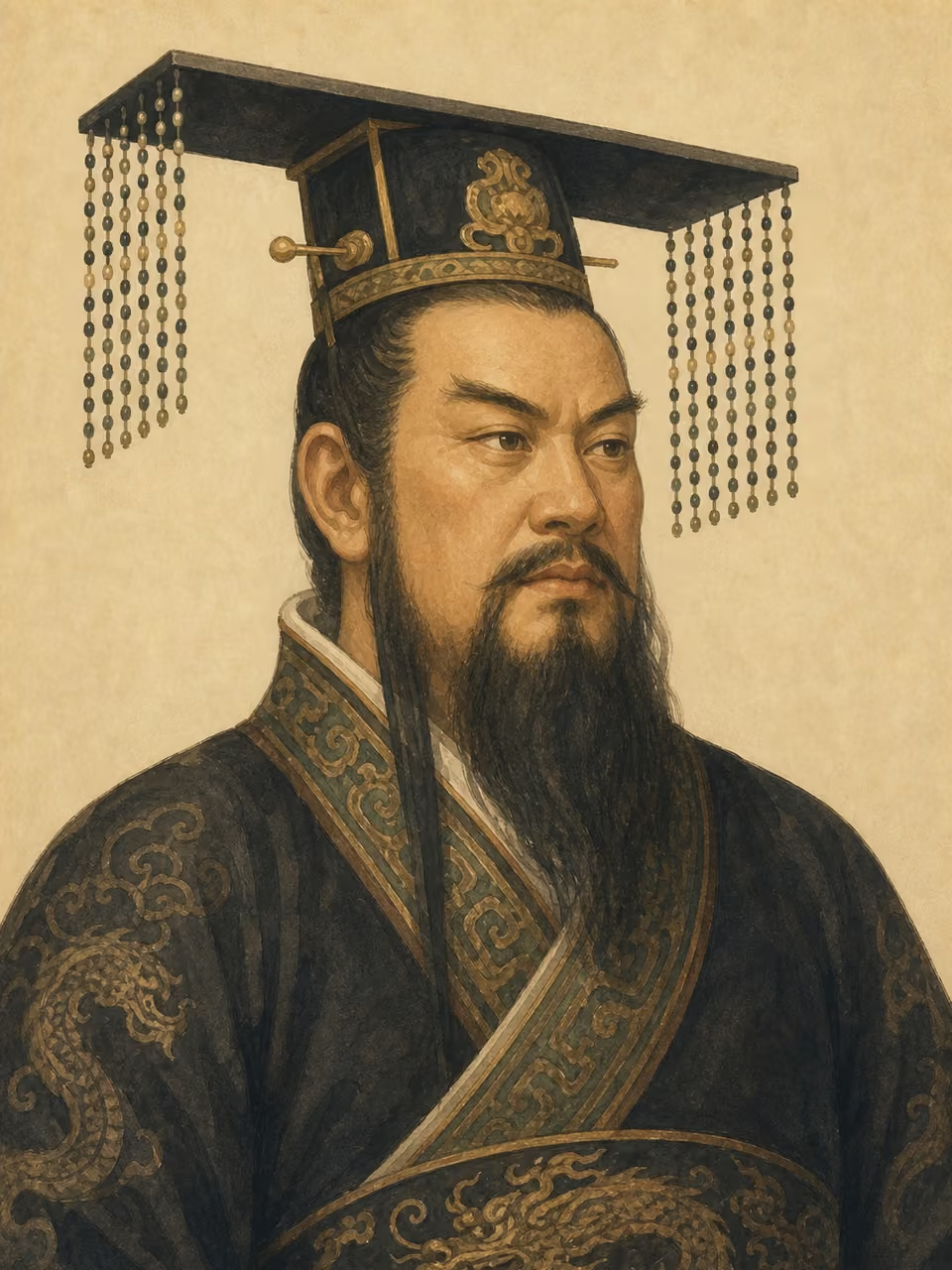
Qin Shi Huang
First Emperor and unifier
He completed the conquest of the rival states in 221 BCE, became the First Emperor, and directed centralization through 210 BCE.
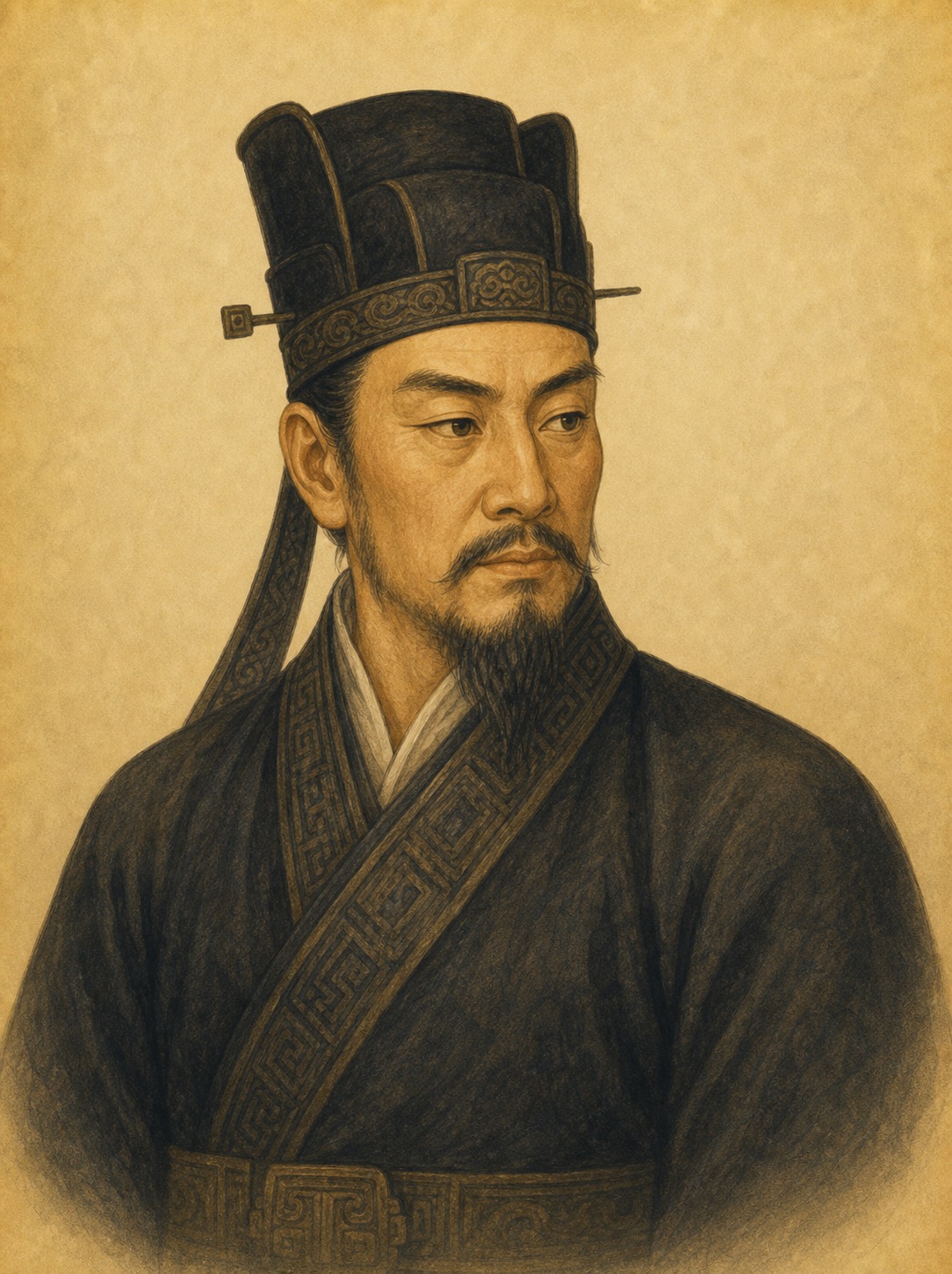
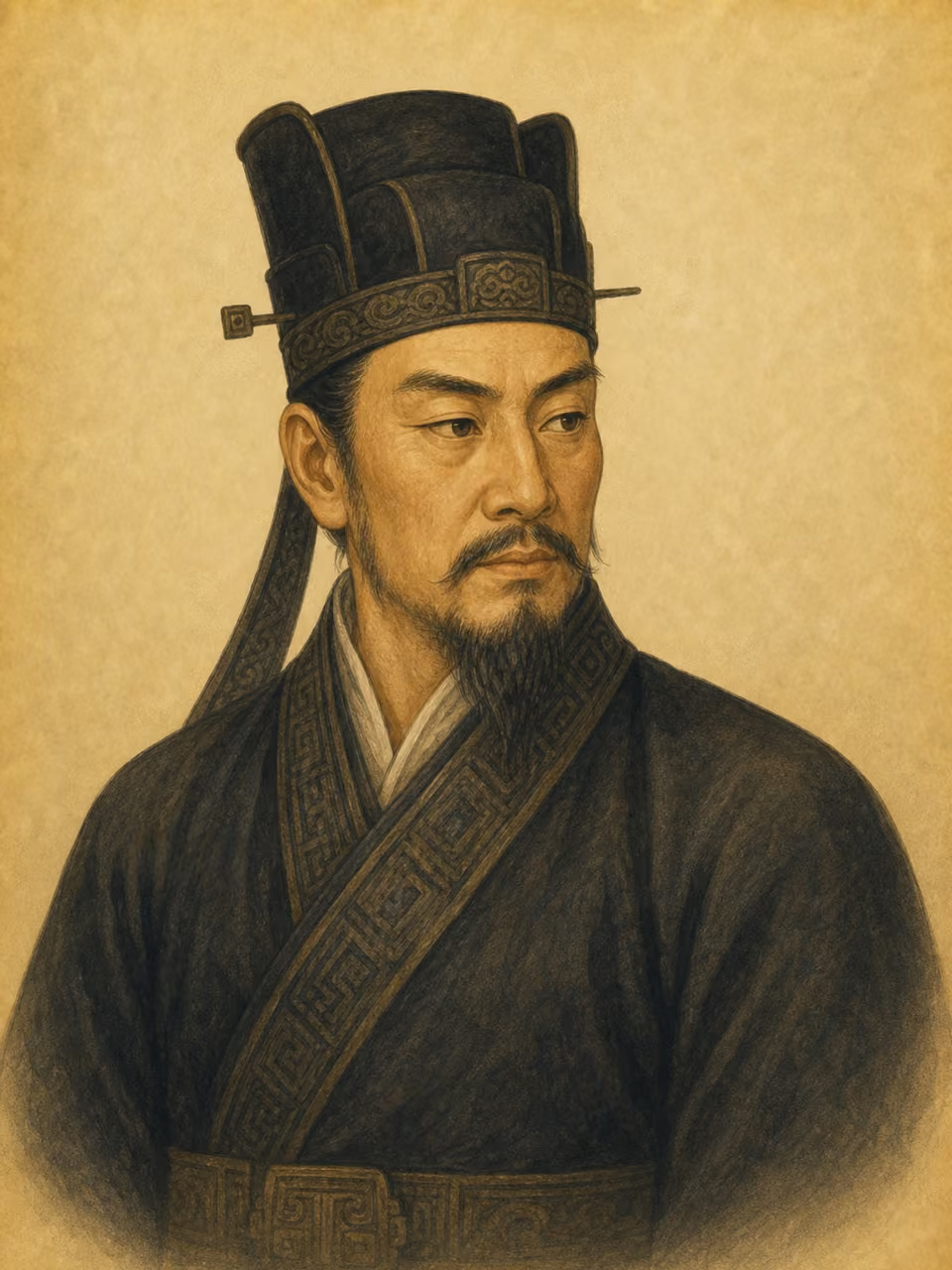
Li Si
Chancellor and institution builder
A senior Qin official who supported unified government and was involved in reforms including the standardization of script.
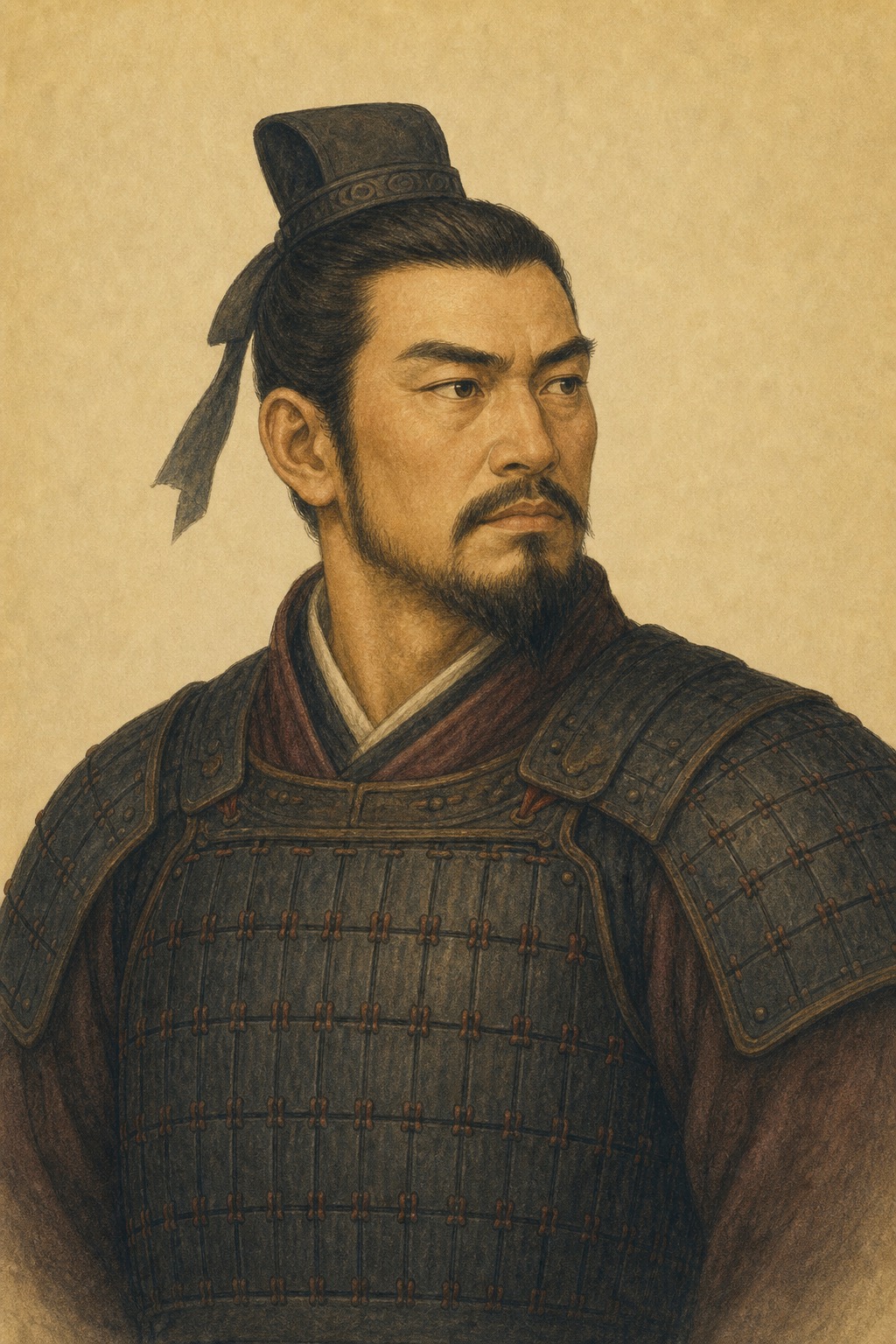
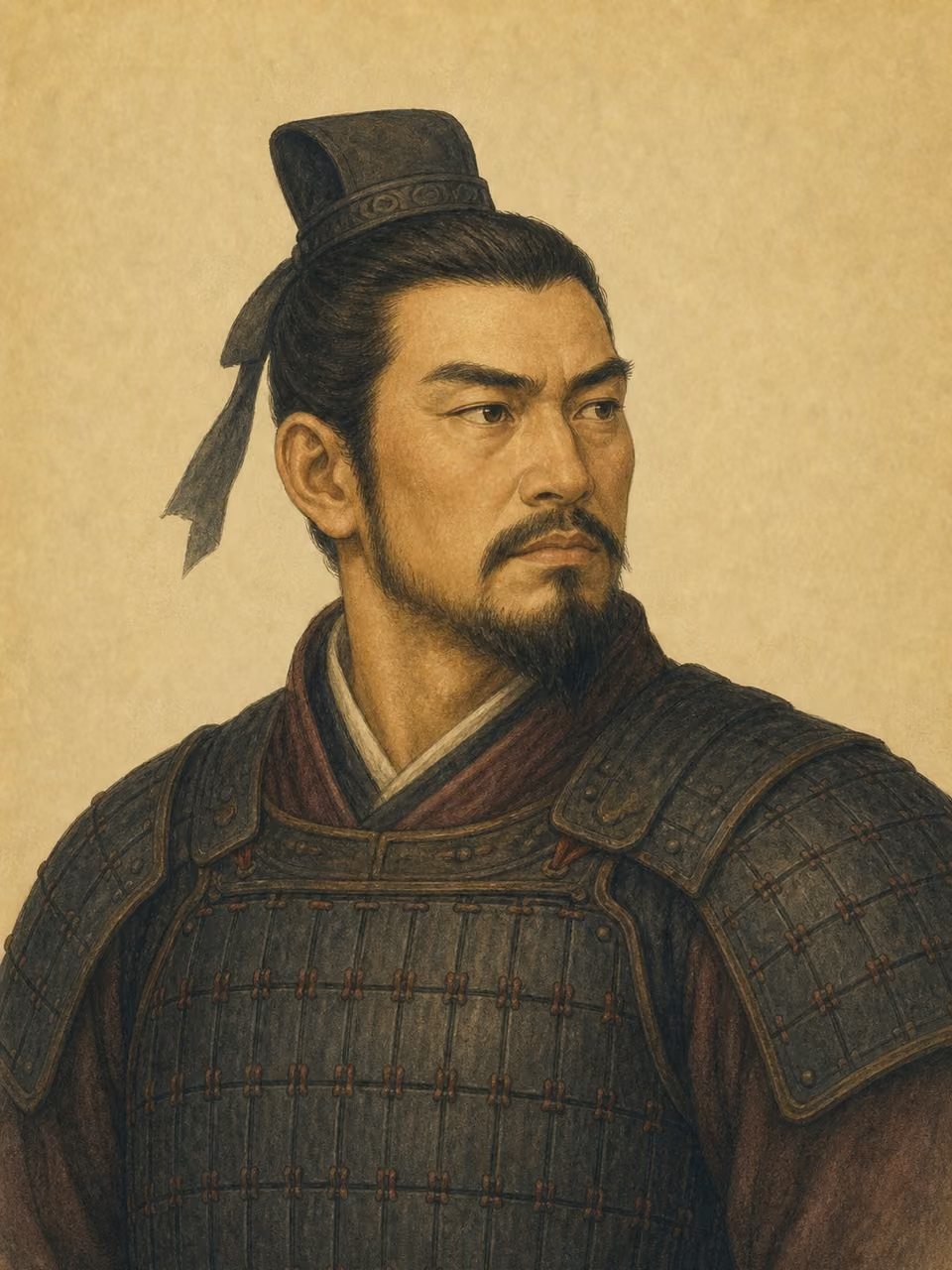
Meng Tian
General and northern commander
A commander in the unified Qin empire who led the northern campaign around 215–214 BCE.
Related events
400 BC–230 BC
Reforms build Qin state capacity
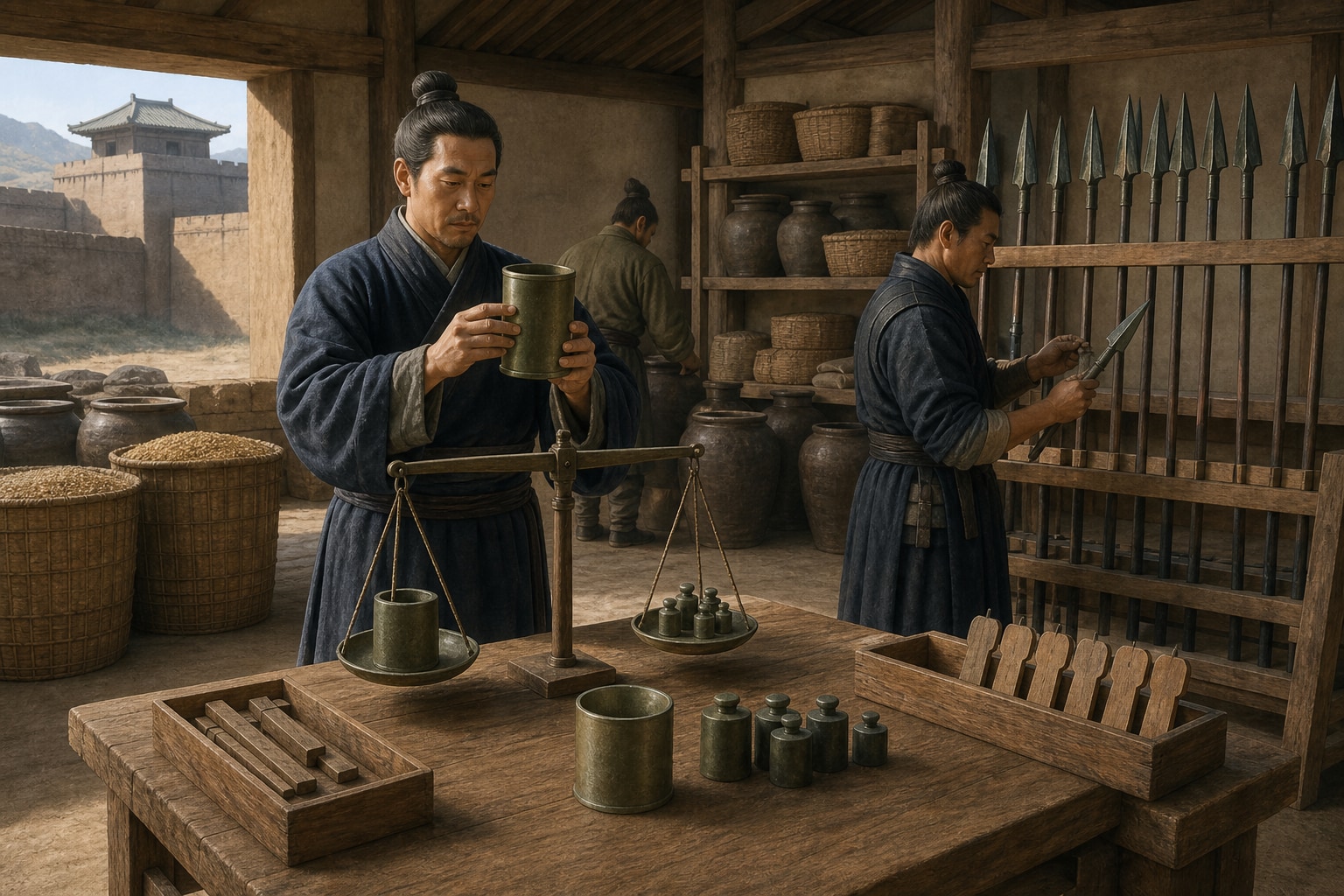
Across the fourth and third centuries BCE, reforms strengthened taxation, armies, and central administration, laying foundations for conquest.
230 BC–223 BC
The final conquests
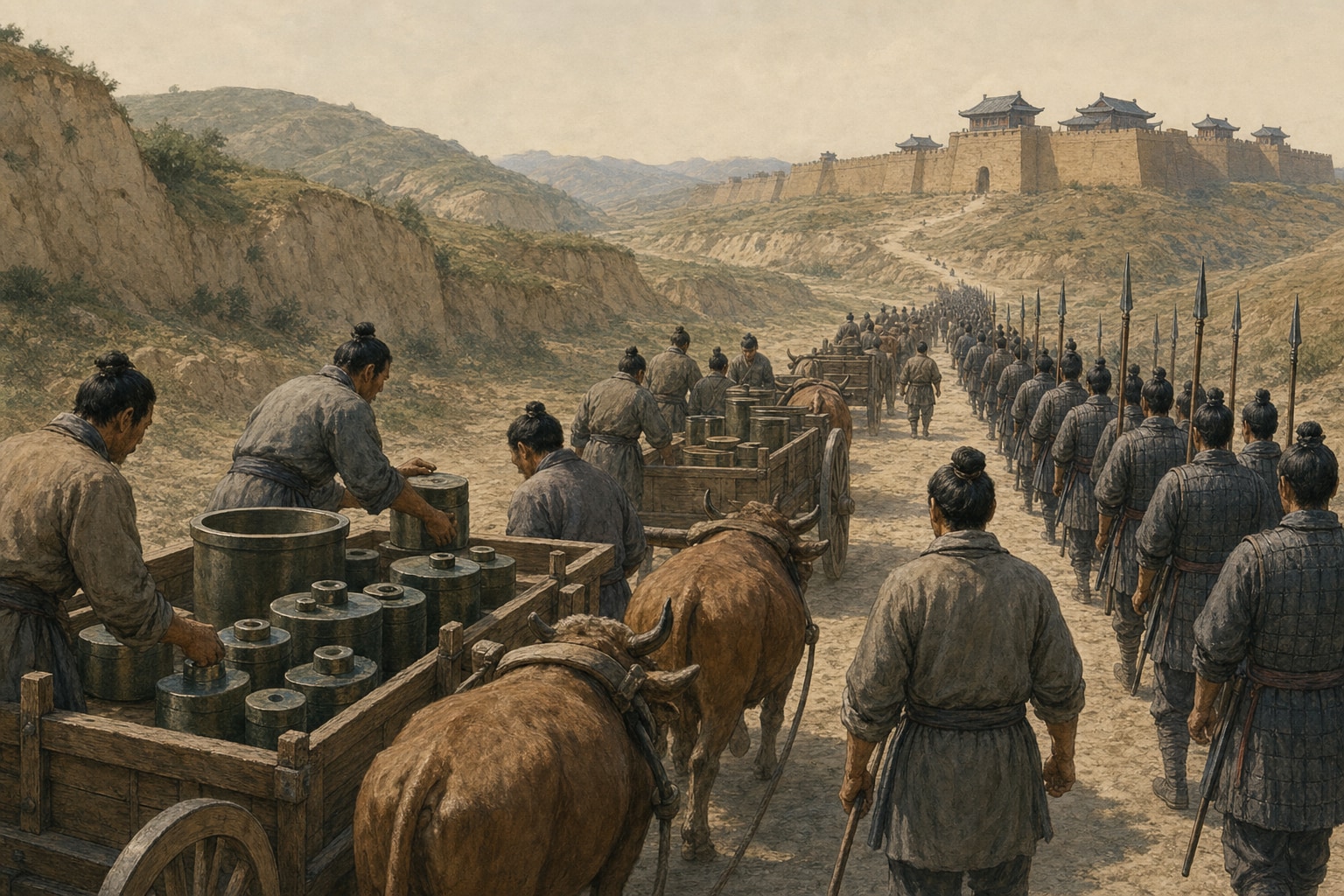
From 230 to 223 BCE, Qin armies defeated Han, Zhao, Wei, and Chu as the final conquest drive advanced.
221 BC–210 BC
Unification and centralization
Current event
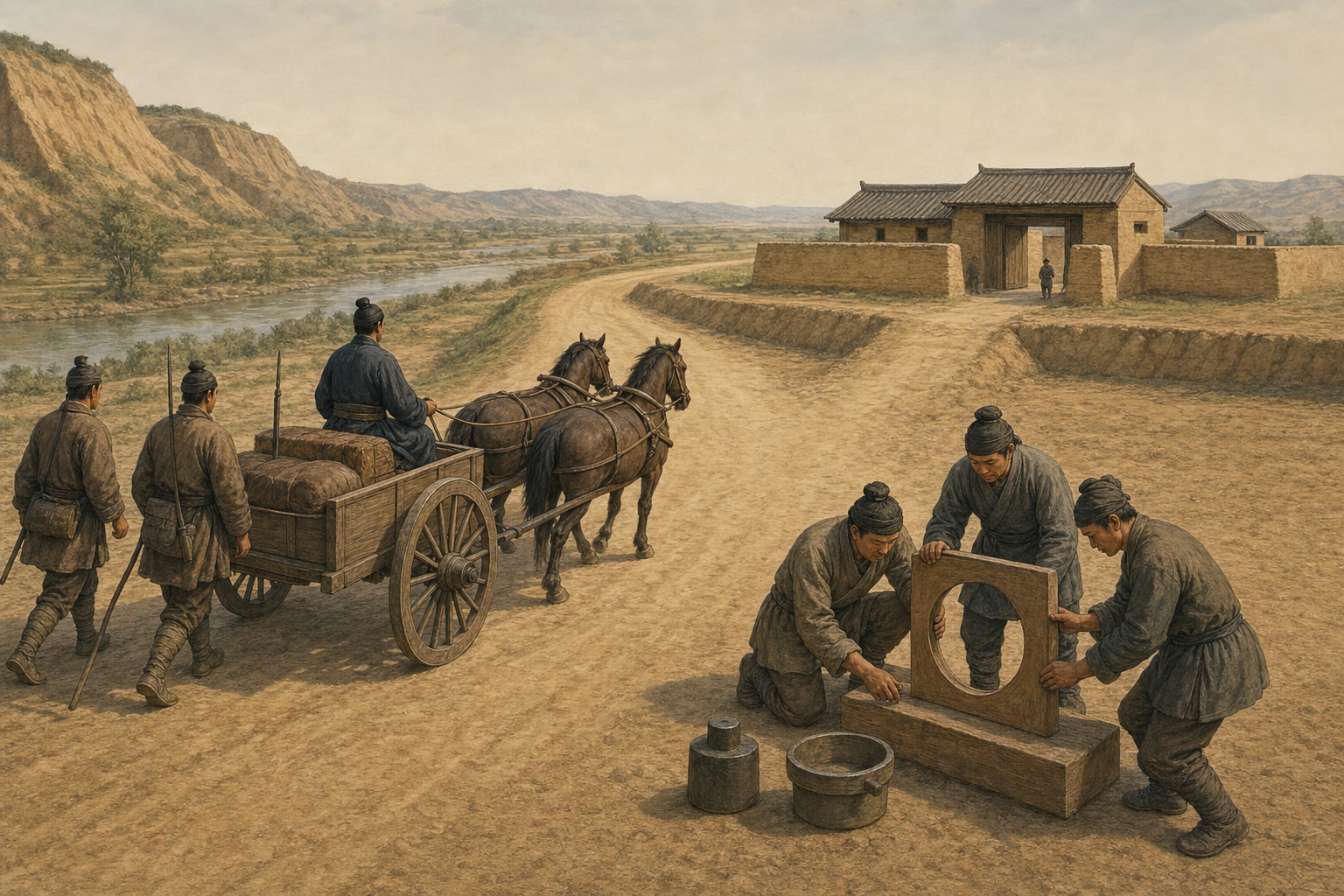
From 221 to 210 BCE, the First Emperor consolidated the unified state through commanderies, standardization, and transport works.
209 BC
Anti-Qin uprisings spread
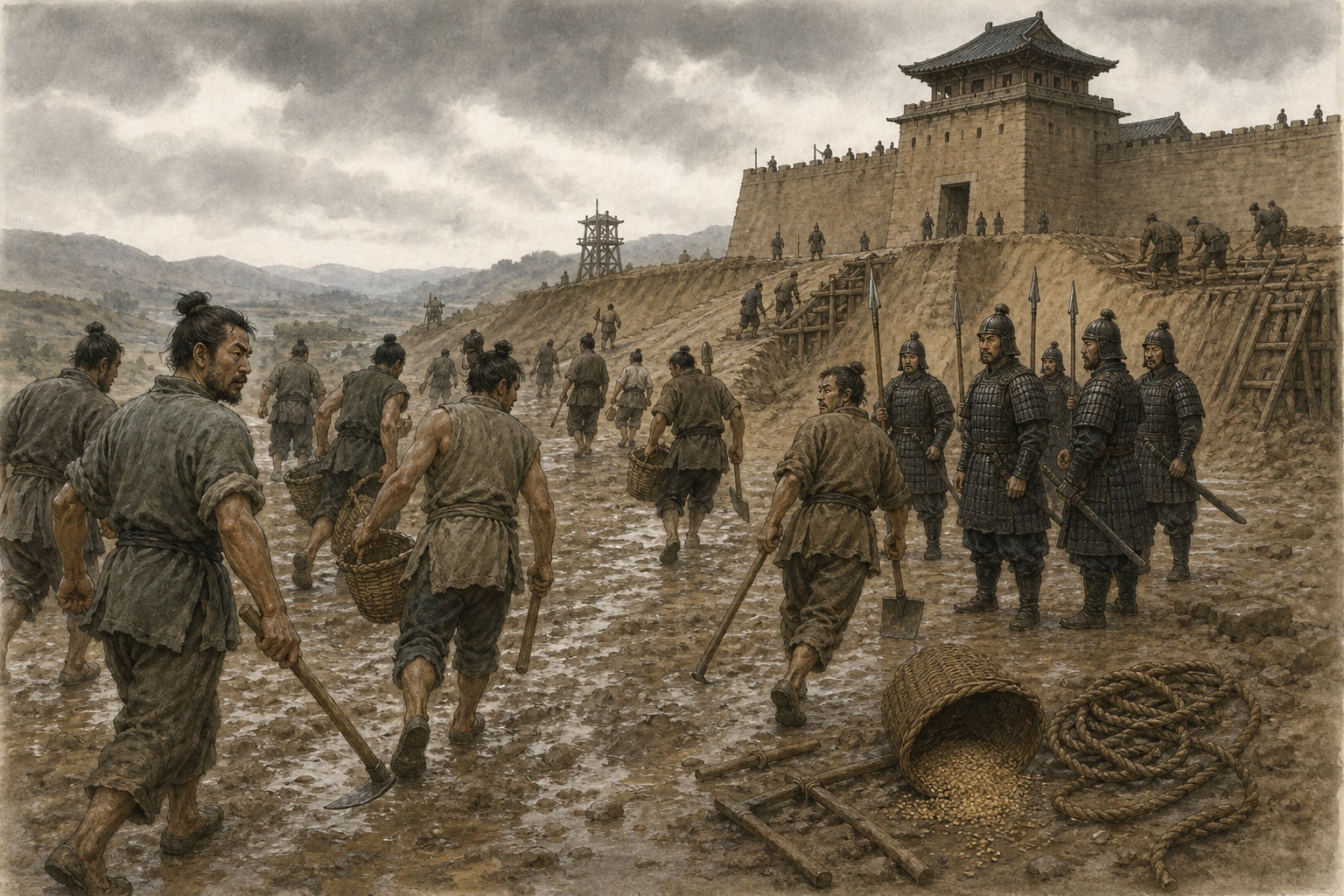
In 209 BCE, uprisings exposed the coercive strain and fragility of the new Qin empire.
206 BC
Collapse and institutional legacy
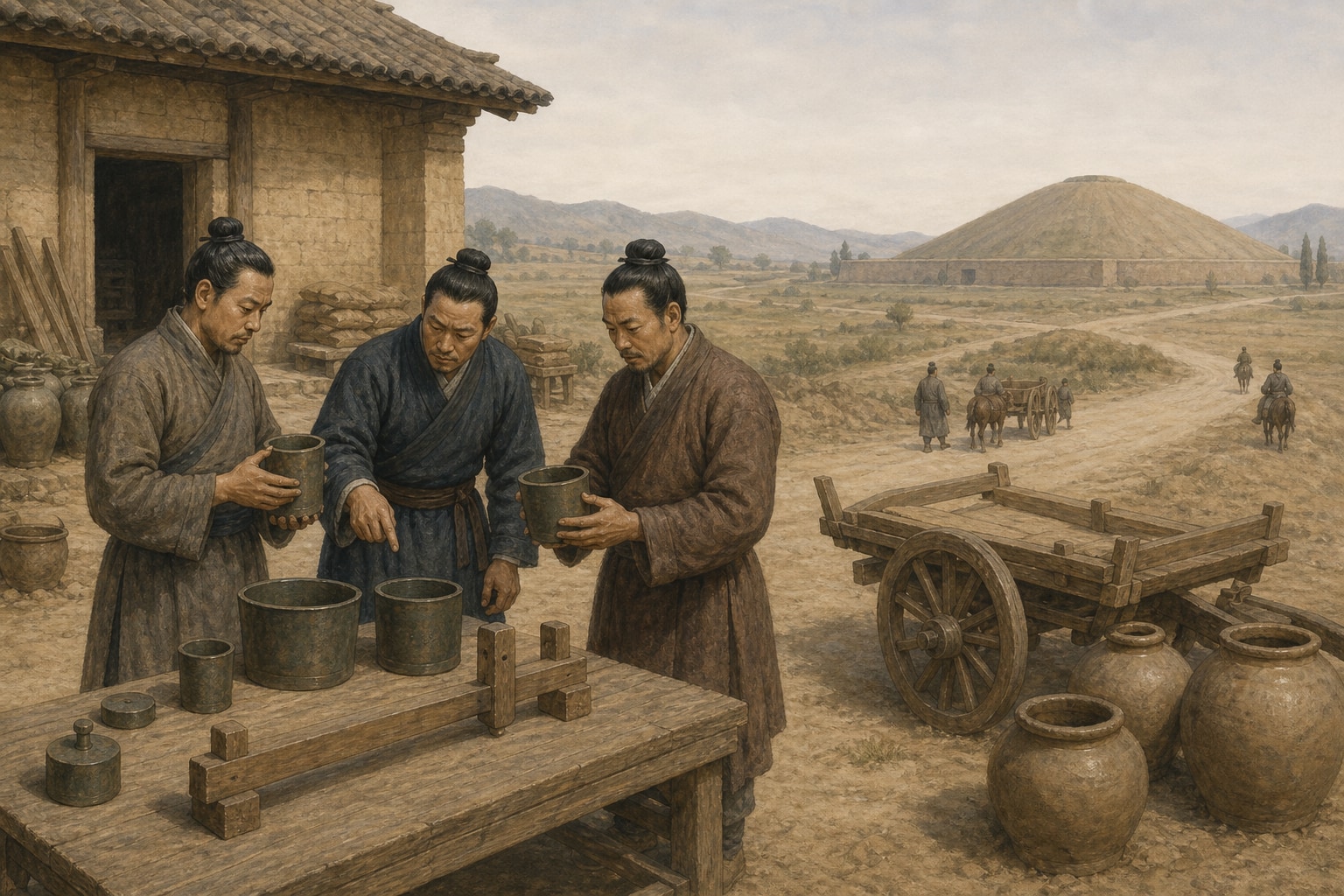
Qin rule ended in 206 BCE, but commandery administration and standardization endured under later unified dynasties.


Sources
- Mausoleum of the First Qin EmperorUNESCO World Heritage CentreA World Heritage account of the First Emperor and the mausoleum and terracotta army as material legacies of Qin rule.
- Archaeological Perspectives on the Qin Unification of ChinaUSC U.S.-China InstituteAn event resource addressing Qin unification and archaeological evidence for the transition from conquest to unified rule.
- Art Exhibition on Qin UnificationShanghai Municipal People's GovernmentAn exhibition page presenting Qin unification and Qin-period material culture.
- Qin DynastySmithsonian National Museum of Asian ArtAn educational overview of Qin bureaucracy, standardization, roads, collapse, and longer institutional influence.
- Li Si and Qin StandardizationThe People's Government of Shaanxi ProvinceA source supporting Li Si's role in script standardization and standardization under the unified Qin empire.