
Southeast Asian Decolonization Wave
1945–1959
From 1945 to 1959, declarations, armed struggles, negotiations, and self-government initiatives spread across Southeast Asia and remade the colonial order after the Second World War.

- Period
- 1945–1959
- Kind
- Movement
- Regions
- Southeast Asia
- Keywords
- Decolonization · Southeast Asia · Independence movements · Sovereignty · Cold War
Follow the story · Four stages
Background
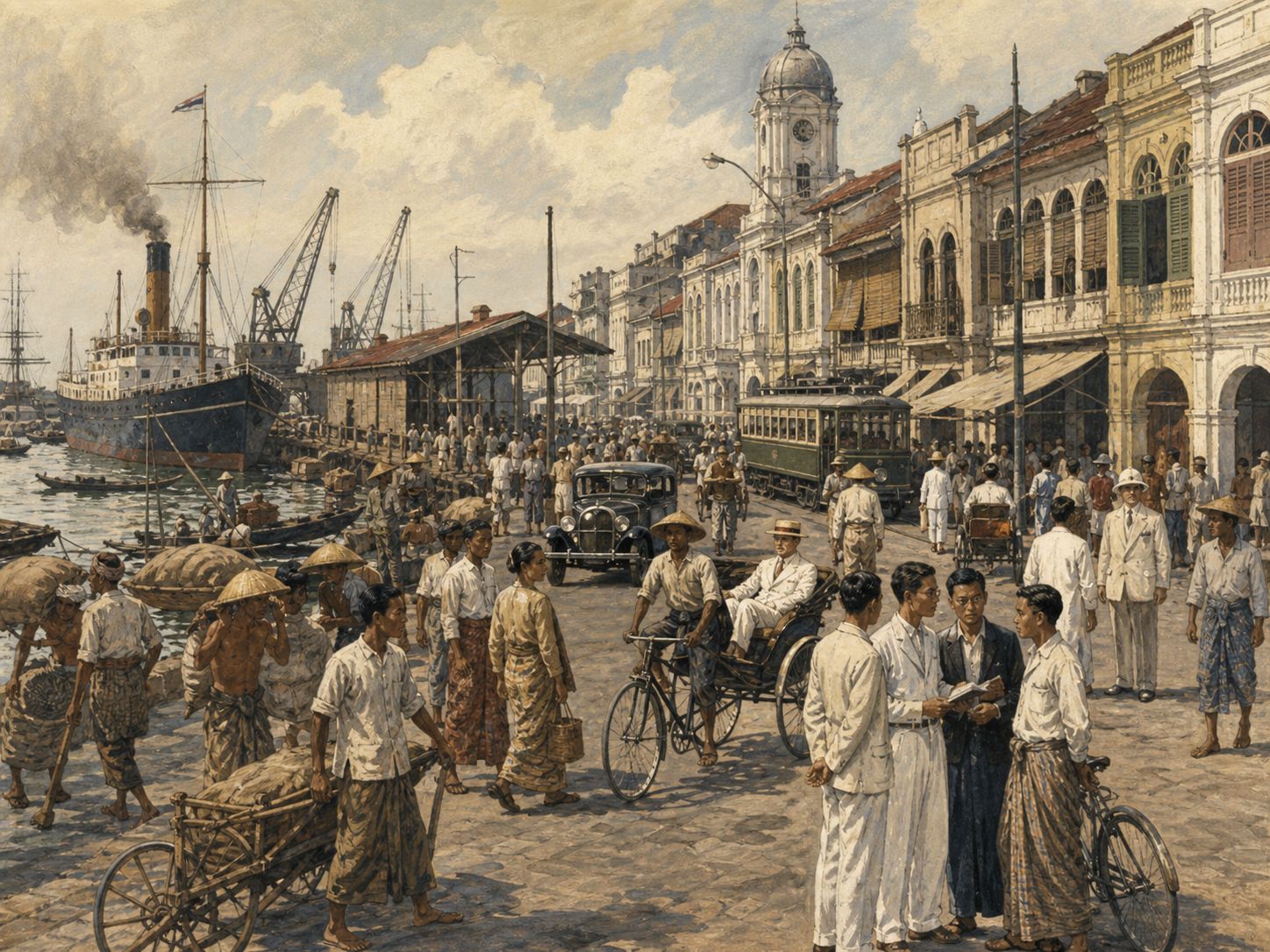
Japanese occupation temporarily broke European rule and expanded nationalist organizations and armed movements. After Japan's surrender in 1945, former colonial powers attempted to restore authority.
- Colonial rule reorganized ports, labor, and education across the region
- Japanese occupation shook the old order and left experience of mobilization and administration
- After World War II, national movements demanded sovereignty together
Course
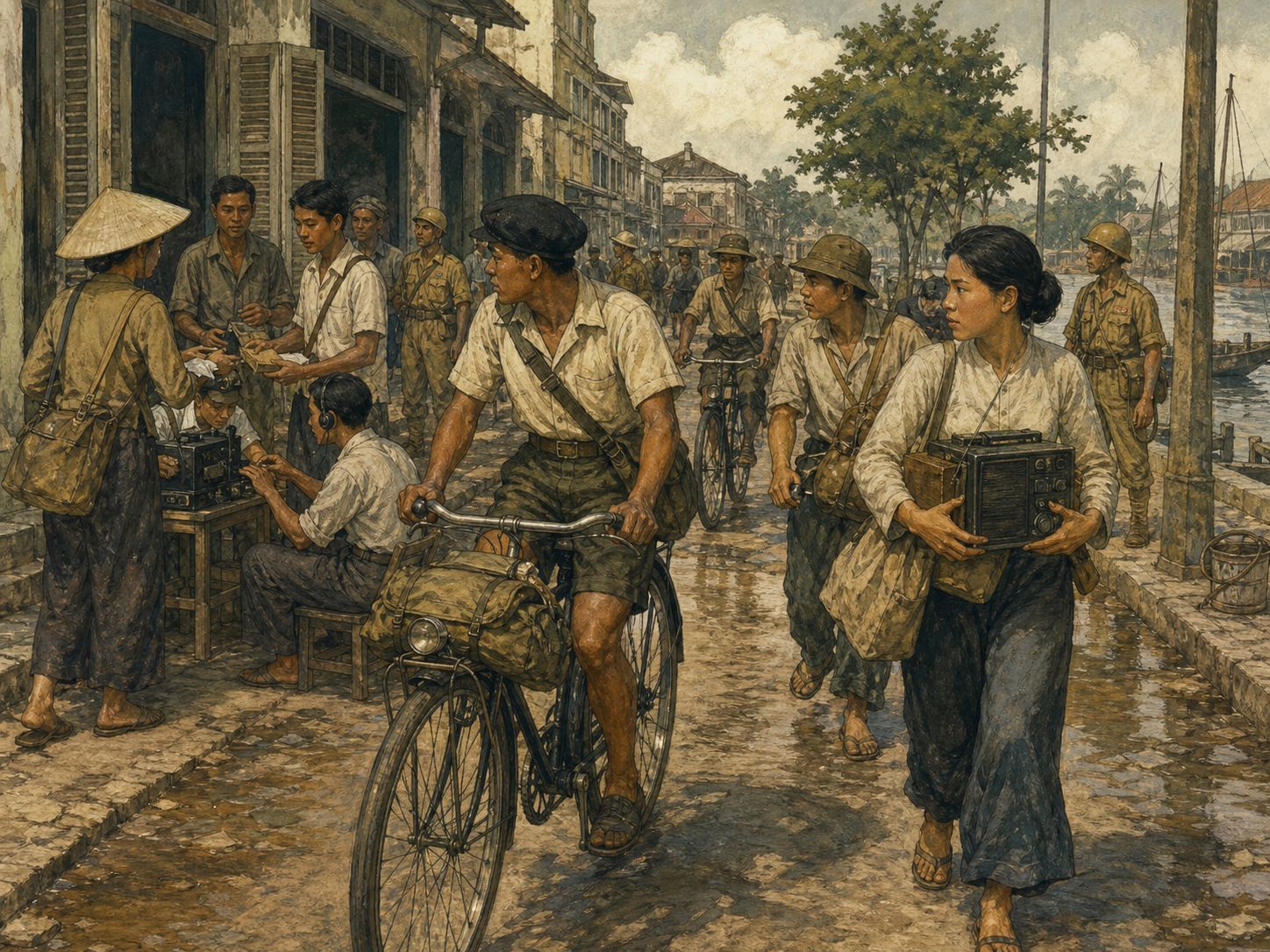
Indonesia and Vietnam issued declarations and fought wars, while Aung San negotiated with Britain. Cambodia pursued independence through diplomacy, and Singapore moved toward internal self-government.
- Declarations and wars began in Indonesia and Vietnam
- Negotiation and armed struggle crossed in Burma, Cambodia, Malaya, and beyond
- International opinion and imperial withdrawal encouraged political settlements
Outcome
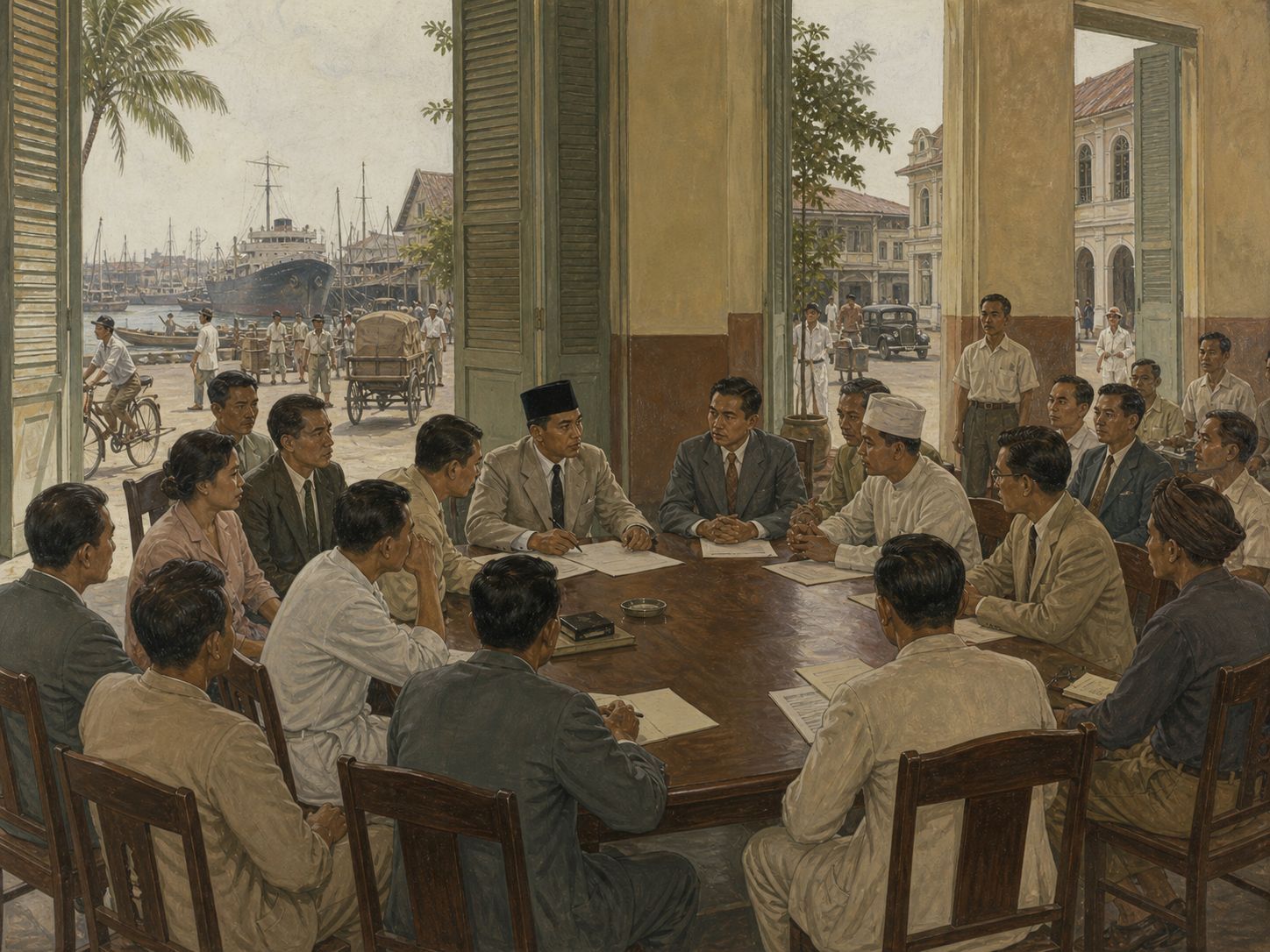
Indonesia, Burma, Cambodia, and others gained sovereignty, while Geneva left Vietnam divided. Singapore's 1959 self-government showed that the regional process was moving into institutional transition.
- By the mid-1950s, many countries had gained independence or self-government
- Borders, minorities, and the Cold War became challenges for the new states
- Singapore and others institutionalized autonomy in stages
Historical significance
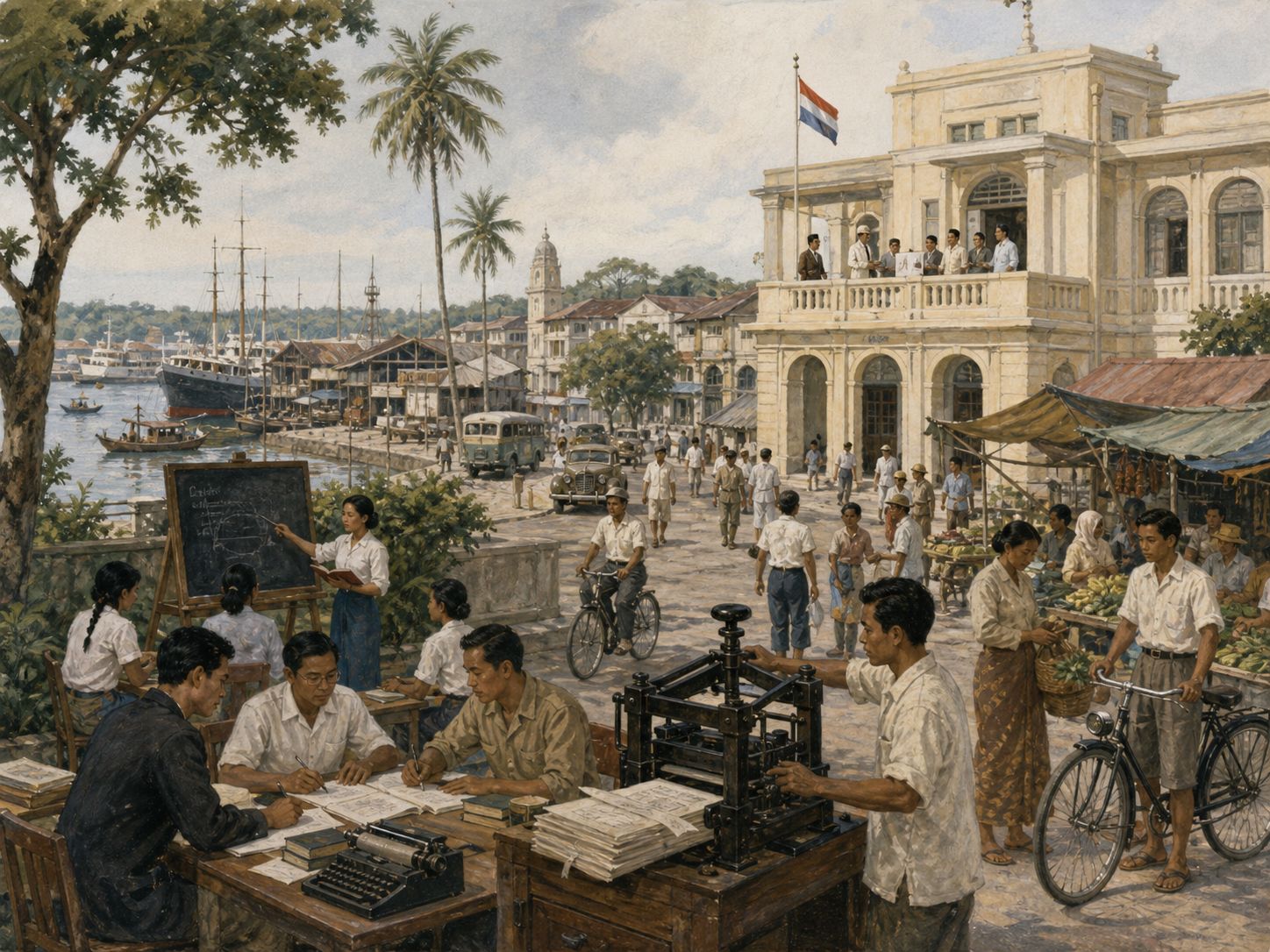
Decolonization was not one revolution but a regional process combining declarations, war, diplomacy, elections, and constitutional reorganization. New states faced the Cold War, borders, and internal diversity.
- Decolonization advanced as a regional chain rather than a single national story
- War, diplomacy, elections, and administration built states at the same time
- The wave established the modern state system of Southeast Asia


Related figures
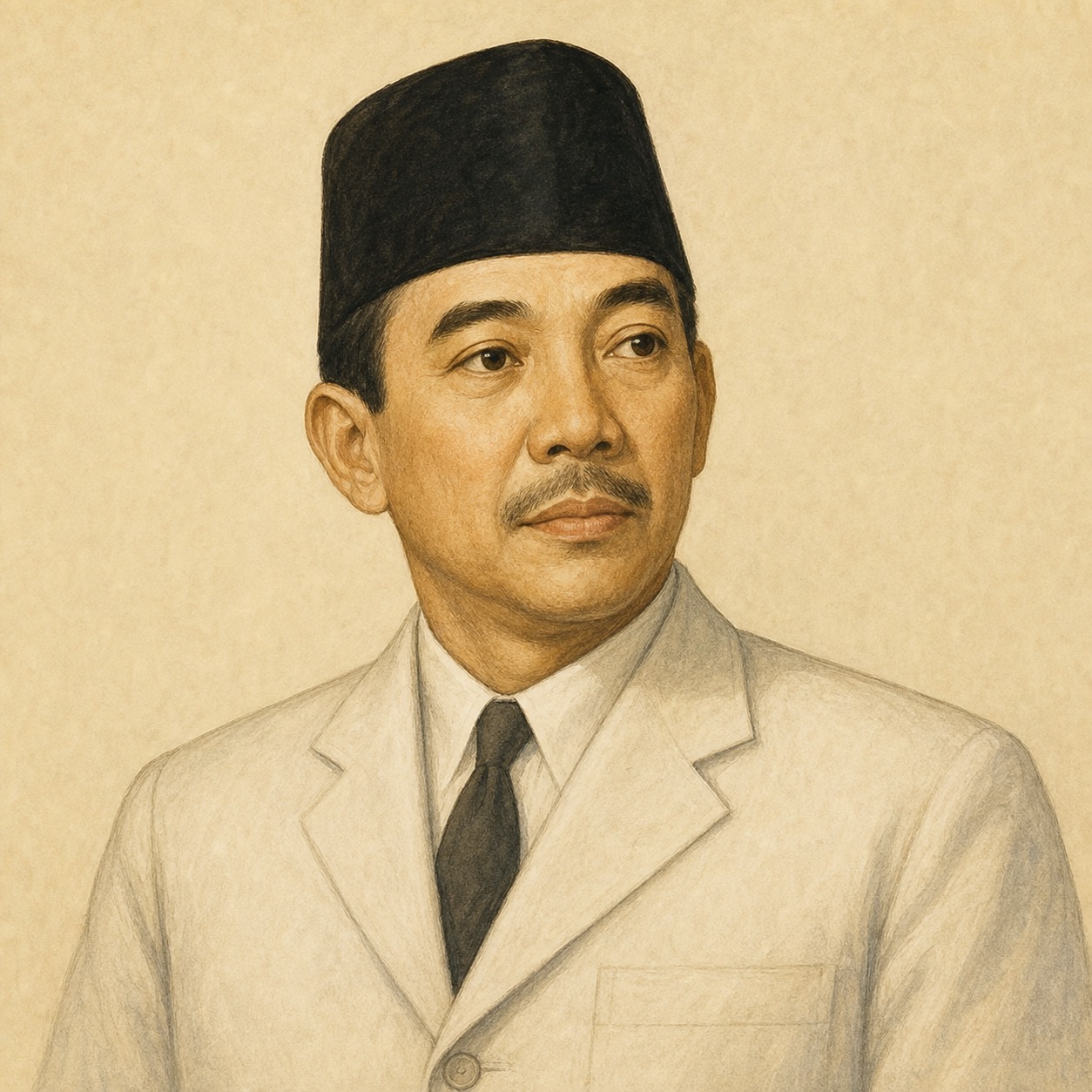
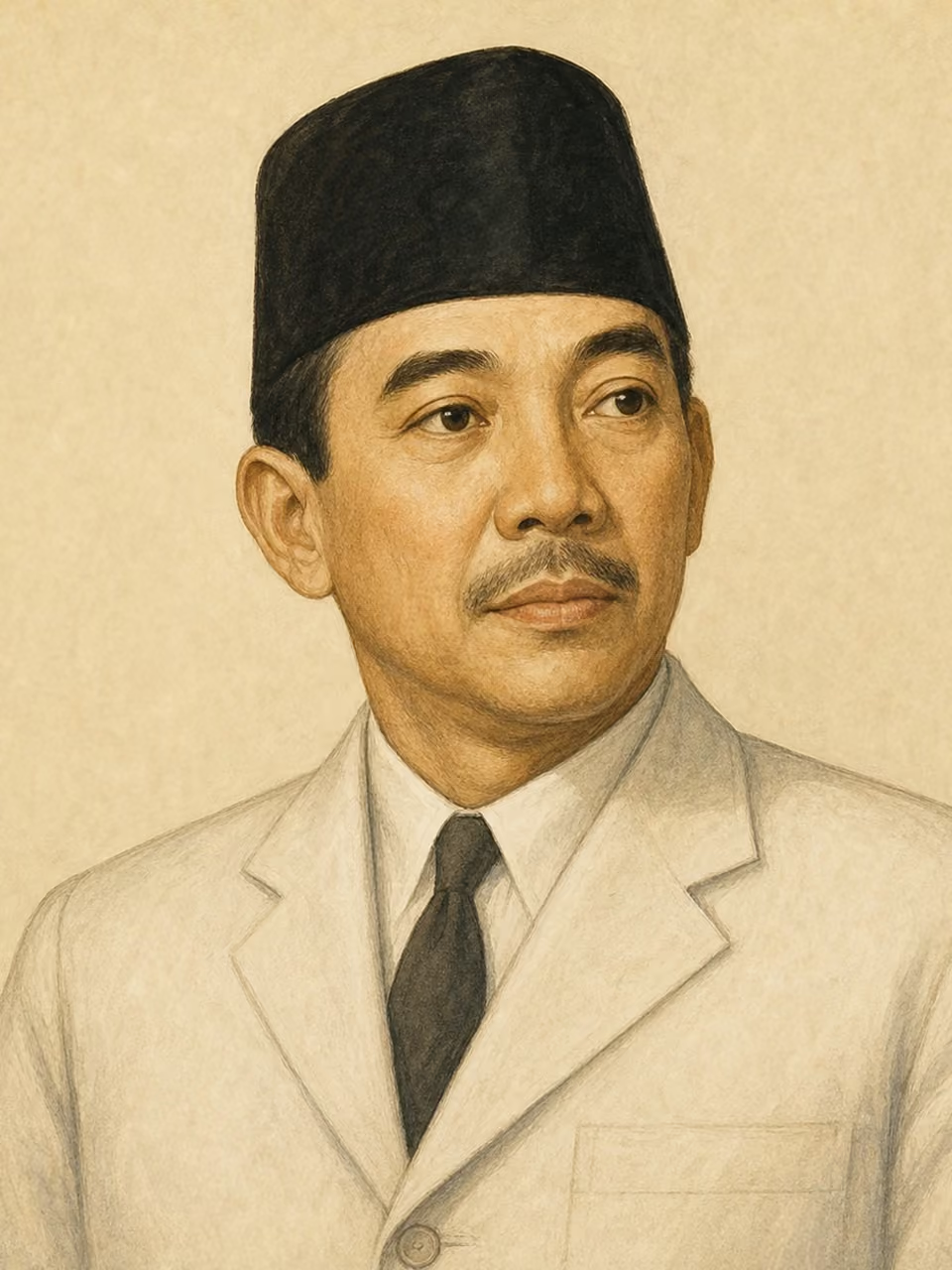
Sukarno
Indonesian nationalist leader
He led the independence proclamation and asserted Indonesian sovereignty through negotiation and armed struggle.
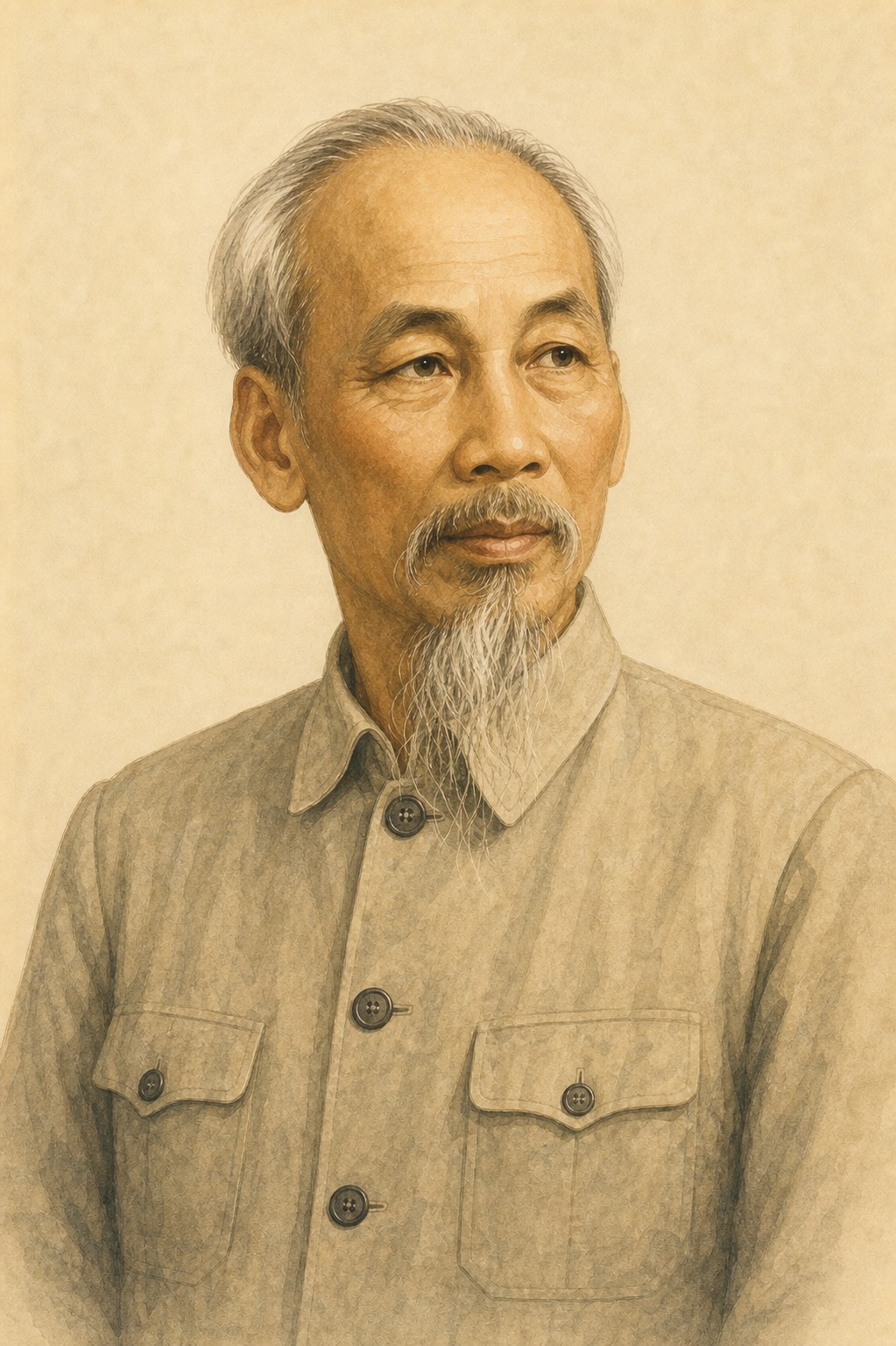
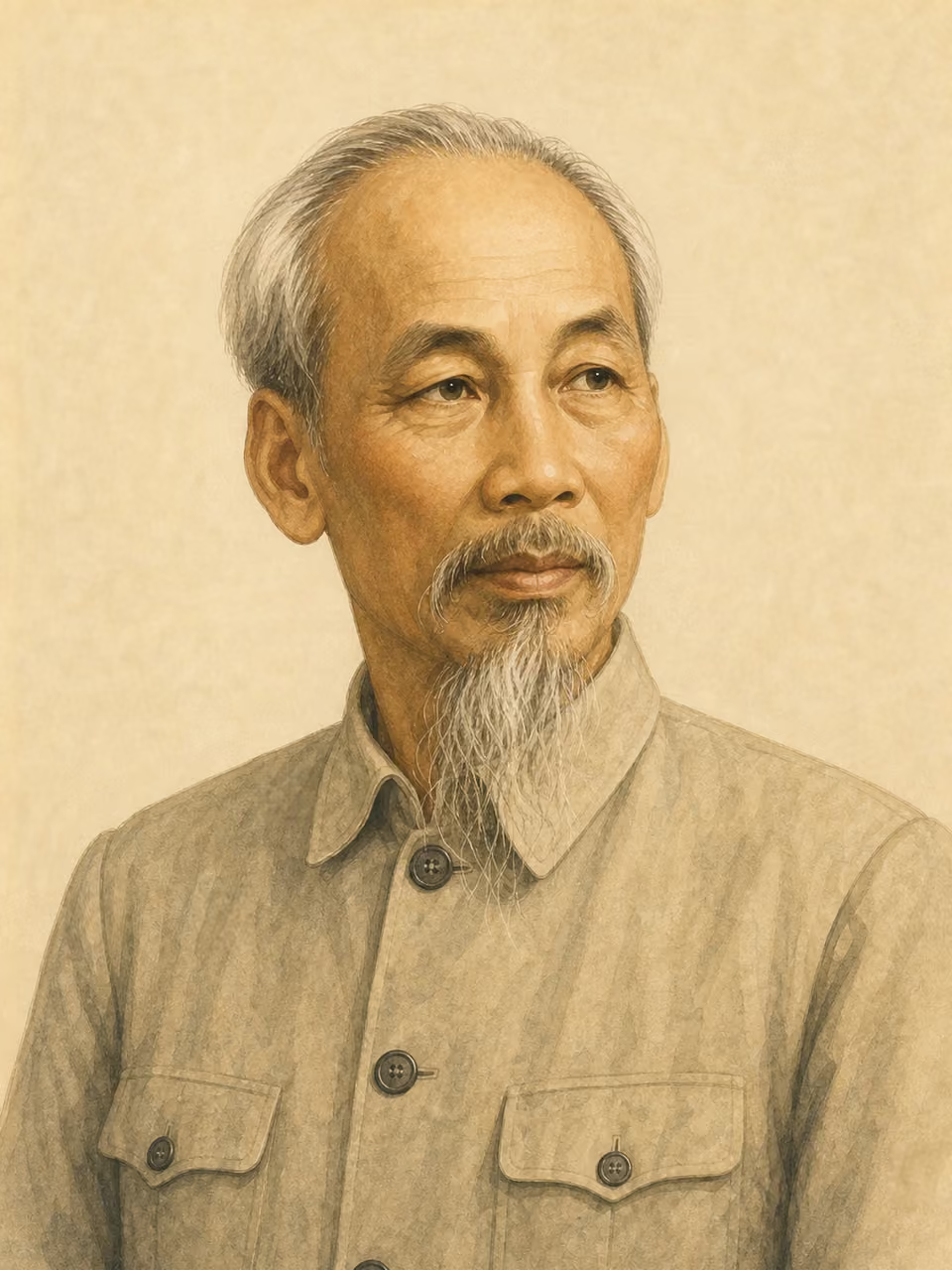
Ho Chi Minh
Vietnamese independence leader
He proclaimed the Democratic Republic of Vietnam and pursued independence through war with France.
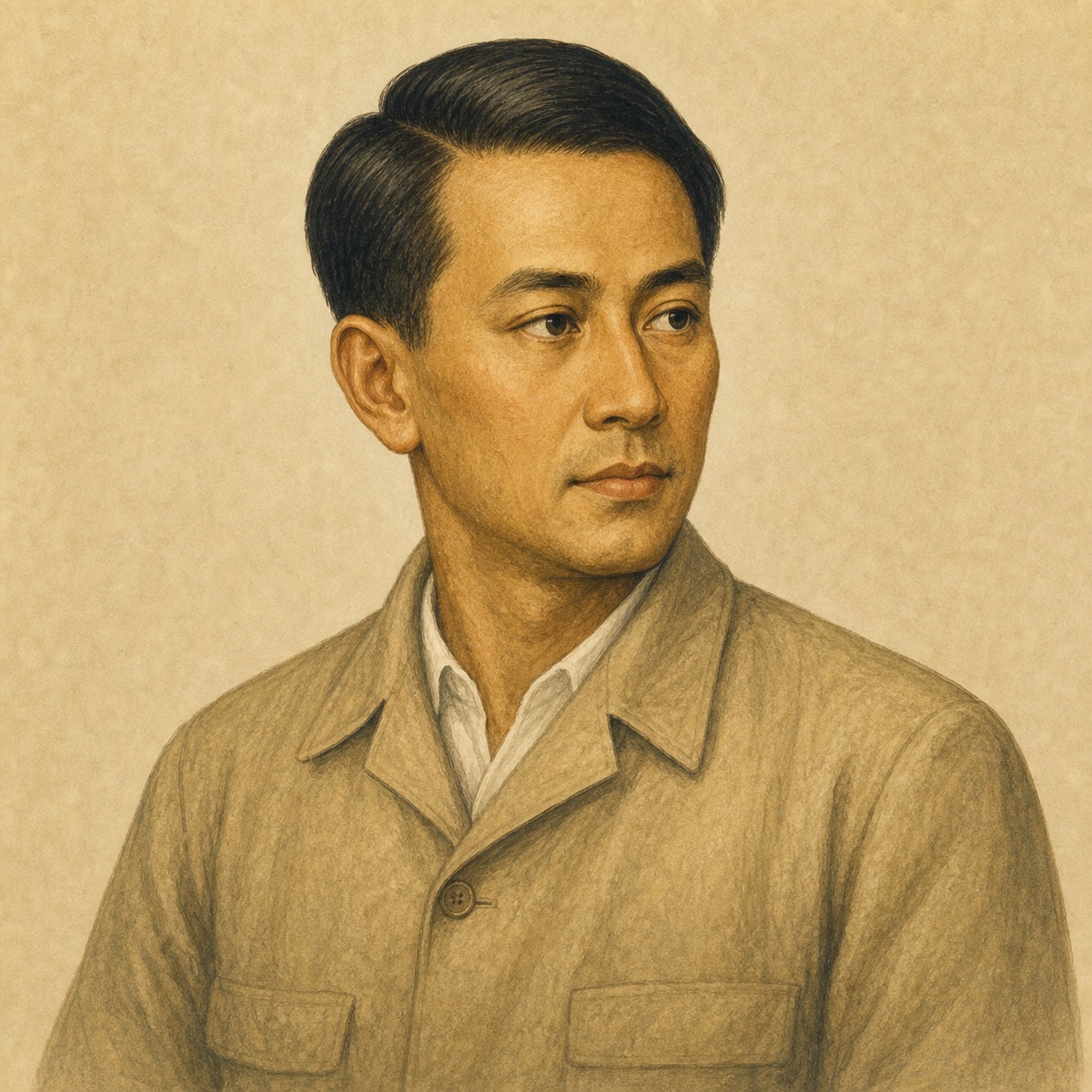
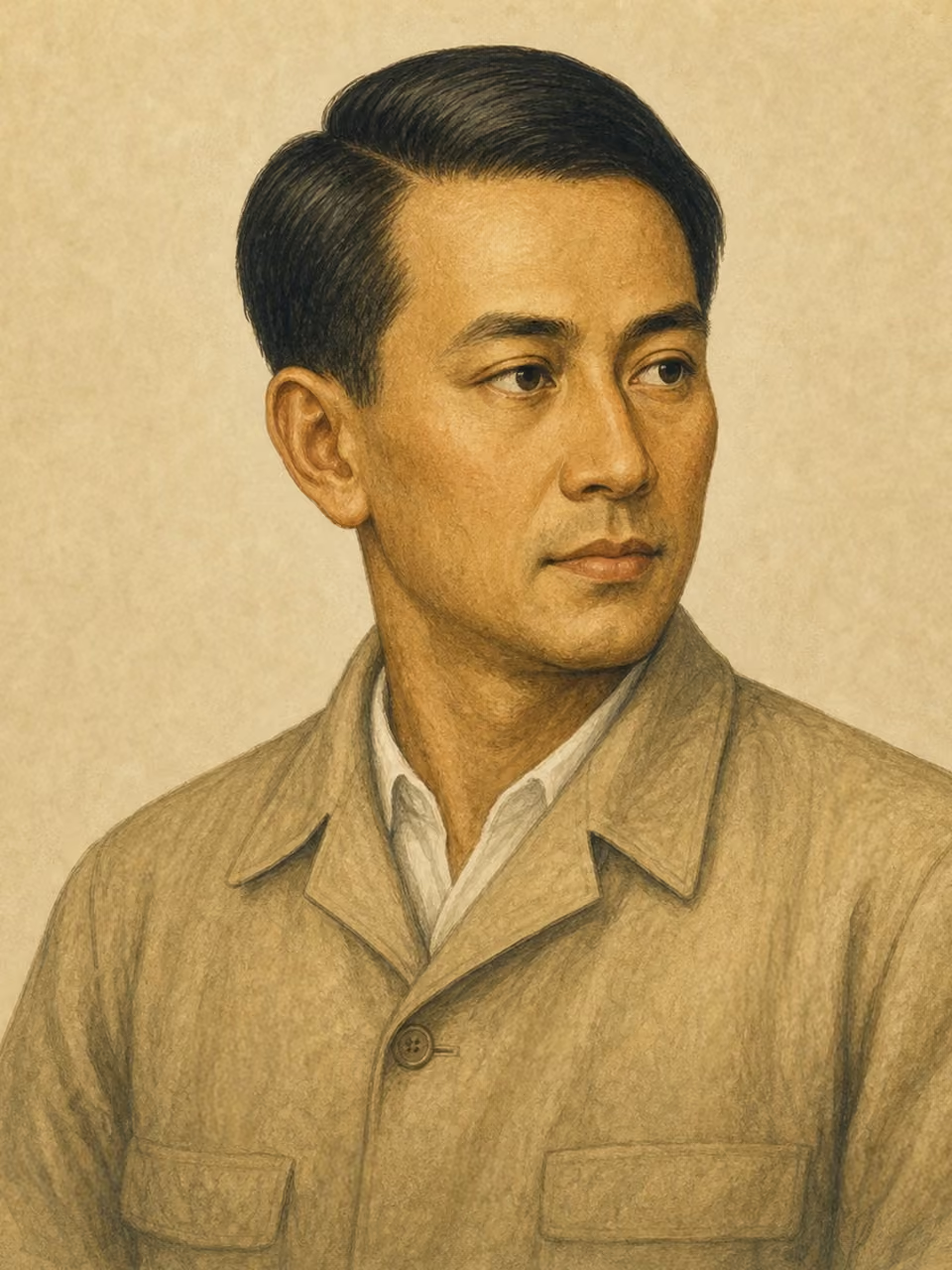
Aung San
Burmese independence leader
He linked military and ethnic politics while negotiating the path to independence from Britain.
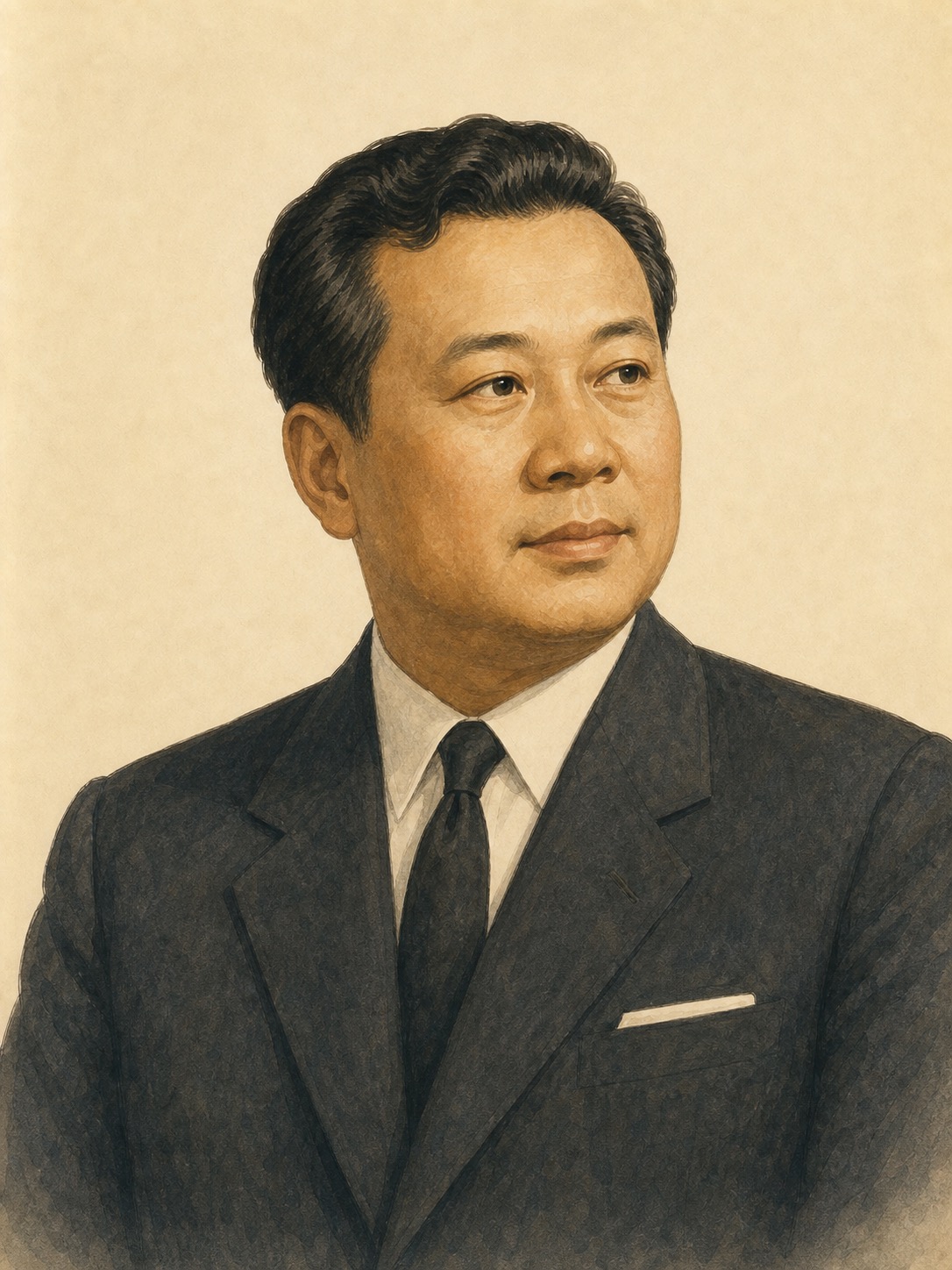
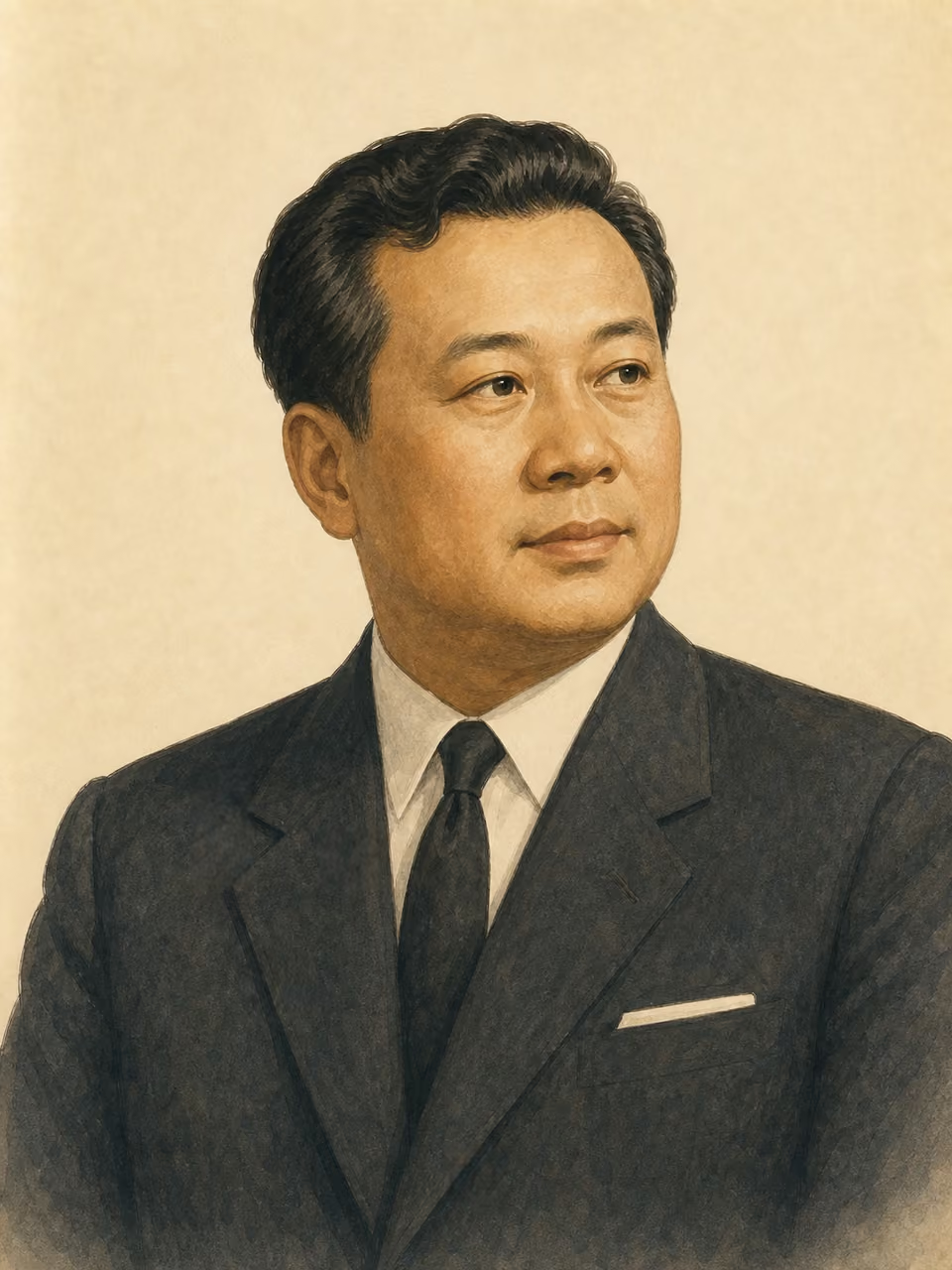
Norodom Sihanouk
Cambodian king and politician
He used diplomacy and political mobilization to secure Cambodian independence and neutrality.
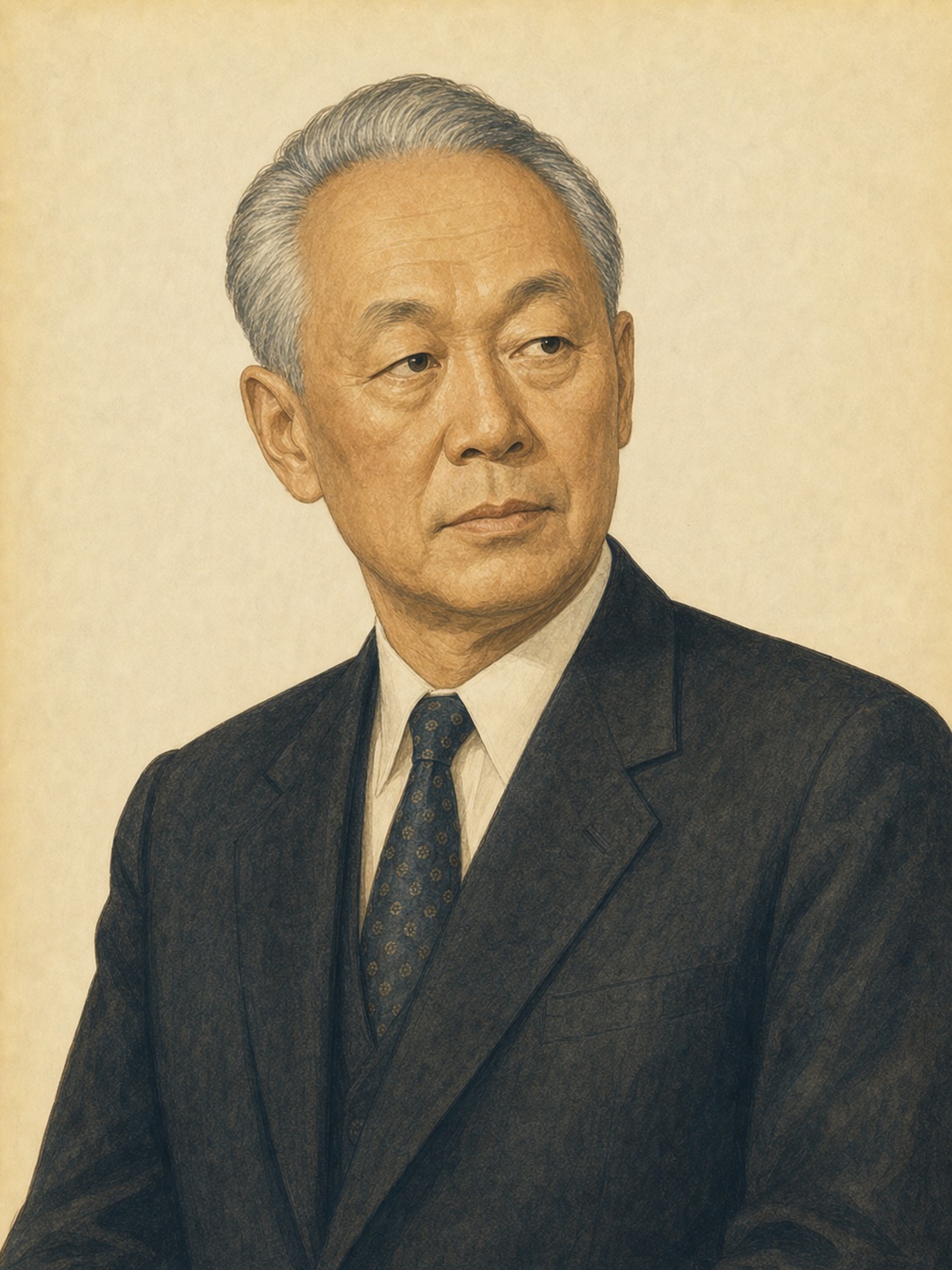
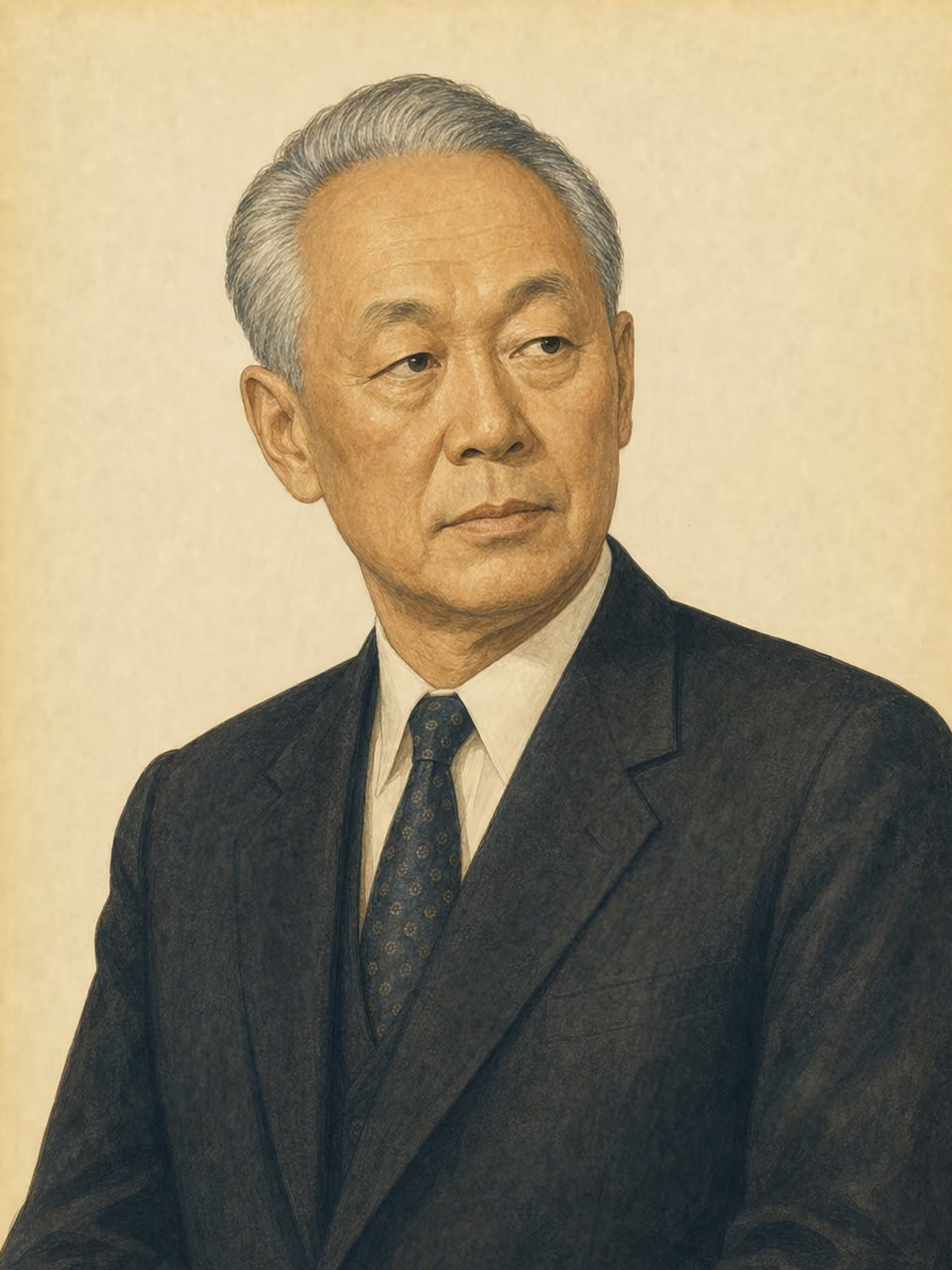
Lee Kuan Yew
Singaporean politician
He led politics around self-government and federation while building the institutions of a city-state.
Related events
1945
Colonial order
Current event
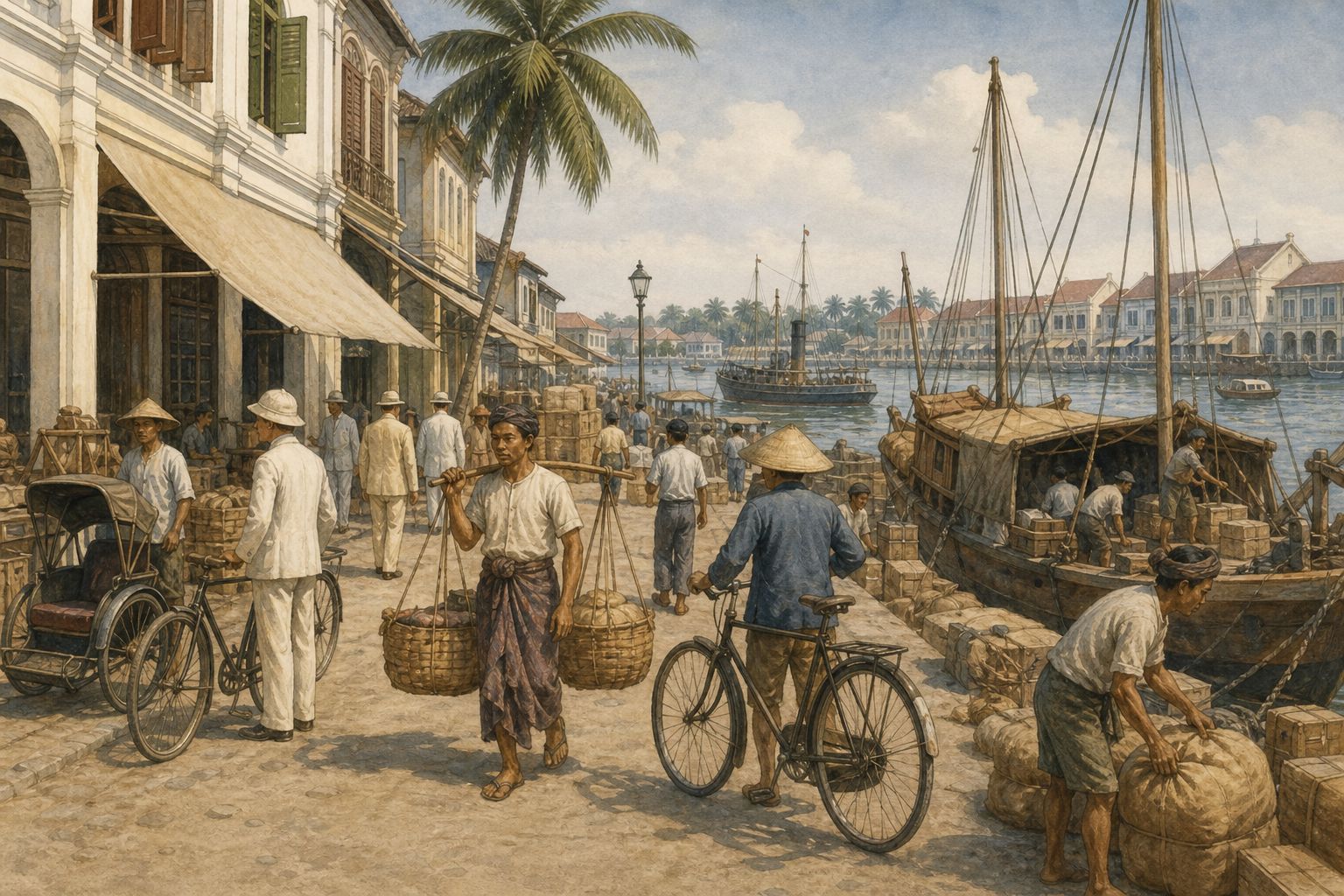
National politics found new arenas within a colonial system linking ports, railways, schools, and administration.
1942–1945
Japanese occupation
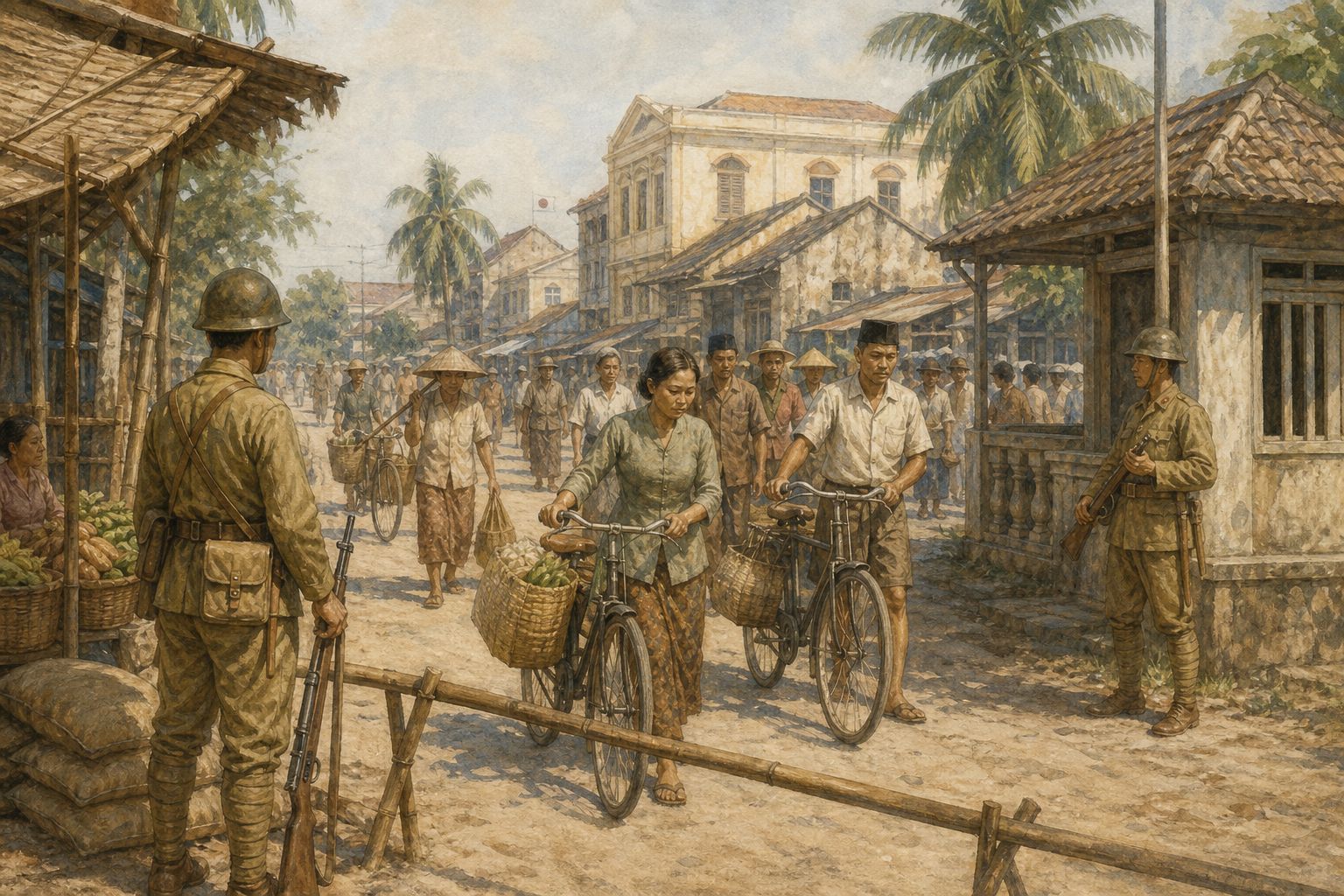
Occupation brought violence and mobilization, weakened imperial authority, and left armed and administrative experience.
1945–1946
Declarations and war
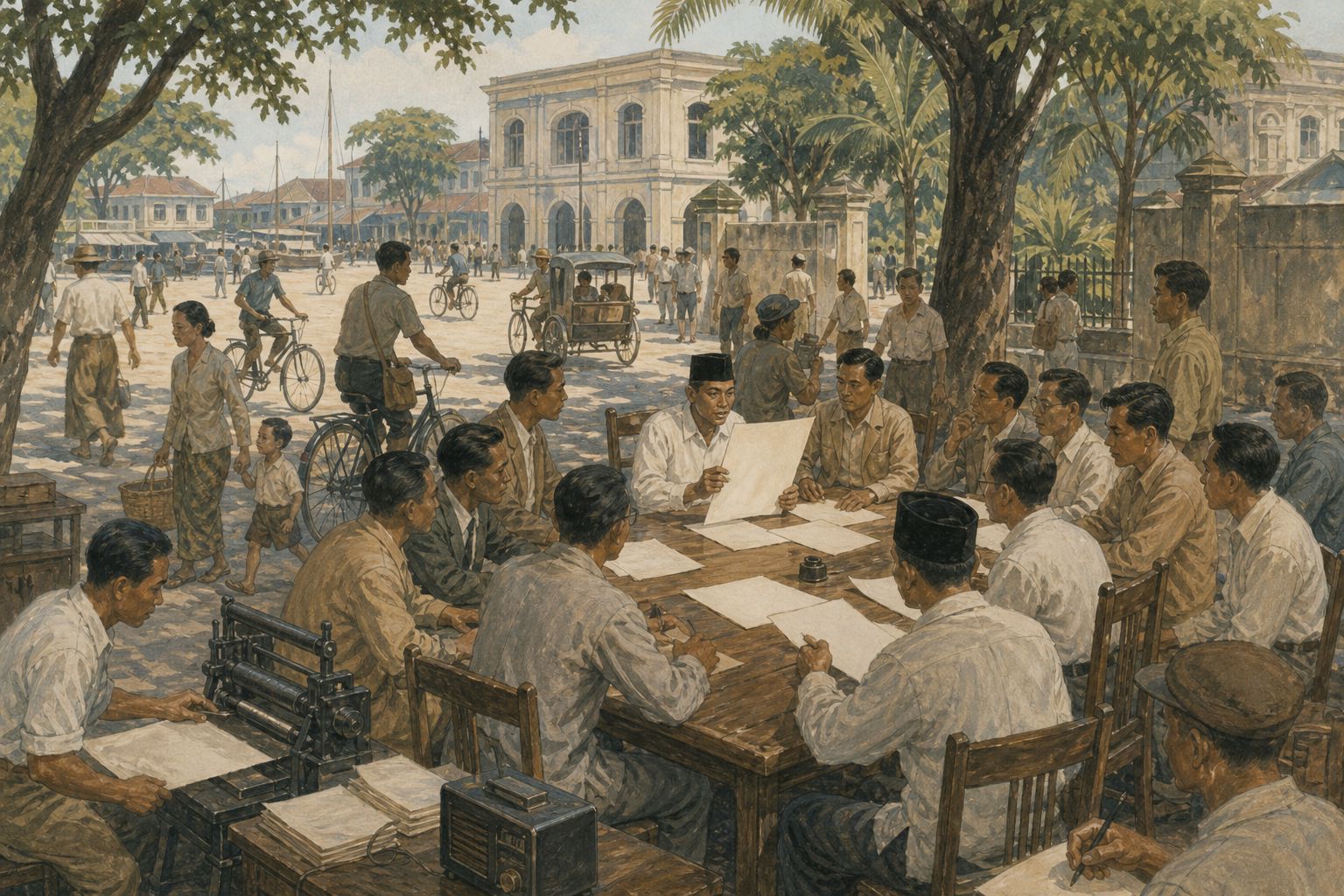
The declarations of 1945 collided with imperial return and produced war alongside negotiation.
1949–1954
Independence settlements
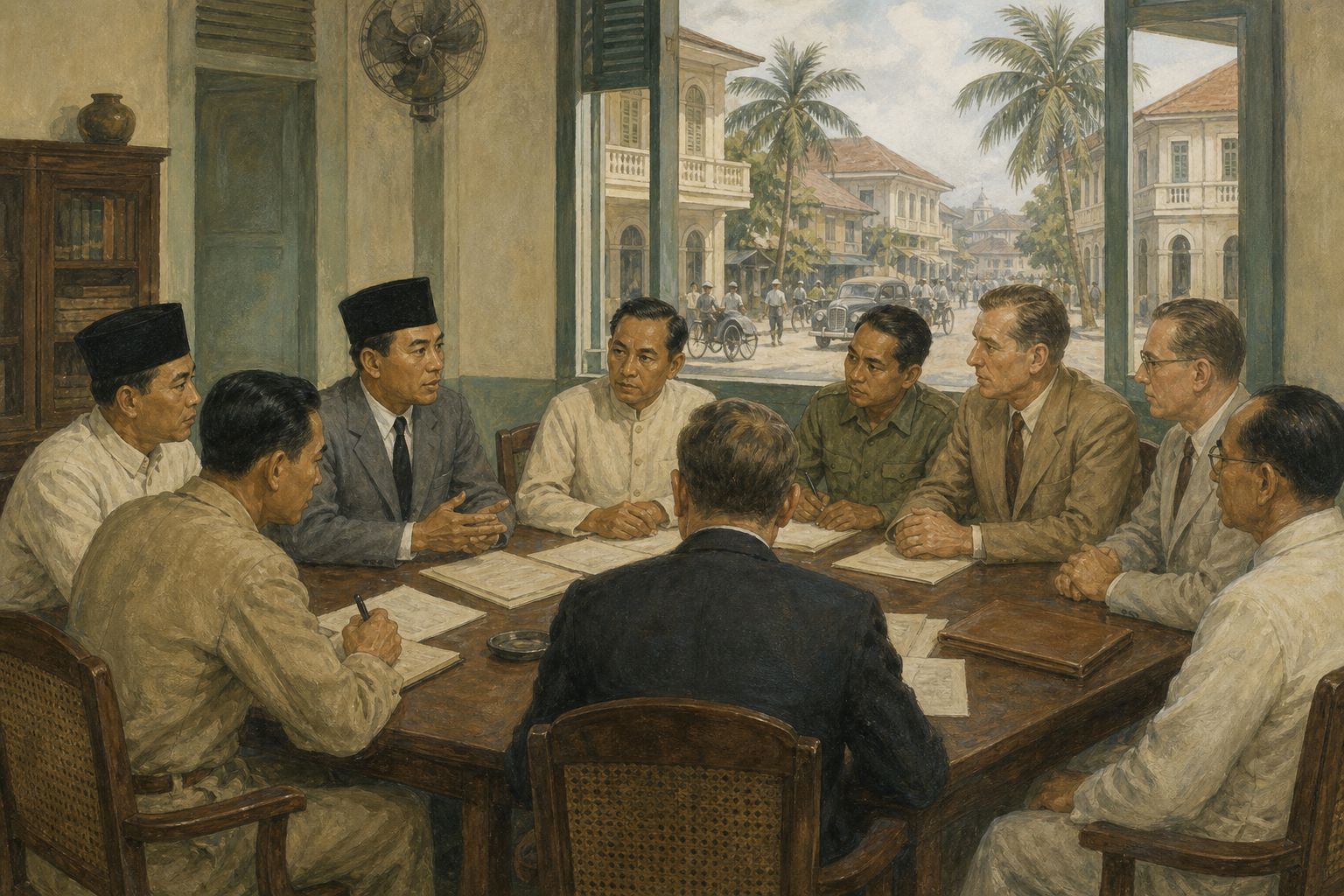
International pressure, ceasefires, conferences, and agreements gradually recognized sovereignty in Indonesia and Indochina.
1959
Self-government
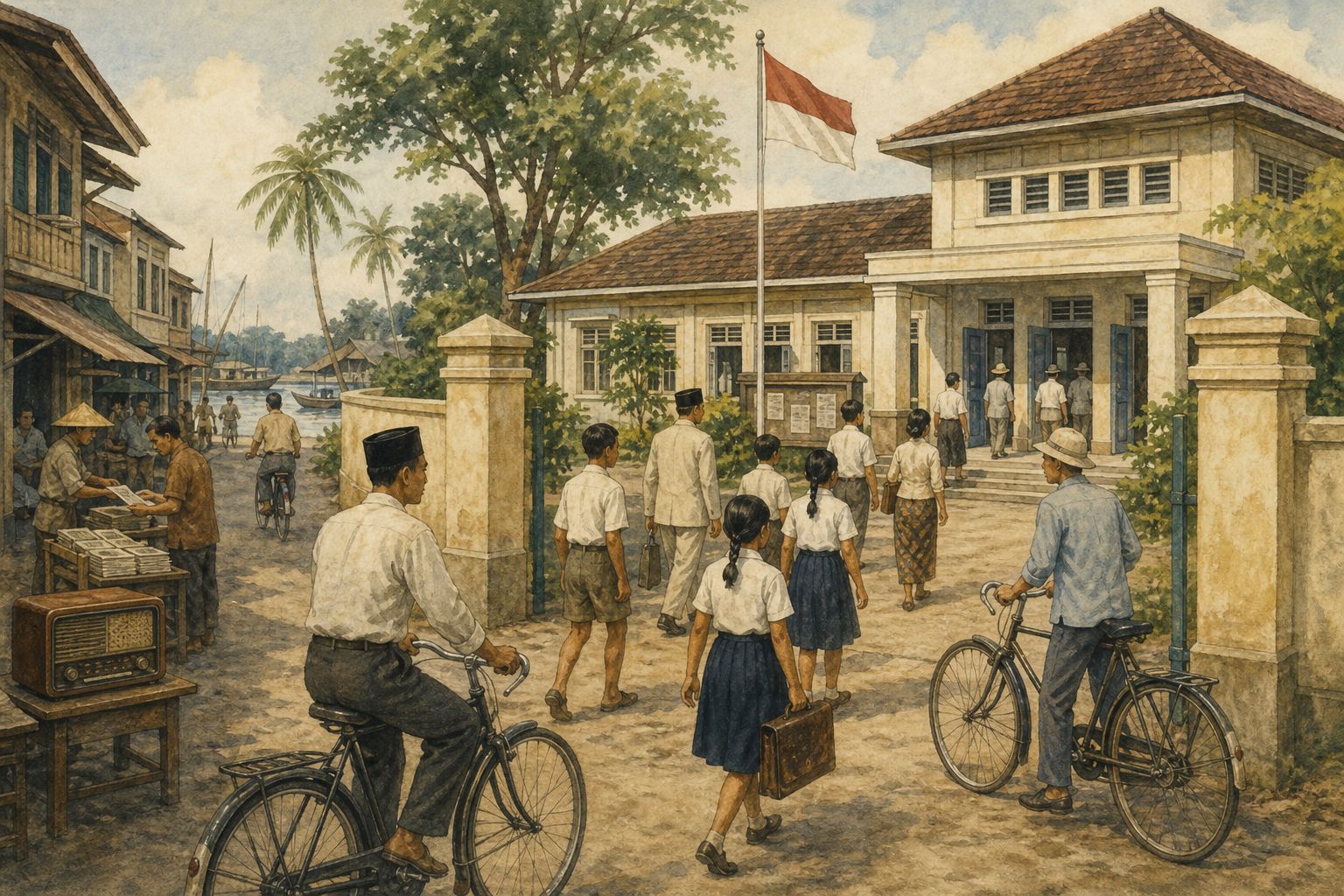
Elections and expanding autonomous governments built institutions for postcolonial states and regional integration.


Sources
- History of IndonesiaArsip Nasional Republik IndonesiaNational archival overview of Indonesian independence and state formation.
- Liberation, Unrest, a New NationNational Heritage Board SingaporeAccount of occupation, postwar change, self-government, and nation-building in Singapore.
- The Struggles for Independence of the Vietnamese PeopleVietnam National Museum of HistoryHistorical background on colonial rule and the Vietnamese independence movement.