Third Crusade
1189–1192
The 1189–1192 expedition in which western European rulers campaigned in the Levant after Saladin's conquest of Jerusalem.

- Period
- 1189–1192
- Kind
- War
- Regions
- Middle East, Europe
- Keywords
- Third Crusade · background · course · outcome
Follow the story · Four stages
Background
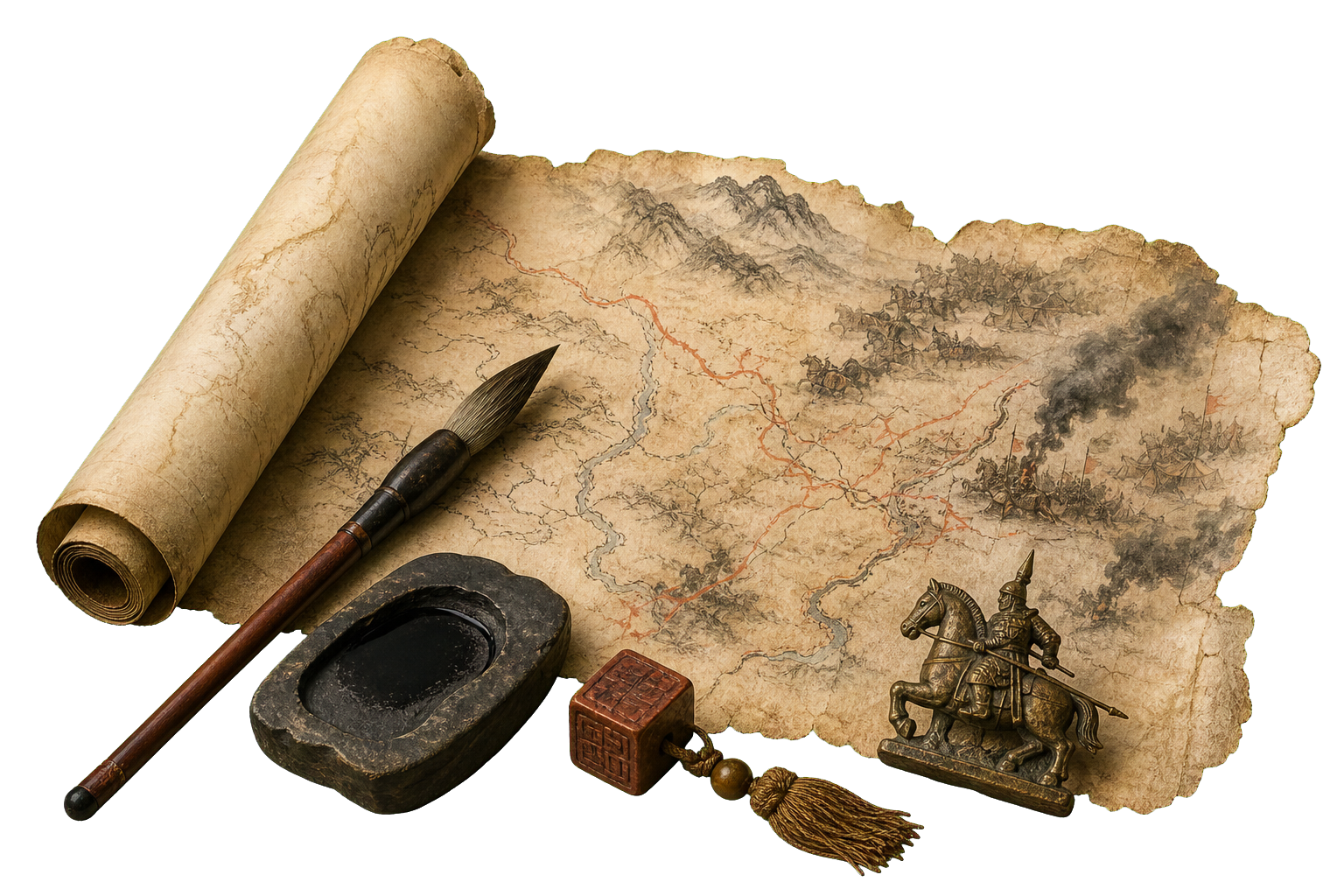
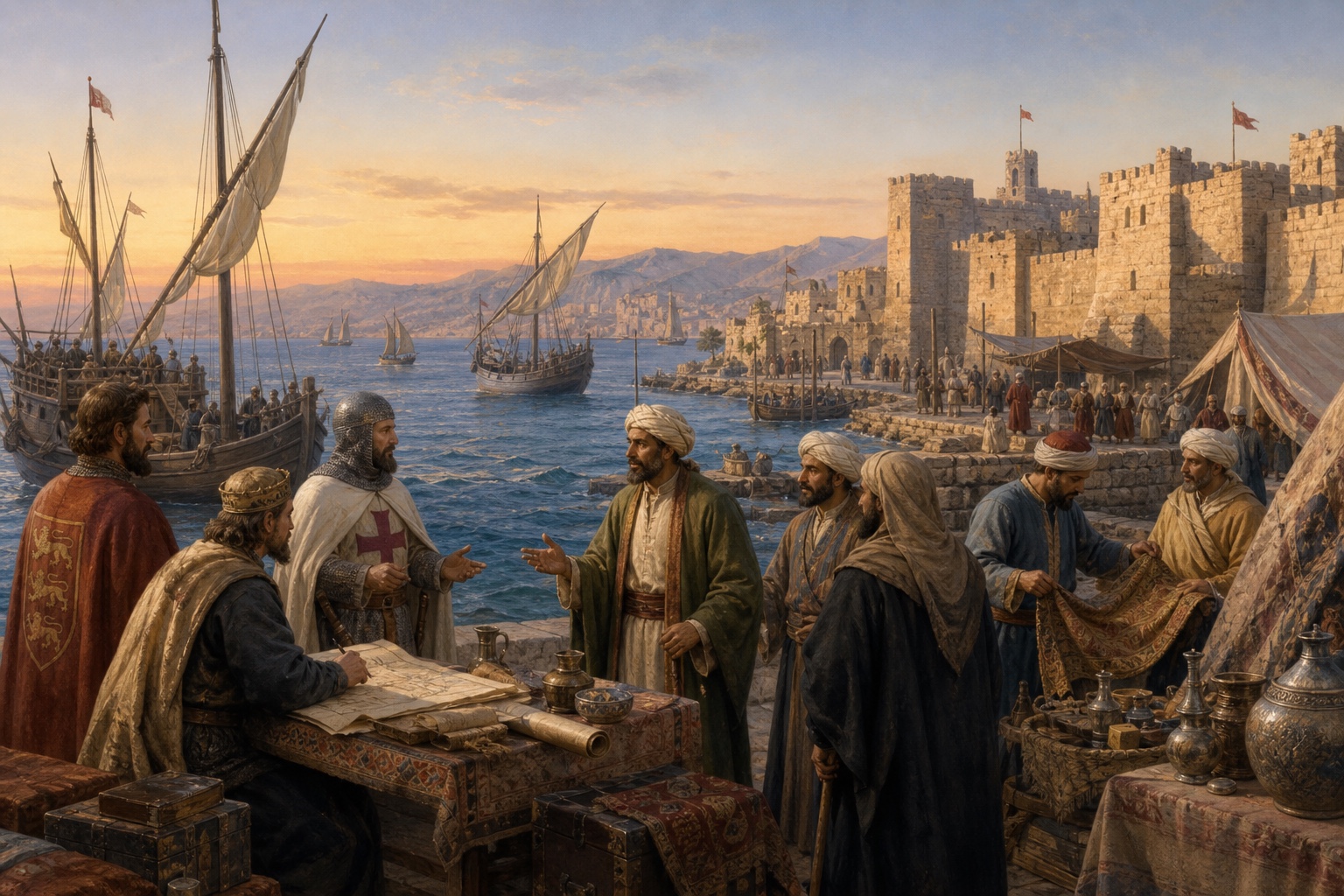
Saladin defeated the army of the Kingdom of Jerusalem at Hattin in 1187 and then captured Jerusalem. Pope Gregory VIII called for a new crusade, answered by Emperor Frederick I, King Philip II of France, King Richard I of England, and many other participants.
- Saladin defeated the army of the Kingdom of Jerusalem at Hattin in 1187 and then captured Jerusalem.
- Pope Gregory VIII called for a new crusade, answered by Emperor Frederick I, King Philip II of France, King Richard I of England, and many other participants.
- Core event: The 1189–1192 expedition in which western European rulers campaigned in the Levant after Saladin's conquest of Jerusalem.
Course
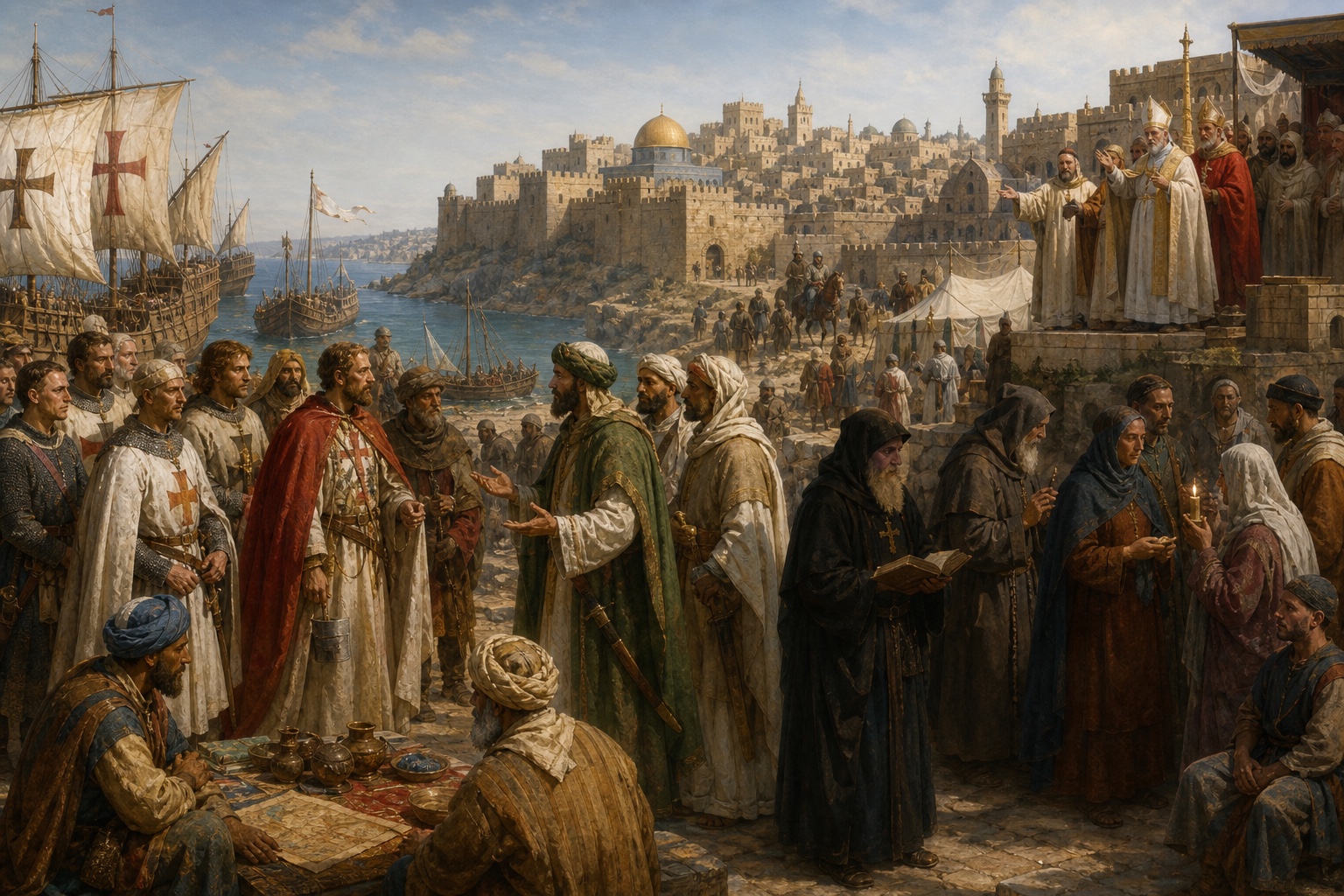
Frederick drowned in Asia Minor in 1190 and much of his army dispersed. Forces arriving by sea helped take Acre in 1191, and Richard won at Arsuf, but the crusaders did not mount a successful assault on Jerusalem. Campaigning alternated with intensive negotiation.
- Frederick drowned in Asia Minor in 1190 and much of his army dispersed.
- Forces arriving by sea helped take Acre in 1191, and Richard won at Arsuf, but the crusaders did not mount a successful assault on Jerusalem.
- Campaigning alternated with intensive negotiation.
Outcome
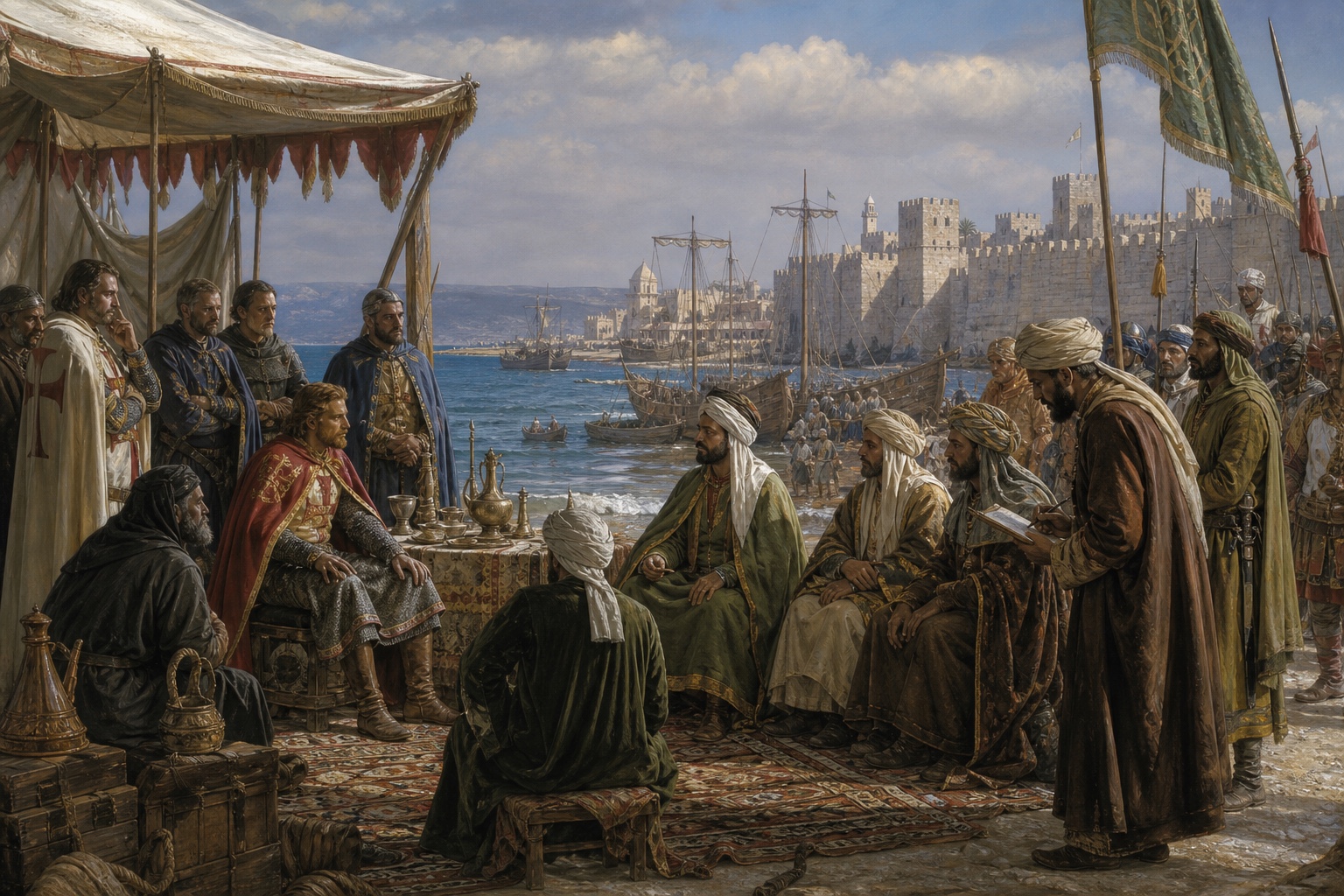
The 1192 settlement at Jaffa left Jerusalem under Saladin while preserving a crusader-held coastal strip and allowing Christian pilgrims access to the city. The expedition therefore secured important positions but did not achieve its central goal of retaking Jerusalem.
- The 1192 settlement at Jaffa left Jerusalem under Saladin while preserving a crusader-held coastal strip and allowing Christian pilgrims access to the city.
- The expedition therefore secured important positions but did not achieve its central goal of retaking Jerusalem.
- Process producing the result: Frederick drowned in Asia Minor in 1190 and much of his army dispersed. Forces arriving by sea helped take Acre in 1191, and Richard won at Arsuf, but the crusaders did not mount a successful assault on Jerusalem. Campaigning alternated with intensive negotiation.
Historical significance
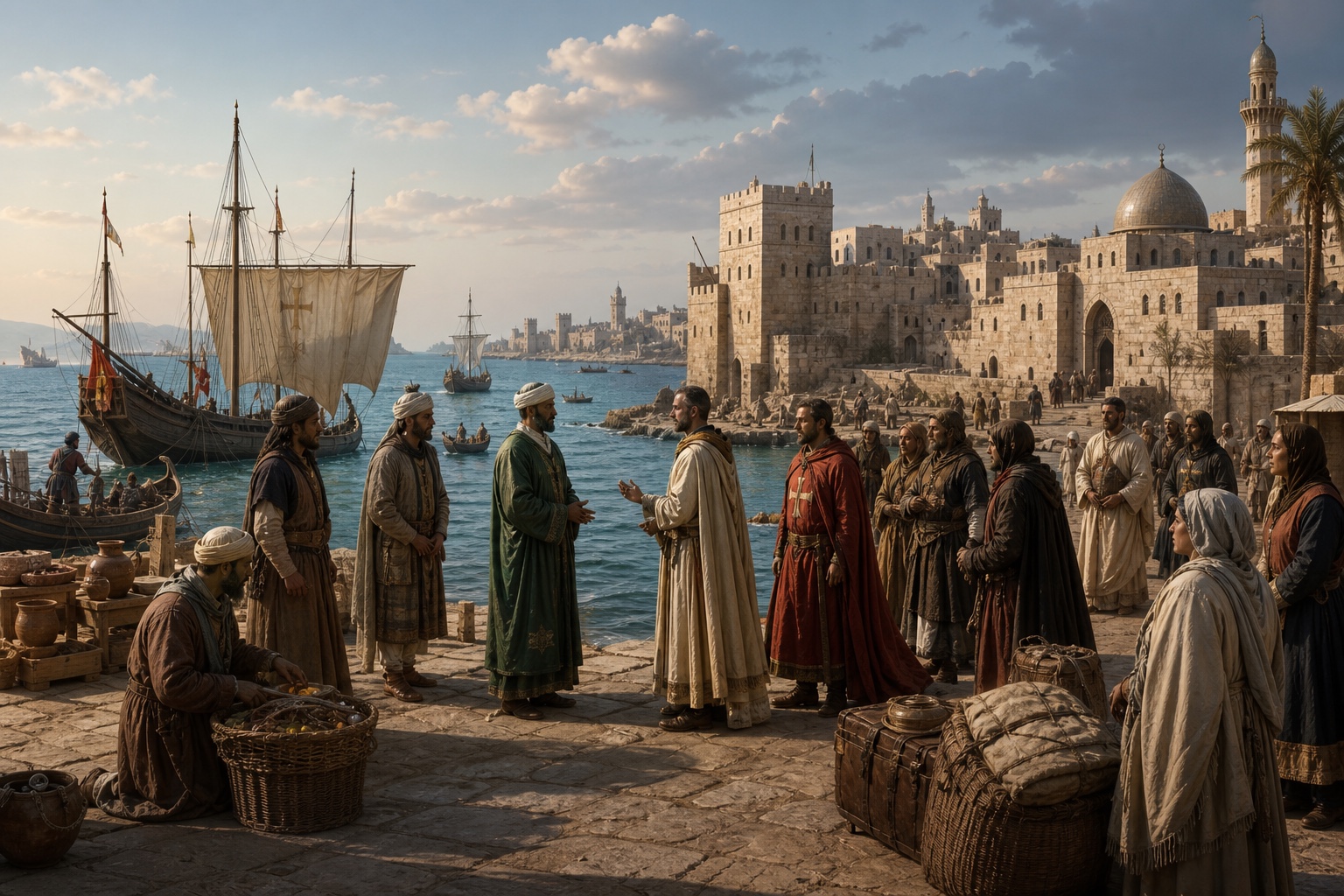
The crusade left Acre and Cyprus as durable western bases and shaped eastern Mediterranean politics. It also combined diplomacy and commerce with sieges and atrocities, including the killing of prisoners at Acre, and its partisan chronicles require comparison across viewpoints.
- The crusade left Acre and Cyprus as durable western bases and shaped eastern Mediterranean politics.
- It also combined diplomacy and commerce with sieges and atrocities, including the killing of prisoners at Acre, and its partisan chronicles require comparison across viewpoints.
- Immediate consequence: The 1192 settlement at Jaffa left Jerusalem under Saladin while preserving a crusader-held coastal strip and allowing Christian pilgrims access to the city. The expedition therefore secured important positions but did not achieve its central goal of retaking Jerusalem.


Related figures
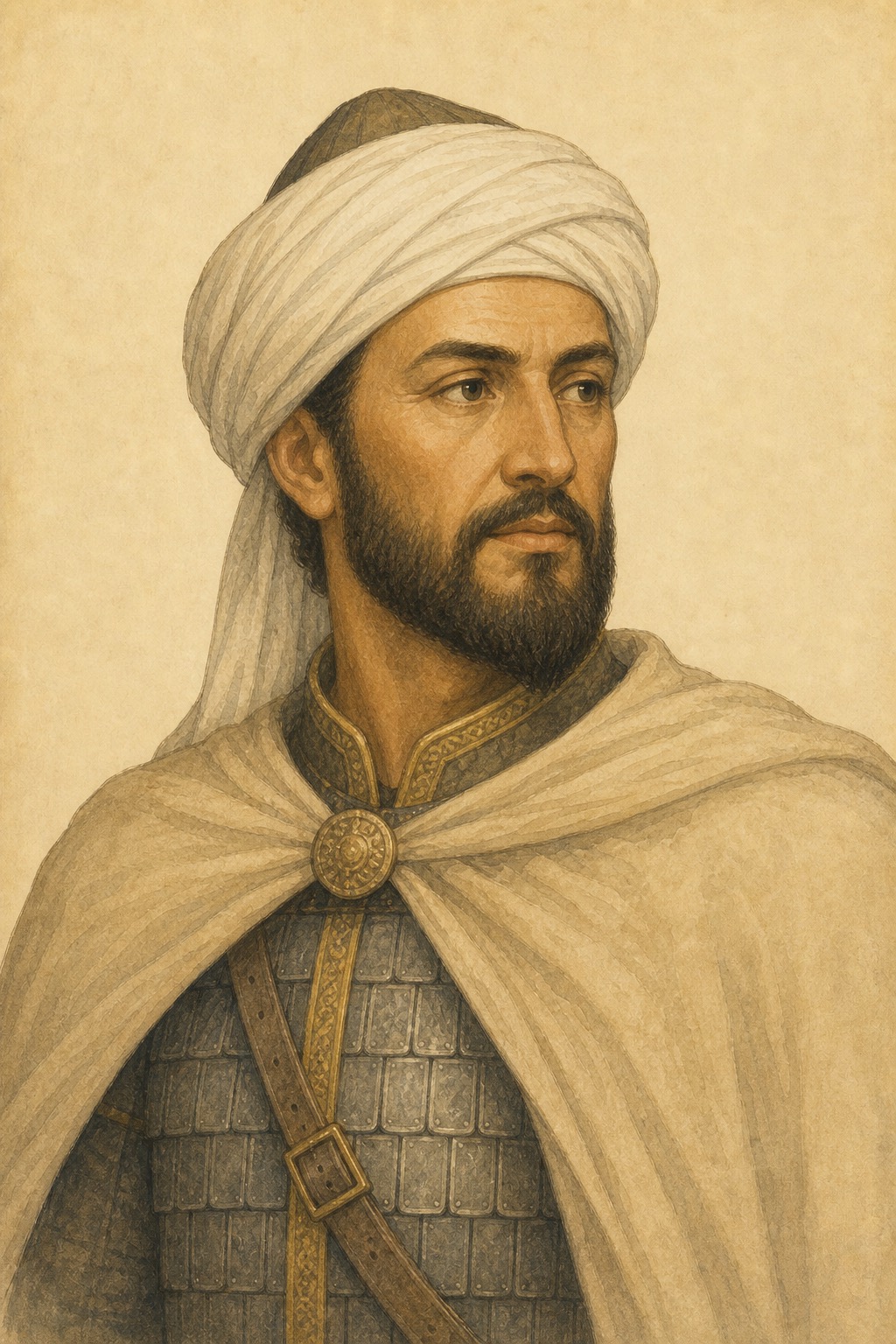
Saladin
historical figure in context
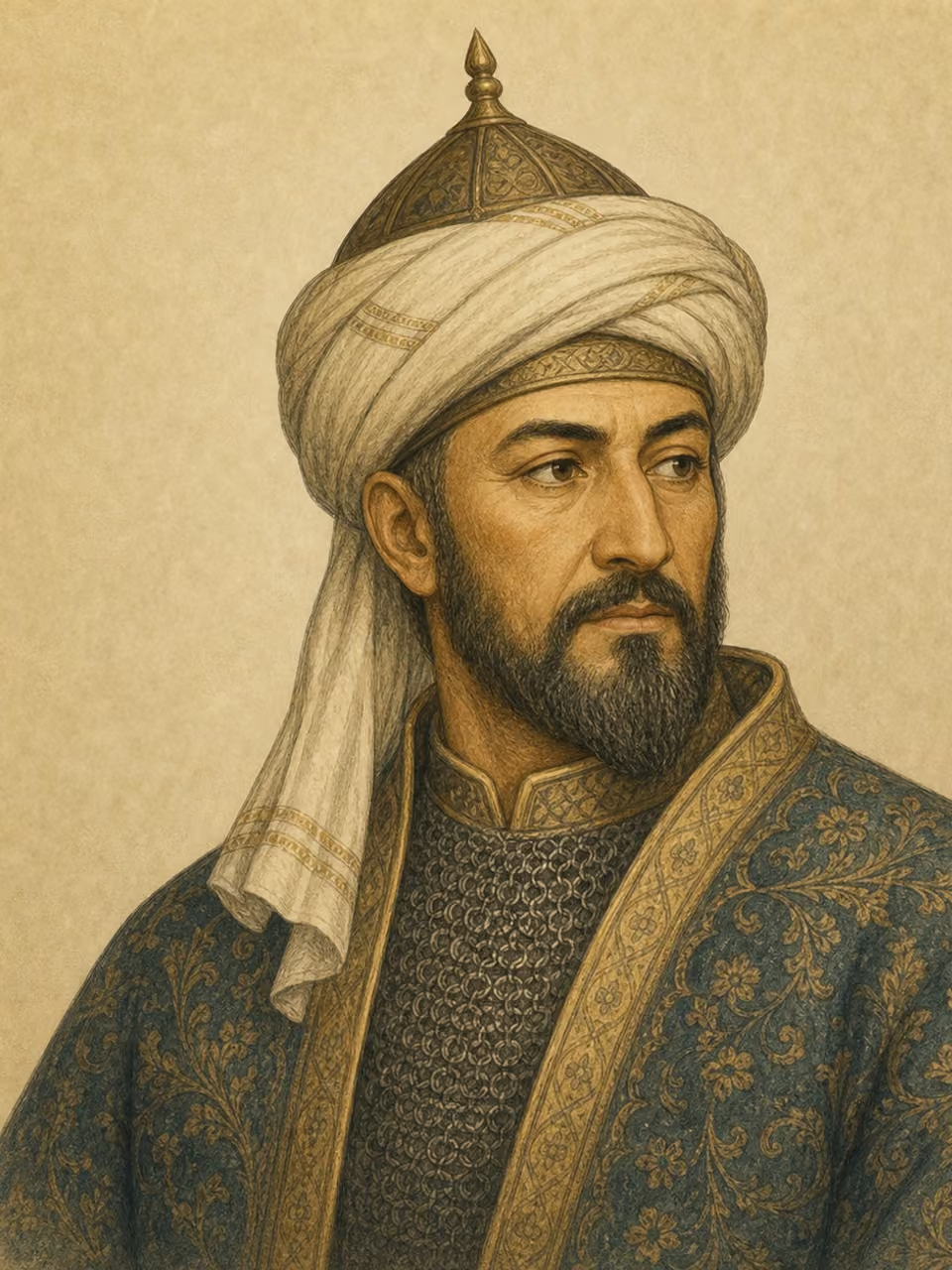
Saladin's career reached its most famous moment when victory at Hattin opened the way to the recovery of Jerusalem, but that triumph rested on years of coalition-building across Egypt, Syria, and neighboring regions. He was not simply a battlefield hero; he was also a ruler who had to finance war, secure loyalties, and hold together a politically diverse realm.
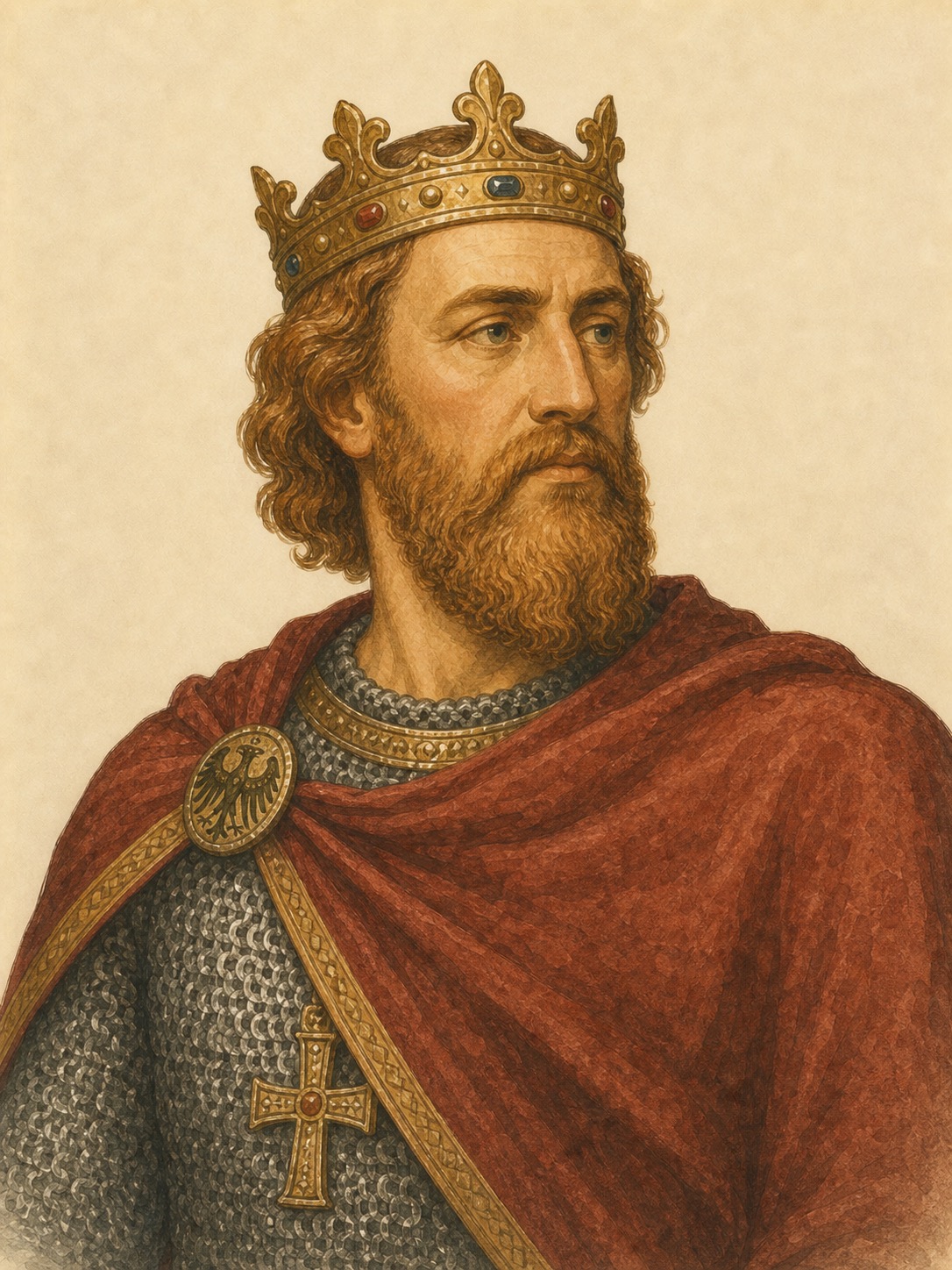
Frederick Barbarossa
historical figure in context
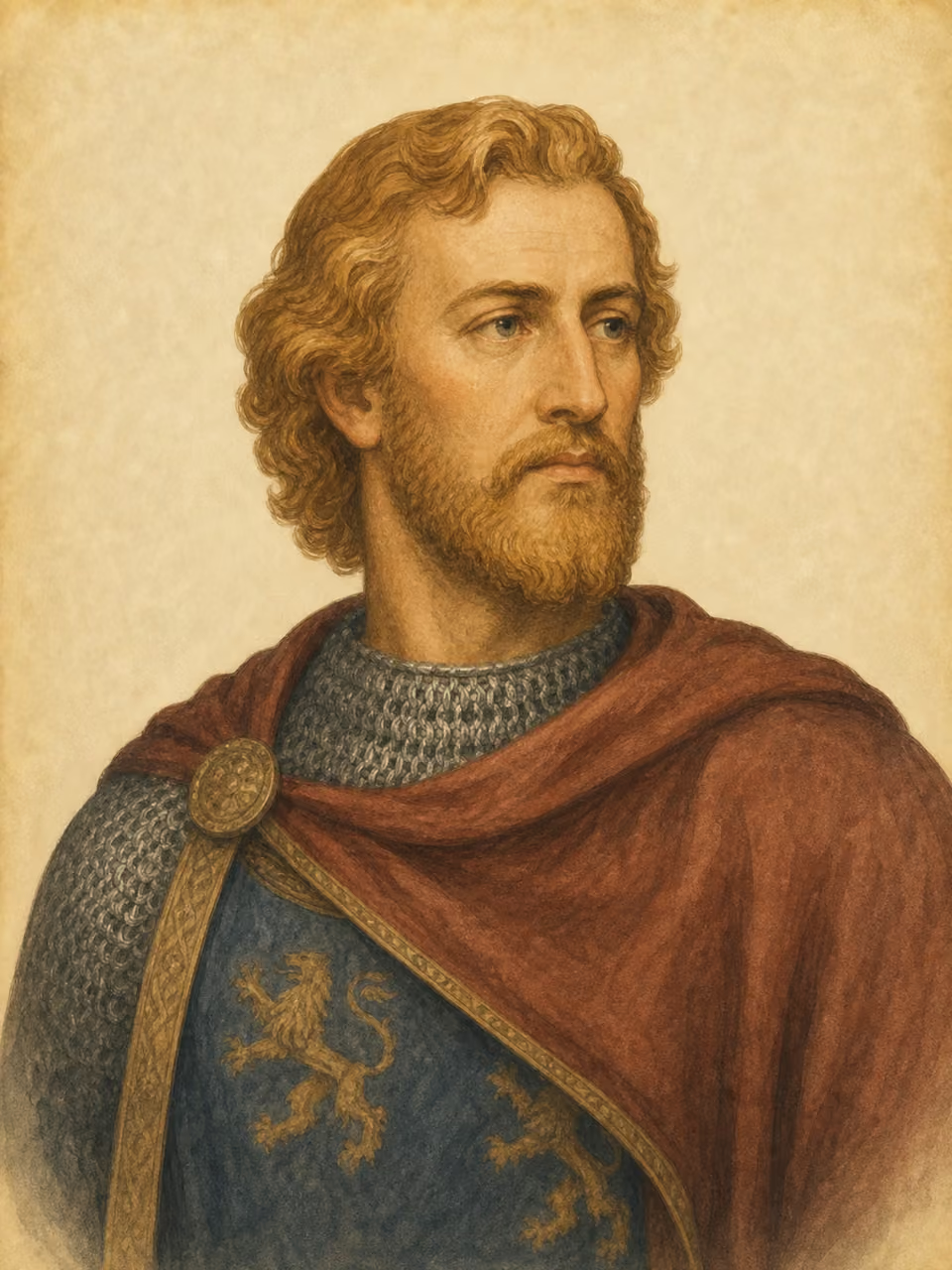
Holy Roman Emperor. Known for his Italian policy and conflicts with popes and cities, he also joined a crusade. He illustrates the tension between imperial authority and urban autonomy in medieval Europe.
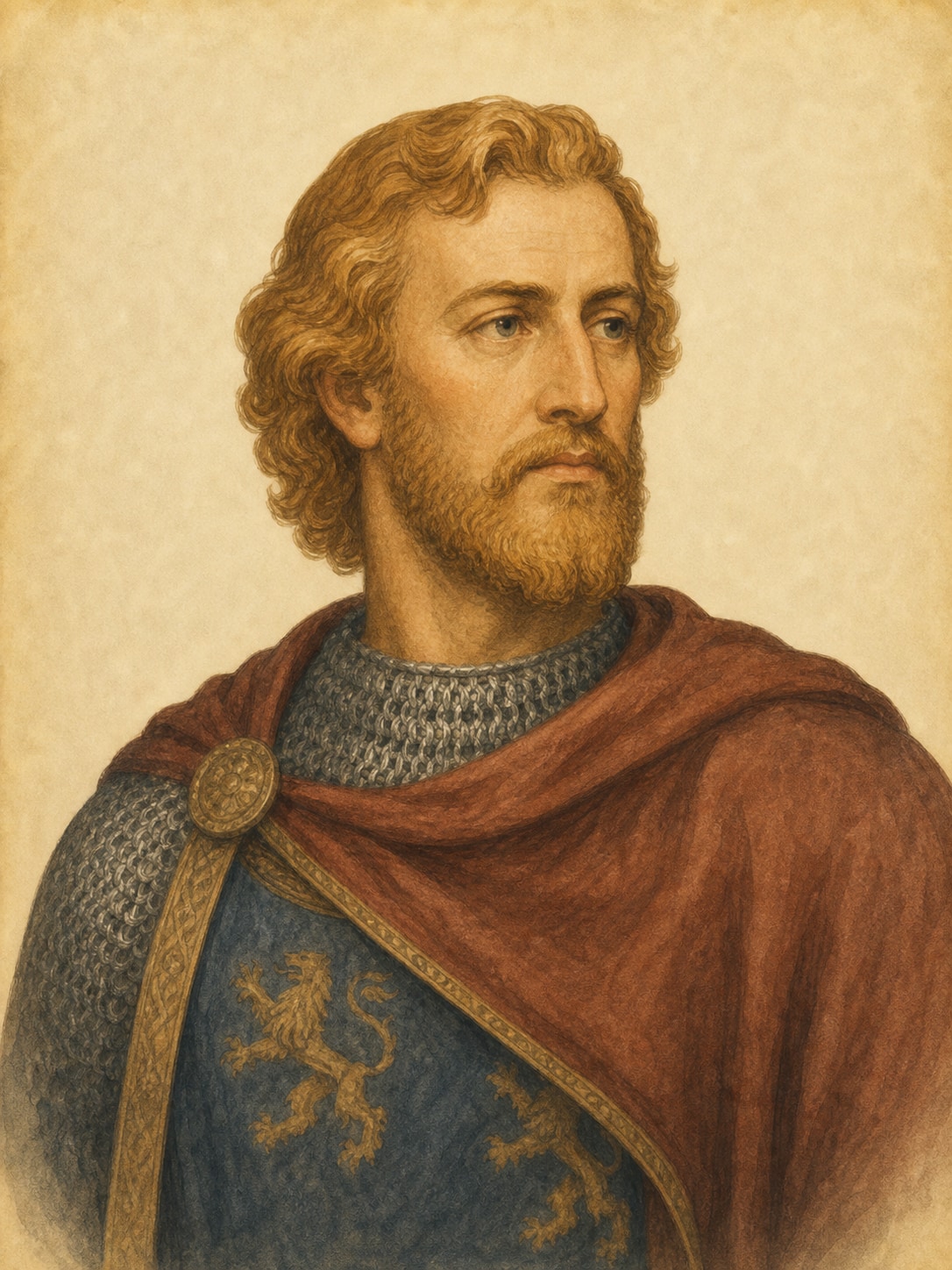
Richard I of England
historical figure in context
King of England known as the Lionheart. His military actions during the Third Crusade made him a symbol of medieval European kingship and the Crusade movement. It provides a clue to understanding the connections between kingship, feudal territory, and the Crusade movement.
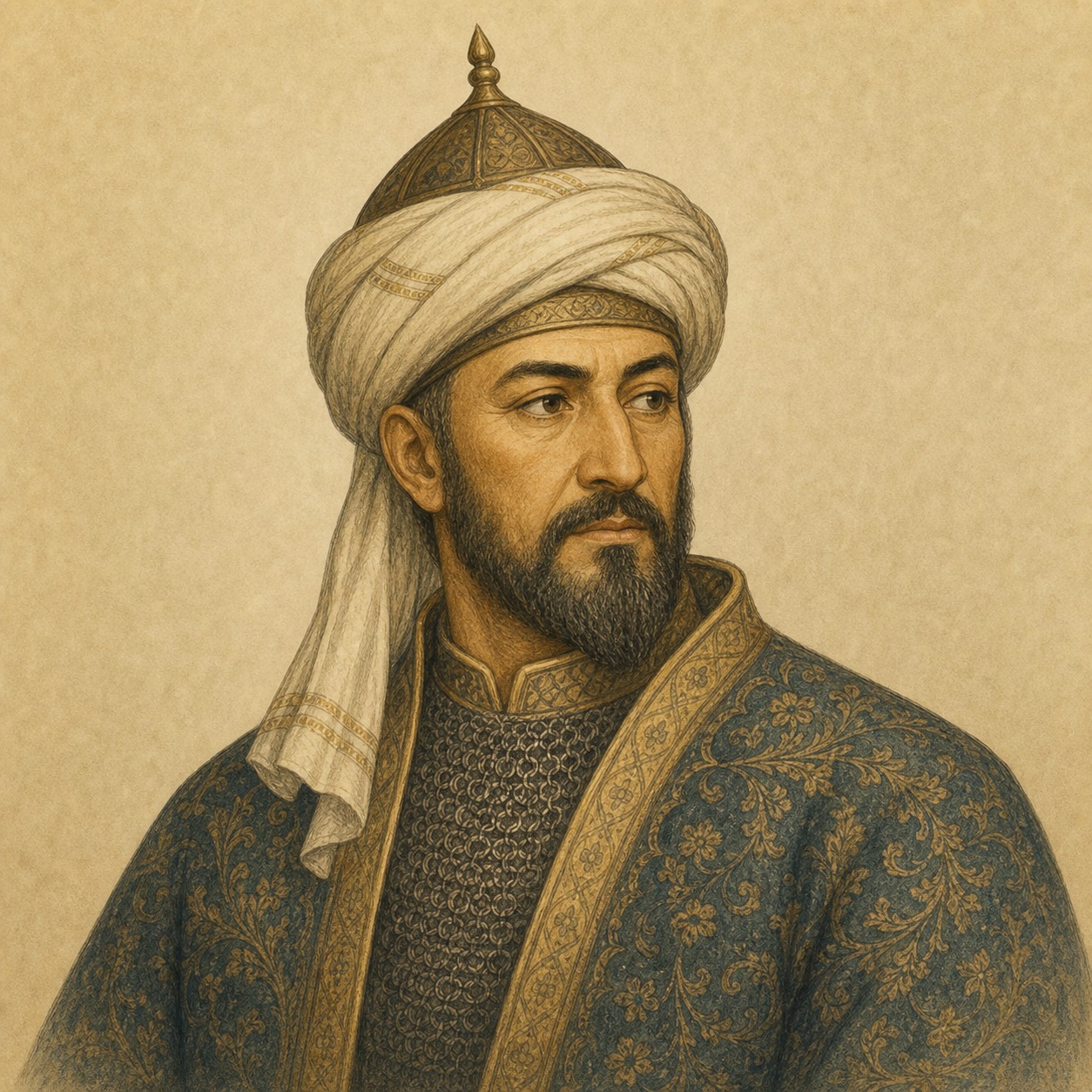
Baibars
historical figure in context
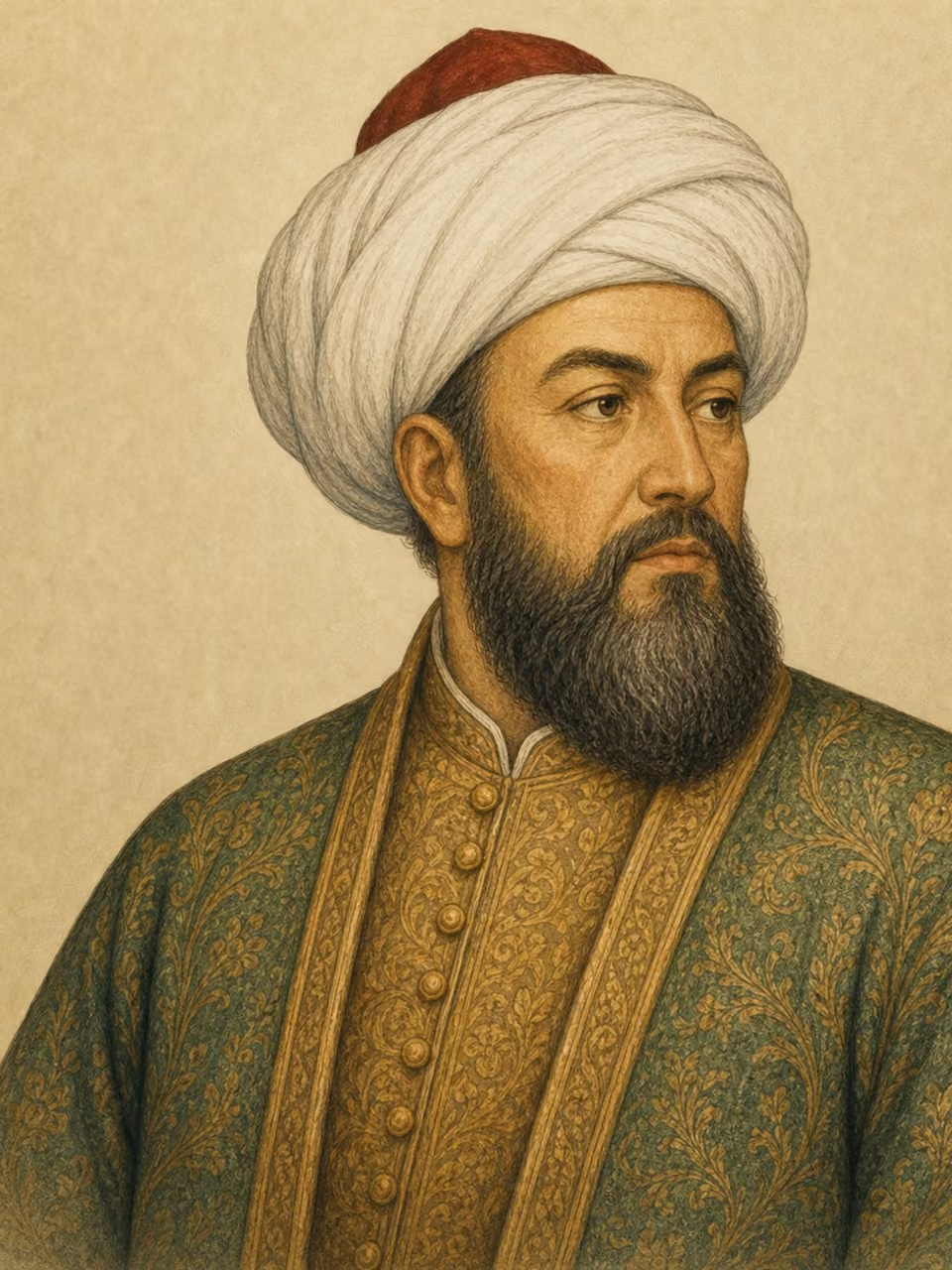
Mamluk sultan. They fought against the Mongols and the Crusaders and consolidated their control over Egypt and Syria. He is a person who thinks about the military and state formation in the medieval Islamic world.
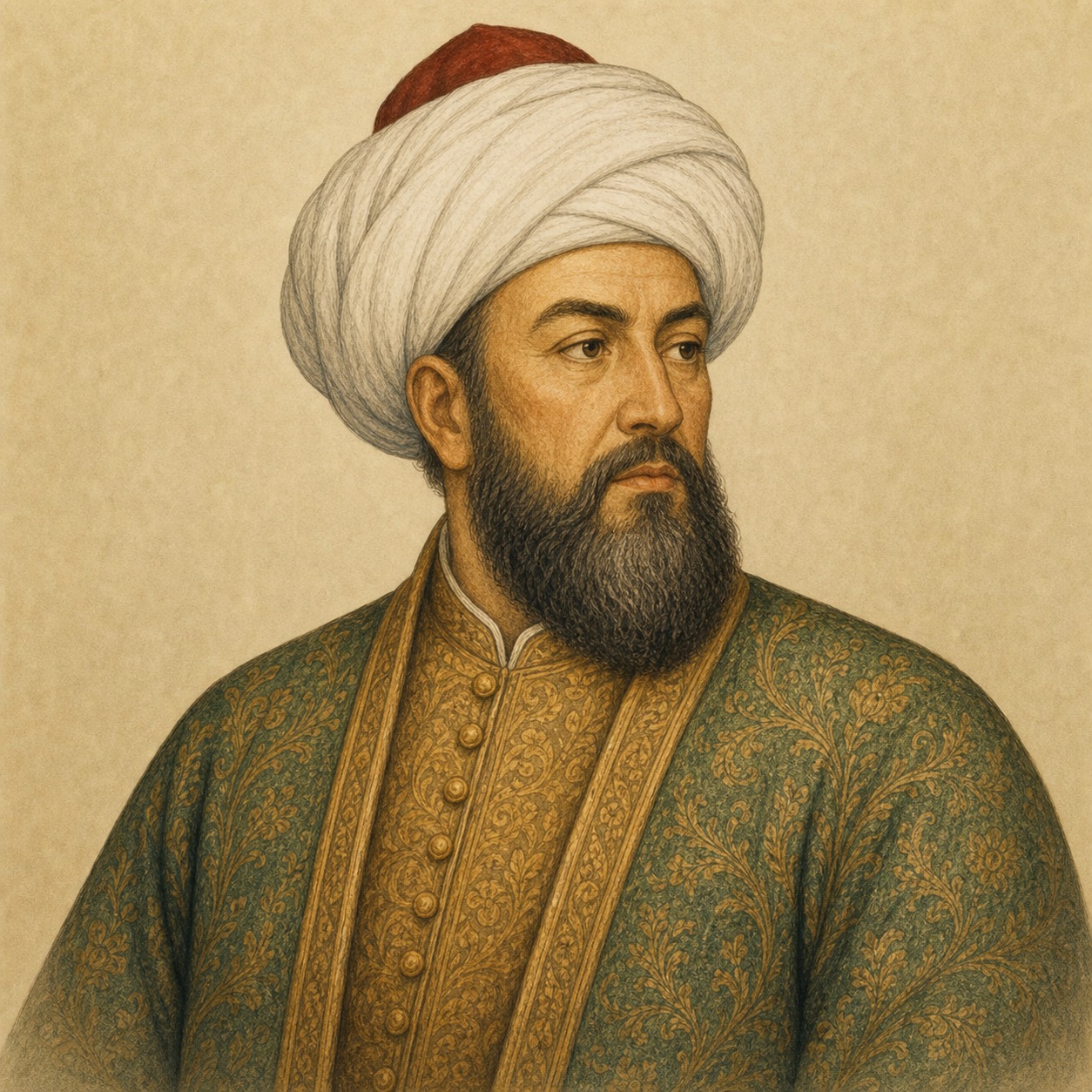
Bayezid I
historical figure in context
Monarch of the early Ottoman Empire. They expanded their power to the Balkans and defeated the Crusaders at the Battle of Nicopolis, but were defeated by Timur at the Battle of Ankara. He is a person who thinks about Western Asia and Eastern Europe at the end of the Middle Ages.
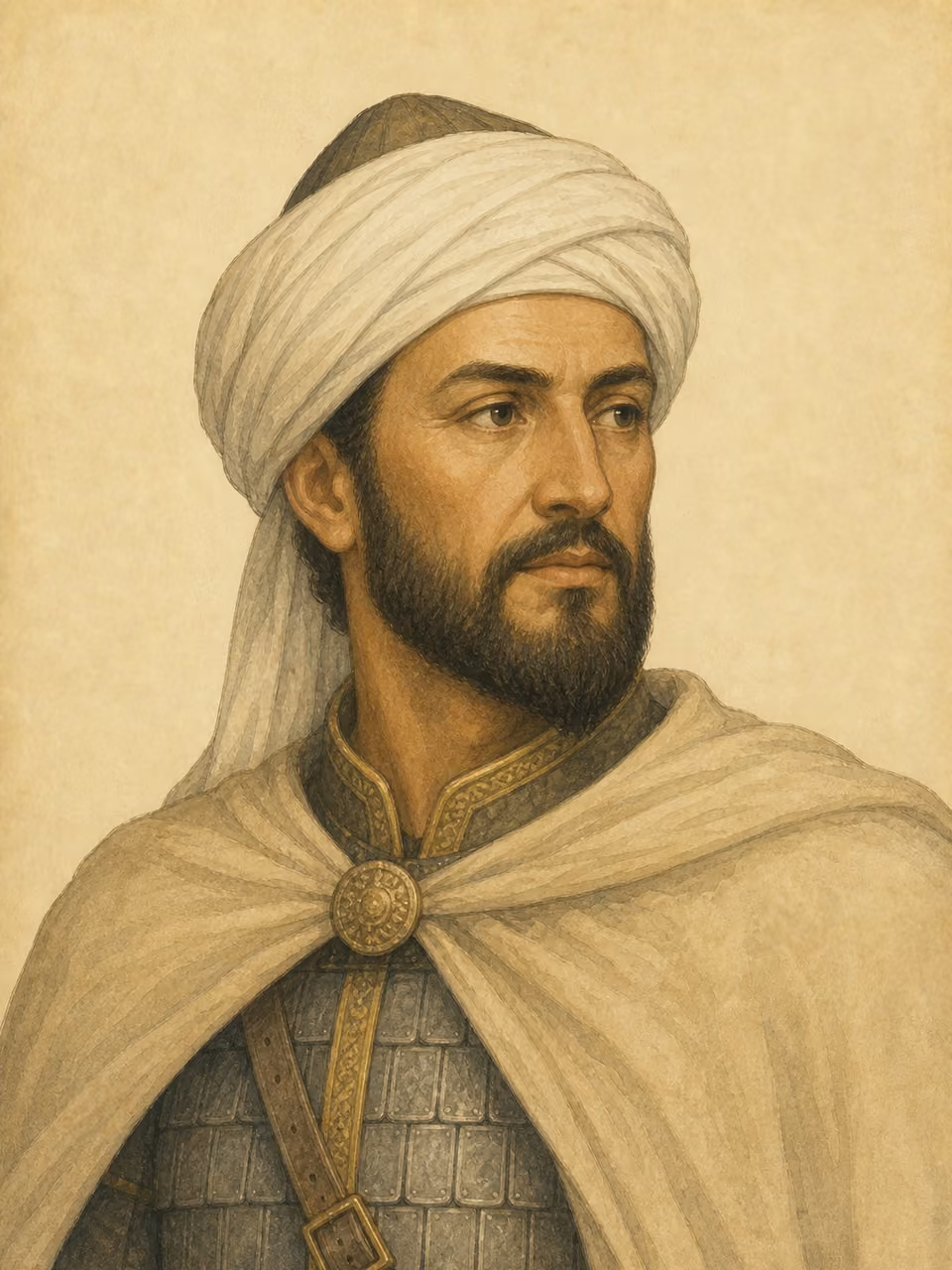
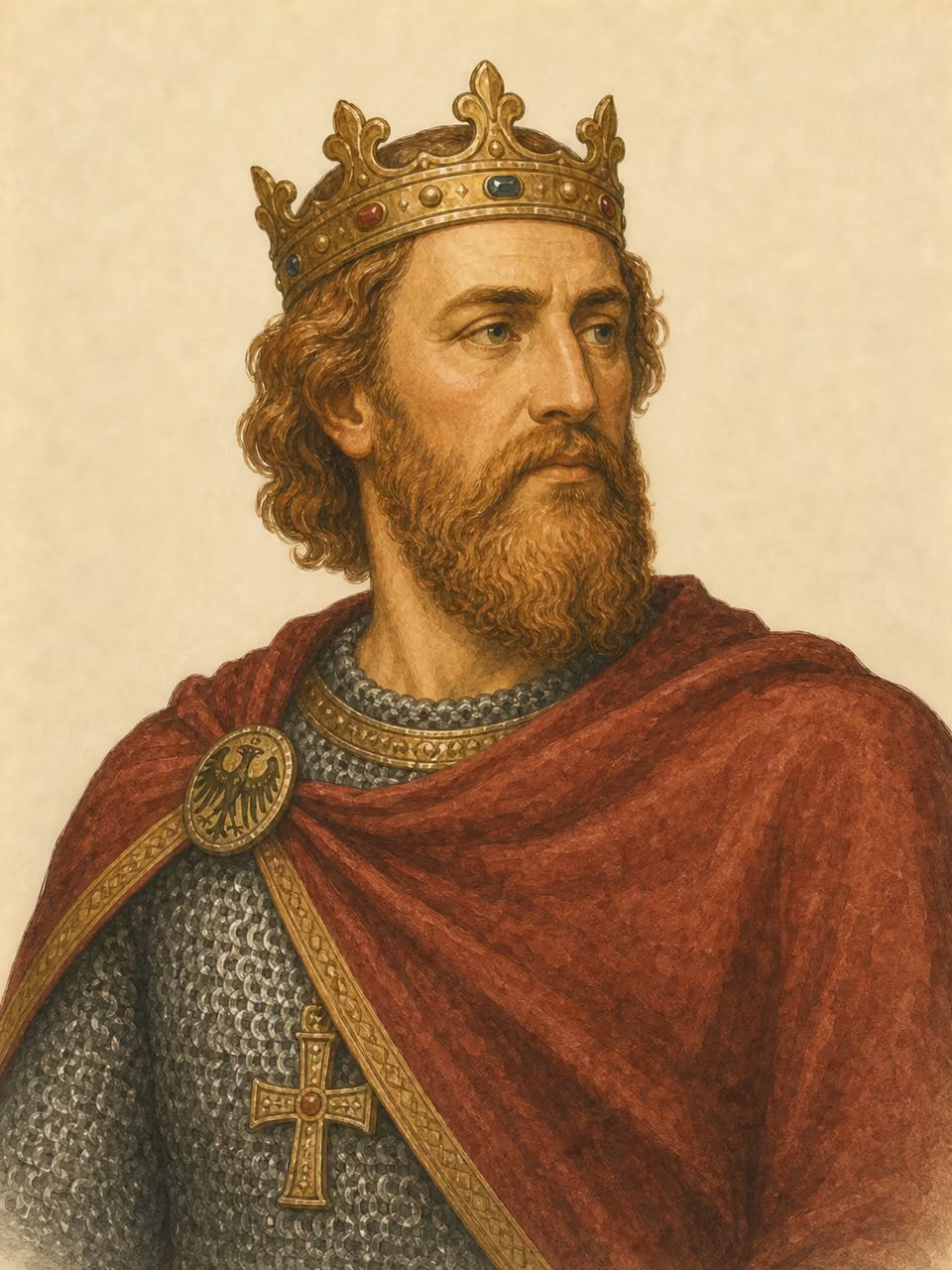
Related events
1169
Prelude
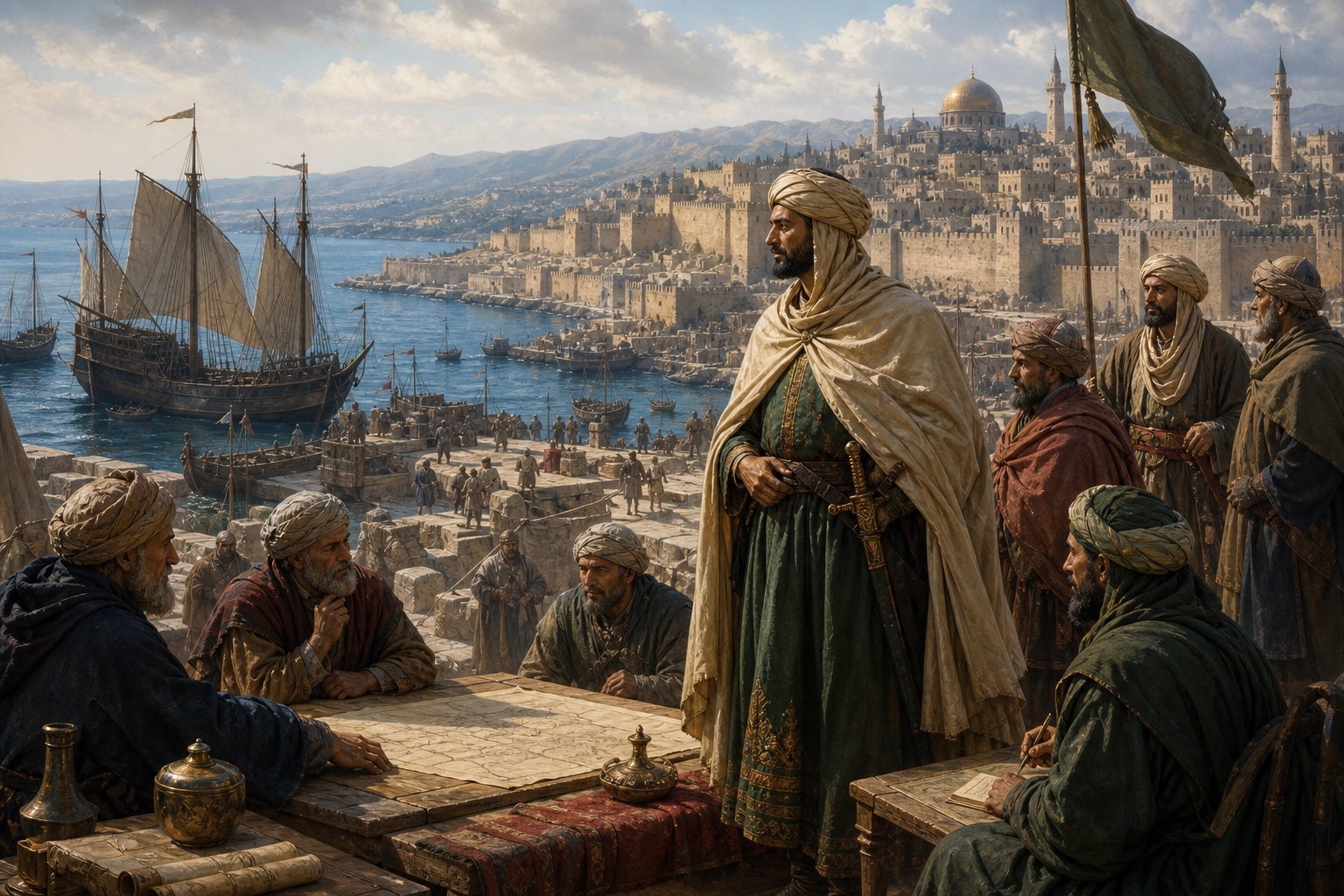
Prelude — Background: Saladin defeated the army of the Kingdom of Jerusalem at Hattin in 1187 and then captured Jerusalem. Pope Gregory VIII called for a new crusade, answered by Emperor Frederick I, King Philip II of France, King Richard I of England, and many other participants.
c. 1188
Rising tension
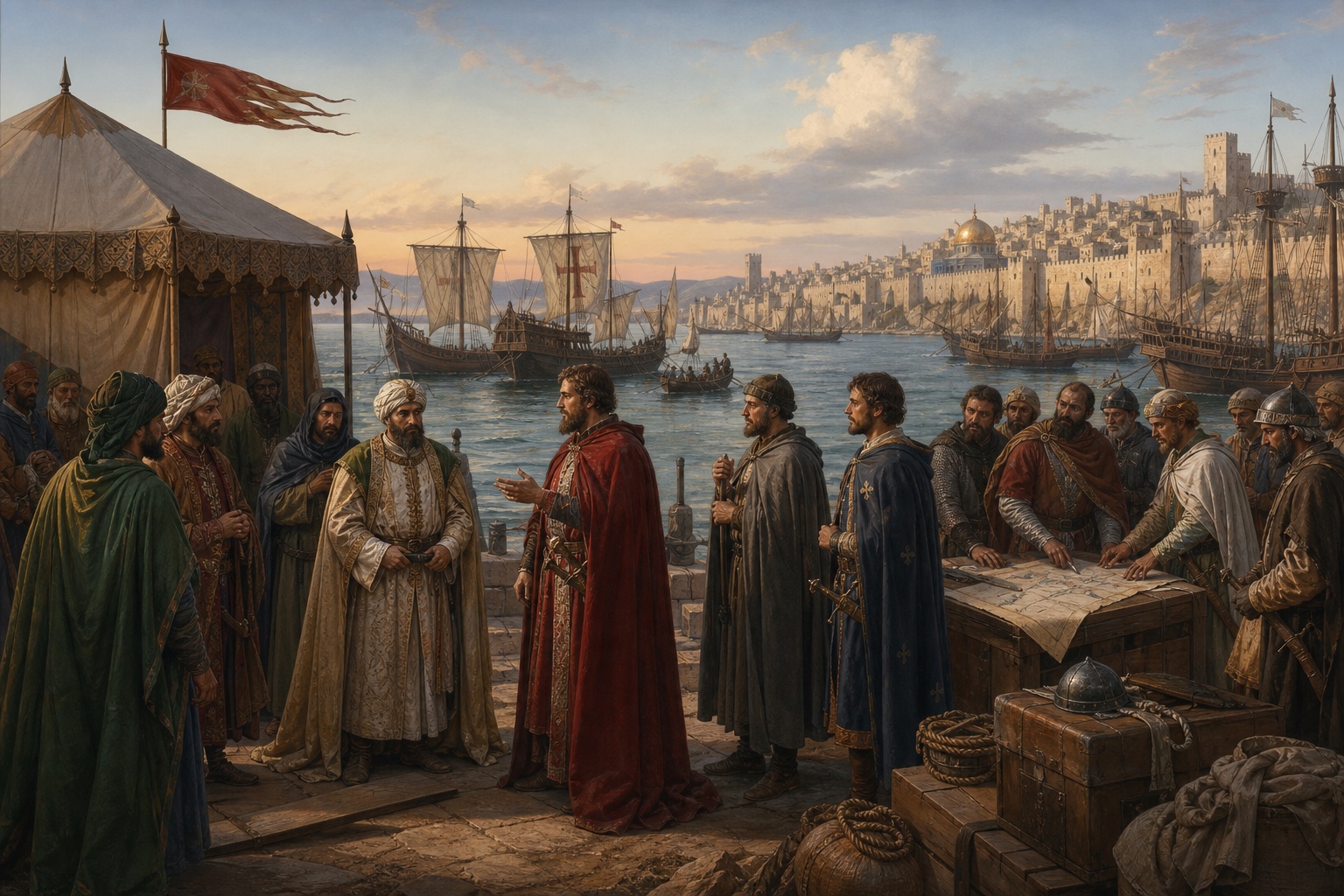
Rising tension — Build-up: Frederick drowned in Asia Minor in 1190 and much of his army dispersed. Forces arriving by sea helped take Acre in 1191, and Richard won at Arsuf, but the crusaders did not mount a successful assault on Jerusalem. Campaigning alternated with intensive negotiation.
1189–1192
Third Crusade
Current event
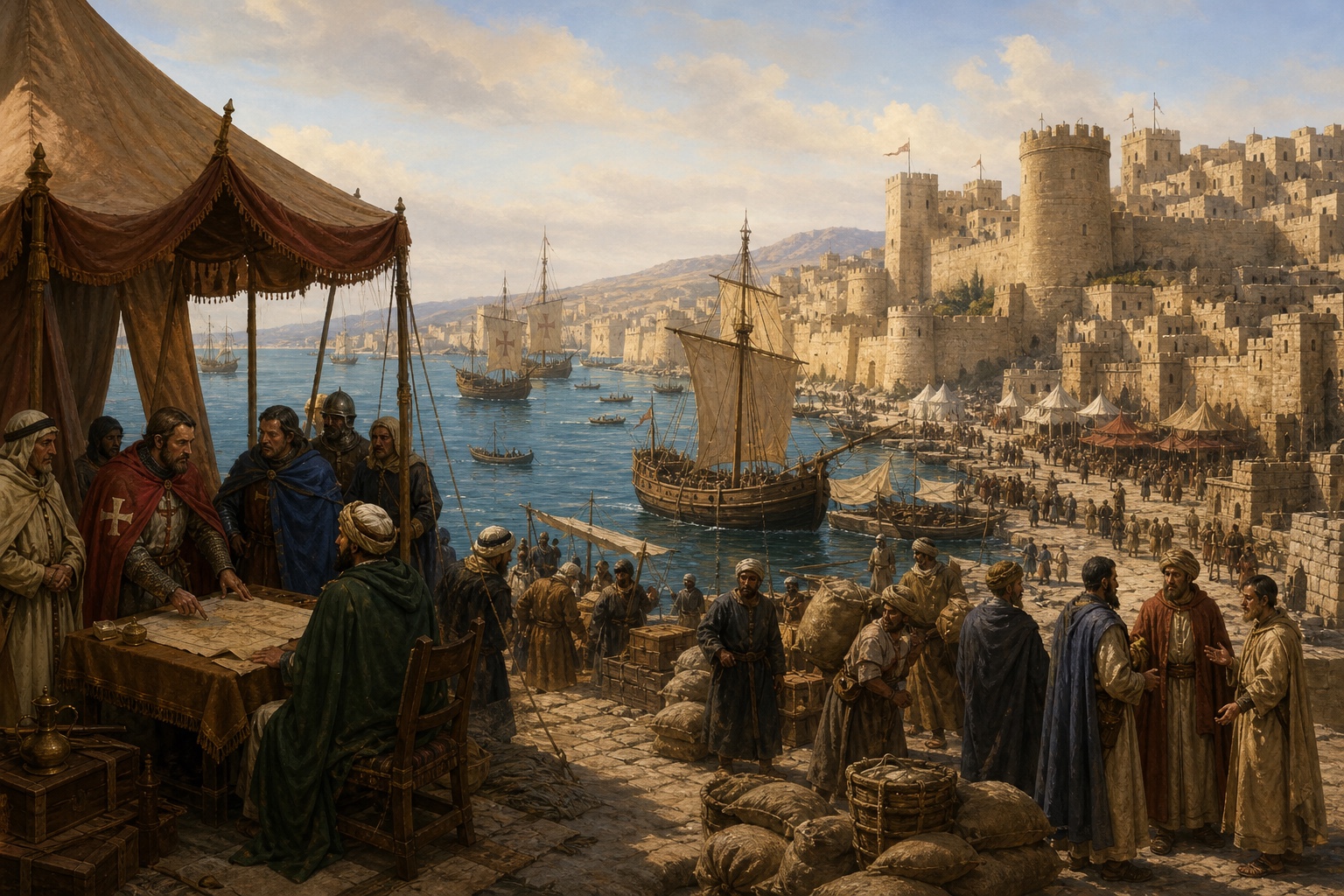
Third Crusade — Central transition: The 1189–1192 expedition in which western European rulers campaigned in the Levant after Saladin's conquest of Jerusalem.
c. 1193
Immediate aftermath
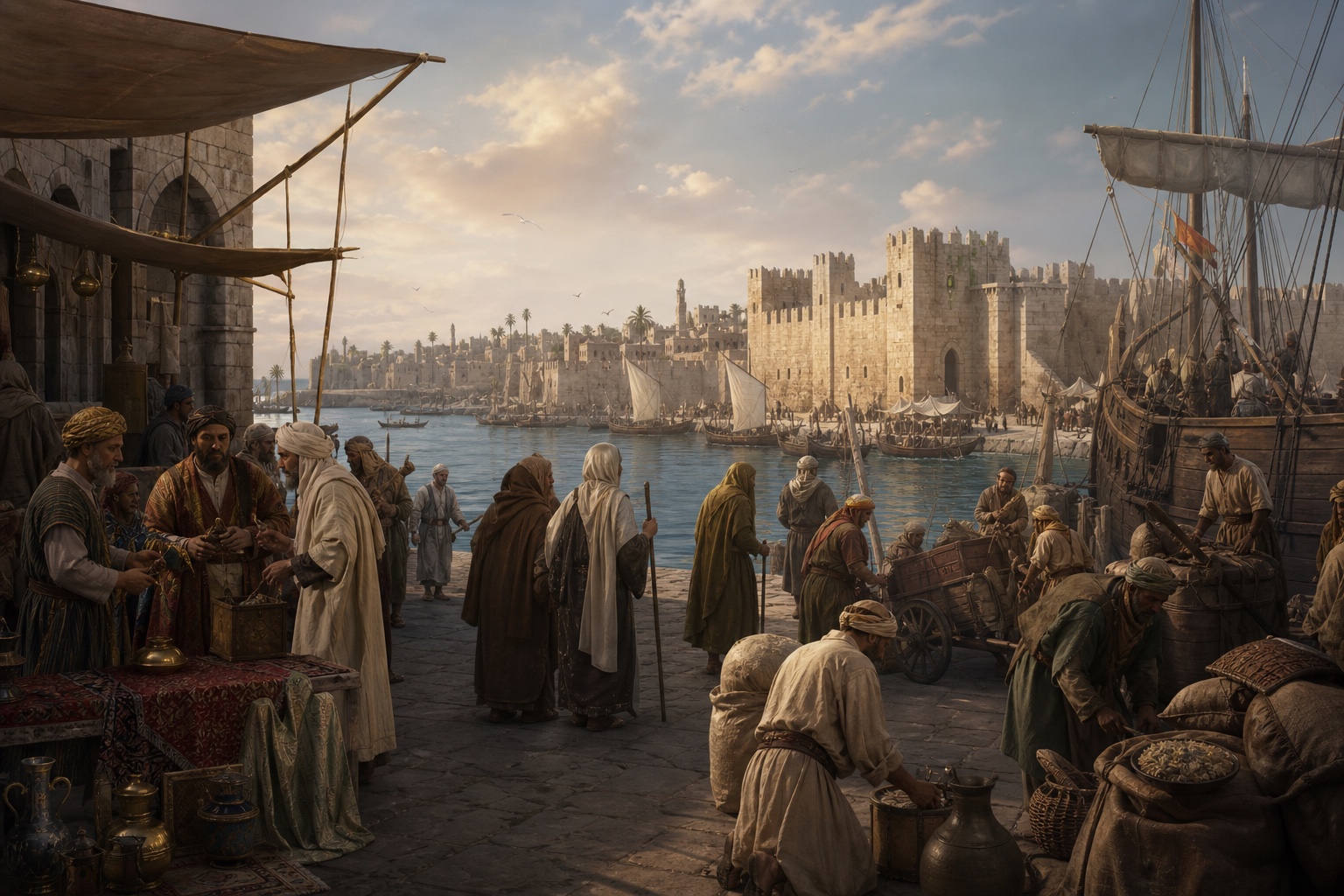
Immediate aftermath — Immediate result: The 1192 settlement at Jaffa left Jerusalem under Saladin while preserving a crusader-held coastal strip and allowing Christian pilgrims access to the city. The expedition therefore secured important positions but did not achieve its central goal of retaking Jerusalem.
c. 1202
Long-term significance
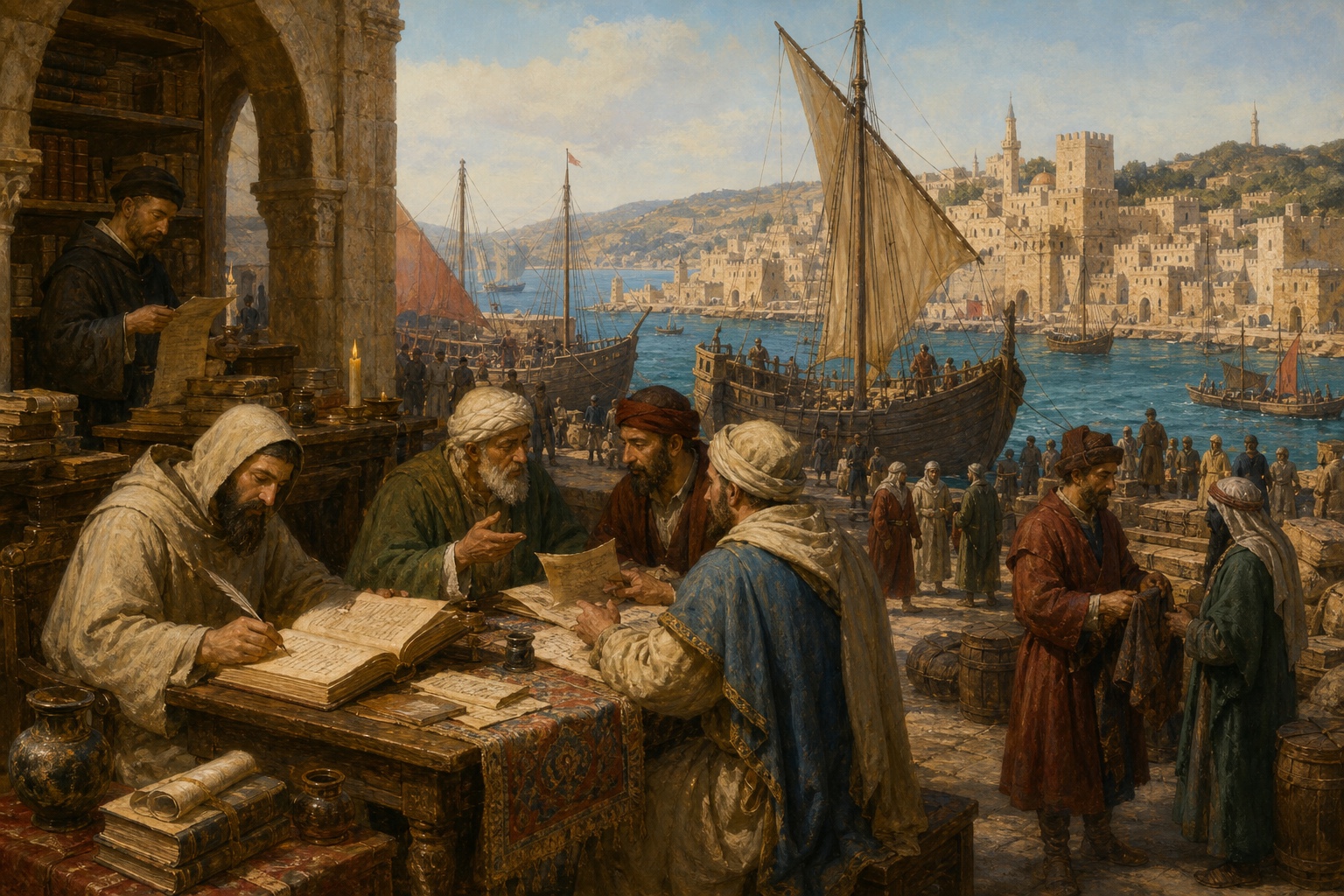
Long-term significance — Long-term significance: The crusade left Acre and Cyprus as durable western bases and shaped eastern Mediterranean politics. It also combined diplomacy and commerce with sieges and atrocities, including the killing of prisoners at Acre, and its partisan chronicles require comparison across viewpoints.


Sources
- Third Crusade — The Crusades 1095 1291 (The Metropolitan Museum of Art)metmuseum.orgThis The Metropolitan Museum of Art resource supports the chronology, setting, and course of Third Crusade.
- Third Crusade — 1190barbarossa.Asp (Sourcebooks)sourcebooks.web.fordham.eduThis Sourcebooks resource supports the chronology, setting, and course of Third Crusade.
- Third Crusade — Rigord TransHyamsandLoud.Asp (Sourcebooks)sourcebooks.web.fordham.eduThis Sourcebooks resource supports the chronology, setting, and course of Third Crusade.