Unification of Germany
1848–1871
From 1848 to 1871, German-speaking states were consolidated into the German Empire through Prussian leadership, war, diplomacy, and parliamentary politics.

- Period
- 1848–1871
- Kind
- Treaty
- Regions
- Latin America
- Keywords
- nation-state · Prussia · parliament · industry · diplomacy
Follow the story · Four stages
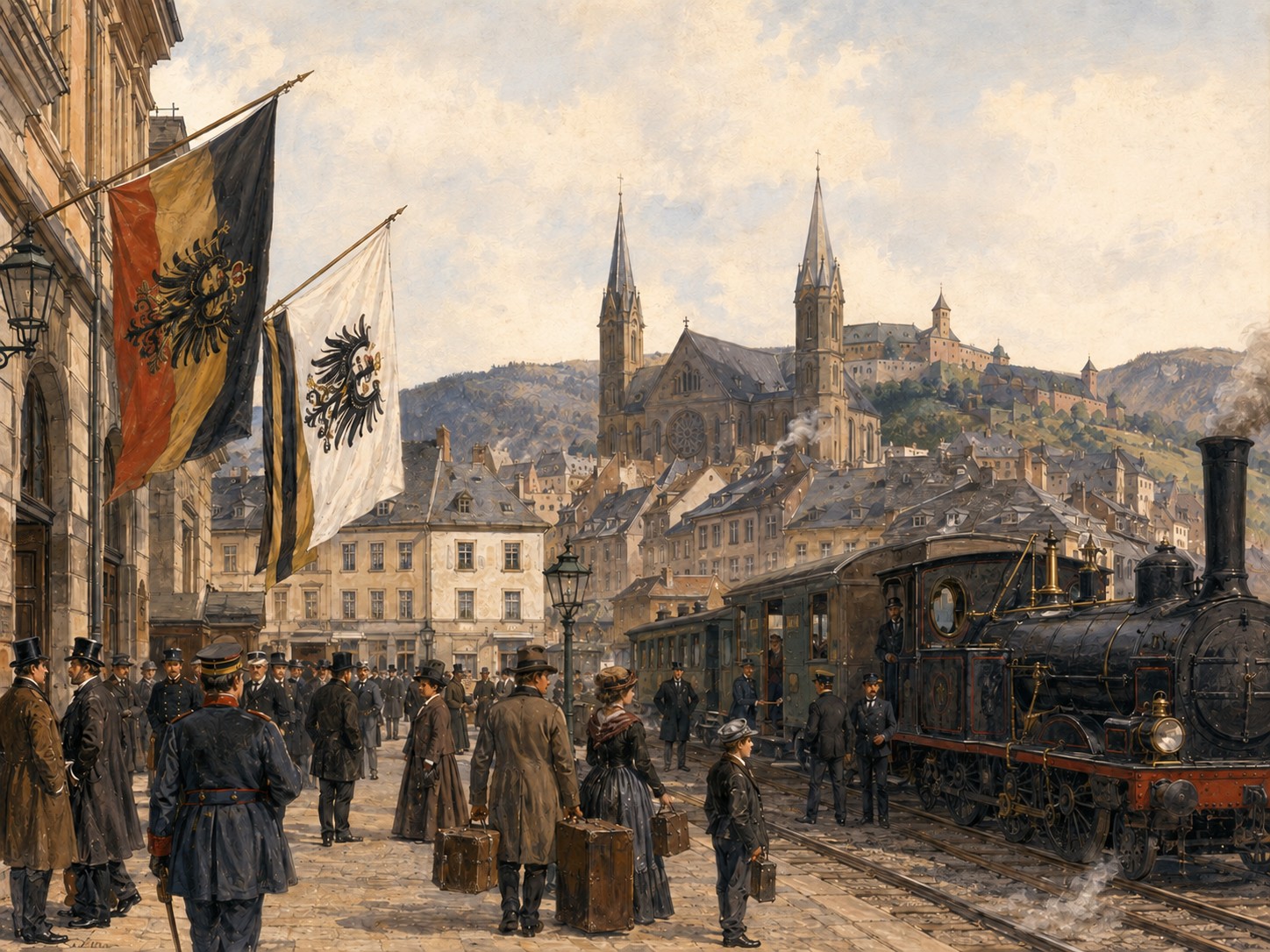
Background
National and liberal ideas grew across the German Confederation while Austria and Prussia competed for leadership in the German lands.
- The German states remained divided after the Napoleonic wars
- Customs union and railways connected the economy
- Liberalism and nationalism competed over a new state
Course
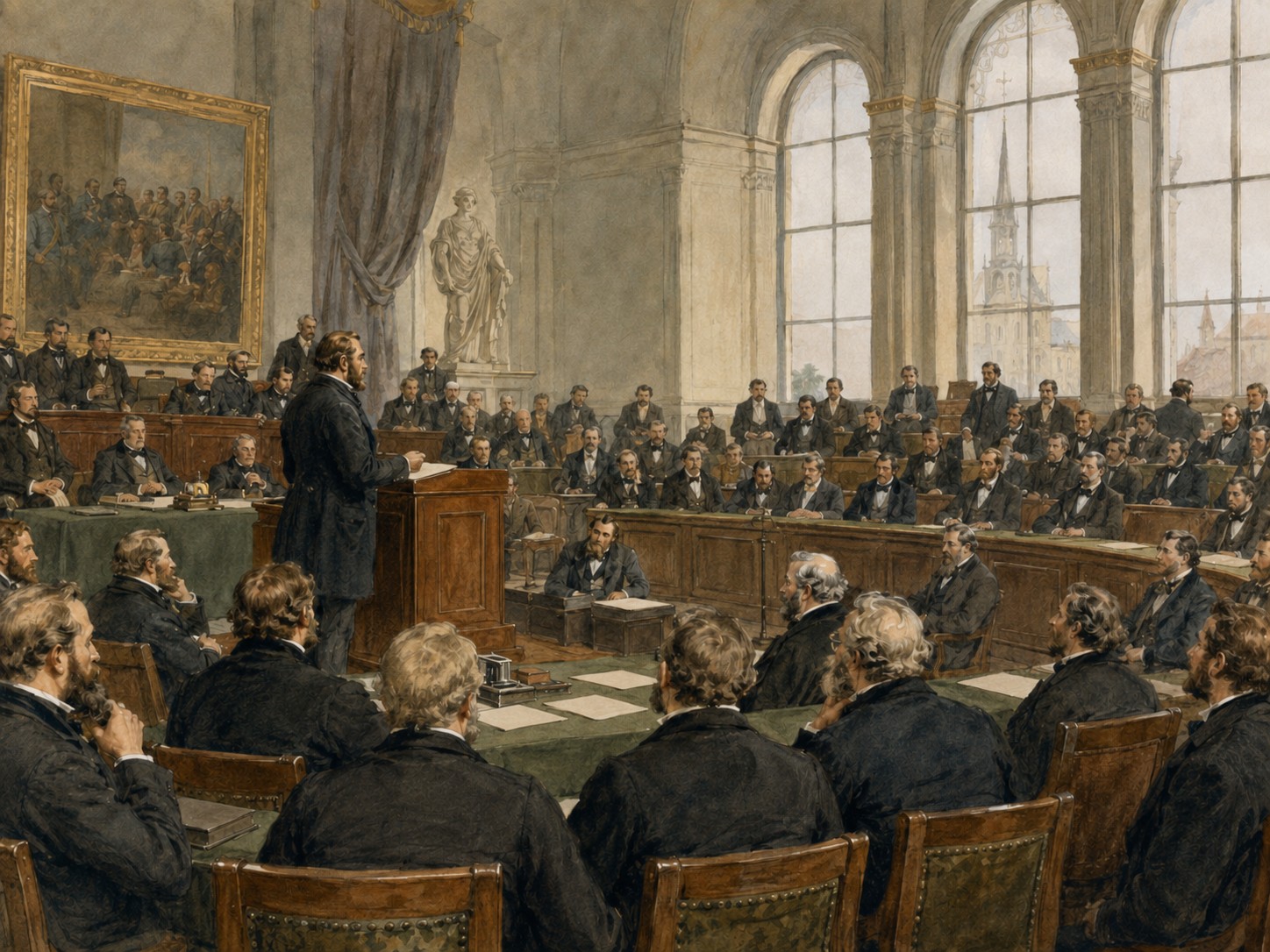
After the revolutions of 1848 and the Frankfurt Parliament’s attempt, Bismarck combined wars and diplomacy involving Denmark, Austria, and France.
- The Frankfurt Parliament attempted a constitution
- Prussia gained the initiative in war and diplomacy
- Conflict changed the political conditions of unity
Outcome
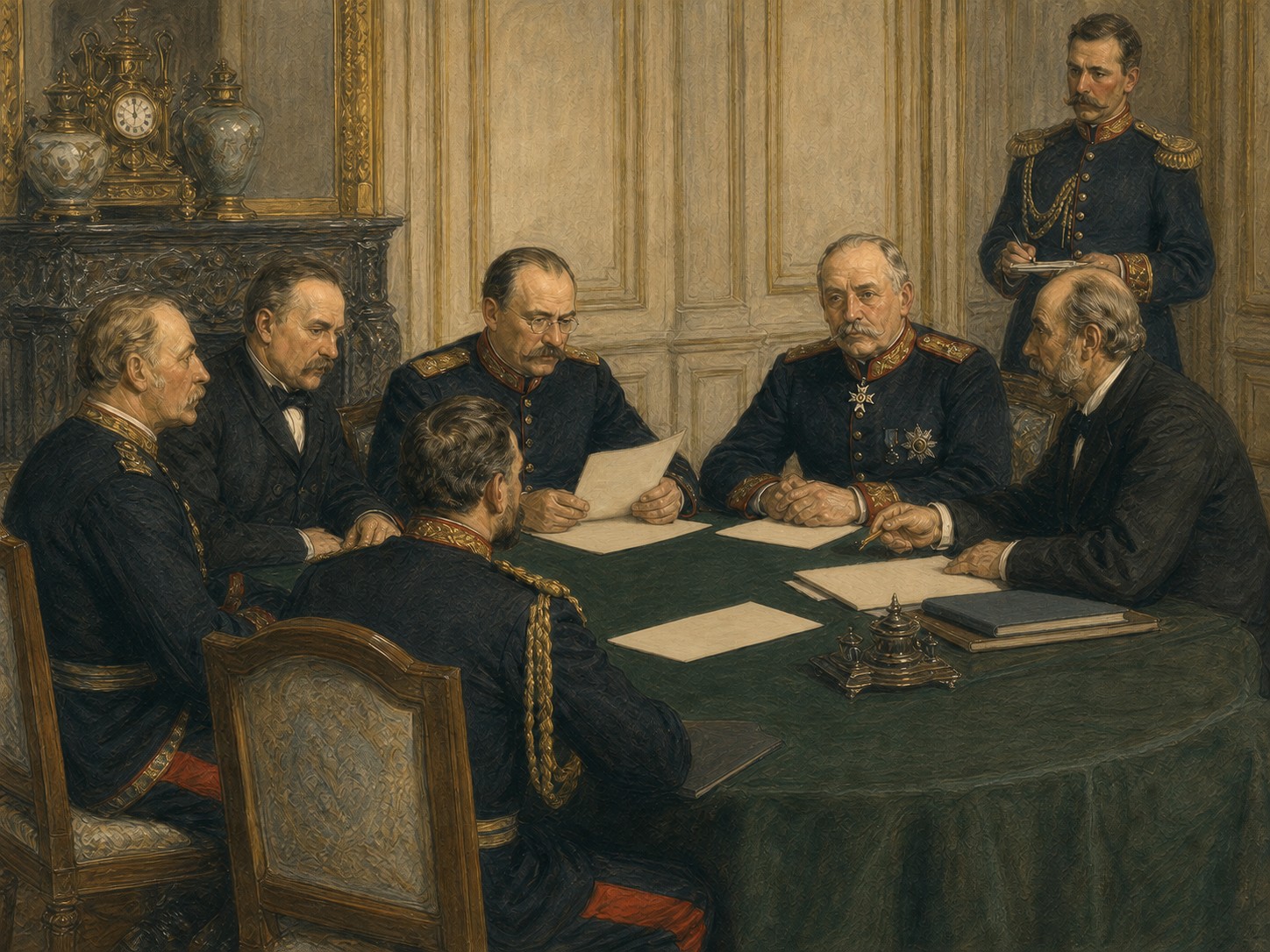
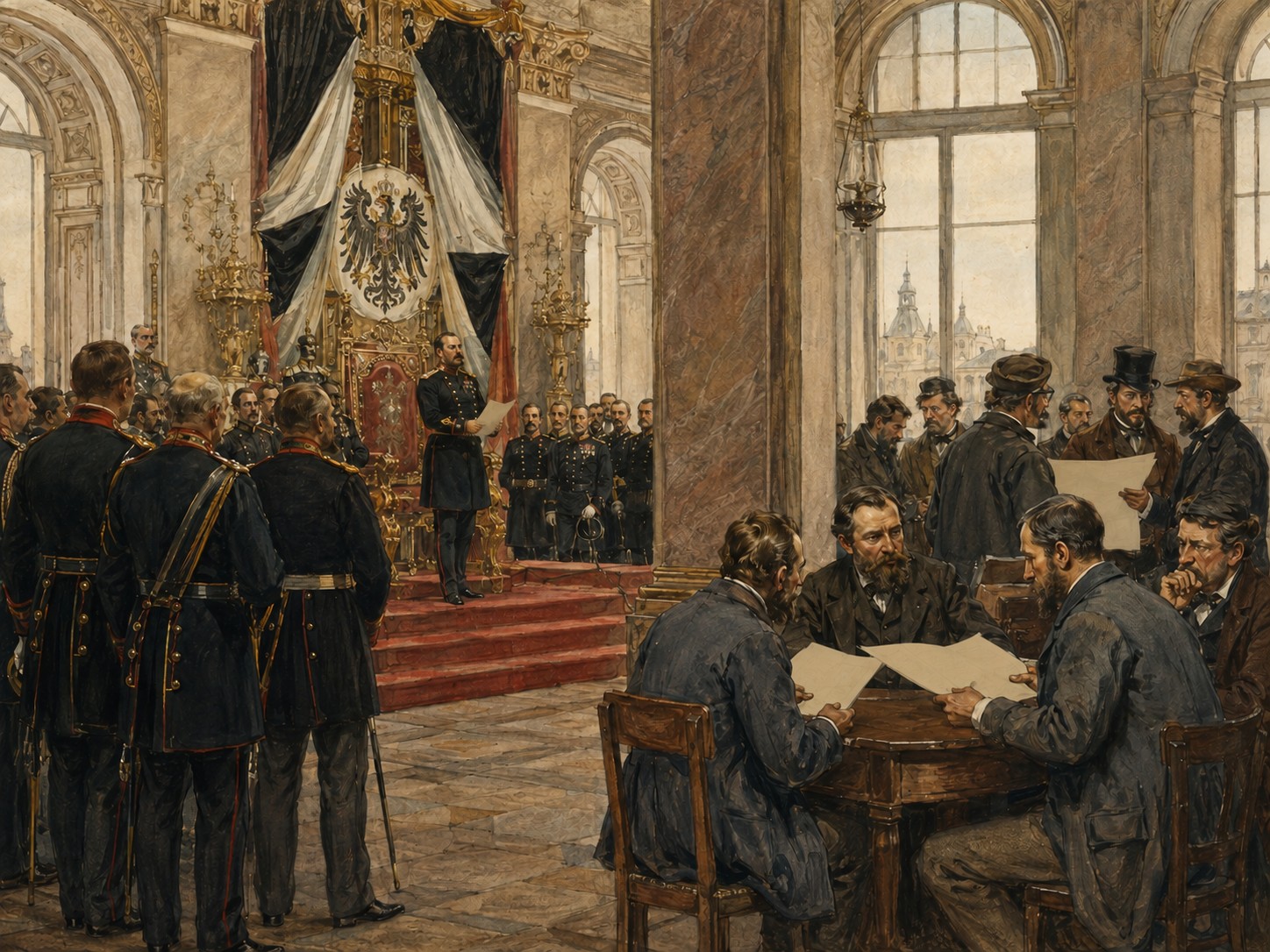
The German Empire was proclaimed at Versailles in January 1871, with Prussian King Wilhelm I becoming German Emperor.
- The German Empire was founded in 1871
- A Prussian-led federal state took shape
- Tensions between integration and parliamentary politics remained
Historical significance
Unification emerged not only from parliamentary nation-building but also from Prussian military, bureaucratic, and dynastic power, leaving tensions in the new empire’s political culture.
- It changed the balance of power in Europe
- It joined industrialization to the nation-state
- It shows how unification can also produce exclusion and rivalry


Related figures
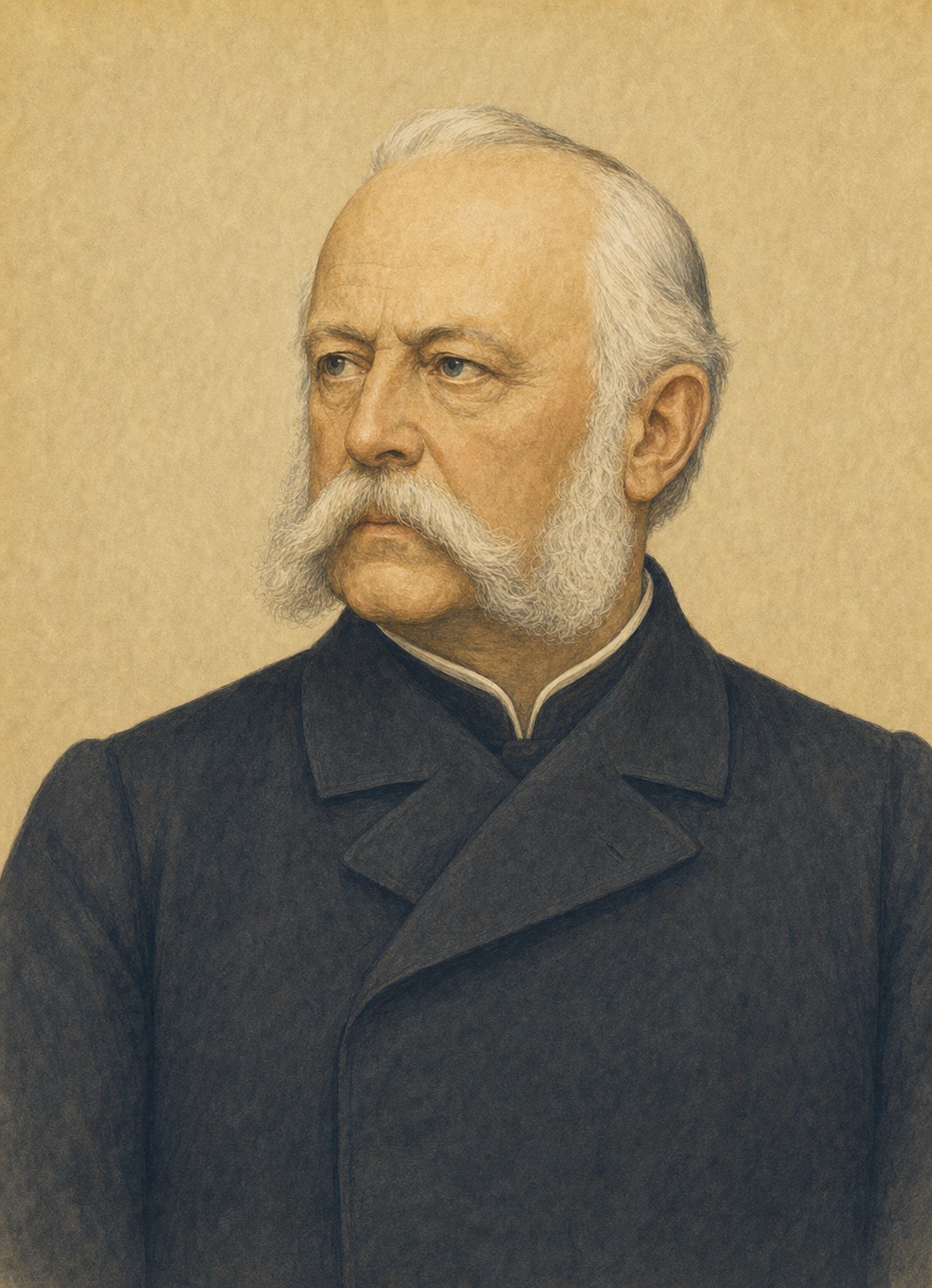
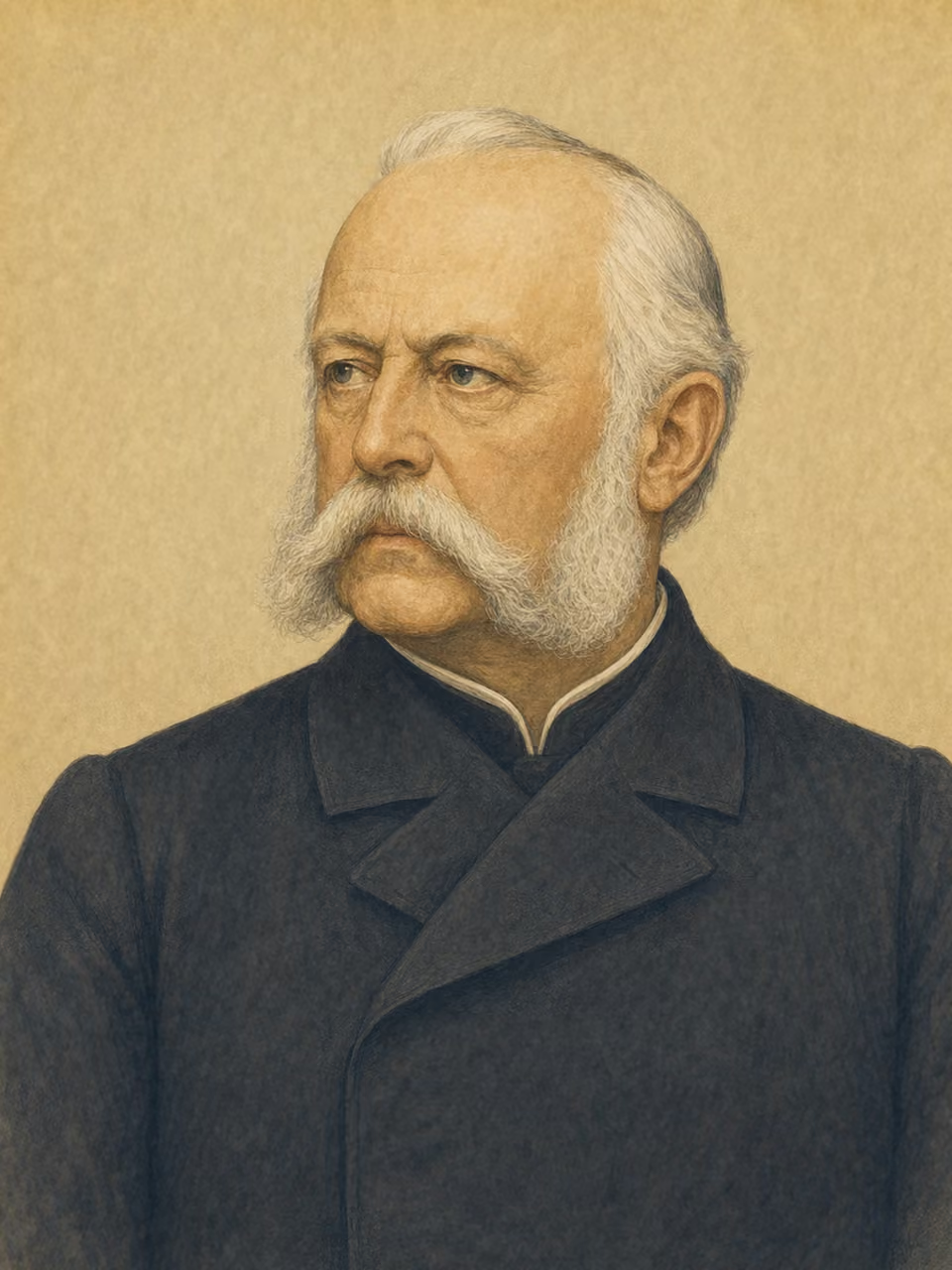
Wilhelm I
Kingdom of Prussia
The king who became German emperor and symbolized a Prussian-led state.
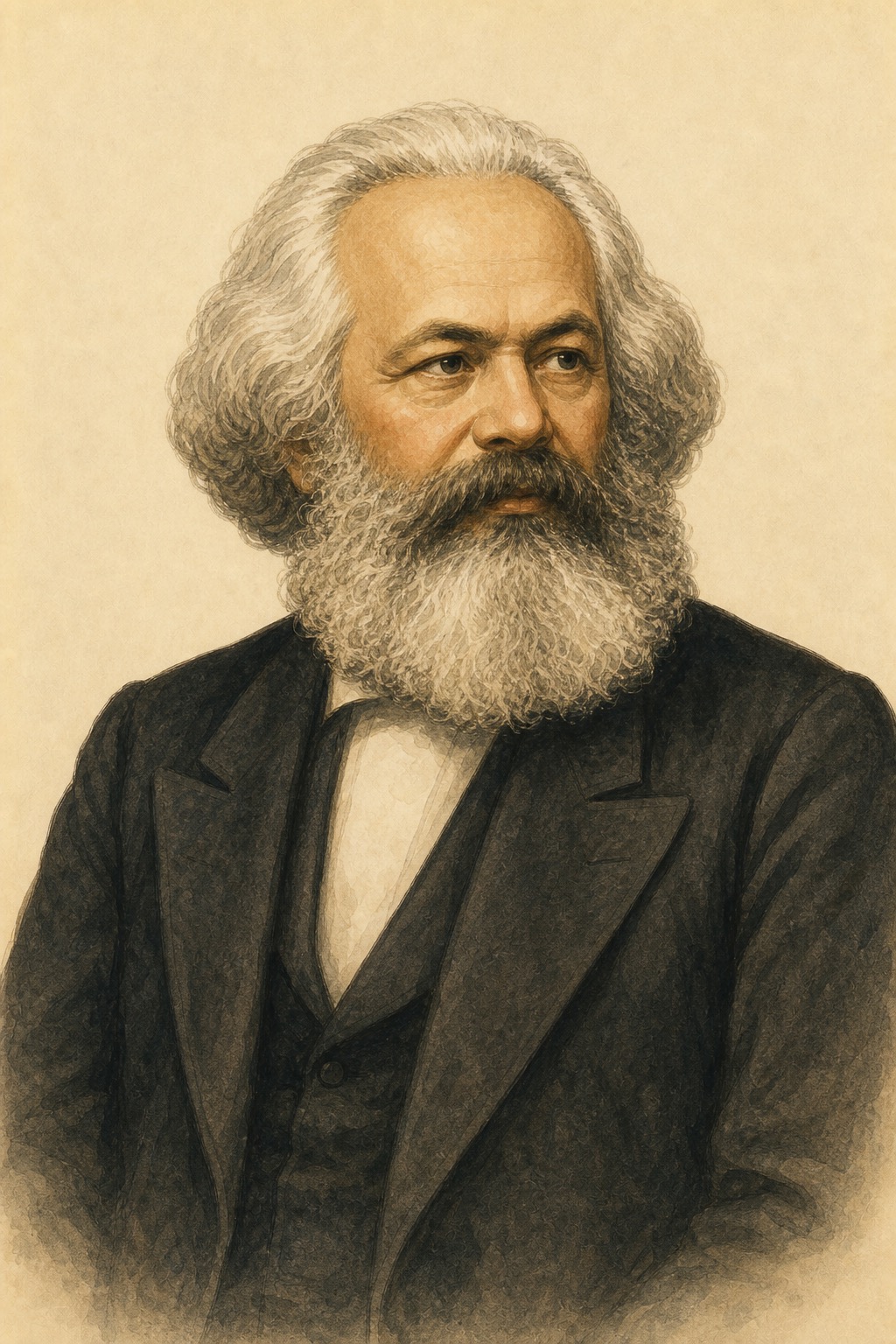
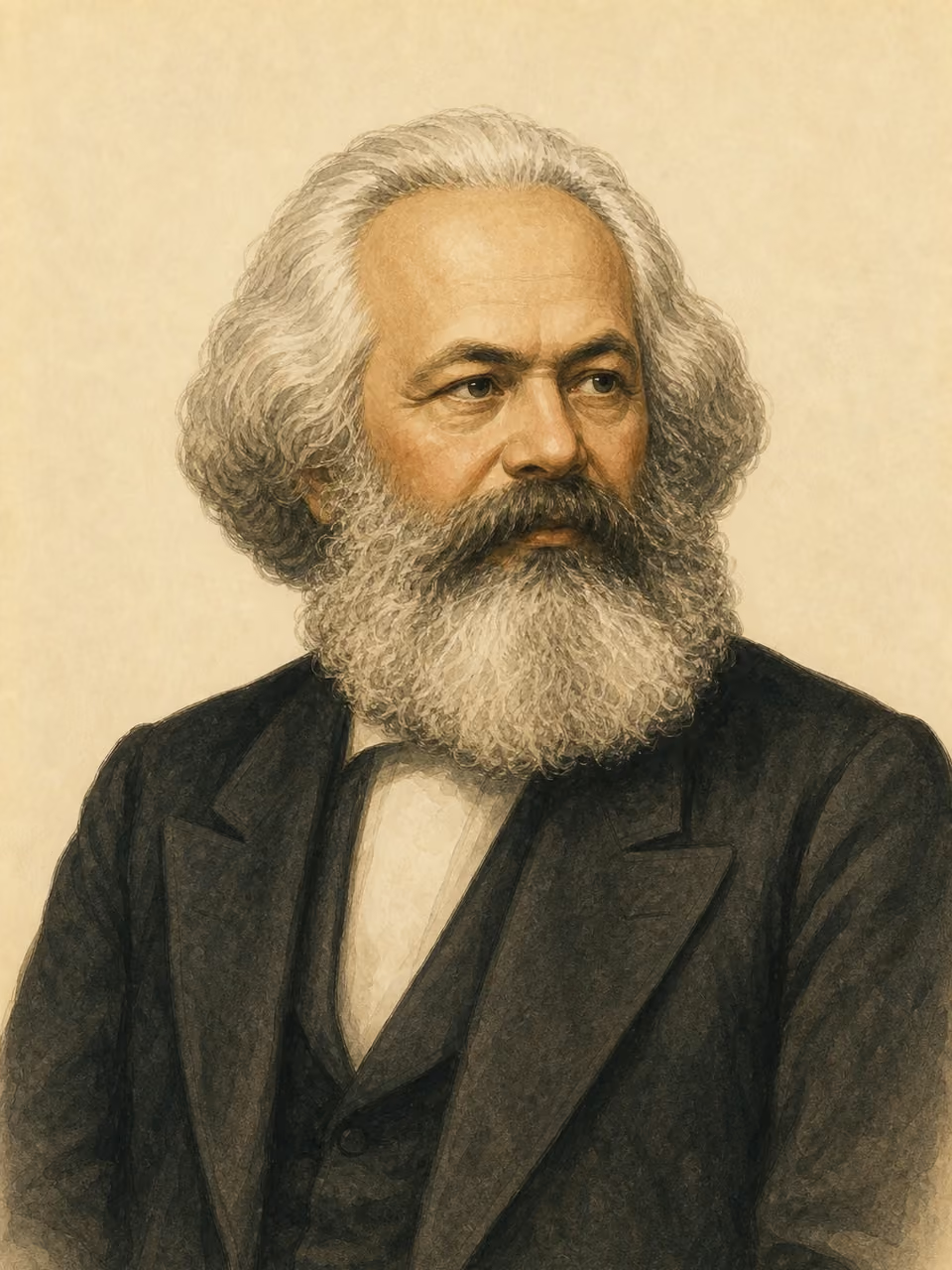
Karl Marx
Social thought
A critic of industrial capitalism whose analysis illuminated the social tensions of the era.
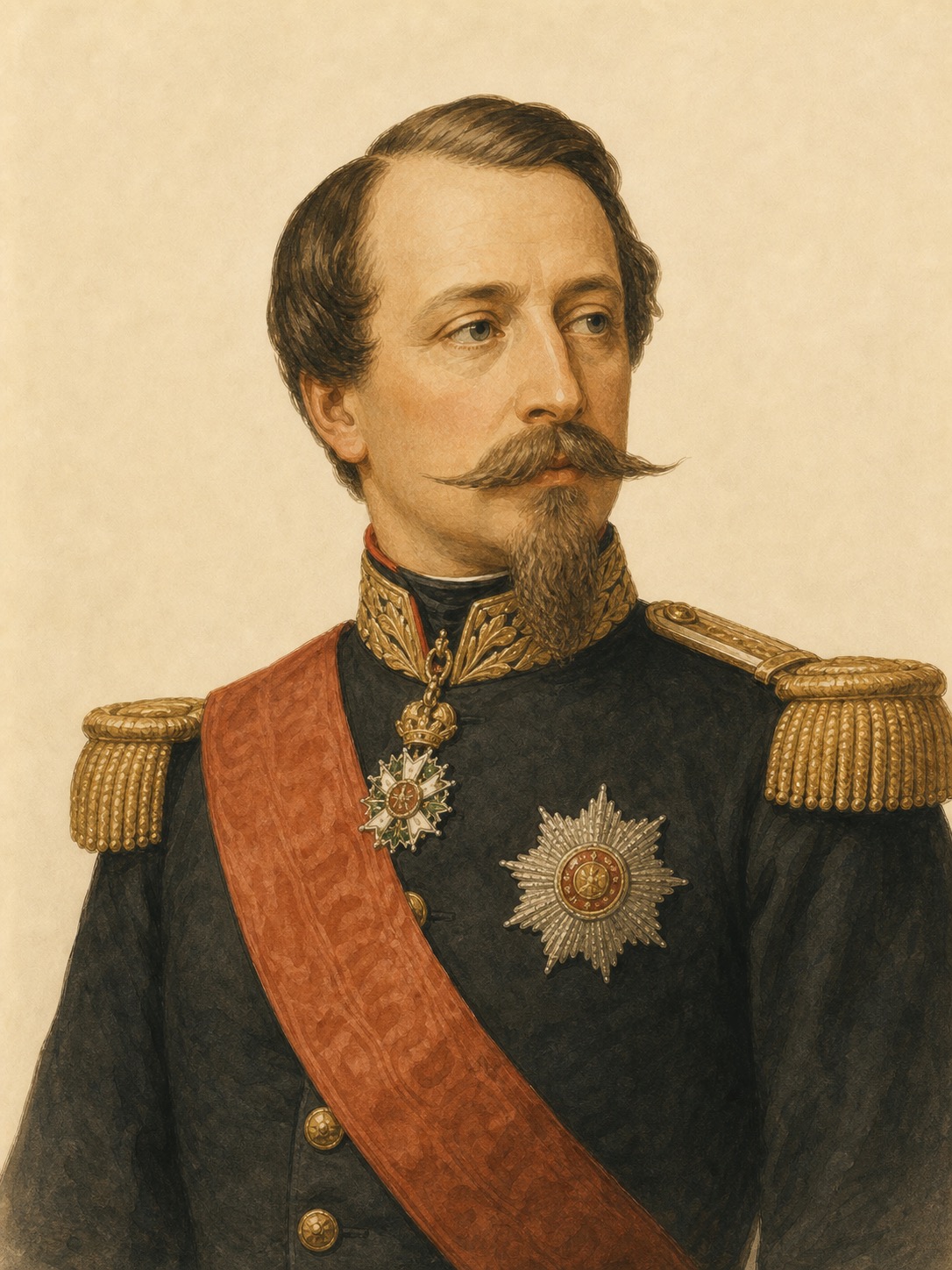
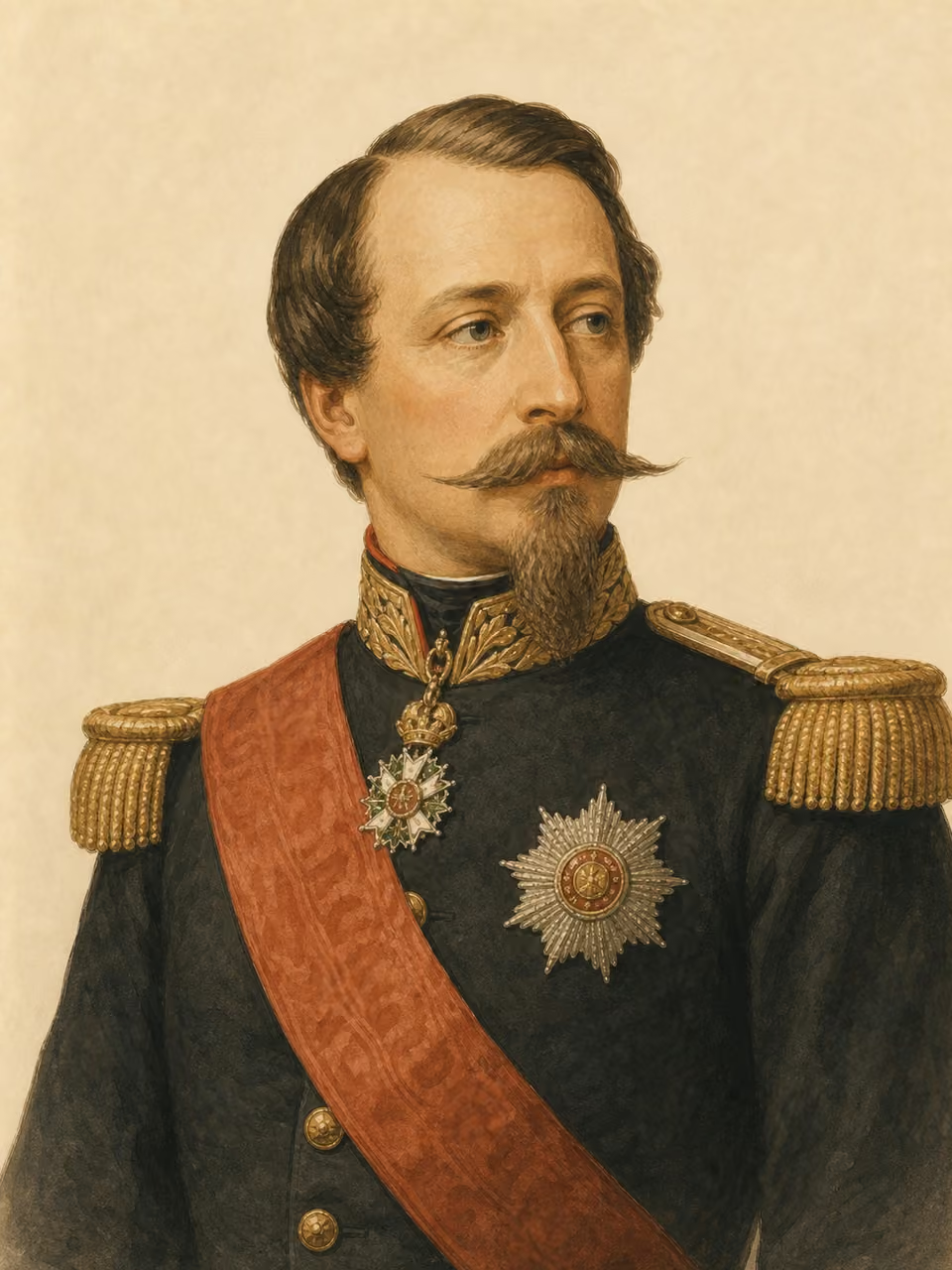
Napoleon III
French Empire
The emperor of the Second Empire whose conflict with Prussia shaped the final crisis.
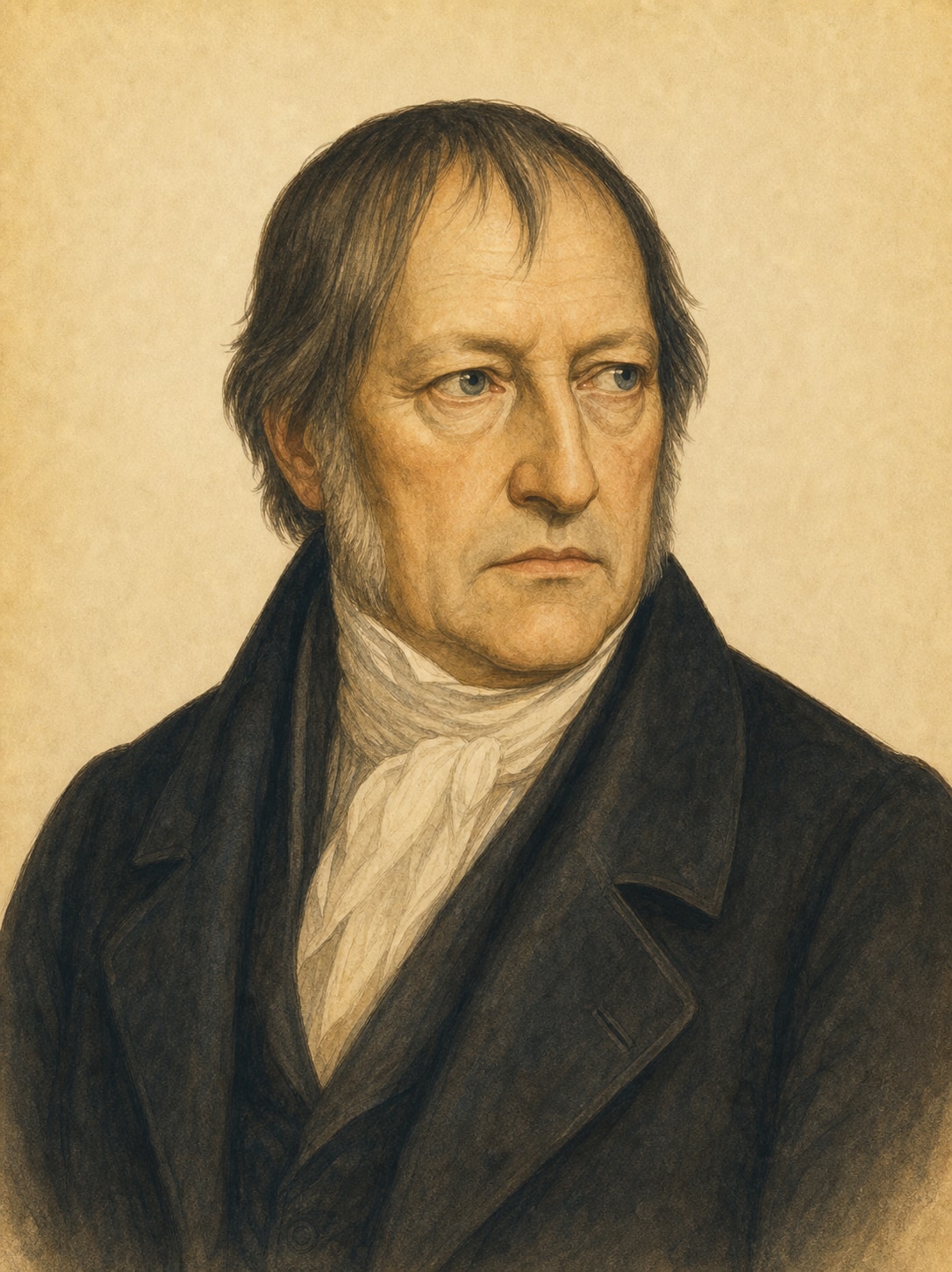
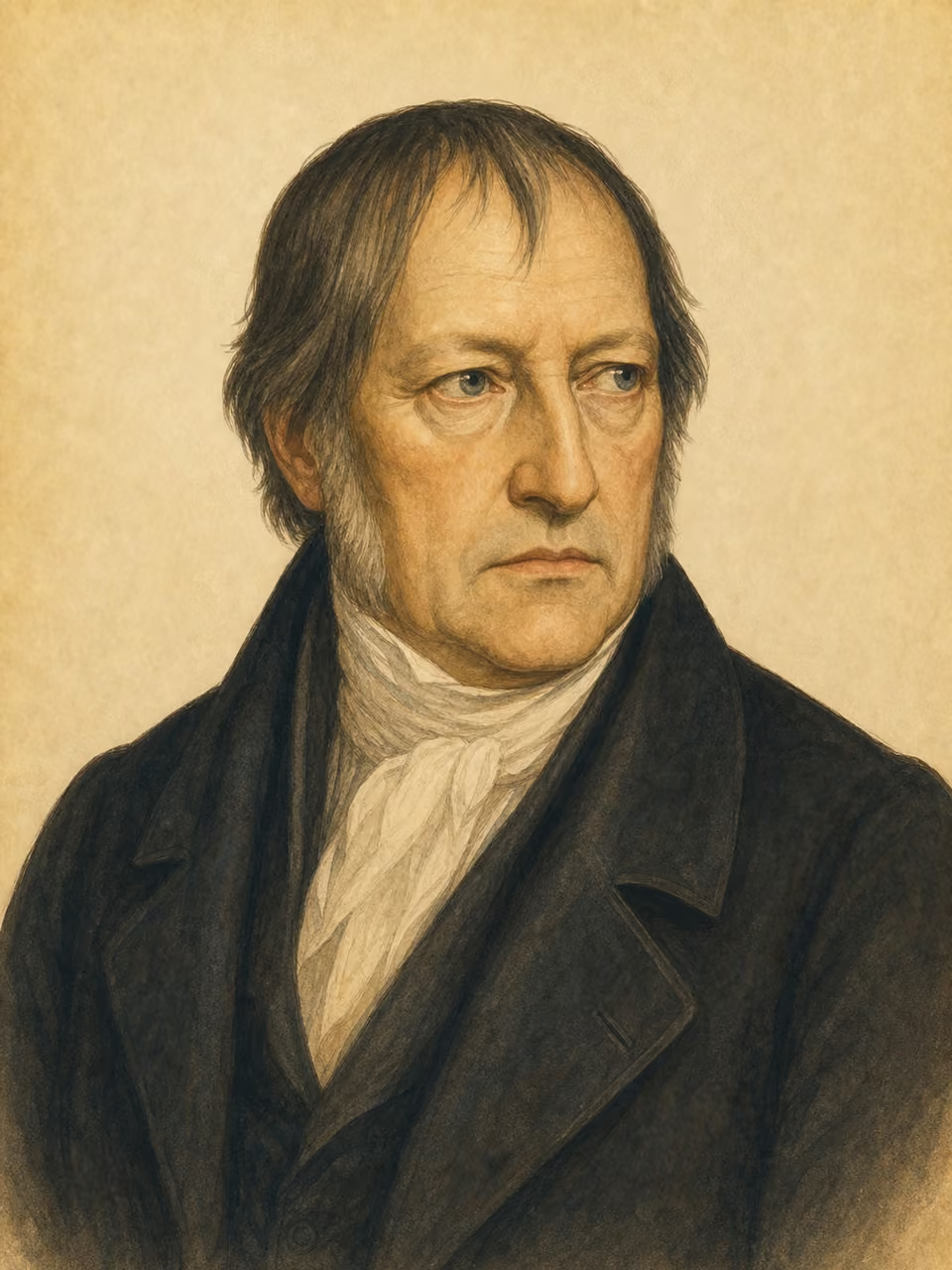
Georg Wilhelm Friedrich Hegel
German philosophy
A philosopher whose ideas about history and the state influenced later political thought.
Related events
1815
German Confederation
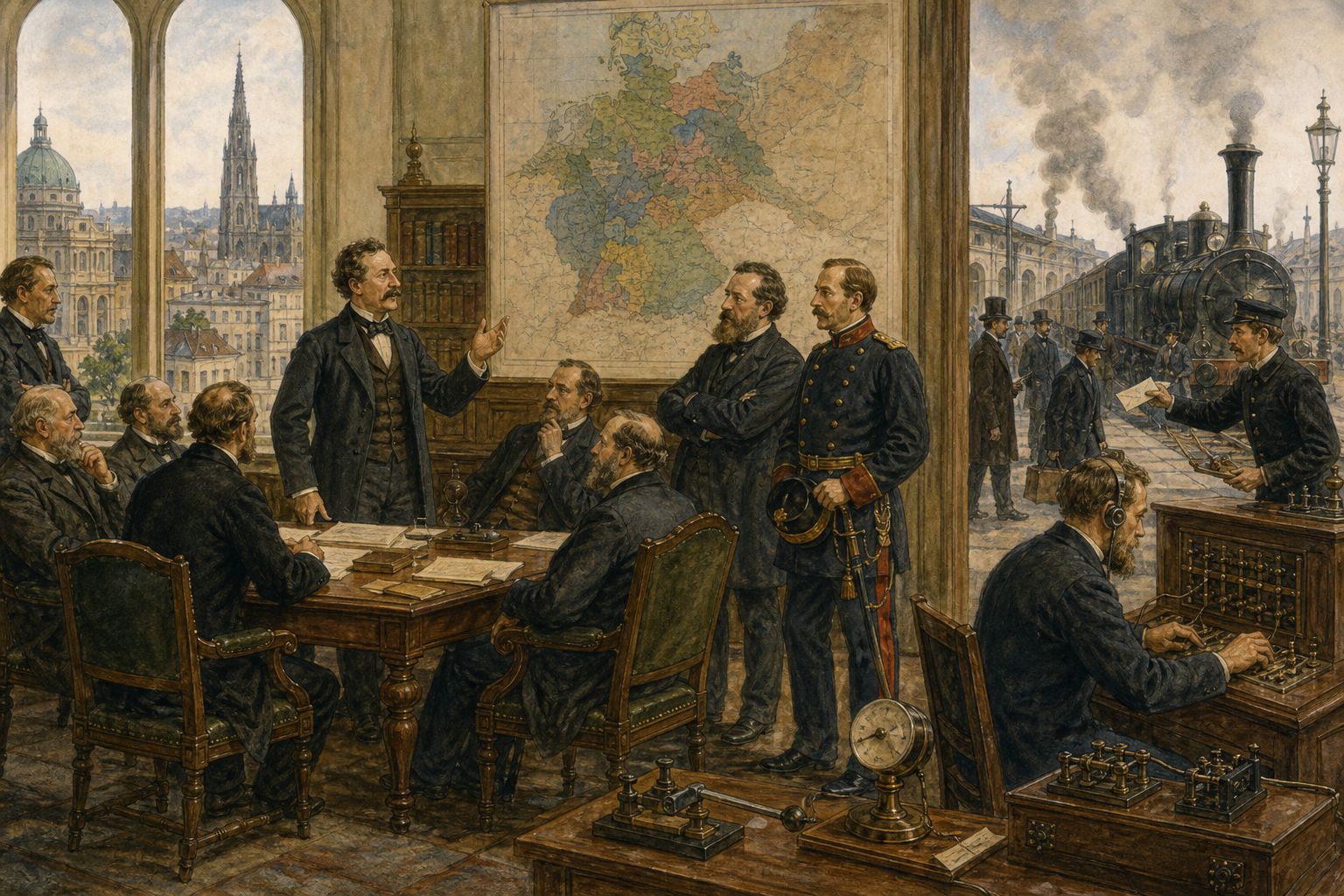
The Vienna settlement created an association of states, but not a unified nation-state.
1848
Frankfurt Parliament
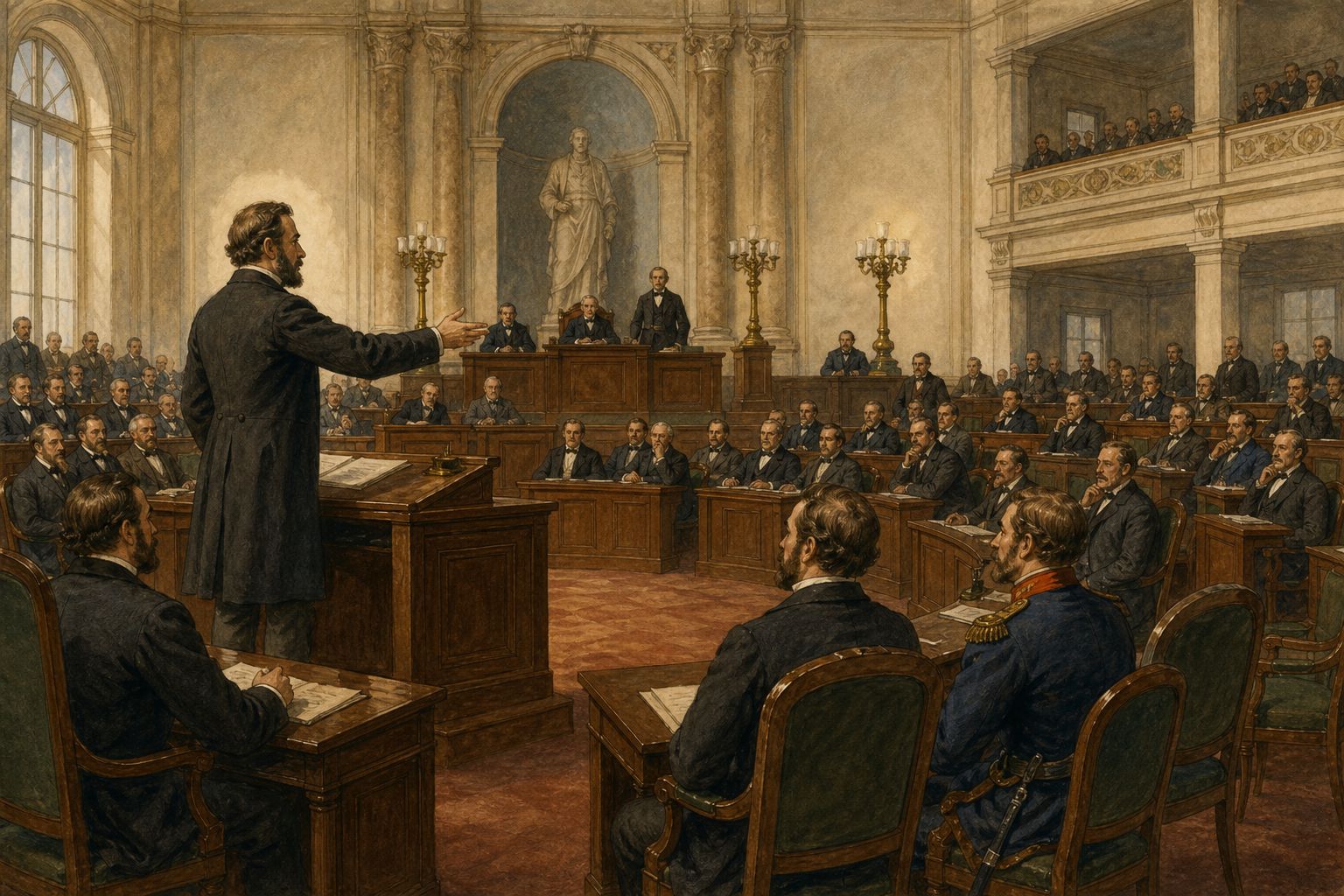
Liberals attempted to create unity through a representative assembly and constitution.
1848–1866
Prussia and Austria
Current event
Competition between the two centers became the decisive conflict over the form of unity.
1870
Franco-Prussian War
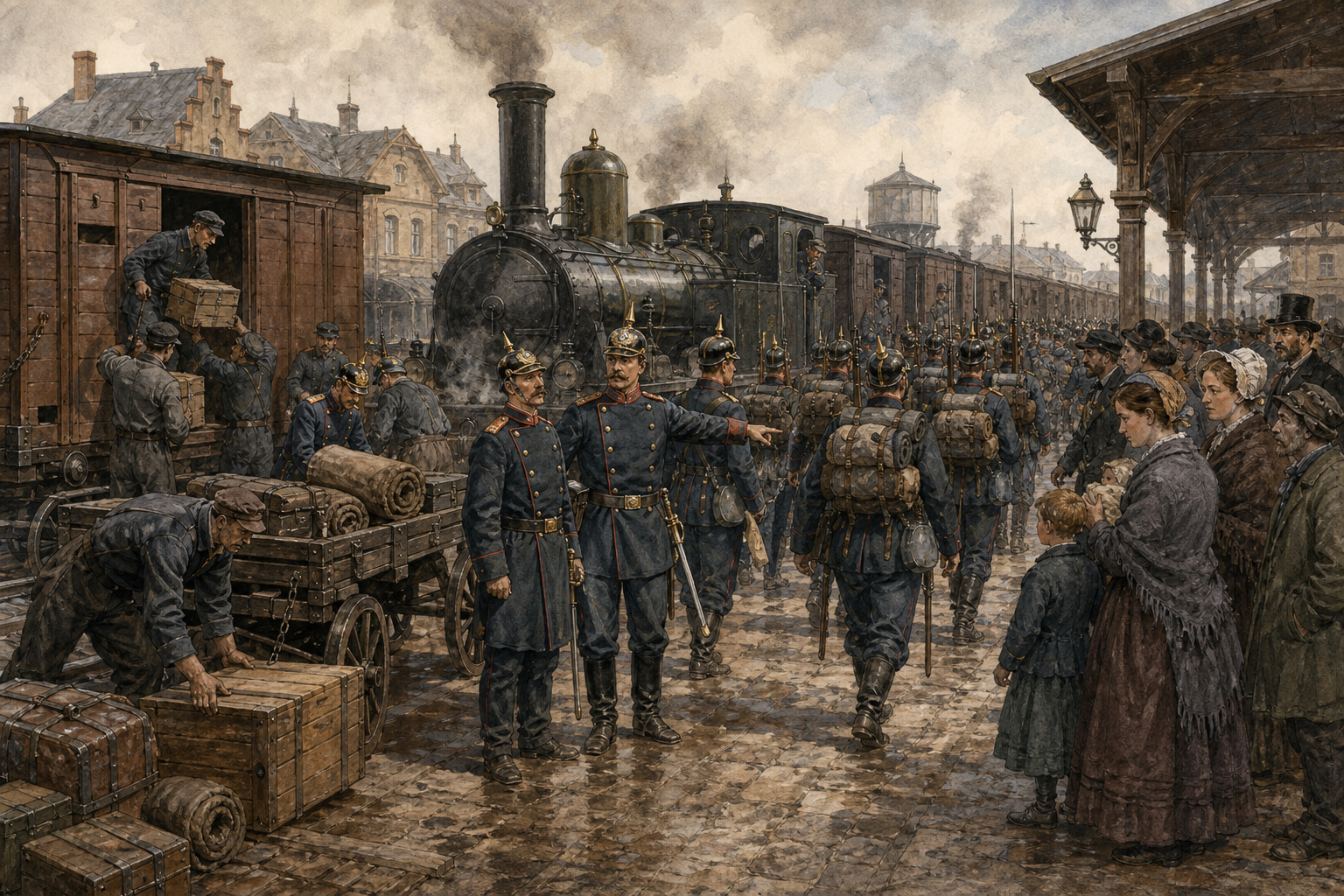
External war drew the southern German states toward a Prussian alliance.
1871
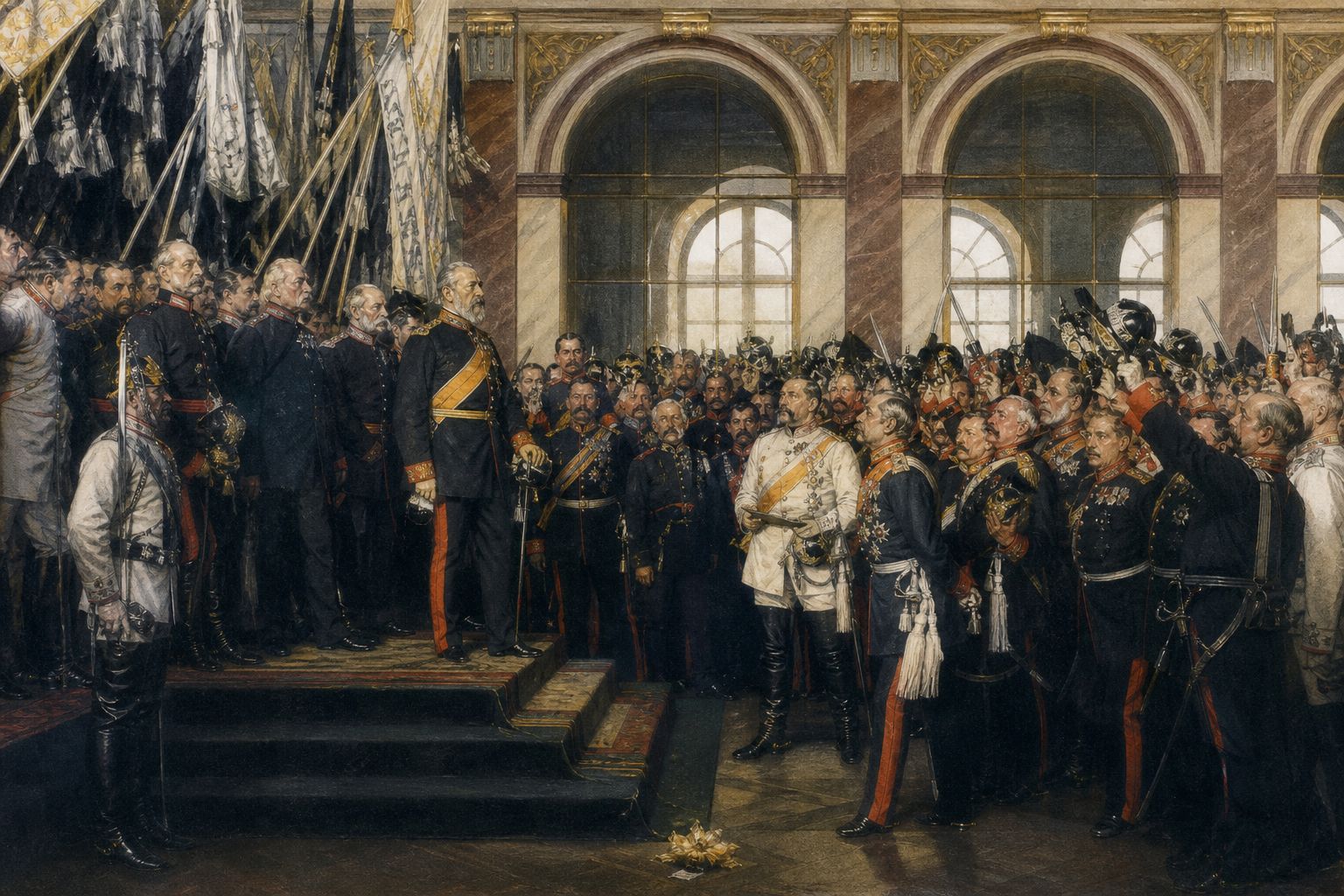
The empire proclaimed
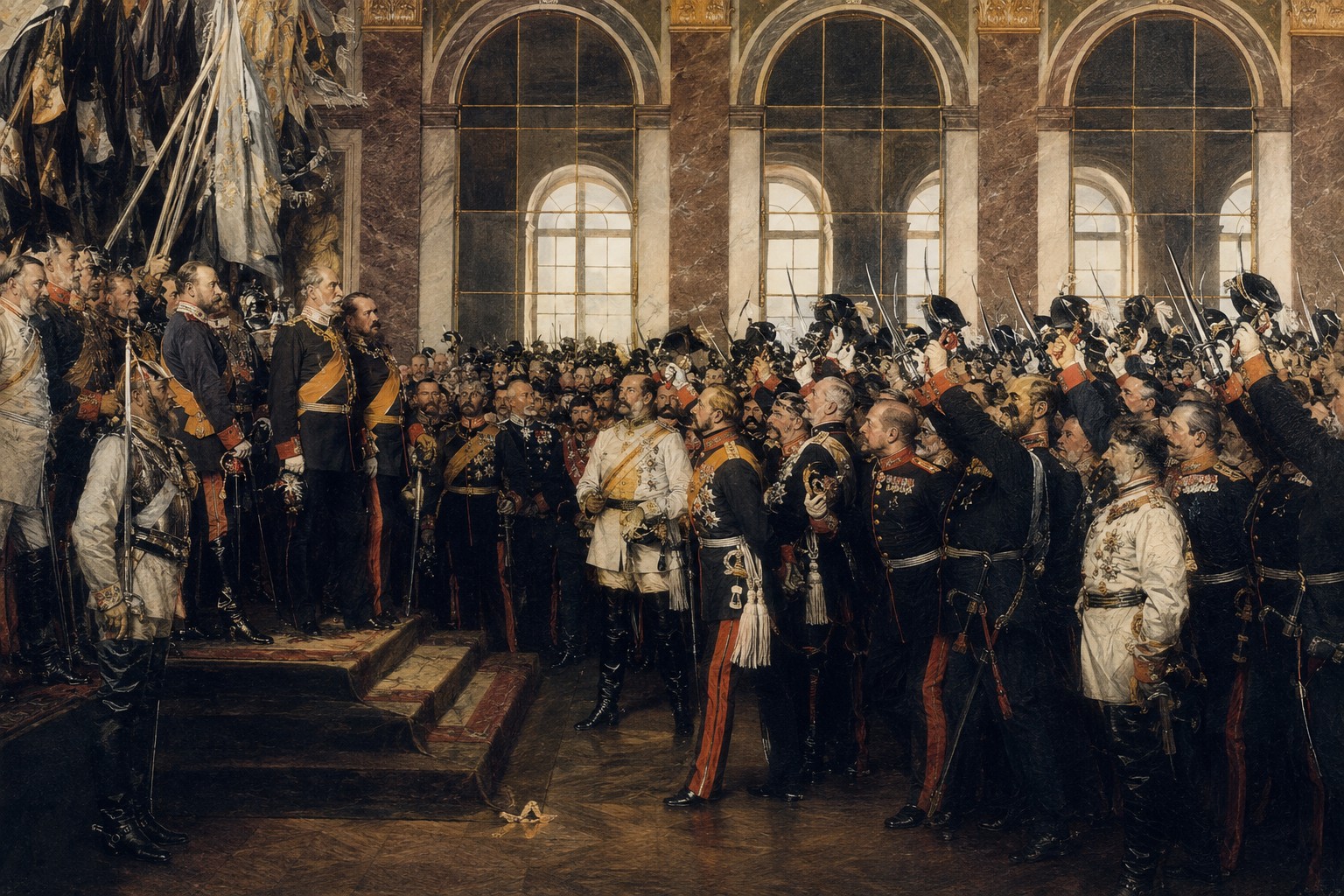
The German Empire was proclaimed at Versailles, turning unity into a new political order.


Sources
- Unification of GermanyEncyclopaedia BritannicaA reference overview of the political and military steps toward German unification.
- German UnificationThe Metropolitan Museum of ArtA cultural-history perspective on German nationalism, industry, and state formation.
- Unification of GermanyWorld History EncyclopediaA chronological account of the Frankfurt Parliament, Prussian leadership, and the 1871 settlement.