Battle of Actium
31 BC
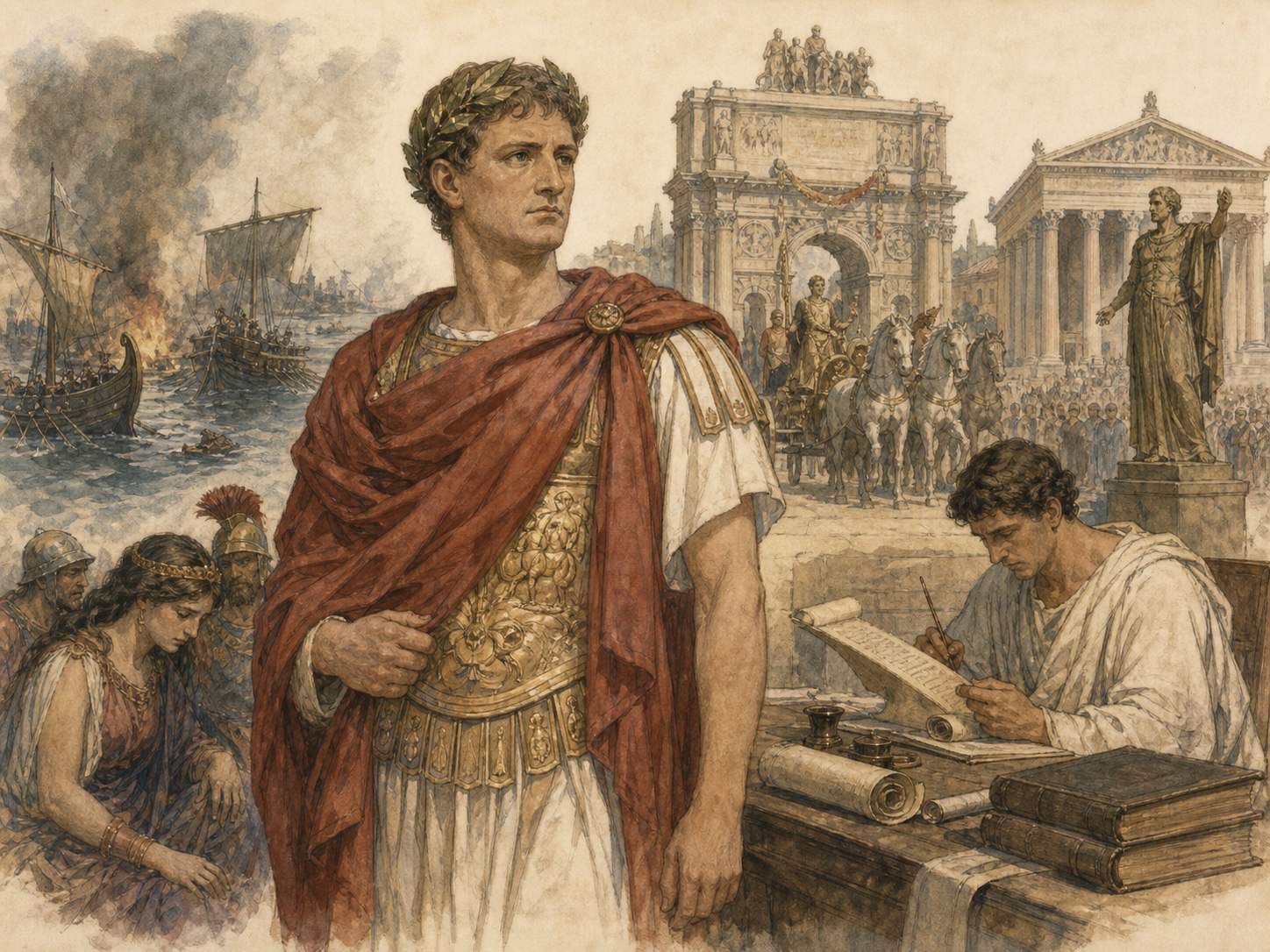
The naval battle fought off Actium on 2 September 31 BCE, where Octavian's forces defeated the fleet of Mark Antony and Cleopatra VII.

- Period
- 31 BC
- Kind
- Battle
- Regions
- Europe, Africa
- Keywords
- Battle of Actium · background · course · outcome
Follow the story · Four stages
Background
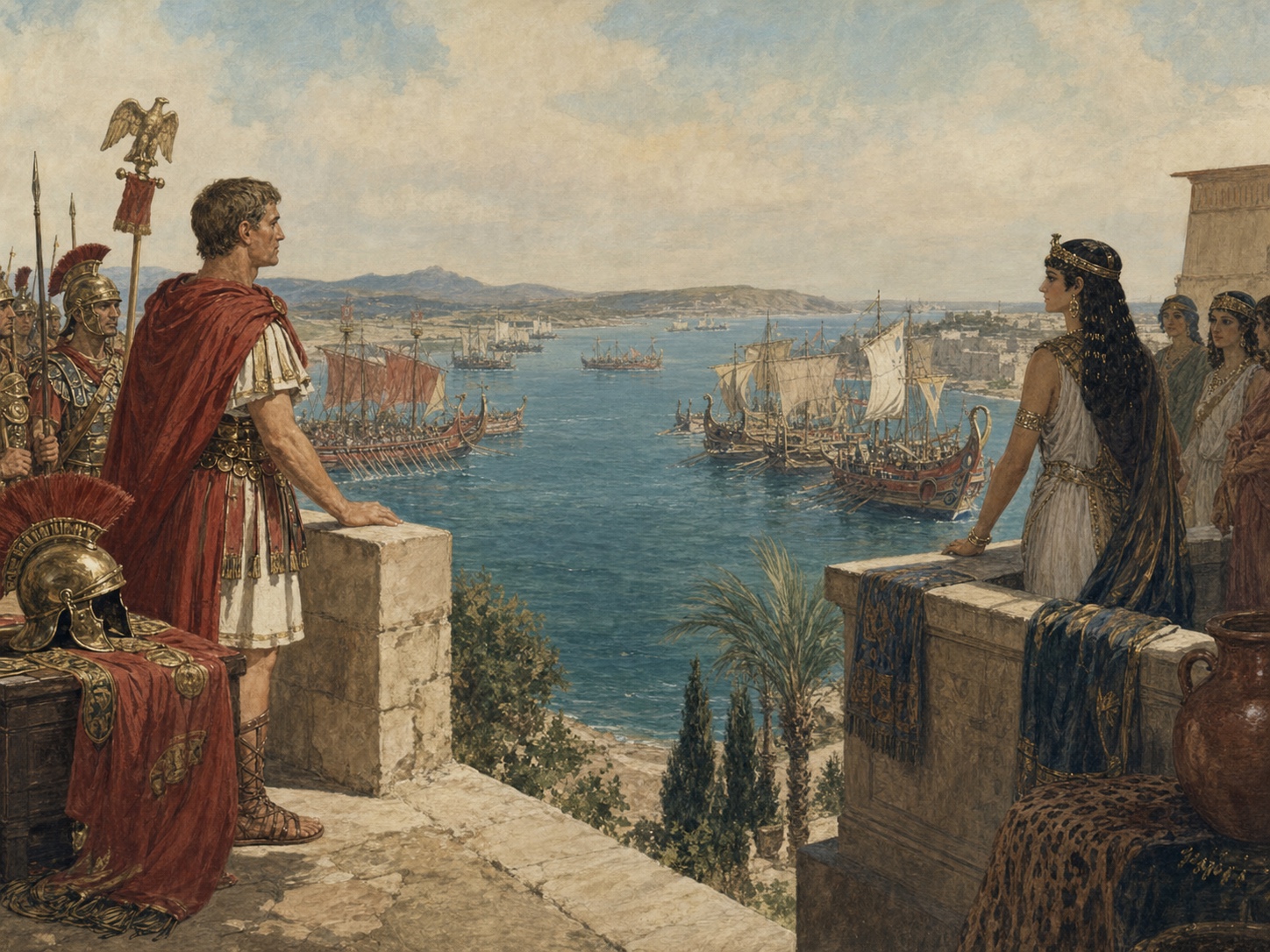
The alliance behind the Second Triumvirate had collapsed into a struggle for control of the Roman world. Octavian framed the conflict as a foreign war against Cleopatra, a political strategy that obscured its character as a Roman civil war.
- The alliance behind the Second Triumvirate had collapsed into a struggle for control of the Roman world.
- Octavian framed the conflict as a foreign war against Cleopatra, a political strategy that obscured its character as a Roman civil war.
- Core event: The naval battle fought off Actium on 2 September 31 BCE, where Octavian's forces defeated the fleet of Mark Antony and Cleopatra VII.
Course
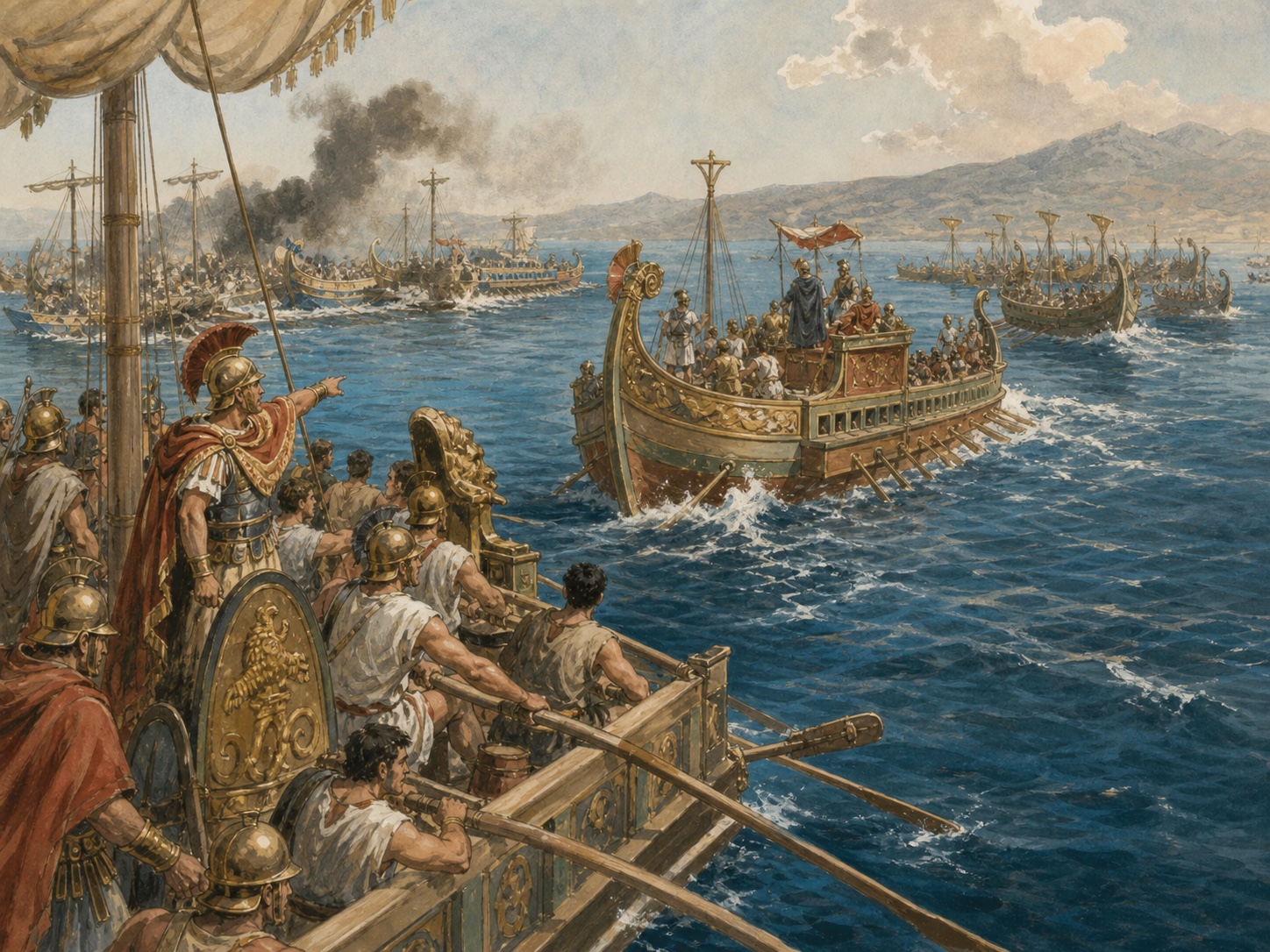
Agrippa's earlier naval operations strained Antony's supply lines and freedom of movement. During the battle, Cleopatra's squadron and Antony broke through and sailed south; the forces left behind later surrendered. Historians continue to debate their plan and many tactical details.
- Agrippa's earlier naval operations strained Antony's supply lines and freedom of movement.
- During the battle, Cleopatra's squadron and Antony broke through and sailed south; the forces left behind later surrendered.
- Historians continue to debate their plan and many tactical details.
Outcome
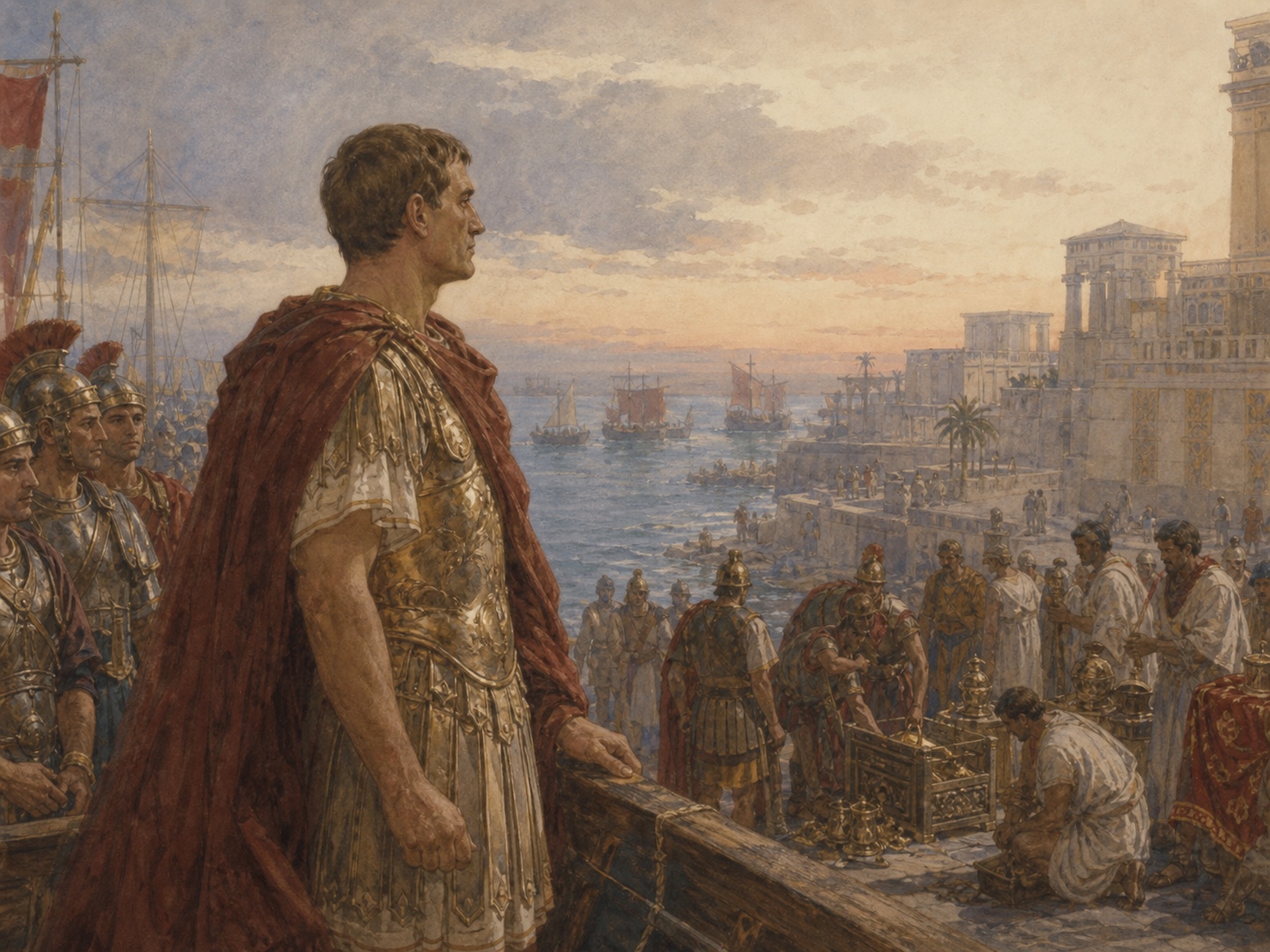
Octavian captured Alexandria in 30 BCE, after which Antony and Cleopatra died. The Ptolemaic kingdom ended and Egypt came under Roman control, leaving Octavian without a comparable rival.
- Octavian captured Alexandria in 30 BCE, after which Antony and Cleopatra died.
- The Ptolemaic kingdom ended and Egypt came under Roman control, leaving Octavian without a comparable rival.
- Process producing the result: Agrippa's earlier naval operations strained Antony's supply lines and freedom of movement. During the battle, Cleopatra's squadron and Antony broke through and sailed south; the forces left behind later surrendered. Historians continue to debate their plan and many tactical details.
Historical significance
Actium cleared the way for Octavian to become Augustus in 27 BCE and for a new form of one-man rule at Rome. The familiar dramatic story is deeply shaped by the victor's propaganda and later authors such as Plutarch, so disputed anecdotes cannot be treated as settled fact.
- Actium cleared the way for Octavian to become Augustus in 27 BCE and for a new form of one-man rule at Rome.
- The familiar dramatic story is deeply shaped by the victor's propaganda and later authors such as Plutarch, so disputed anecdotes cannot be treated as settled fact.
- Immediate consequence: Octavian captured Alexandria in 30 BCE, after which Antony and Cleopatra died. The Ptolemaic kingdom ended and Egypt came under Roman control, leaving Octavian without a comparable rival.


Related figures
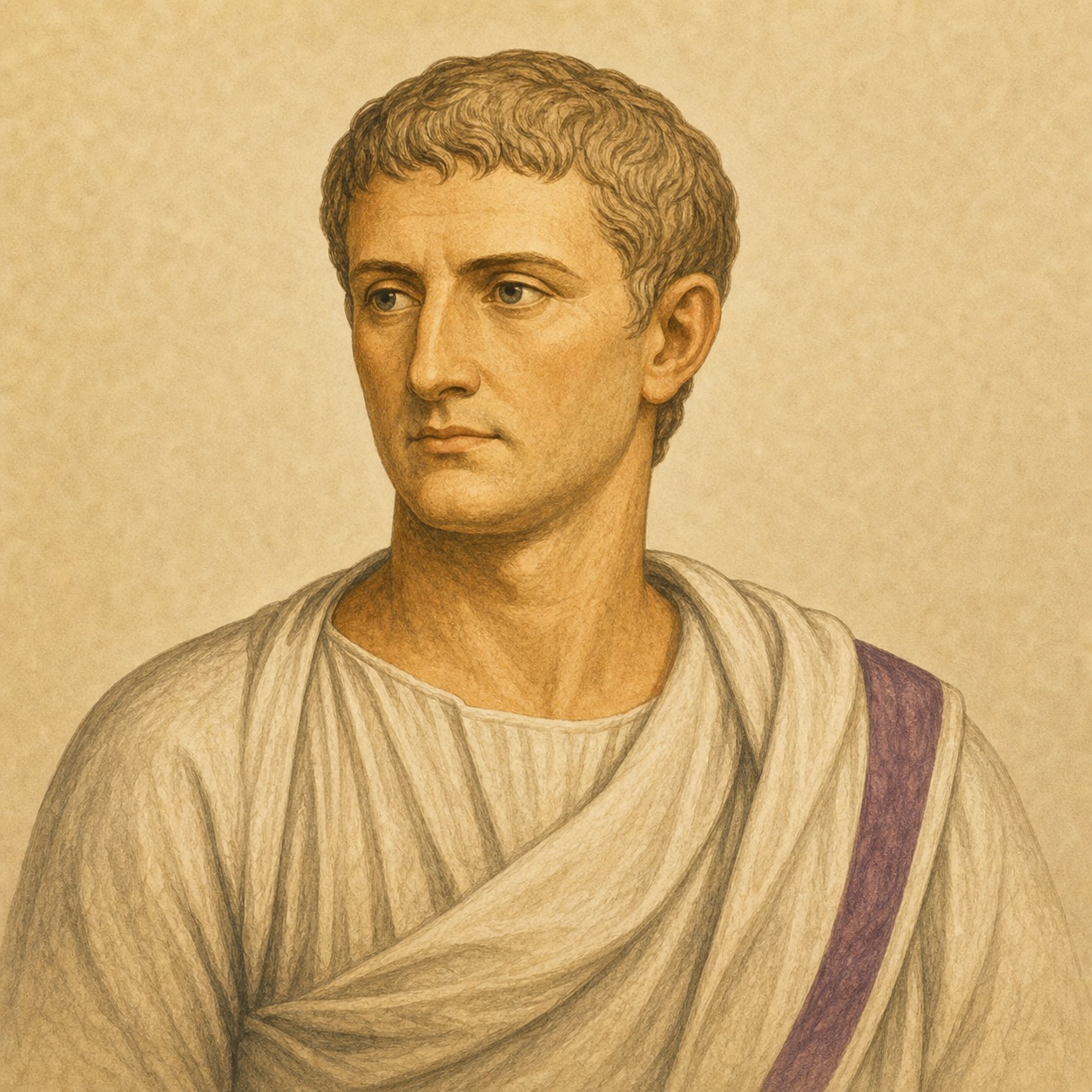
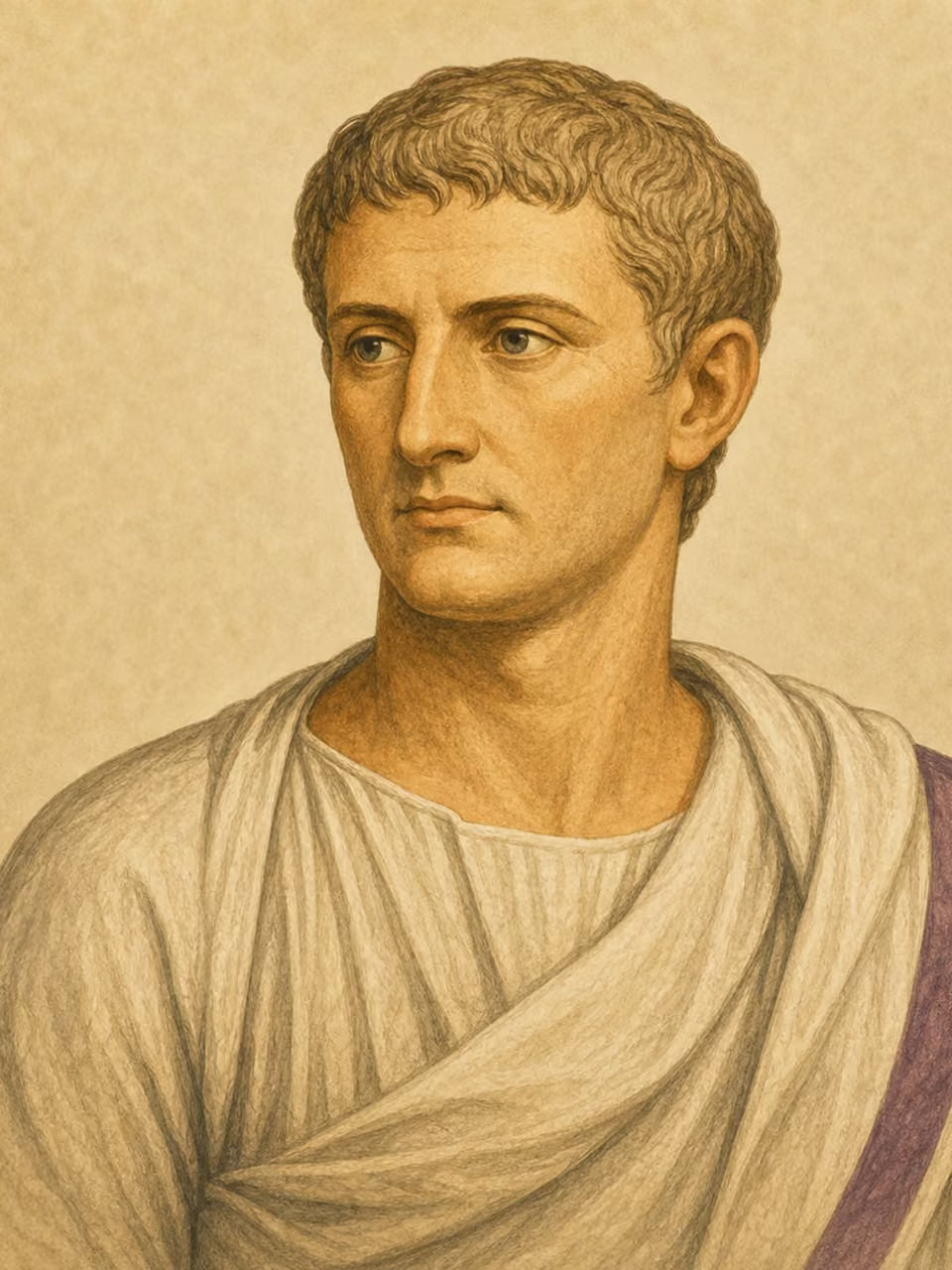
Augustus
historical figure in context
The first emperor of the Roman Empire. As Octavian, he survived the civil war and established a government while preserving the form of a republic. He is a person who thinks about political changes in the ancient Mediterranean world.
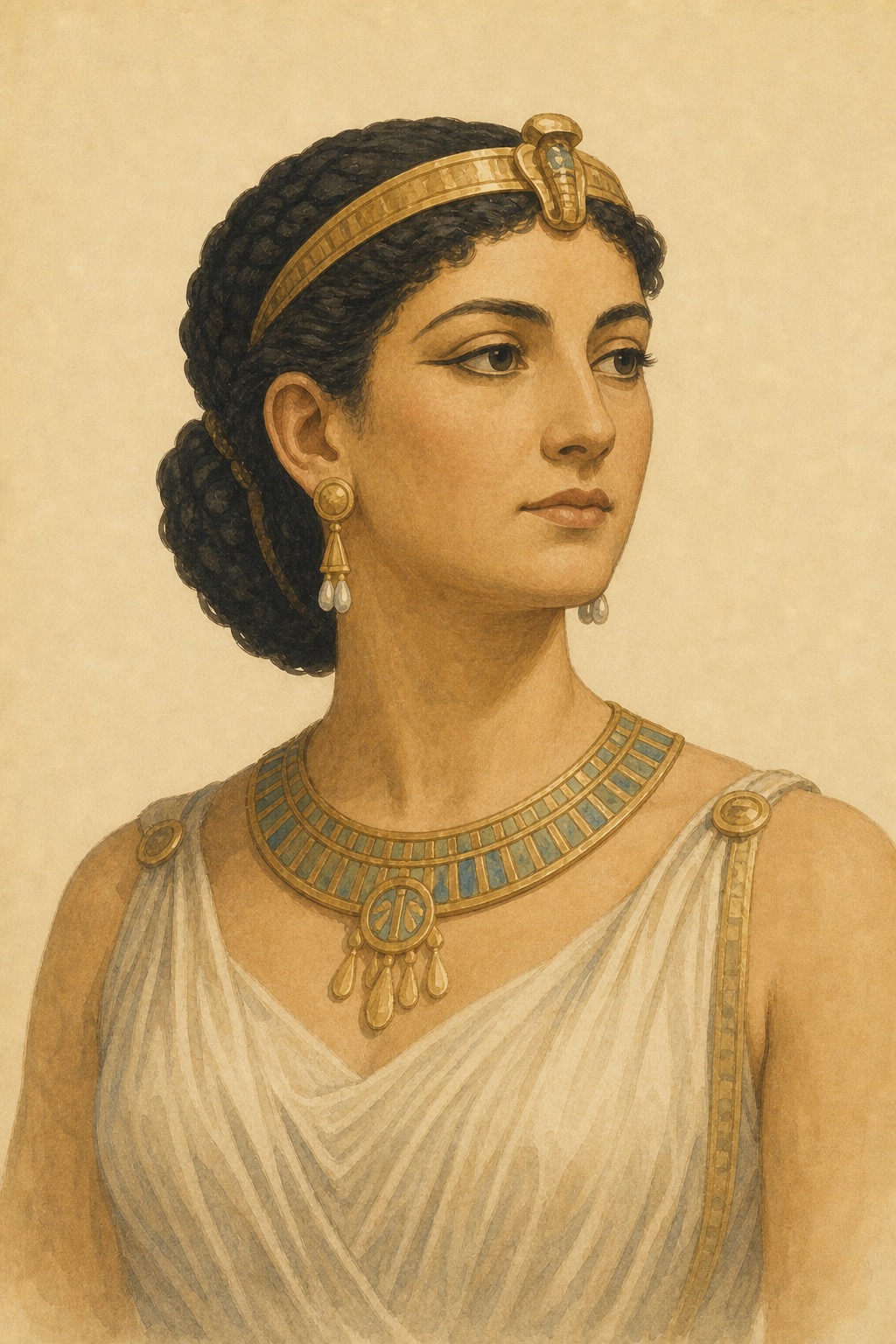
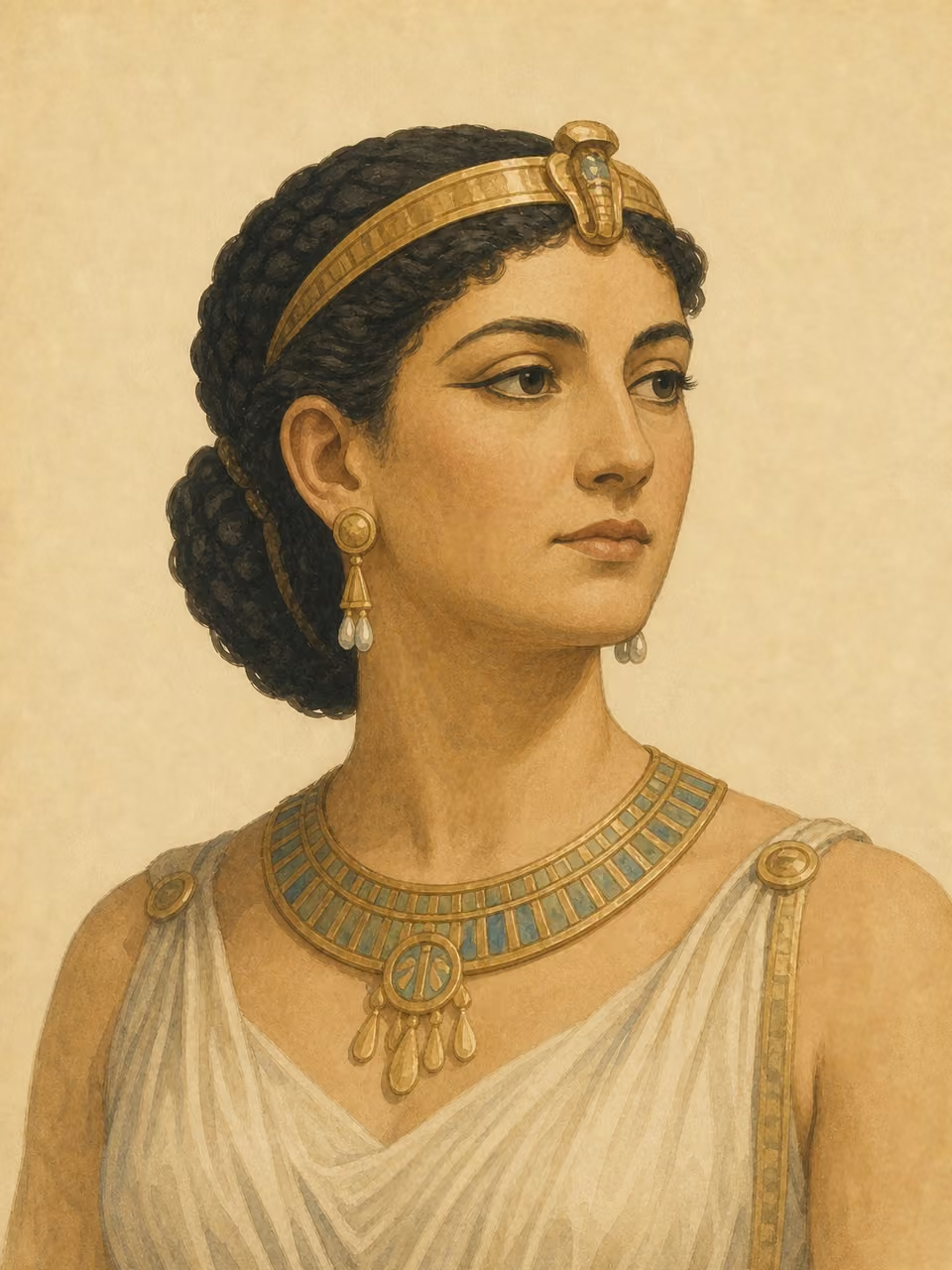
Cleopatra
historical figure in context
From the palace at Alexandria, Cleopatra tried to keep her dynasty alive while Rome's civil wars were tearing apart the Mediterranean order around her. Her alliances with Julius Caesar and then Mark Antony are often retold as romance, but they were also high-risk attempts to preserve Egyptian autonomy in a world being absorbed by Roman power.
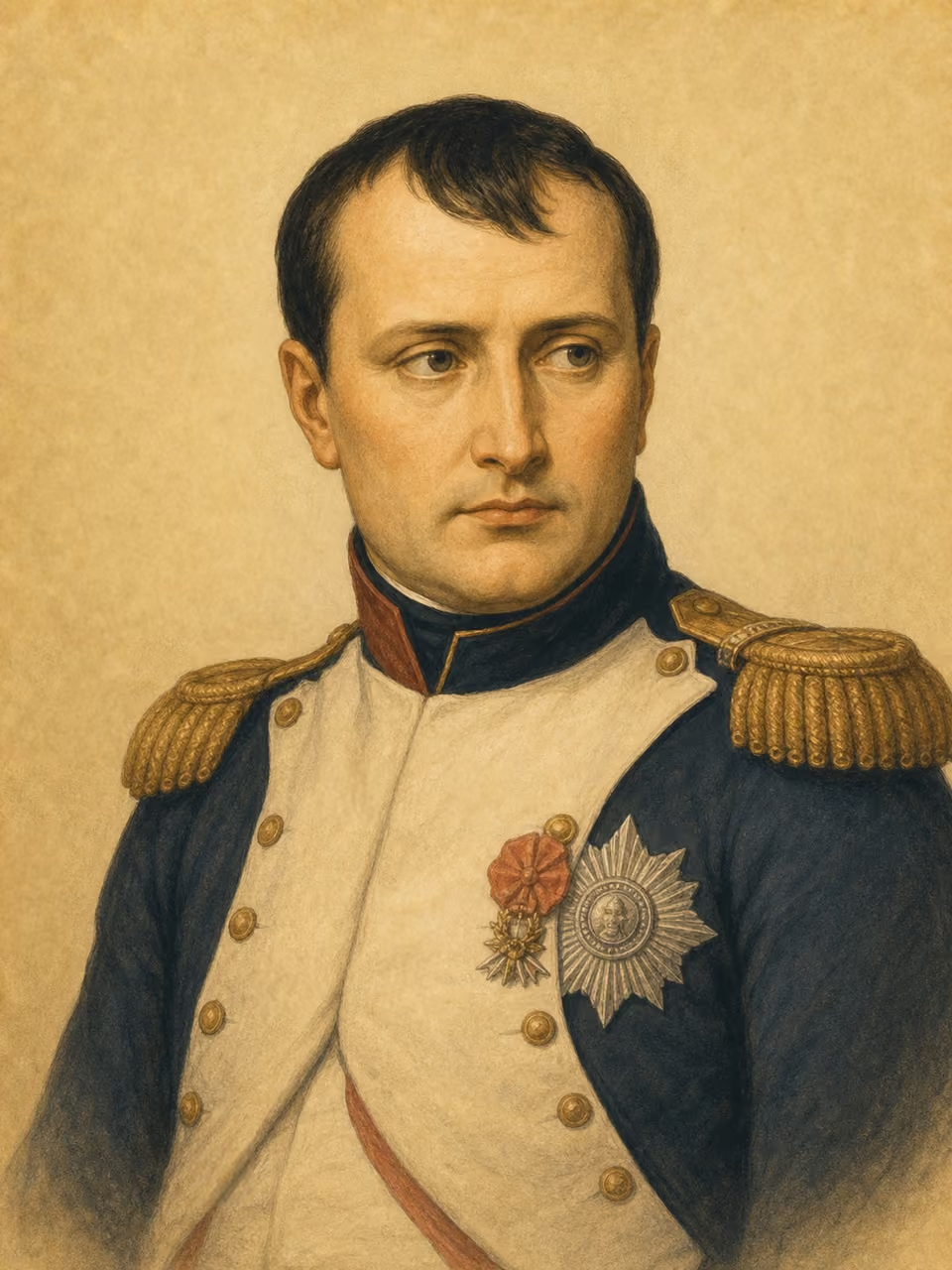
Napoleon Bonaparte
historical figure in context
Rising fast through the turmoil of the French Revolution, Napoleon turned the Italian campaigns, Austerlitz, and the coup of 1799 into a path from general to emperor. While war and conquest drove his fame, he also recast legal codes, education, and administration, making his rule decisive both on the battlefield and inside the machinery of the state.
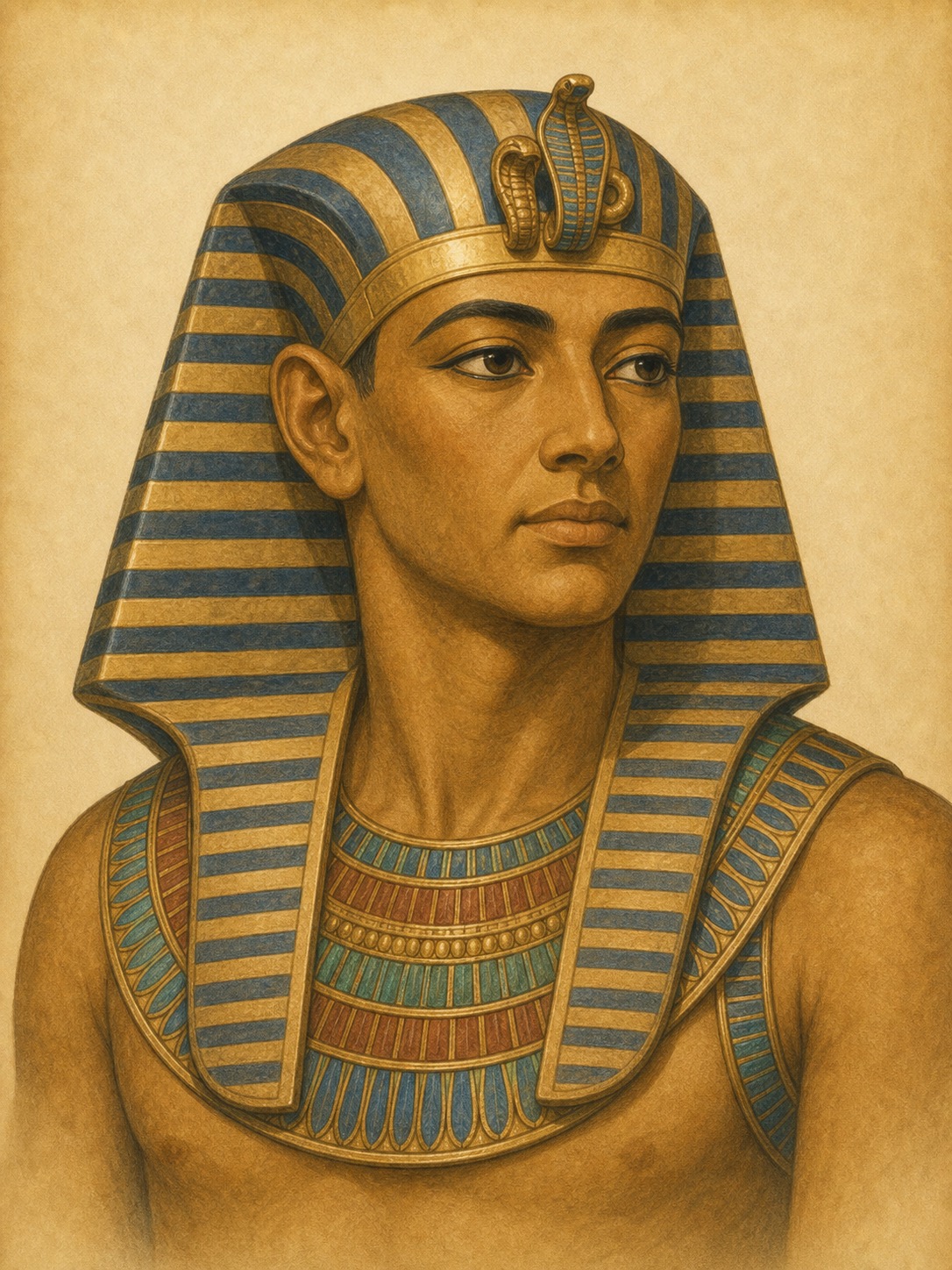
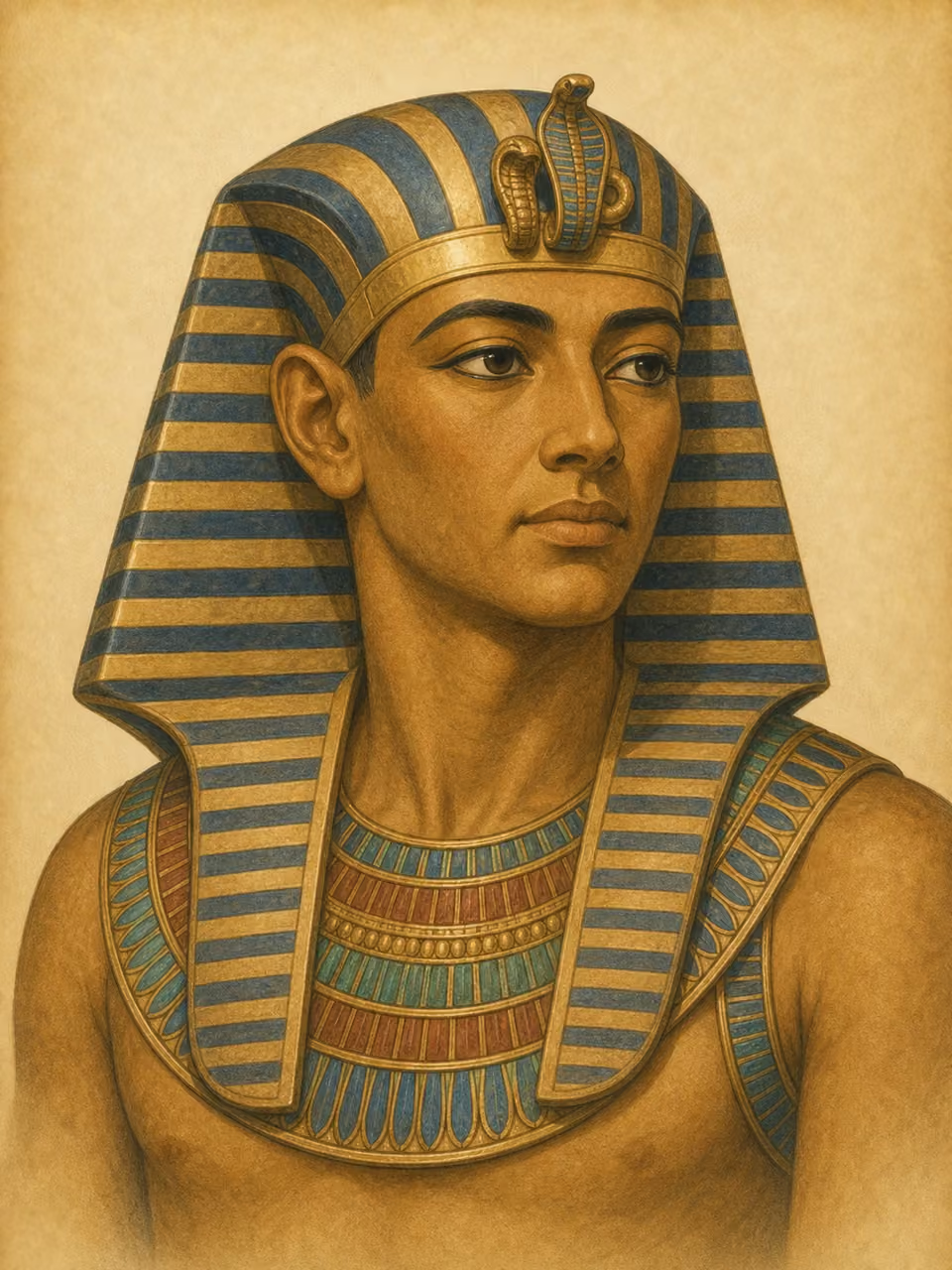
Thutmose III
historical figure in context
A pharaoh of the New Kingdom of ancient Egypt who expanded his empire through aggressive expeditions. He is known for his battles at Megiddo and is sometimes called the ``Napoleon of Egypt.'' He is a figure who represents the New Kingdom as a military empire.
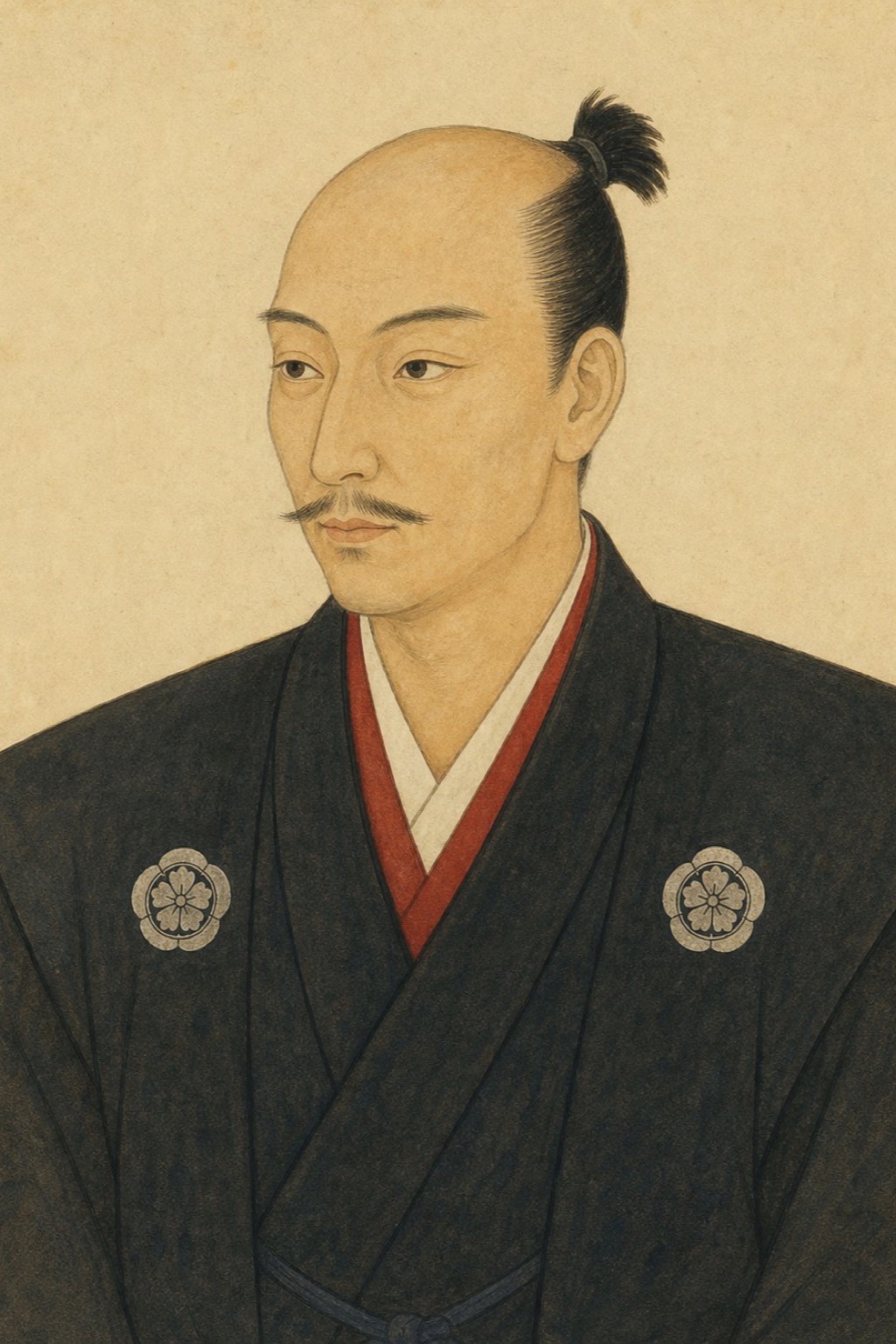
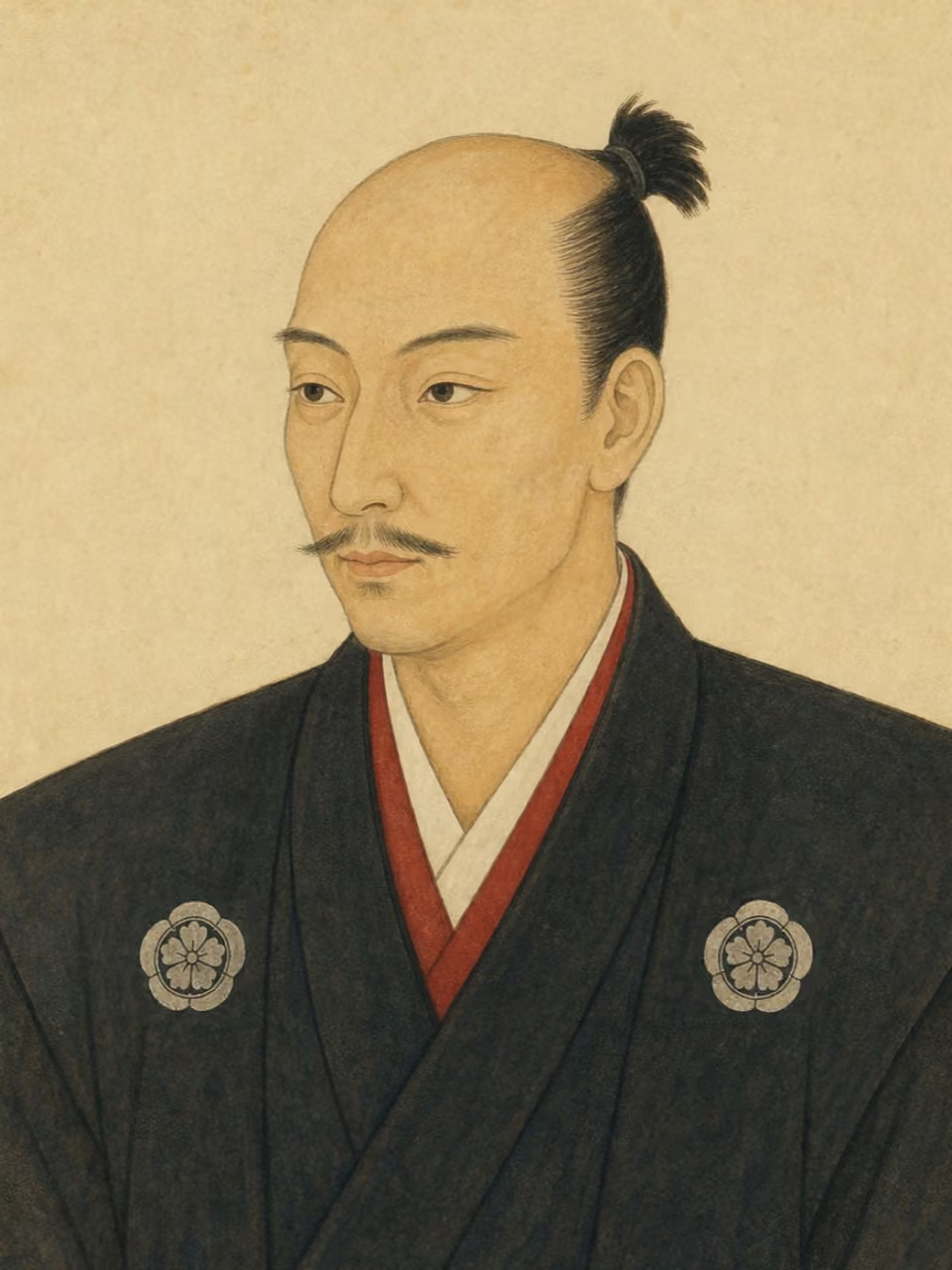
Oda Nobunaga
historical figure in context
His surprise victory over Imagawa Yoshimoto at Okehazama made Oda Nobunaga impossible to ignore, and within little more than a decade he had pushed aside the Muromachi shogunate itself. At Nagashino, the Oda-Tokugawa army's coordinated use of arquebuses, fortifications, and battlefield control helped defeat the Takeda, while his free-market measures, barrier removals, and Azuchi Castle signaled a broader remaking of rule.
Related events
51 BC
Prelude
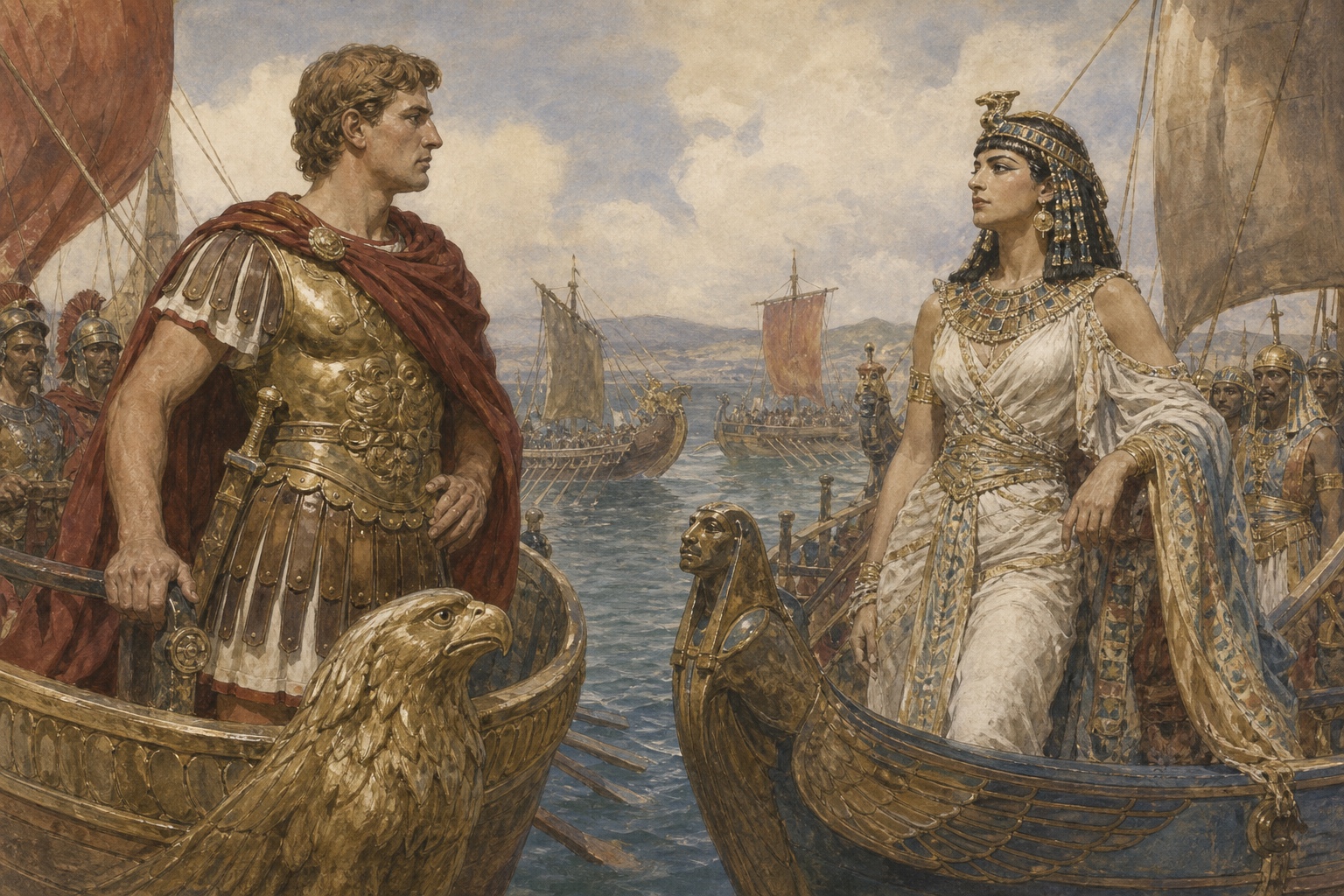
Prelude — Background: The alliance behind the Second Triumvirate had collapsed into a struggle for control of the Roman world. Octavian framed the conflict as a foreign war against Cleopatra, a political strategy that obscured its character as a Roman civil war.
c. 32 BC
Rising tension
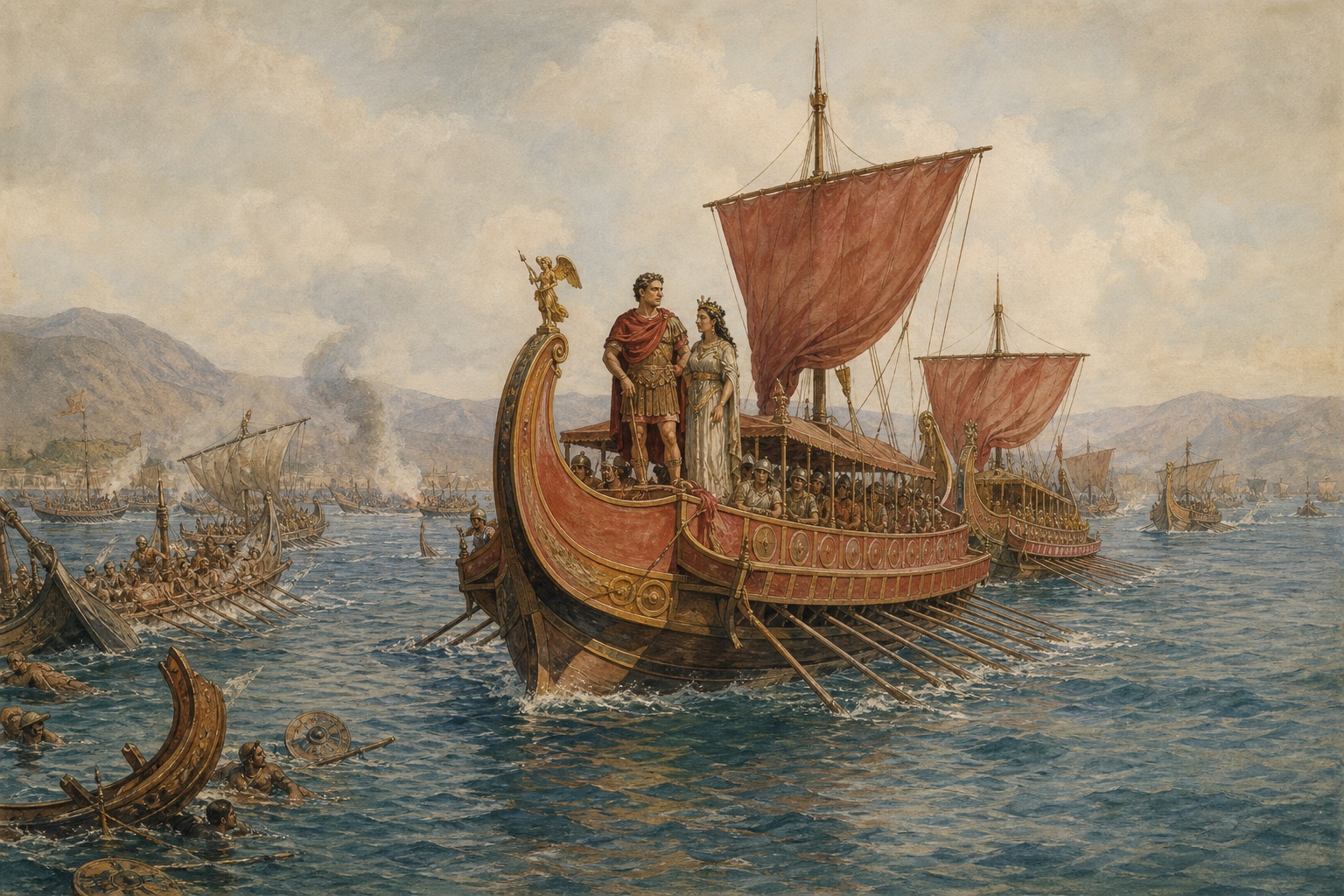
Rising tension — Build-up: Agrippa's earlier naval operations strained Antony's supply lines and freedom of movement. During the battle, Cleopatra's squadron and Antony broke through and sailed south; the forces left behind later surrendered. Historians continue to debate their plan and many tactical details.
31 BC
Battle of Actium
Current event
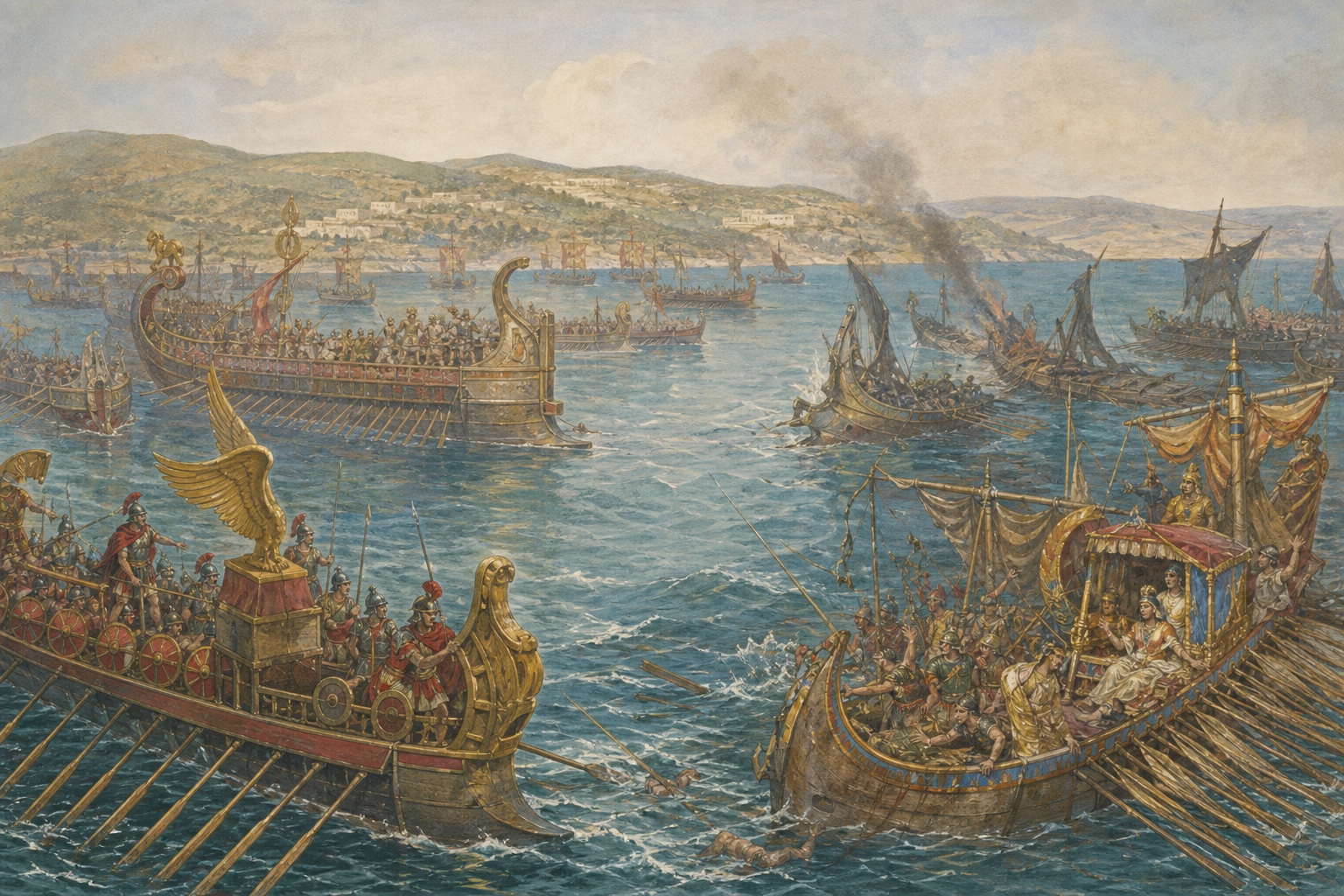
Battle of Actium — Central transition: The naval battle fought off Actium on 2 September 31 BCE, where Octavian's forces defeated the fleet of Mark Antony and Cleopatra VII.
c. 30 BC
Immediate aftermath
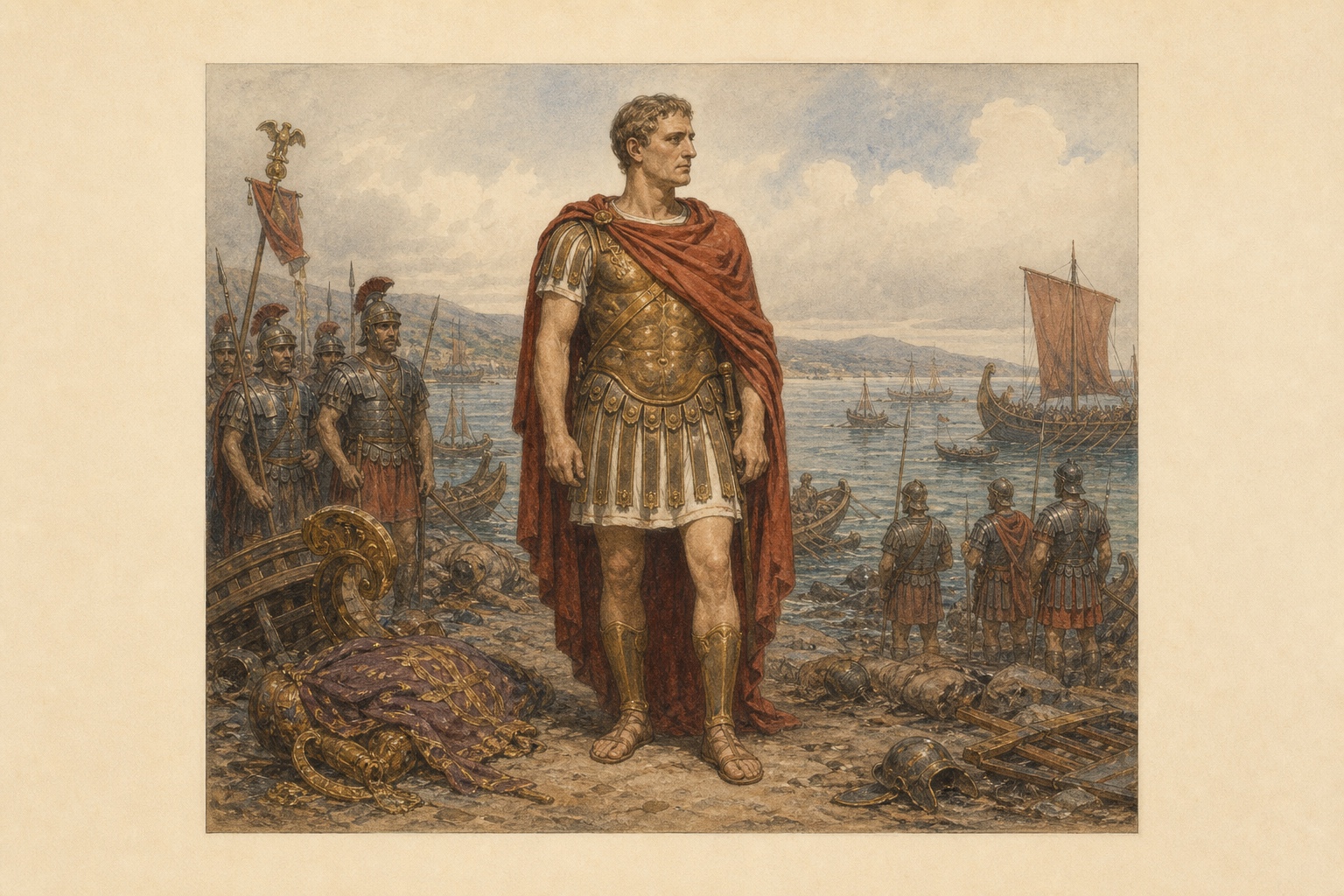
Immediate aftermath — Immediate result: Octavian captured Alexandria in 30 BCE, after which Antony and Cleopatra died. The Ptolemaic kingdom ended and Egypt came under Roman control, leaving Octavian without a comparable rival.
c. 21 BC
Long-term significance
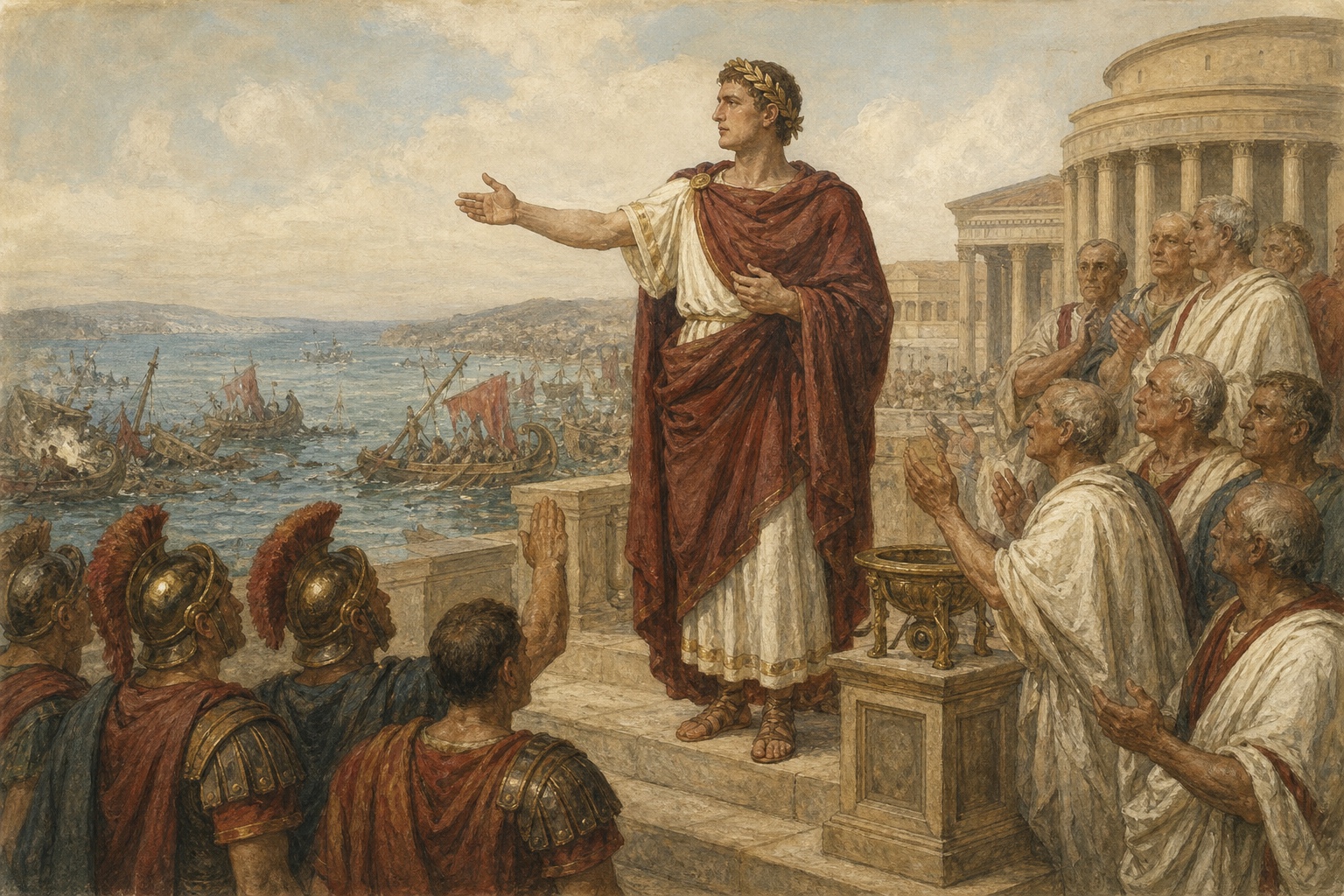
Long-term significance — Long-term significance: Actium cleared the way for Octavian to become Augustus in 27 BCE and for a new form of one-man rule at Rome. The familiar dramatic story is deeply shaped by the victor's propaganda and later authors such as Plutarch, so disputed anecdotes cannot be treated as settled fact.


Sources
- Battle of Actium — 75CD61C7E664BD8B063034119DEC102D (Cambridge University Press)cambridge.orgThis Cambridge University Press resource supports the chronology, setting, and course of Battle of Actium.
- Battle of Actium — Text (Perseus Digital Library)perseus.tufts.eduThis Perseus Digital Library resource supports the chronology, setting, and course of Battle of Actium.
- Battle of Actium — The World Between Empires Art And Identity In The Ancient Middle East (Resources)resources.metmuseum.orgThis Resources resource supports the chronology, setting, and course of Battle of Actium.