Haitian Revolution
1791–1804
The 1791–1804 revolution in Saint-Domingue in which enslaved people and their allies destroyed slavery, defeated attempts to restore colonial domination, and founded independent Haiti.

- Period
- 1791–1804
- Kind
- Revolution
- Regions
- Latin America
- Keywords
- Haitian Revolution · background · course · outcome
Follow the story · Four stages
Background
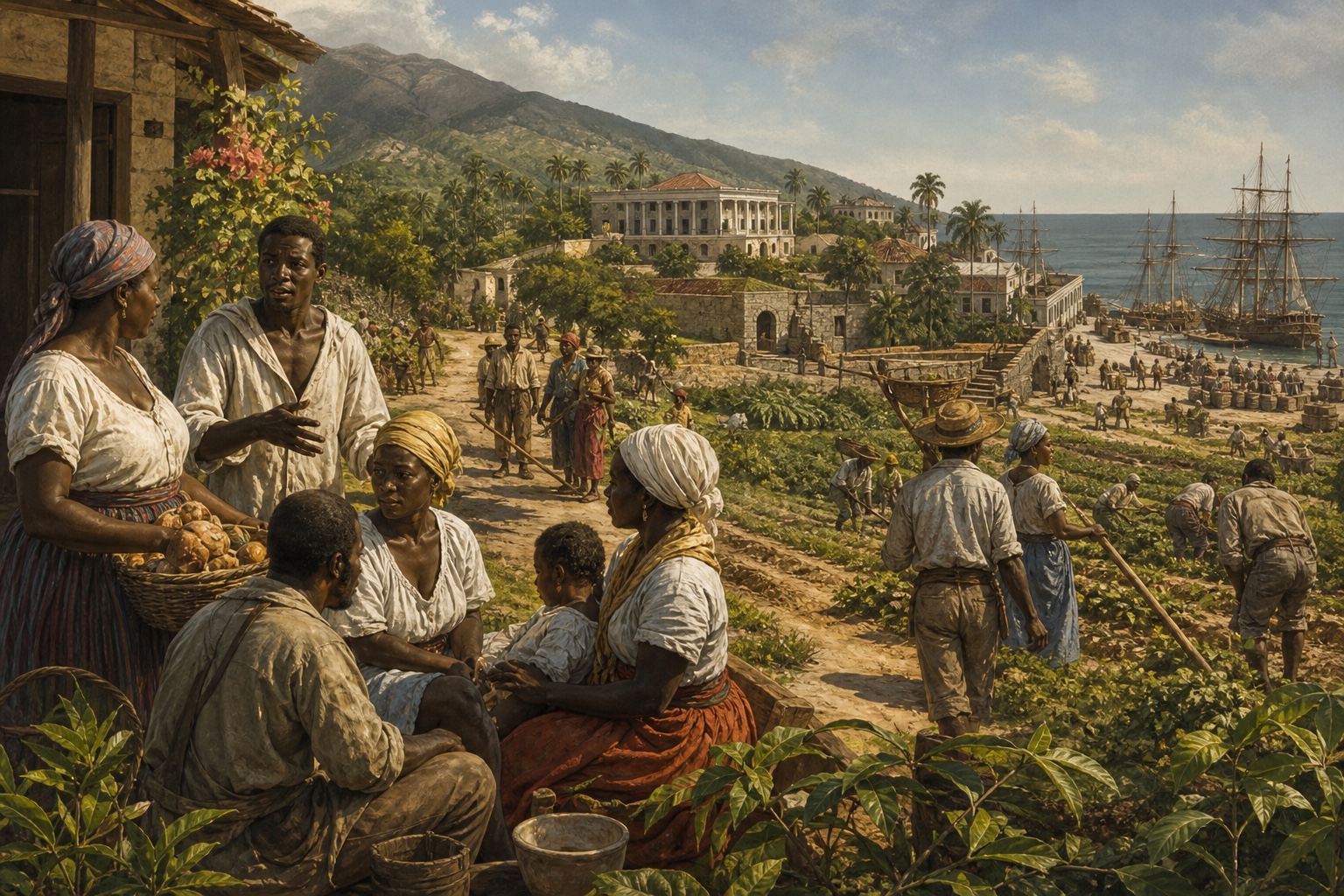
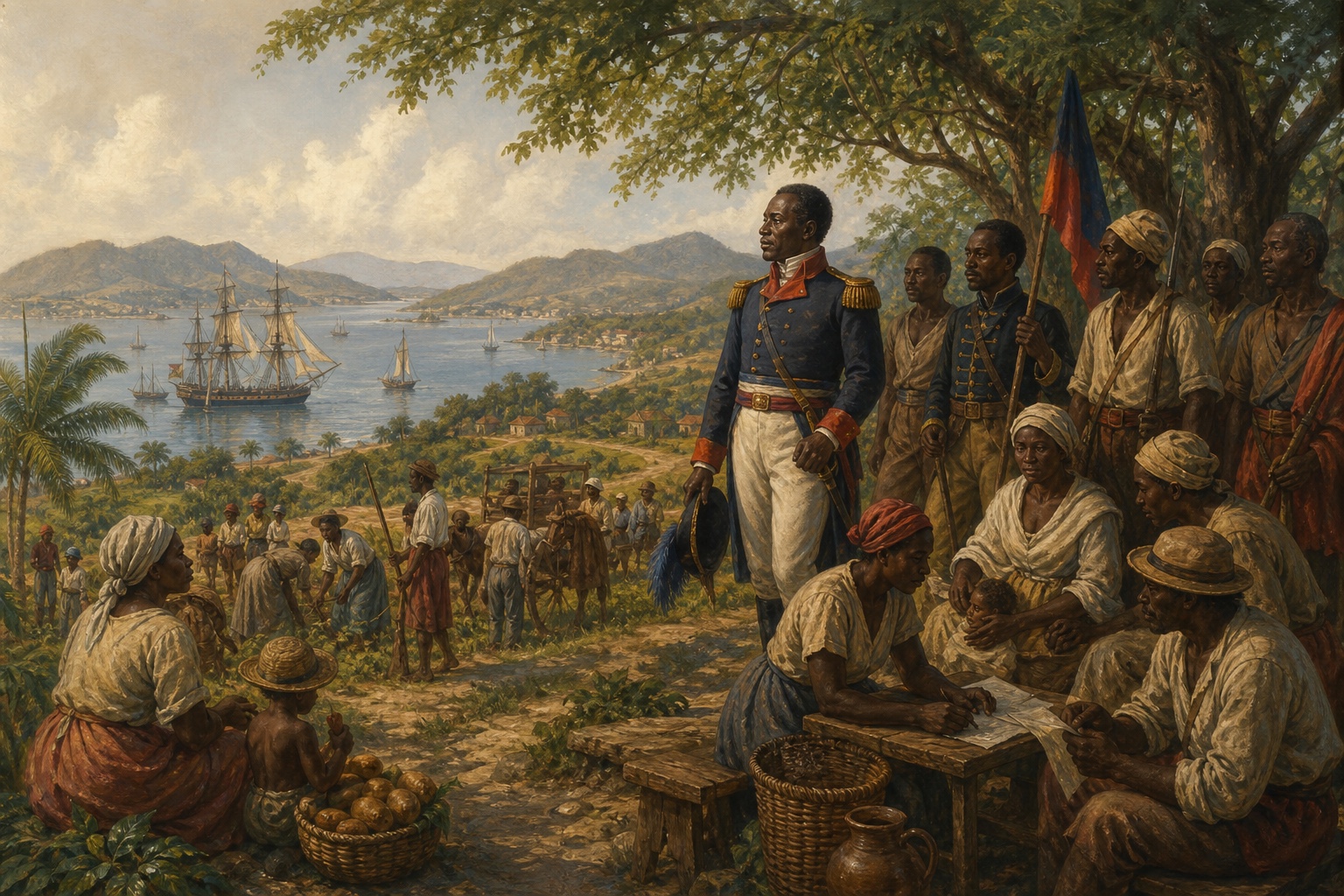
Saint-Domingue was France's richest plantation colony, built on the forced labor and extreme violence imposed on an enslaved African majority. Free people of color challenged racial discrimination, while the French Revolution opened a struggle over rights and colonial authority; traditions of flight, community, and resistance gave enslaved people their own foundations for action.
- Saint-Domingue was France's richest plantation colony, built on the forced labor and extreme violence imposed on an enslaved African majority.
- Free people of color challenged racial discrimination, while the French Revolution opened a struggle over rights and colonial authority; traditions of flight, community, and resistance gave enslaved people their own foundations for action.
- Core event: The 1791–1804 revolution in Saint-Domingue in which enslaved people and their allies destroyed slavery, defeated attempts to restore colonial domination, and founded independent Haiti.
Course
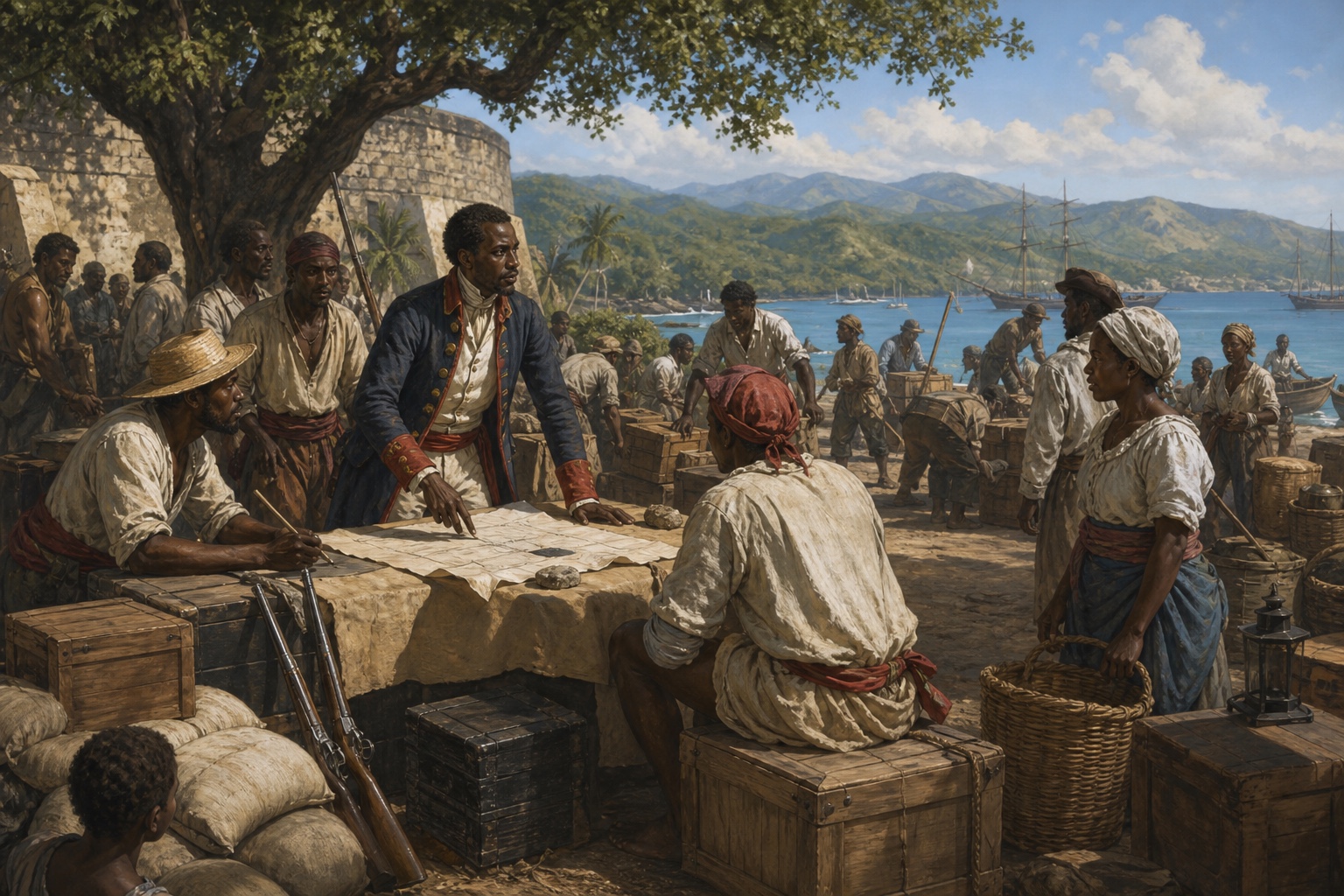
A mass uprising began in the northern plain in 1791 and developed into a many-sided war involving Black insurgents, free people of color, white colonists, France, Spain, and Britain. The French Republic abolished slavery in 1794; leaders including Toussaint Louverture defended emancipation, and renewed resistance defeated Napoleon's expedition after France moved to reassert control and restored slavery elsewhere.
- A mass uprising began in the northern plain in 1791 and developed into a many-sided war involving Black insurgents, free people of color, white colonists, France, Spain, and Britain.
- The French Republic abolished slavery in 1794; leaders including Toussaint Louverture defended emancipation, and renewed resistance defeated Napoleon's expedition after France moved to reassert control and restored slavery elsewhere.
- Conditions behind the action: Saint-Domingue was France's richest plantation colony, built on the forced labor and extreme violence imposed on an enslaved African majority. Free people of color challenged racial discrimination, while the French Revolution opened a struggle over rights and colonial authority; traditions of flight, community, and resistance gave enslaved people their own foundations for action.
Outcome
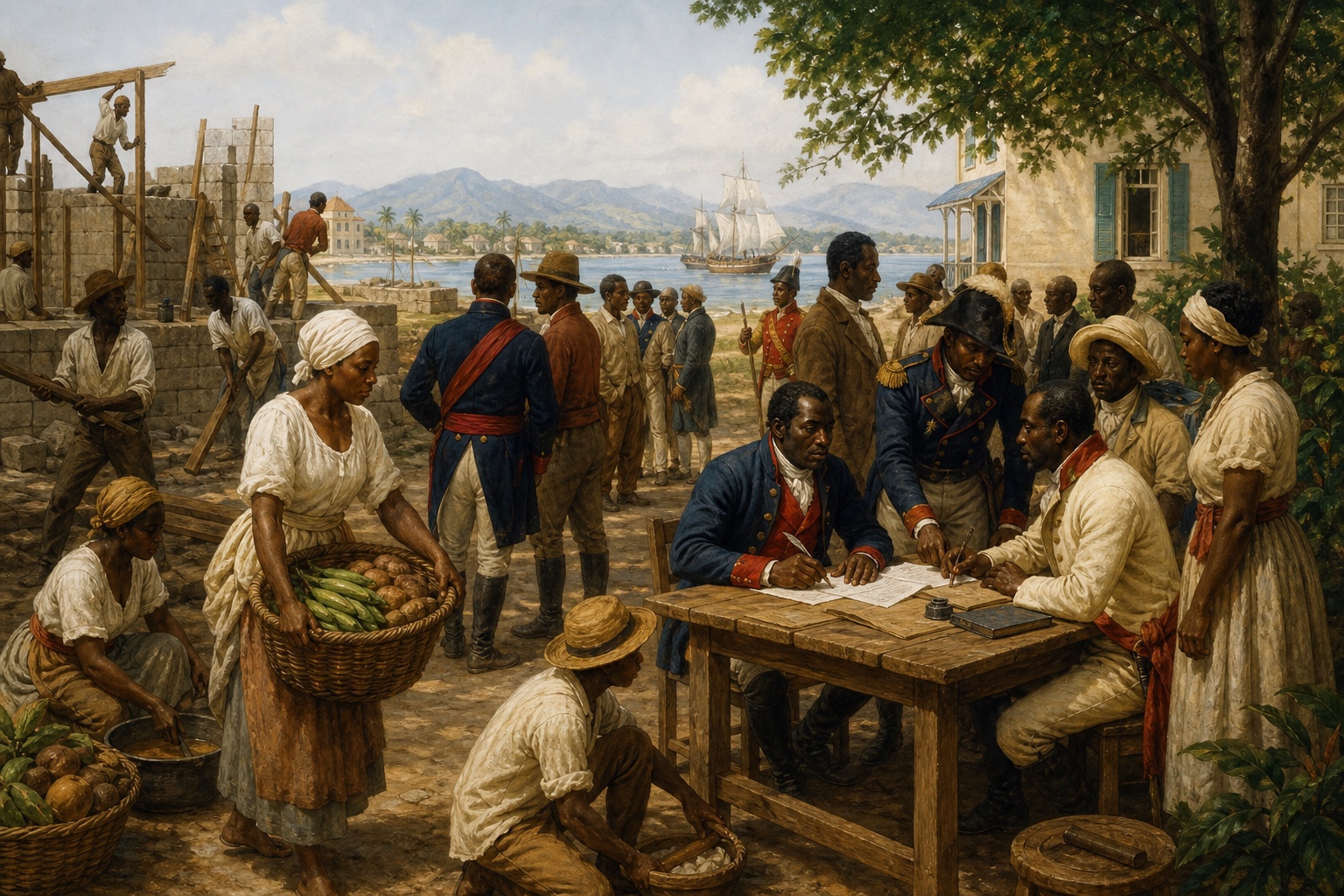
Jean-Jacques Dessalines proclaimed independence on 1 January 1804. The revolution ended legal slavery and French colonial rule in Haiti, but war damage, diplomatic isolation, and later French demands for indemnity burdened the new state.
- Jean-Jacques Dessalines proclaimed independence on 1 January 1804.
- The revolution ended legal slavery and French colonial rule in Haiti, but war damage, diplomatic isolation, and later French demands for indemnity burdened the new state.
- Process producing the result: A mass uprising began in the northern plain in 1791 and developed into a many-sided war involving Black insurgents, free people of color, white colonists, France, Spain, and Britain. The French Republic abolished slavery in 1794; leaders including Toussaint Louverture defended emancipation, and renewed resistance defeated Napoleon's expedition after France moved to reassert control and restored slavery elsewhere.
Historical significance
Tordesillas divided Spanish and Portuguese claims, not a direct allocation of French Saint-Domingue; French possession of western Hispaniola followed the 1697 Treaty of Ryswick. The relationship is structural: the Haitian Revolution ruptured the longer Atlantic colonial order by defeating French colonial slavery. Its success inspired enslaved people and abolitionists and alarmed slaveholders.
- Tordesillas divided Spanish and Portuguese claims, not a direct allocation of French Saint-Domingue; French possession of western Hispaniola followed the 1697 Treaty of Ryswick.
- The relationship is structural: the Haitian Revolution ruptured the longer Atlantic colonial order by defeating French colonial slavery.
- Its success inspired enslaved people and abolitionists and alarmed slaveholders.


Related figures
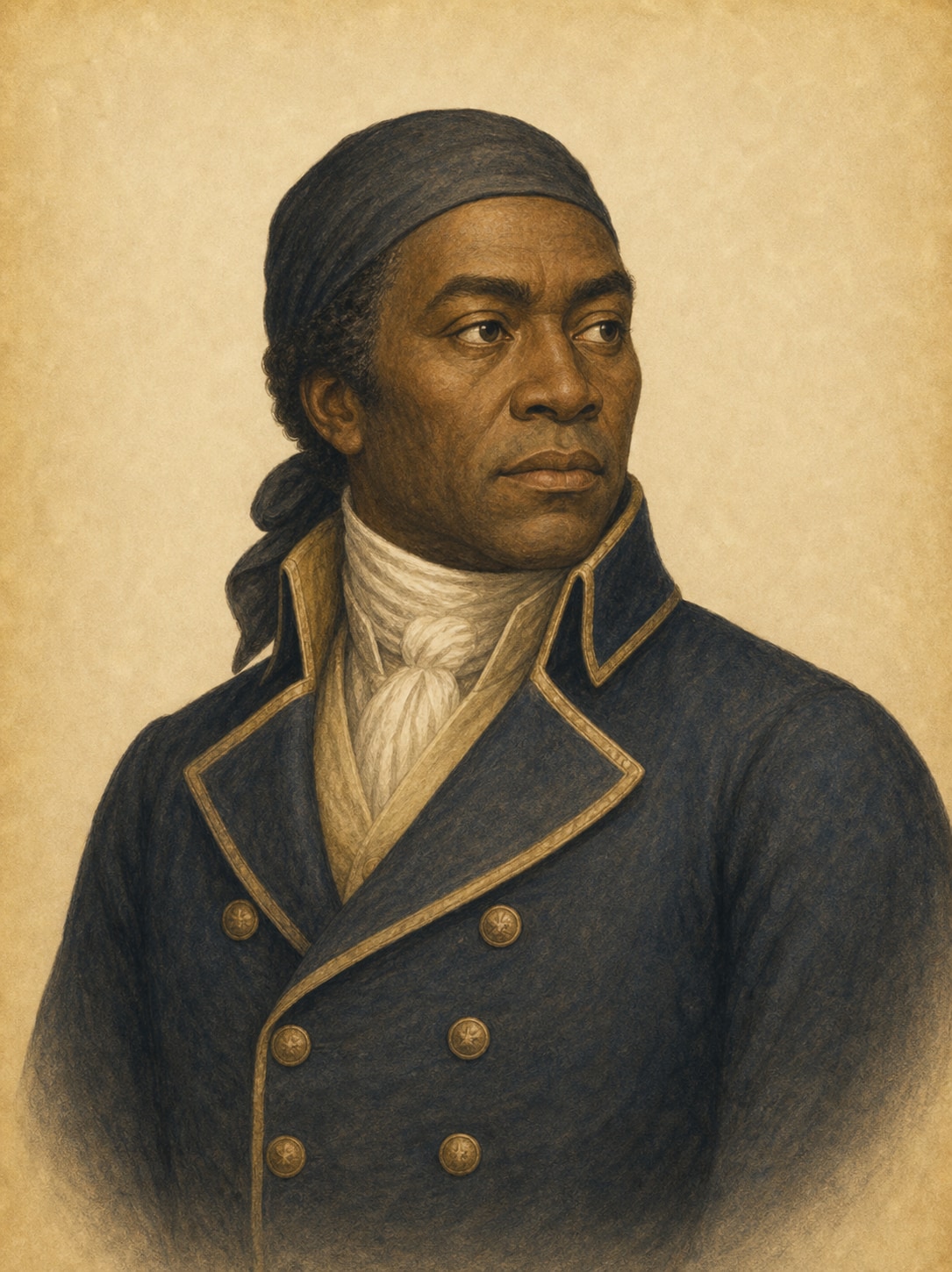
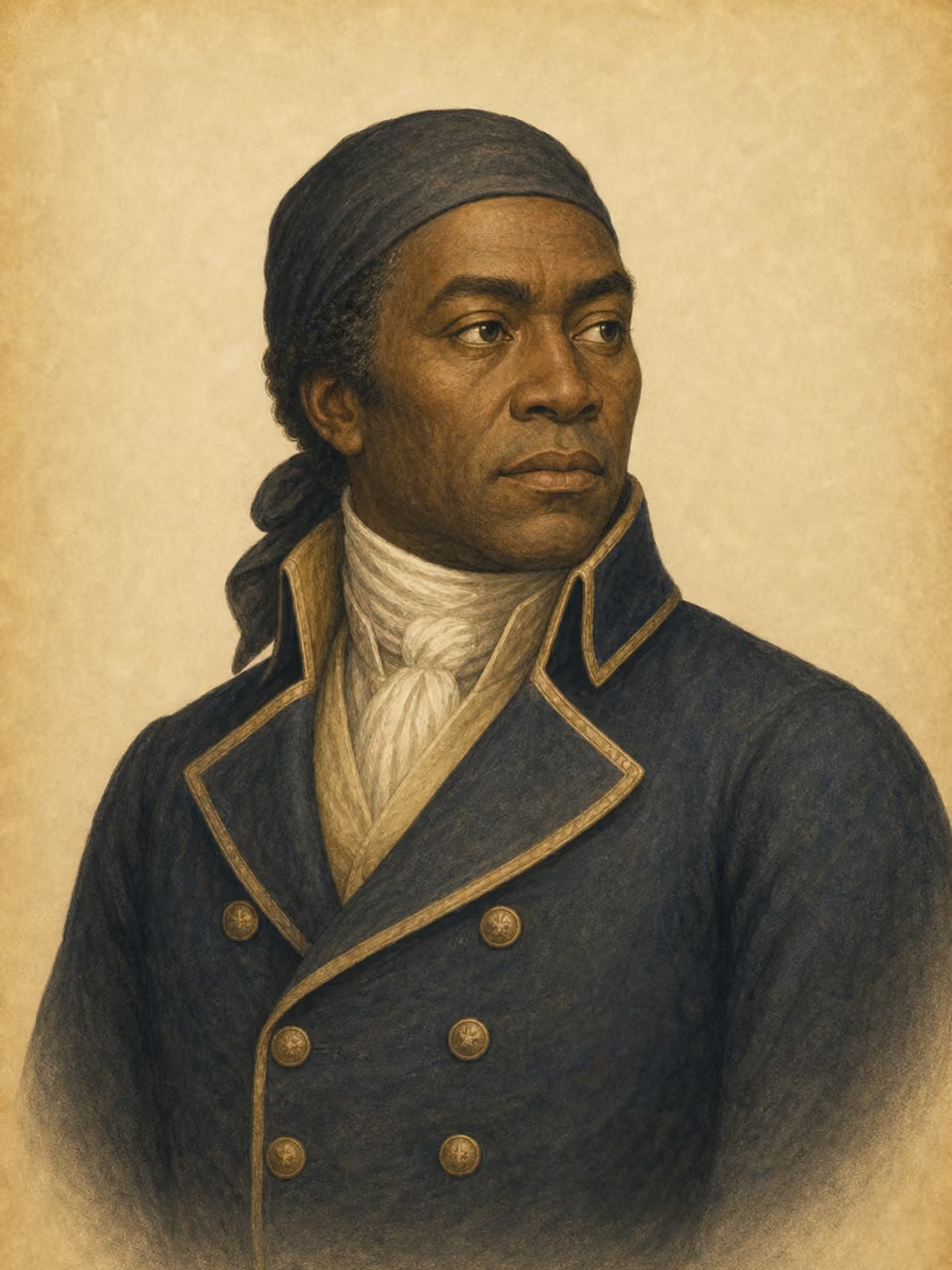
Toussaint Louverture
historical figure in context
A black leader who led the Haitian Revolution and who combined the abolition of slavery with resistance to colonial rule. During the Atlantic Revolution, he challenged freedom and the racial order. He is a leader who concretely demonstrates liberation from a slave society.
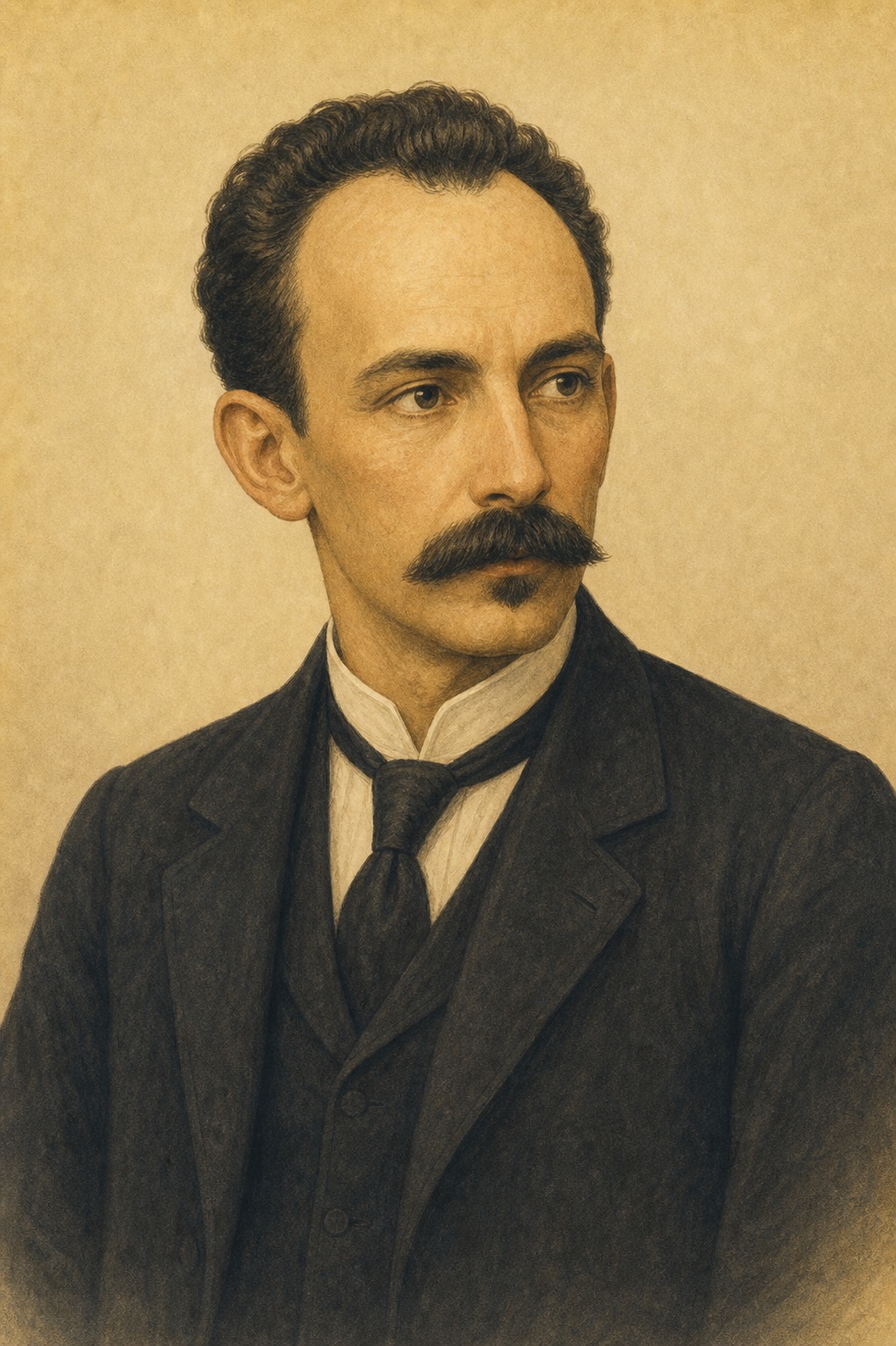
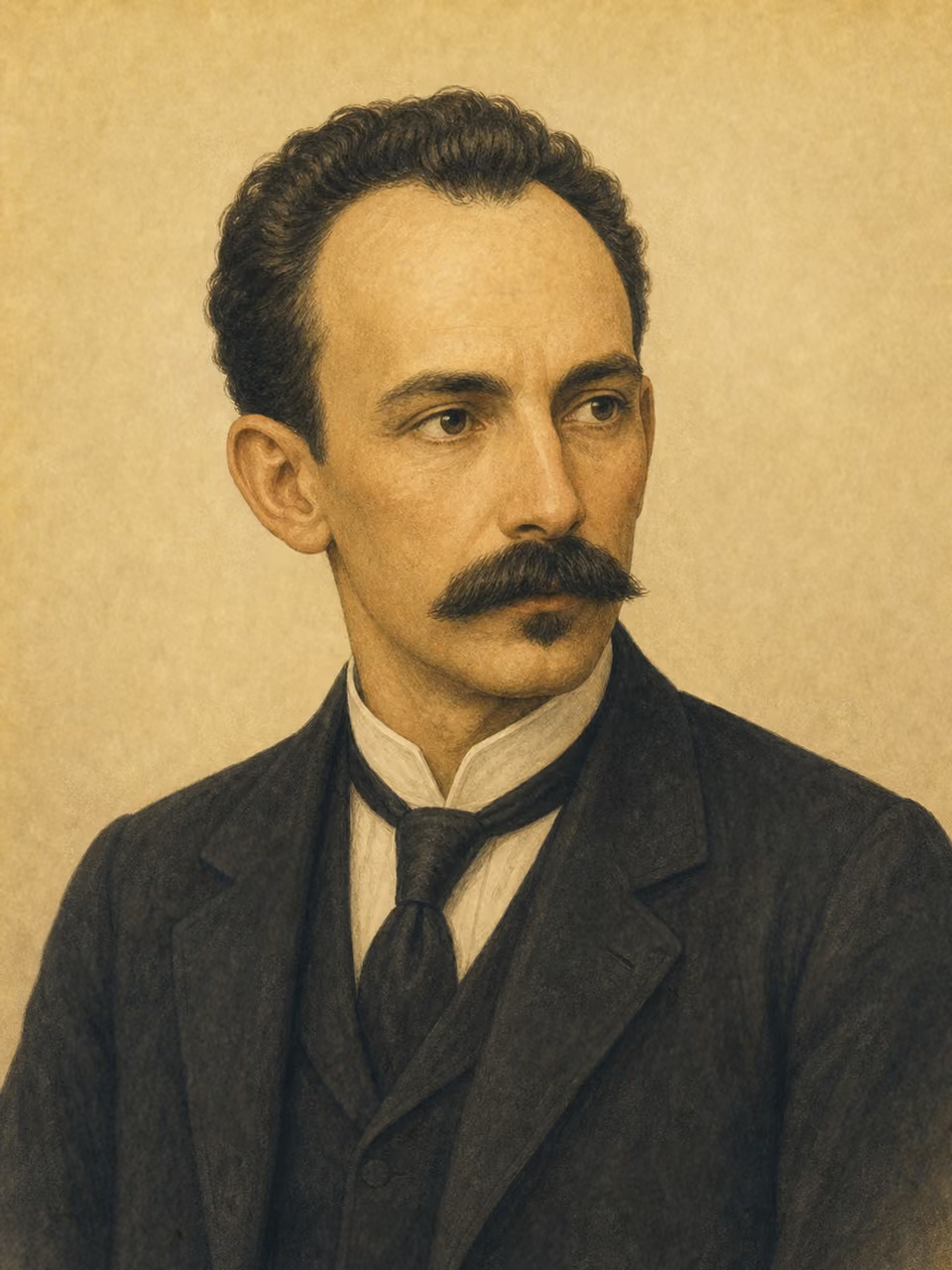
Jose Marti
historical figure in context
A Cuban poet, thinker, and independence activist who advocated for liberation from Spanish rule. He combined literature and political activism and represented anti-colonialism in Latin America. He is a central figure in the history of Cuban independence.
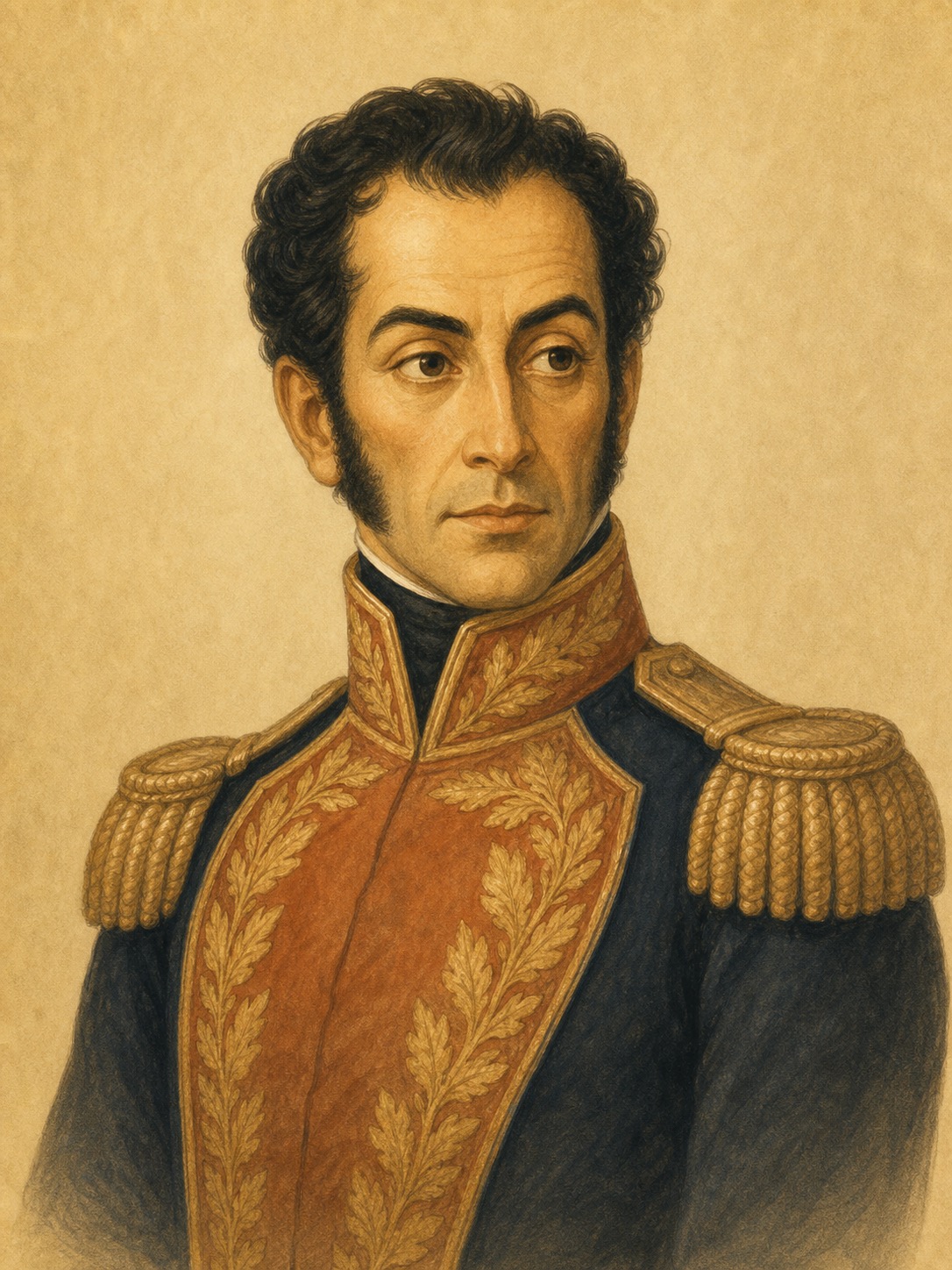
Simon Bolivar
historical figure in context
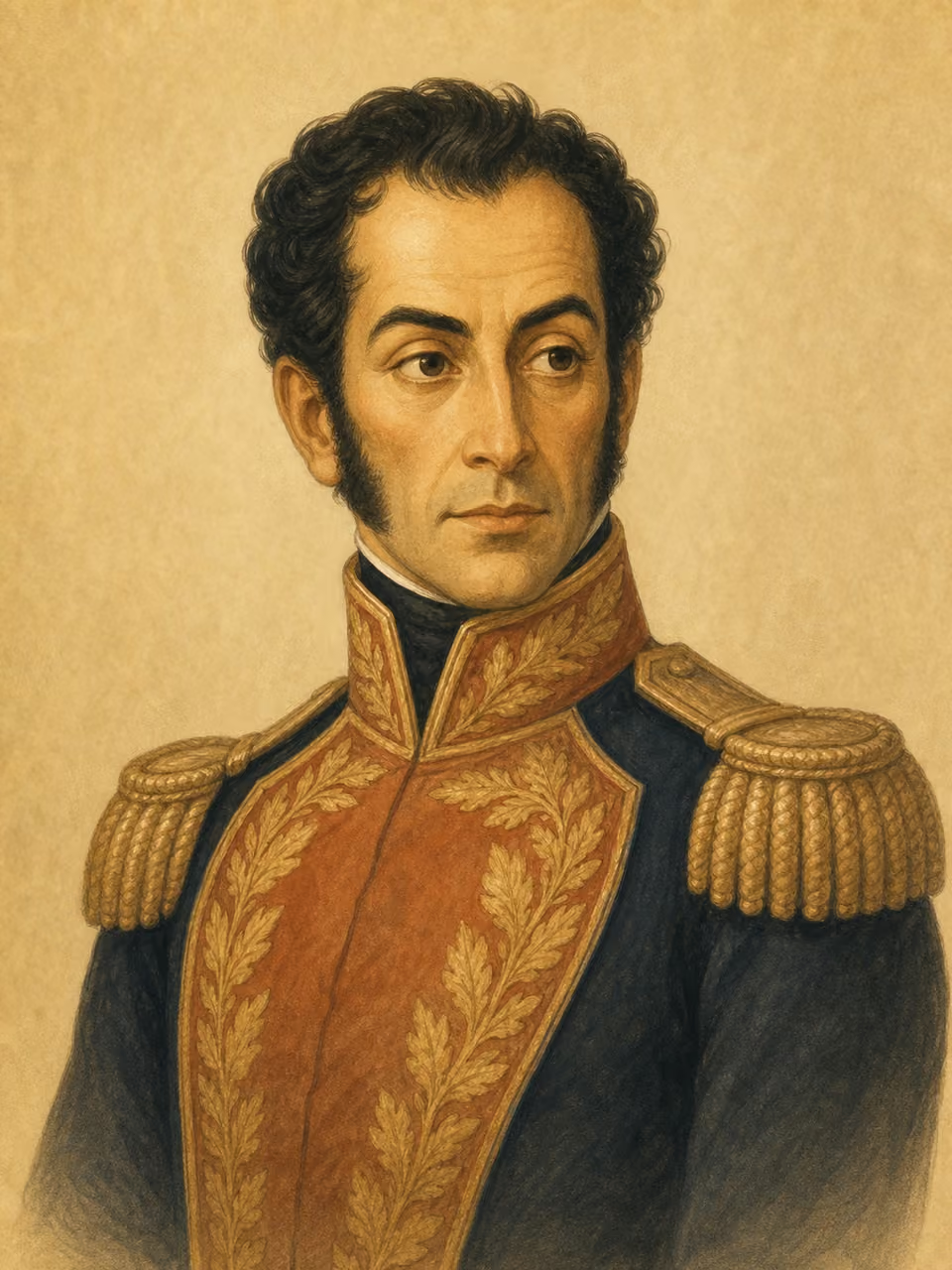
Through exile, return, and punishing campaigns such as the crossing of the Andes, Bolivar turned independence into a military and political project spanning much of northern South America. Yet victory did not end the story: the struggle to hold Gran Colombia together made the Liberator's career just as much about the fragility of state building as about battlefield triumph.
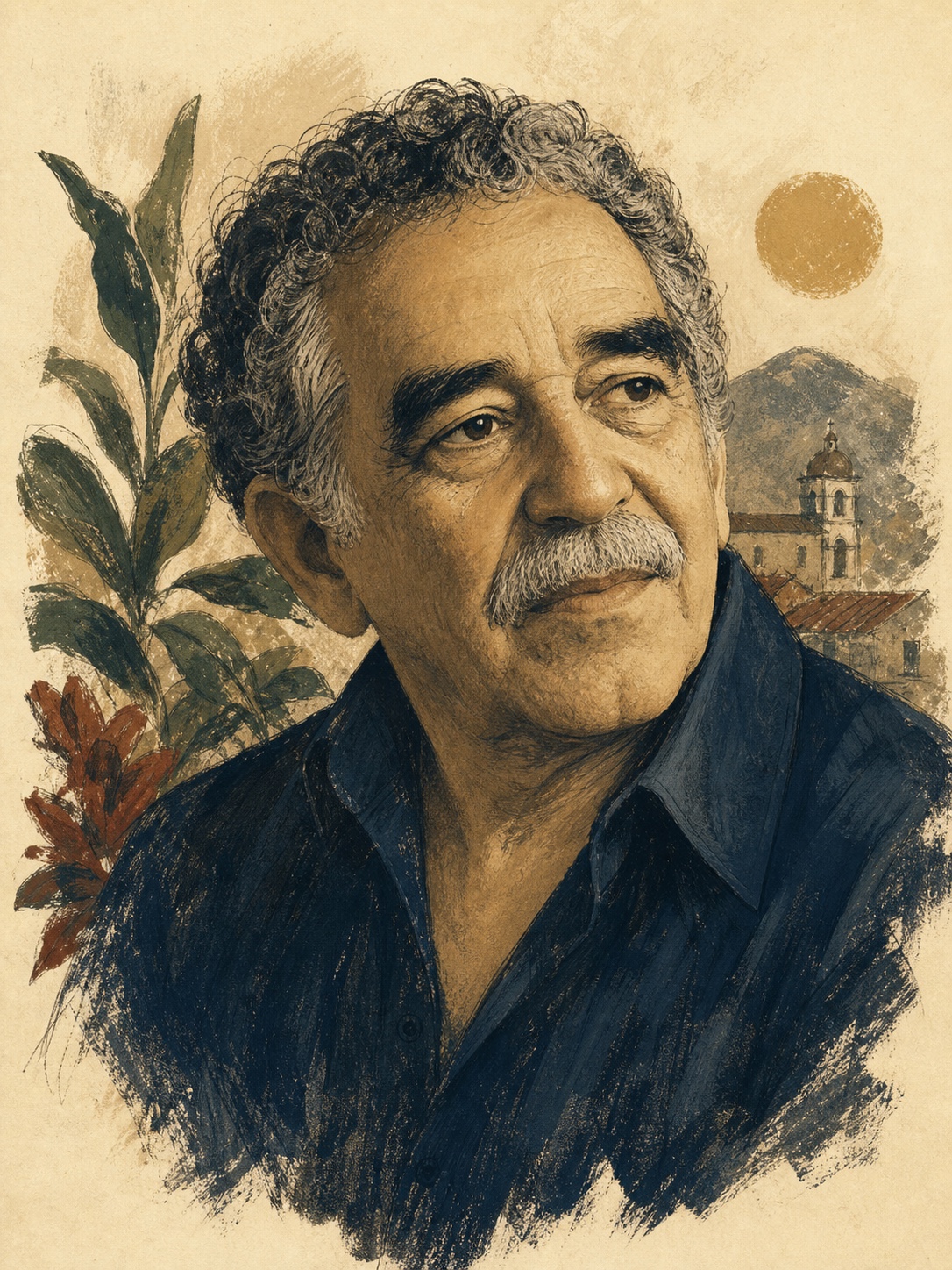
Gabriel García Márquez
historical figure in context
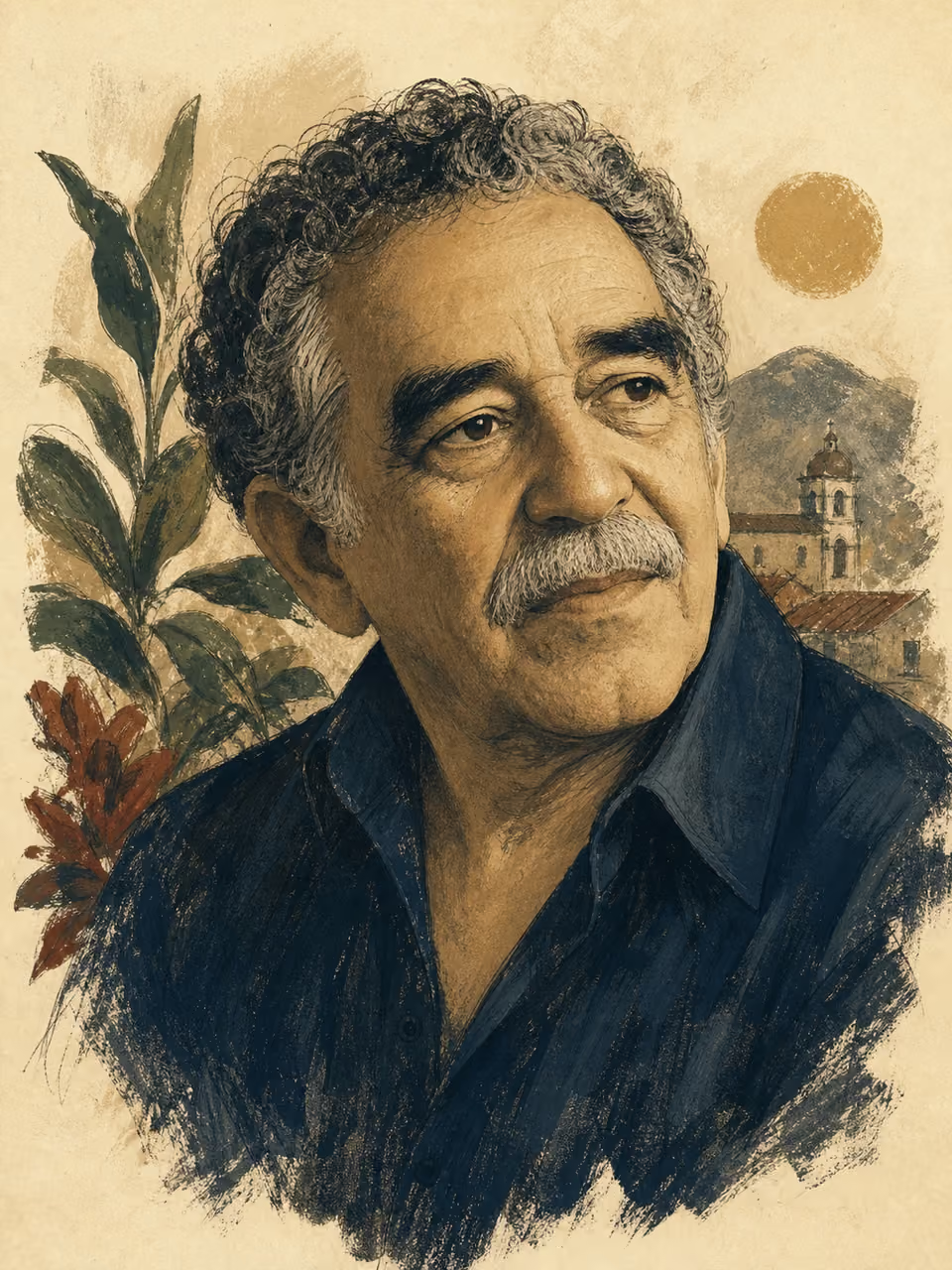
When One Hundred Years of Solitude appeared, Gabriel García Márquez compressed family saga, civil conflict, and mythical time into the town of Macondo. His training as a journalist gave that seemingly impossible world the observational density that let the marvelous and the political inhabit the same sentence.
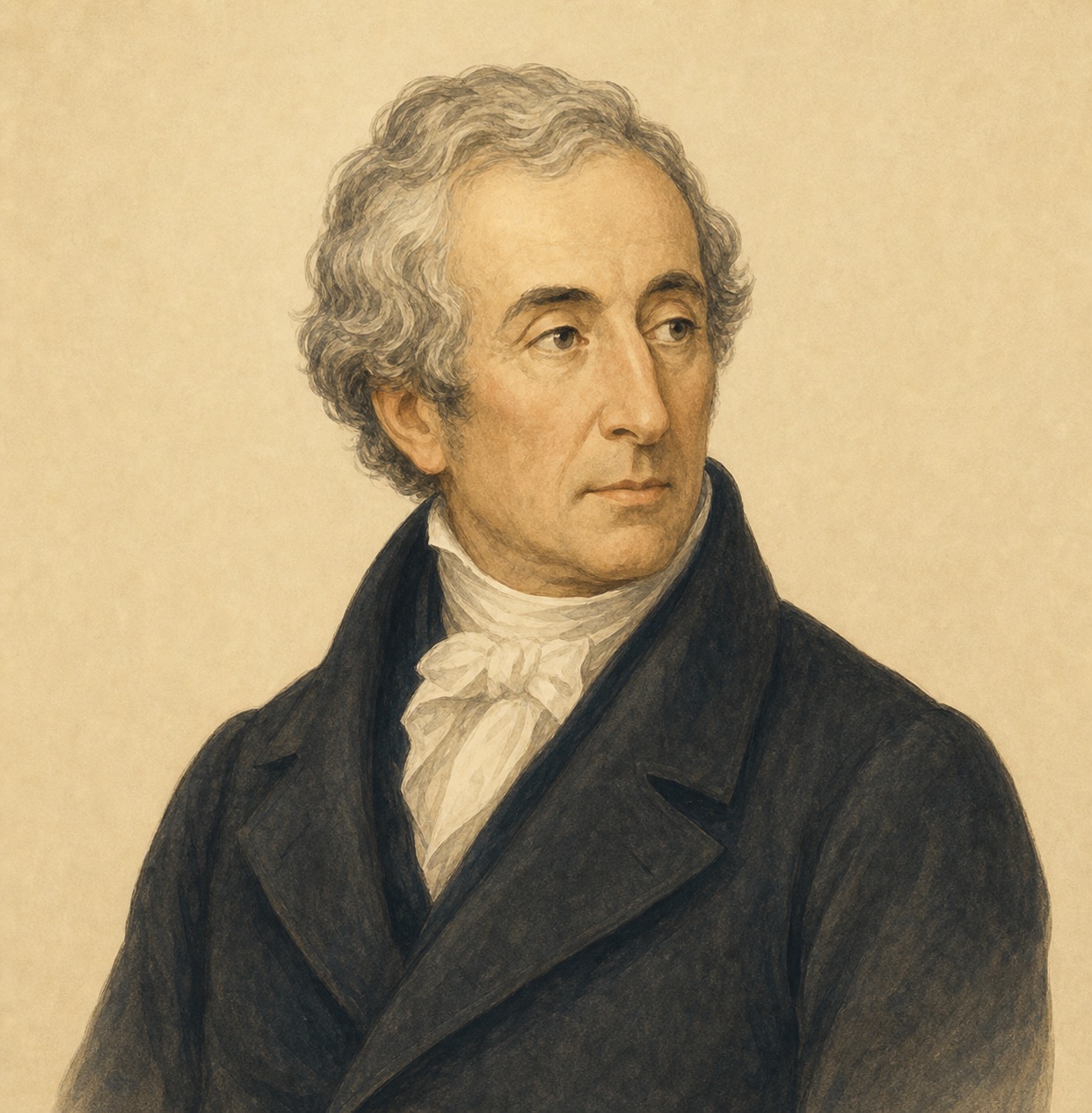
Henri de Saint-Simon
historical figure in context
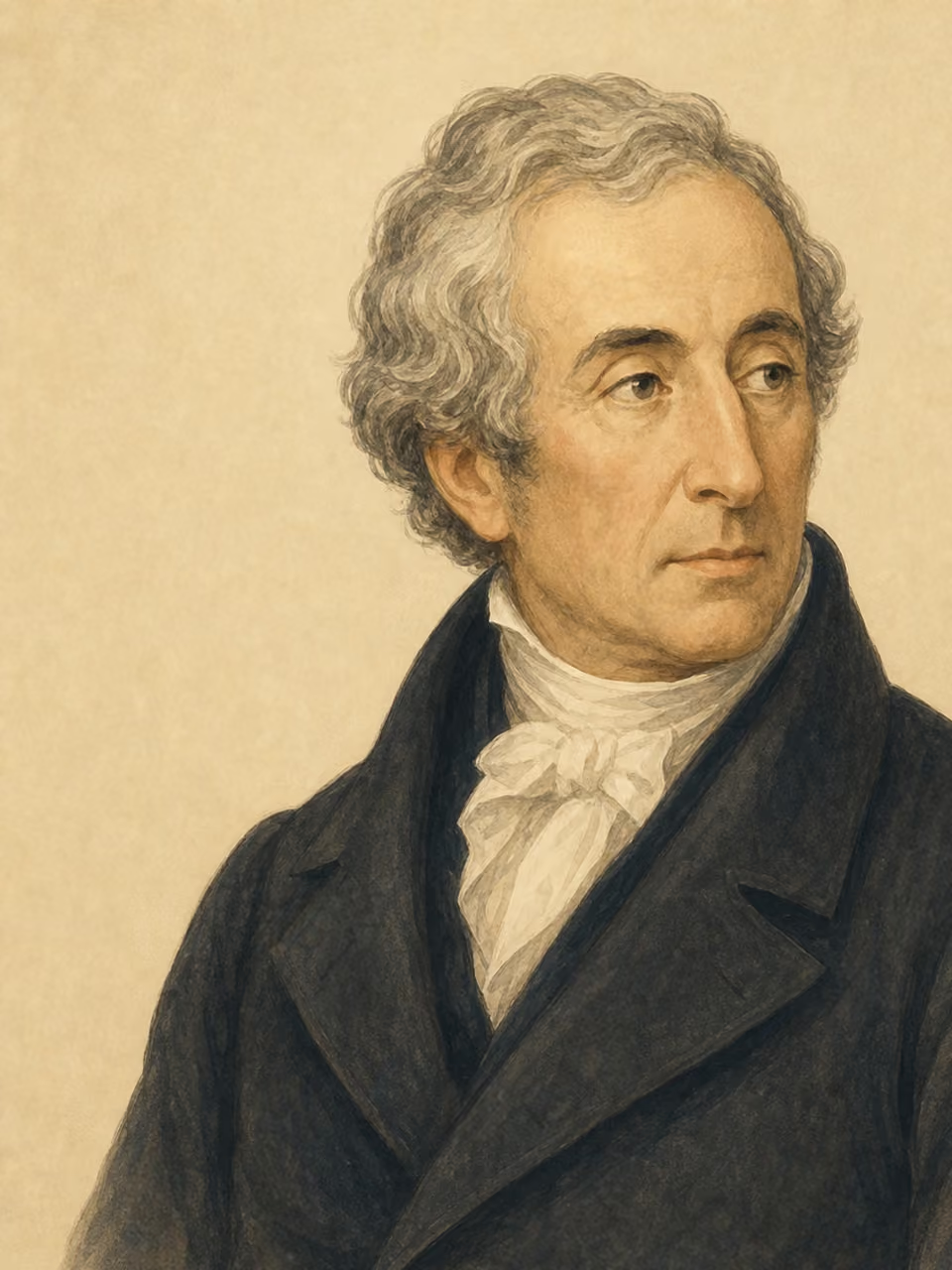
A French thinker who advocated a social reform theory that placed emphasis on producers and scientists who were responsible for industrial society. It influenced later socialist ideas. This is important when considering the new social order after the French Revolution.
Related events
1771
Prelude
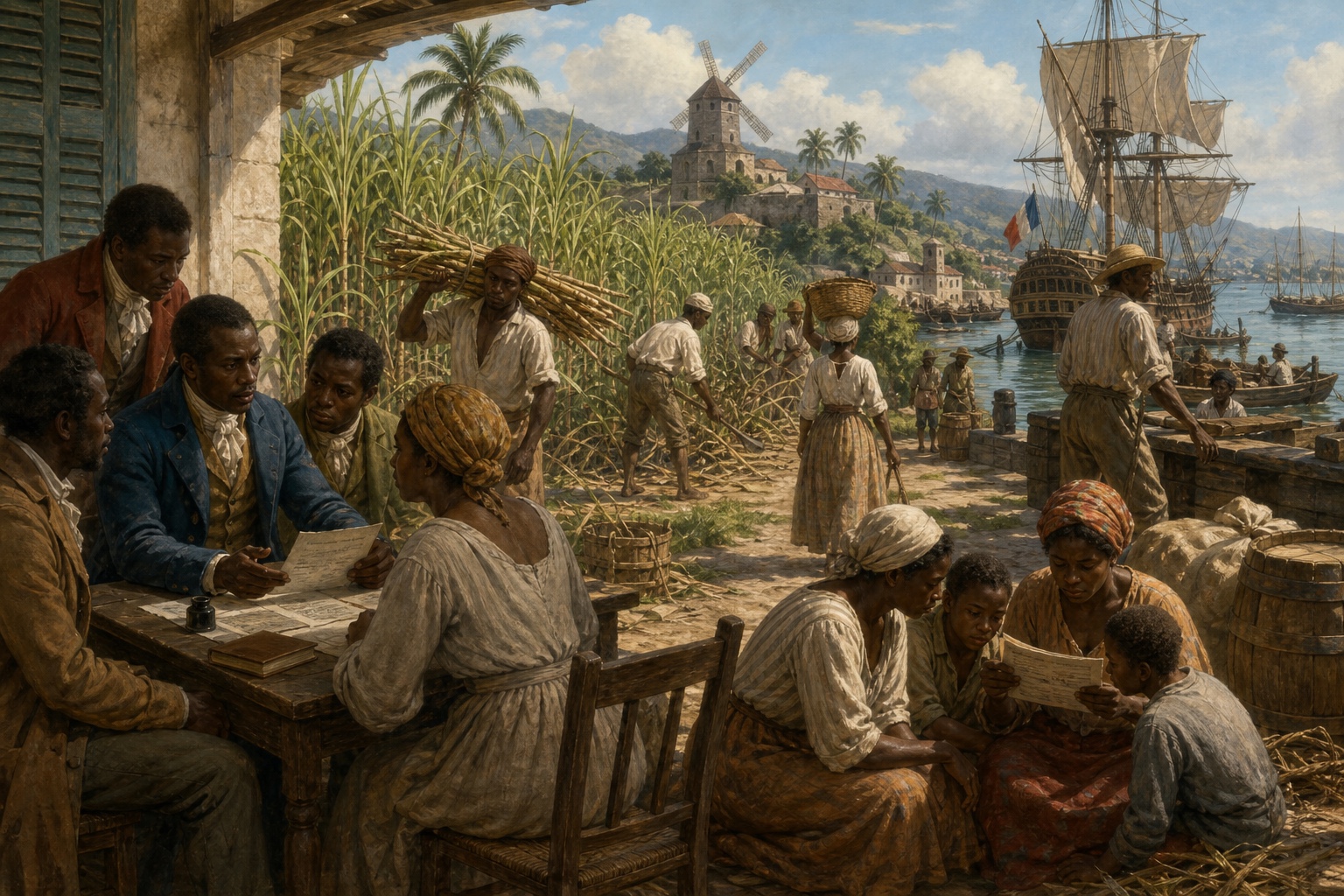
Prelude — Background: Saint-Domingue was France's richest plantation colony, built on the forced labor and extreme violence imposed on an enslaved African majority. Free people of color challenged racial discrimination, while the French Revolution opened a struggle over rights and colonial authority; traditions of flight, community, and resistance gave enslaved people their own foundations for action.
c. 1790
Rising tension
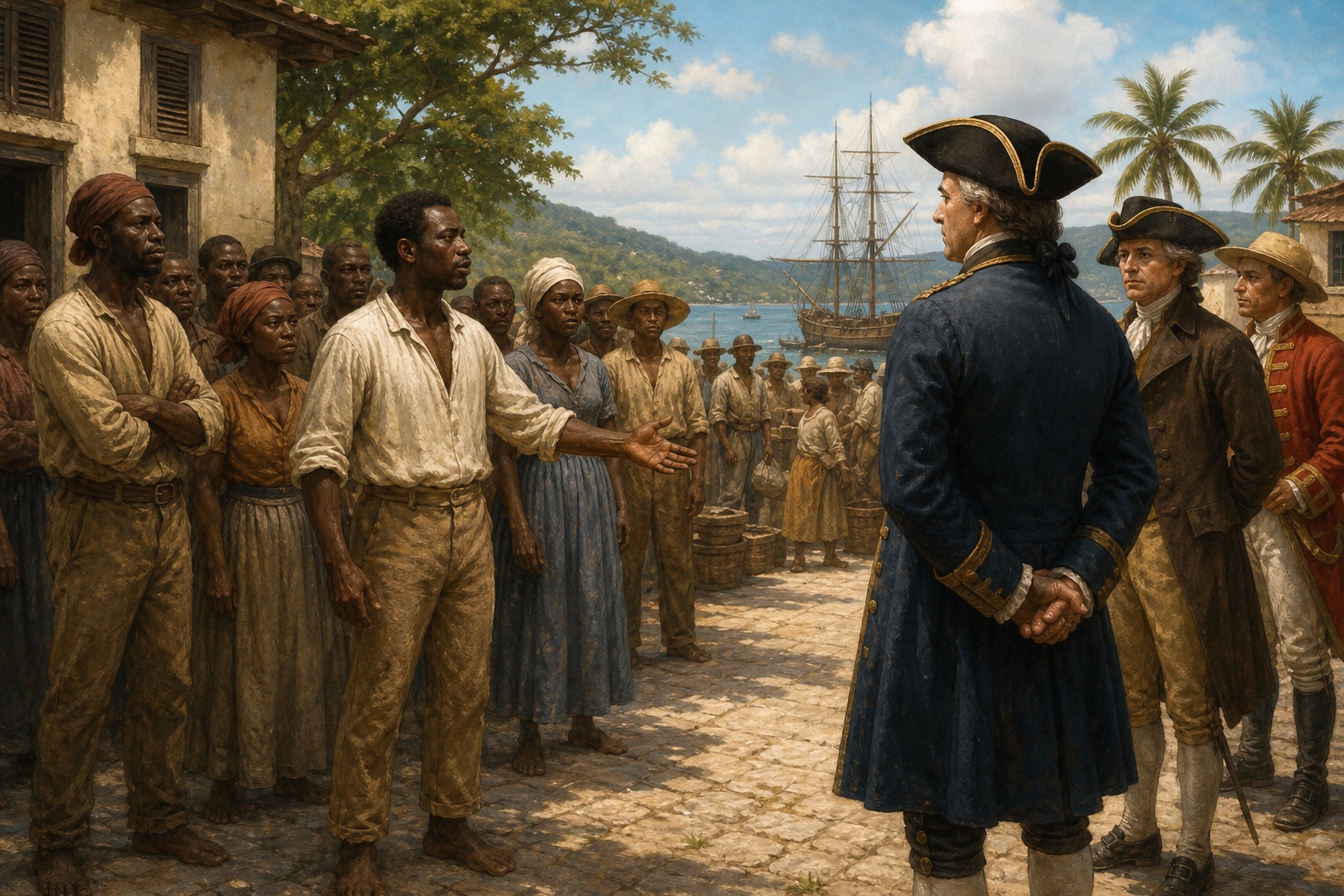
Rising tension — Build-up: A mass uprising began in the northern plain in 1791 and developed into a many-sided war involving Black insurgents, free people of color, white colonists, France, Spain, and Britain. The French Republic abolished slavery in 1794; leaders including Toussaint Louverture defended emancipation, and renewed resistance defeated Napoleon's expedition after France moved to reassert control and restored slavery elsewhere.
1791–1804
Haitian Revolution
Current event
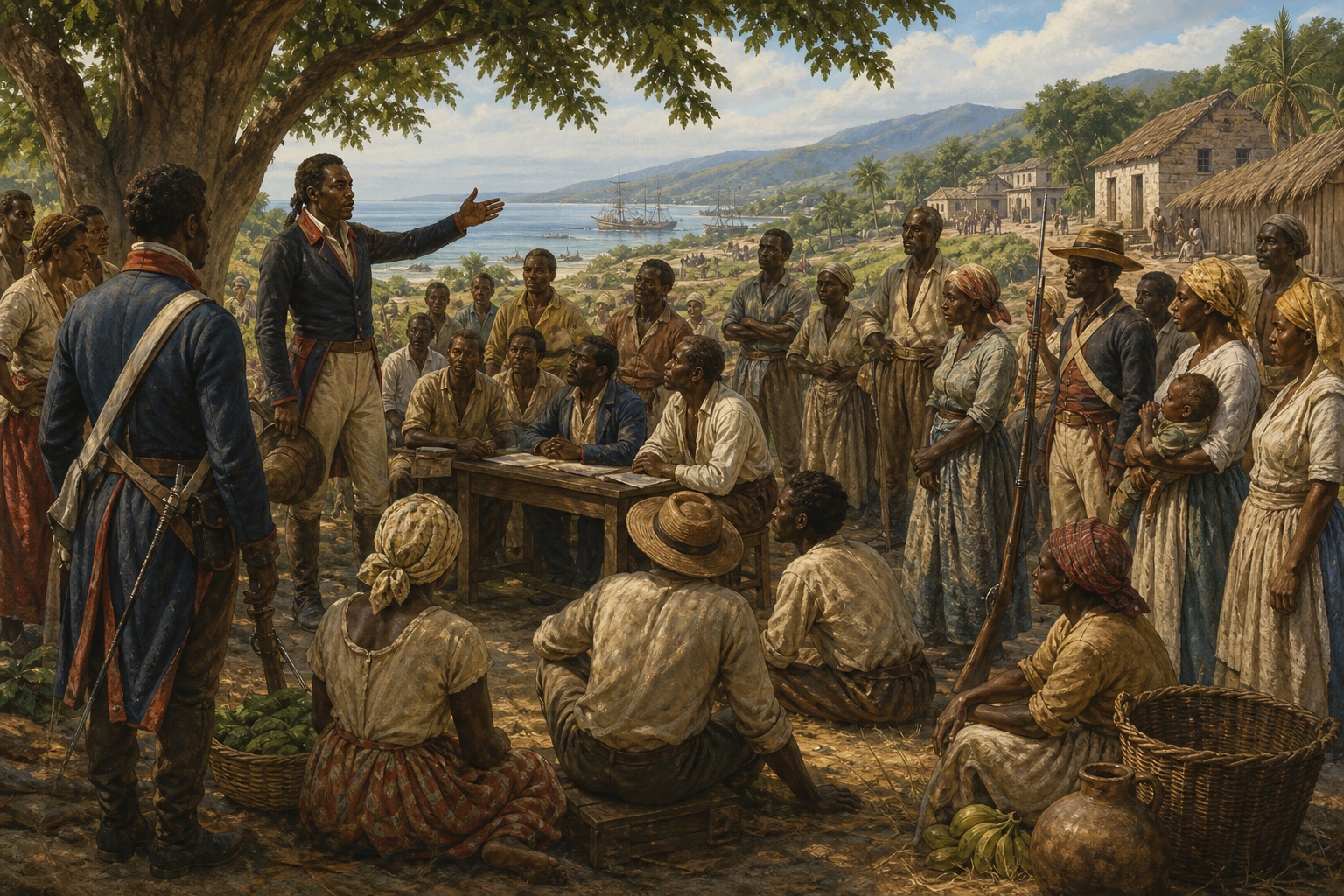
Haitian Revolution — Central transition: The 1791–1804 revolution in Saint-Domingue in which enslaved people and their allies destroyed slavery, defeated attempts to restore colonial domination, and founded independent Haiti.
c. 1805
Immediate aftermath
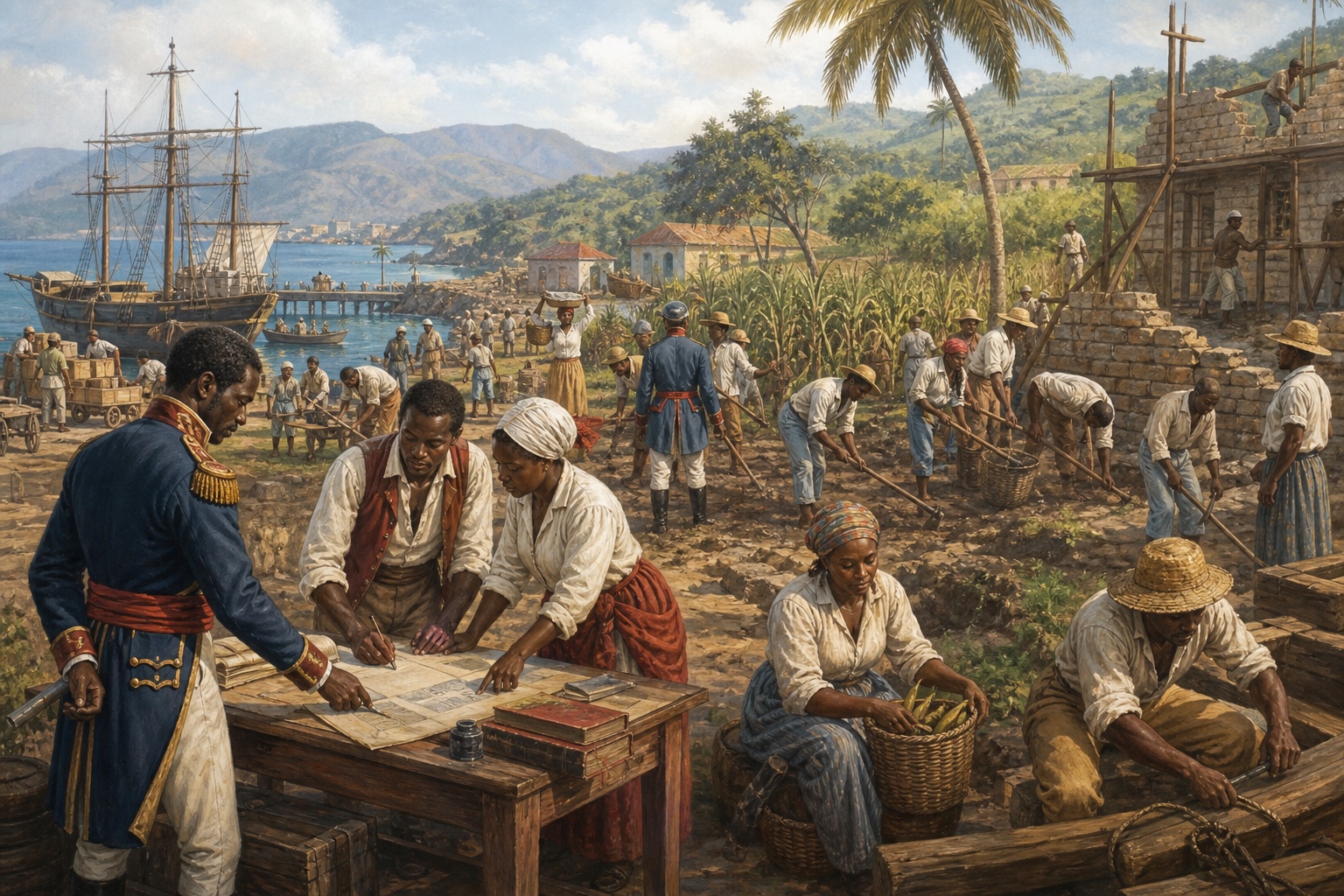
Immediate aftermath — Immediate result: Jean-Jacques Dessalines proclaimed independence on 1 January 1804. The revolution ended legal slavery and French colonial rule in Haiti, but war damage, diplomatic isolation, and later French demands for indemnity burdened the new state.
c. 1814
Long-term significance
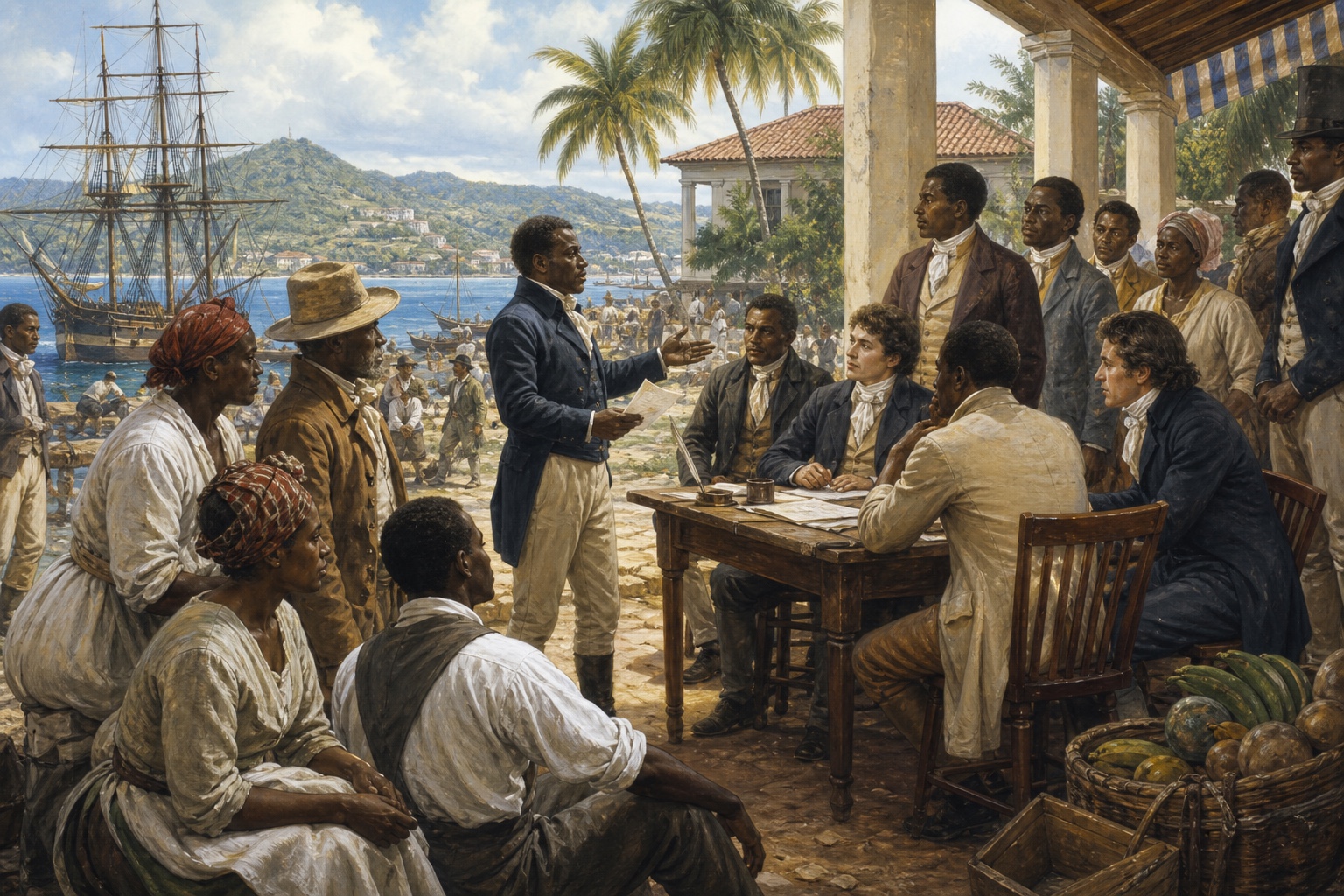
Long-term significance — Long-term significance: Tordesillas divided Spanish and Portuguese claims, not a direct allocation of French Saint-Domingue; French possession of western Hispaniola followed the 1697 Treaty of Ryswick. The relationship is structural: the Haitian Revolution ruptured the longer Atlantic colonial order by defeating French colonial slavery. Its success inspired enslaved people and abolitionists and alarmed slaveholders.


Sources
- Haitian Revolution — Many Faces Brochure 140513 (1) (Simmonscenter)simmonscenter.brown.eduThis Simmonscenter resource supports the chronology, setting, and course of Haitian Revolution.
- Haitian Revolution — Haiti Reimagined (Guides)guides.loc.govThis Guides resource supports the chronology, setting, and course of Haitian Revolution.
- Haitian Revolution — 2021668484 (Library of Congress)loc.govThis Library of Congress resource supports the chronology, setting, and course of Haitian Revolution.