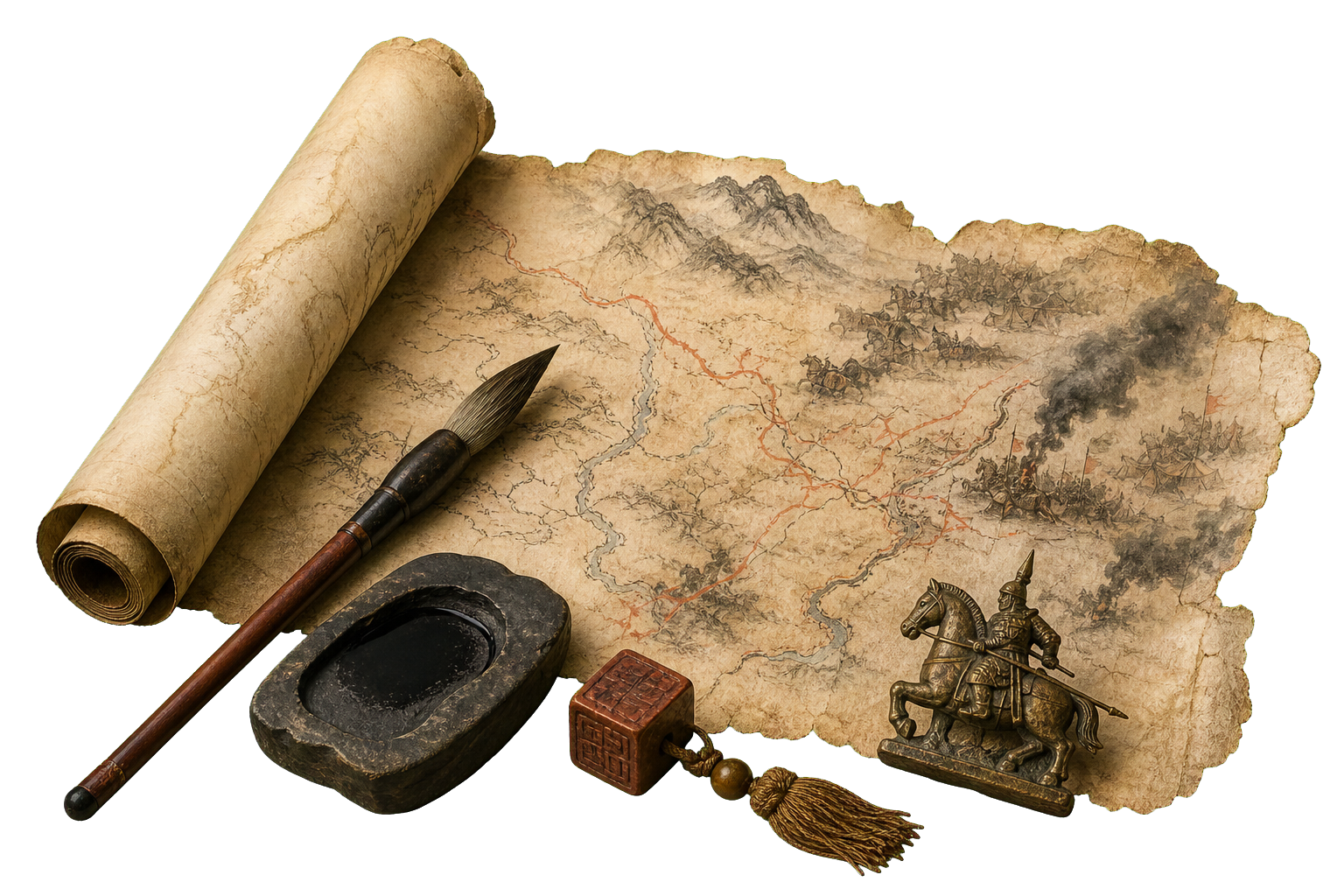
Russian Revolution of 1917
1917
The two revolutionary crises of 1917 that overthrew the Russian monarchy in February and brought the Bolsheviks to power in October, using the Gregorian calendar.

- Period
- 1917
- Kind
- Revolution
- Regions
- Europe
- Keywords
- Russian Revolution of 1917 · background · course · outcome
Follow the story · Four stages
Background
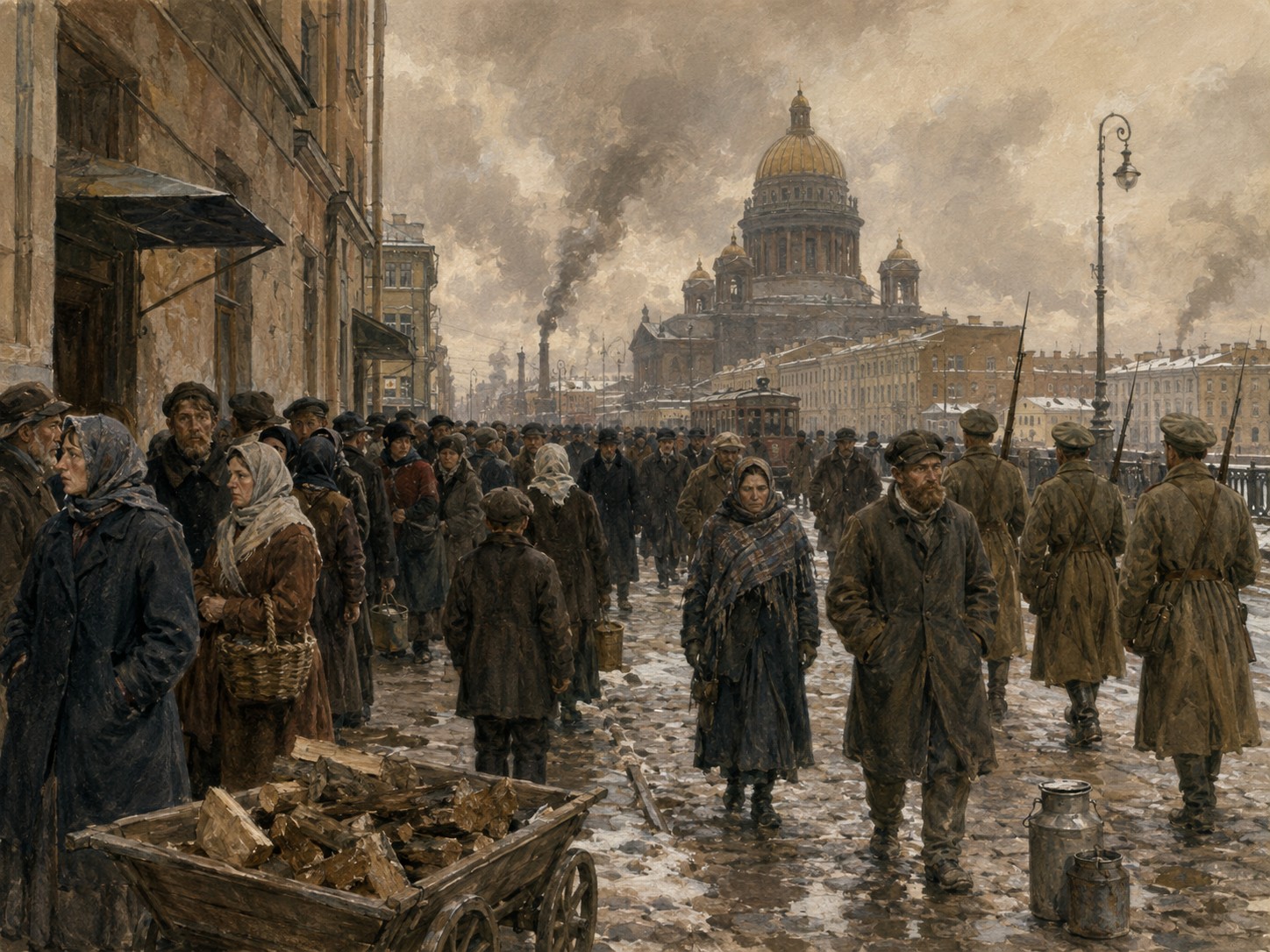
Autocratic rule, land hunger, labor conflict, national tensions, and the unfinished changes after 1905 had weakened the imperial order. The First World War multiplied military losses, inflation, food and fuel shortages, transport failures, and distrust of Tsar Nicholas II's government, while soldiers and civilians bore the costs.
- Autocratic rule, land hunger, labor conflict, national tensions, and the unfinished changes after 1905 had weakened the imperial order.
- The First World War multiplied military losses, inflation, food and fuel shortages, transport failures, and distrust of Tsar Nicholas II's government, while soldiers and civilians bore the costs.
- Core event: The two revolutionary crises of 1917 that overthrew the Russian monarchy in February and brought the Bolsheviks to power in October, using the Gregorian calendar.
Course
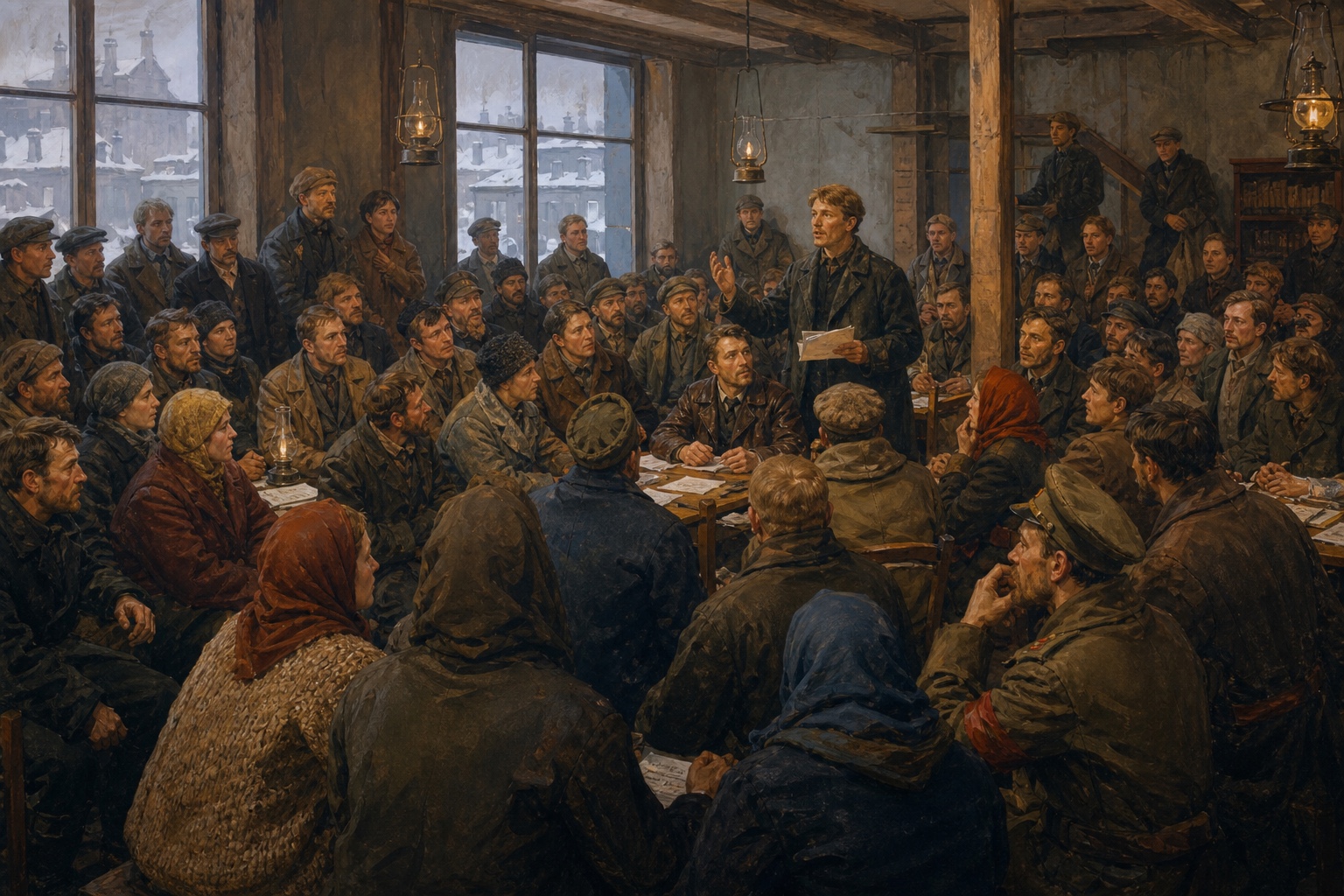
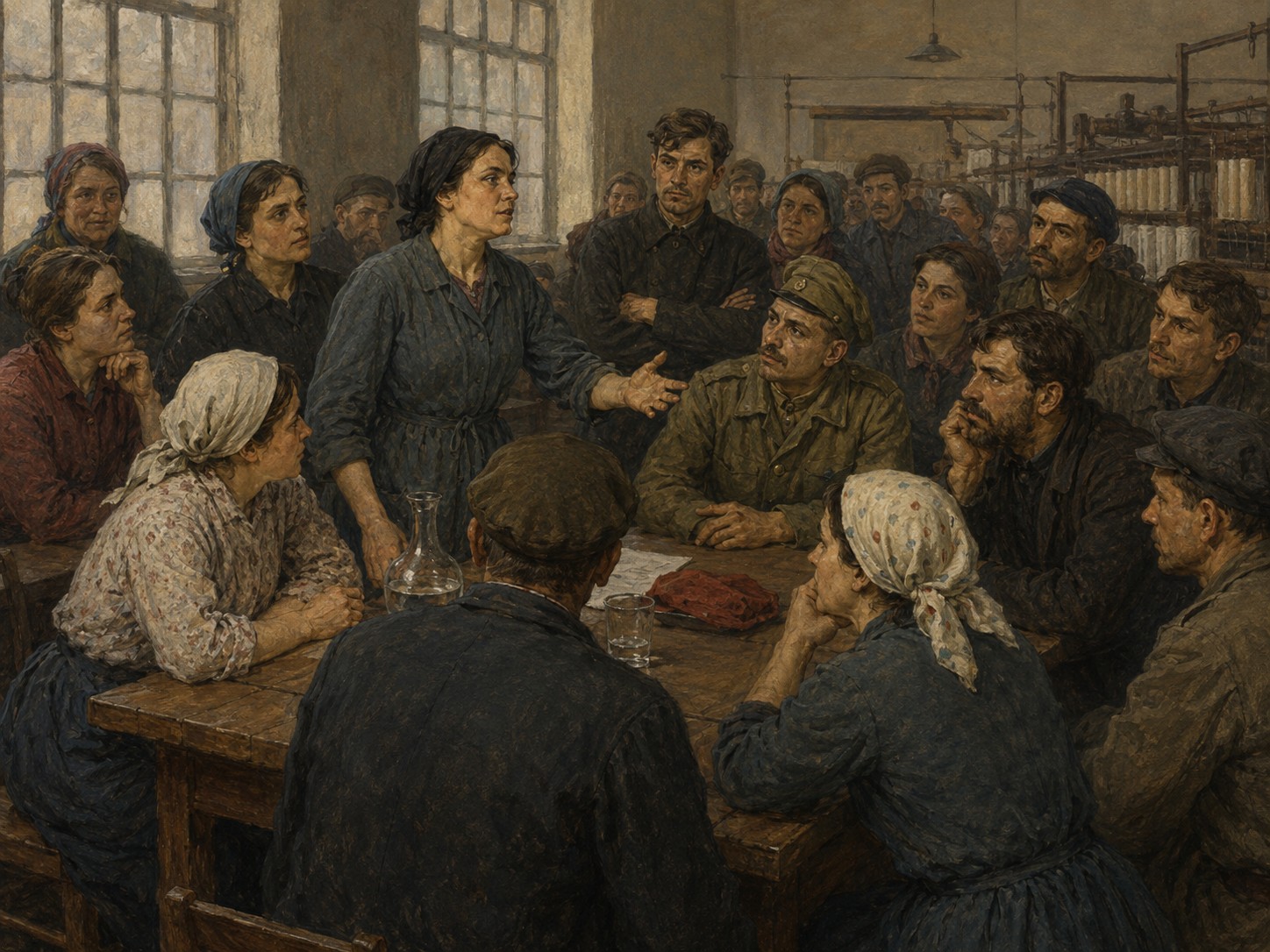
Bread protests and strikes in Petrograd grew into mass demonstrations and a garrison mutiny in February; Nicholas II abdicated, and a Provisional Government shared unstable authority with workers' and soldiers' soviets. The government continued the war and delayed land reform. In October the Bolsheviks, whose support had grown around demands for peace, land, and soviet power, organized an armed transfer of power in Petrograd and displaced the Provisional Government.
- Bread protests and strikes in Petrograd grew into mass demonstrations and a garrison mutiny in February; Nicholas II abdicated, and a Provisional Government shared unstable authority with workers' and soldiers' soviets.
- The government continued the war and delayed land reform.
- In October the Bolsheviks, whose support had grown around demands for peace, land, and soviet power, organized an armed transfer of power in Petrograd and displaced the Provisional Government.
Outcome
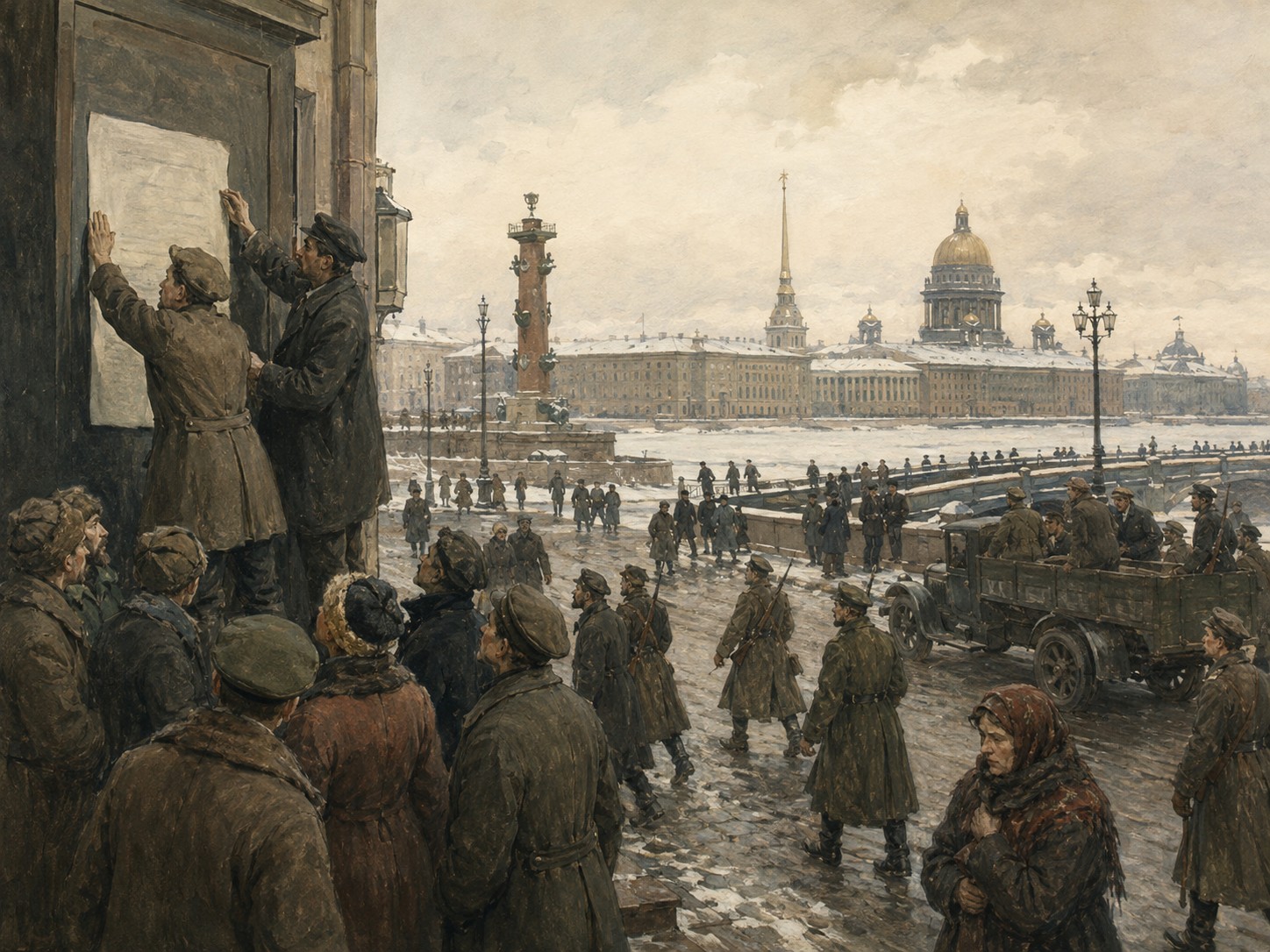
The new government issued decrees on peace and land and began withdrawing Russia from the war. It dispersed the elected Constituent Assembly in January 1918, while resistance to Bolshevik rule, national independence movements, foreign intervention, and competing armies developed into civil war. Thus 1917 ended monarchy but did not immediately settle the form or territorial reach of the new state.
- The new government issued decrees on peace and land and began withdrawing Russia from the war.
- It dispersed the elected Constituent Assembly in January 1918, while resistance to Bolshevik rule, national independence movements, foreign intervention, and competing armies developed into civil war.
- Thus 1917 ended monarchy but did not immediately settle the form or territorial reach of the new state.
Historical significance
The revolutions transformed the First World War and opened the path to the Soviet state, while inspiring socialist and anticolonial movements and provoking powerful opposition worldwide. Treating February and October as one seamless event hides competing popular projects, the Provisional Government, soviets, women workers, soldiers, peasants, and non-Russian peoples who acted for different goals.
- The revolutions transformed the First World War and opened the path to the Soviet state, while inspiring socialist and anticolonial movements and provoking powerful opposition worldwide.
- Treating February and October as one seamless event hides competing popular projects, the Provisional Government, soviets, women workers, soldiers, peasants, and non-Russian peoples who acted for different goals.
- Immediate consequence: The new government issued decrees on peace and land and began withdrawing Russia from the war. It dispersed the elected Constituent Assembly in January 1918, while resistance to Bolshevik rule, national independence movements, foreign intervention, and competing armies developed into civil war. Thus 1917 ended monarchy but did not immediately settle the form or territorial reach of the new state.


Related figures
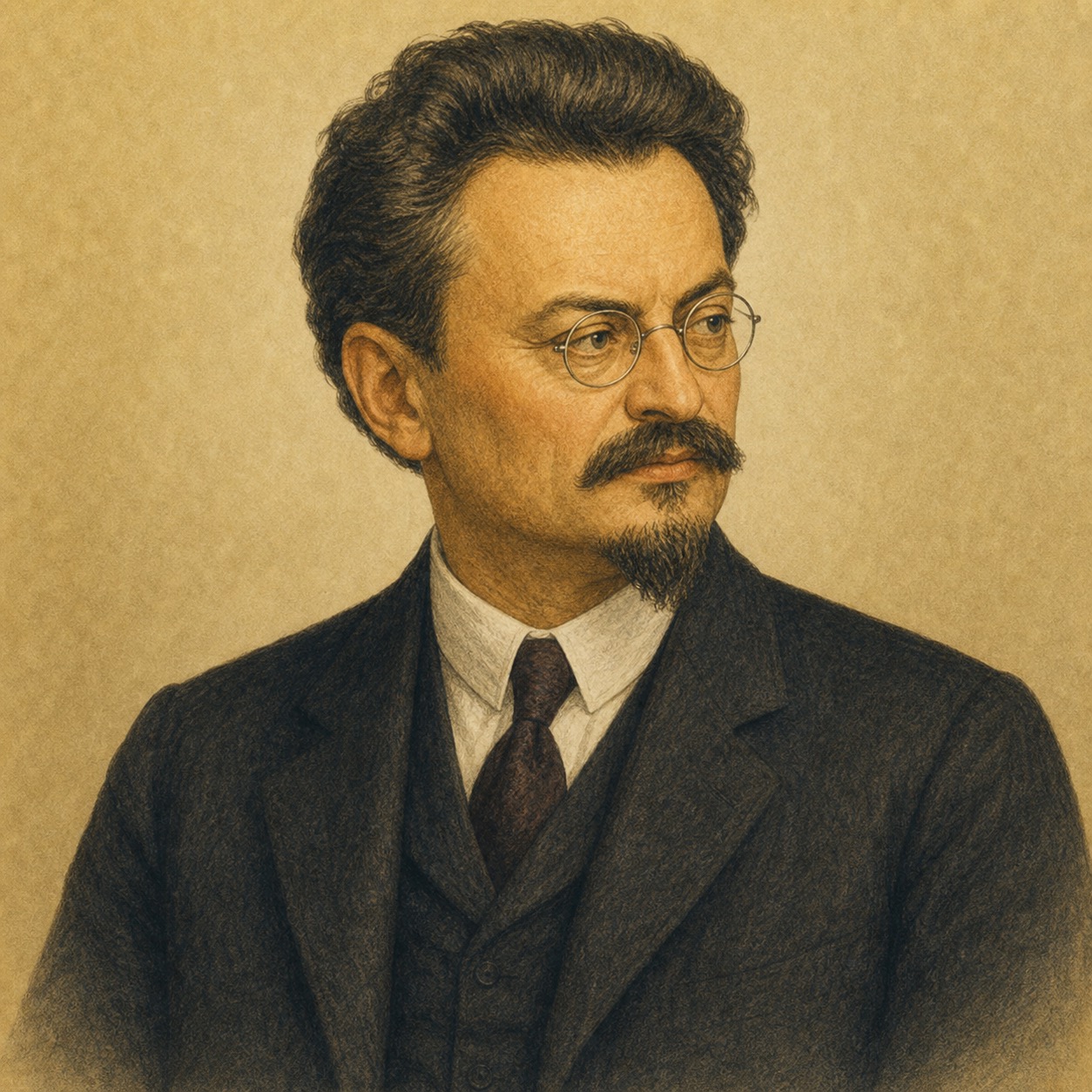
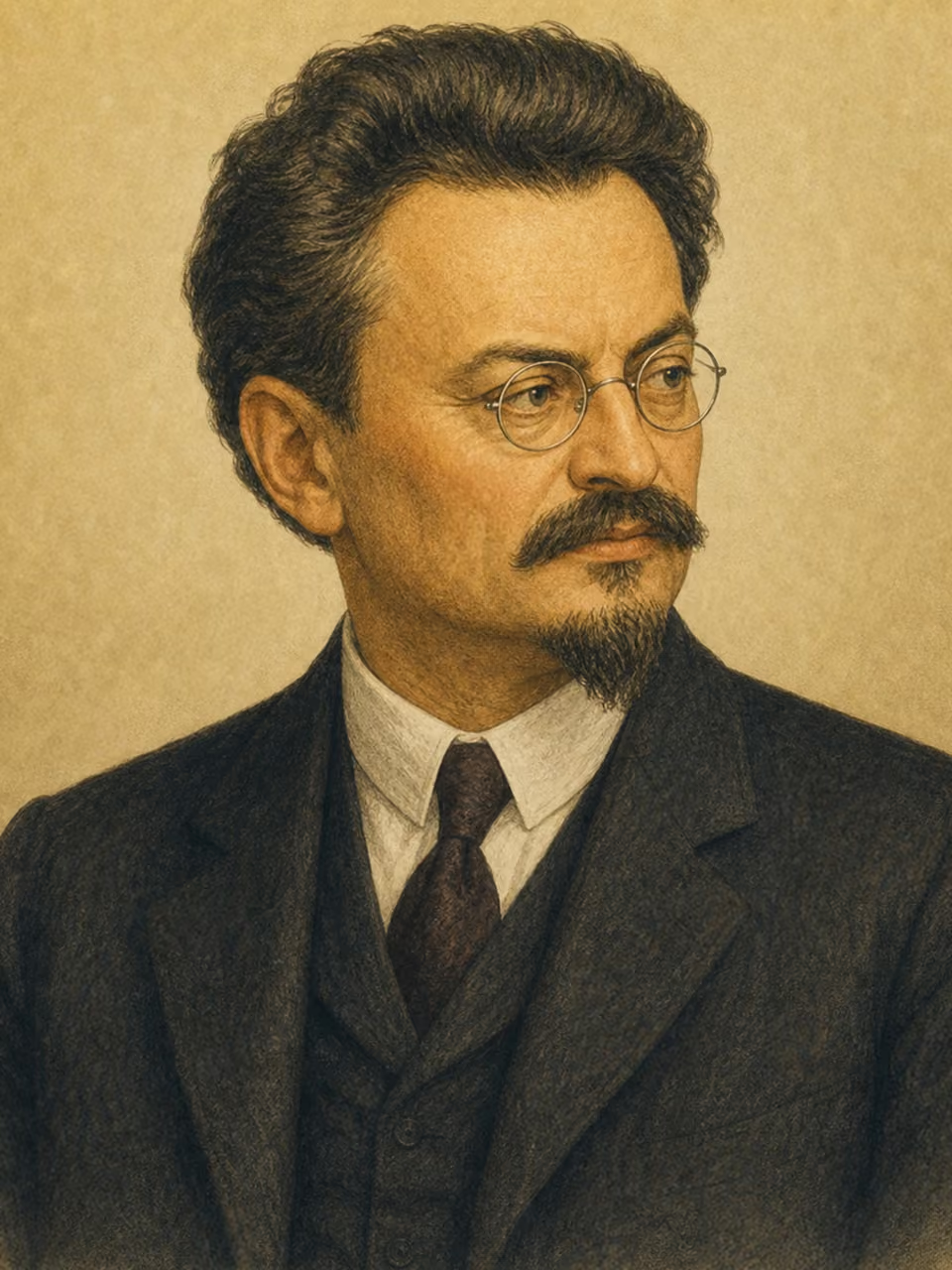
Leon Trotsky
historical figure in context
Leader and thinker of the Russian Revolution. He supported the Bolsheviks during the October Revolution and became an organizer of the Red Army, but was defeated in a power struggle with Stalin and defected. He is a person who thinks about the division of the socialist movement.
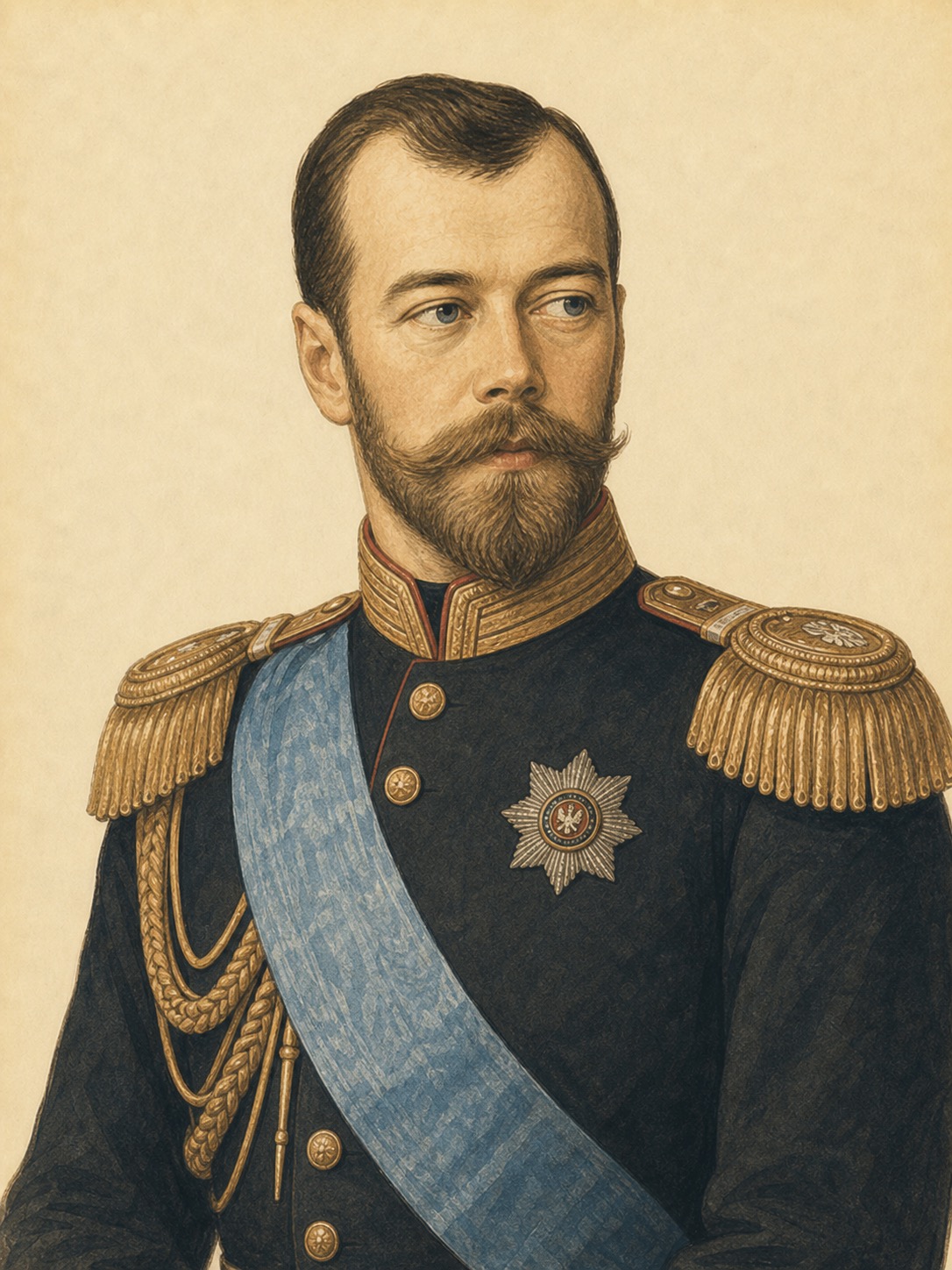
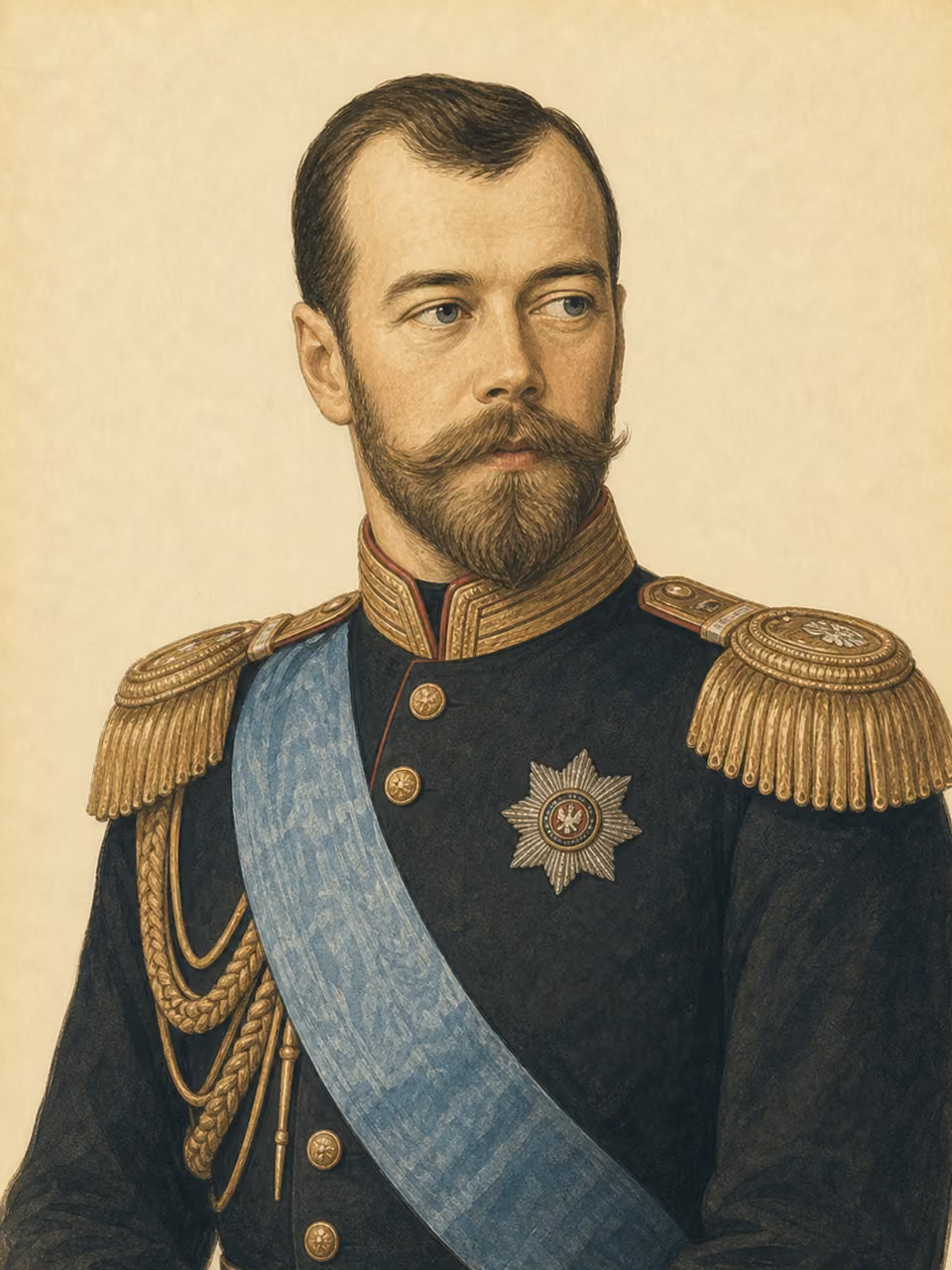
Nicholas II of Russia
historical figure in context
The last emperor of Russia. Unable to maintain his autocratic regime during the Russo-Japanese War, World War I, and revolution, he abdicated in 1917. He is a person who thinks about the Russian Revolution.
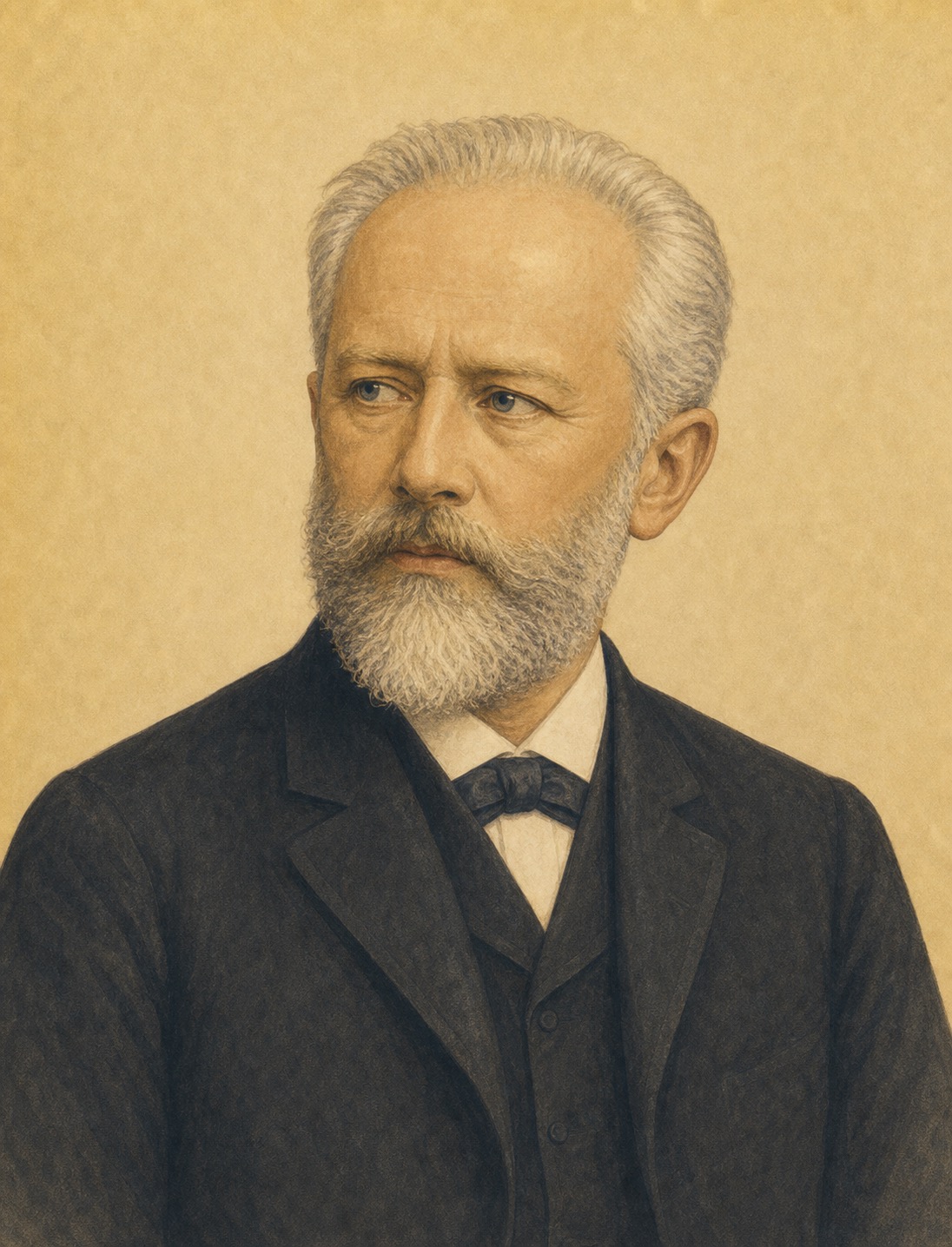
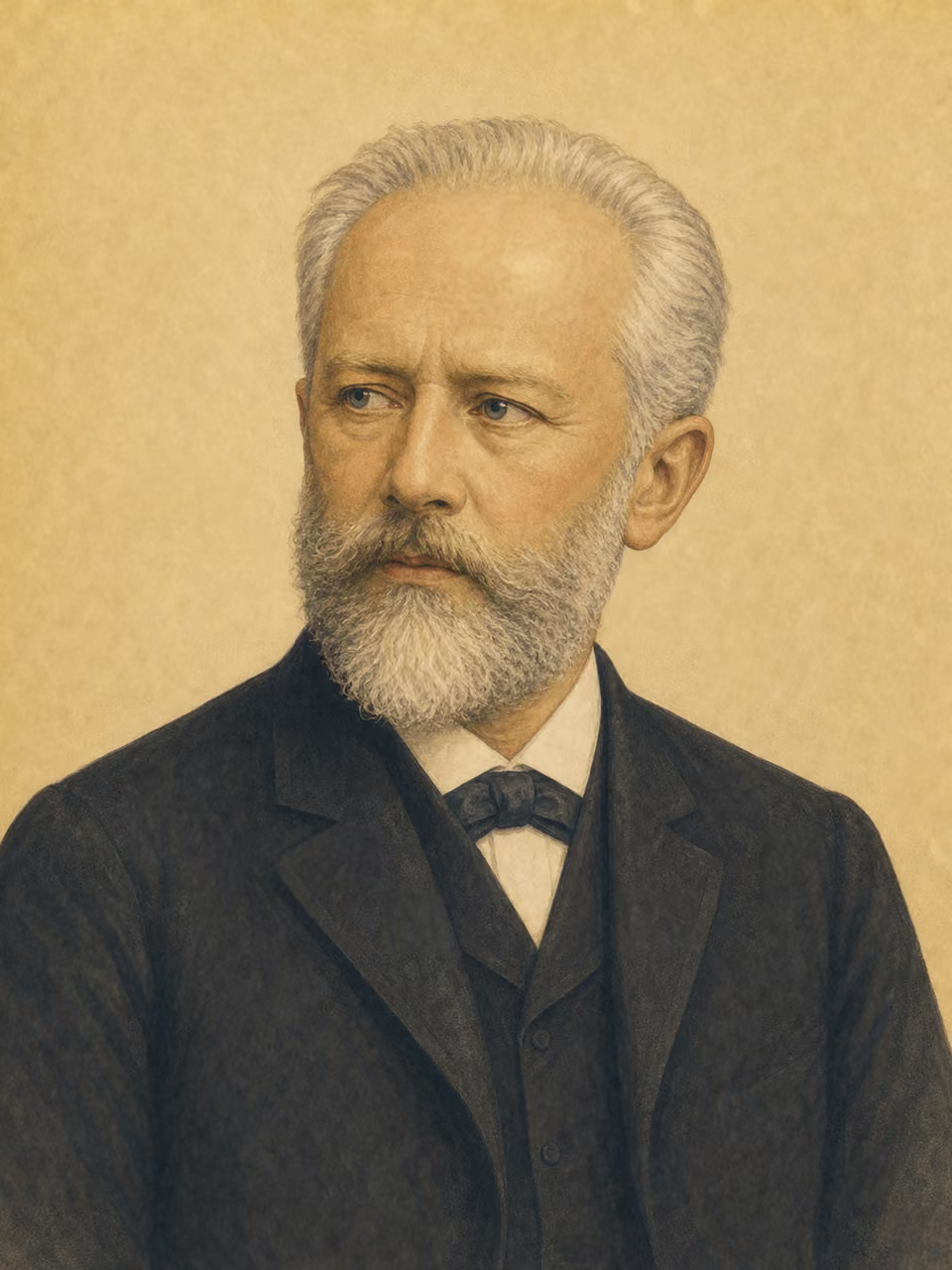
Pyotr Ilyich Tchaikovsky
historical figure in context
A composer of the Russian Empire, known worldwide for his ballet music and symphonies. He combined Western European musical forms with a Russian melodic feel. He is a composer who represents the internationalization of Russian culture in the 19th century.
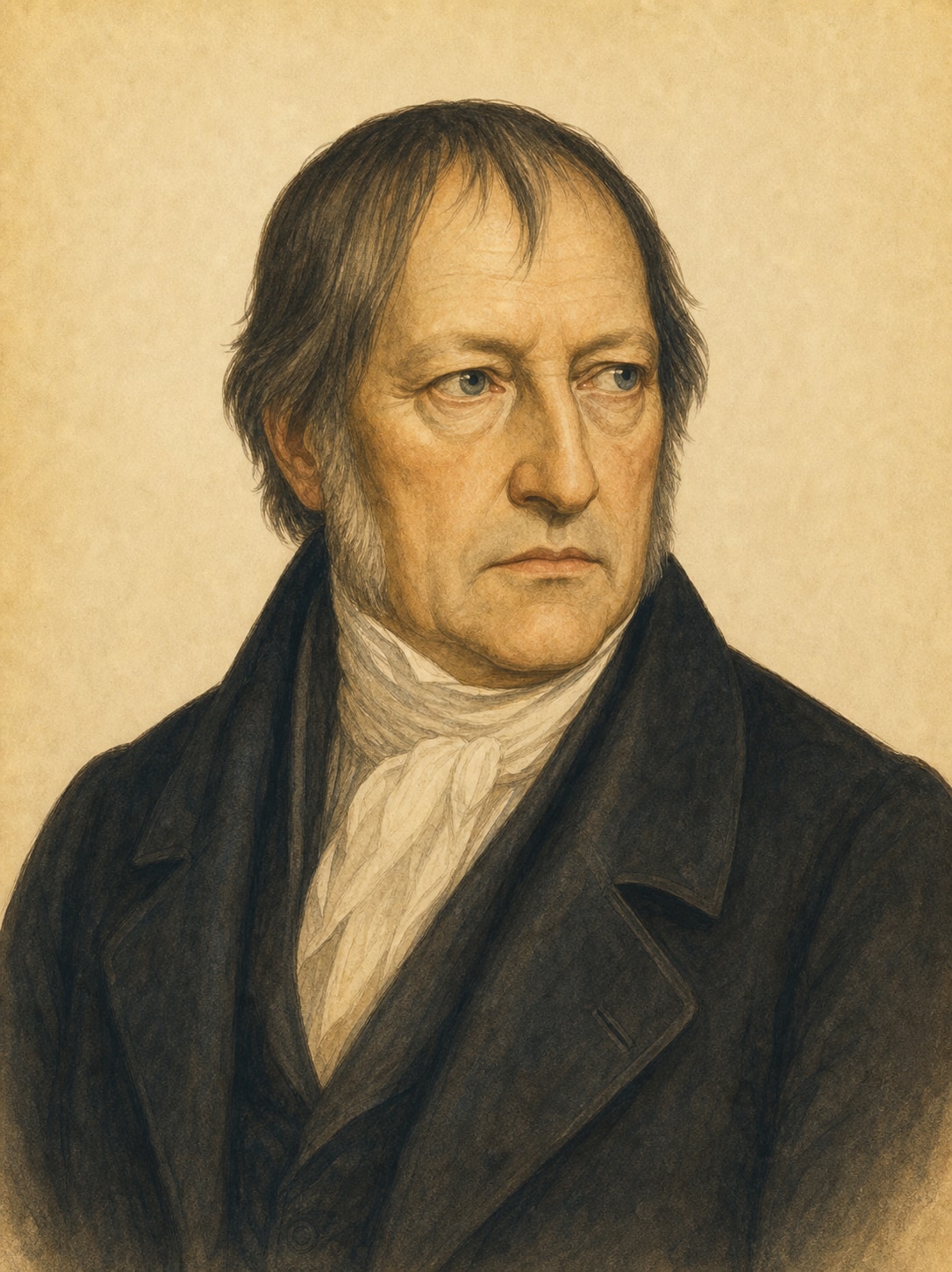
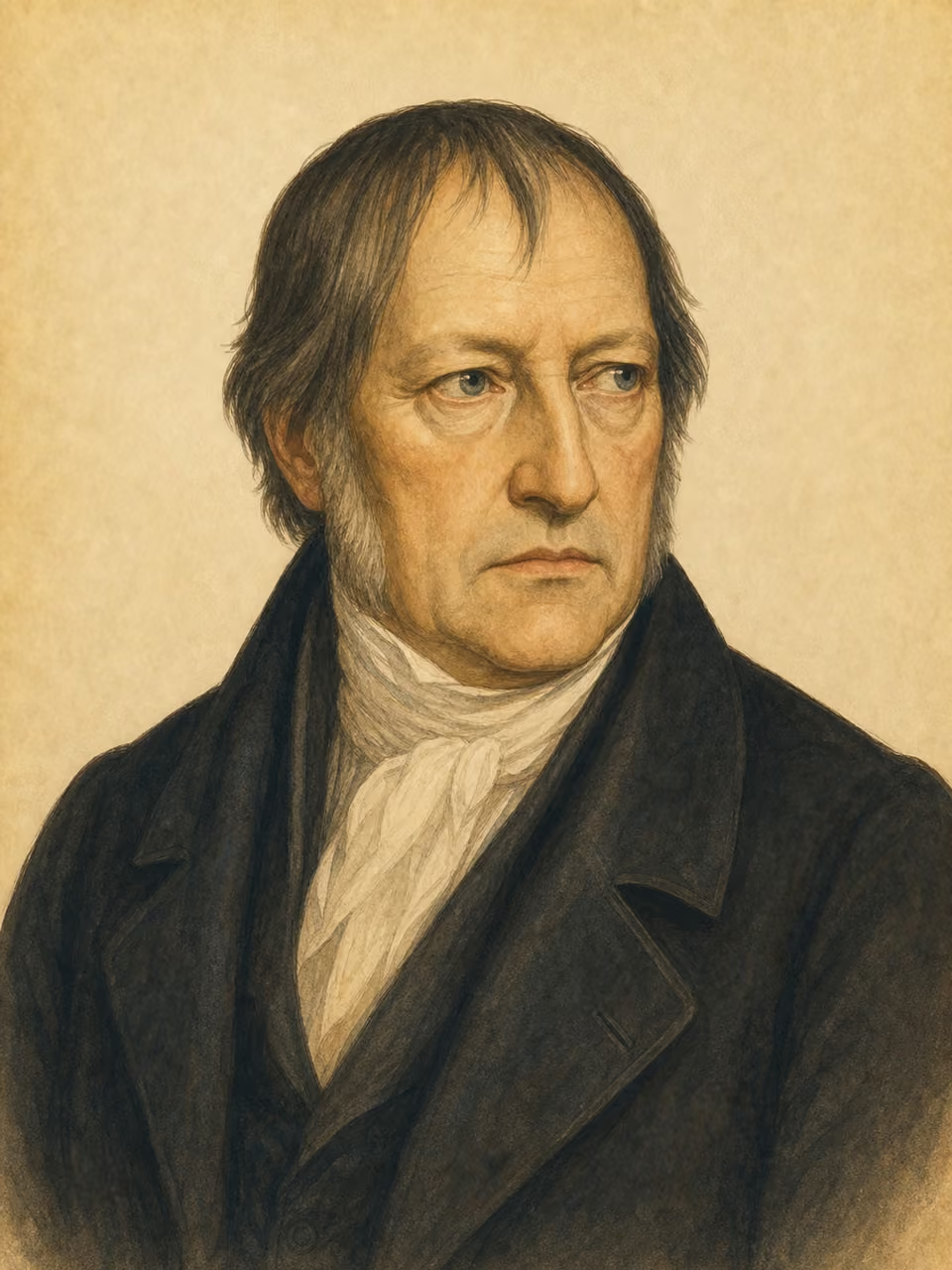
Georg Wilhelm Friedrich Hegel
historical figure in context
A philosopher representing German idealism, who systematically considered the development of history, the nation, and the spirit. It is important for understanding its influence on modern thought, philosophy of history, and Marxism. It became a key point for grasping the spread of German thought in the 19th century.
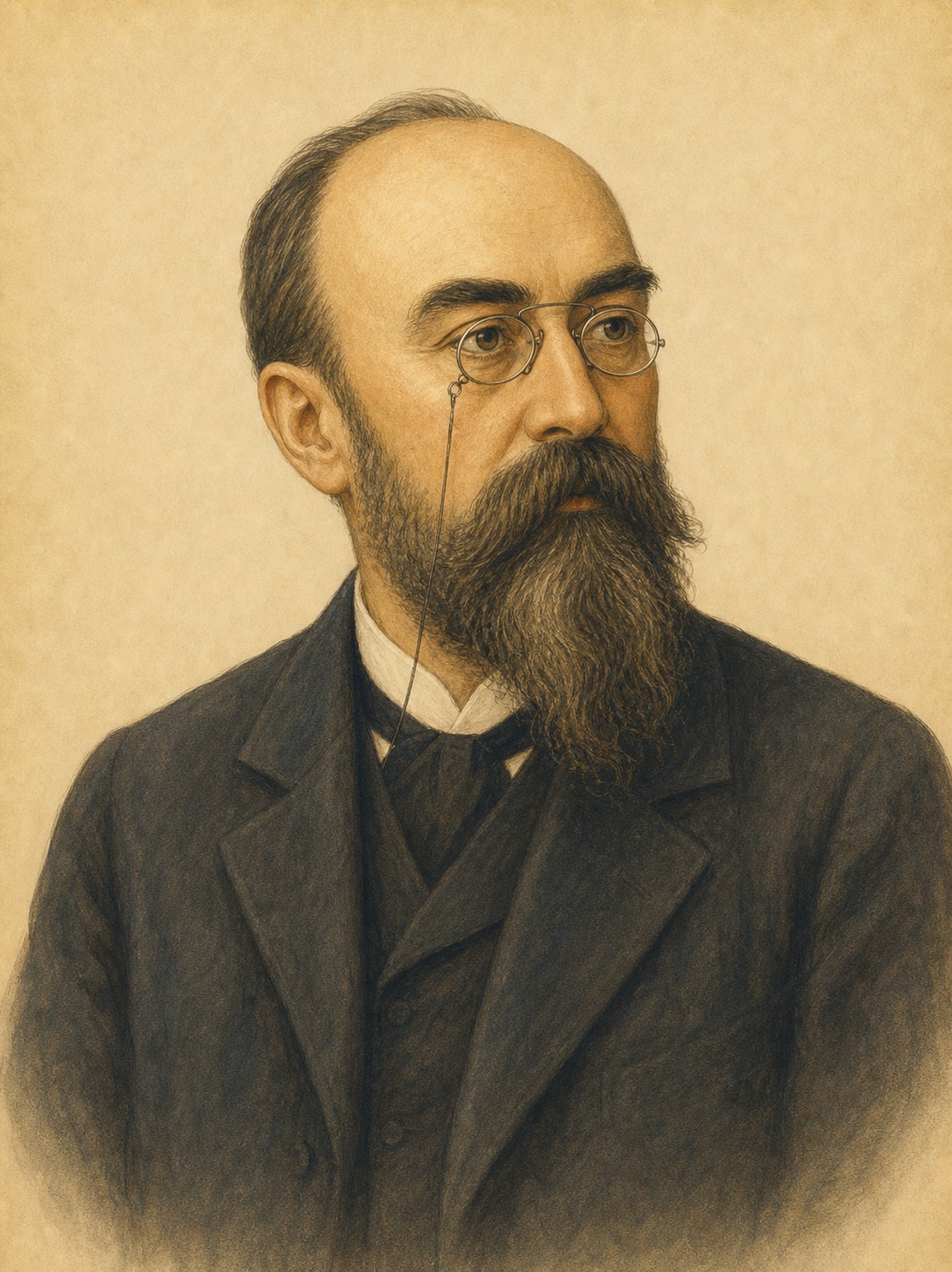
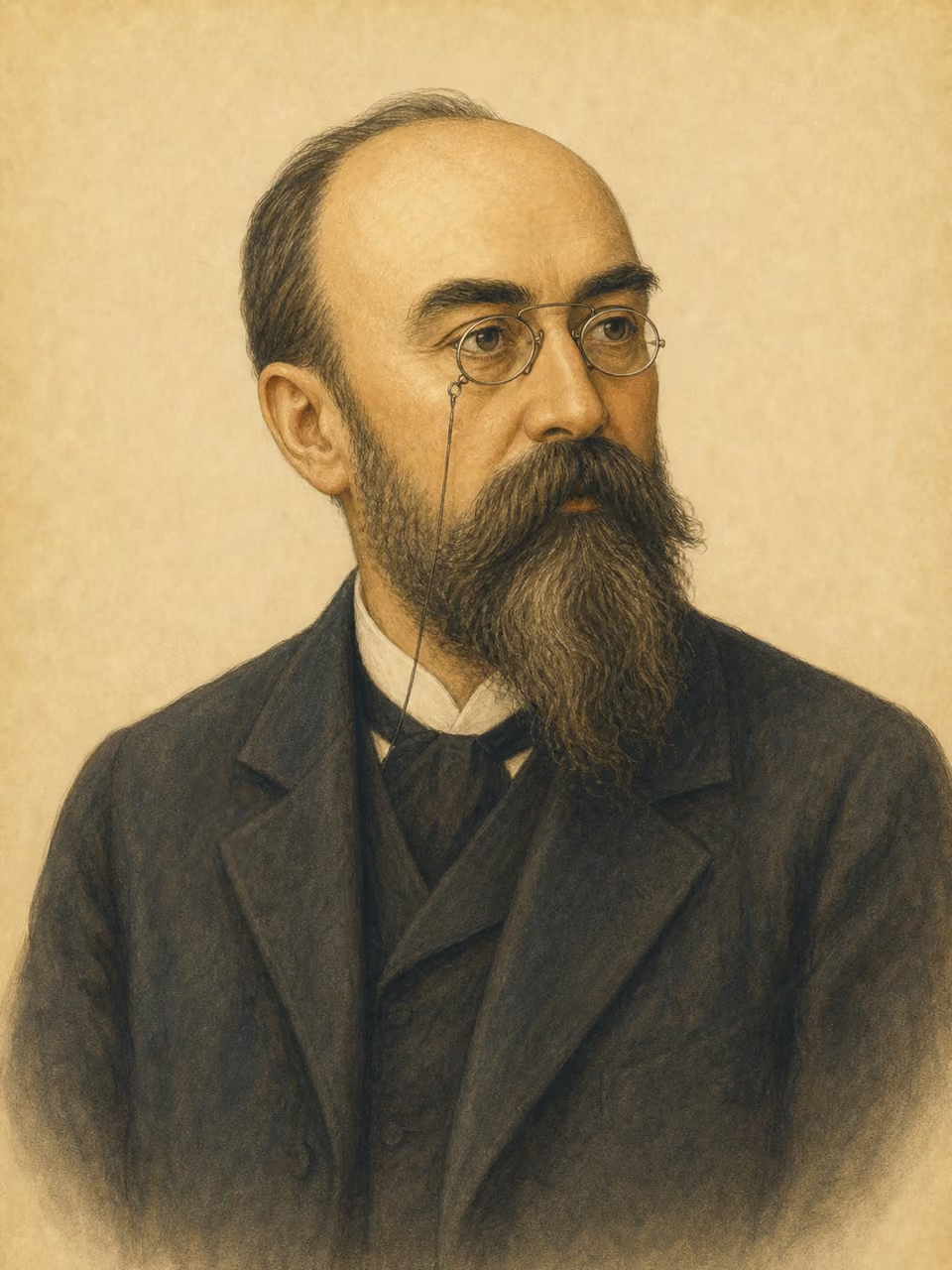
Georgi Plekhanov
historical figure in context
A Russian Marxist thinker who laid the theoretical foundations of the Russian socialist movement. It is important for understanding the transition from Narodniki to Marxism. It is indispensable when considering the theorization of revolutionary movements.
Related events
1897
Prelude
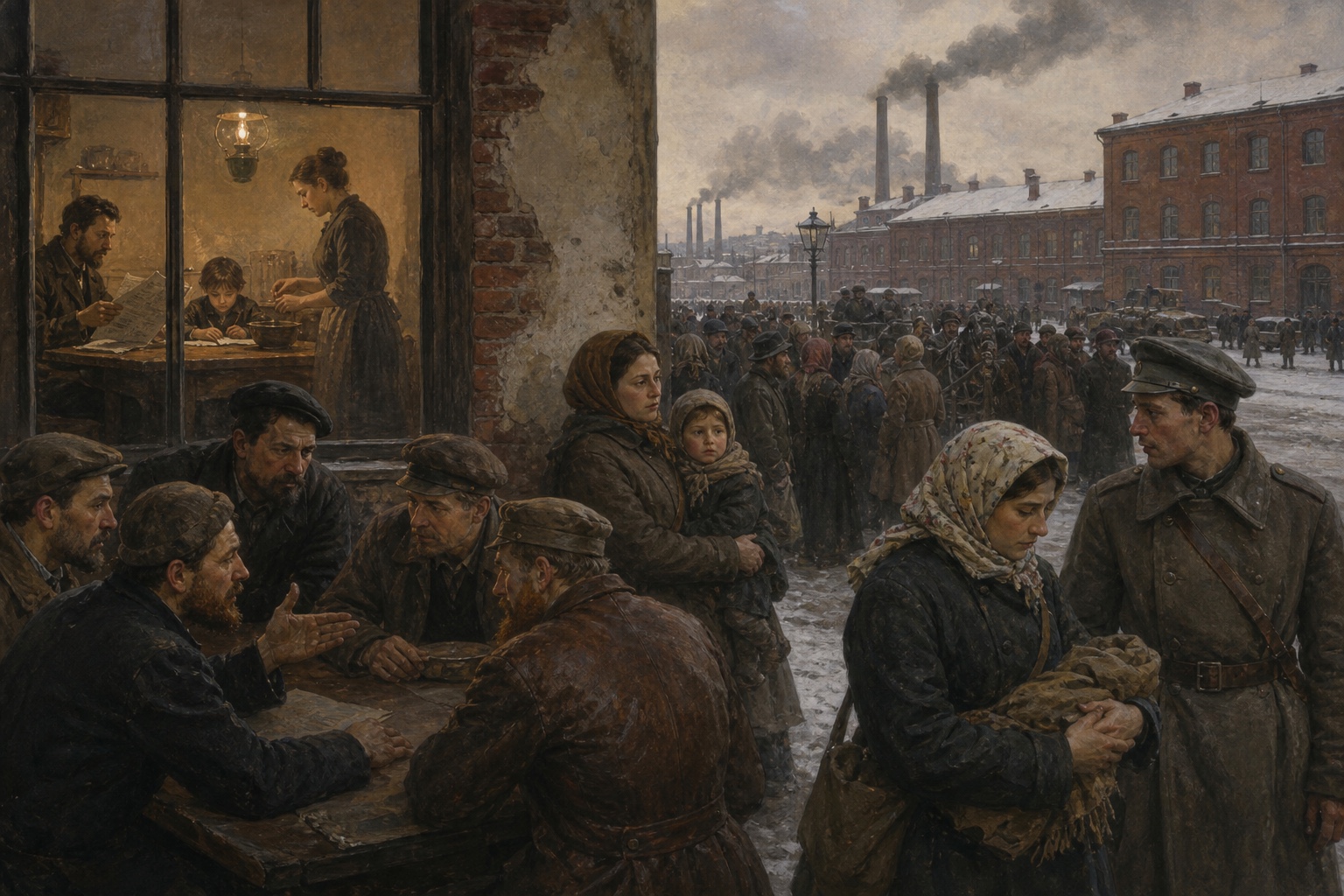
Prelude — Background: Autocratic rule, land hunger, labor conflict, national tensions, and the unfinished changes after 1905 had weakened the imperial order. The First World War multiplied military losses, inflation, food and fuel shortages, transport failures, and distrust of Tsar Nicholas II's government, while soldiers and civilians bore the costs.
c. 1916
Rising tension
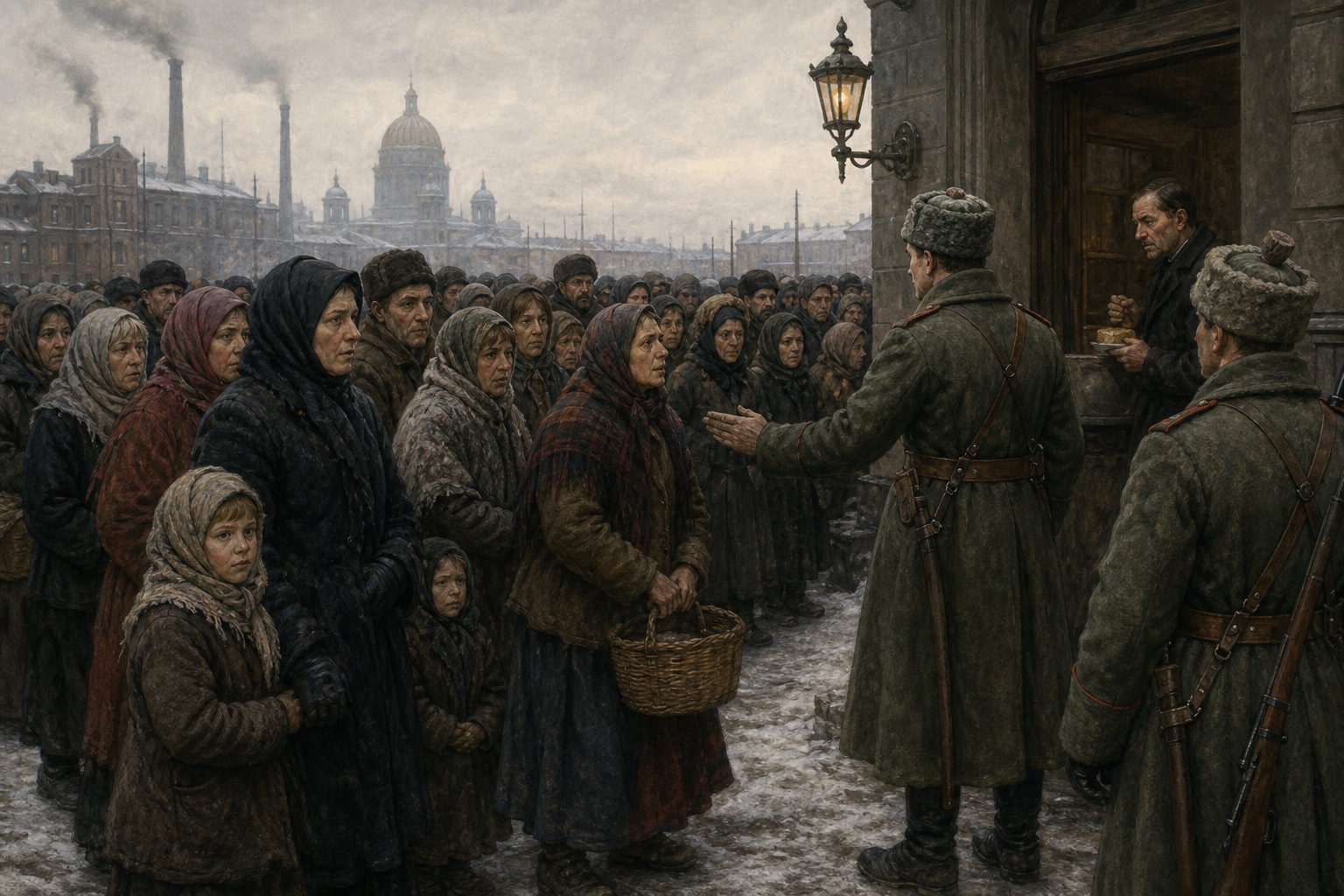
Rising tension — Build-up: Bread protests and strikes in Petrograd grew into mass demonstrations and a garrison mutiny in February; Nicholas II abdicated, and a Provisional Government shared unstable authority with workers' and soldiers' soviets. The government continued the war and delayed land reform. In October the Bolsheviks, whose support had grown around demands for peace, land, and soviet power, organized an armed transfer of power in Petrograd and displaced the Provisional Government.
1917
Russian Revolution of 1917
Current event
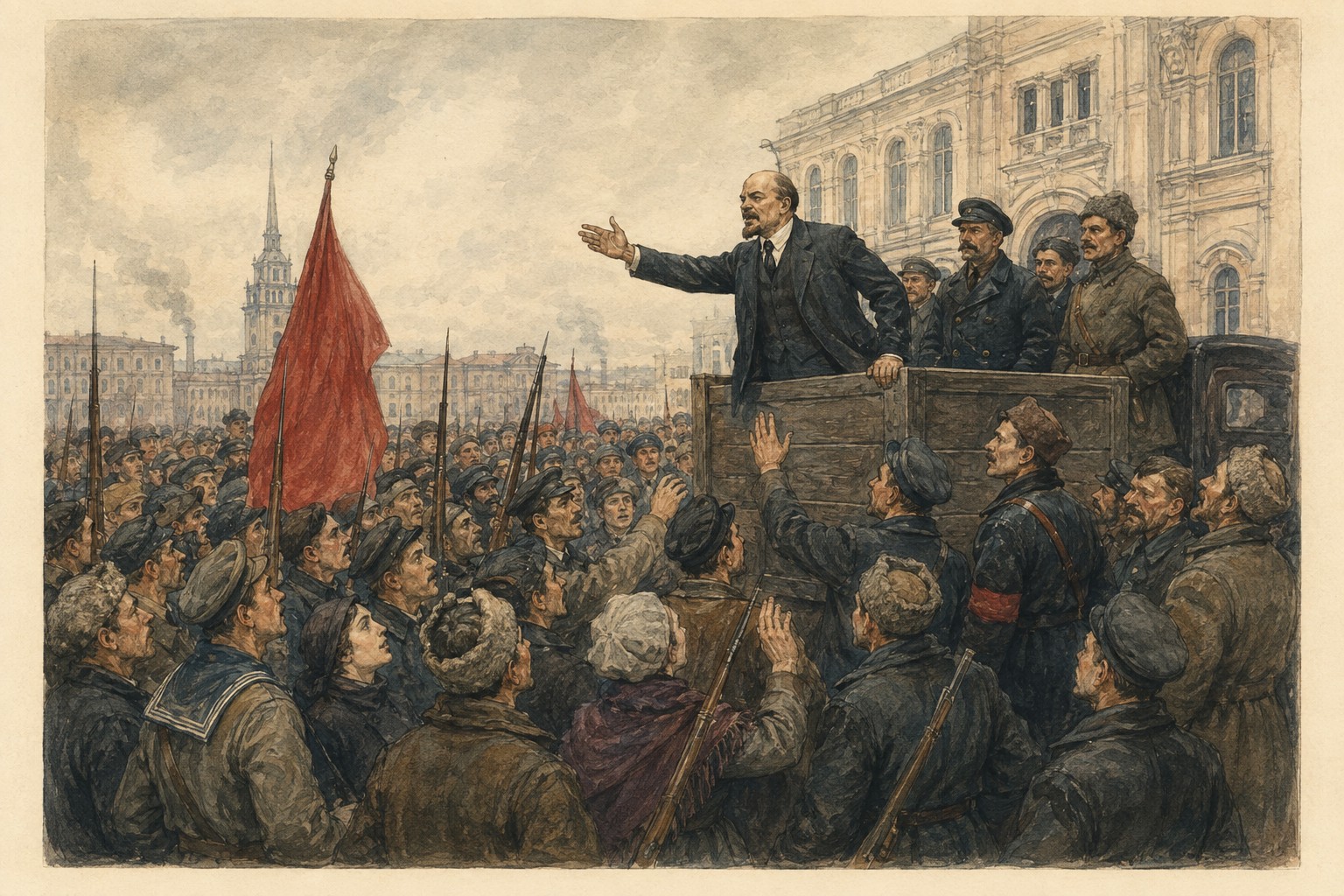
Russian Revolution of 1917 — Central transition: The two revolutionary crises of 1917 that overthrew the Russian monarchy in February and brought the Bolsheviks to power in October, using the Gregorian calendar.
c. 1918
Immediate aftermath
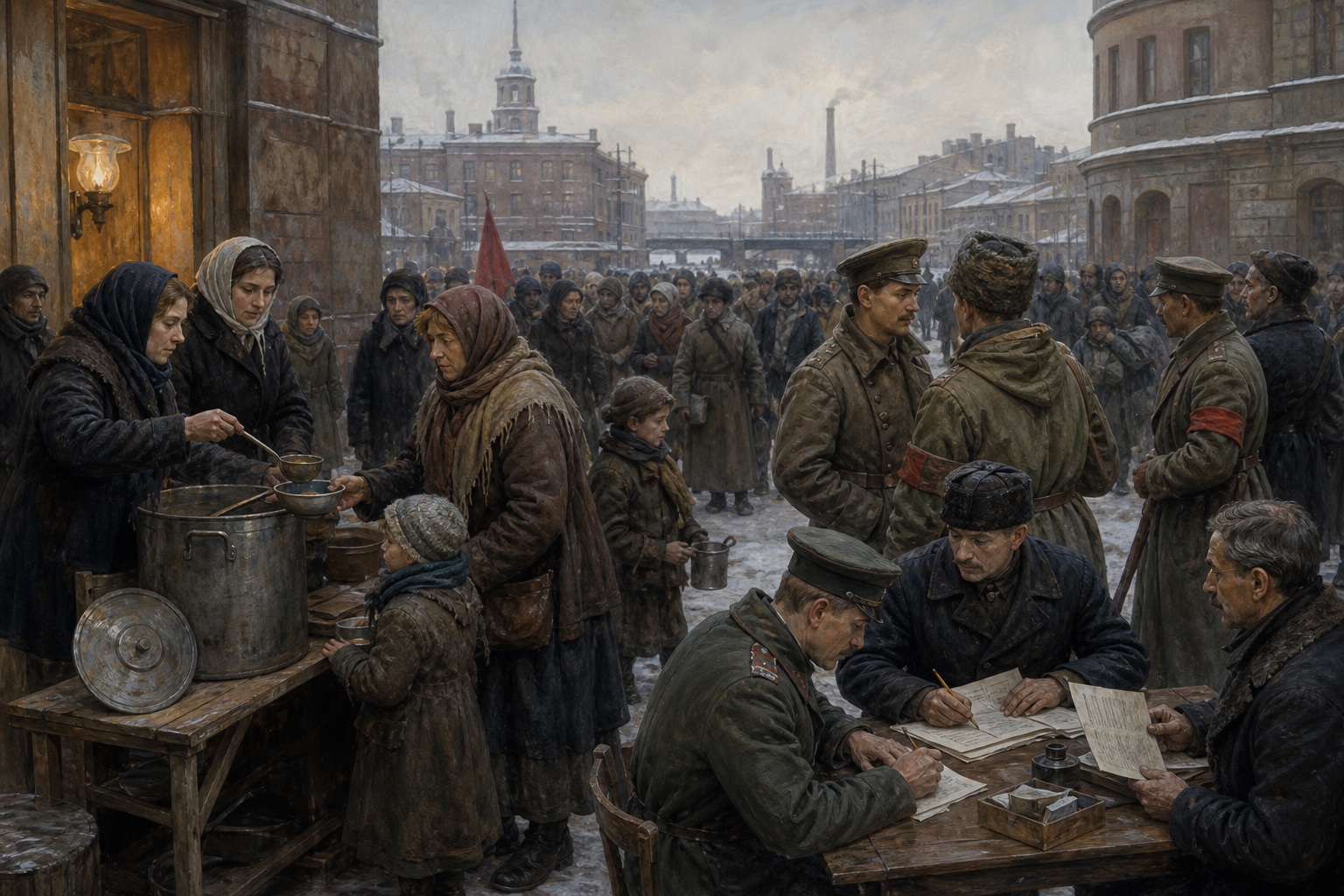
Immediate aftermath — Immediate result: The new government issued decrees on peace and land and began withdrawing Russia from the war. It dispersed the elected Constituent Assembly in January 1918, while resistance to Bolshevik rule, national independence movements, foreign intervention, and competing armies developed into civil war. Thus 1917 ended monarchy but did not immediately settle the form or territorial reach of the new state.
c. 1927
Long-term significance
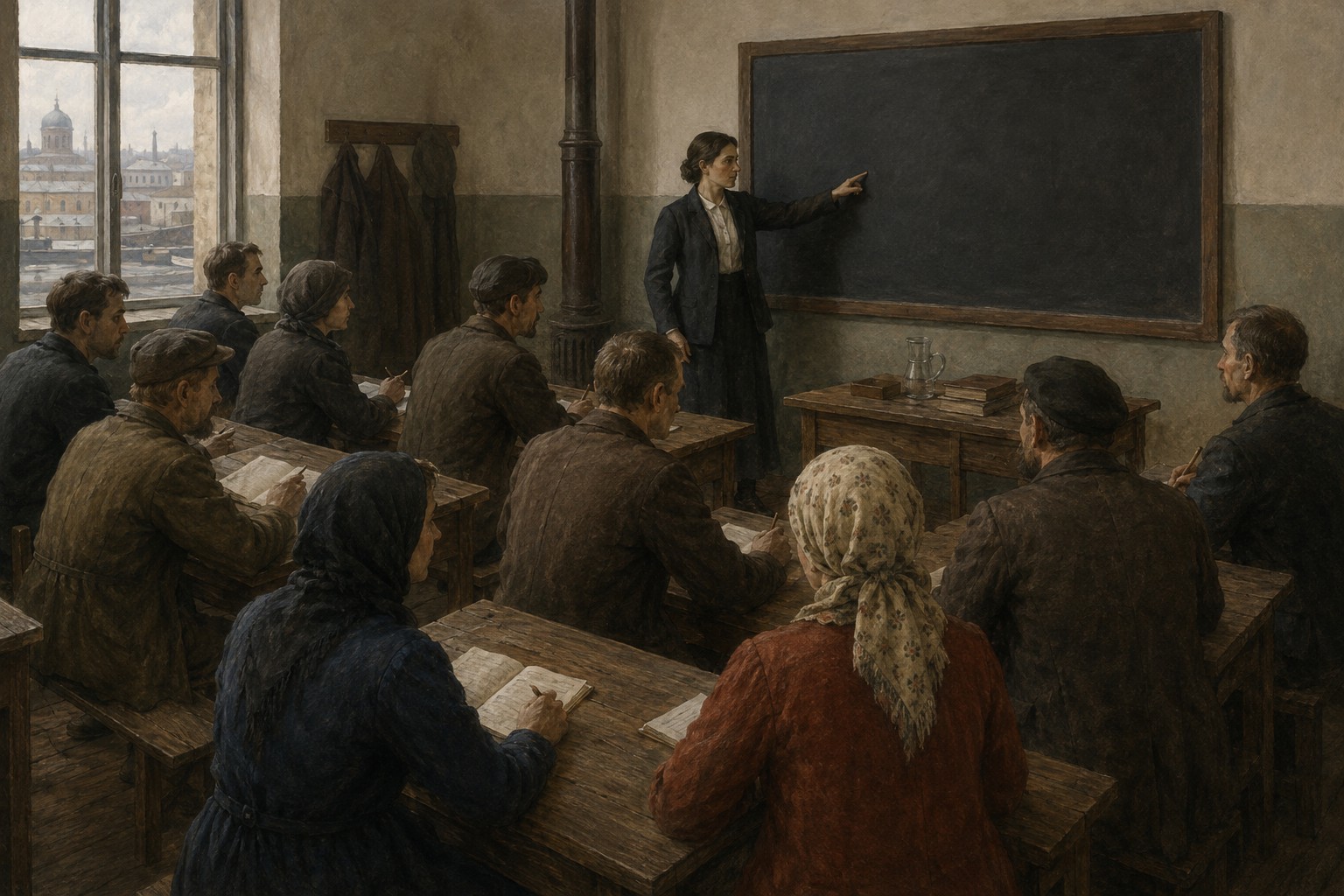
Long-term significance — Long-term significance: The revolutions transformed the First World War and opened the path to the Soviet state, while inspiring socialist and anticolonial movements and provoking powerful opposition worldwide. Treating February and October as one seamless event hides competing popular projects, the Provisional Government, soviets, women workers, soldiers, peasants, and non-Russian peoples who acted for different goals.


Sources
- Russian Revolution of 1917 — What Was The February Revolution (Iwm)iwm.org.ukThis Iwm resource supports the chronology, setting, and course of Russian Revolution of 1917.
- Russian Revolution of 1917 — Civil War (Warwick)warwick.ac.ukThis Warwick resource supports the chronology, setting, and course of Russian Revolution of 1917.
- Russian Revolution of 1917 — Intn (Library of Congress)loc.govThis Library of Congress resource supports the chronology, setting, and course of Russian Revolution of 1917.