Second World War
1939–1945
The 1939–1945 global war in which the Axis powers fought the Allies across Europe, Africa, Asia, the Pacific, and the world's oceans, amid occupation, genocide, and mass civilian mobilization.

- Period
- 1939–1945
- Kind
- War
- Regions
- Europe, East Asia, Southeast Asia, South Asia, Africa, Middle East, North America, Oceania
- Keywords
- Second World War · background · course · outcome
Follow the story · Four stages
Background
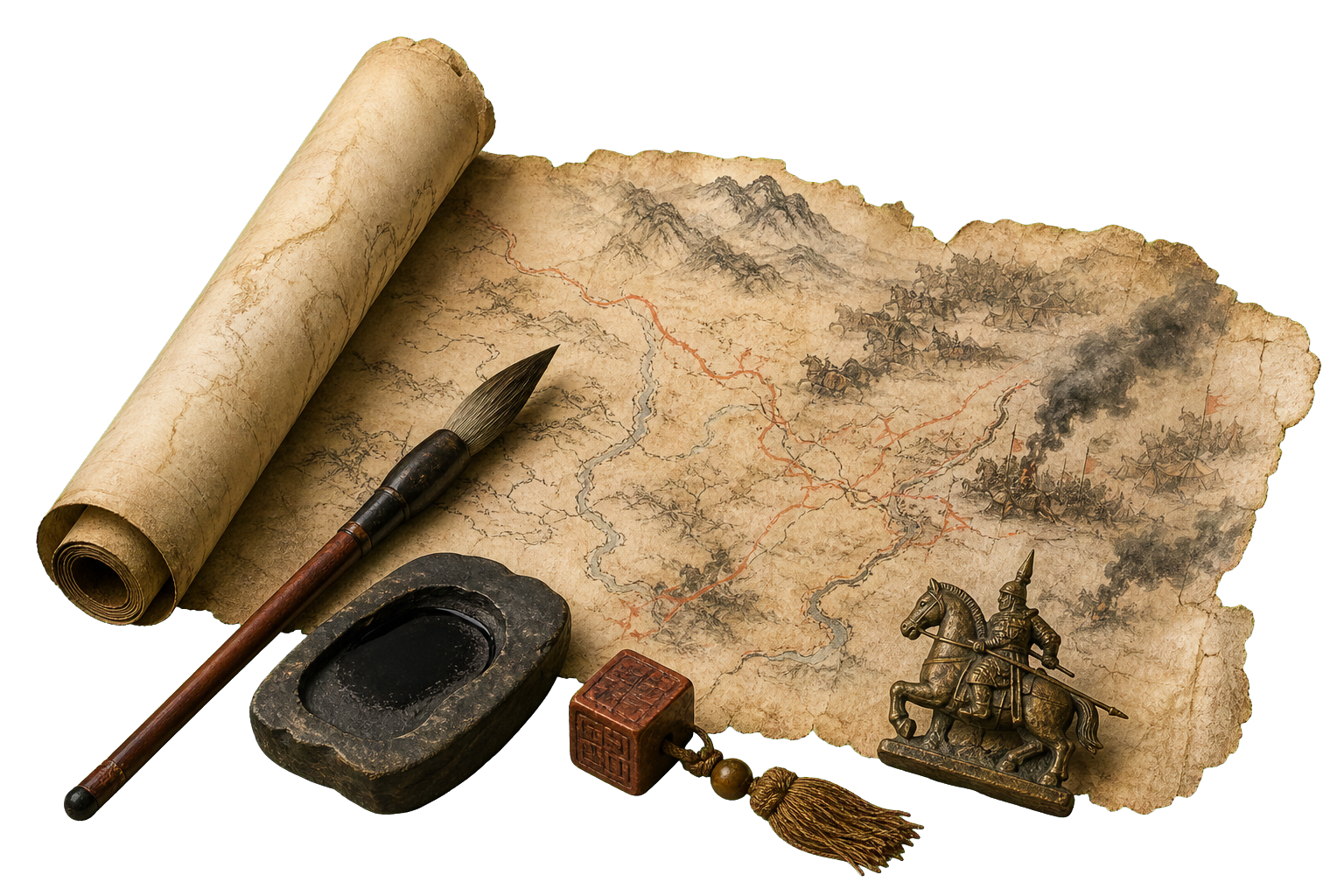
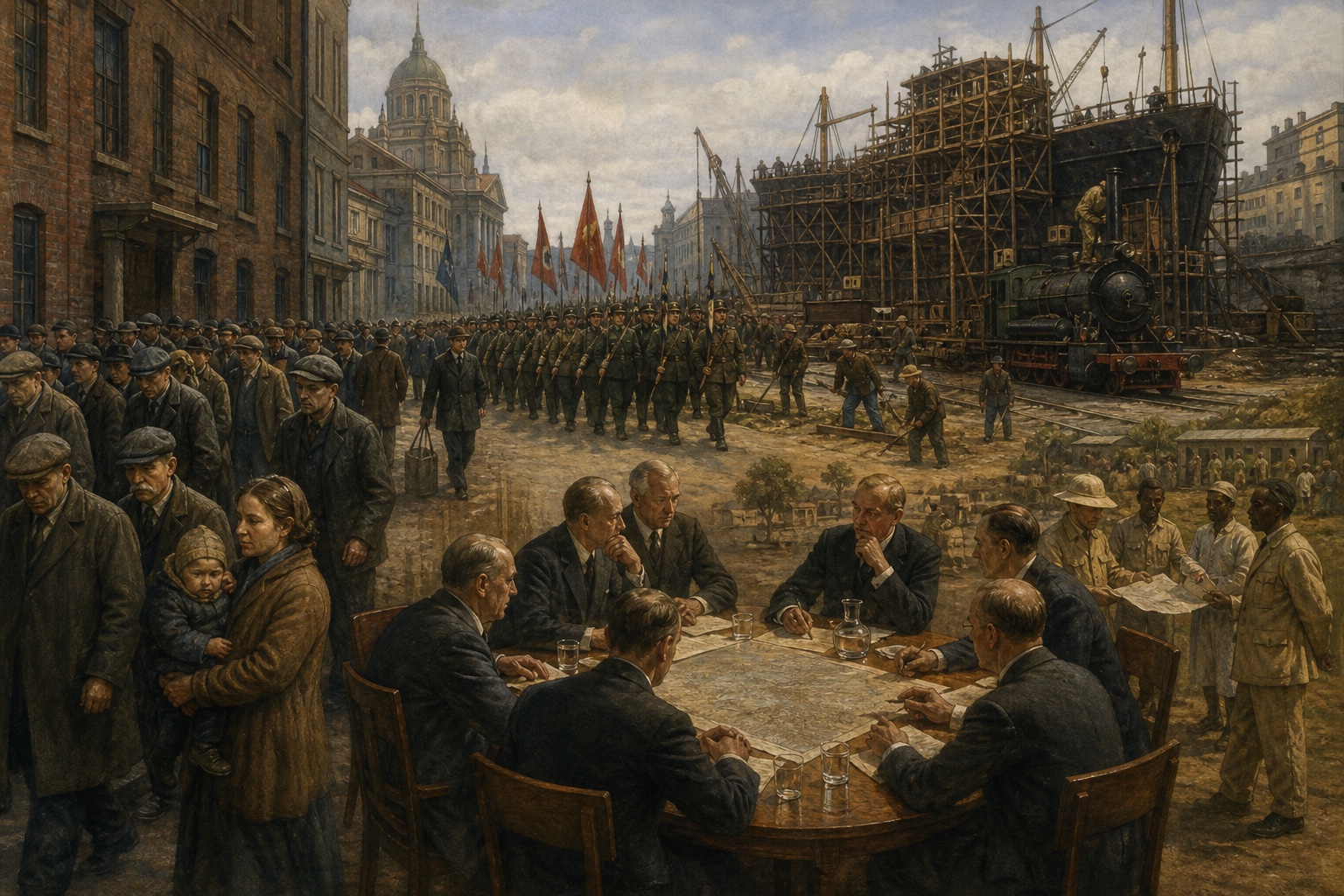
The unsettled consequences of the First World War and the Great Depression aided radical politics but did not make a new war inevitable. Nazi Germany, Fascist Italy, and Imperial Japan pursued conquest and racial or imperial domination; weak collective security and concessions to aggression failed to stop them. Japan's full-scale war in China from 1937 formed the immediate Asia-Pacific prehistory of the 1939–1945 global frame.
- The unsettled consequences of the First World War and the Great Depression aided radical politics but did not make a new war inevitable.
- Nazi Germany, Fascist Italy, and Imperial Japan pursued conquest and racial or imperial domination; weak collective security and concessions to aggression failed to stop them.
- Japan's full-scale war in China from 1937 formed the immediate Asia-Pacific prehistory of the 1939–1945 global frame.
Course
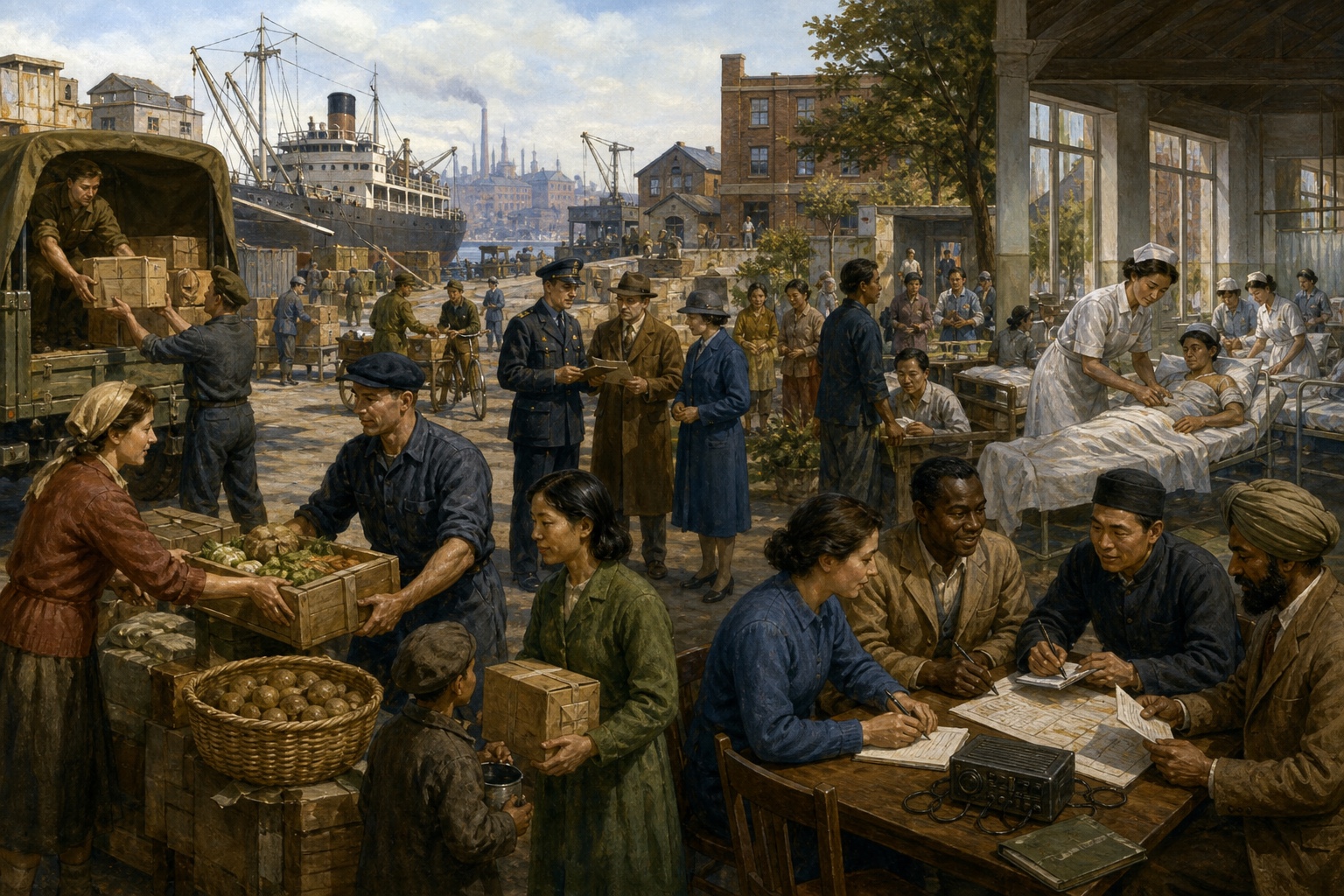
Germany invaded Poland in September 1939, overran much of Europe, and attacked the Soviet Union in 1941; Nazi Germany and collaborators carried out the Holocaust and other mass murder under cover of war and occupation. Japan attacked Pearl Harbor and European and American possessions in December 1941, joining the European and Asia-Pacific wars more tightly. Campaigns in China, Southeast Asia, the Pacific, North and East Africa, the Middle East, and Europe depended on millions of colonial and dominion soldiers and laborers as well as Soviet, Chinese, American, and other forces.
- Germany invaded Poland in September 1939, overran much of Europe, and attacked the Soviet Union in 1941; Nazi Germany and collaborators carried out the Holocaust and other mass murder under cover of war and occupation.
- Japan attacked Pearl Harbor and European and American possessions in December 1941, joining the European and Asia-Pacific wars more tightly.
- Campaigns in China, Southeast Asia, the Pacific, North and East Africa, the Middle East, and Europe depended on millions of colonial and dominion soldiers and laborers as well as Soviet, Chinese, American, and other forces.
Outcome
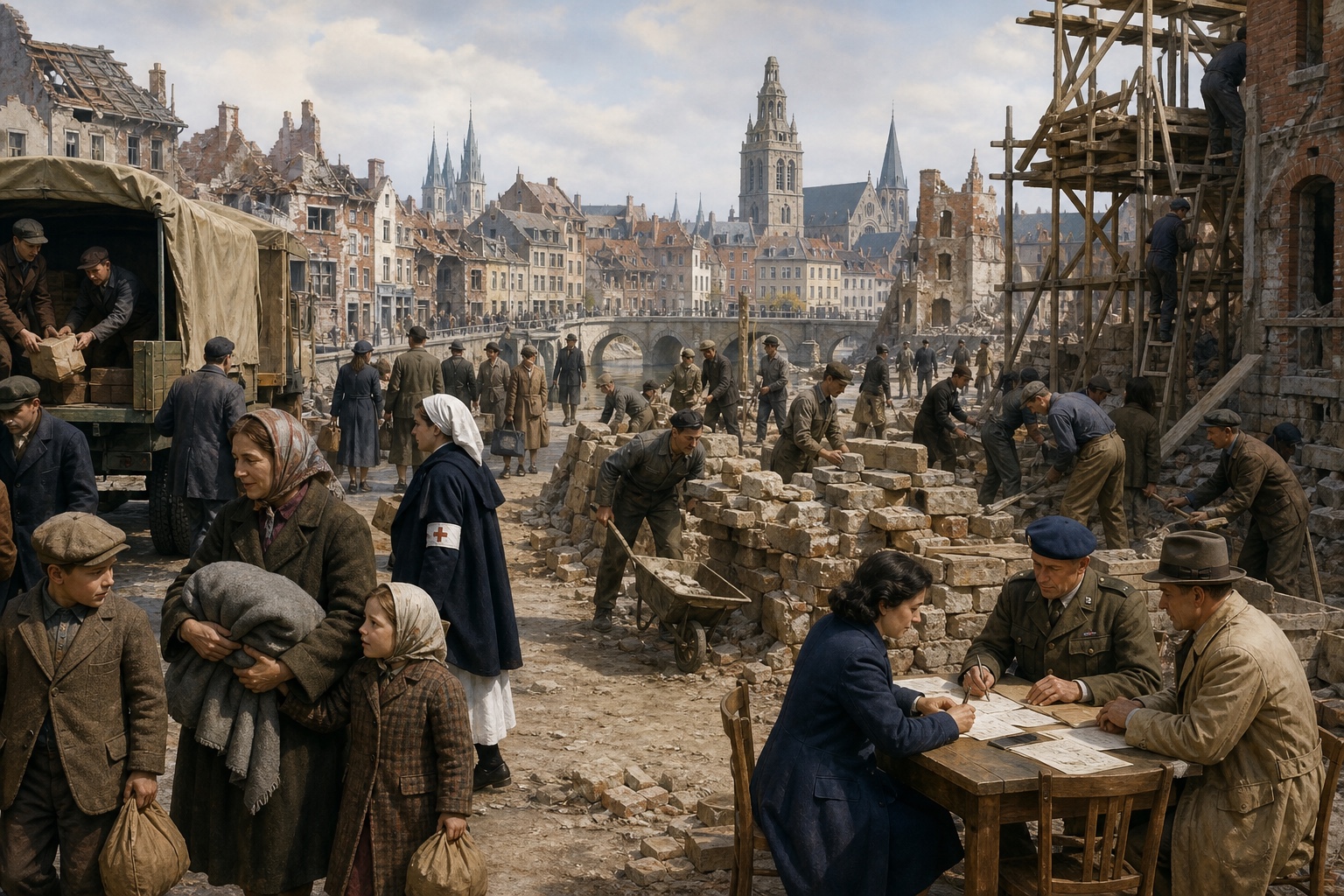
Germany surrendered in May 1945, but fighting continued in Asia and the Pacific. The United States used atomic bombs against Hiroshima and Nagasaki, the Soviet Union entered the war against Japan, and Japan announced surrender in August before signing it formally on 2 September. The war killed tens of millions, displaced still more, destroyed the Axis regimes, and left occupation, war-crimes trials, refugee crises, and reconstruction.
- Germany surrendered in May 1945, but fighting continued in Asia and the Pacific.
- The United States used atomic bombs against Hiroshima and Nagasaki, the Soviet Union entered the war against Japan, and Japan announced surrender in August before signing it formally on 2 September.
- The war killed tens of millions, displaced still more, destroyed the Axis regimes, and left occupation, war-crimes trials, refugee crises, and reconstruction.
Historical significance
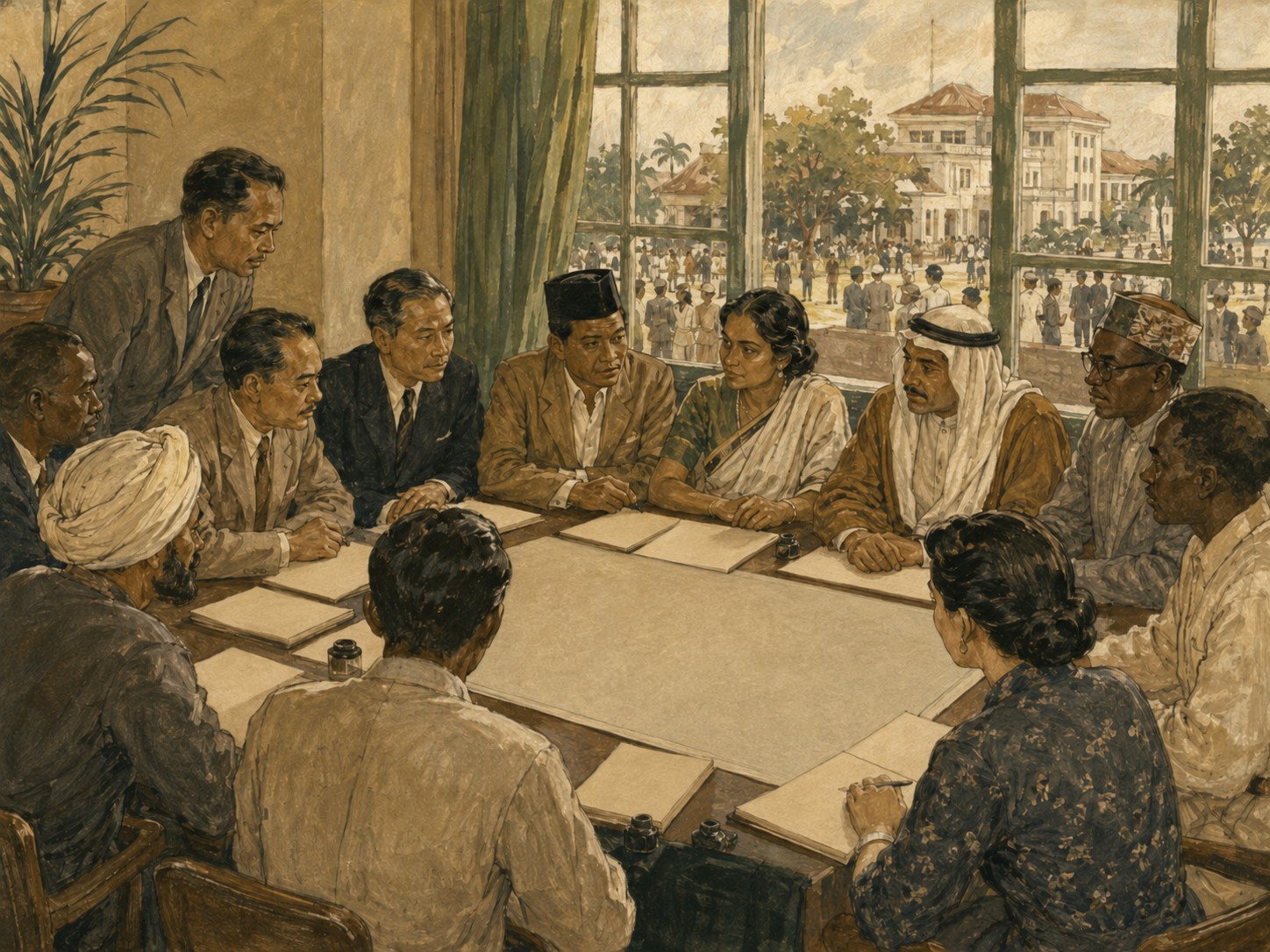
The conflict accelerated the decline of European empires, strengthened the United States and Soviet Union, and led to the United Nations and a nuclear age. Colonial troops and Asian and African societies bore central burdens while wartime promises and Japanese defeat opened new independence struggles. Bandung's 1955 delegates responded to this postwar world, although decolonization arose through local movements and conflicts rather than from the war alone.
- The conflict accelerated the decline of European empires, strengthened the United States and Soviet Union, and led to the United Nations and a nuclear age.
- Colonial troops and Asian and African societies bore central burdens while wartime promises and Japanese defeat opened new independence struggles.
- Bandung's 1955 delegates responded to this postwar world, although decolonization arose through local movements and conflicts rather than from the war alone.


Related figures
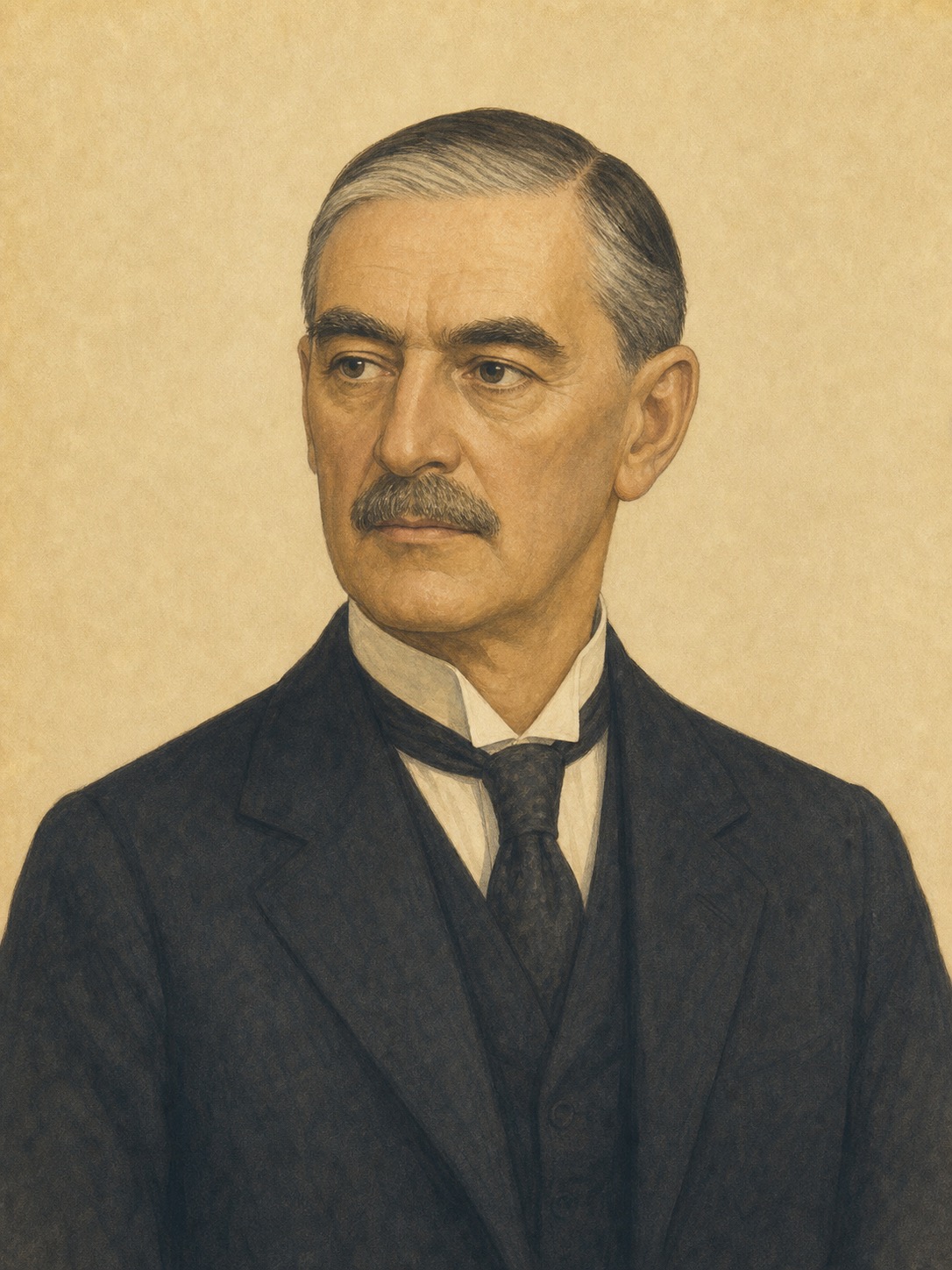
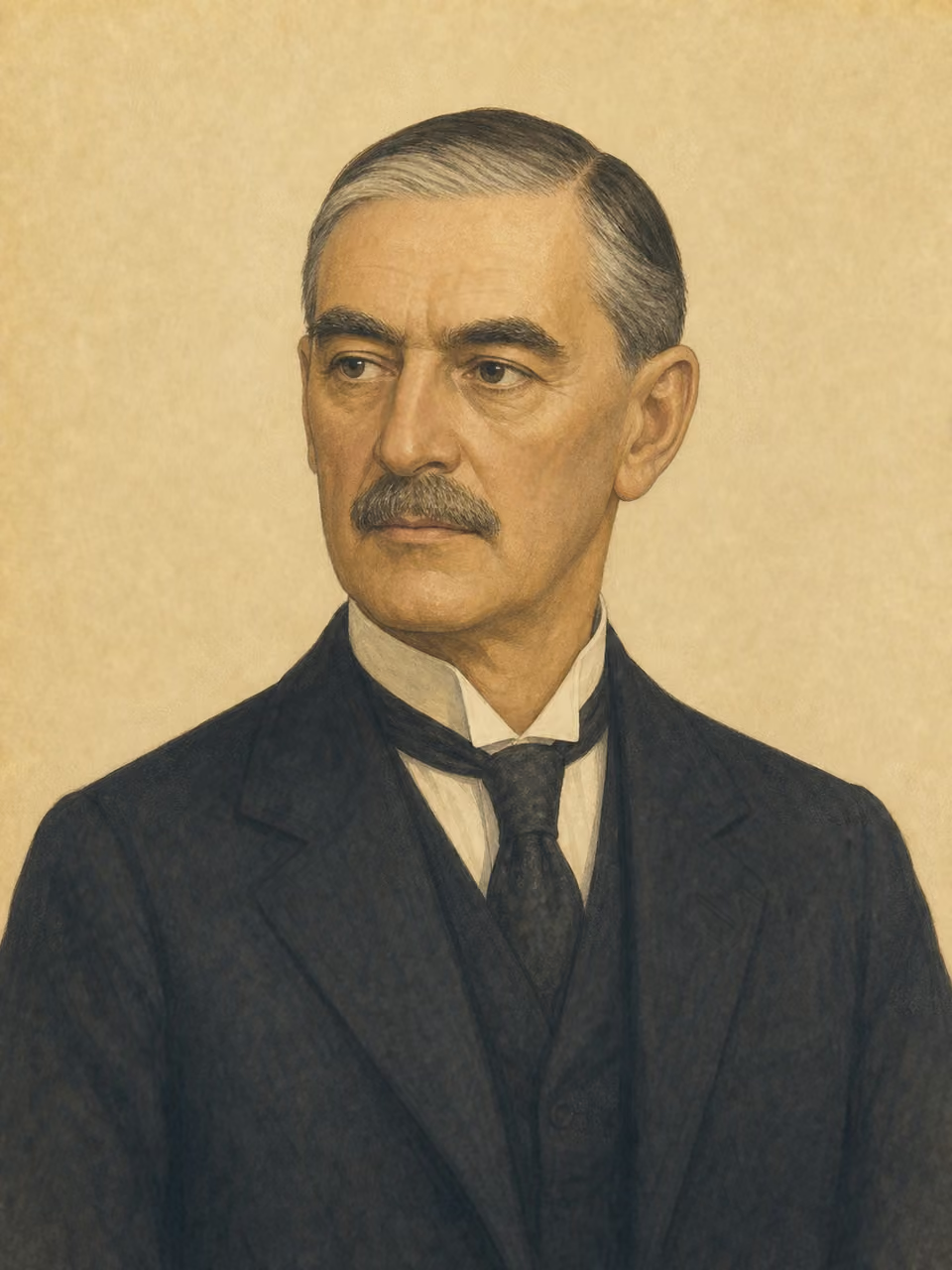
Neville Chamberlain
historical figure in context
British Prime Minister, known for his appeasement policy before World War II. Attempts were made to avert war through the Munich Conference, but they were unable to stop Nazi expansion. He is an important figure in thinking about interwar diplomacy.
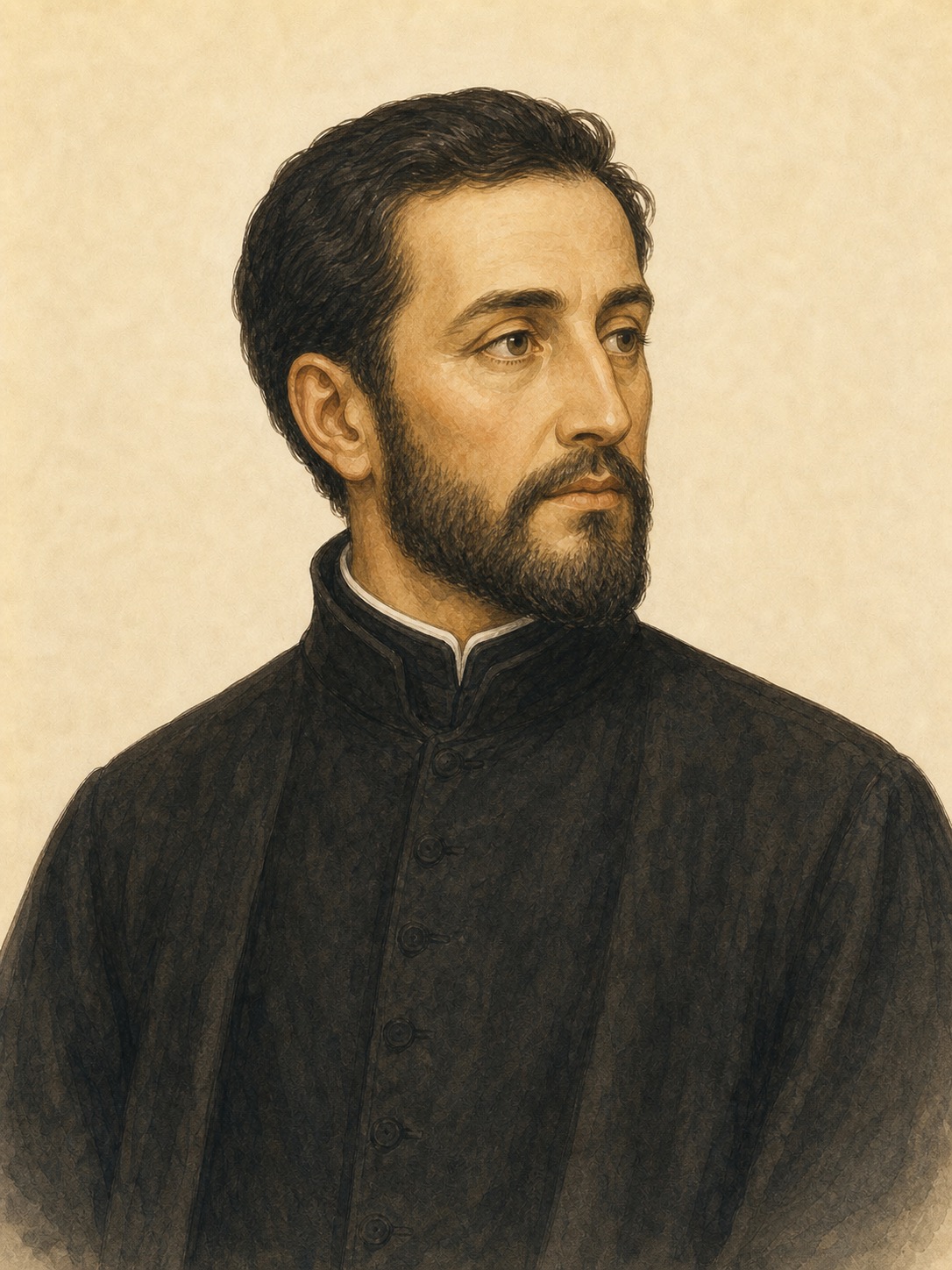
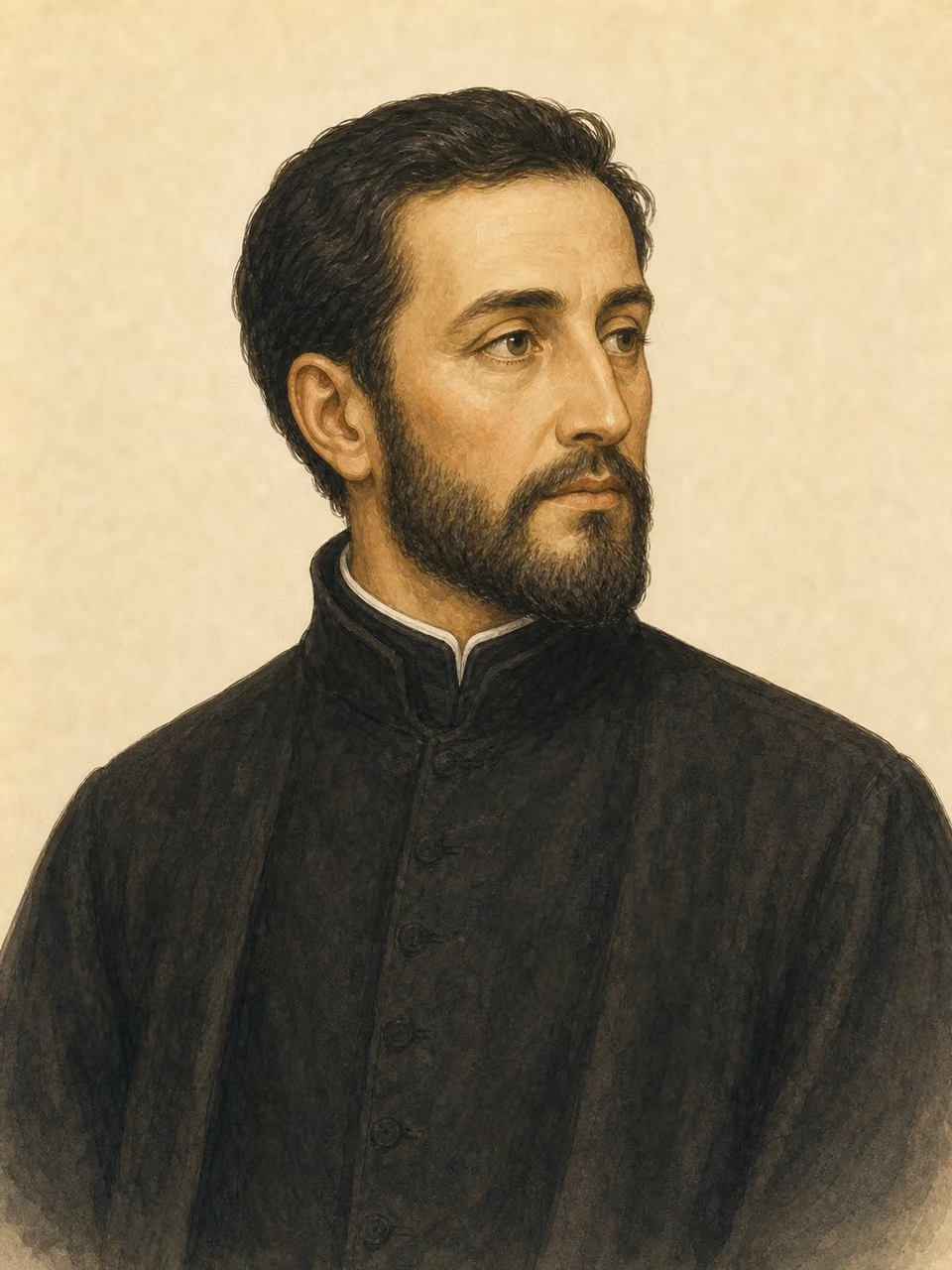
Francis Xavier
historical figure in context
Jesuit missionary. He preached in India, Japan, and elsewhere, becoming a representative figure in the expansion of Catholic missions in Asia. He shows the world-historical change in which movement during the Age of Exploration became linked to Christian mission.
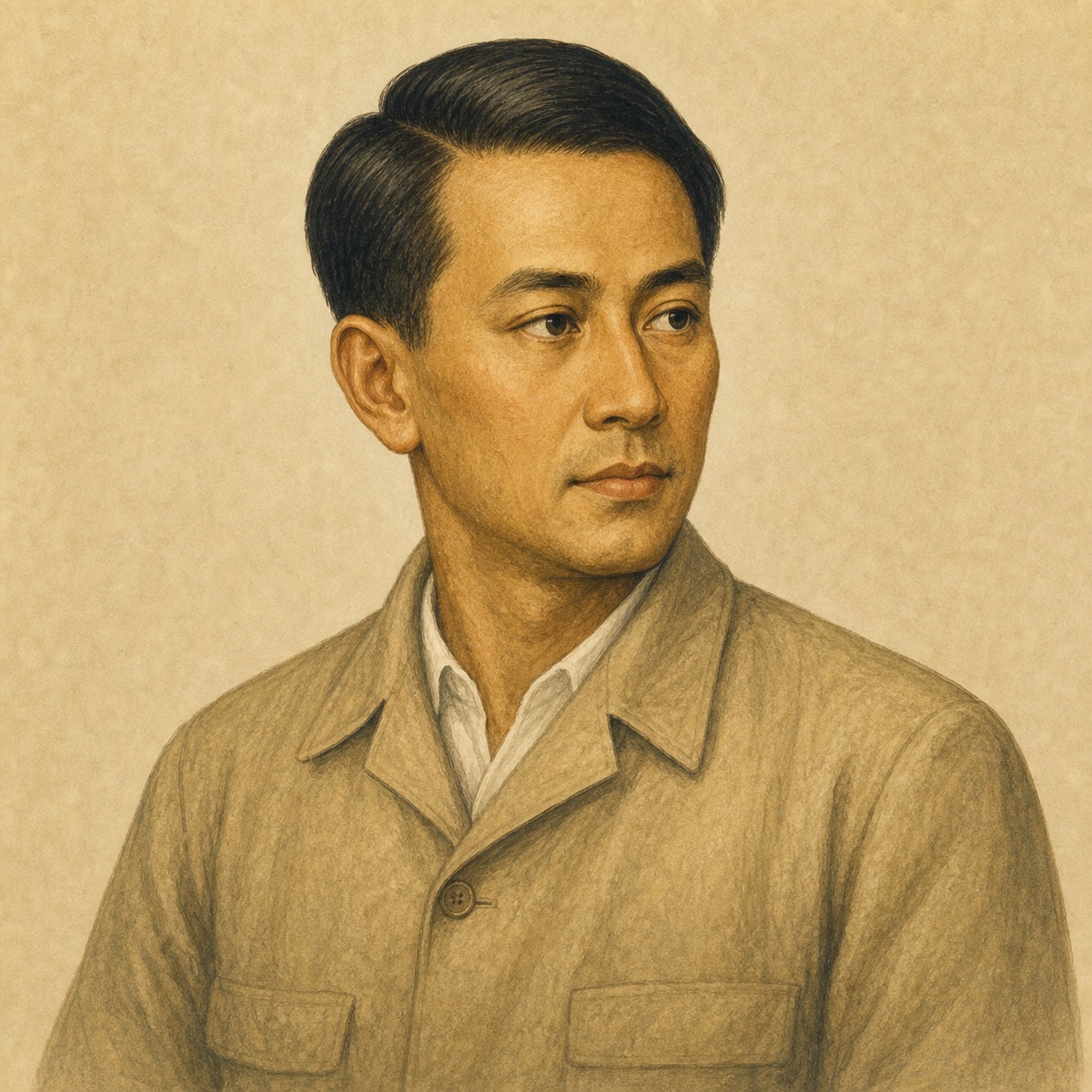
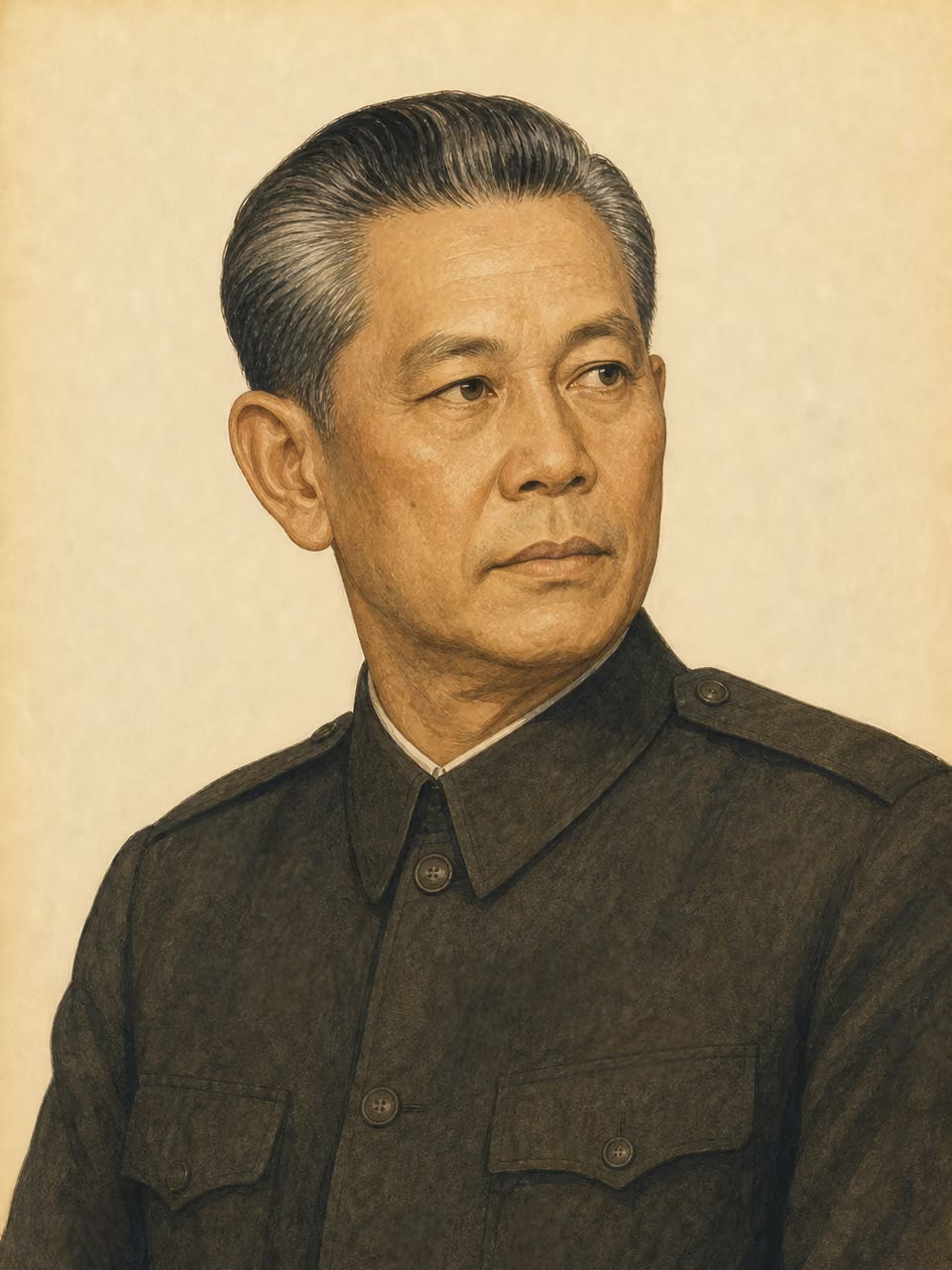
Aung San
historical figure in context
Leader of the Burmese independence movement. Through cooperation and confrontation with the Japanese military, they proceeded with post-war independence negotiations. He is an important figure in thinking about the decolonization of Southeast Asia.
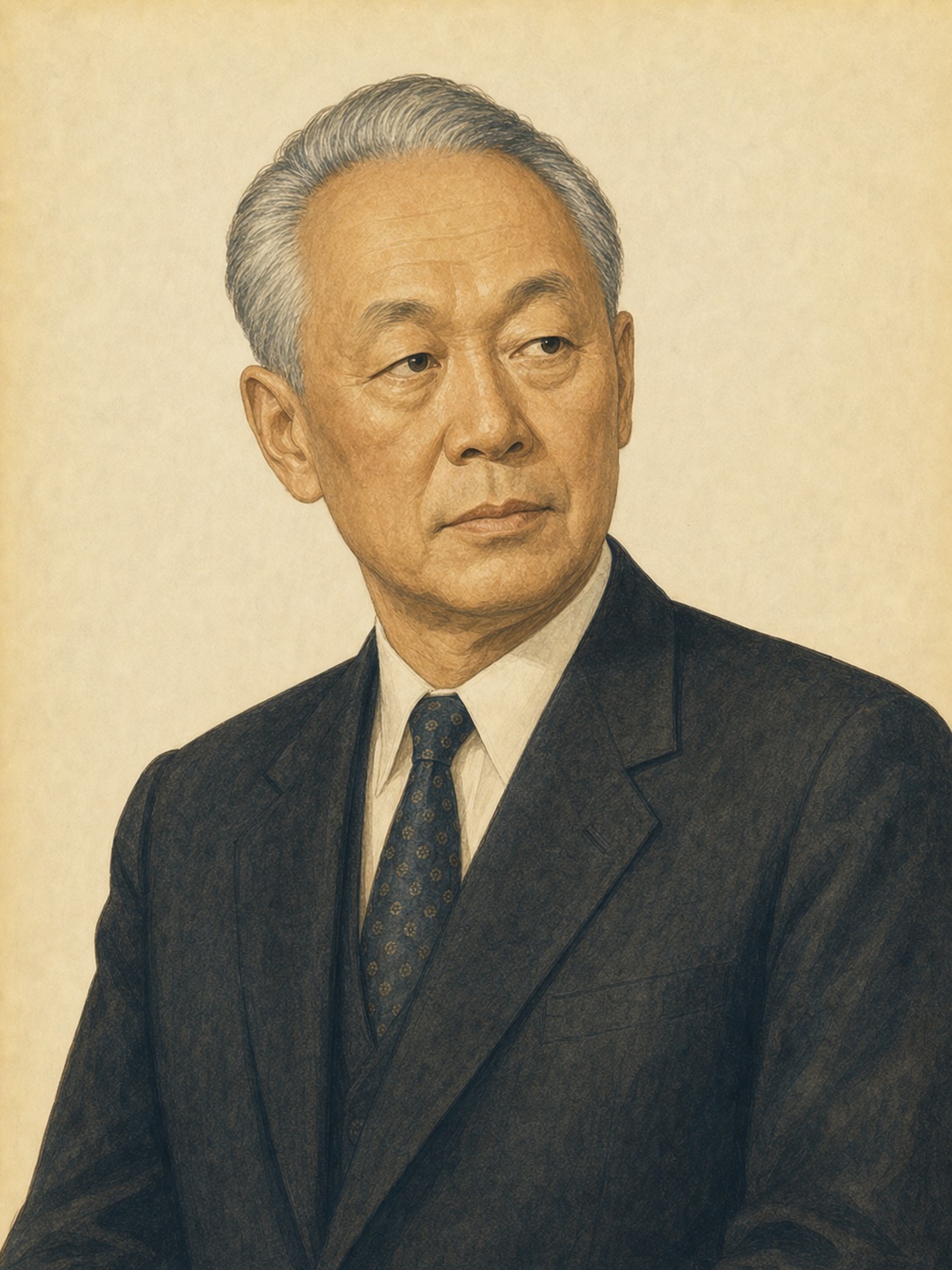
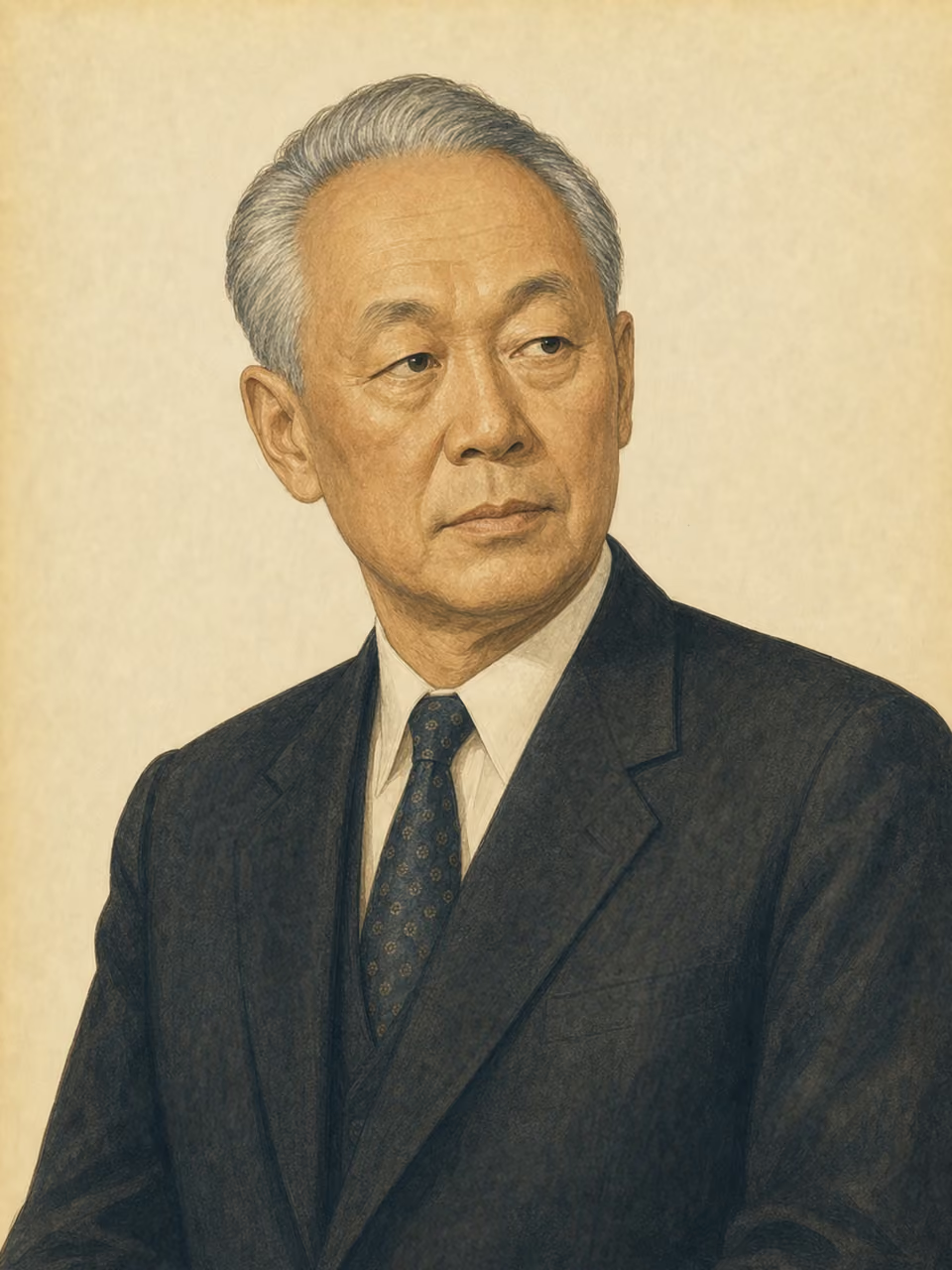
Lee Kuan Yew
historical figure in context
Singaporean politician. As the first prime minister after independence, he helped develop the city-state's economy and established a strong governance system. He is a person who thinks about developing countries in Southeast Asia.
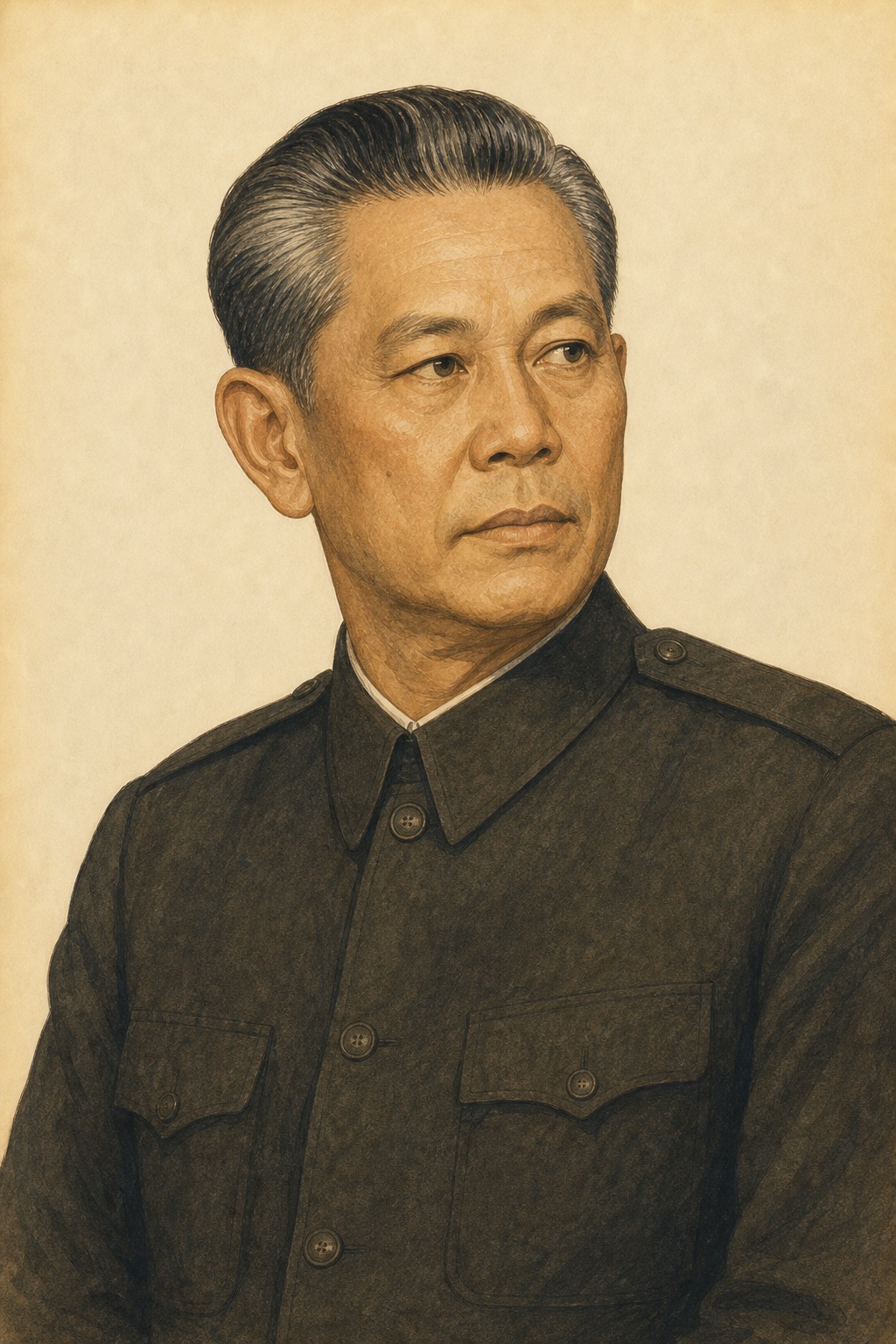
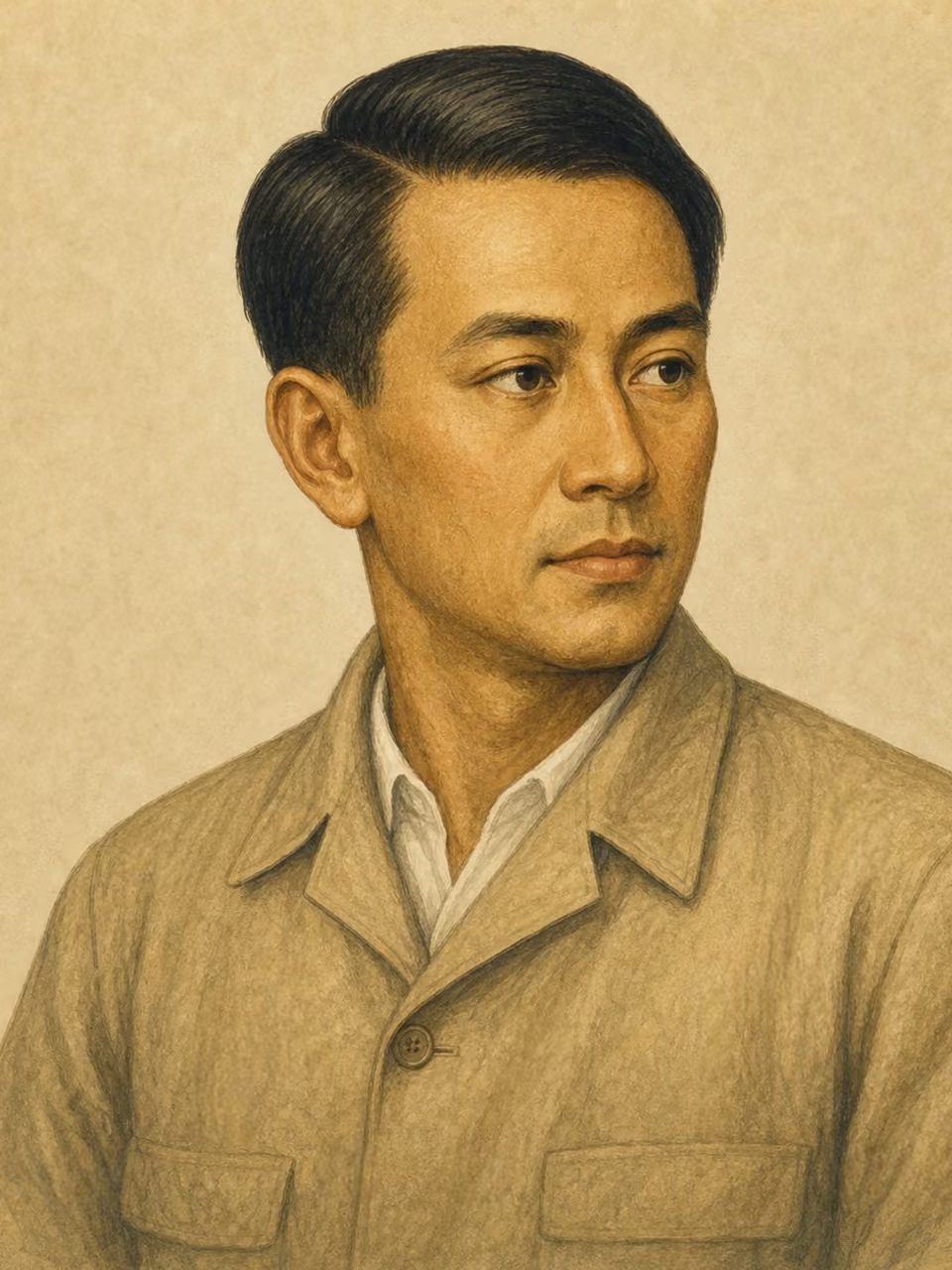
Lon Nol
historical figure in context
Cambodian military officer and politician. He established the Khmer Republic by eliminating Sihanouk and assumed power during the expansion of the Vietnam War and the Cambodian Civil War. He is a person who thinks about Southeast Asia during the Cold War.
Related events
1919
Prelude
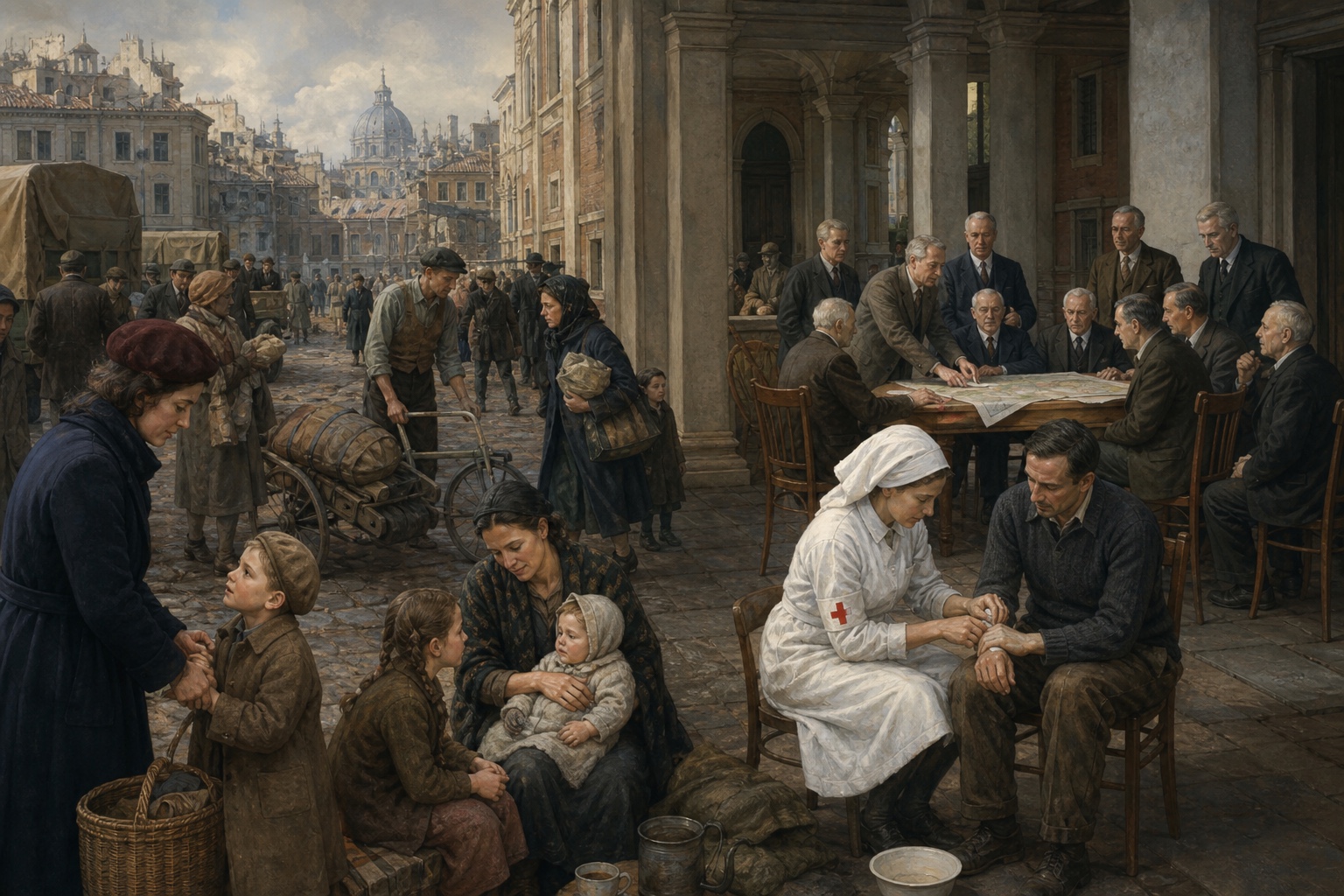
Prelude — Background: The unsettled consequences of the First World War and the Great Depression aided radical politics but did not make a new war inevitable. Nazi Germany, Fascist Italy, and Imperial Japan pursued conquest and racial or imperial domination; weak collective security and concessions to aggression failed to stop them. Japan's full-scale war in China from 1937 formed the immediate Asia-Pacific prehistory of the 1939–1945 global frame.
c. 1938
Rising tension
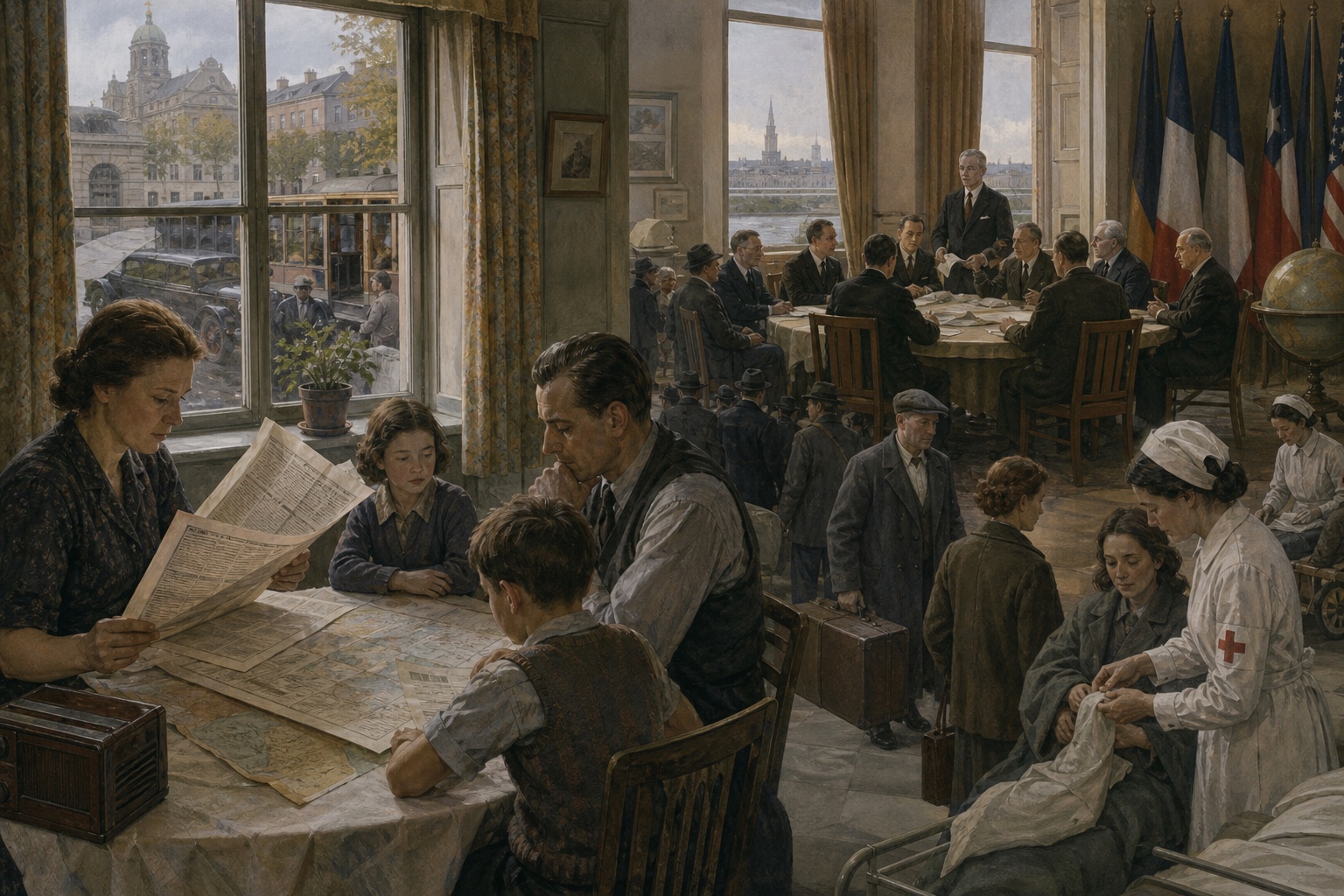
Rising tension — Build-up: Germany invaded Poland in September 1939, overran much of Europe, and attacked the Soviet Union in 1941; Nazi Germany and collaborators carried out the Holocaust and other mass murder under cover of war and occupation. Japan attacked Pearl Harbor and European and American possessions in December 1941, joining the European and Asia-Pacific wars more tightly. Campaigns in China, Southeast Asia, the Pacific, North and East Africa, the Middle East, and Europe depended on millions of colonial and dominion soldiers and laborers as well as Soviet, Chinese, American, and other forces.
1939–1945
Second World War
Current event
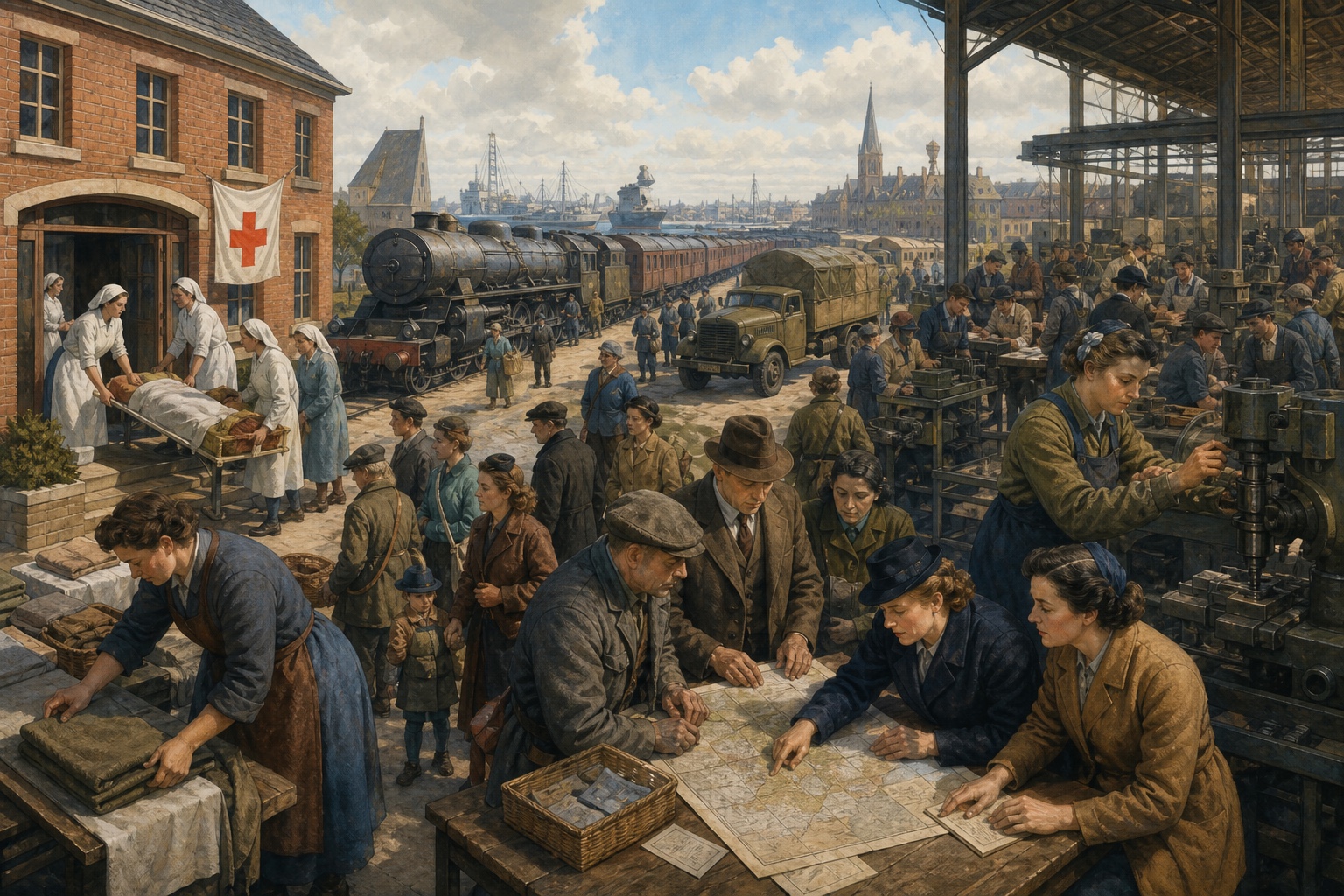
Second World War — Central transition: The 1939–1945 global war in which the Axis powers fought the Allies across Europe, Africa, Asia, the Pacific, and the world's oceans, amid occupation, genocide, and mass civilian mobilization.
c. 1946
Immediate aftermath
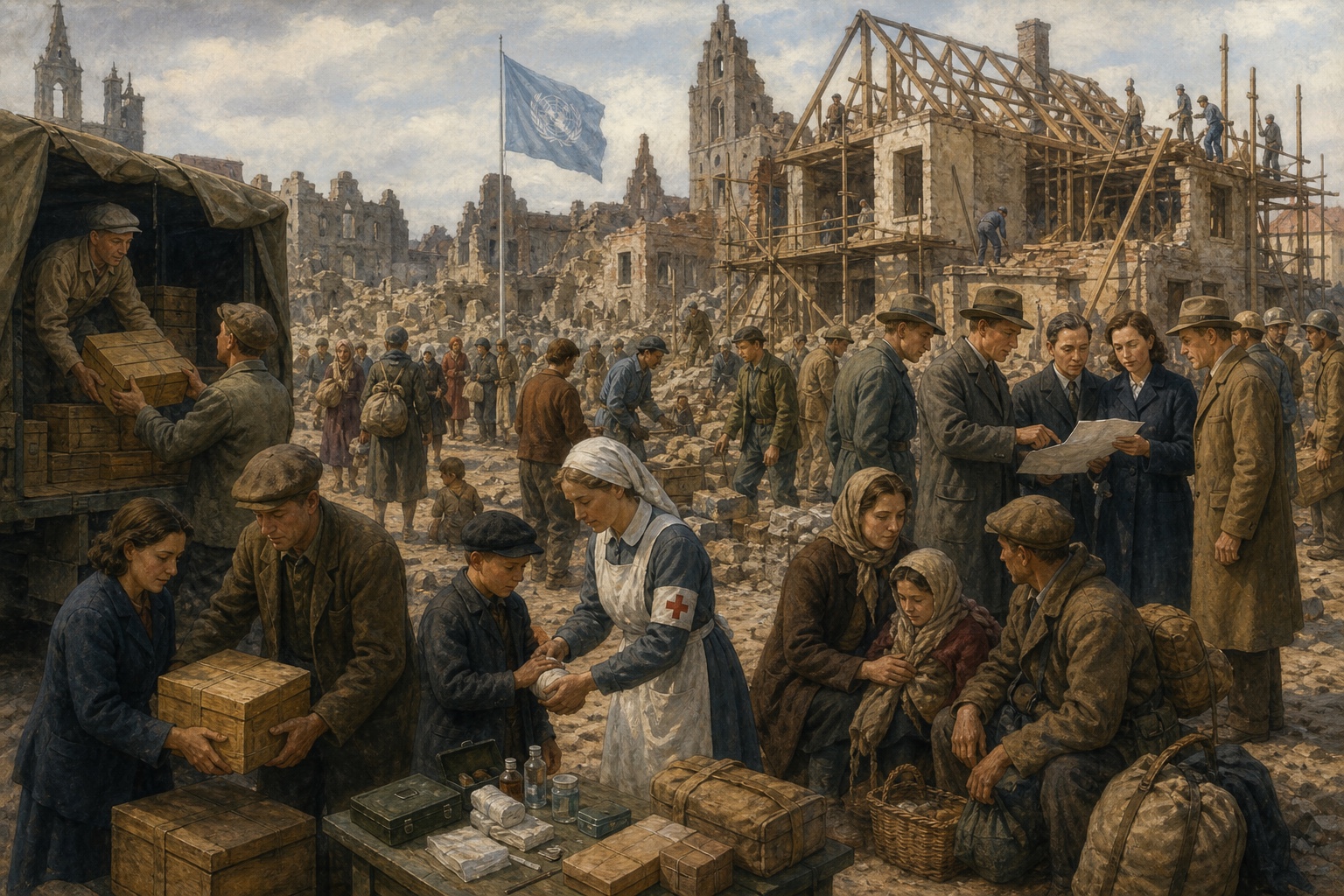
Immediate aftermath — Immediate result: Germany surrendered in May 1945, but fighting continued in Asia and the Pacific. The United States used atomic bombs against Hiroshima and Nagasaki, the Soviet Union entered the war against Japan, and Japan announced surrender in August before signing it formally on 2 September. The war killed tens of millions, displaced still more, destroyed the Axis regimes, and left occupation, war-crimes trials, refugee crises, and reconstruction.
c. 1955
Long-term significance
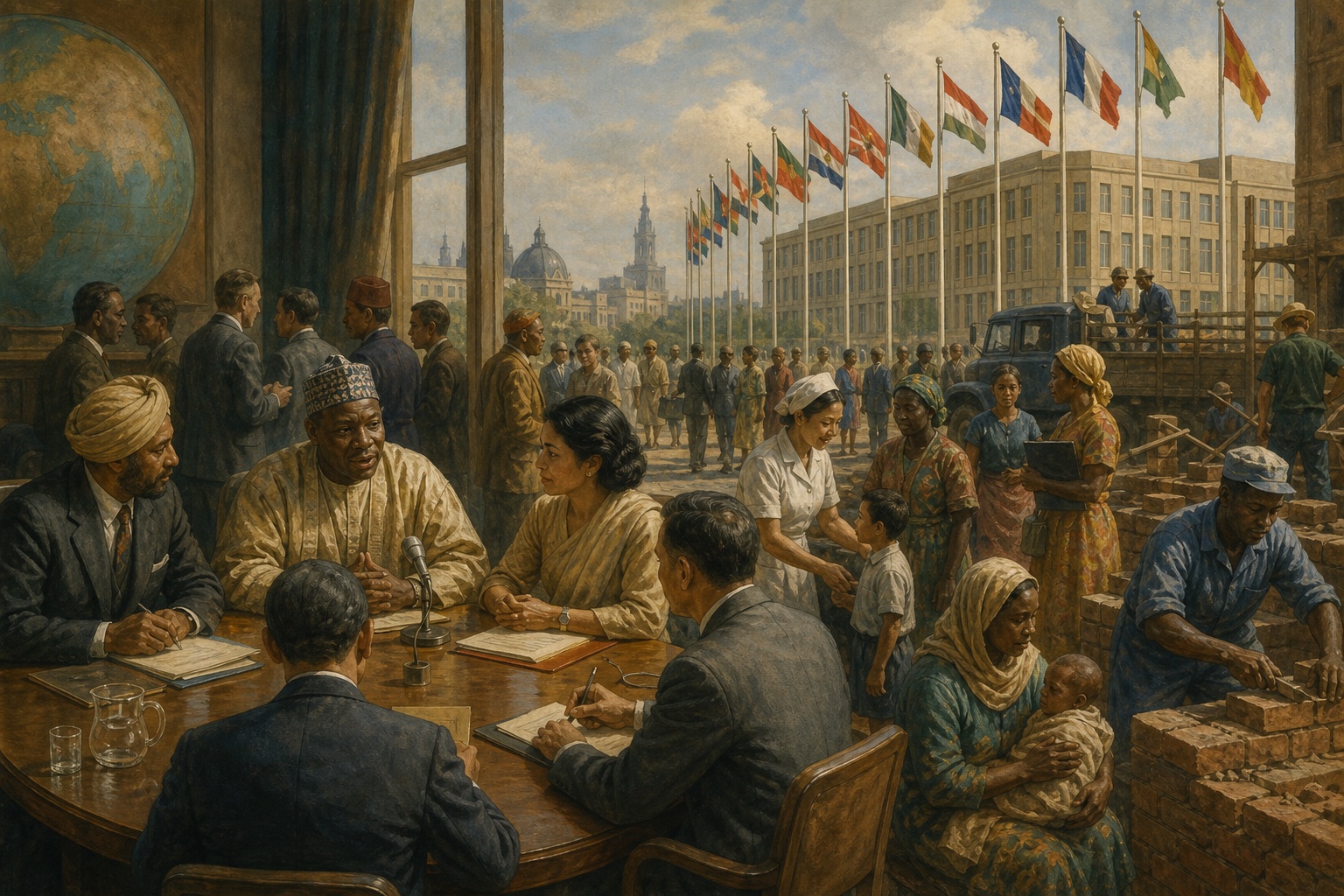
Long-term significance — Long-term significance: The conflict accelerated the decline of European empires, strengthened the United States and Soviet Union, and led to the United Nations and a nuclear age. Colonial troops and Asian and African societies bore central burdens while wartime promises and Japanese defeat opened new independence struggles. Bandung's 1955 delegates responded to this postwar world, although decolonization arose through local movements and conflicts rather than from the war alone.


Sources
- Second World War — Britains War In East Asia During The Second World War (Iwm)iwm.org.ukThis Iwm resource supports the chronology, setting, and course of Second World War.
- Second World War — What Happened After Ve Day (Iwm)iwm.org.ukThis Iwm resource supports the chronology, setting, and course of Second World War.
- Second World War — World War Ii In Depth (Encyclopedia)encyclopedia.ushmm.orgThis Encyclopedia resource supports the chronology, setting, and course of Second World War.