
United States Civil Rights Movement
1955–1965
From 1955 to 1965, Black citizens and allies used nonviolent direct action, litigation, and organizing to challenge segregation and voting exclusion.

- Period
- 1955–1965
- Kind
- Movement
- Regions
- North America
- Keywords
- racial segregation · nonviolent direct action · Civil Rights Act · Voting Rights Act · federal enforcement
Follow the story · Four stages
Background
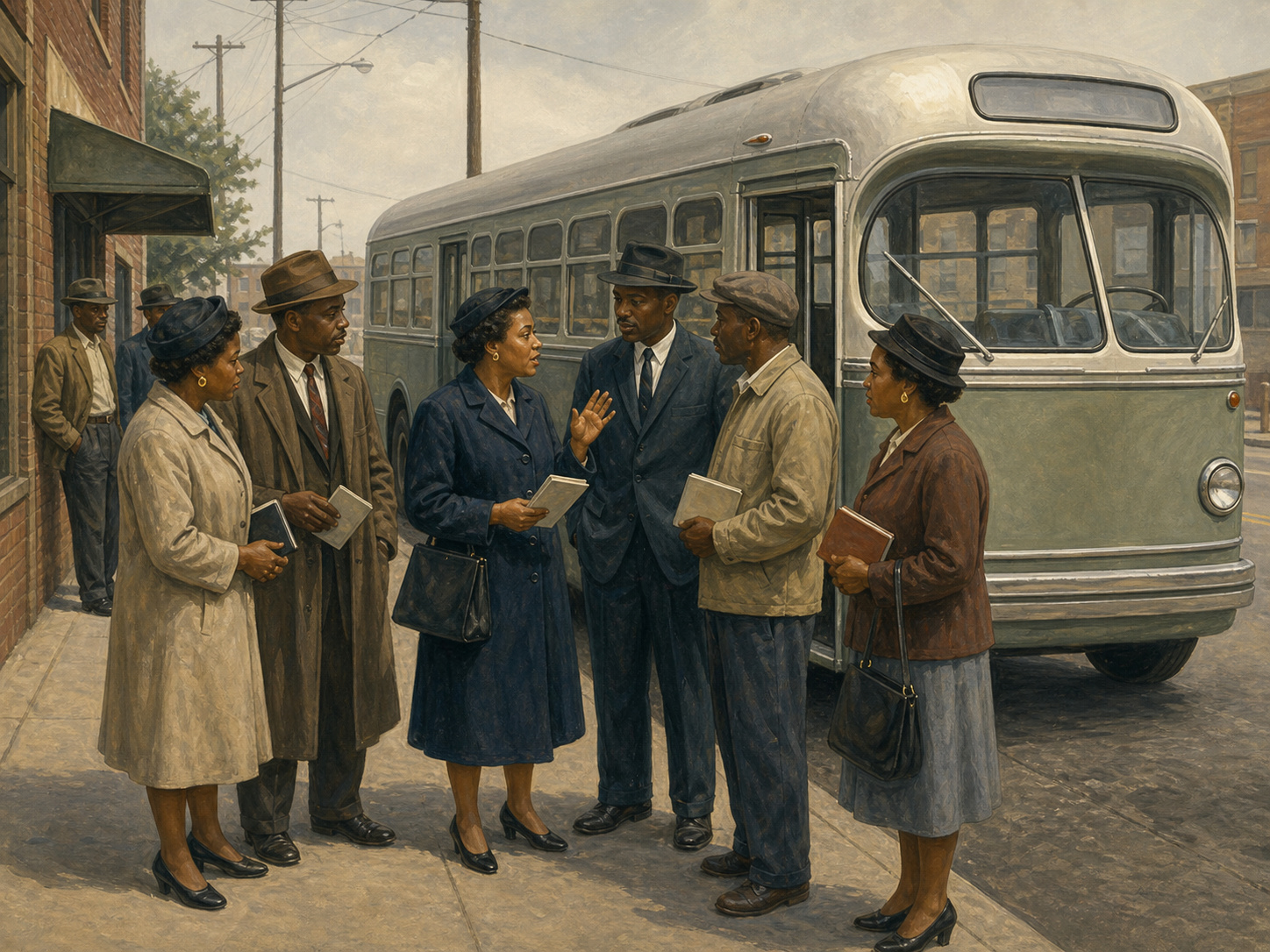
Jim Crow law and violence restricted Black education, transit, public accommodations, and voting. State resistance continued after Brown v. Board in 1954.
- Jim Crow laws and customs segregated transit, schools, and public accommodations, while violent intimidation, literacy tests, poll taxes, and arbitrary administration disfranchised many Black citizens.
- The 1954 Brown v. Board of Education decision held public-school segregation unconstitutional, but organized 'massive resistance' delayed integration. Black local activists had already built networks of litigation, education, and mutual support.
- After Rosa Parks's arrest in 1955, the Montgomery bus boycott was sustained by Black women, workers, churches, and community organizations and demonstrated the power of organized nonviolent direct action.
Course
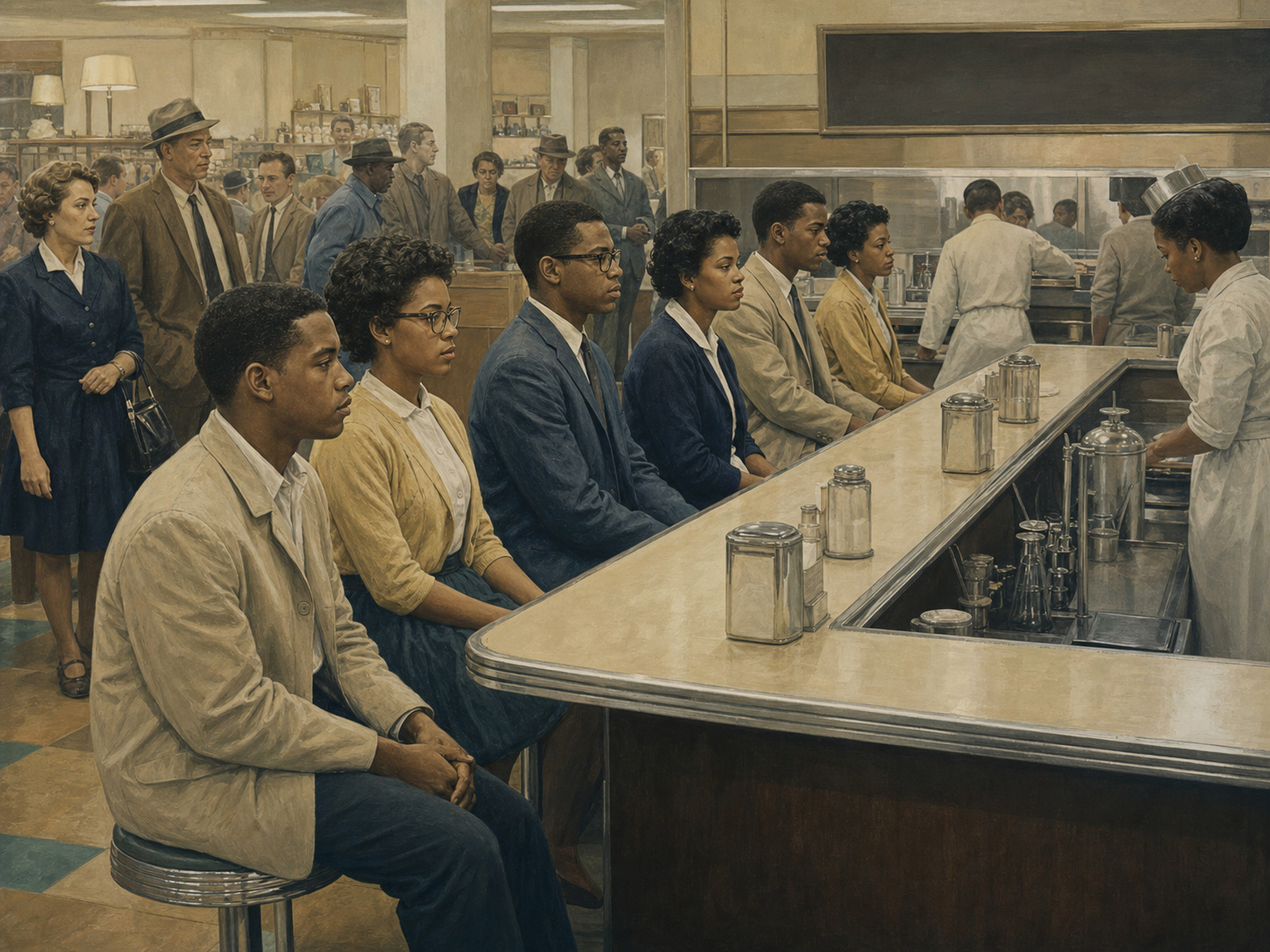
Montgomery, sit-ins, Freedom Rides, Birmingham, the March on Washington, and Selma placed sustained pressure on the federal government and Congress.
- The sit-ins of 1960 and Freedom Rides of 1961 directly challenged segregation in public accommodations and interstate travel. Students and local organizations widened the movement despite arrests and violence, pressing the federal government to respond.
- The Birmingham campaign and March on Washington in 1963 intensified national pressure. The movement was built not by one leader alone but by women, students, ministers, field organizers, writers, lawyers, and many other participants.
- During the 1965 Selma voting-rights campaign, institutional barriers to registration and violence against marchers became nationally visible, creating decisive pressure for a federal voting-rights law.
Outcome
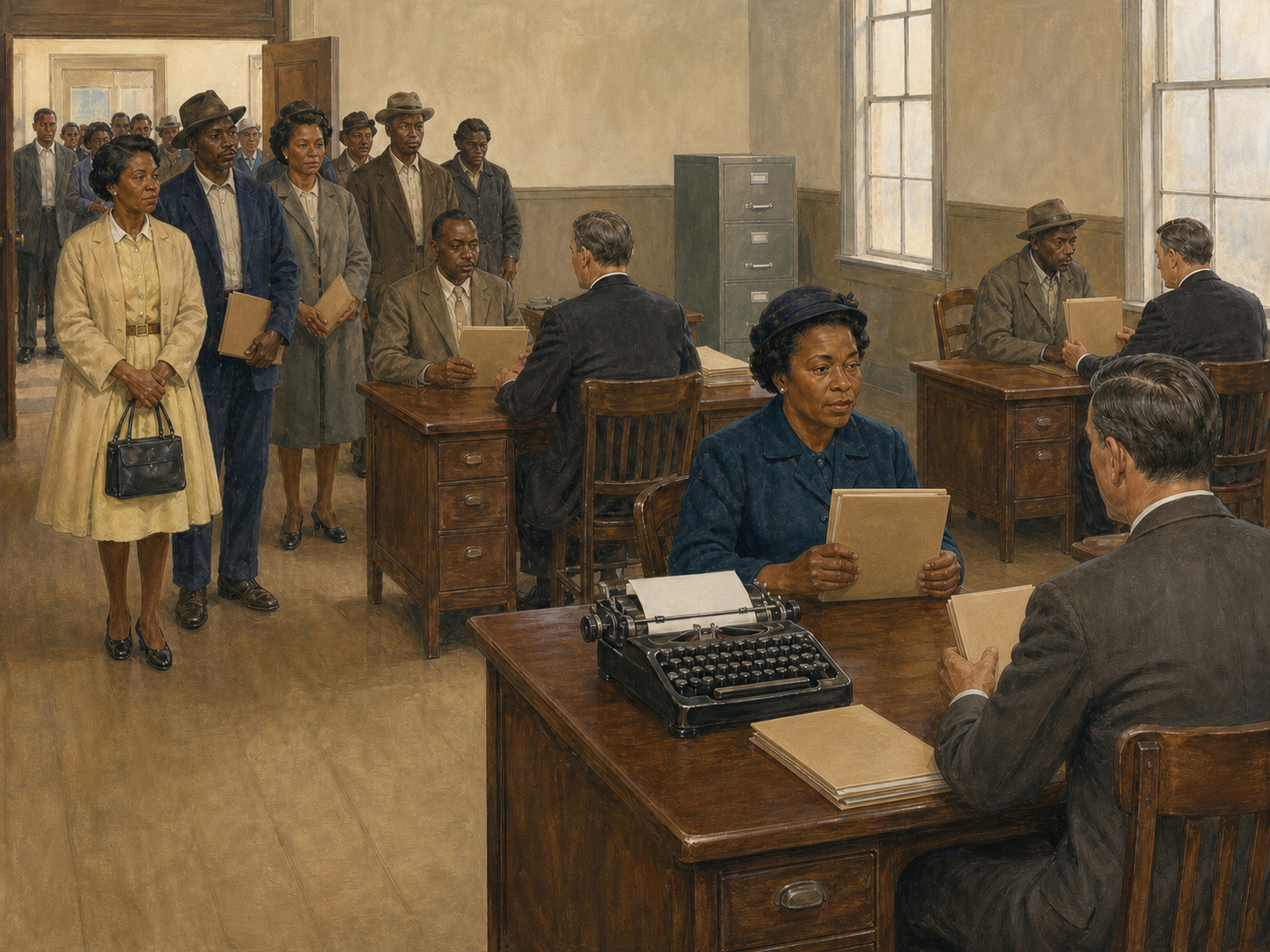
The Civil Rights Act of 1964 prohibited discrimination in public accommodations and employment; the Voting Rights Act of 1965 banned literacy tests and strengthened federal protection.
- The Civil Rights Act of 1964 prohibited segregation in public accommodations and employment discrimination and strengthened federal tools against discrimination in education and work.
- The Voting Rights Act of 1965 barred literacy tests and authorized federal examiners and oversight in covered jurisdictions. Black registration rose sharply in the South, although resistance and new barriers did not disappear at once.
- Legal victories did not end housing segregation, income and employment inequality, harmful policing, de facto school segregation, or racial violence, and struggles over the implementation of rights continued.
Historical significance
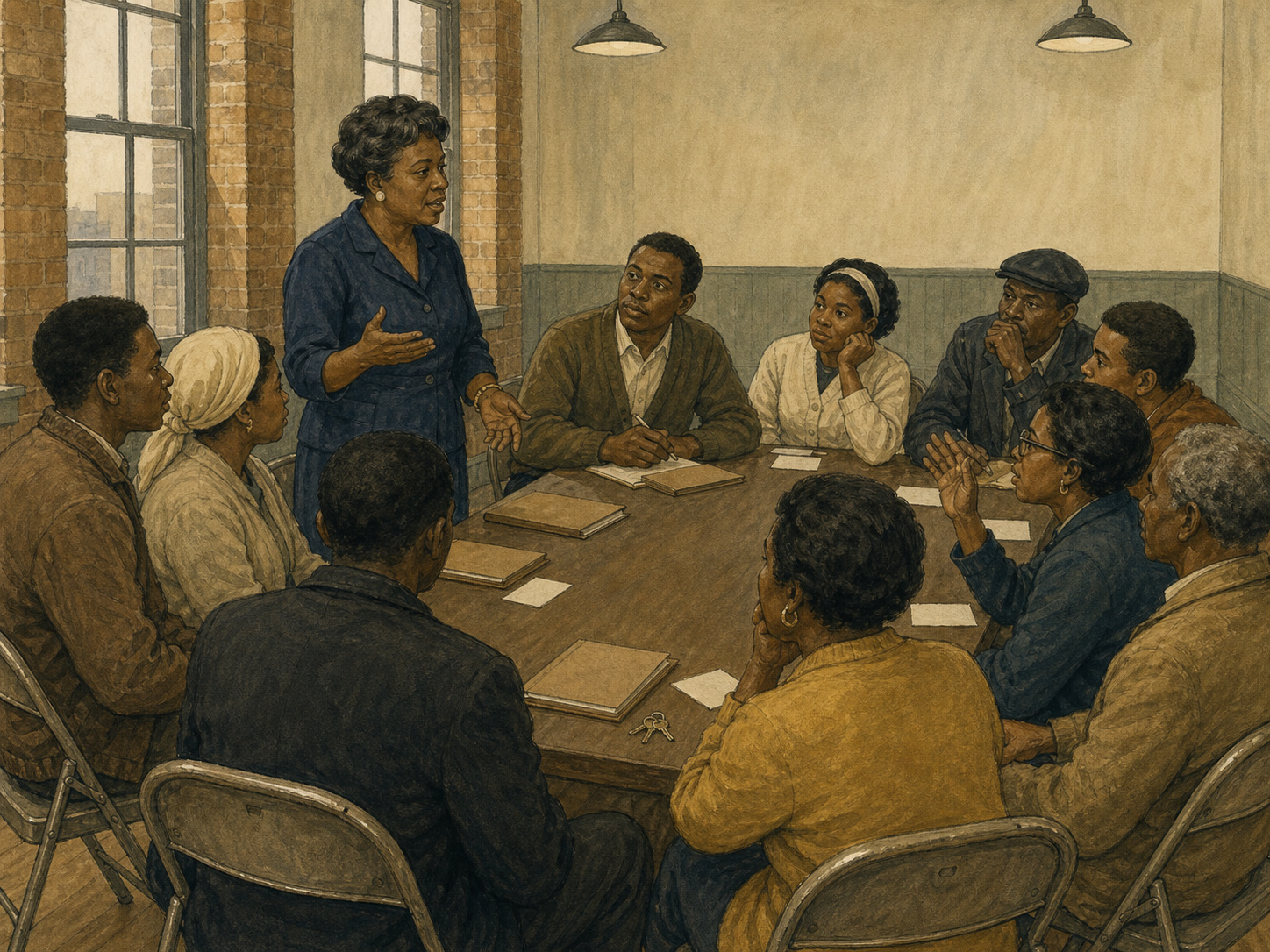
The movement dismantled legal segregation and expanded federal enforcement, while 1967–1968 federal records still treated housing, economic opportunity, and police procedures as urban issues.
- The civil-rights movement expanded the federal responsibility to secure equal citizenship and supplied tactics and legal precedents for later movements for women's, disability, immigrant, and LGBTQ rights.
- Black voter registration and public officeholding reshaped southern politics, while conflict continued over exclusion through districting, administrative rules, violence, and economic inequality.
- A federal commission established in 1967 and reporting the next year examined housing, employment, poverty, and police-community relations, showing why the victories of 1955–1965 must be read alongside unresolved urban problems.


Related figures
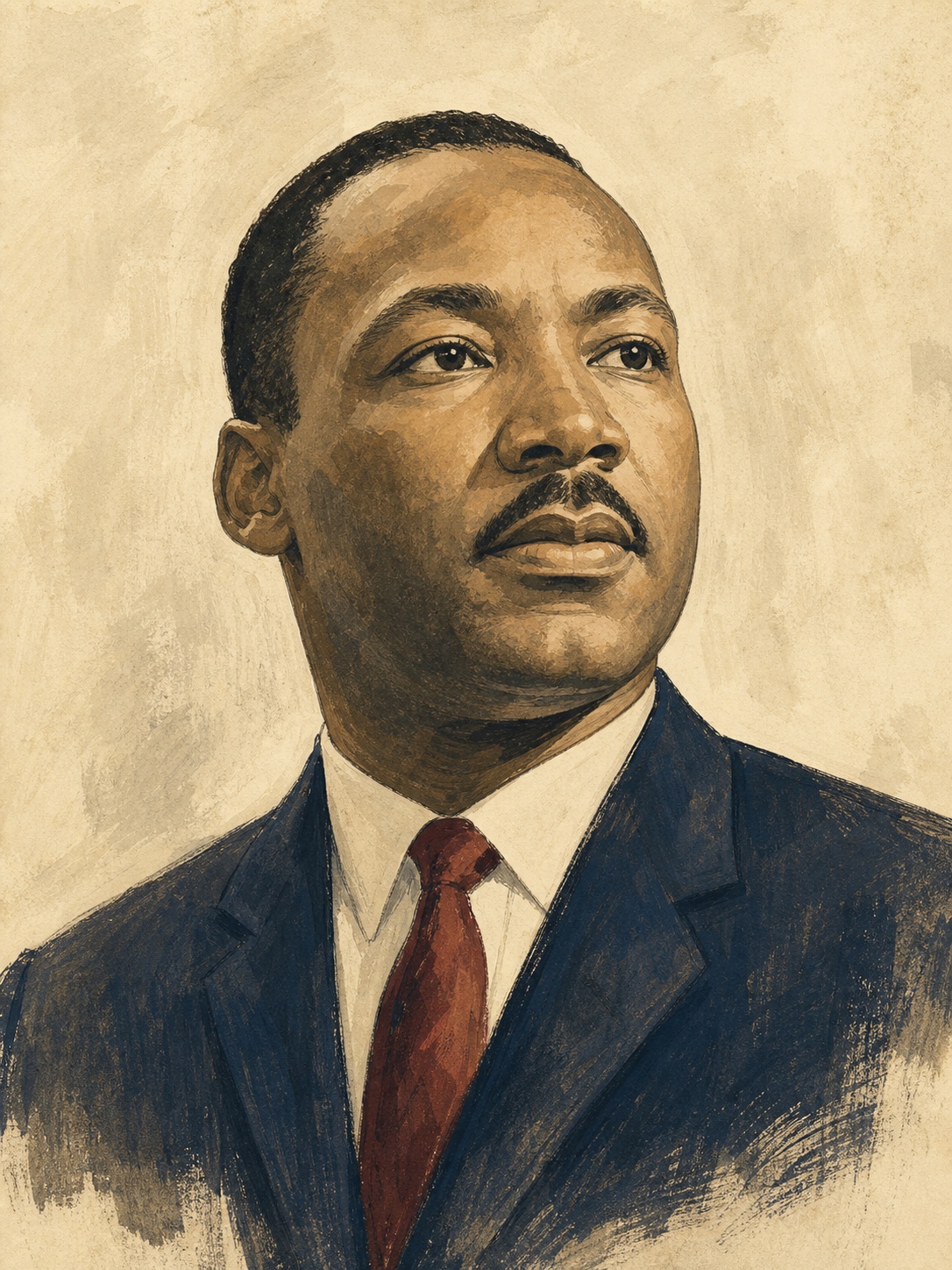
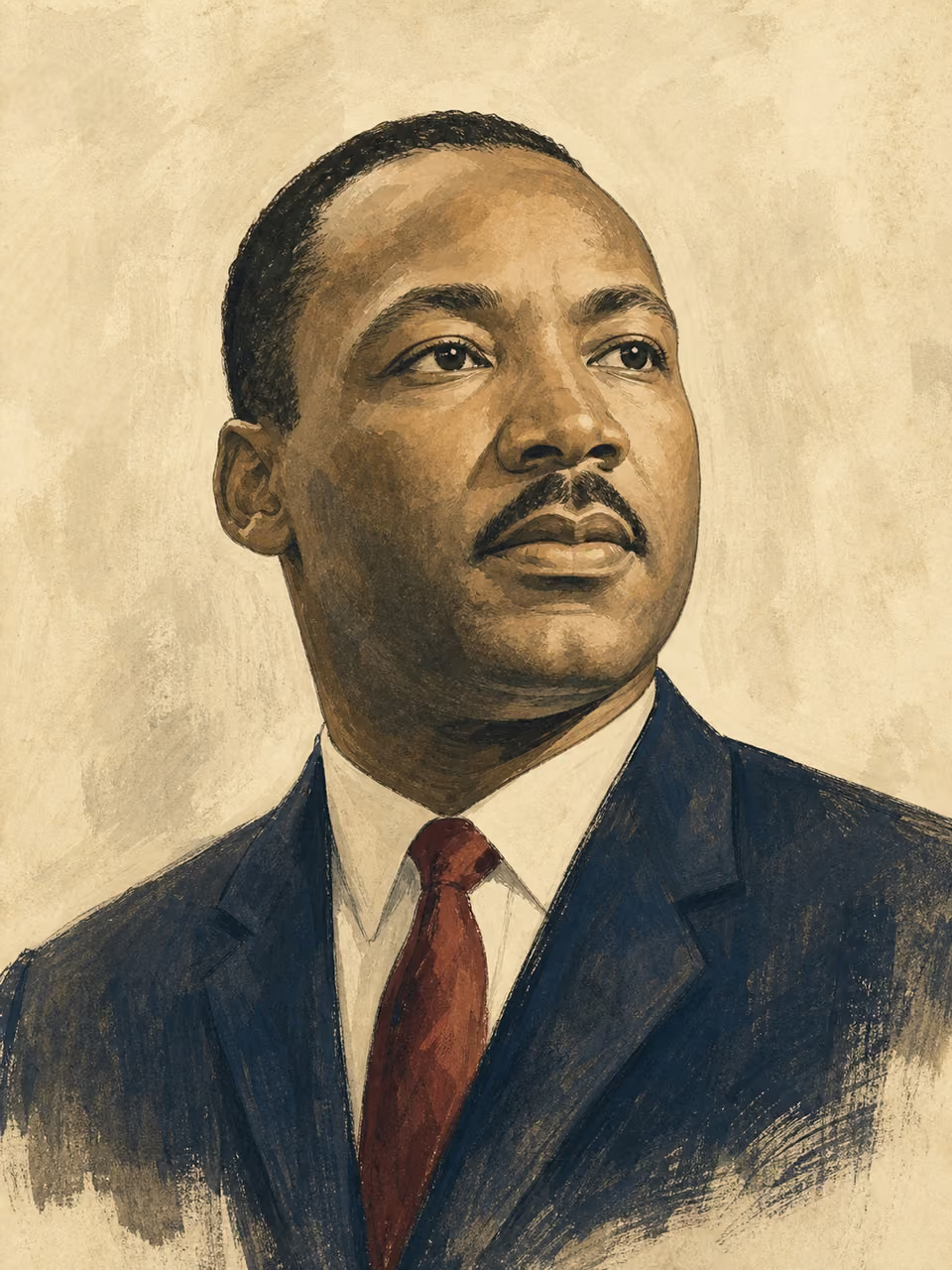
Martin Luther King Jr.
leader of nonviolent direct action
As a minister and leader of the Southern Christian Leadership Conference, King advocated nonviolent direct action in the Montgomery bus boycott, Birmingham campaign, March on Washington, Selma campaign, and other efforts. He became a national symbol, while the movement also depended on the organizing power of local activists, women, students, and workers.
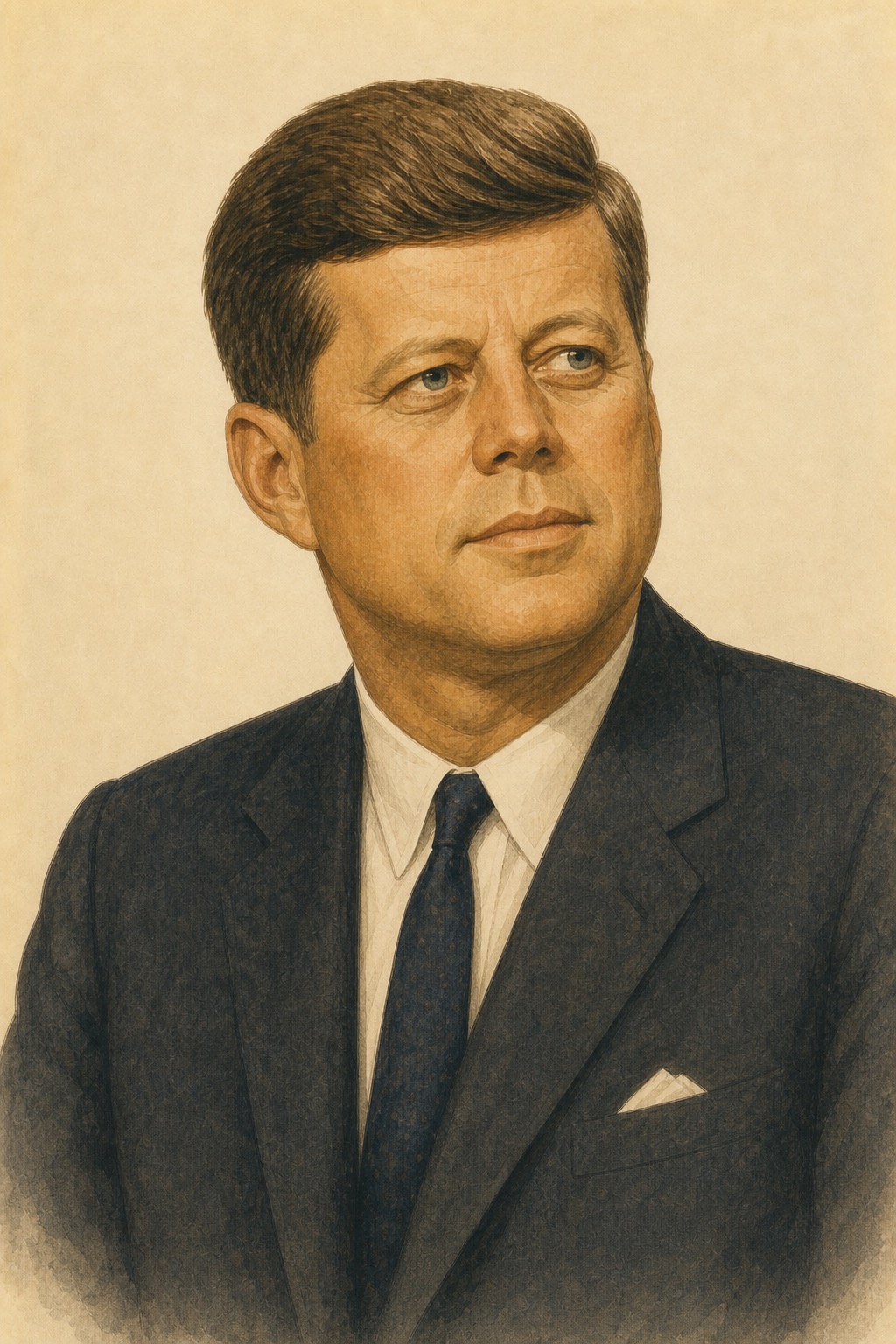
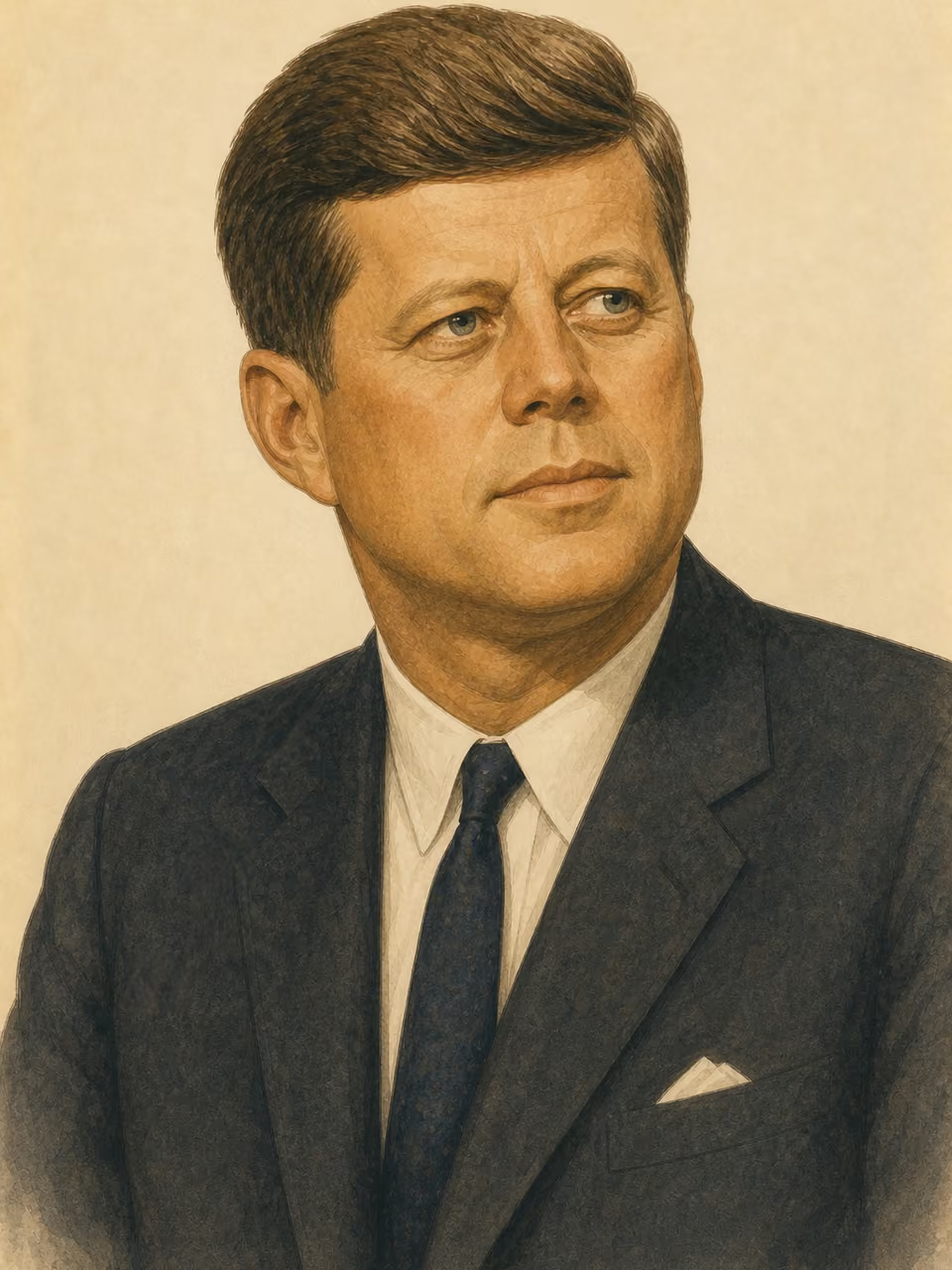
John F. Kennedy
federal response and legislative proposal
As president, Kennedy used federal authority incrementally during the Freedom Rides and university integration crises, then submitted comprehensive civil-rights legislation to Congress in 1963. Activists also criticized his administration's response as inadequate, but the proposal became the foundation of the 1964 Civil Rights Act after his assassination.
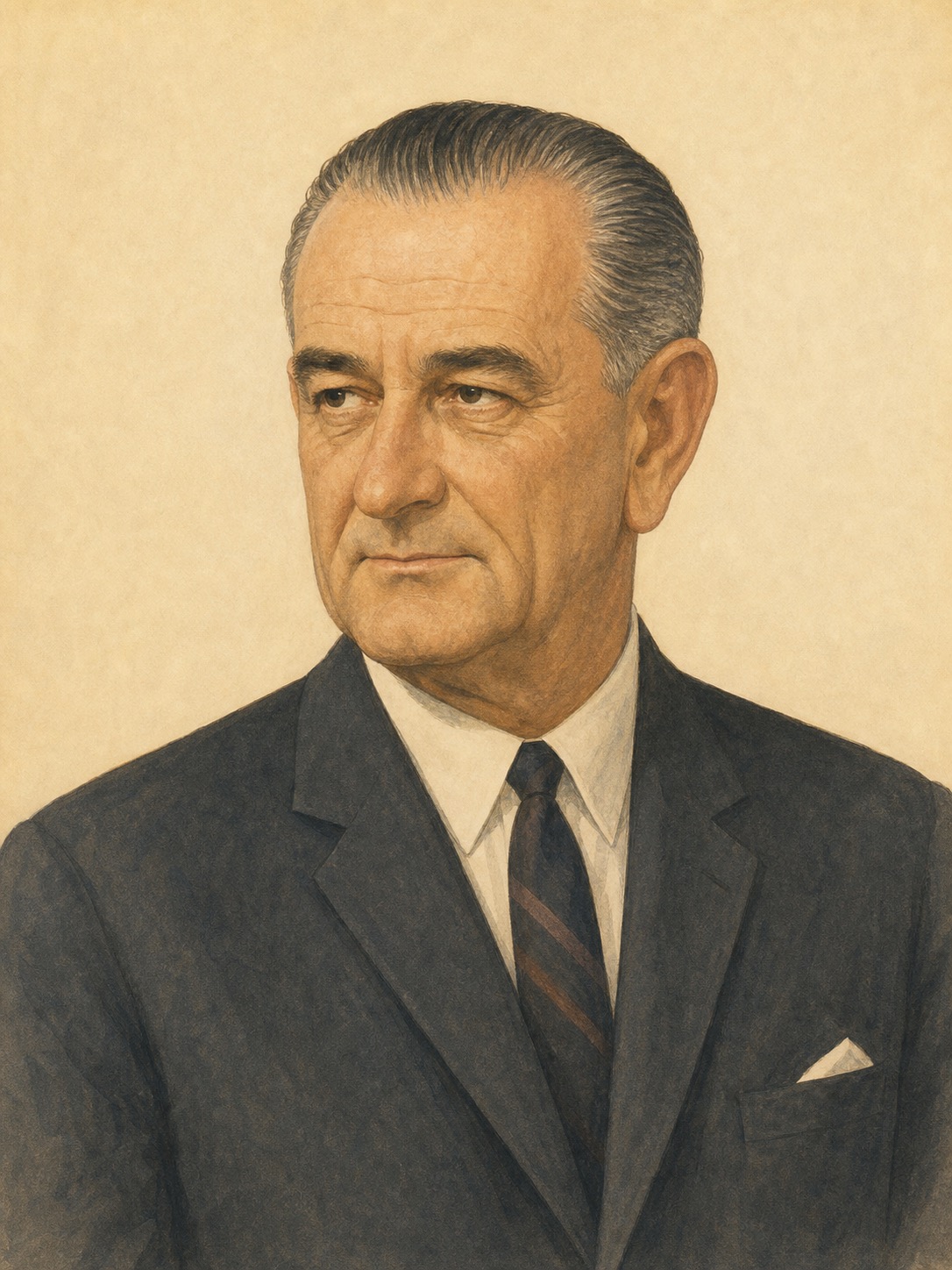
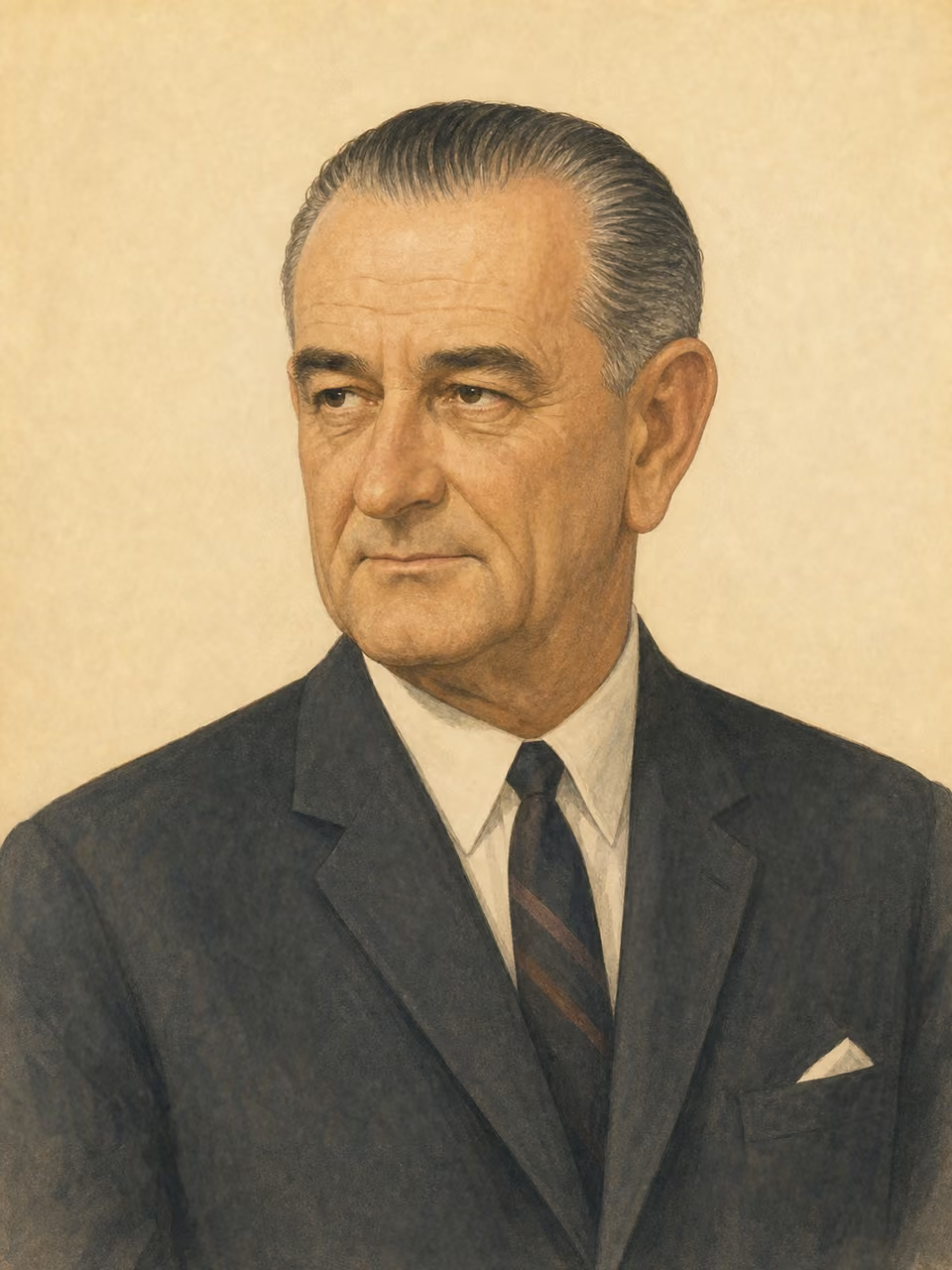
Lyndon B. Johnson
president of civil-rights legislation
After Kennedy's assassination, Johnson used presidential influence to advance and sign the Civil Rights Act of 1964 and Voting Rights Act of 1965. The legislation responded to political pressure created by years of organizing and sacrifice by movement participants.
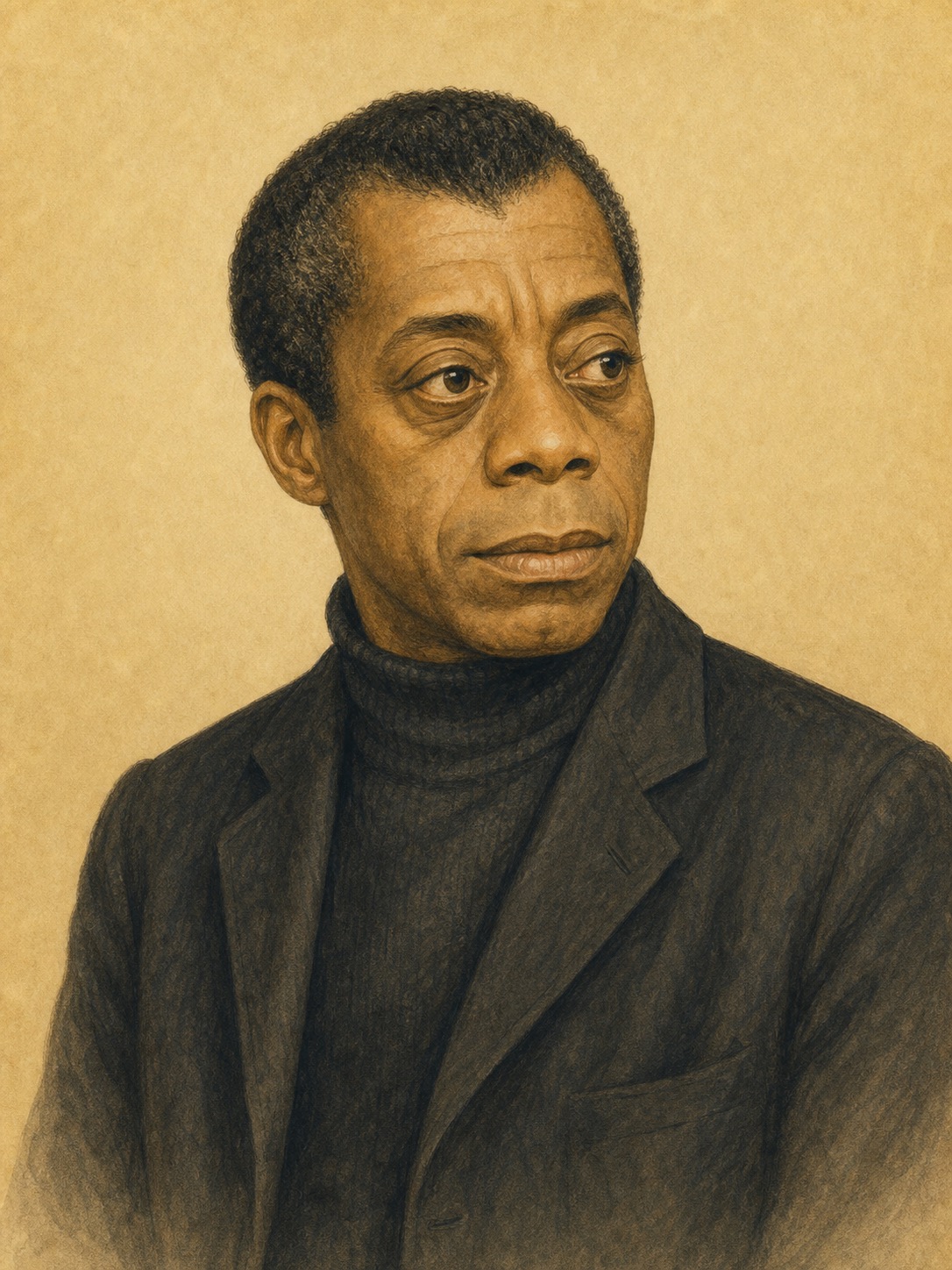
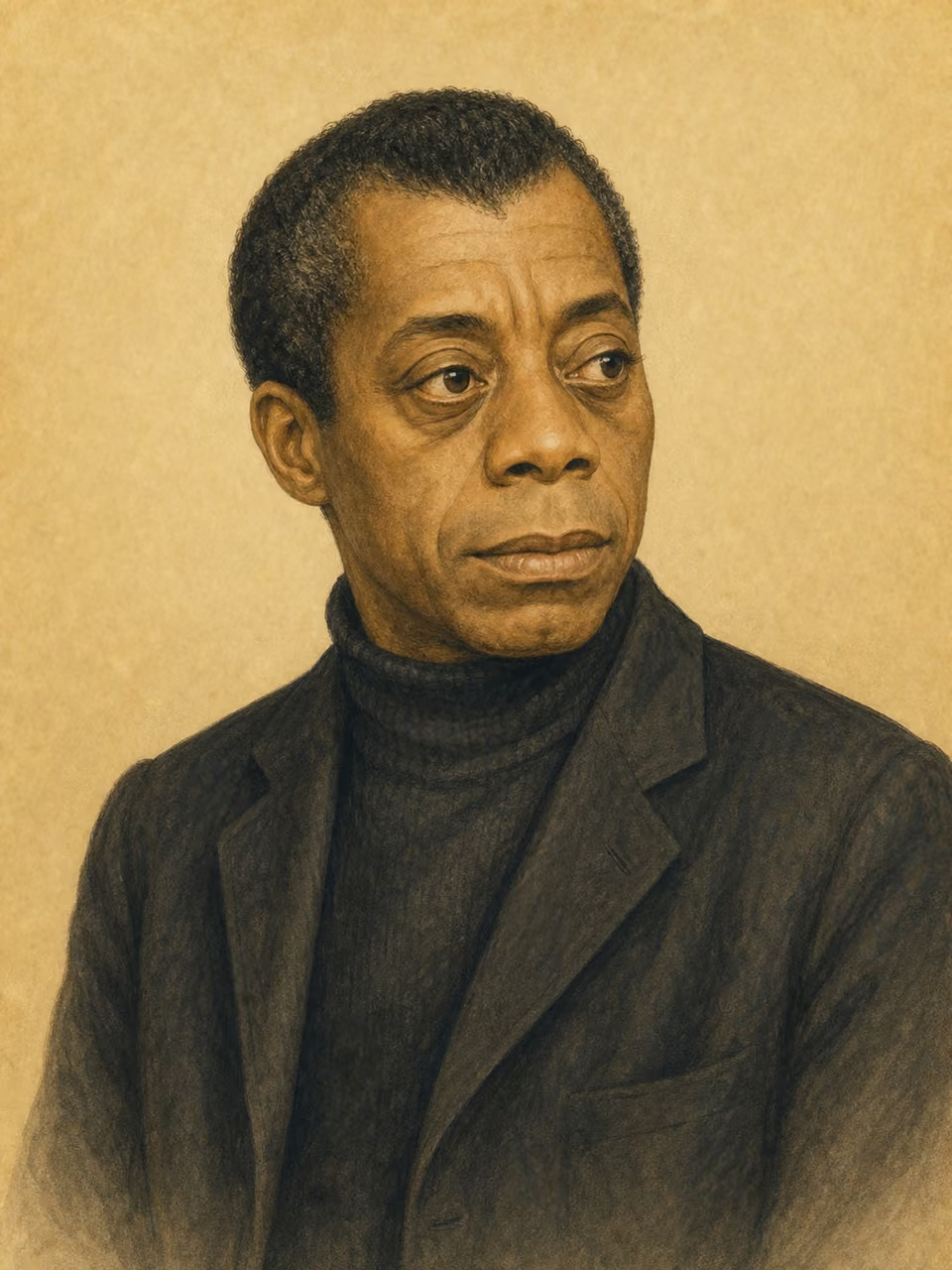
James Baldwin
writer and public intellectual
Through fiction, essays, and speeches, Baldwin analyzed American racism and moral responsibility and also joined civil-rights gatherings and marches. In 1963 he brought Black artists and activists into a meeting with the Kennedy administration, pressing public debate through both politics and culture.
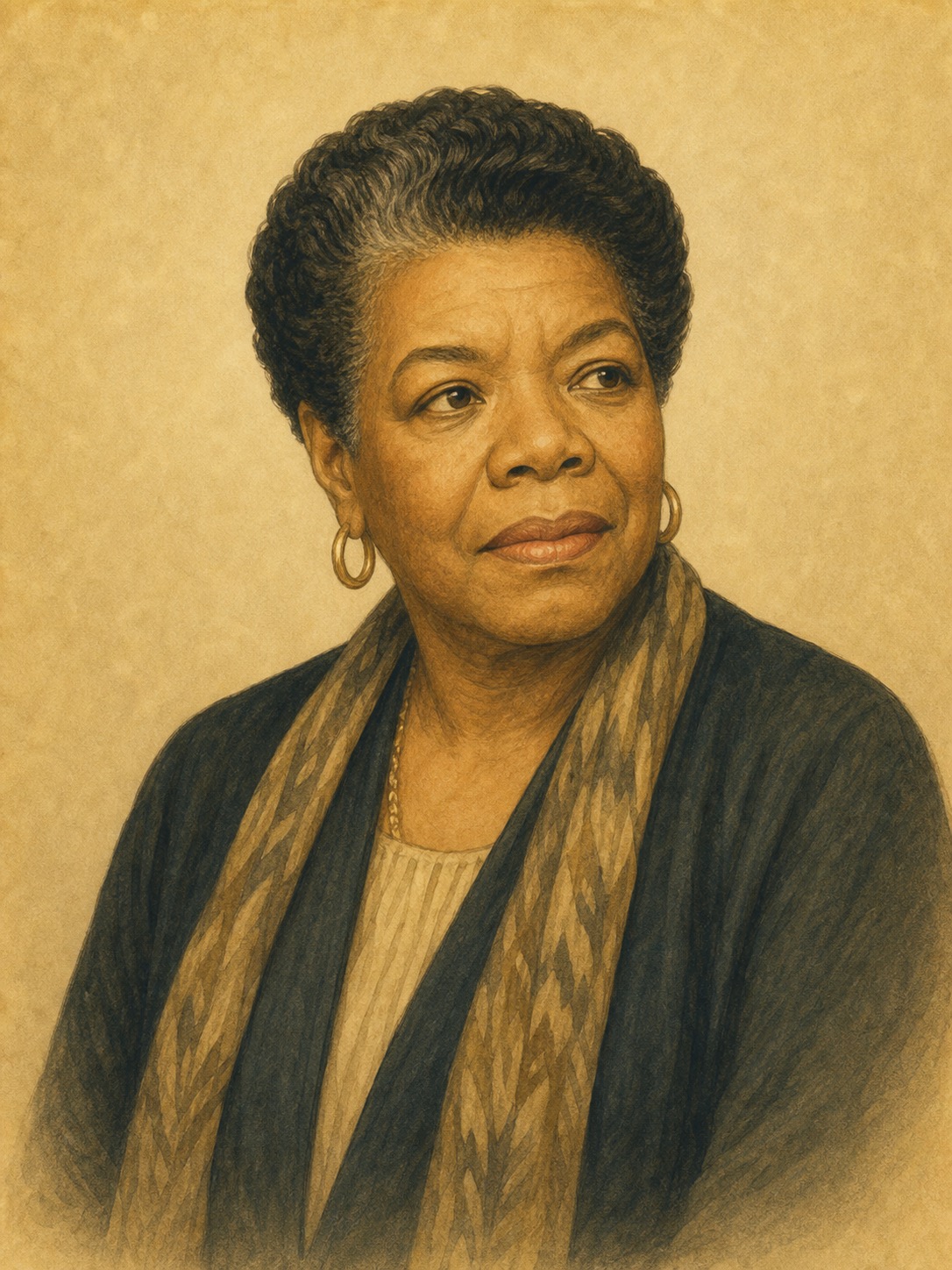
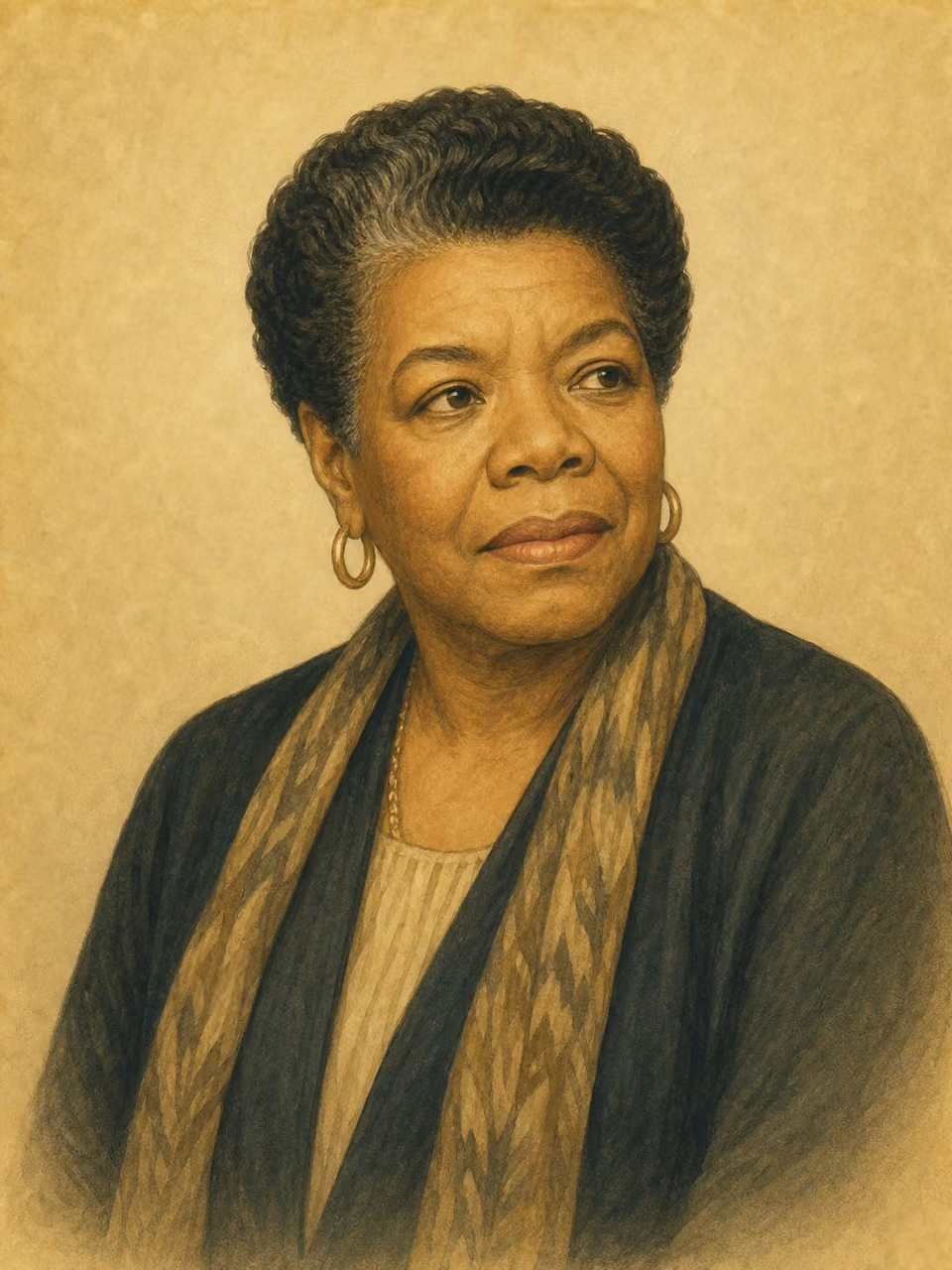
Maya Angelou
organizer and cultural figure
Before becoming widely known as a writer and performer, Angelou supported the civil-rights movement, organized a fundraiser for Martin Luther King Jr., and served as the Southern Christian Leadership Conference's northern coordinator in New York. Her later literary work continued to explore race, dignity, and freedom.
Related events
1877–1954
Jim Crow and disfranchisement
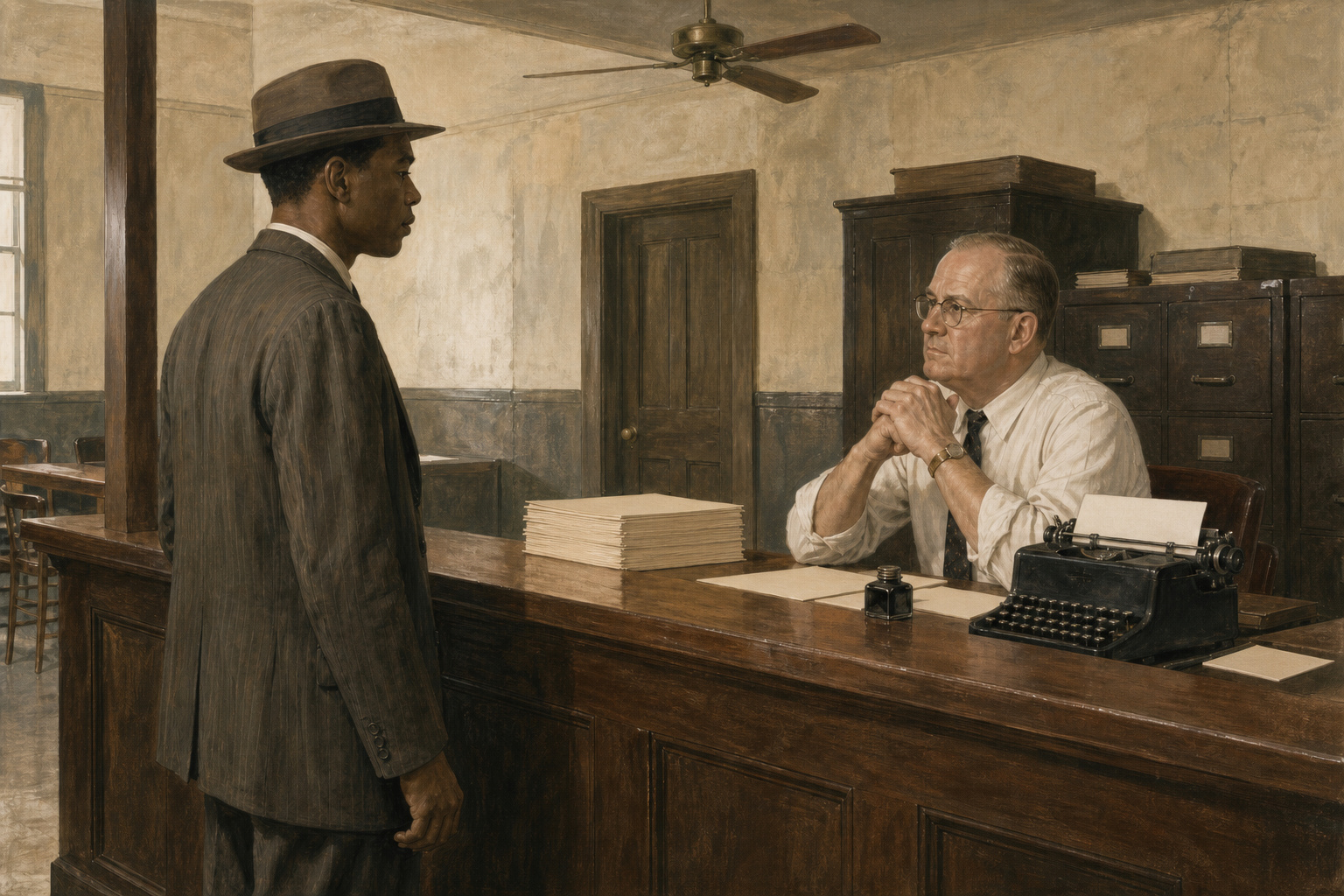
After Reconstruction, southern states restricted Black participation in voting and public life through segregation laws, violence, literacy tests, poll taxes, grandfather clauses, and arbitrary registration. Local and state practice hollowed out rights promised by the federal Constitution.
1954–1960
Brown v. Board and organized resistance
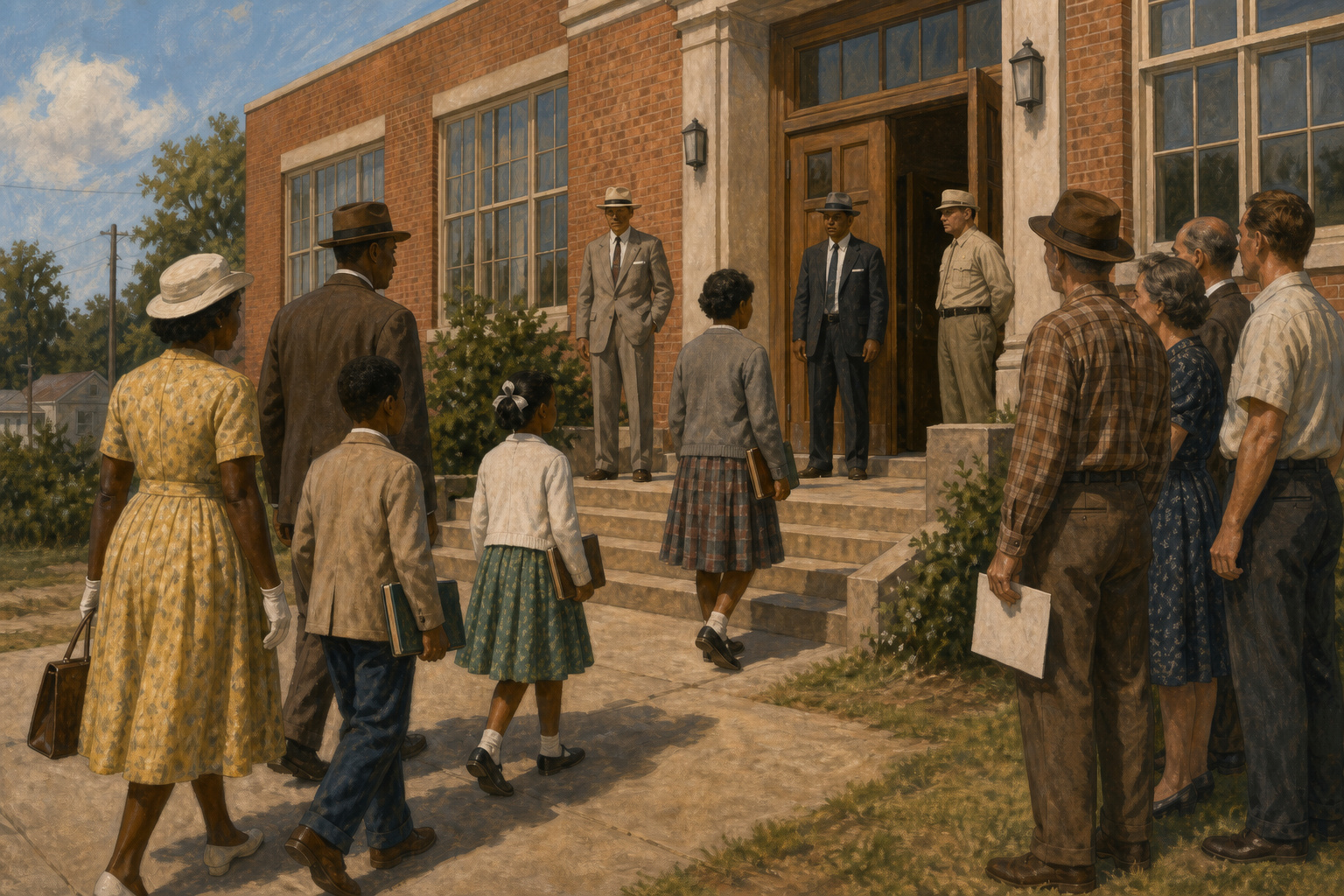
In 1954, the Supreme Court held public-school segregation unconstitutional. Southern politicians and local forces delayed integration, while Black families, NAACP lawyers, and local activists persistently pursued litigation and school desegregation.
1955–1965
United States Civil Rights Movement
Current event
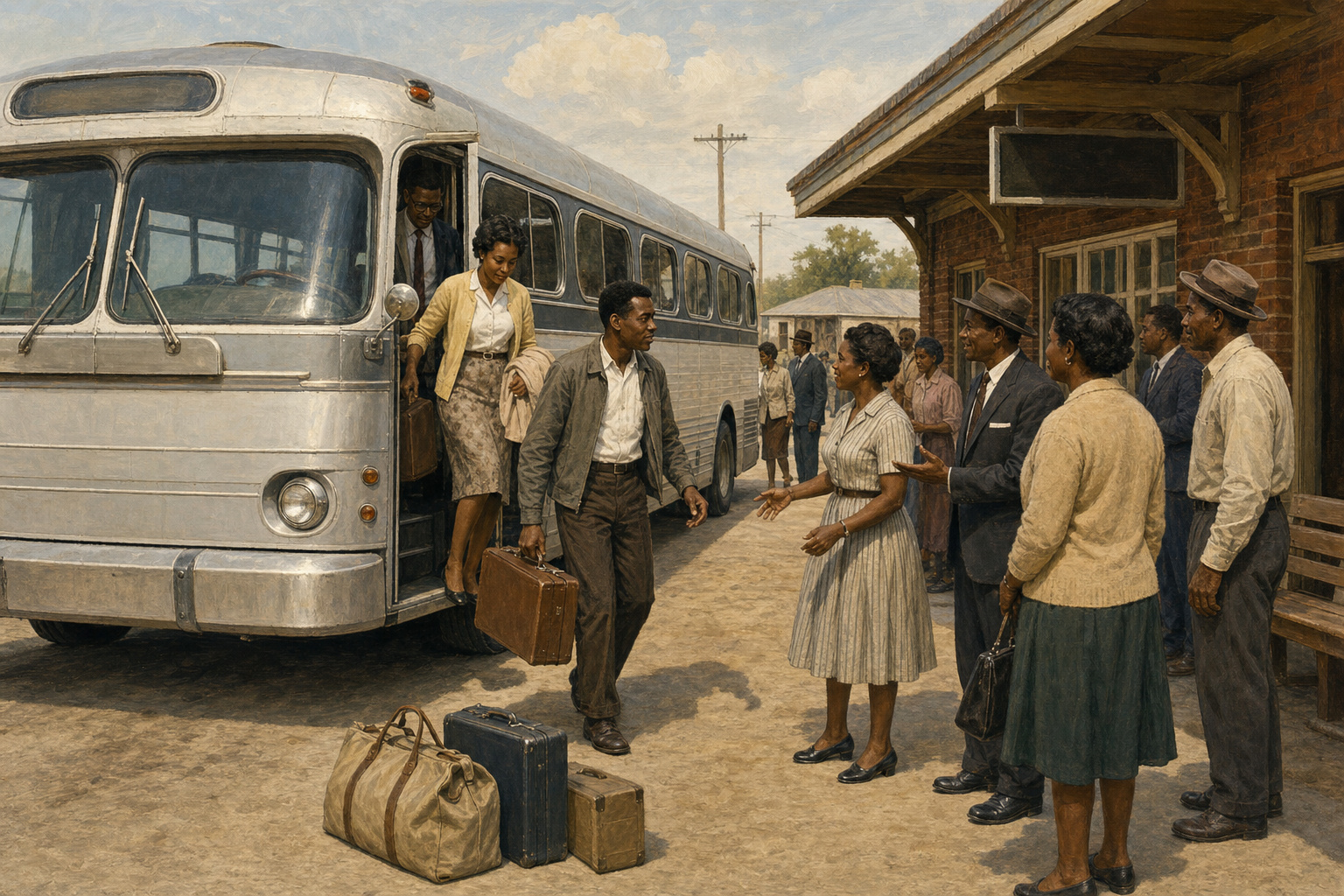
From 1955 to 1965, bus boycotts, sit-ins, Freedom Rides, marches, lawsuits, and voter-registration campaigns connected local struggle to national politics. Nonviolent direct action and organizing made segregation and disfranchisement central federal issues.
1964–1968
Federal enforcement and southern political change
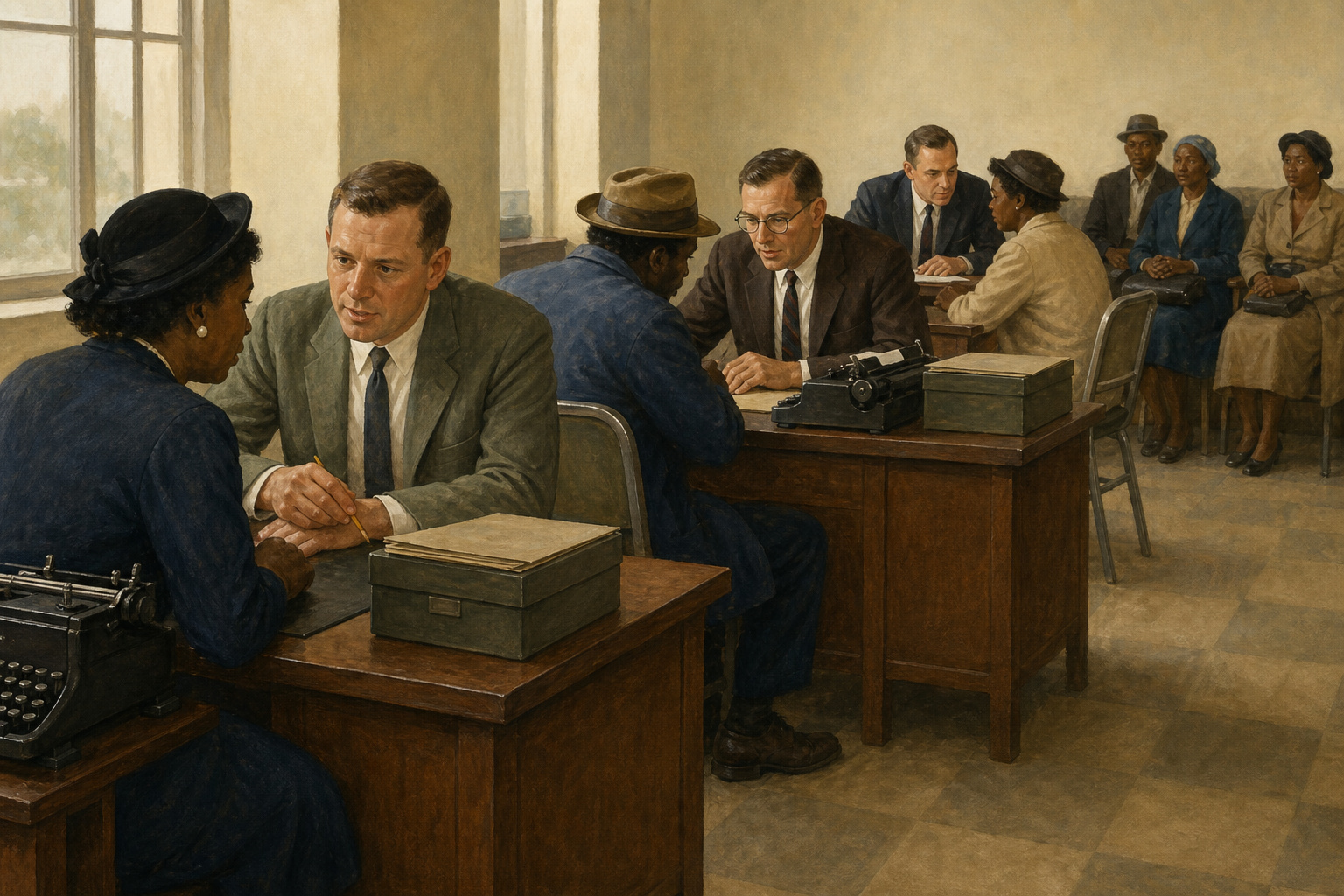
The Civil Rights Act of 1964 and Voting Rights Act of 1965 expanded federal enforcement and oversight against discrimination. Black registration and officeholding rose sharply, and southern party politics realigned, although resistance to implementation continued.
1967–1968
Continuing economic, policing, and segregation struggles
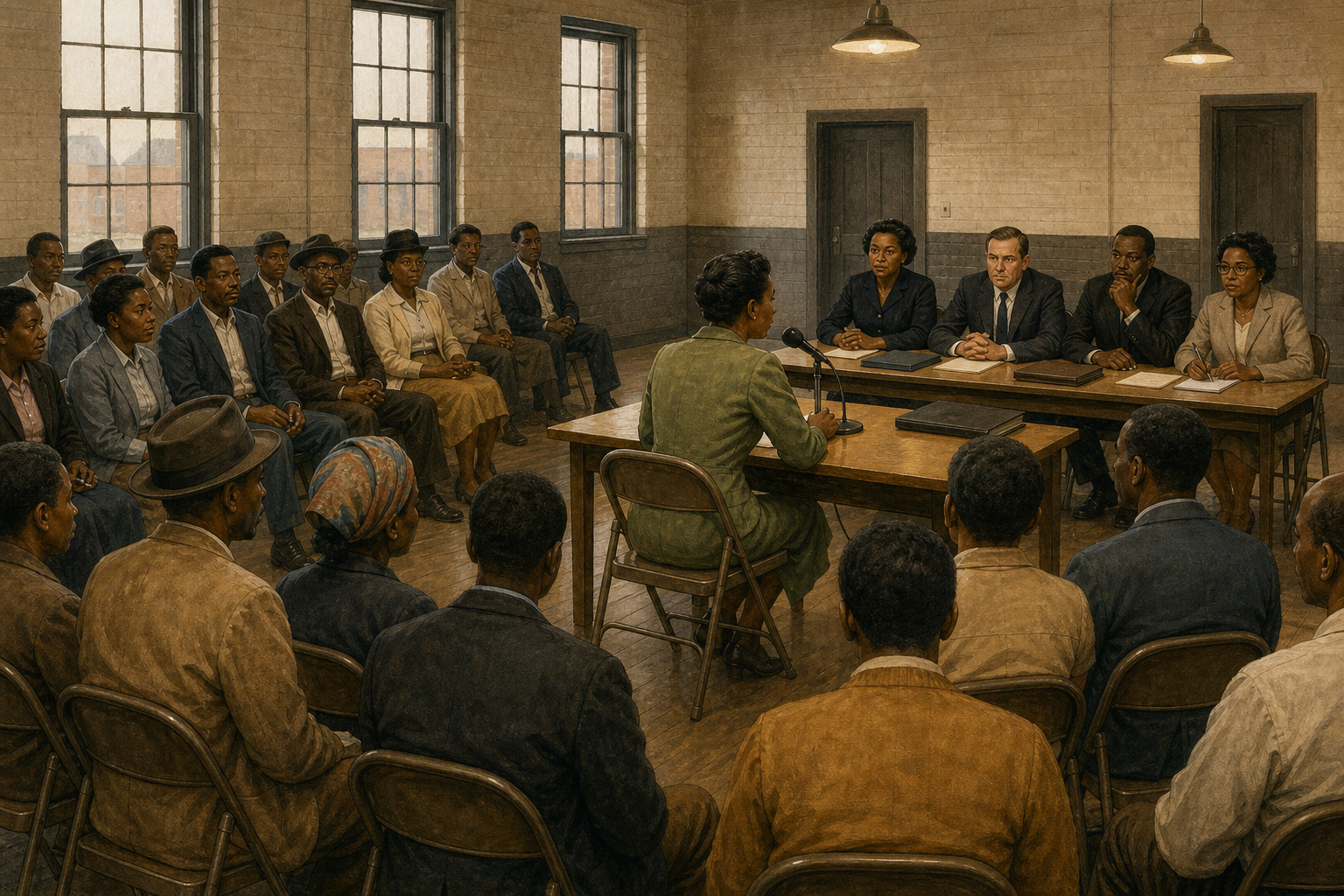
Federal investigation in 1967–1968 examined urban housing segregation, employment inequality, poverty, and police-community relations. Structural inequality persisted after advances in legal equality, moving civil-rights struggle into new phases.


Sources
- Civil Rights Act (1964)National ArchivesChecks the text of the Civil Rights Act of 1964 and federal measures concerning public accommodations, education, and employment discrimination.
- Civil RightsNational Park ServiceProvides an official gateway to major people, places, movements, and preserved sites in United States civil-rights history.
- The Kennedys and Civil RightsNational Park ServiceChecks the Kennedy administration's incremental response, its 1963 civil-rights proposal, and tensions with movement activists.
- James Baldwin and the Civil Rights MovementNational Park ServiceChecks James Baldwin's writing, speaking, movement participation, and the 1963 meeting with the Kennedy administration.
- Maya AngelouNational Park ServiceChecks Maya Angelou's fundraising for King and her organizing work with the Southern Christian Leadership Conference.
- Voting Rights Act (1965)National ArchivesChecks the Voting Rights Act of 1965, its ban on literacy tests, and the legal basis for federal examiners and oversight.
- Records of Temporary Committees, Commissions, and BoardsNational ArchivesUses federal commission records, including the National Advisory Commission on Civil Disorders, for the consequence frame concerning housing, employment, and policing.