
Xinhai Revolution
1911–1912
The revolution from the Wuchang Uprising of October 1911 to the Qing abdication of February 1912, when provincial secession and negotiation ended the dynasty and founded the Republic of China.

- Period
- 1911–1912
- Kind
- Revolution
- Regions
- East Asia
- Keywords
- Xinhai Revolution · background · course · outcome
Follow the story · Four stages
Background
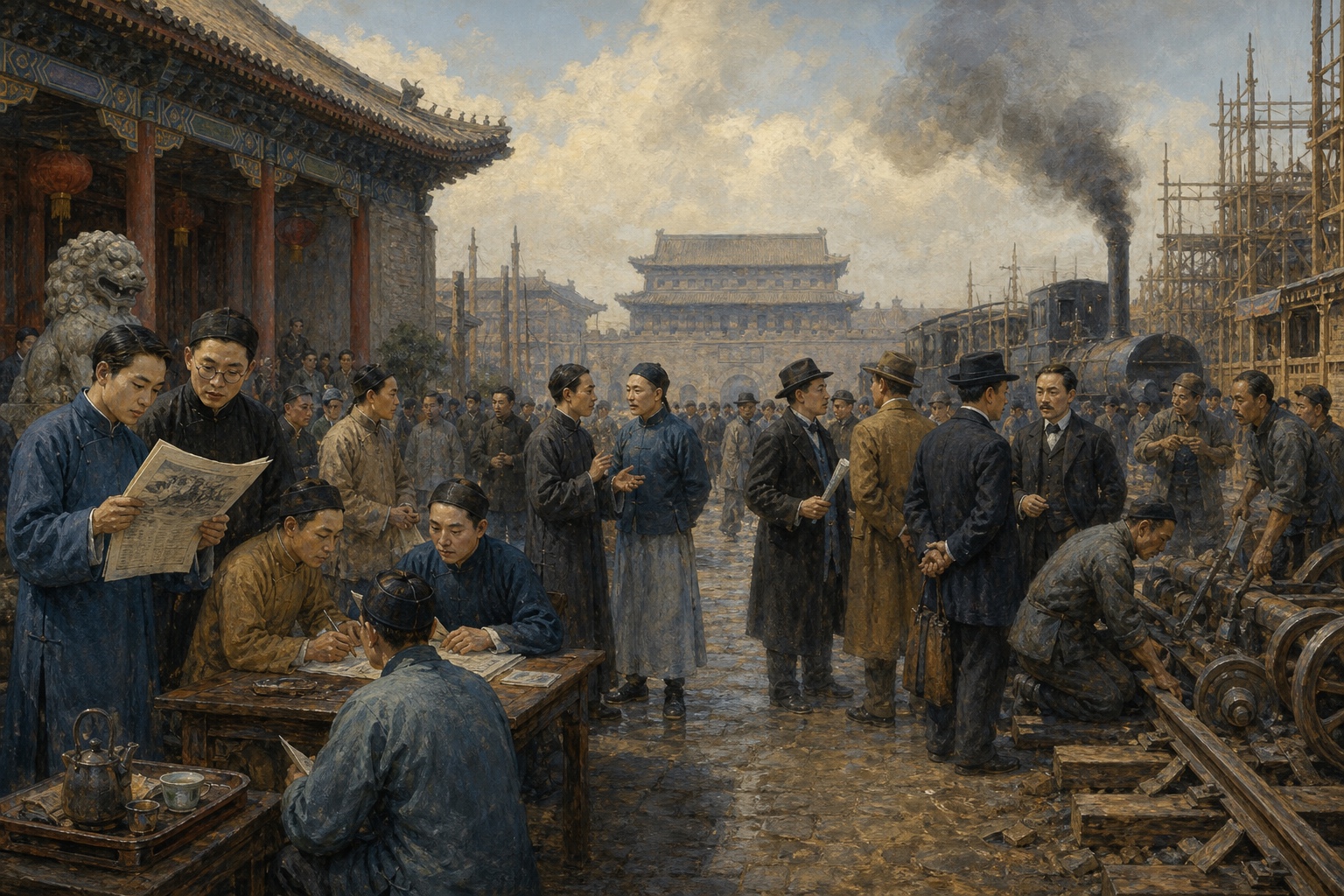
Late-Qing reforms created armies, schools, and assemblies but did not resolve anger over foreign encroachment and indemnities, centralization, railway nationalization, or delayed constitutional rule. Revolutionaries, constitutionalists, New Army soldiers, and provincial elites pursued different projects, connected partly through overseas study and exile networks in Japan and elsewhere.
- Late-Qing reforms created armies, schools, and assemblies but did not resolve anger over foreign encroachment and indemnities, centralization, railway nationalization, or delayed constitutional rule.
- Revolutionaries, constitutionalists, New Army soldiers, and provincial elites pursued different projects, connected partly through overseas study and exile networks in Japan and elsewhere.
- Core event: The revolution from the Wuchang Uprising of October 1911 to the Qing abdication of February 1912, when provincial secession and negotiation ended the dynasty and founded the Republic of China.
Course
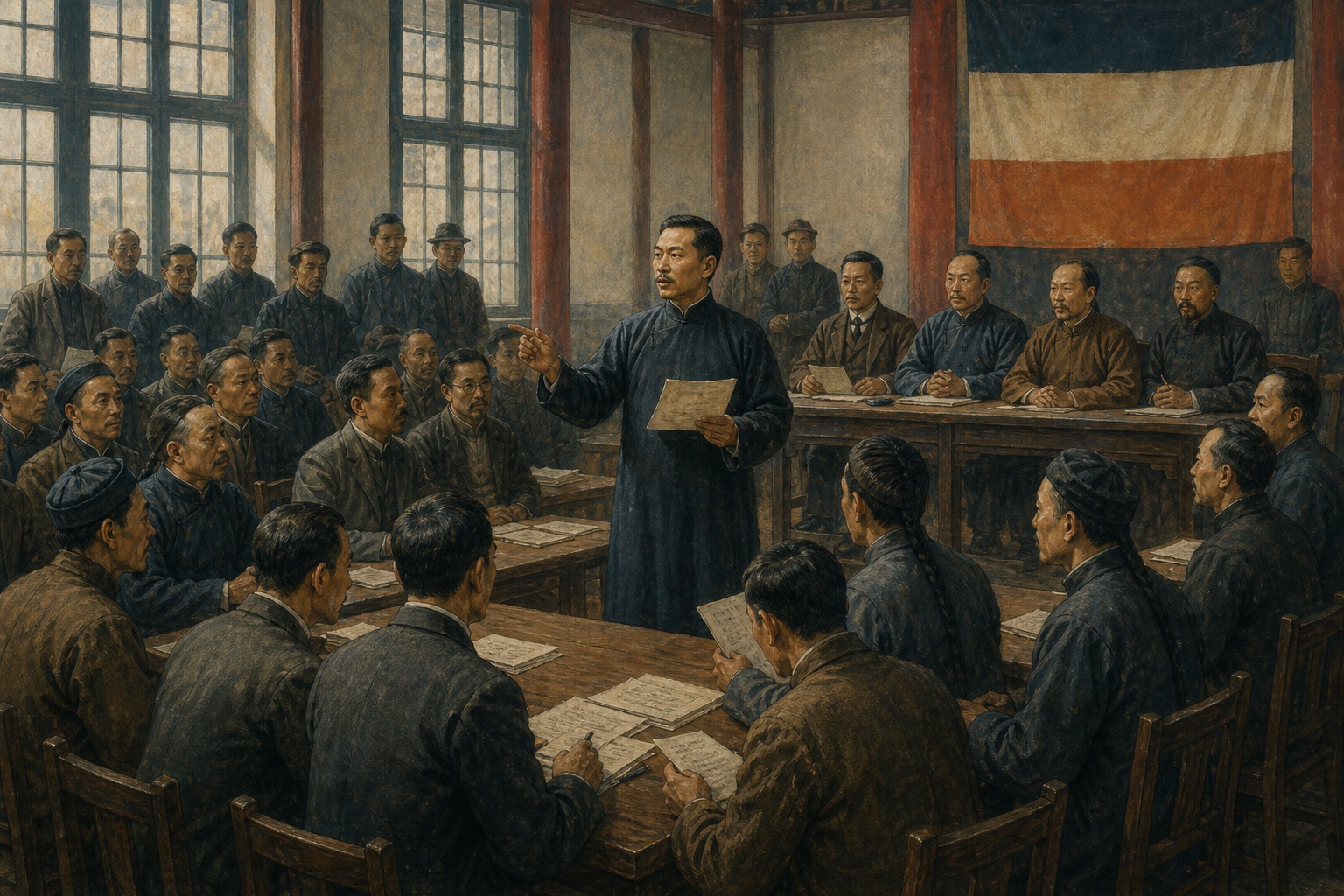
After a revolutionary plot was exposed, New Army units rose in Wuchang on 10 October 1911 and provinces declared independence from the Qing. Delegates at Nanjing elected Sun Yat-sen provisional president, but bargaining between southern revolutionaries and Yuan Shikai, who commanded the Beiyang Army, determined the settlement: Yuan would receive the presidency if he secured abdication.
- After a revolutionary plot was exposed, New Army units rose in Wuchang on 10 October 1911 and provinces declared independence from the Qing.
- Delegates at Nanjing elected Sun Yat-sen provisional president, but bargaining between southern revolutionaries and Yuan Shikai, who commanded the Beiyang Army, determined the settlement: Yuan would receive the presidency if he secured abdication.
- Conditions behind the action: Late-Qing reforms created armies, schools, and assemblies but did not resolve anger over foreign encroachment and indemnities, centralization, railway nationalization, or delayed constitutional rule. Revolutionaries, constitutionalists, New Army soldiers, and provincial elites pursued different projects, connected partly through overseas study and exile networks in Japan and elsewhere.
Outcome
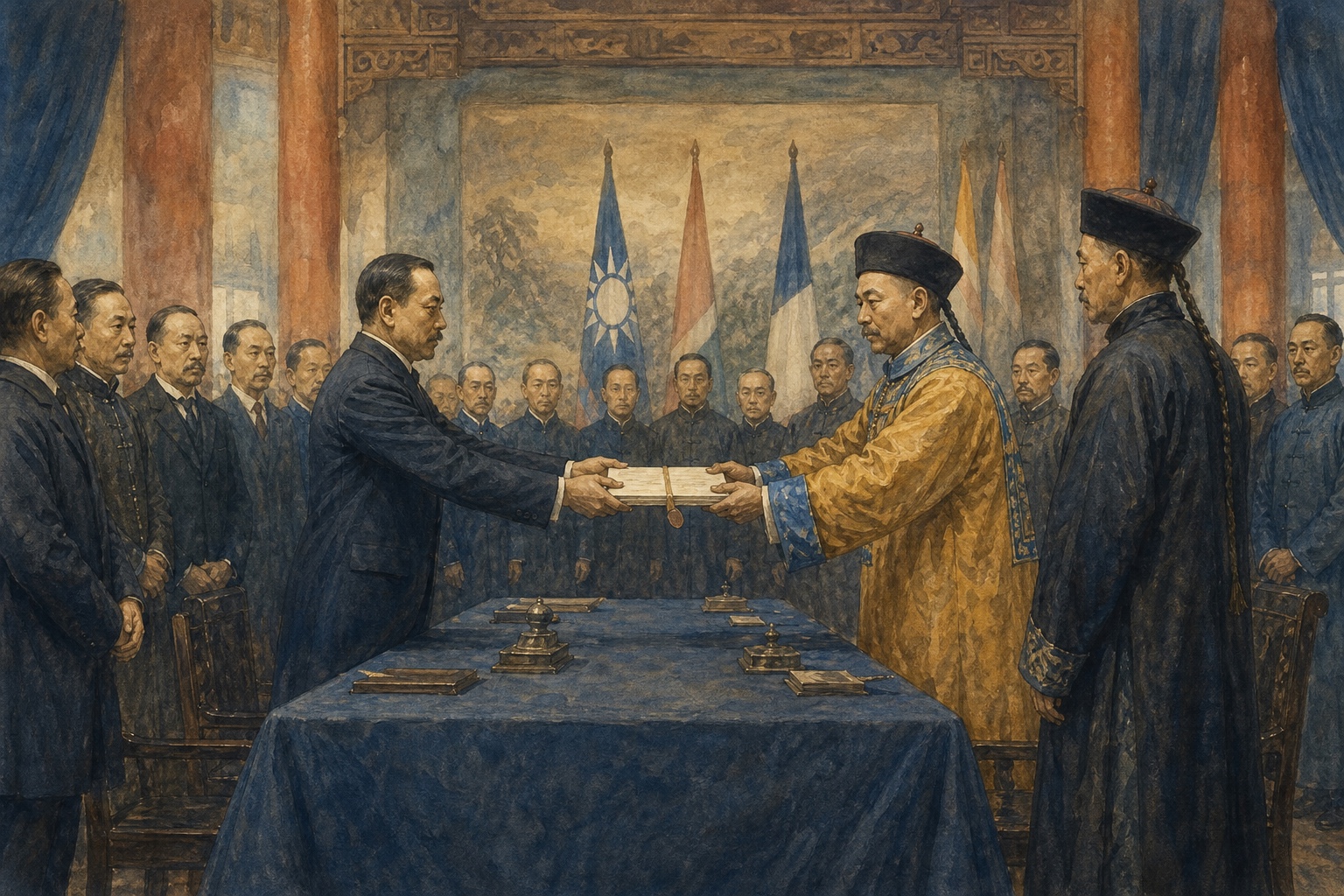
The Xuantong emperor abdicated on 12 February 1912, ending more than two millennia of imperial monarchy. A republic and provisional constitution followed, but central military power remained with Yuan, who soon constrained parliamentary government. The revolution collapsed the Qing; it did not immediately complete a unified, stable democratic state.
- The Xuantong emperor abdicated on 12 February 1912, ending more than two millennia of imperial monarchy.
- A republic and provisional constitution followed, but central military power remained with Yuan, who soon constrained parliamentary government.
- The revolution collapsed the Qing; it did not immediately complete a unified, stable democratic state.
Historical significance
The revolution recast sovereignty in republican and national terms. Meiji Japan offered institutional models in law, armies, and education while also acting as an imperial threat; it was context, not a single cause. The 1921–1949 Communist revolution later claimed to complete unresolved tasks of national unity and social transformation, but its distinct organizations, wars, and political outcome should not be folded back into the events of 1911–1912.
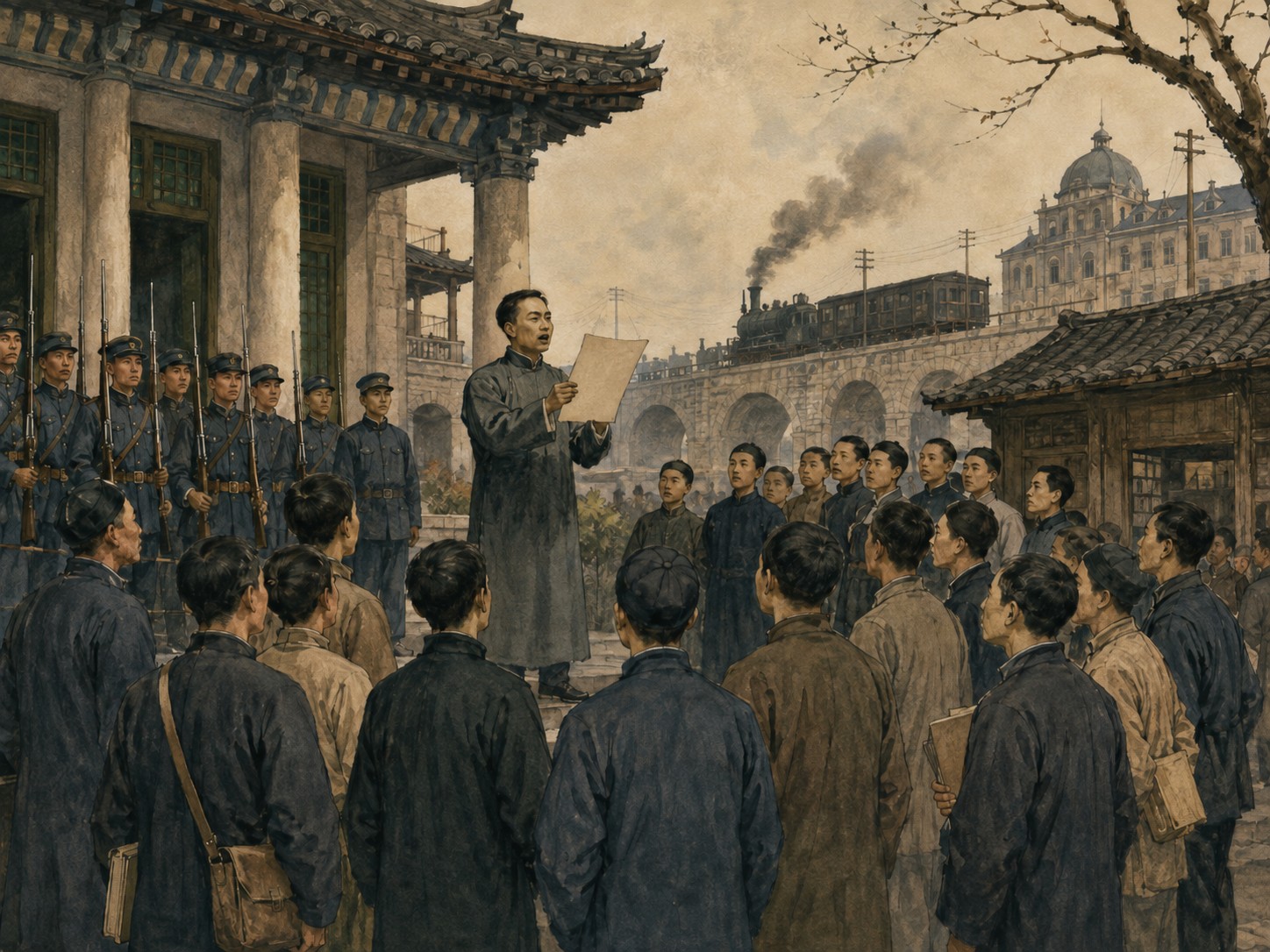
- The revolution recast sovereignty in republican and national terms.
- Meiji Japan offered institutional models in law, armies, and education while also acting as an imperial threat; it was context, not a single cause.
- The 1921–1949 Communist revolution later claimed to complete unresolved tasks of national unity and social transformation, but its distinct organizations, wars, and political outcome should not be folded back into the events of 1911–1912.


Related figures
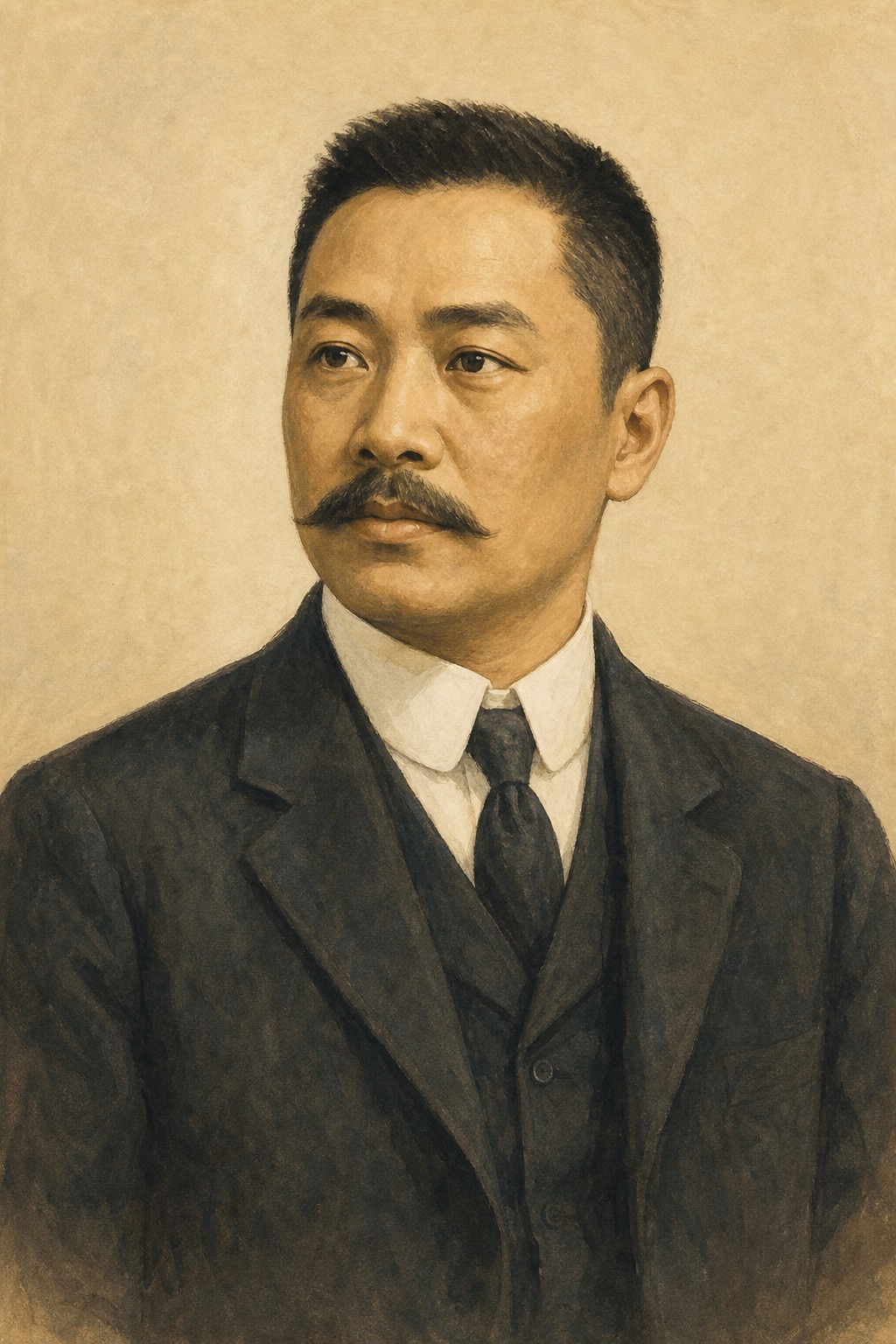
Huang Xing
historical figure in context
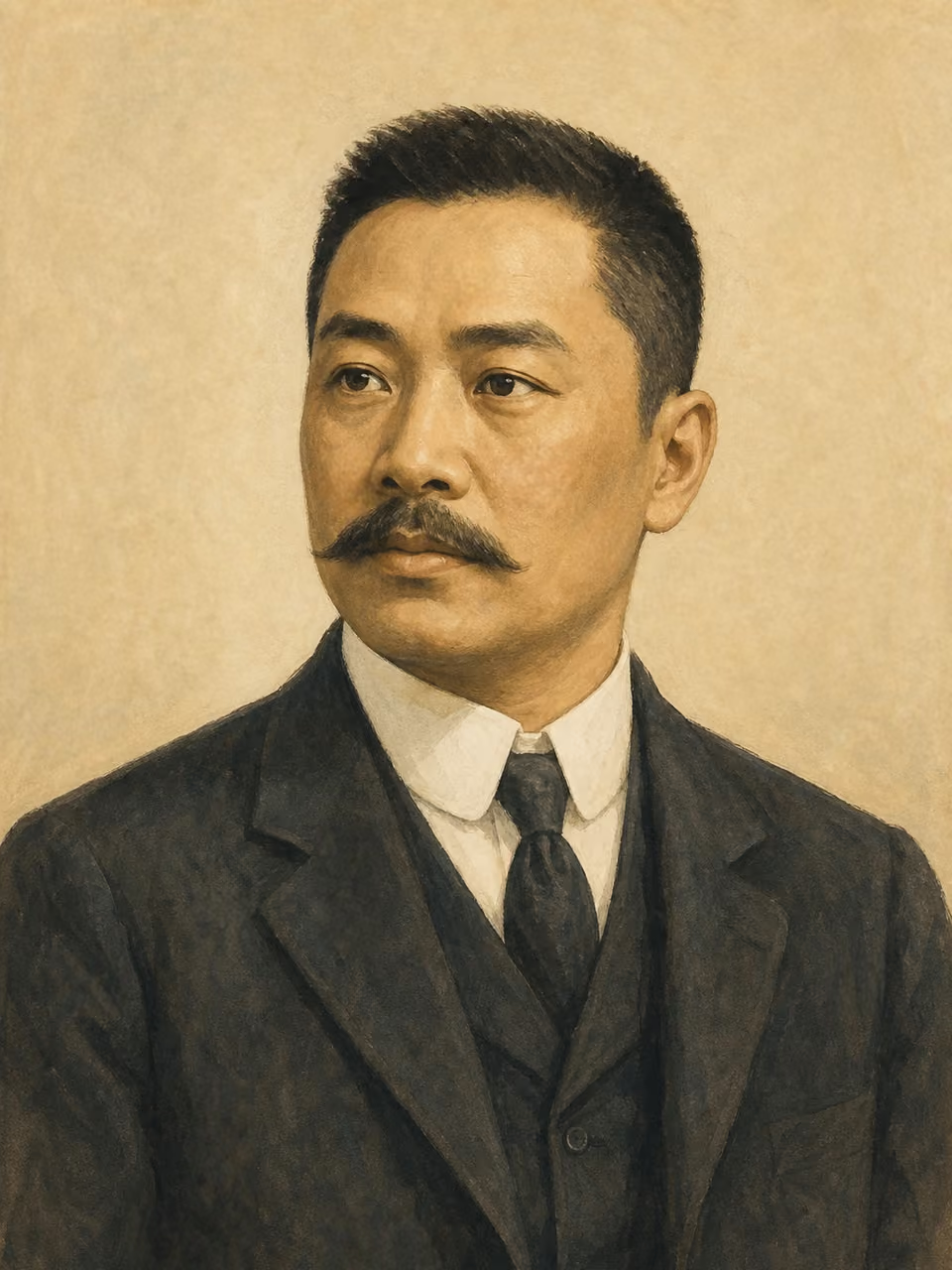
He was the first revolutionary in the late Qing Dynasty and promoted the Xinhai Revolution together with Sun Yat-sen. He was involved in the management of armed uprisings and revolutionary organizations, and supported the movement towards the establishment of the Republic of China. He is an important figure in modern Chinese revolutionary history.
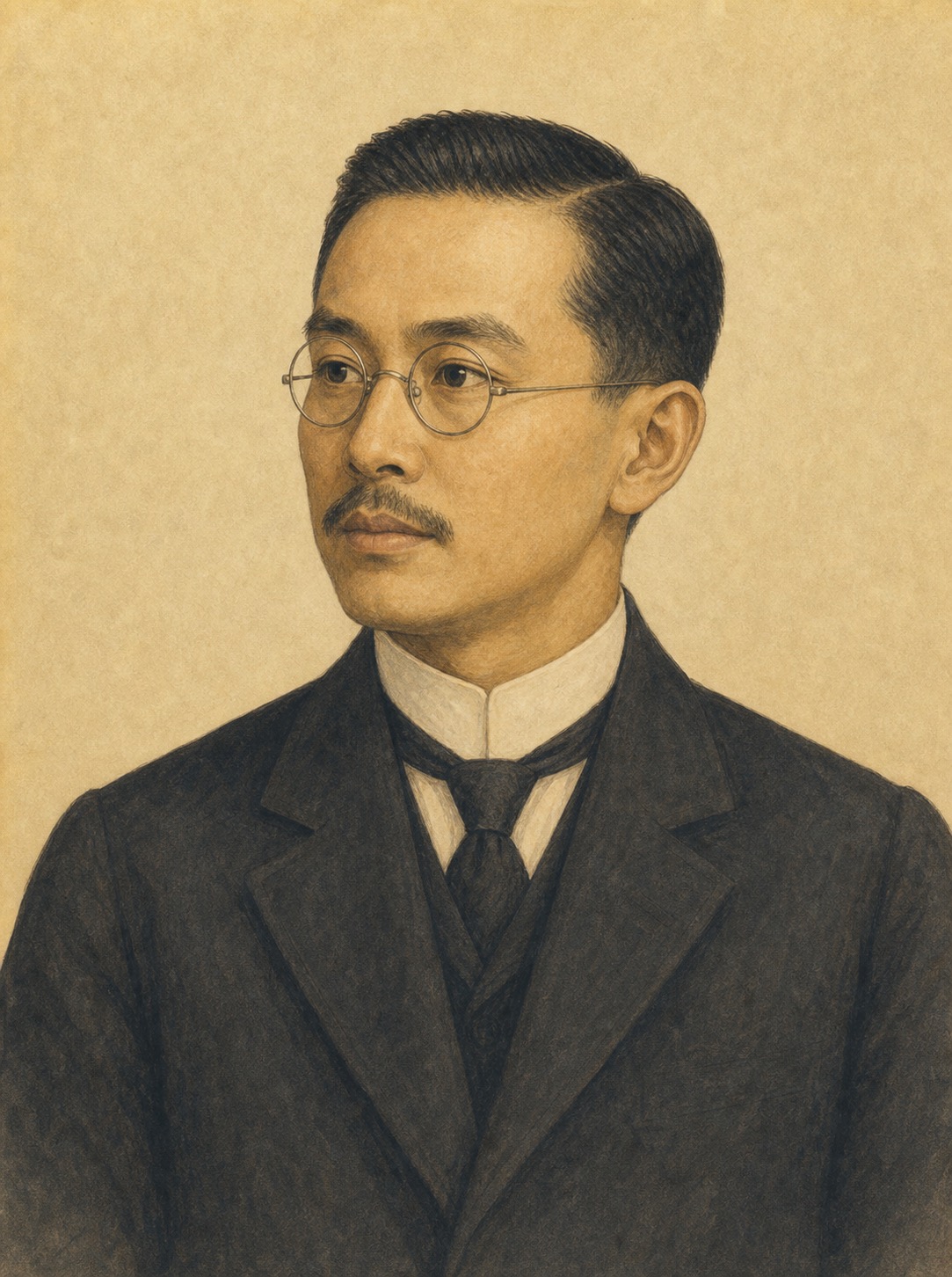
Song Jiaoren
historical figure in context
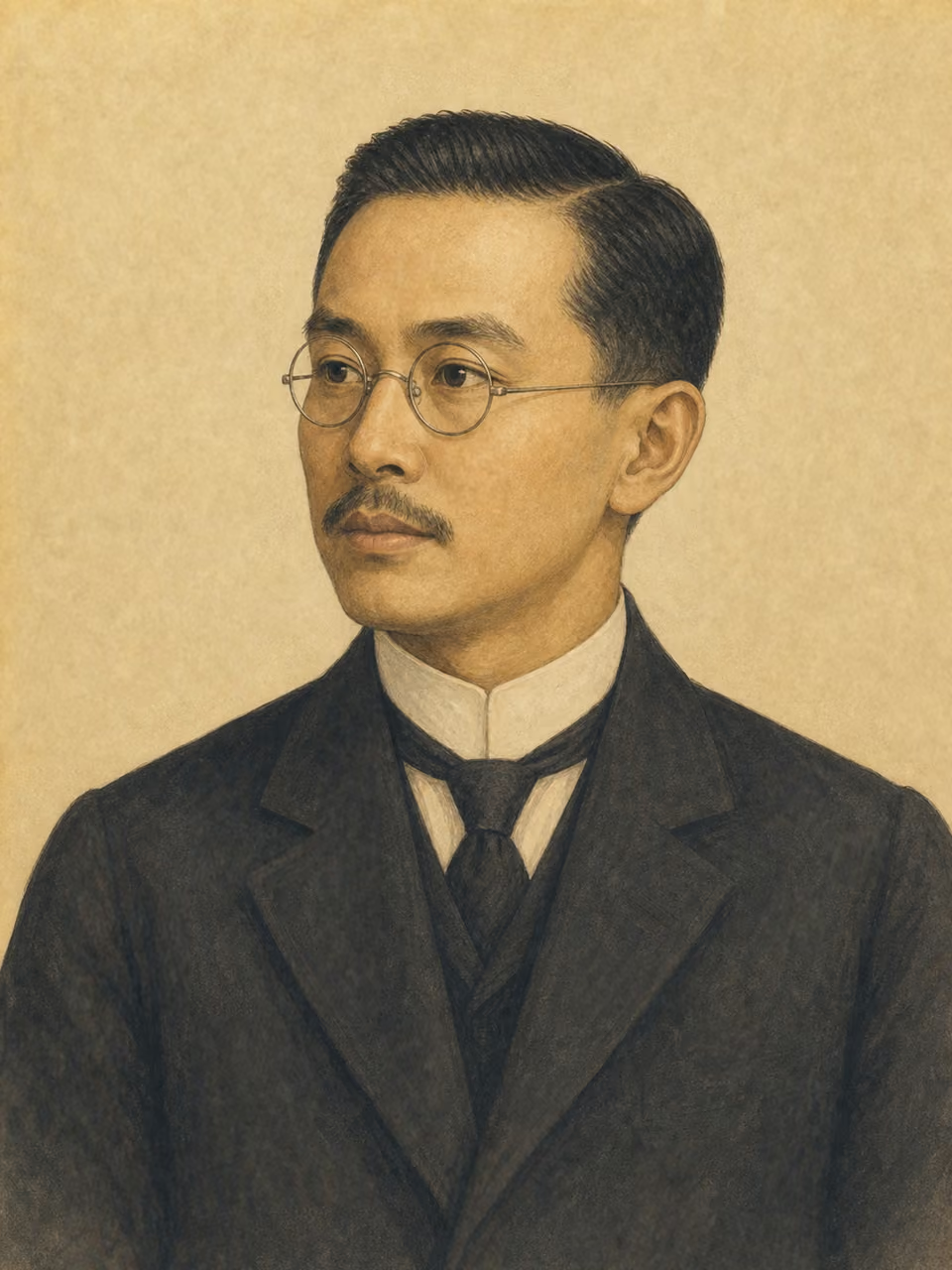
A politician who tried to promote parliamentary politics in China after the Xinhai Revolution. He was involved in organizing the Nationalist Party and aimed for a responsible cabinet system, but was assassinated. He is a person who symbolizes the failure of democratic politics in the early days of the Republic of China.
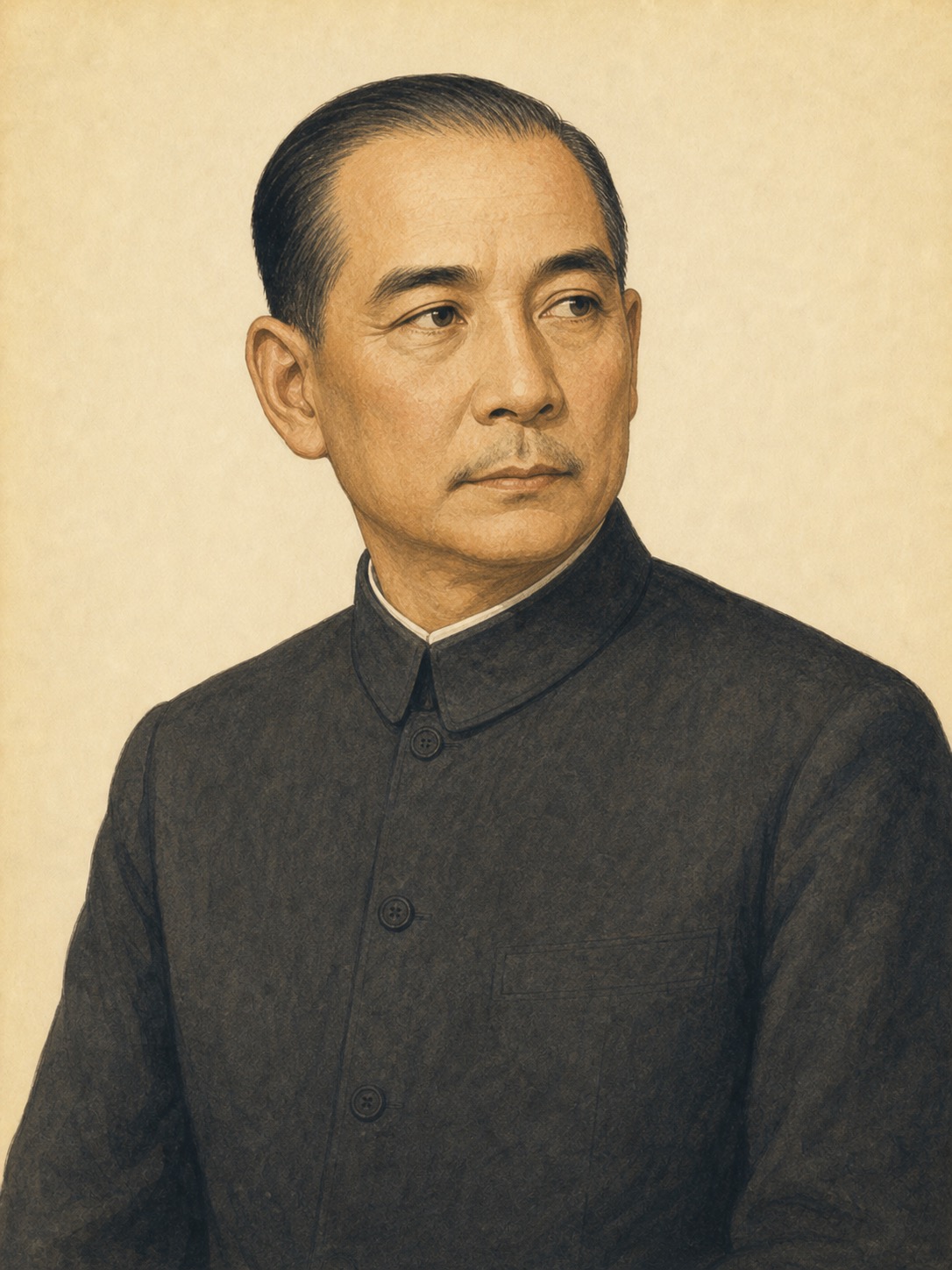
Sun Yat-sen
historical figure in context
Chinese revolutionary and politician. It advocated the principle of the Three Peoples and became a symbol of the Xinhai Revolution and the establishment of the Republic of China. He is a person who thinks about the collapse of the Qing Dynasty and the formation of a modern Chinese nation.
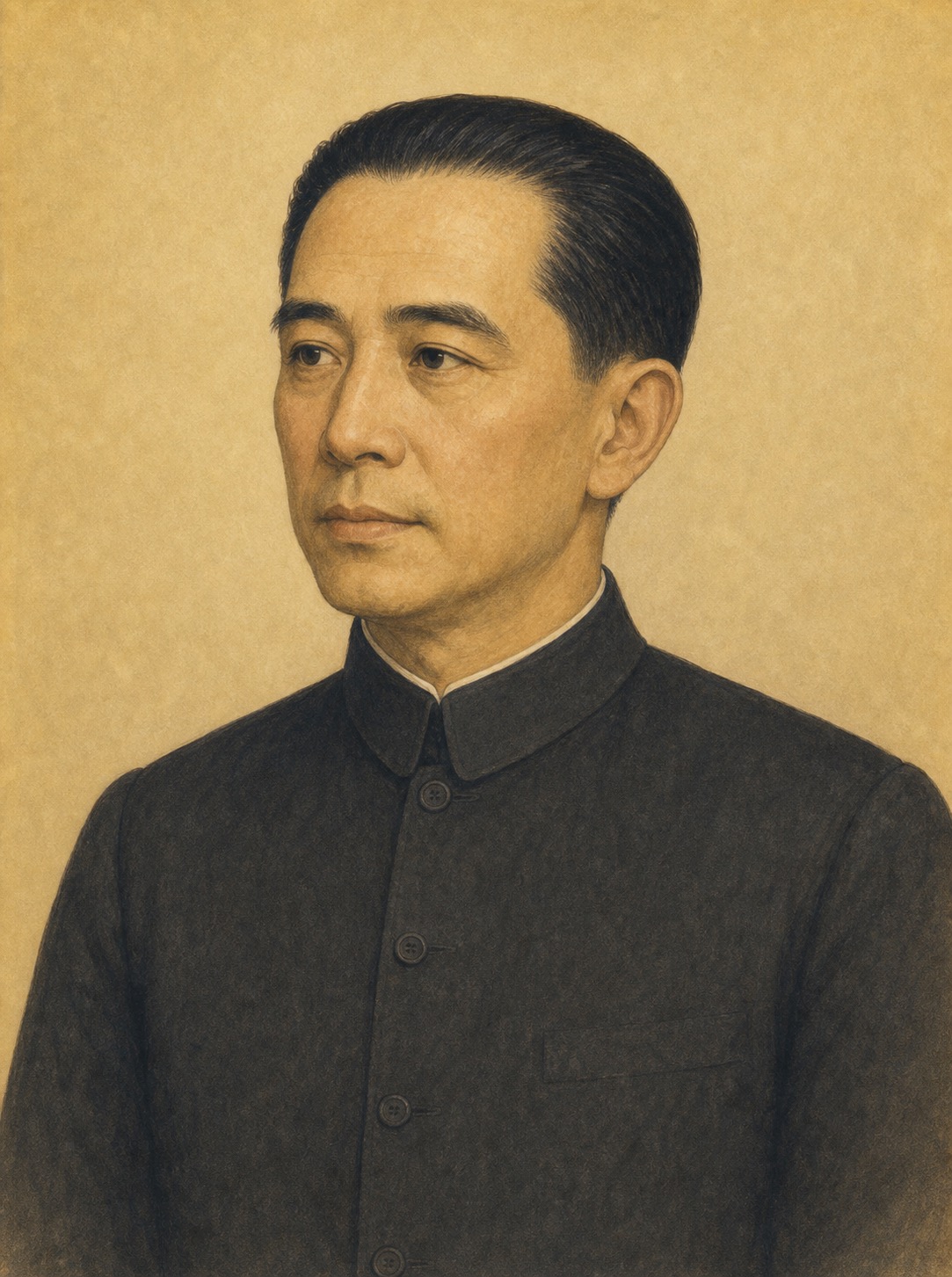
Wang Jingwei
historical figure in context
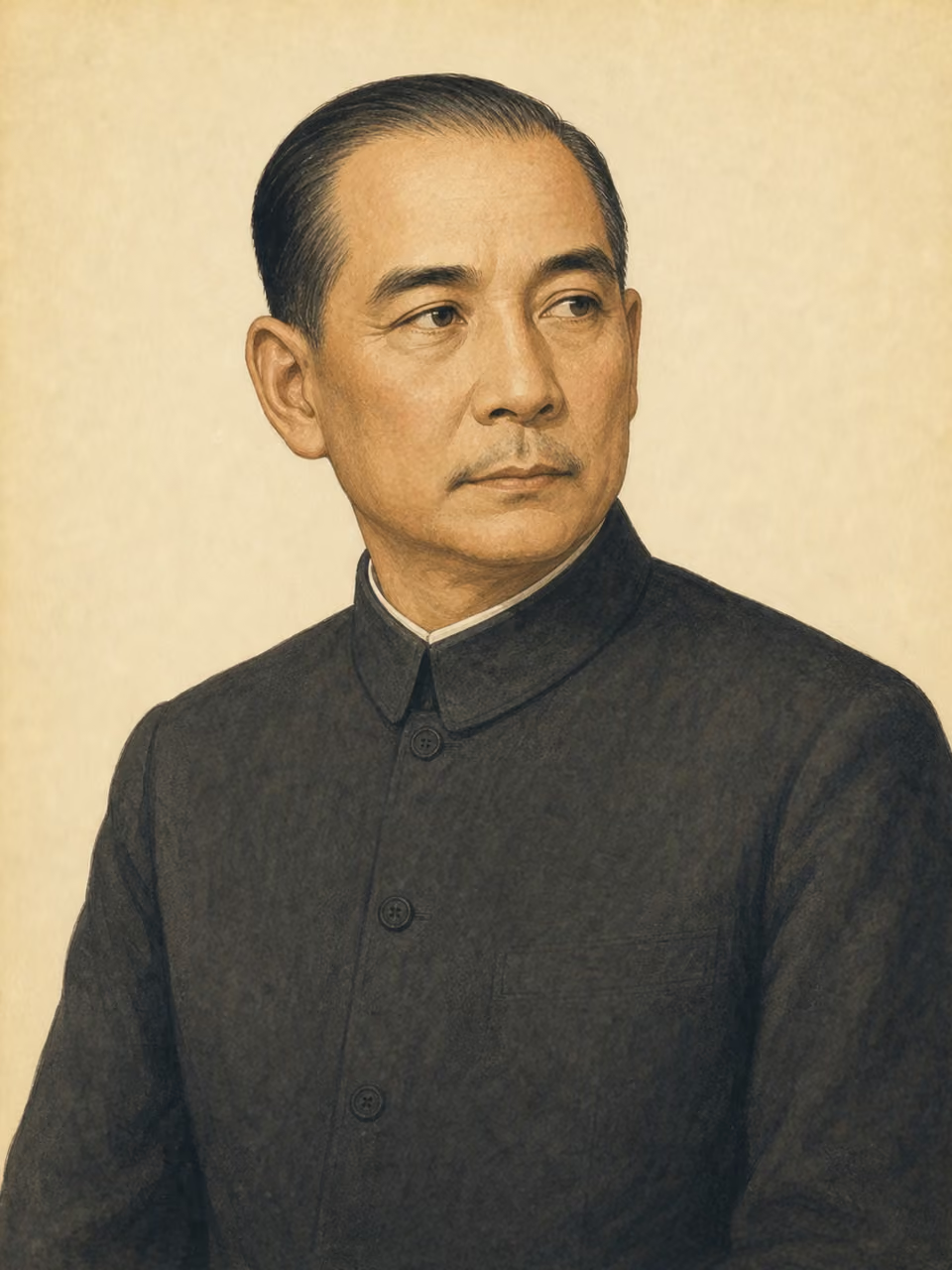
A Chinese politician who progressed from being a revolutionary during the Xinhai Revolution to becoming a leader of the Kuomintang Party. During the Sino-Japanese War, he led a pro-Japanese government in Nanjing, and his reputation was highly divided. He is an important figure who shows the twists in modern Chinese history.
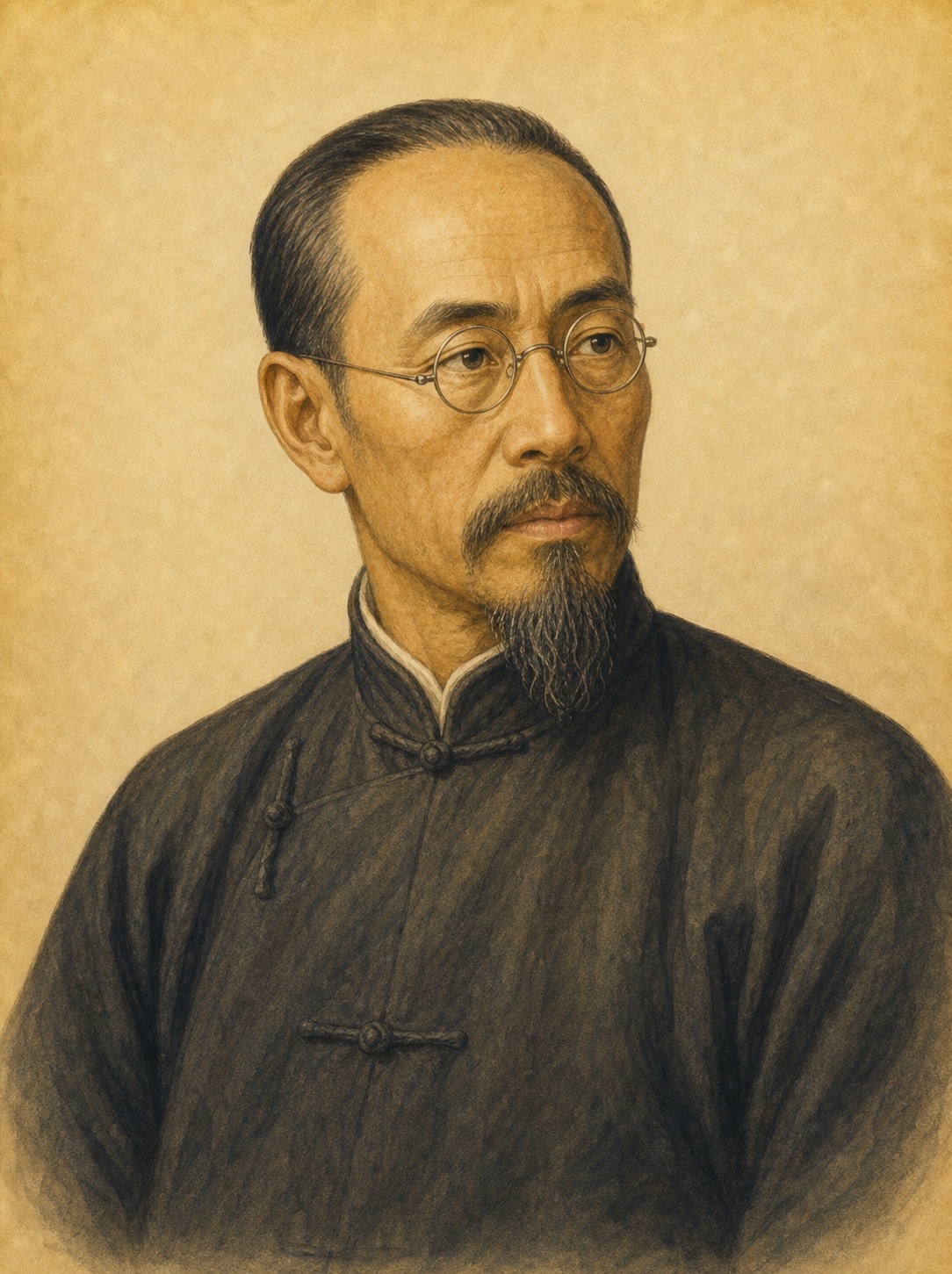
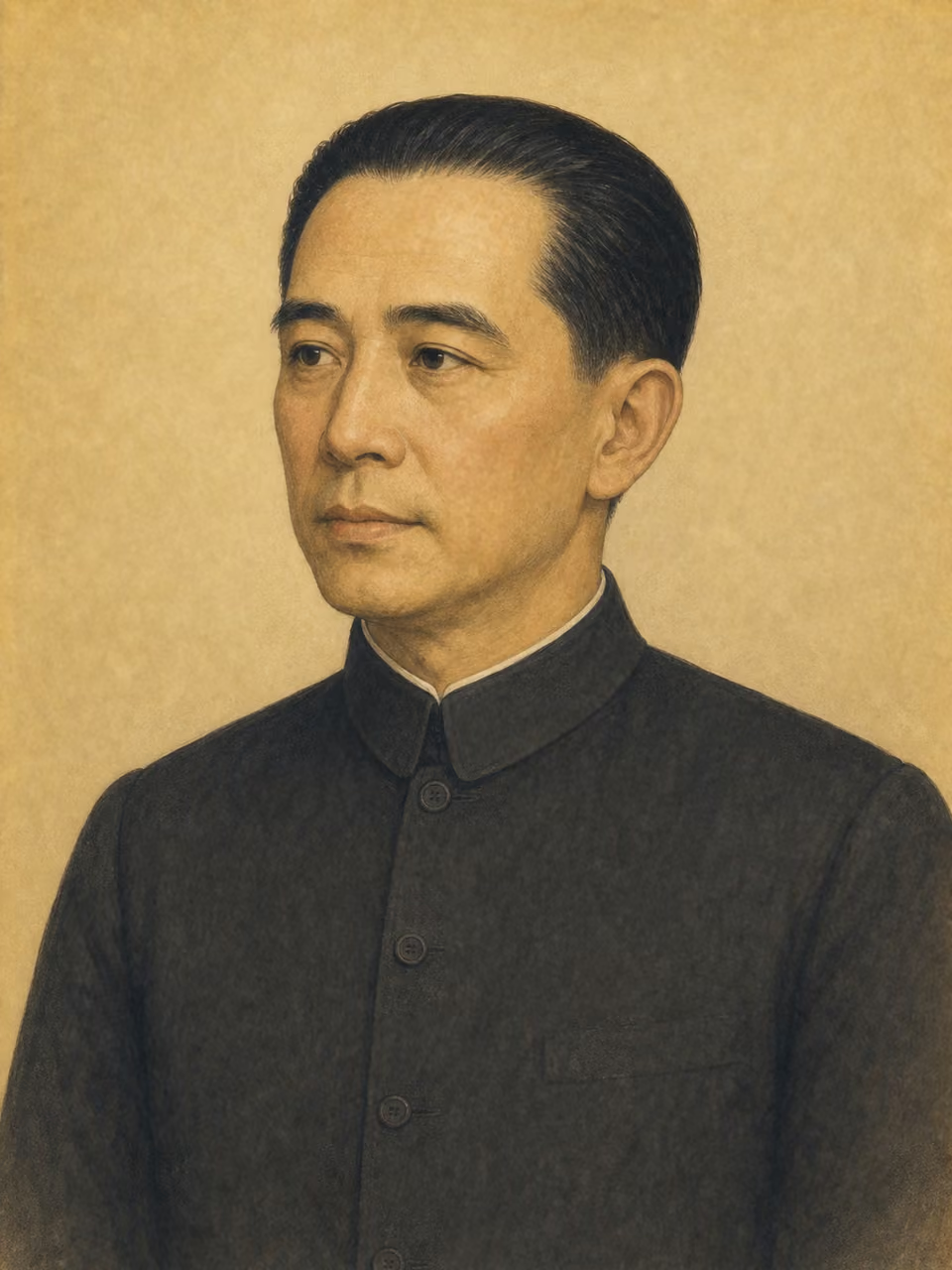
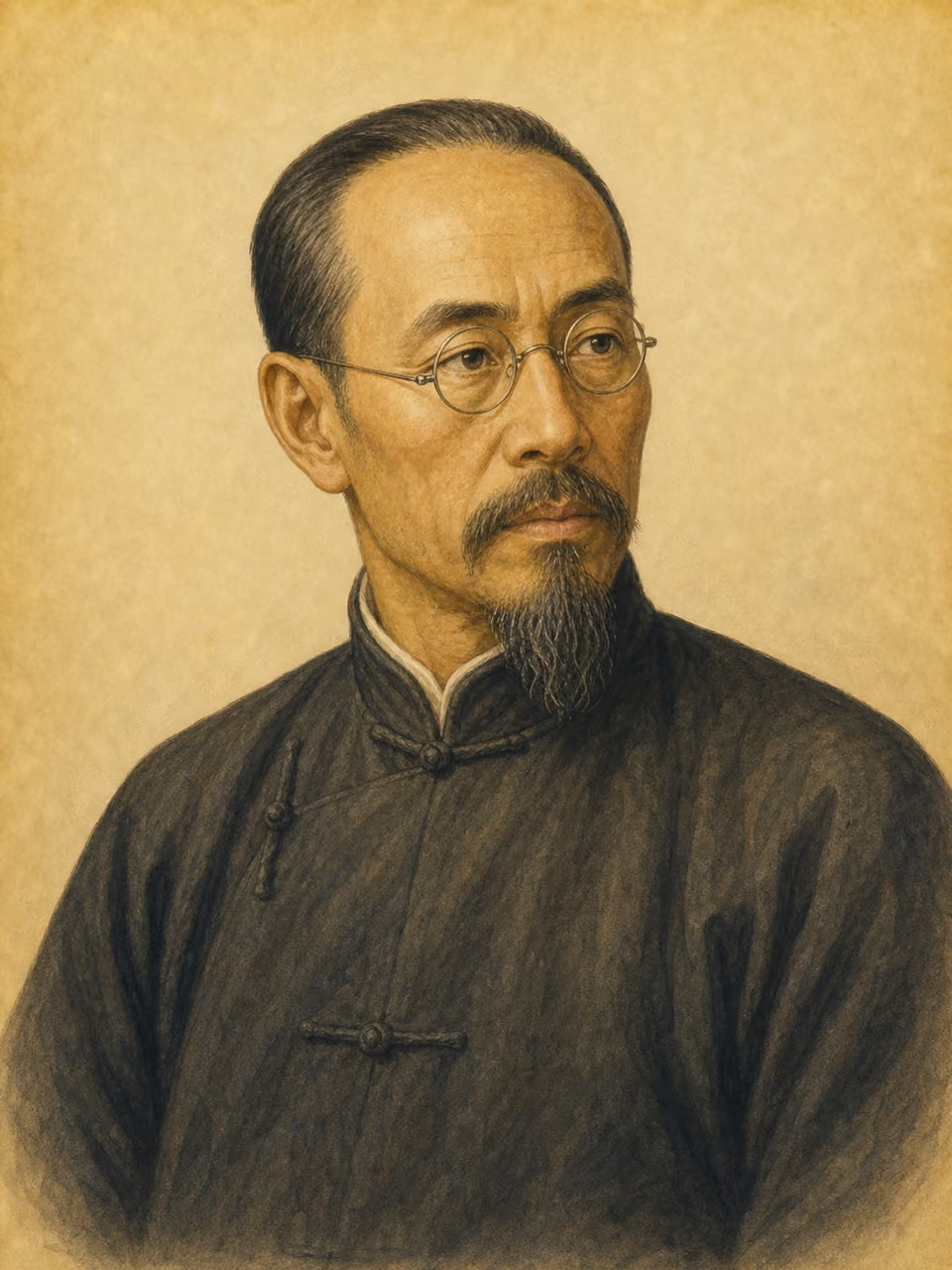
Chang Ping-lin
historical figure in context
The first thinker and revolutionary of the late Qing Dynasty. Also known as Zhang Taiyan, he was known for his anti-Qing revolution and research on national studies. He is a person who has read Chinese nationalism before and after the Xinhai Revolution.
Related events
1891
Prelude
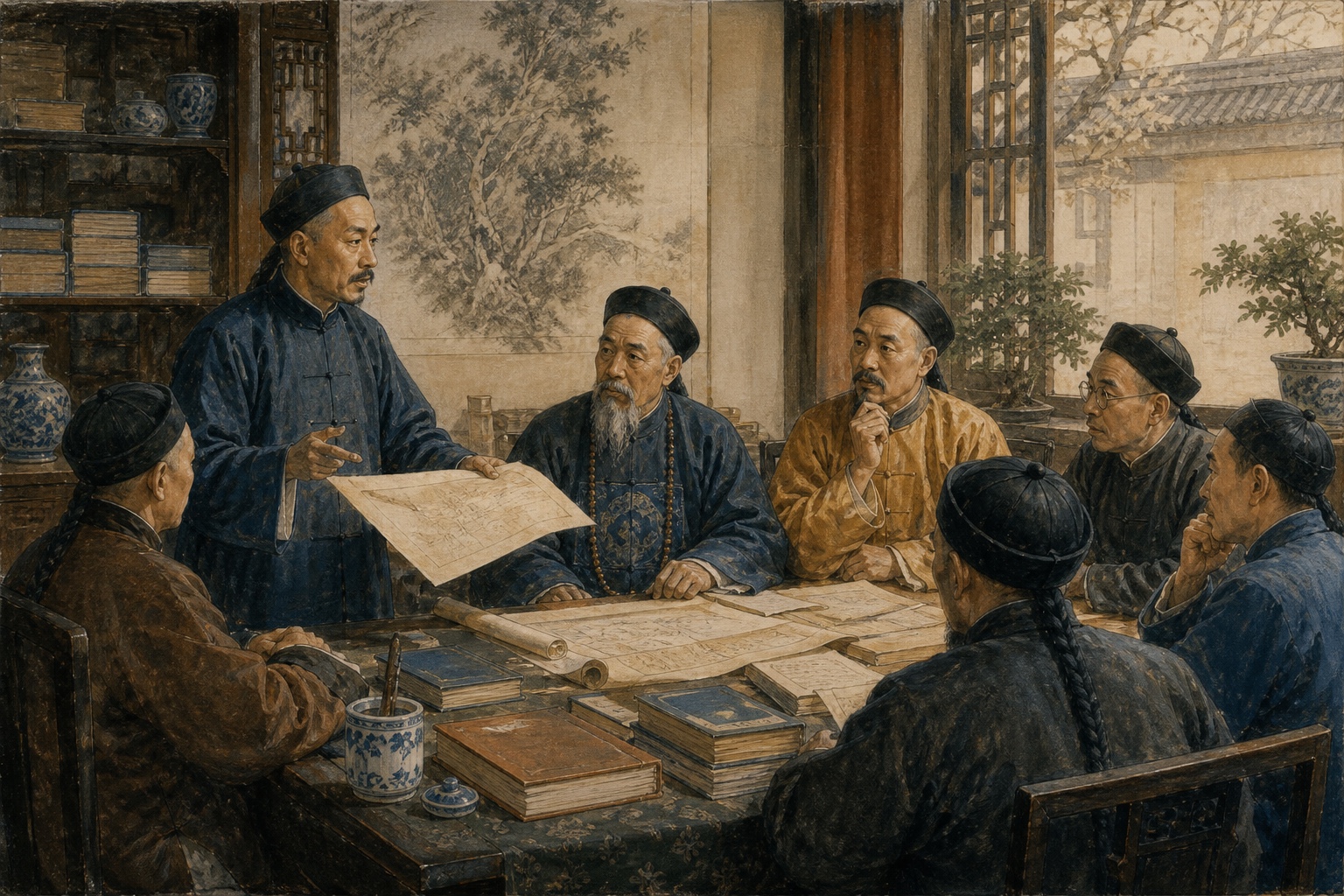
Prelude — Background: Late-Qing reforms created armies, schools, and assemblies but did not resolve anger over foreign encroachment and indemnities, centralization, railway nationalization, or delayed constitutional rule. Revolutionaries, constitutionalists, New Army soldiers, and provincial elites pursued different projects, connected partly through overseas study and exile networks in Japan and elsewhere.
c. 1910
Rising tension
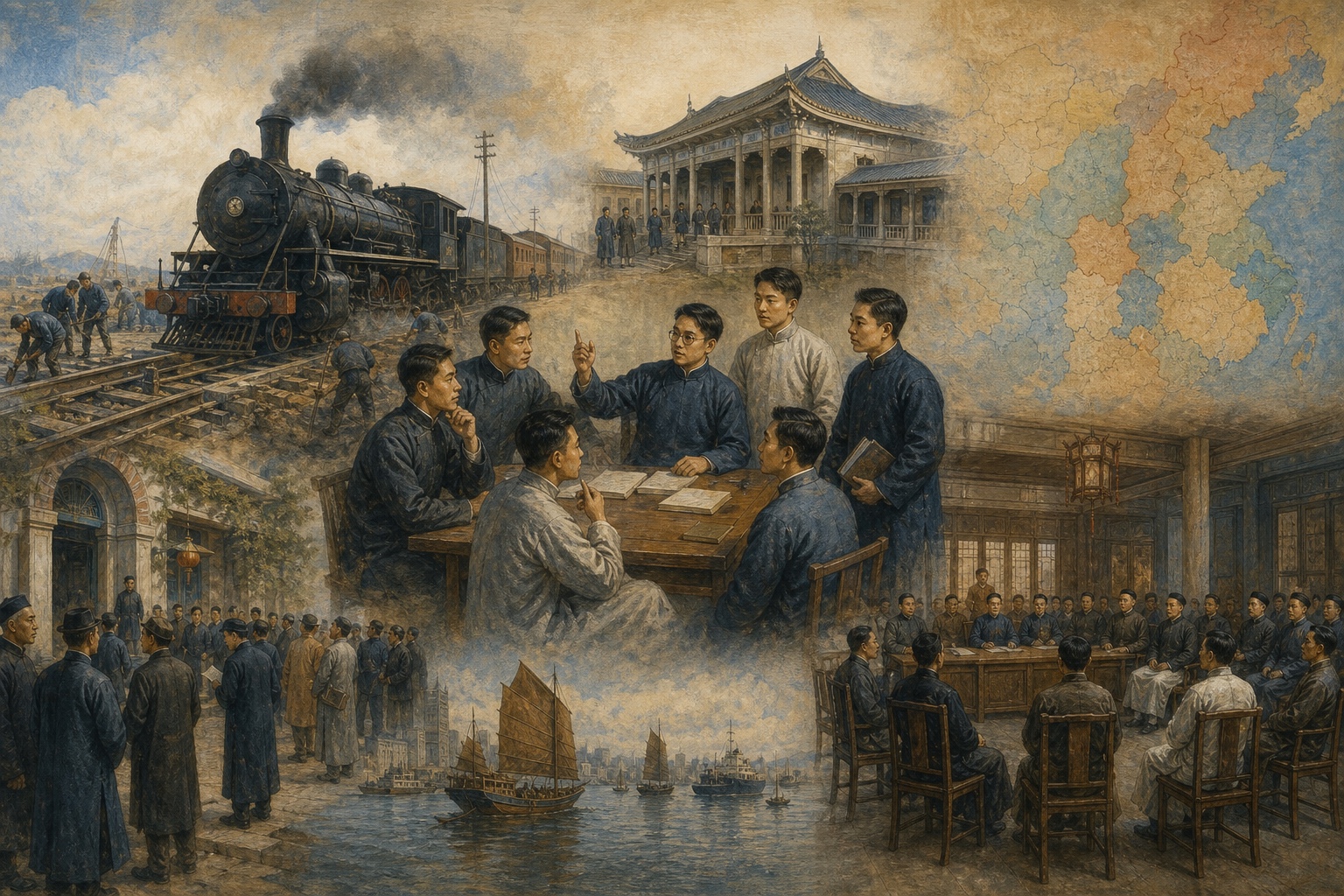
Rising tension — Build-up: After a revolutionary plot was exposed, New Army units rose in Wuchang on 10 October 1911 and provinces declared independence from the Qing. Delegates at Nanjing elected Sun Yat-sen provisional president, but bargaining between southern revolutionaries and Yuan Shikai, who commanded the Beiyang Army, determined the settlement: Yuan would receive the presidency if he secured abdication.
1911–1912
Xinhai Revolution
Current event
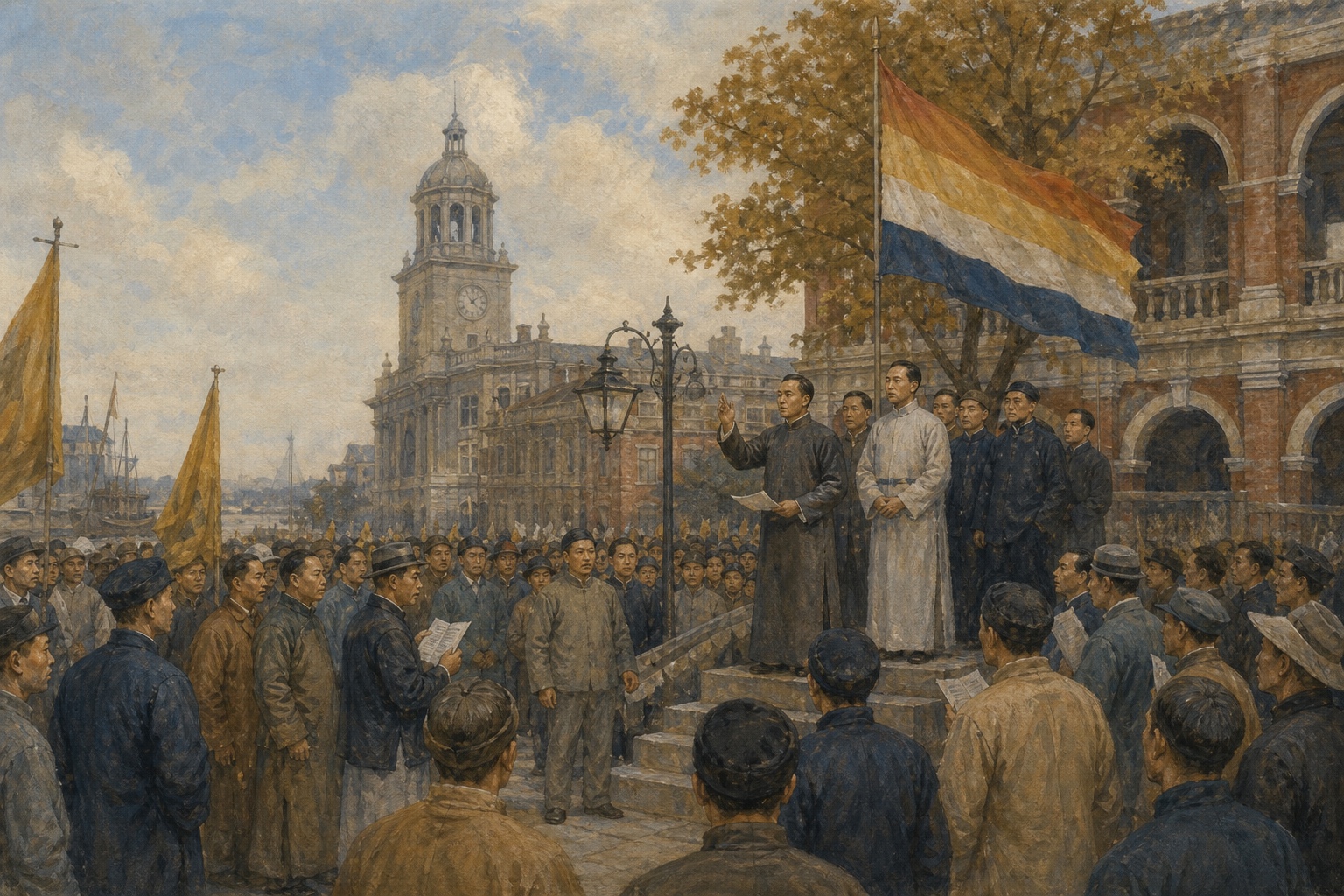
Xinhai Revolution — Central transition: The revolution from the Wuchang Uprising of October 1911 to the Qing abdication of February 1912, when provincial secession and negotiation ended the dynasty and founded the Republic of China.
c. 1913
Immediate aftermath
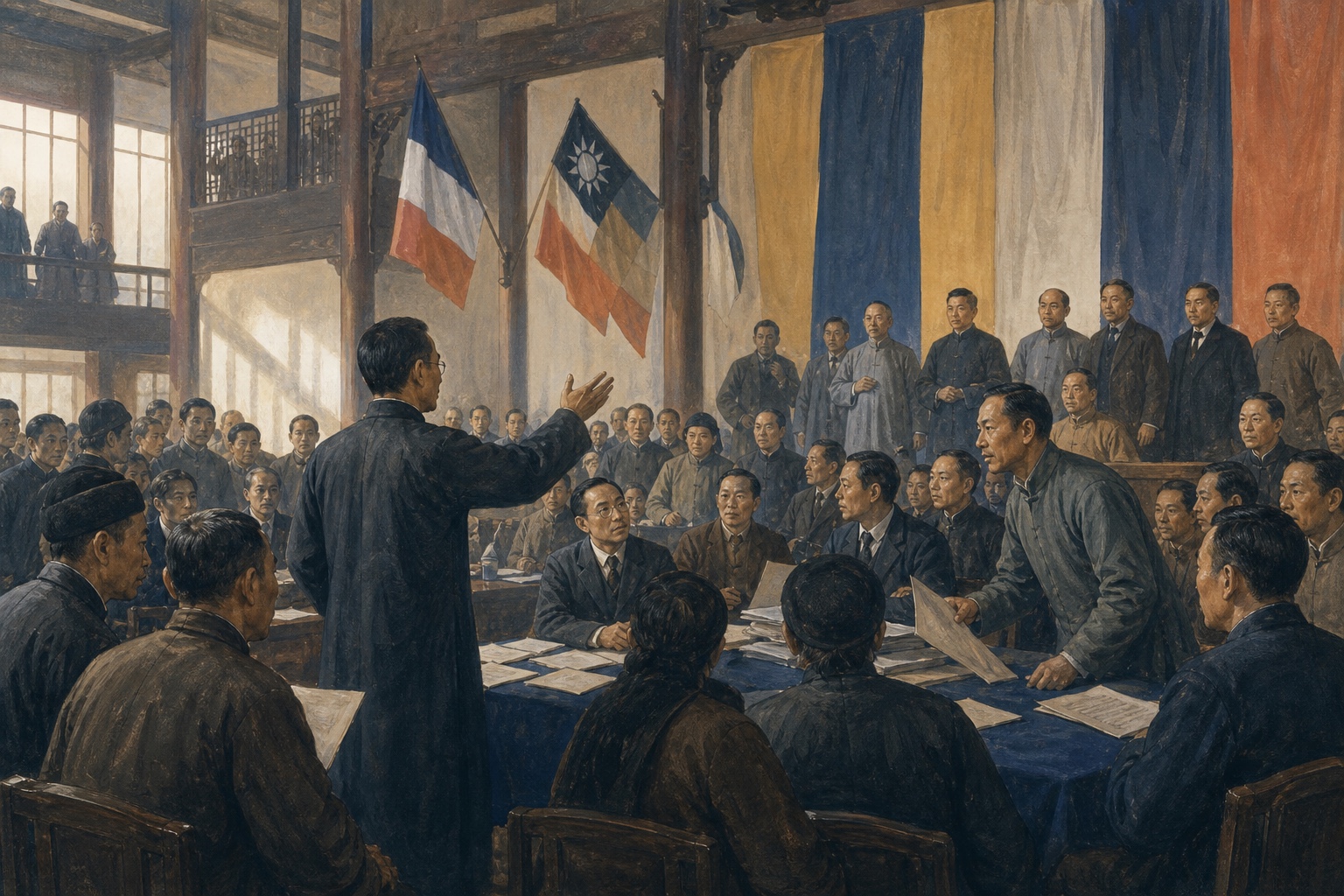
Immediate aftermath — Immediate result: The Xuantong emperor abdicated on 12 February 1912, ending more than two millennia of imperial monarchy. A republic and provisional constitution followed, but central military power remained with Yuan, who soon constrained parliamentary government. The revolution collapsed the Qing; it did not immediately complete a unified, stable democratic state.
c. 1922
Long-term significance
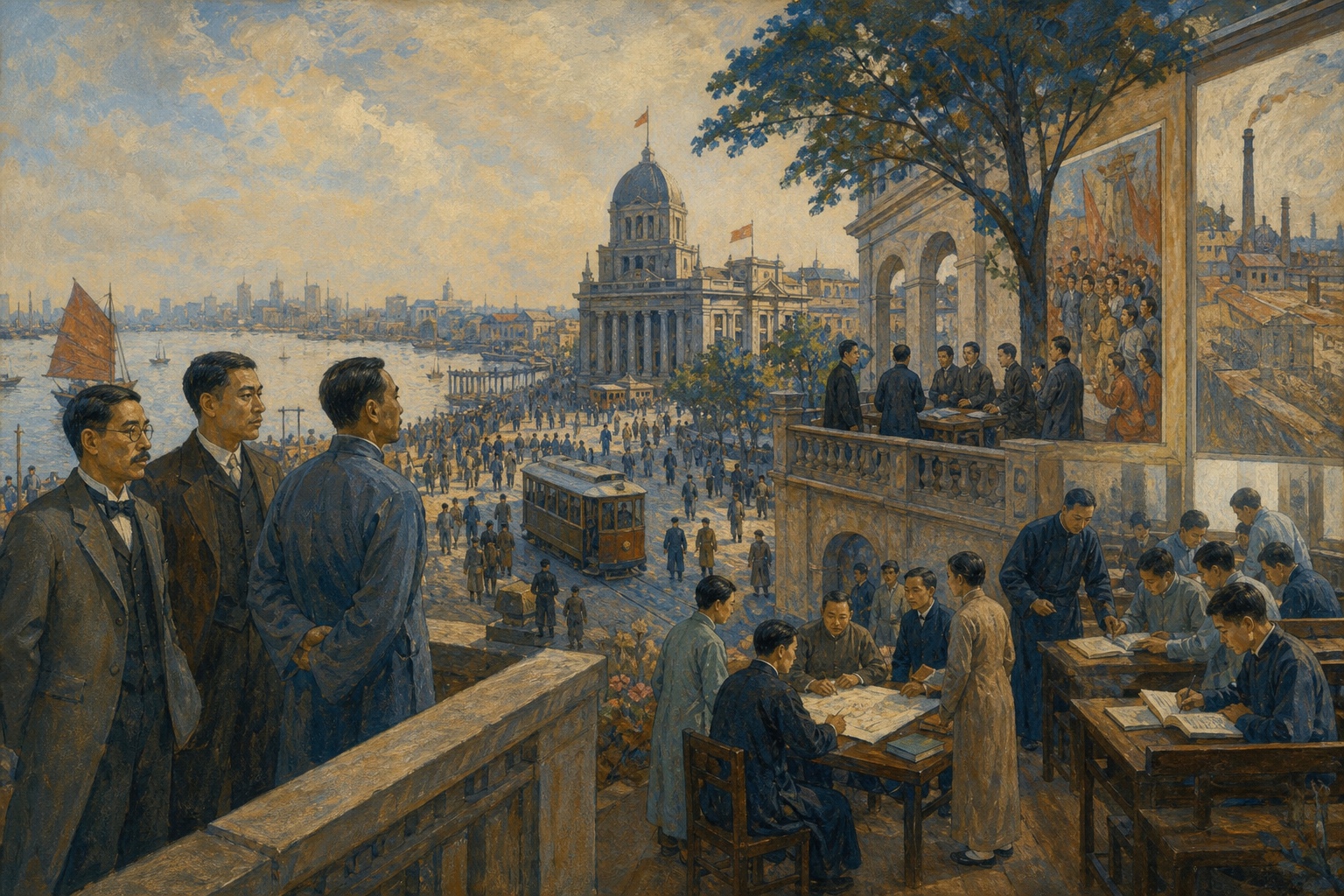
Long-term significance — Long-term significance: The revolution recast sovereignty in republican and national terms. Meiji Japan offered institutional models in law, armies, and education while also acting as an imperial threat; it was context, not a single cause. The 1921–1949 Communist revolution later claimed to complete unresolved tasks of national unity and social transformation, but its distinct organizations, wars, and political outcome should not be folded back into the events of 1911–1912.


Sources
- Xinhai Revolution — 89a9a5f8 Dc3a 4ef2 9fba Bf22b8a40c3b (Uw)uw.manifoldapp.orgThis Uw resource supports the chronology, setting, and course of Xinhai Revolution.
- Xinhai Revolution — 97112 (Ir)ir.pku.edu.cnThis Ir resource supports the chronology, setting, and course of Xinhai Revolution.
- Xinhai Revolution — V12p183 (Cuhk)cuhk.edu.hkThis Cuhk resource supports the chronology, setting, and course of Xinhai Revolution.