
Anti-Apartheid Movement
1948–1994
The diverse South African and international struggle, framed here from the National Party's adoption of apartheid in 1948 to nonracial democratic government in 1994, against legalized white supremacy.

- Period
- 1948–1994
- Kind
- Movement
- Regions
- Africa
- Keywords
- Anti-Apartheid Movement · background · course · outcome
Follow the story · Four stages
Background
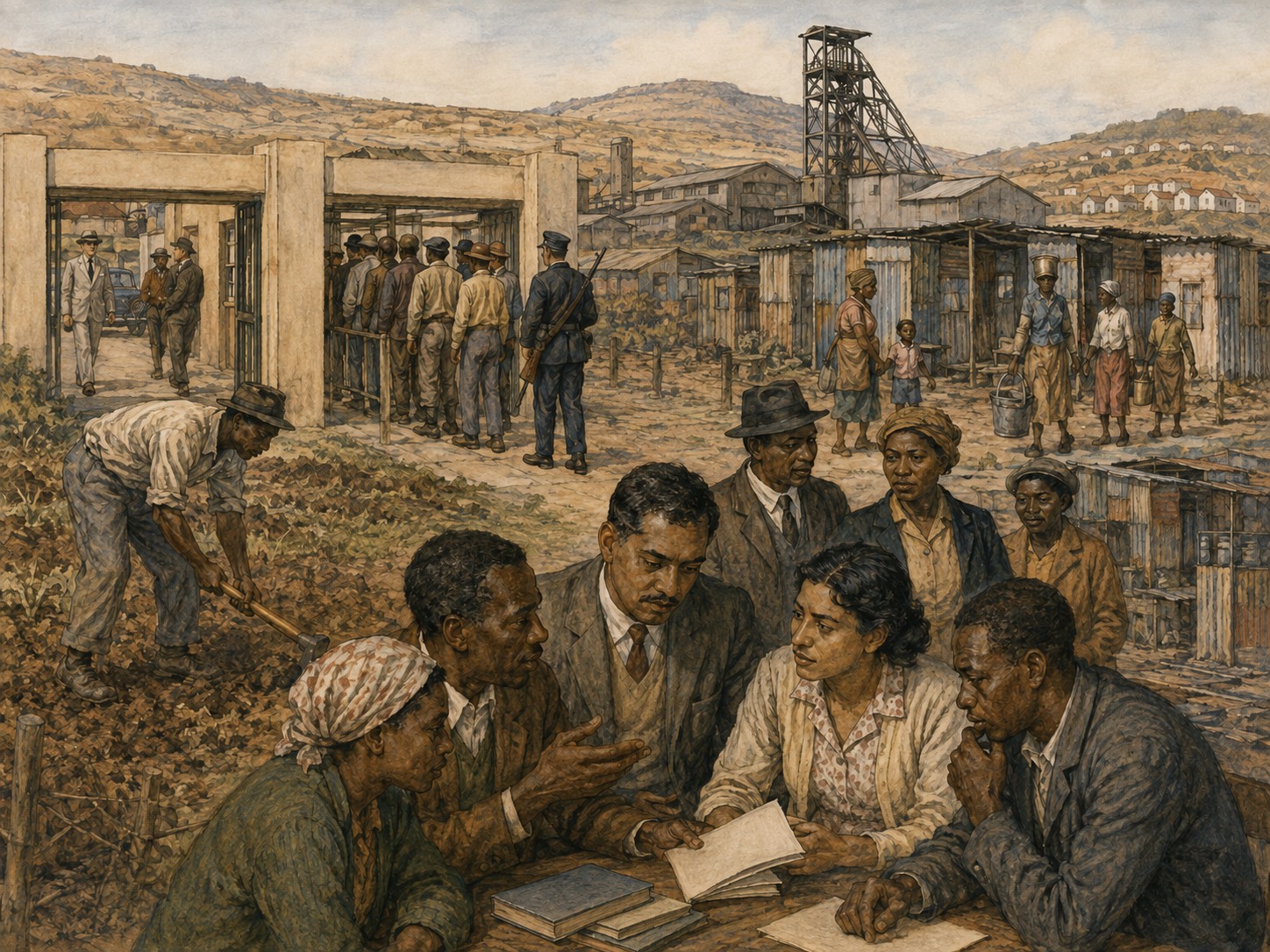
Apartheid formalized and extended older colonial conquest, land dispossession, segregation, and racialized labor systems. The Berlin Conference did not create South African segregation directly, but it symbolizes the wider imperial order in which conquest and racial rule expanded. Earlier African, Indian, Coloured, worker, women's, and civic resistance supplied organizations and experience for opposition after 1948.
- Apartheid formalized and extended older colonial conquest, land dispossession, segregation, and racialized labor systems.
- The Berlin Conference did not create South African segregation directly, but it symbolizes the wider imperial order in which conquest and racial rule expanded.
- Earlier African, Indian, Coloured, worker, women's, and civic resistance supplied organizations and experience for opposition after 1948.
Course
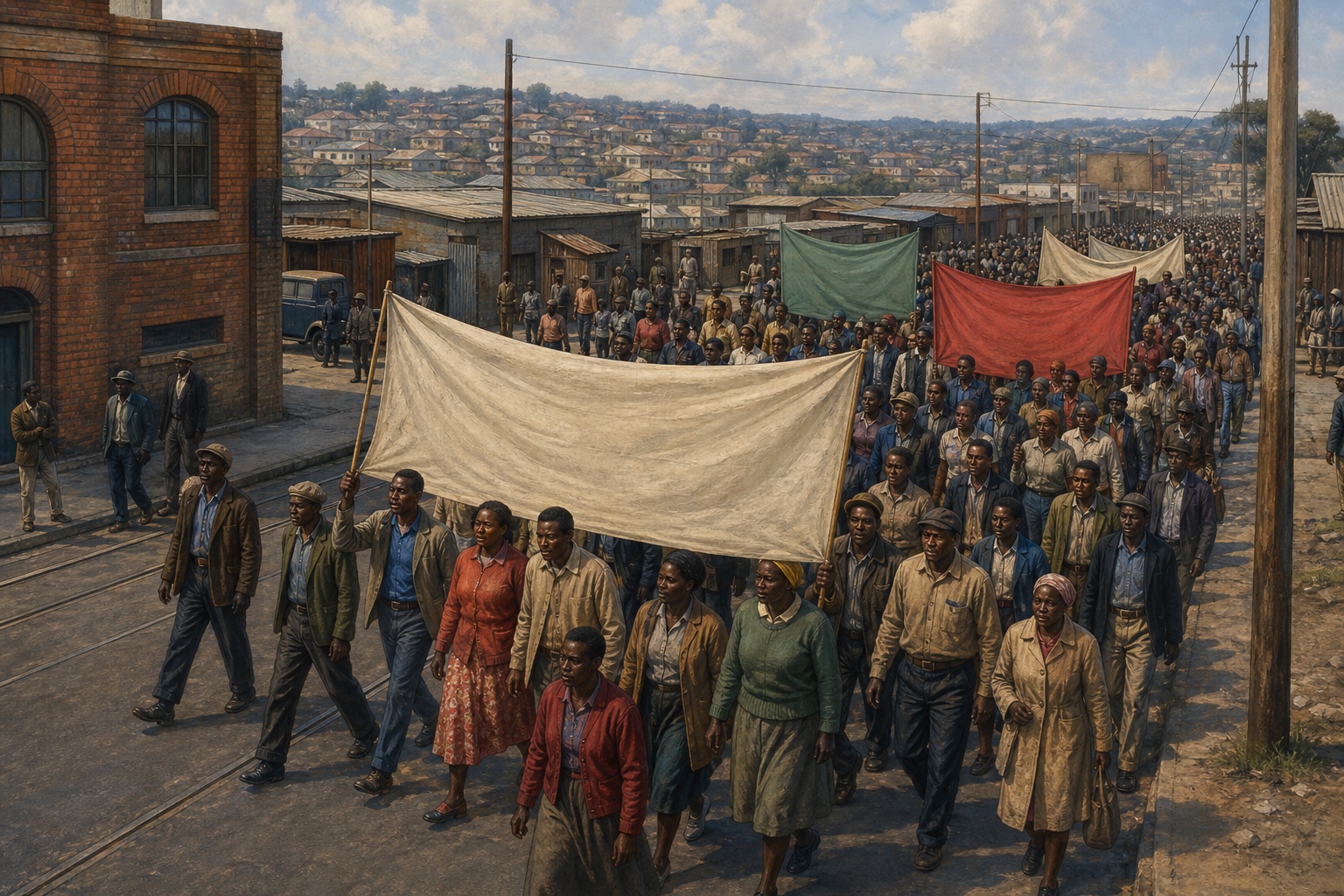
The struggle included the ANC and PAC, the Congress Alliance, Black Consciousness, trade unions, student and women's organizations, churches, civic groups, the UDF, armed wings, exiles, and international solidarity networks; they differed over nationalism, nonracialism, class, tactics, and leadership. Defiance campaigns, strikes, boycotts, underground work, armed action, Soweto's student uprising, cultural and sports isolation, and international sanctions confronted bannings, imprisonment, censorship, massacres, forced removals, and states of emergency.
- The struggle included the ANC and PAC, the Congress Alliance, Black Consciousness, trade unions, student and women's organizations, churches, civic groups, the UDF, armed wings, exiles, and international solidarity networks; they differed over nationalism, nonracialism, class, tactics, and leadership.
- Defiance campaigns, strikes, boycotts, underground work, armed action, Soweto's student uprising, cultural and sports isolation, and international sanctions confronted bannings, imprisonment, censorship, massacres, forced removals, and states of emergency.
- Conditions behind the action: Apartheid formalized and extended older colonial conquest, land dispossession, segregation, and racialized labor systems. The Berlin Conference did not create South African segregation directly, but it symbolizes the wider imperial order in which conquest and racial rule expanded. Earlier African, Indian, Coloured, worker, women's, and civic resistance supplied organizations and experience for opposition after 1948.
Outcome
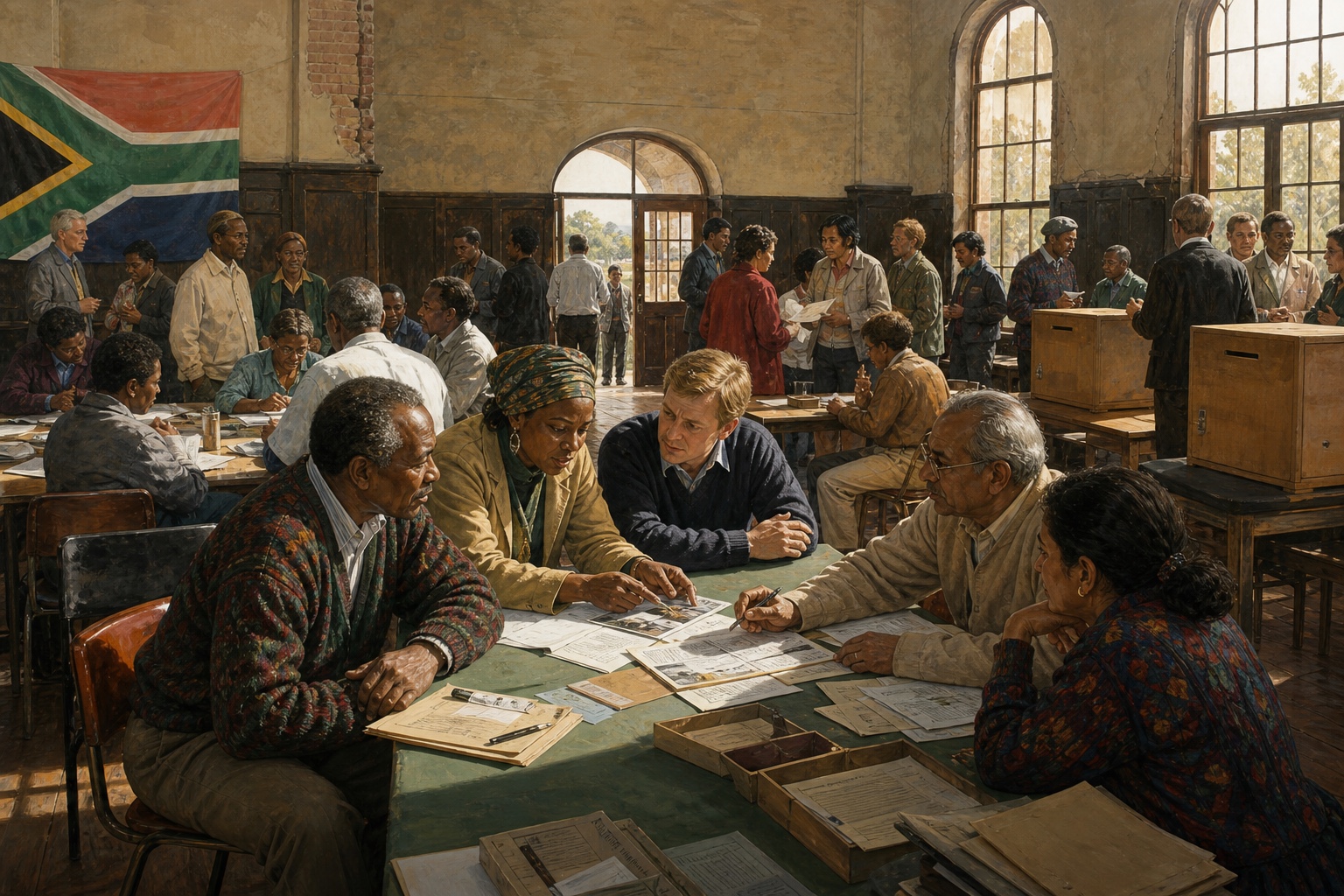
Mass resistance, international pressure, economic and political crisis, and changing calculations within the government and liberation movements led to unbannings and negotiations from 1990. The first national nonracial election in April 1994 produced a democratic government under Nelson Mandela and ended apartheid's legal-political order. Political violence and disputes accompanied the transition, and no single leader or organization achieved it alone.
- Mass resistance, international pressure, economic and political crisis, and changing calculations within the government and liberation movements led to unbannings and negotiations from 1990.
- The first national nonracial election in April 1994 produced a democratic government under Nelson Mandela and ended apartheid's legal-political order.
- Political violence and disputes accompanied the transition, and no single leader or organization achieved it alone.
Historical significance
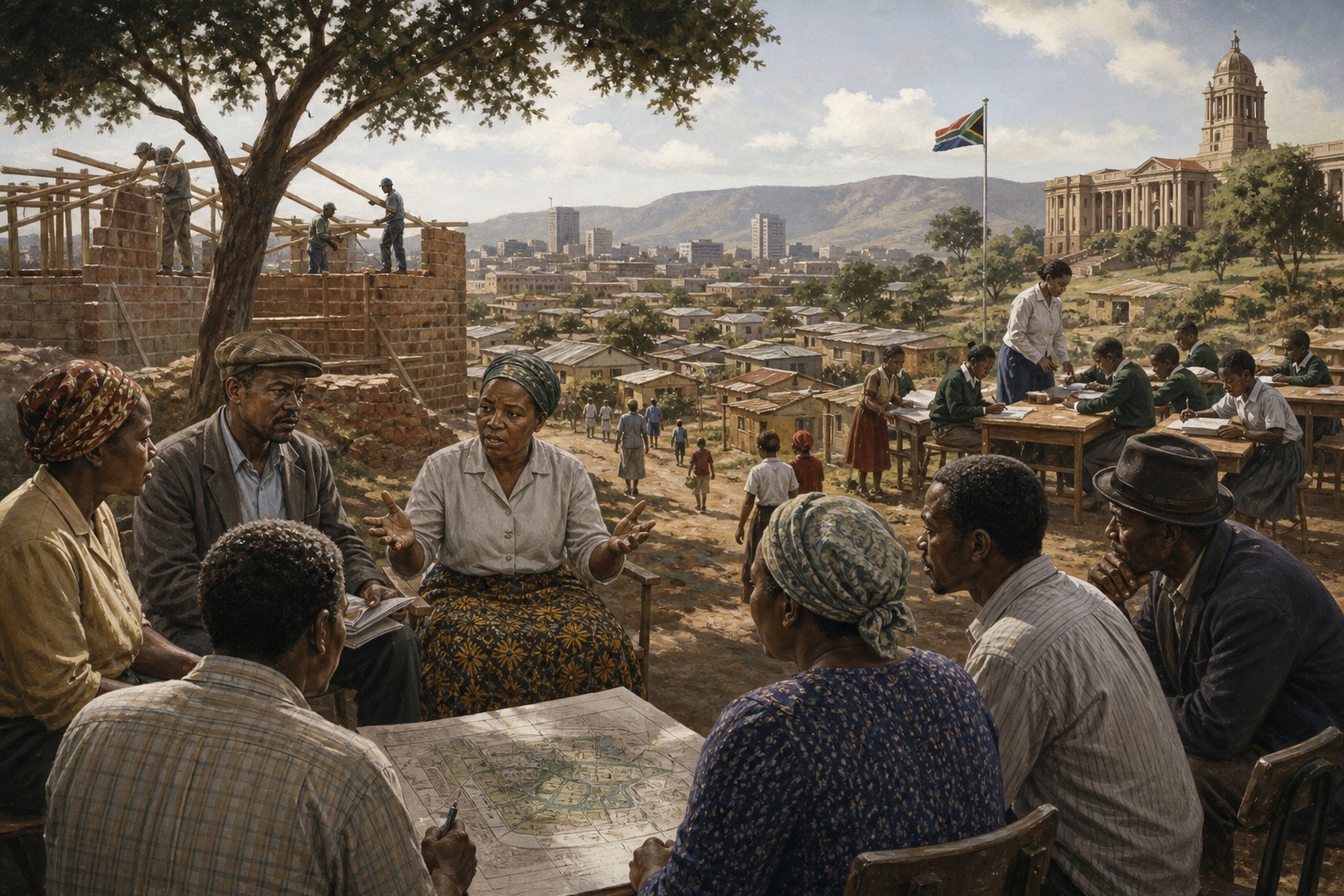
Bandung's final communiqué condemned racial discrimination and linked anticolonial sovereignty to the struggle later supported by African, Asian, nonaligned, and UN bodies. The movement won equal citizenship and constitutional democracy, but legal abolition did not redistribute all wealth, land, education, or opportunity created by centuries of dispossession: South Africa remained marked by severe racialized poverty and inequality after 1994.
- Bandung's final communiqué condemned racial discrimination and linked anticolonial sovereignty to the struggle later supported by African, Asian, nonaligned, and UN bodies.
- The movement won equal citizenship and constitutional democracy, but legal abolition did not redistribute all wealth, land, education, or opportunity created by centuries of dispossession: South Africa remained marked by severe racialized poverty and inequality after 1994.
- Immediate consequence: Mass resistance, international pressure, economic and political crisis, and changing calculations within the government and liberation movements led to unbannings and negotiations from 1990. The first national nonracial election in April 1994 produced a democratic government under Nelson Mandela and ended apartheid's legal-political order. Political violence and disputes accompanied the transition, and no single leader or organization achieved it alone.


Related figures
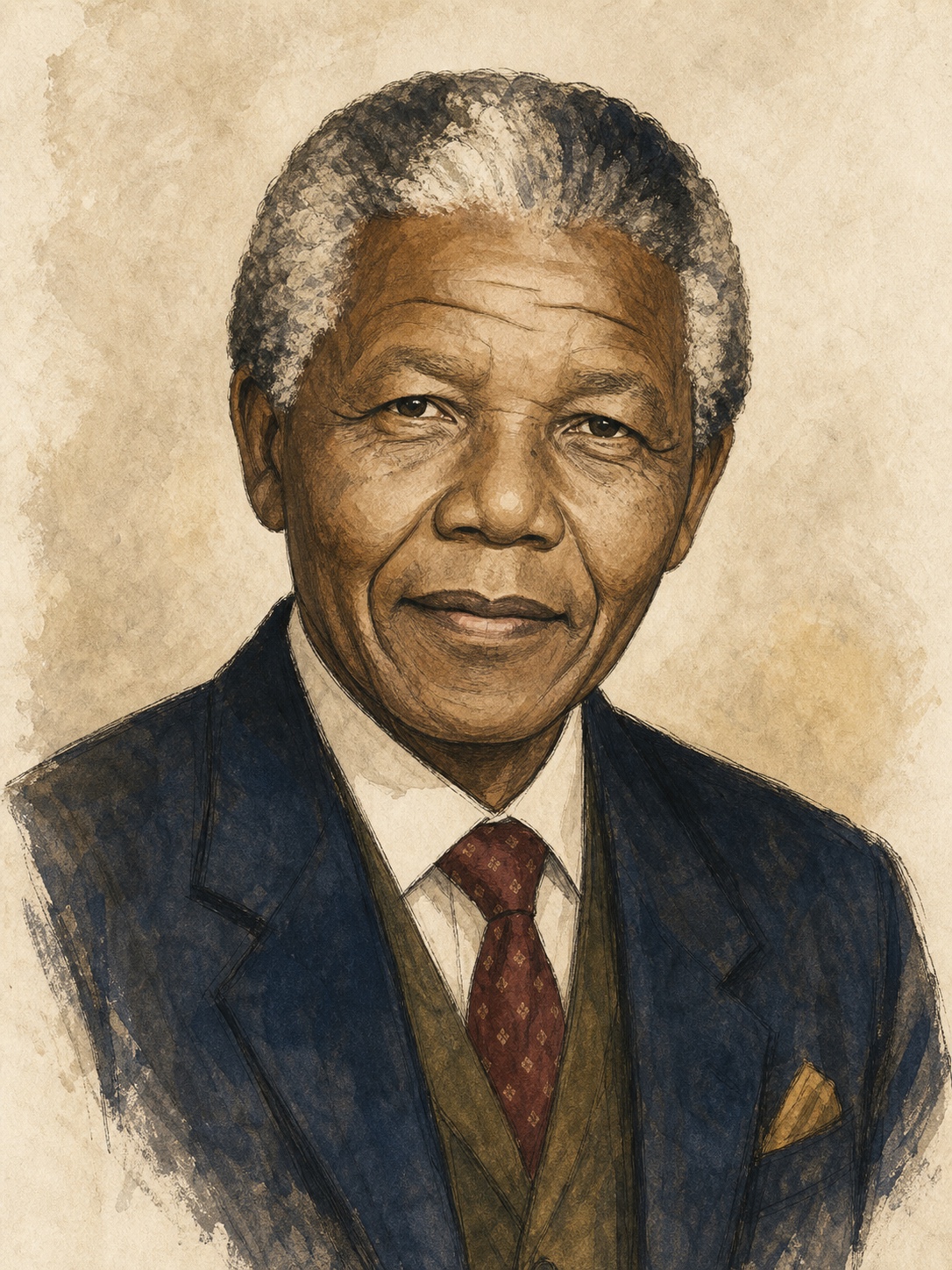
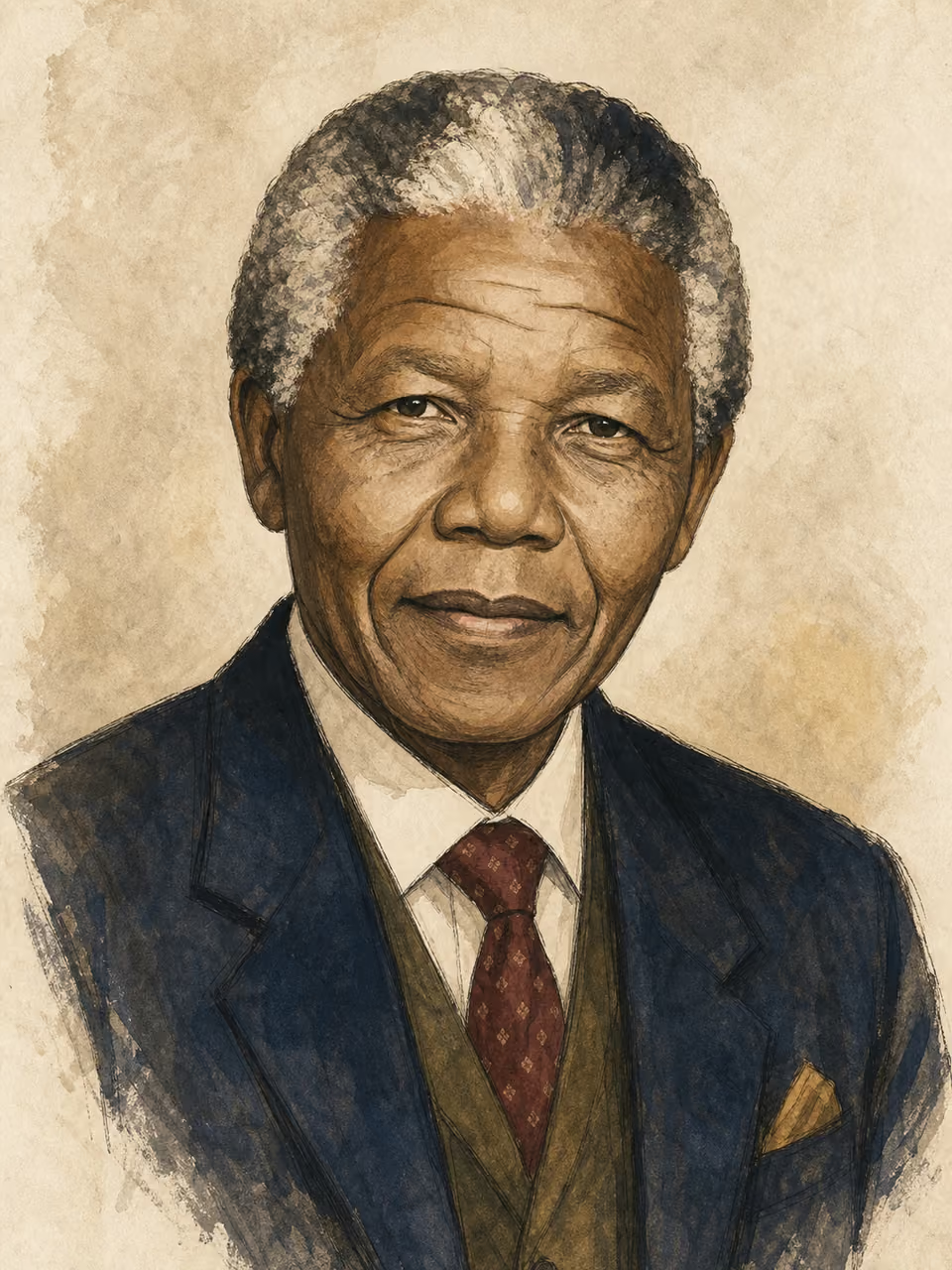
Nelson Mandela
historical figure in context
When Nelson Mandela walked out of prison after twenty-seven years, he reentered politics not as a private survivor but as the central negotiator of South Africa's transition. The drama of his later life lay in carrying the memory of resistance into talks that aimed at elections, institutions, and a post-apartheid state.
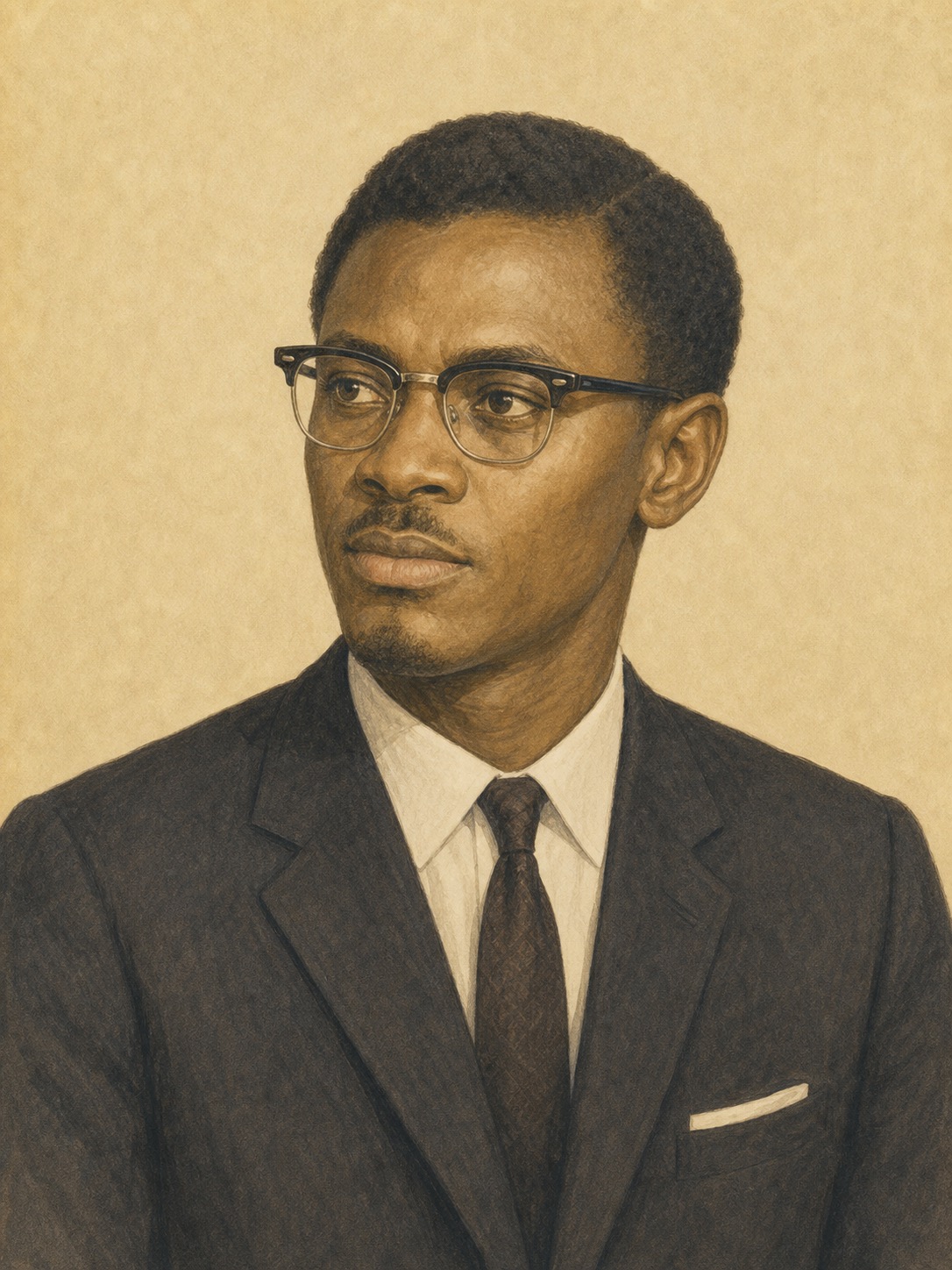
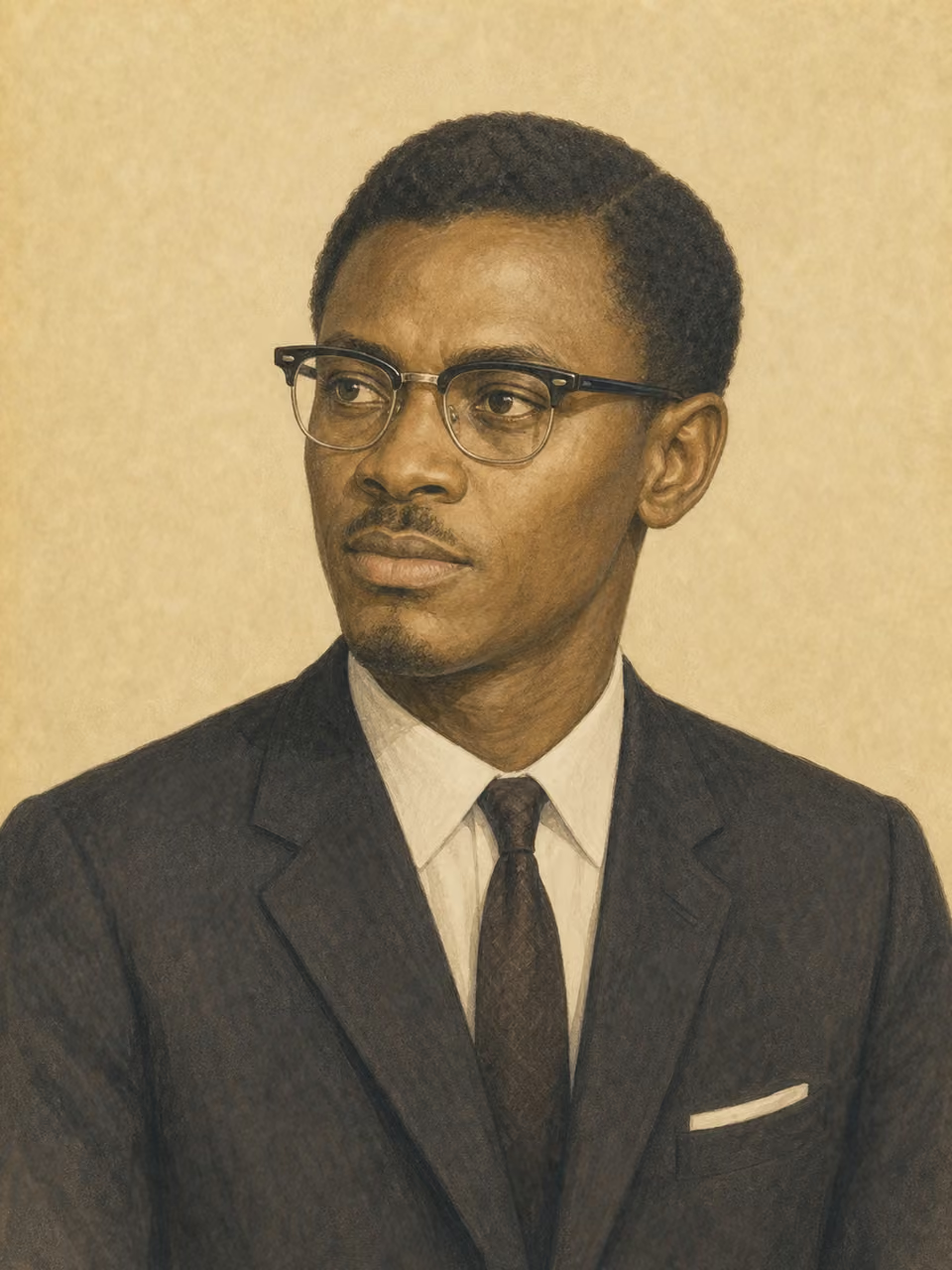
Patrice Lumumba
historical figure in context
He was a political leader during the independence period of the Congo and became the first prime minister. He appealed for independence from Belgian colonial rule, but was defeated and killed during the Congolese uprising. He is a figure who represents the intersection of African independence and the Cold War.
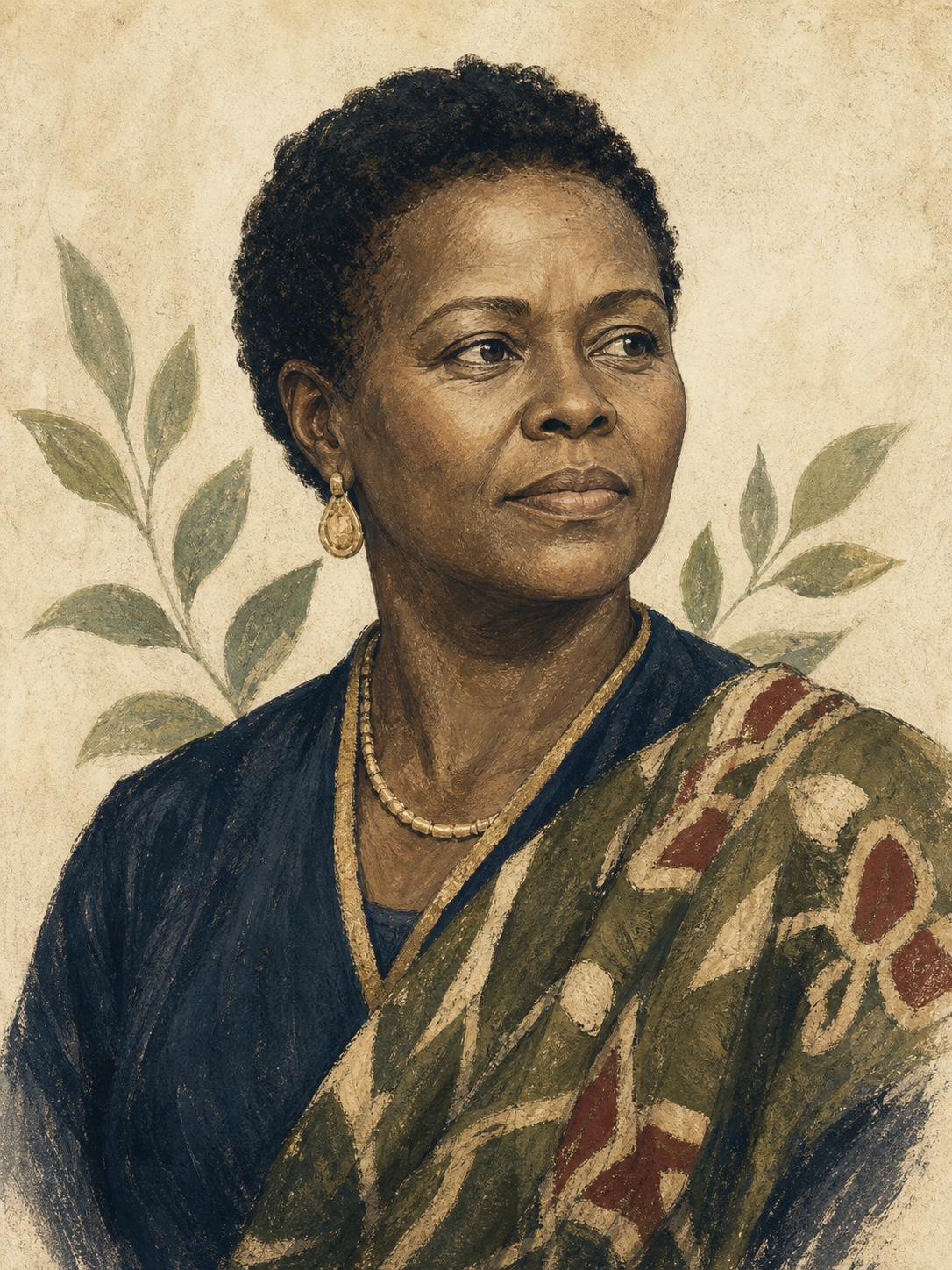
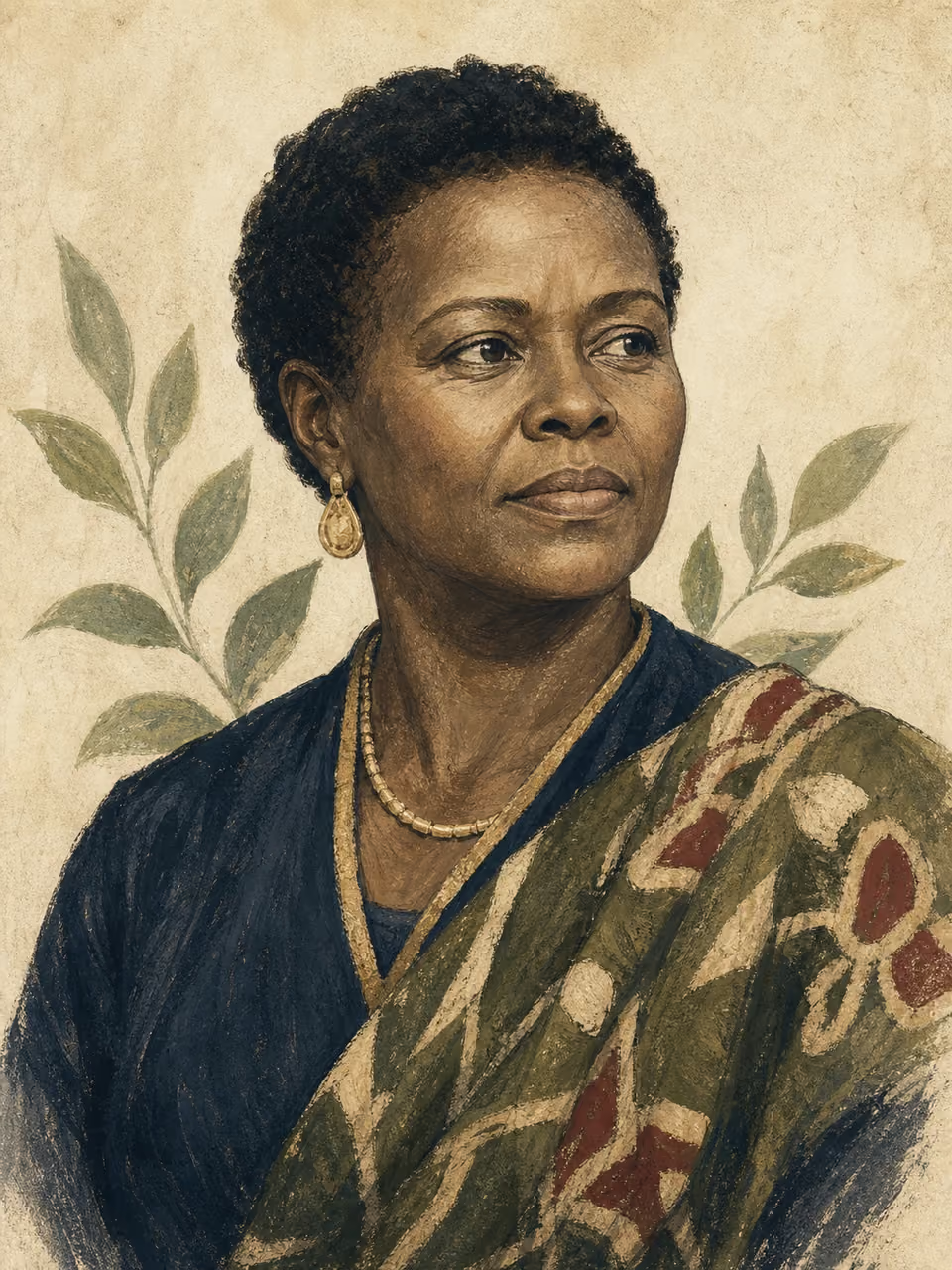
Wangari Maathai
historical figure in context
When Wangari Maathai organized women to raise seedlings and plant trees, she made deforestation visible as an immediate problem of fuel, water, and everyday labor. Her protests against land grabs and authoritarian development turned tree planting into a civic action as much as an environmental one.
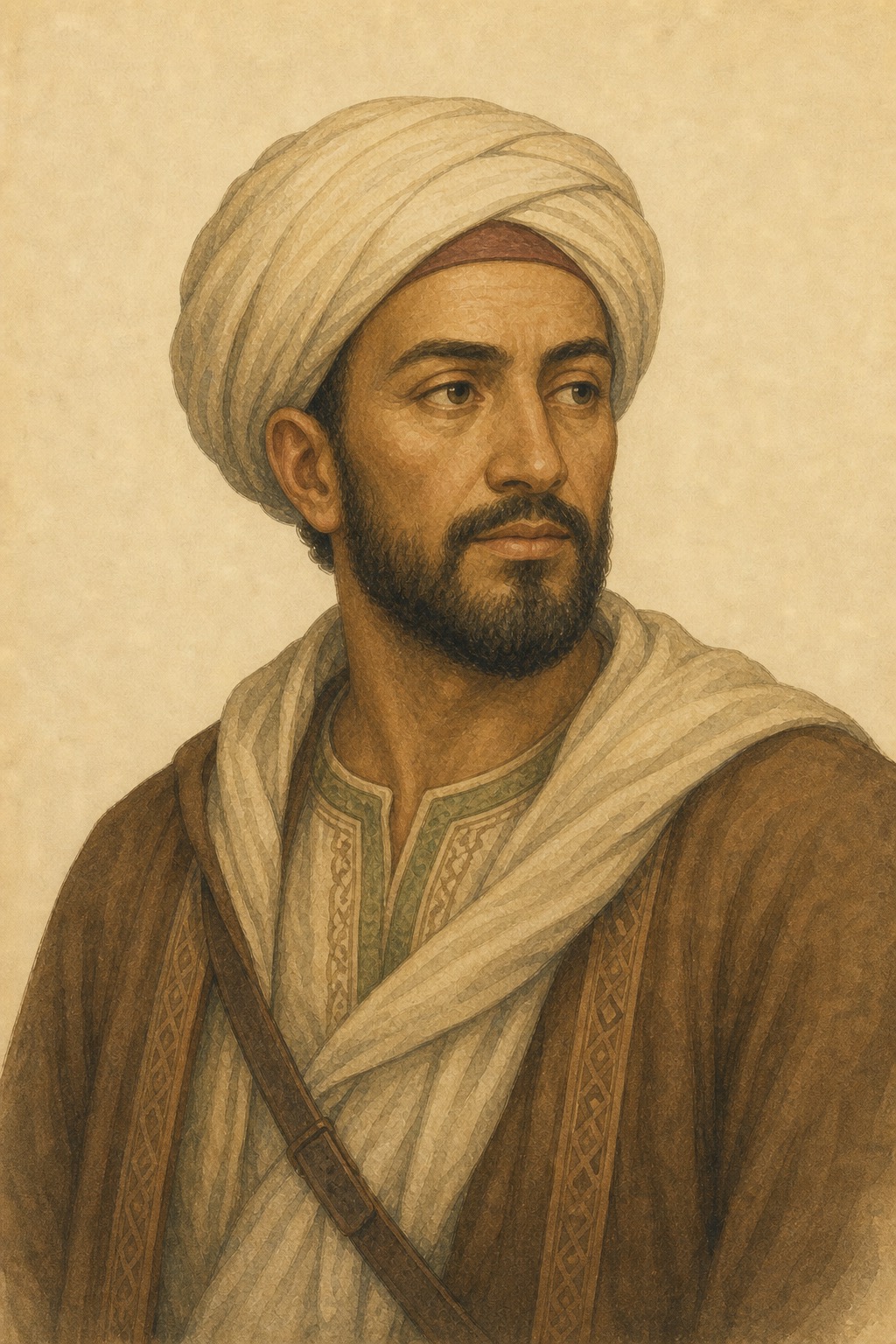
Ibn Battuta
historical figure in context
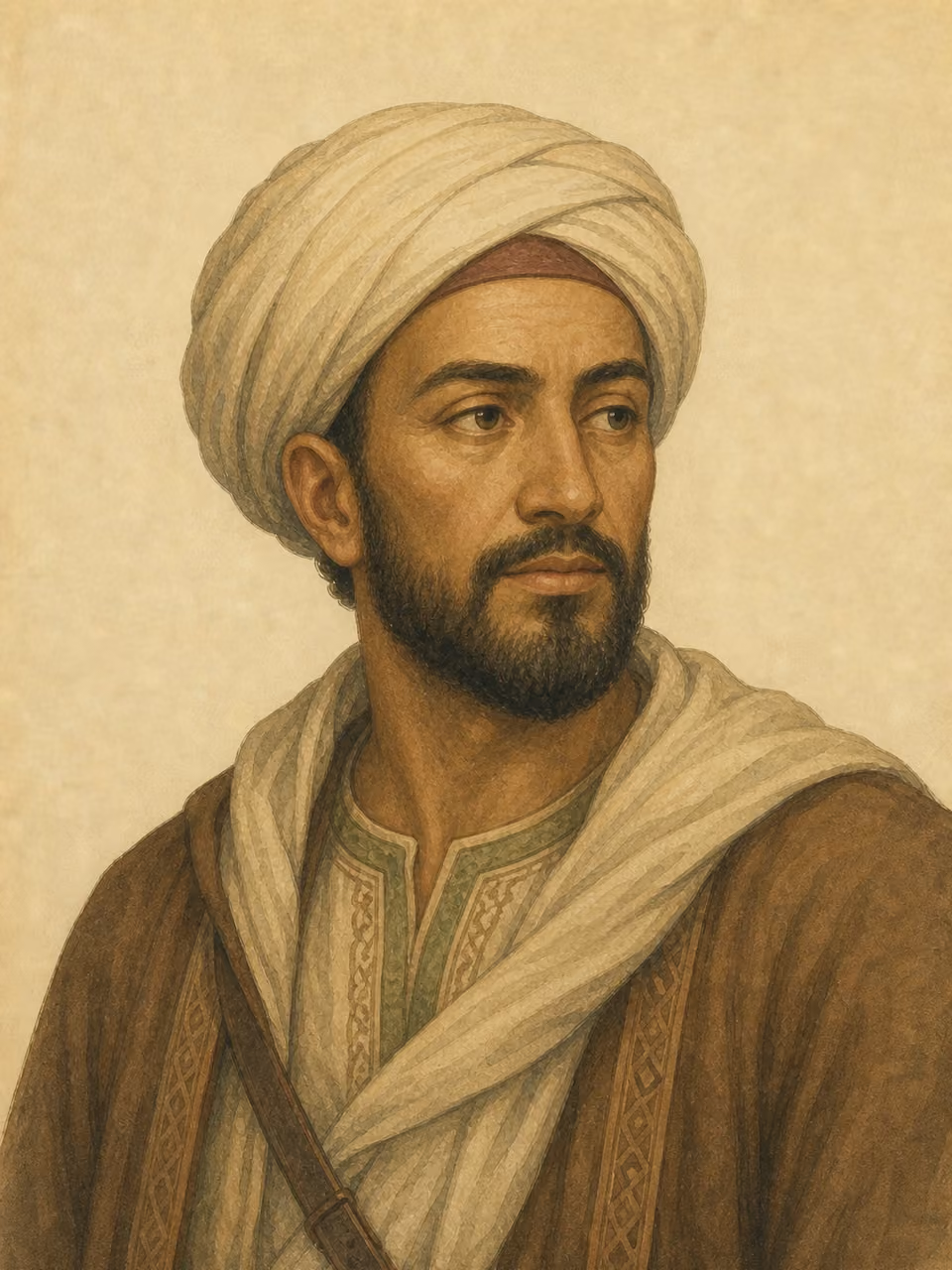
Ibn Battuta set out as a young jurist intending to make the pilgrimage to Mecca, then kept going for decades through ports, courts, commercial routes, and centers of learning across Afro-Eurasia. The Rihla preserves that motion in scenes of shipwreck, patronage, frustration, and opportunity, making travel feel like a social skill rather than mere adventure.
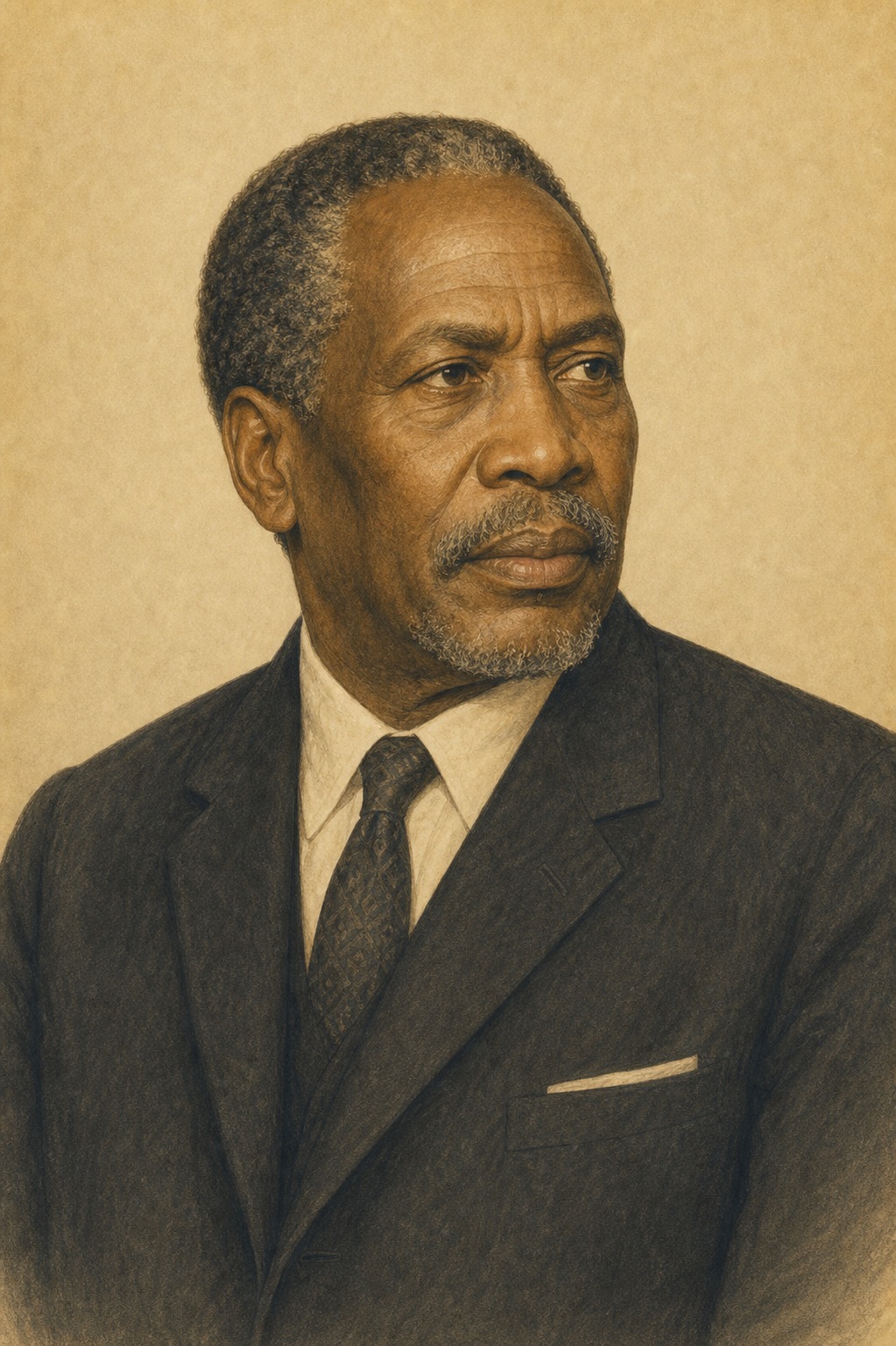
Jomo Kenyatta
historical figure in context
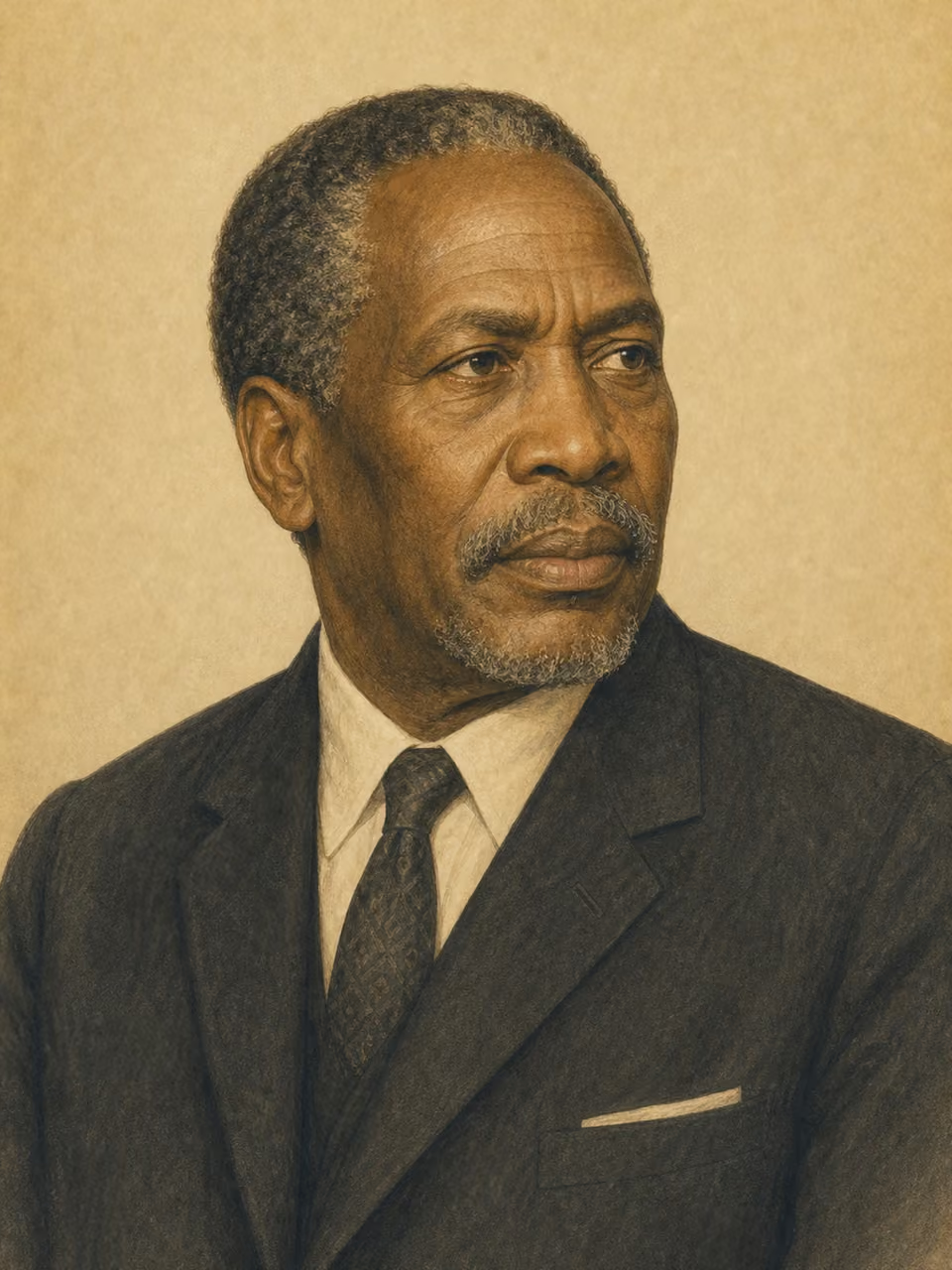
He was a leader of the Kenyan independence movement and became the first president after independence. It embodied the process of transition from a national movement under colonial rule to the construction of a new nation. It is important for understanding modern African history.
Related events
1928
Prelude
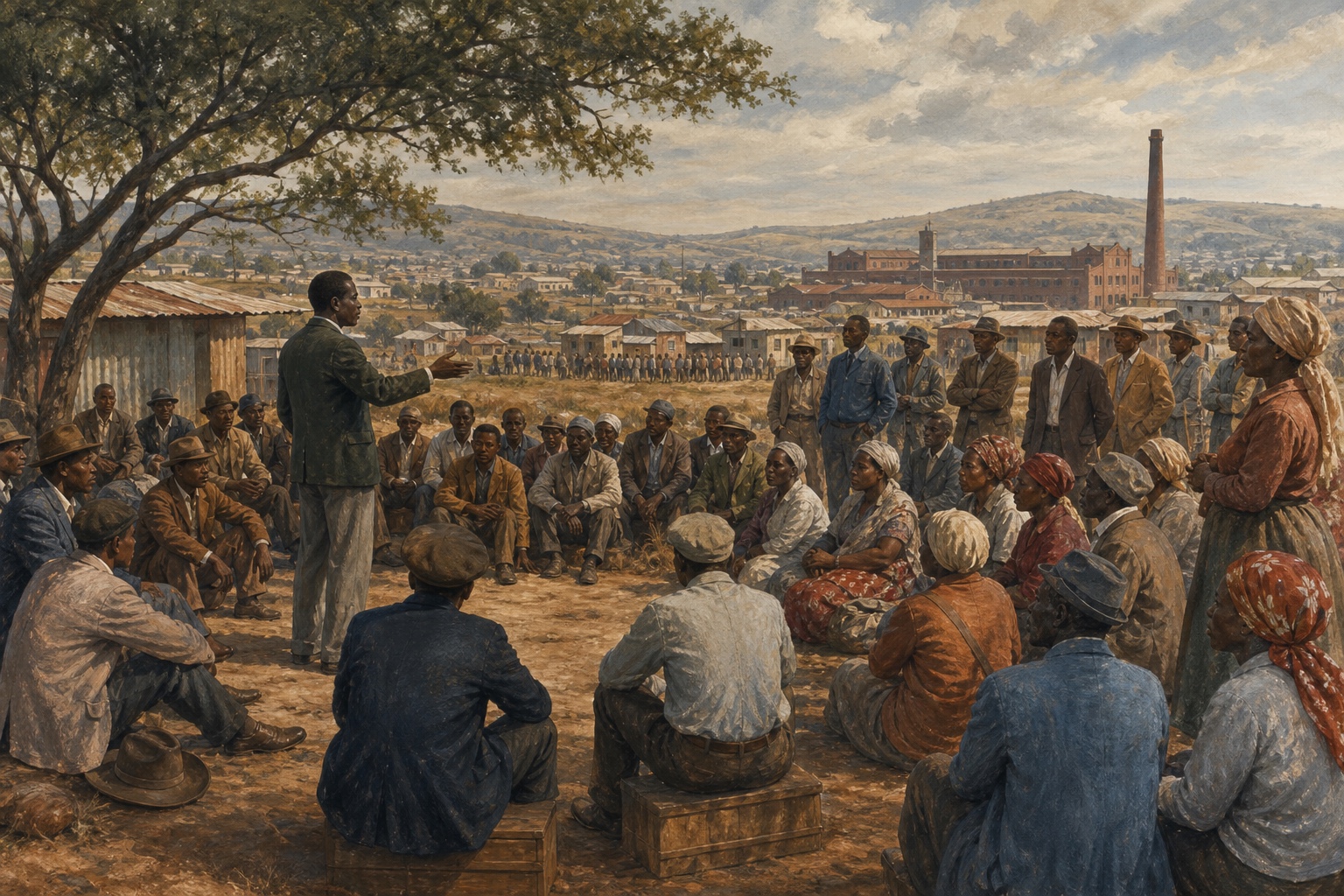
Prelude — Background: Apartheid formalized and extended older colonial conquest, land dispossession, segregation, and racialized labor systems. The Berlin Conference did not create South African segregation directly, but it symbolizes the wider imperial order in which conquest and racial rule expanded. Earlier African, Indian, Coloured, worker, women's, and civic resistance supplied organizations and experience for opposition after 1948.
c. 1947
Rising tension
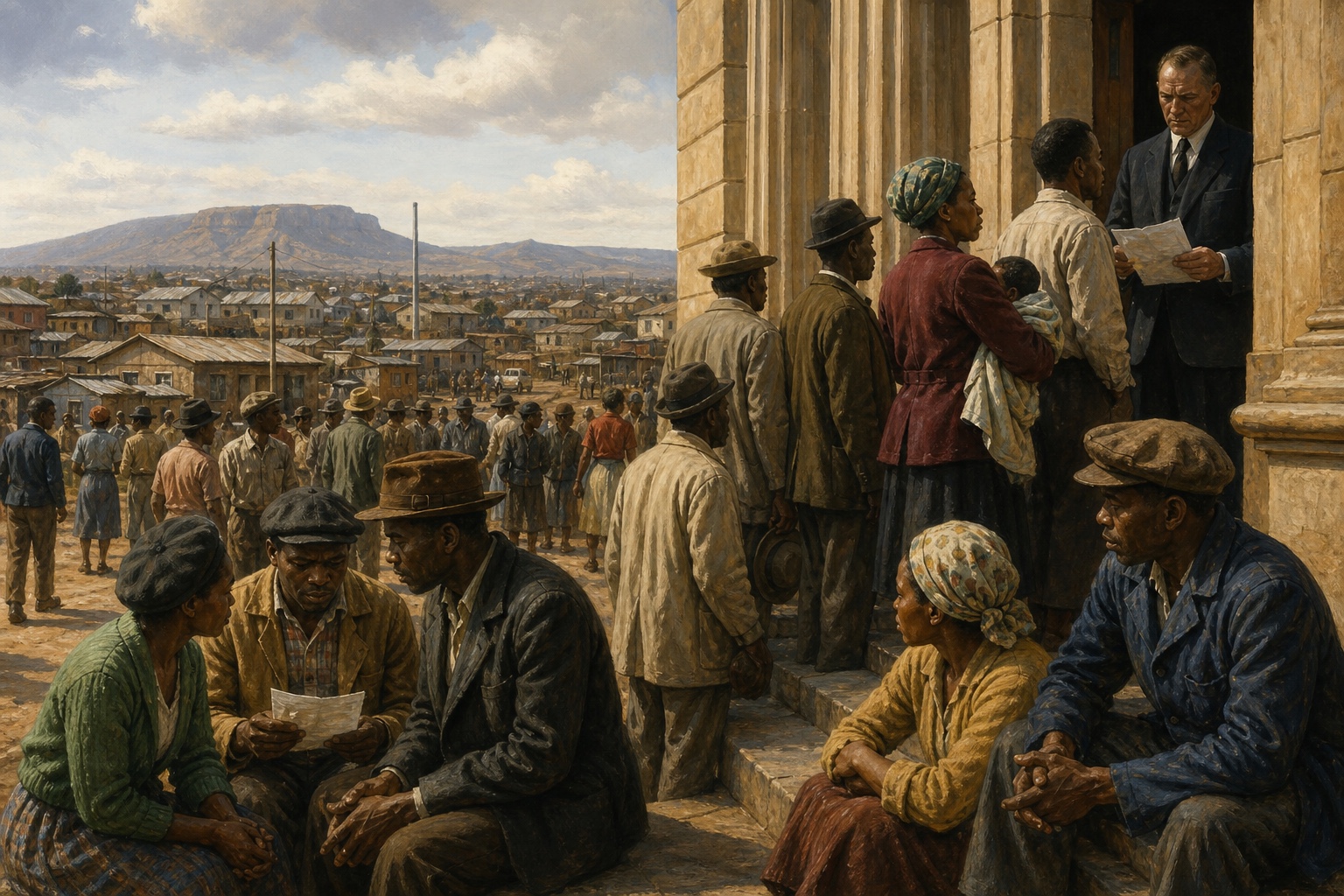
Rising tension — Build-up: The struggle included the ANC and PAC, the Congress Alliance, Black Consciousness, trade unions, student and women's organizations, churches, civic groups, the UDF, armed wings, exiles, and international solidarity networks; they differed over nationalism, nonracialism, class, tactics, and leadership. Defiance campaigns, strikes, boycotts, underground work, armed action, Soweto's student uprising, cultural and sports isolation, and international sanctions confronted bannings, imprisonment, censorship, massacres, forced removals, and states of emergency.
1948–1994
Anti-Apartheid Movement
Current event
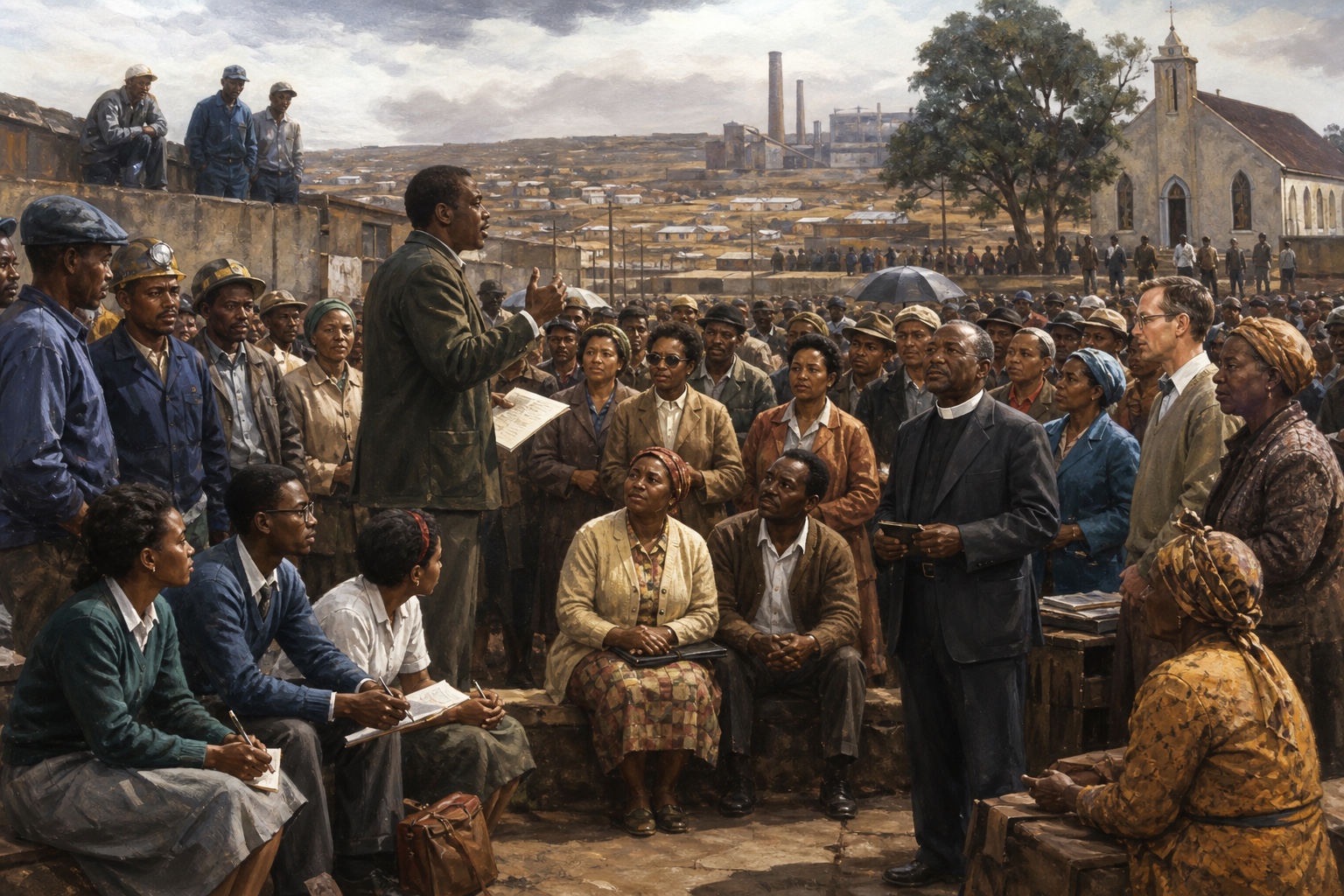
Anti-Apartheid Movement — Central transition: The diverse South African and international struggle, framed here from the National Party's adoption of apartheid in 1948 to nonracial democratic government in 1994, against legalized white supremacy.
c. 1995
Immediate aftermath
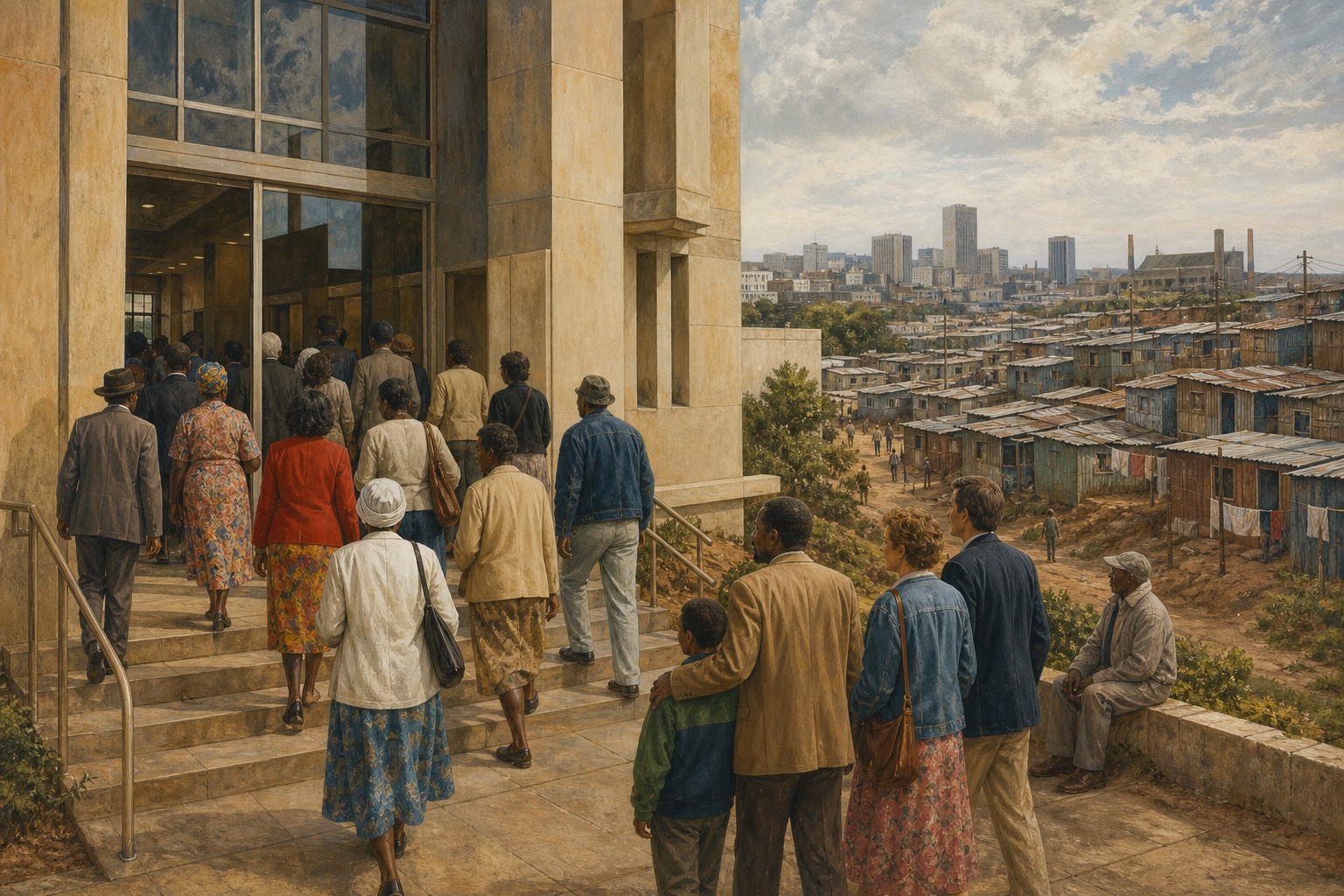
Immediate aftermath — Immediate result: Mass resistance, international pressure, economic and political crisis, and changing calculations within the government and liberation movements led to unbannings and negotiations from 1990. The first national nonracial election in April 1994 produced a democratic government under Nelson Mandela and ended apartheid's legal-political order. Political violence and disputes accompanied the transition, and no single leader or organization achieved it alone.
c. 2004
Long-term significance
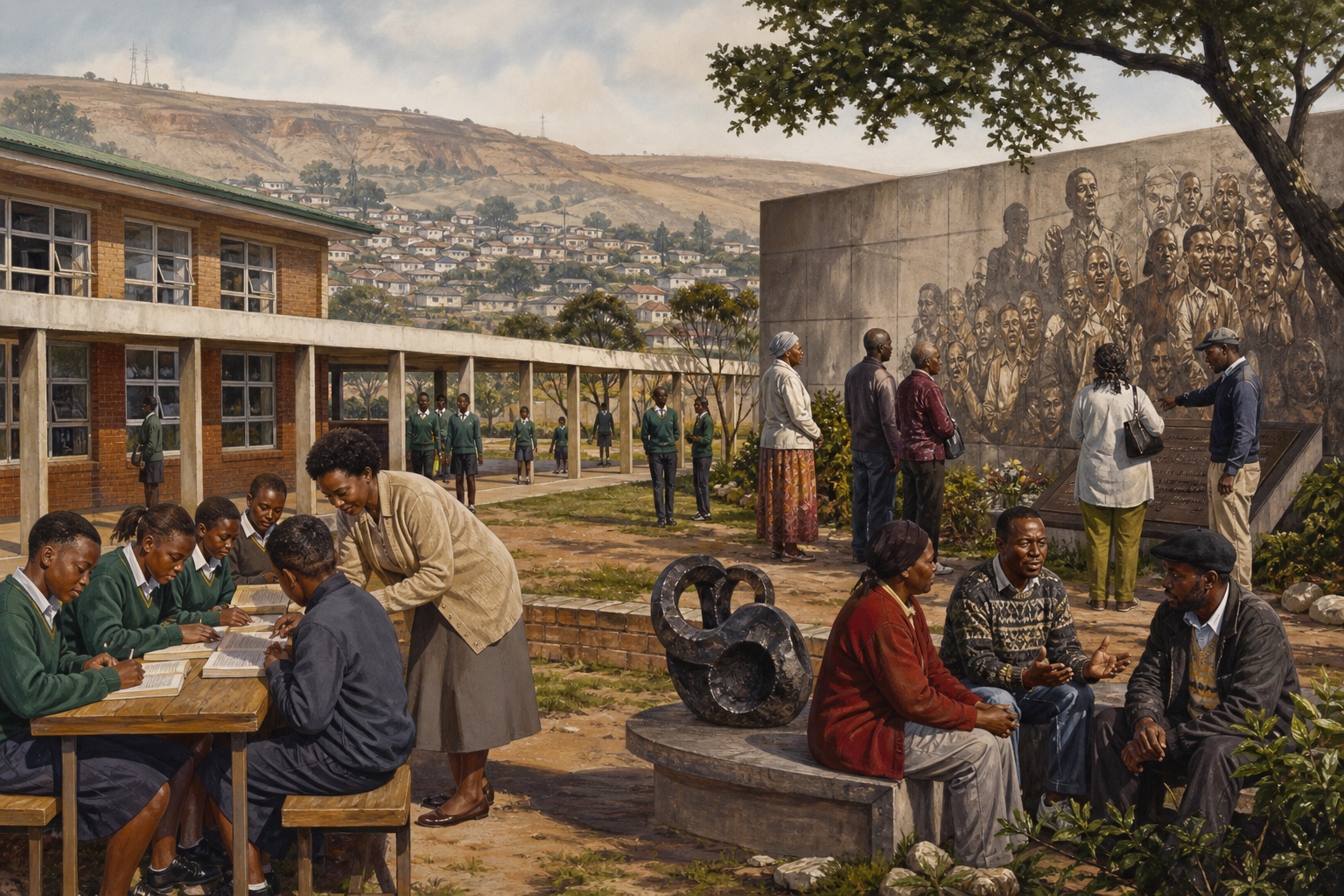
Long-term significance — Long-term significance: Bandung's final communiqué condemned racial discrimination and linked anticolonial sovereignty to the struggle later supported by African, Asian, nonaligned, and UN bodies. The movement won equal citizenship and constitutional democracy, but legal abolition did not redistribute all wealth, land, education, or opportunity created by centuries of dispossession: South Africa remained marked by severe racialized poverty and inequality after 1994.


Sources
- Anti-Apartheid Movement — About The Un (Southafrica)southafrica.un.orgThis Southafrica resource supports the chronology, setting, and course of Anti-Apartheid Movement.
- Anti-Apartheid Movement — 1960 1994 Armed Struggle And Popular Resistance (Sahistory)sahistory.org.zaThis Sahistory resource supports the chronology, setting, and course of Anti-Apartheid Movement.
- Anti-Apartheid Movement — History Womens Struggle South Africa (Sahistory)sahistory.org.zaThis Sahistory resource supports the chronology, setting, and course of Anti-Apartheid Movement.