
Taiping Rebellion
1851–1864
Hong Xiuquan's Taiping Heavenly Kingdom expanded from the Jintian uprising of 1851 and made Nanjing its capital. The Qing mobilized regional armies and destroyed the rebellion's central regime with Nanjing's fall in 1864.

- Period
- 1851–1864
- Kind
- Rebellion
- Regions
- East Asia
- Keywords
- Taiping Heavenly Kingdom · God Worshippers · Jintian uprising · Nanjing · Xiang Army · Huai Army
Follow the story · Four stages
Background
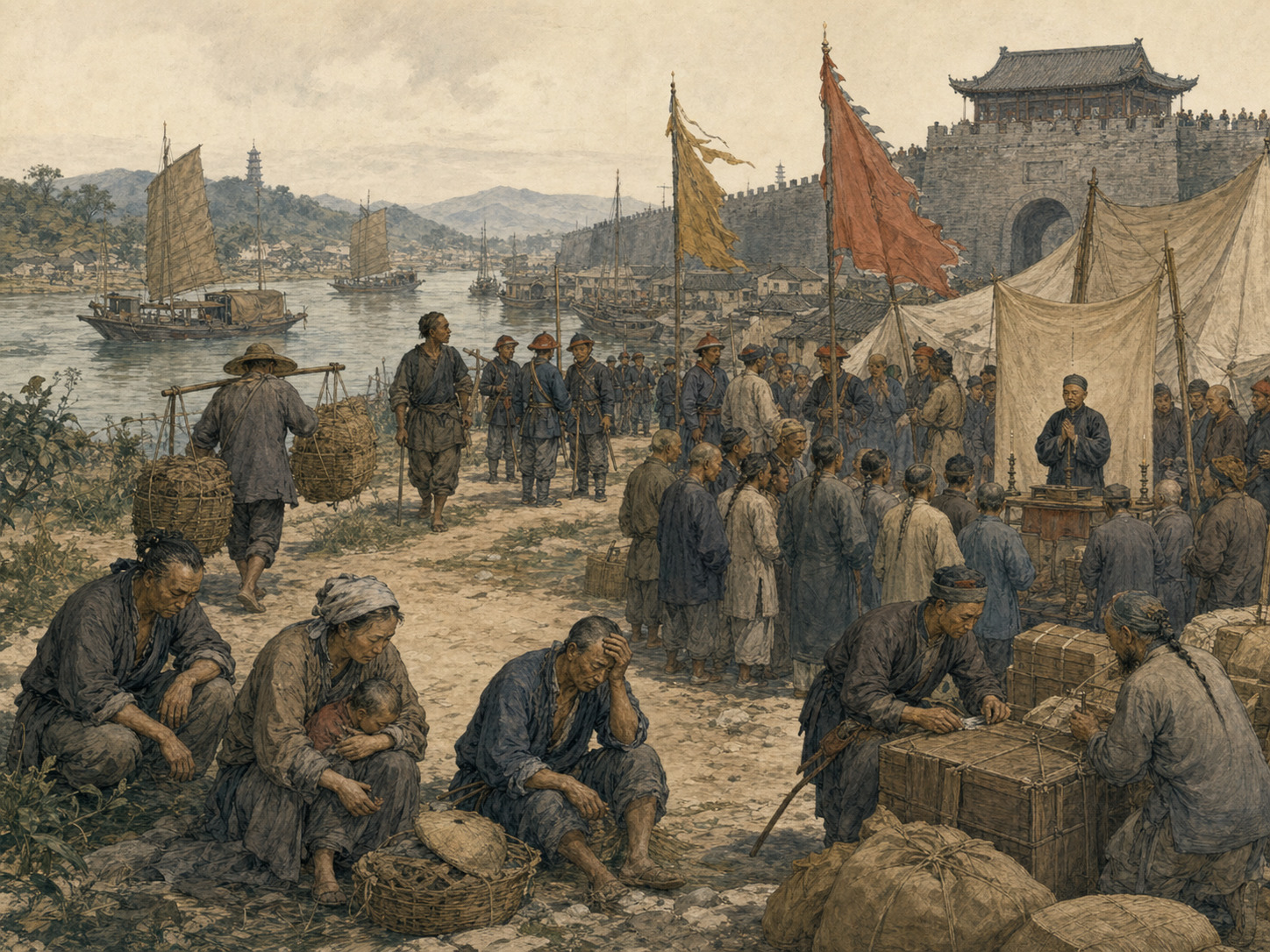
Population growth, migration, weakened administration and finance, and social and communal conflict destabilized south China. The God Worshipping movement, derived from Christianity but independently reworked, became the rebellion's organizational and religious core.
- Population growth and migration put pressure on communities in south China
- Weak administration, fiscal strain, and communal conflict deepened instability
- The independently reworked God Worshipping movement supplied an organizational and religious core
Course
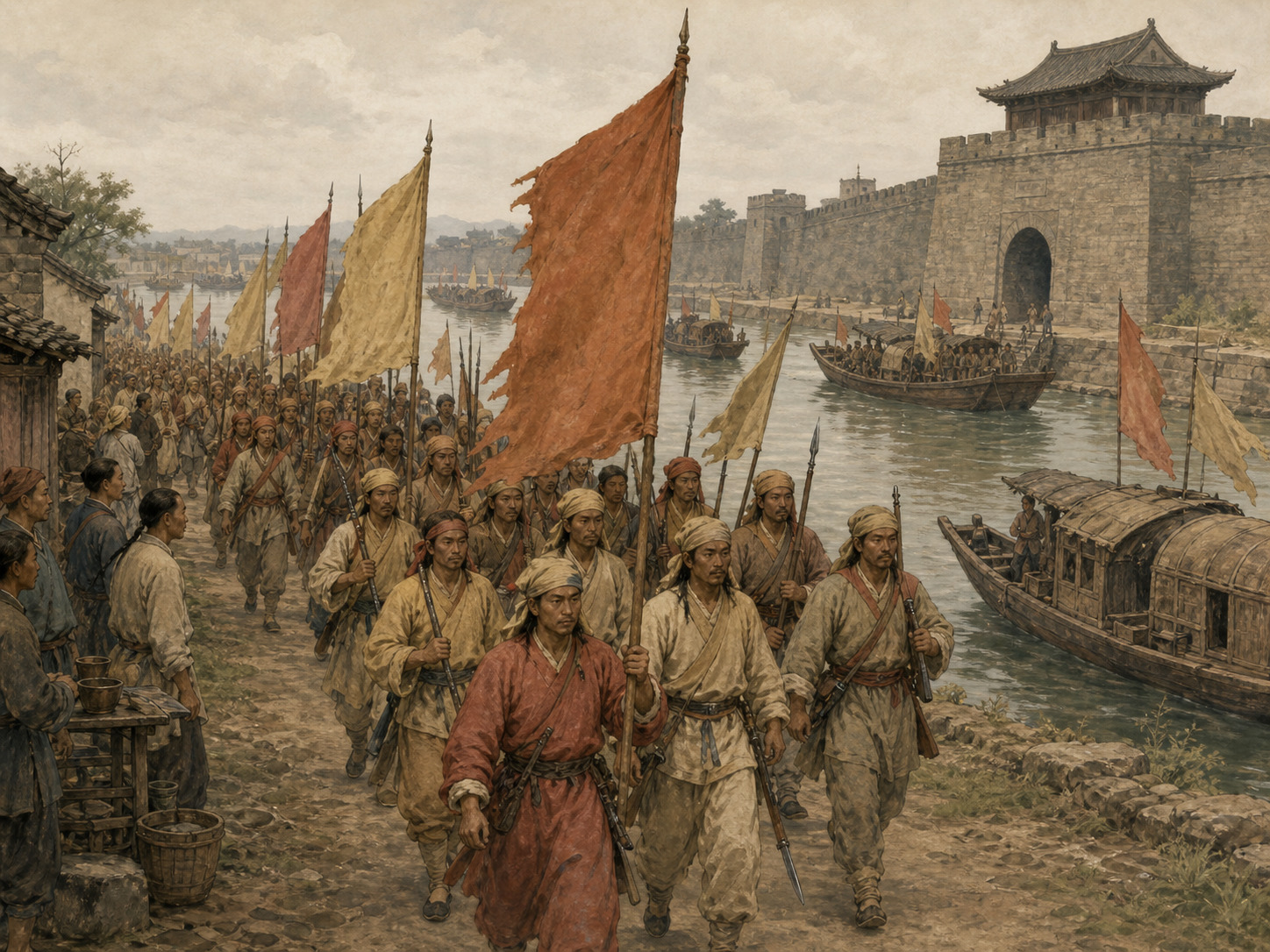
Taiping forces advanced from Guangxi into the Yangtze basin and occupied Nanjing in 1853. After a prolonged war, regional forces such as Zeng Guofan's Xiang Army led the Qing counteroffensive.
- Taiping forces expanded from the Jintian uprising of 1851
- They advanced into the Yangtze basin and made Nanjing their capital in 1853
- After a prolonged war, regional armies such as the Xiang Army led the Qing counteroffensive
Outcome
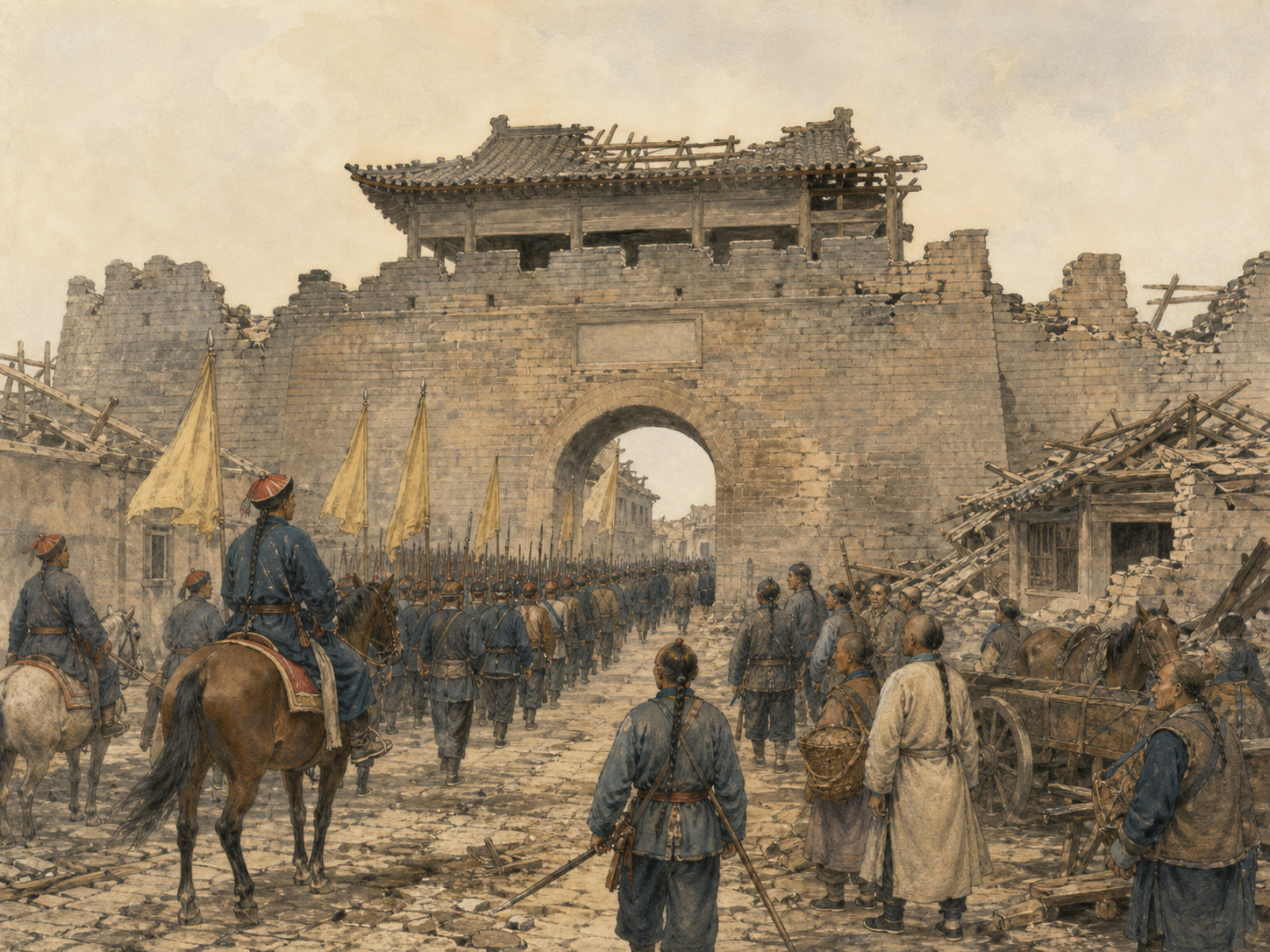
Nanjing fell in 1864, leaving severe destruction of cities, countryside, and economic life in the lower Yangtze. Local devastation is well attested, but no single total death toll is fixed here.
- The fall of Nanjing in 1864 destroyed the Taiping central regime
- Cities, countryside, and economic life across the lower Yangtze suffered severe destruction
- The devastation was extensive, but no single total death toll is treated as definitive
Historical significance
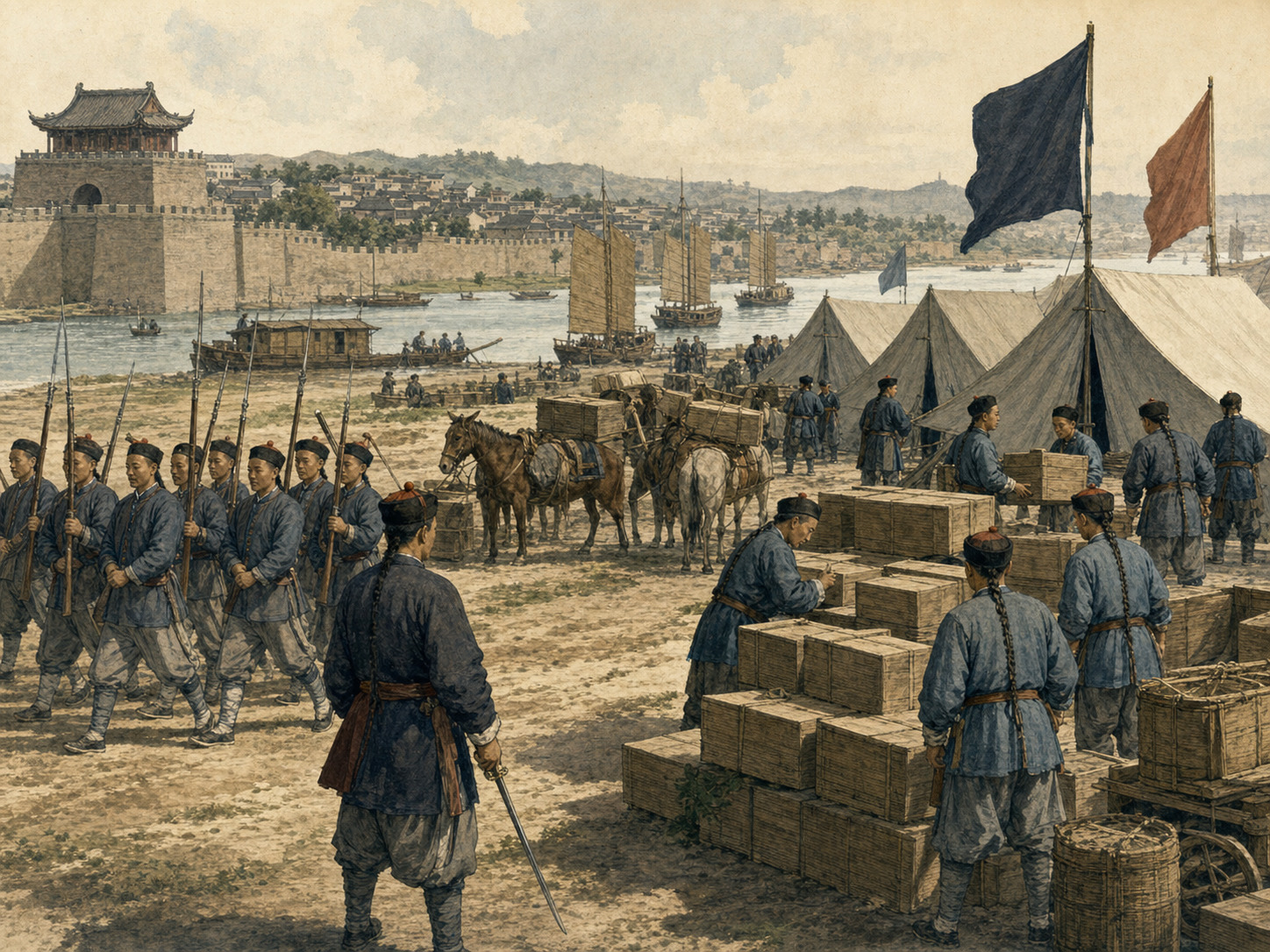
Because the Qing relied on military organizations led by regional elites, Xiang- and Huai-style armies retained influence after 1864. This is not framed as a deterministic, single-line cause of later warlordism.
- The Qing grew more dependent on military organizations led by regional elites
- Xiang- and Huai-style armies retained political influence after the war
- Later warlordism is not presented as an inevitable result of this rebellion alone


Related figures
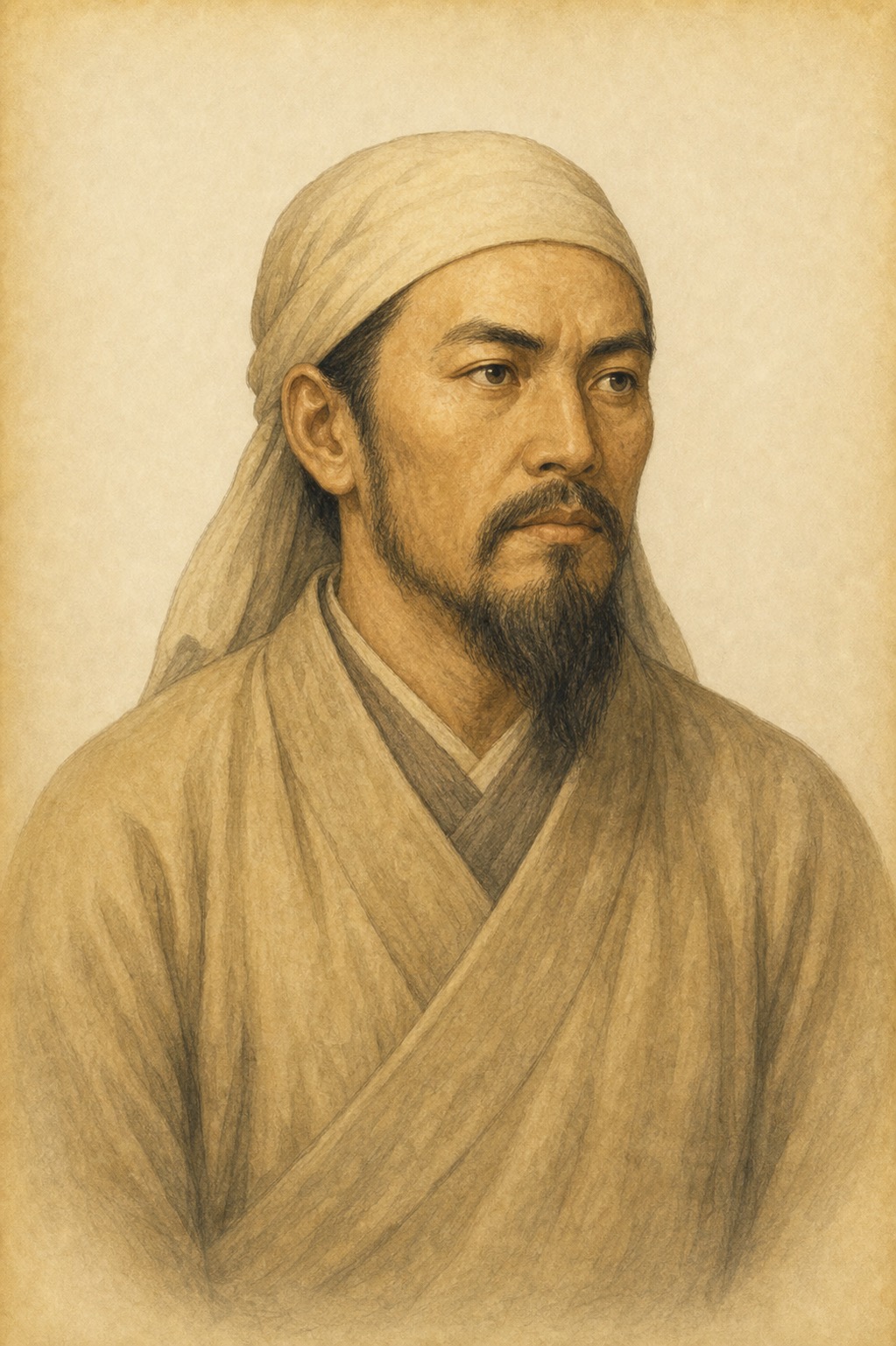
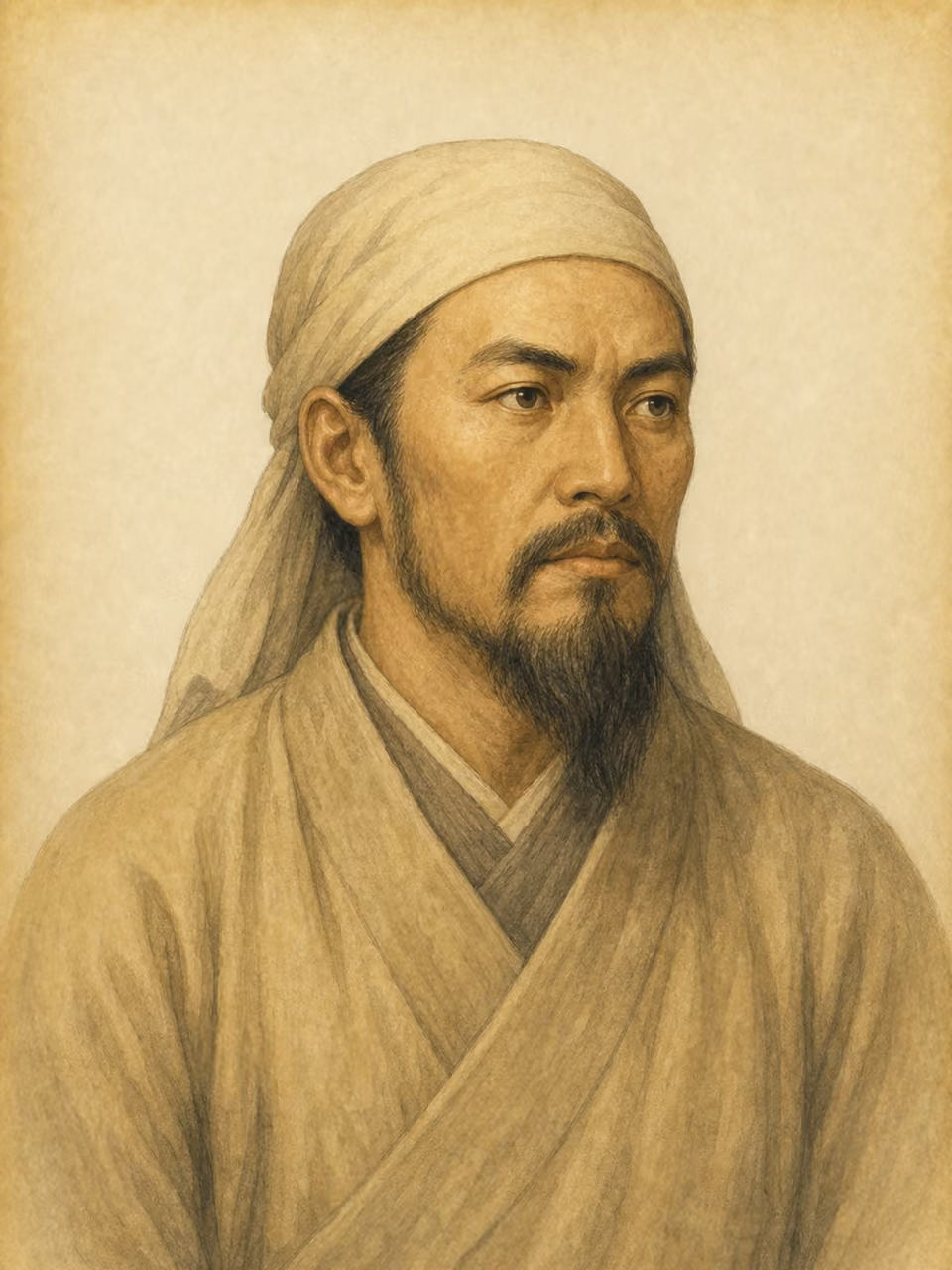
Hong Xiuquan
Taiping leader
He led the God Worshippers into the Jintian uprising and established the Taiping central regime.
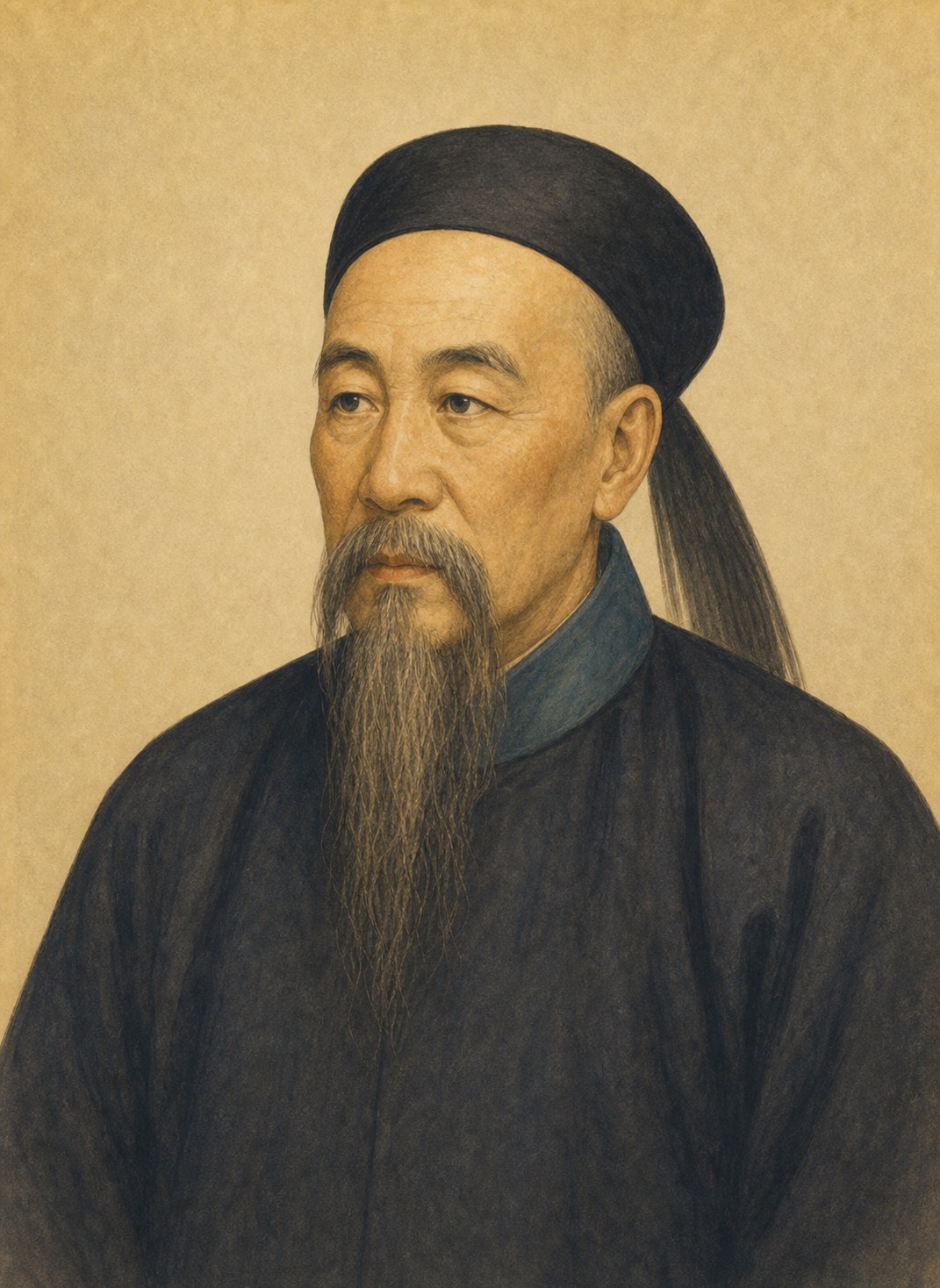
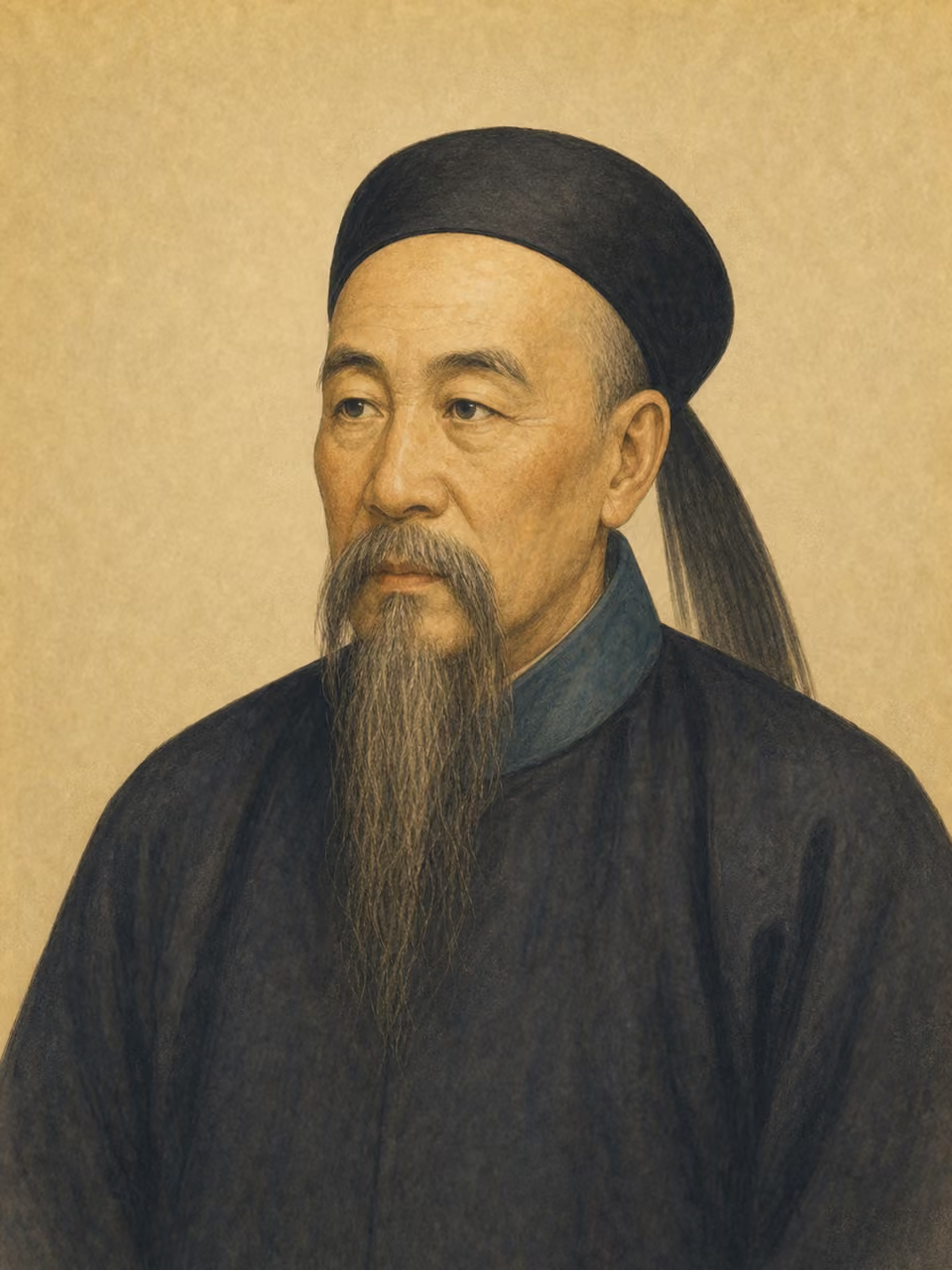
Zeng Guofan
Xiang Army commander
He organized the Xiang Army and led the Qing counteroffensive during the prolonged war.
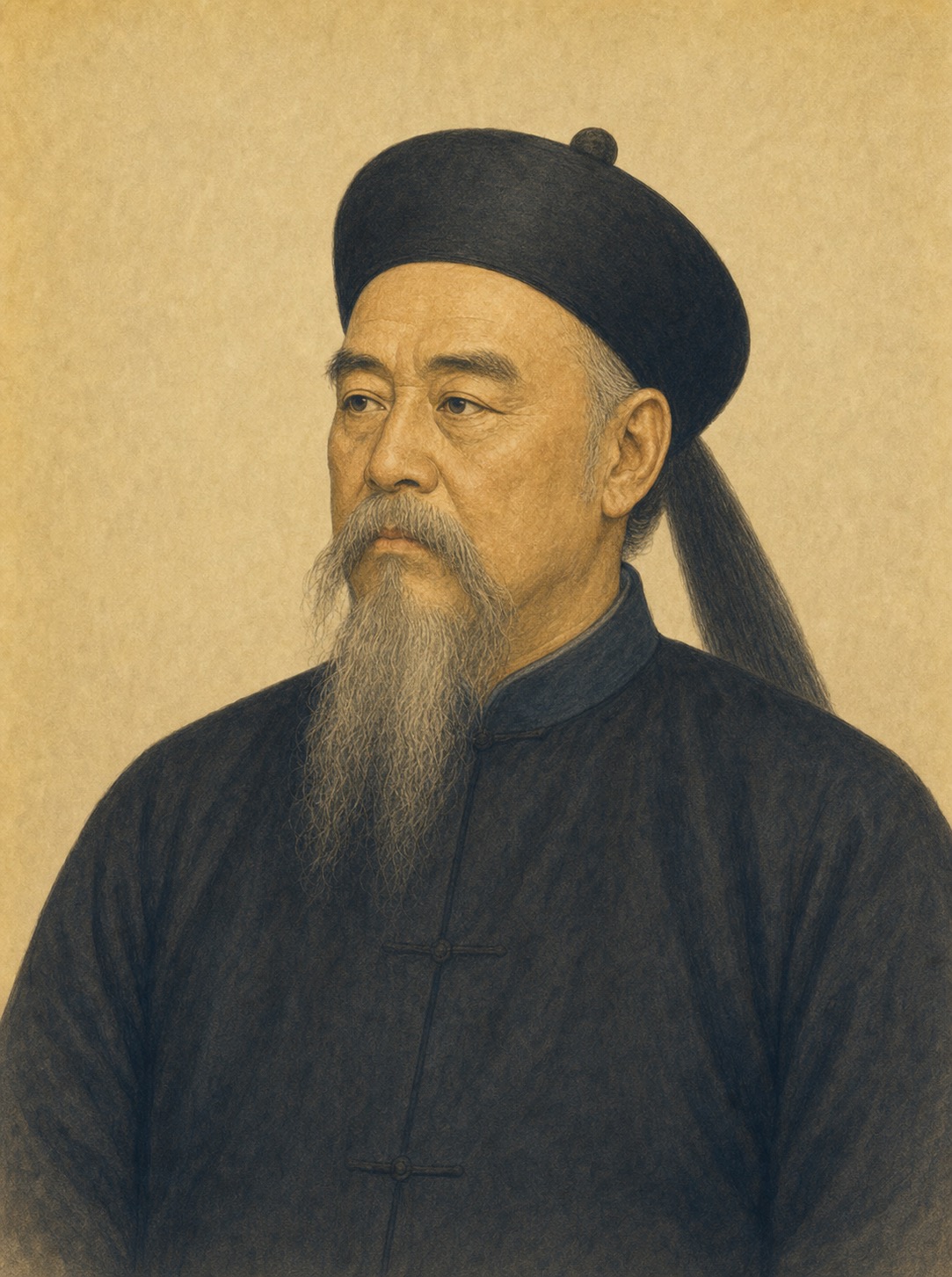
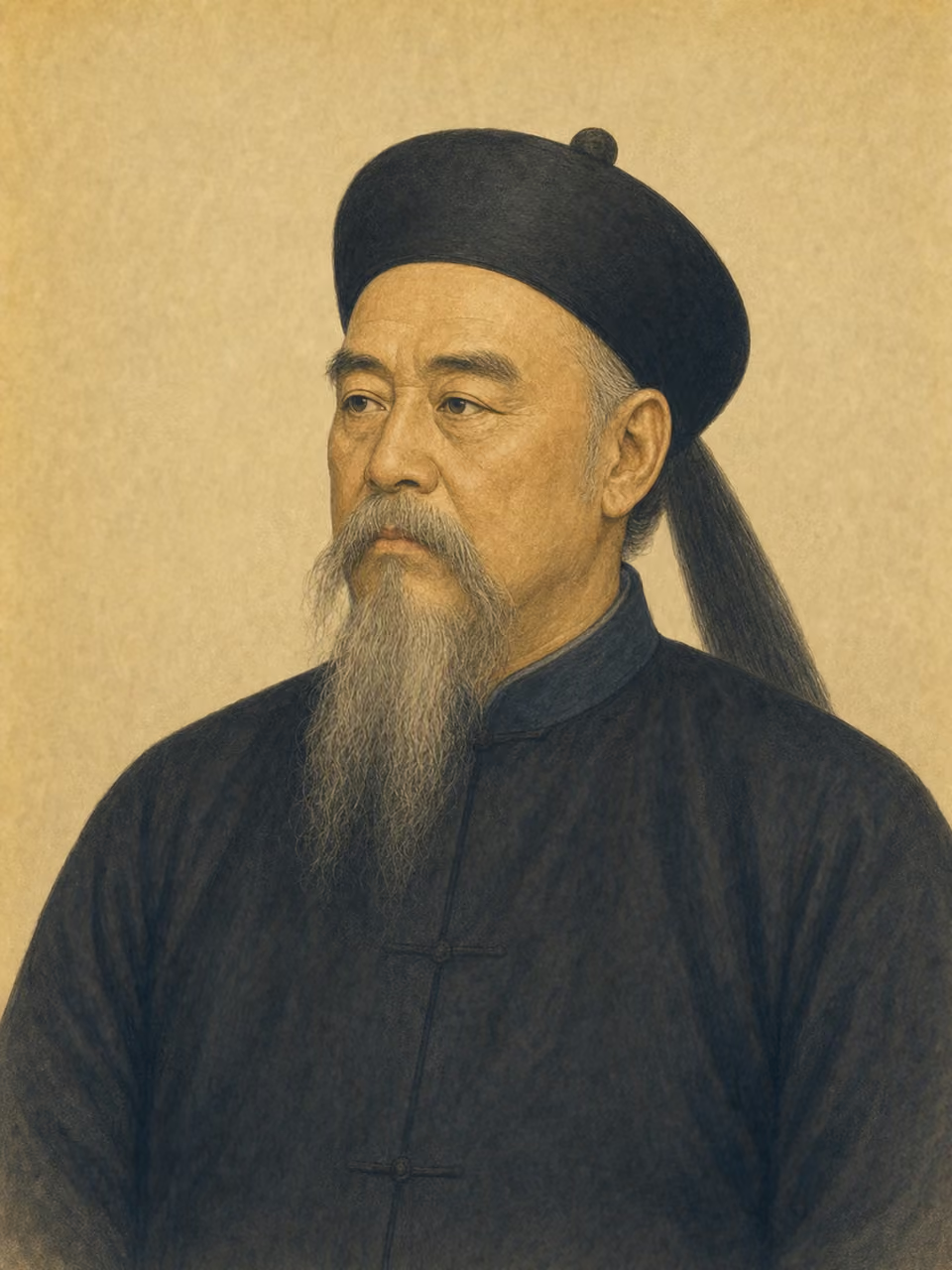
Zuo Zongtang
Qing regional commander
He was among the regional commanders who conducted Qing military operations against the Taiping.
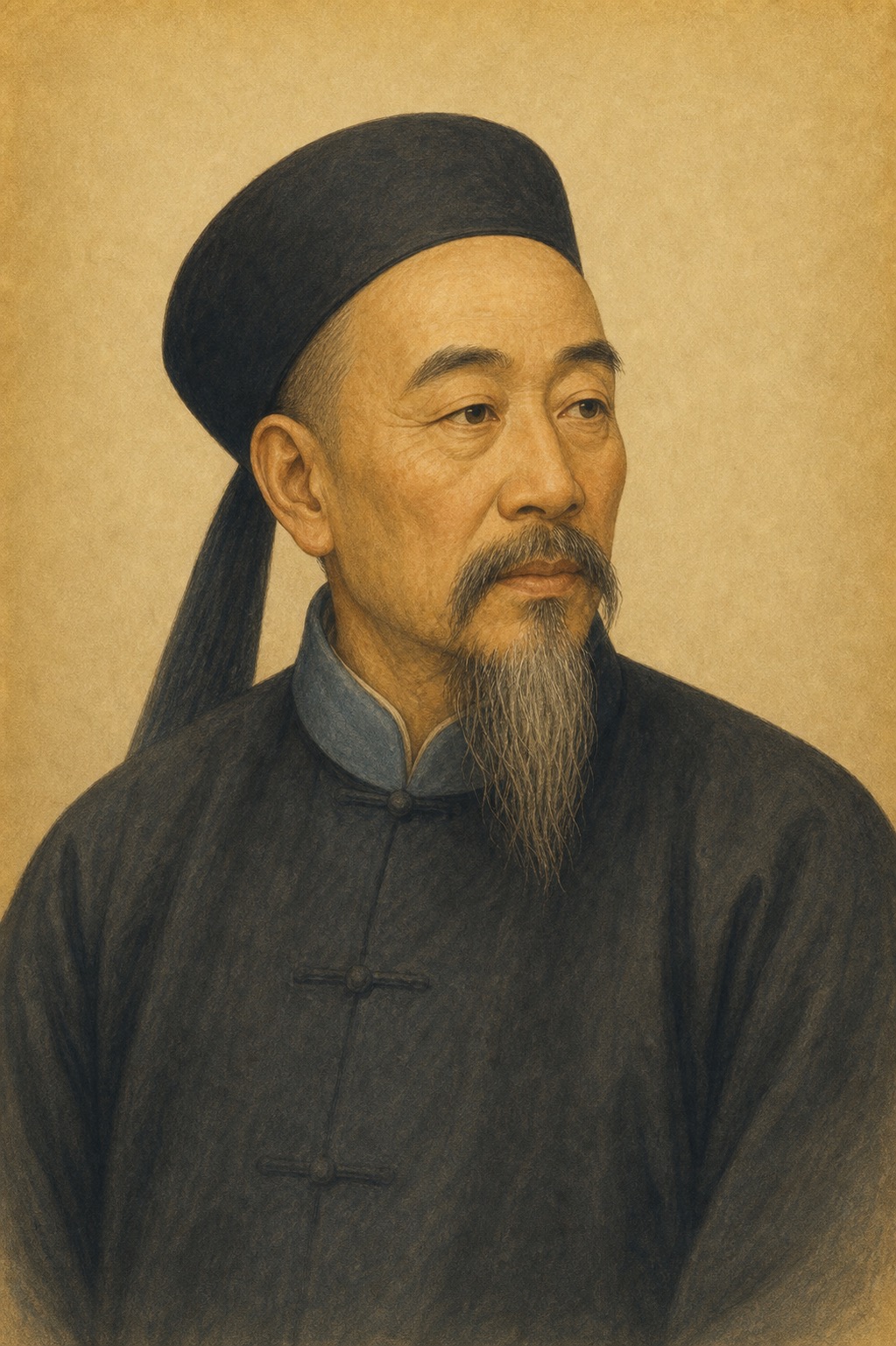
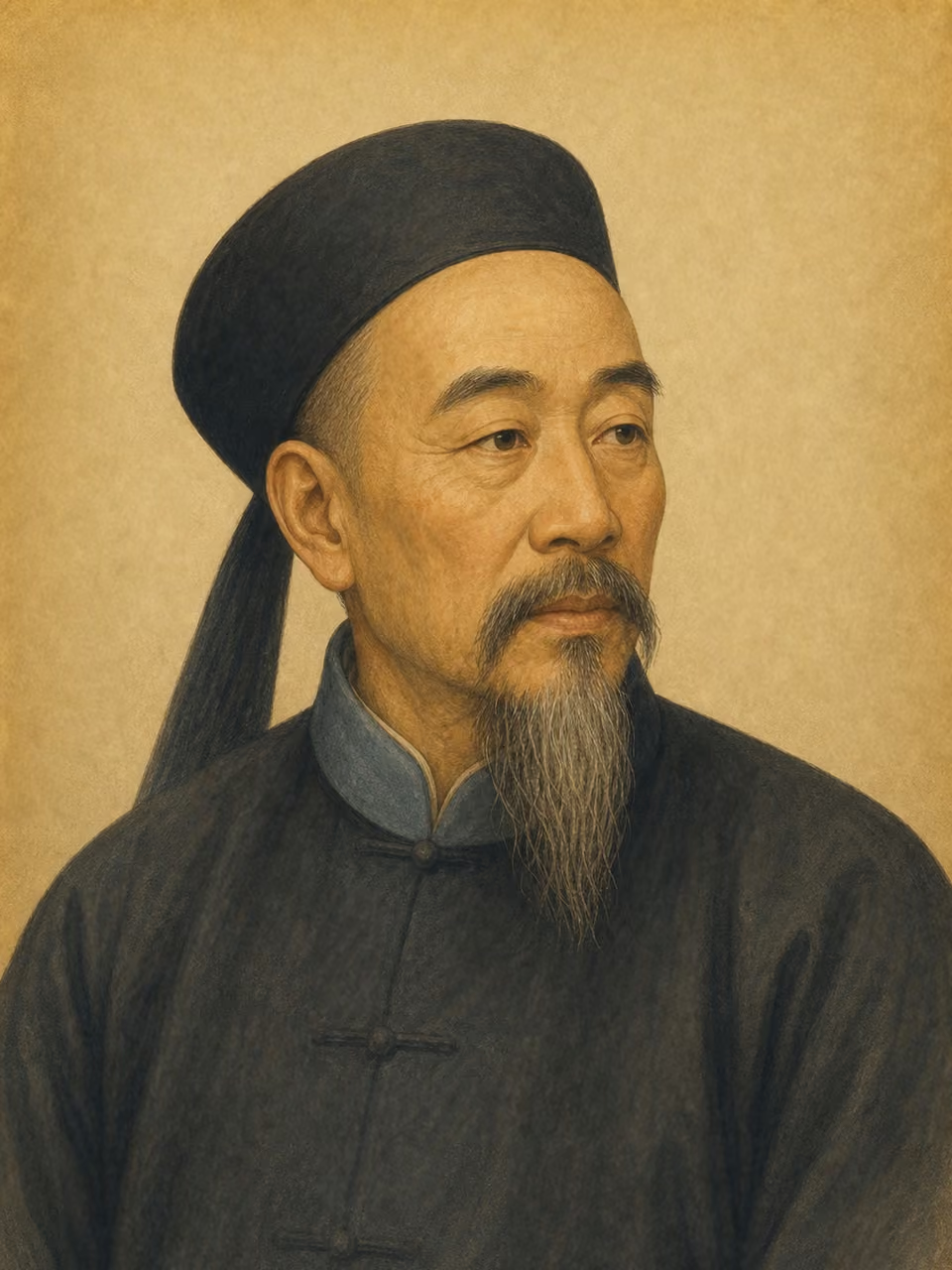
Li Hongzhang
Huai Army commander
He led the Huai Army in Qing operations across the lower Yangtze, including at Suzhou.
Related events
1840–1850
Instability in south China
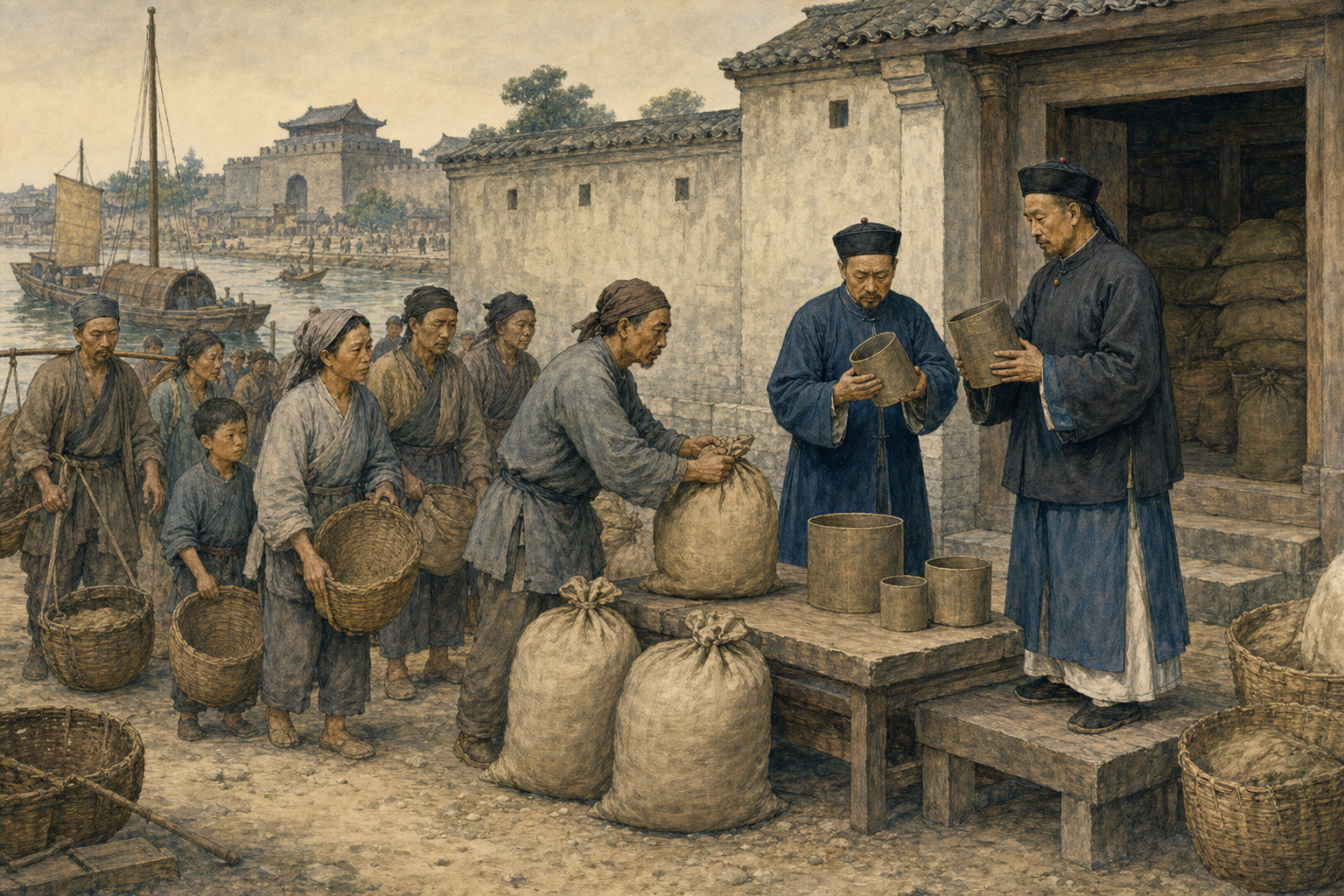
Migration, administrative and fiscal weakness, and local conflict destabilized the region before the revolt.
1844–1850
The God Worshipping movement
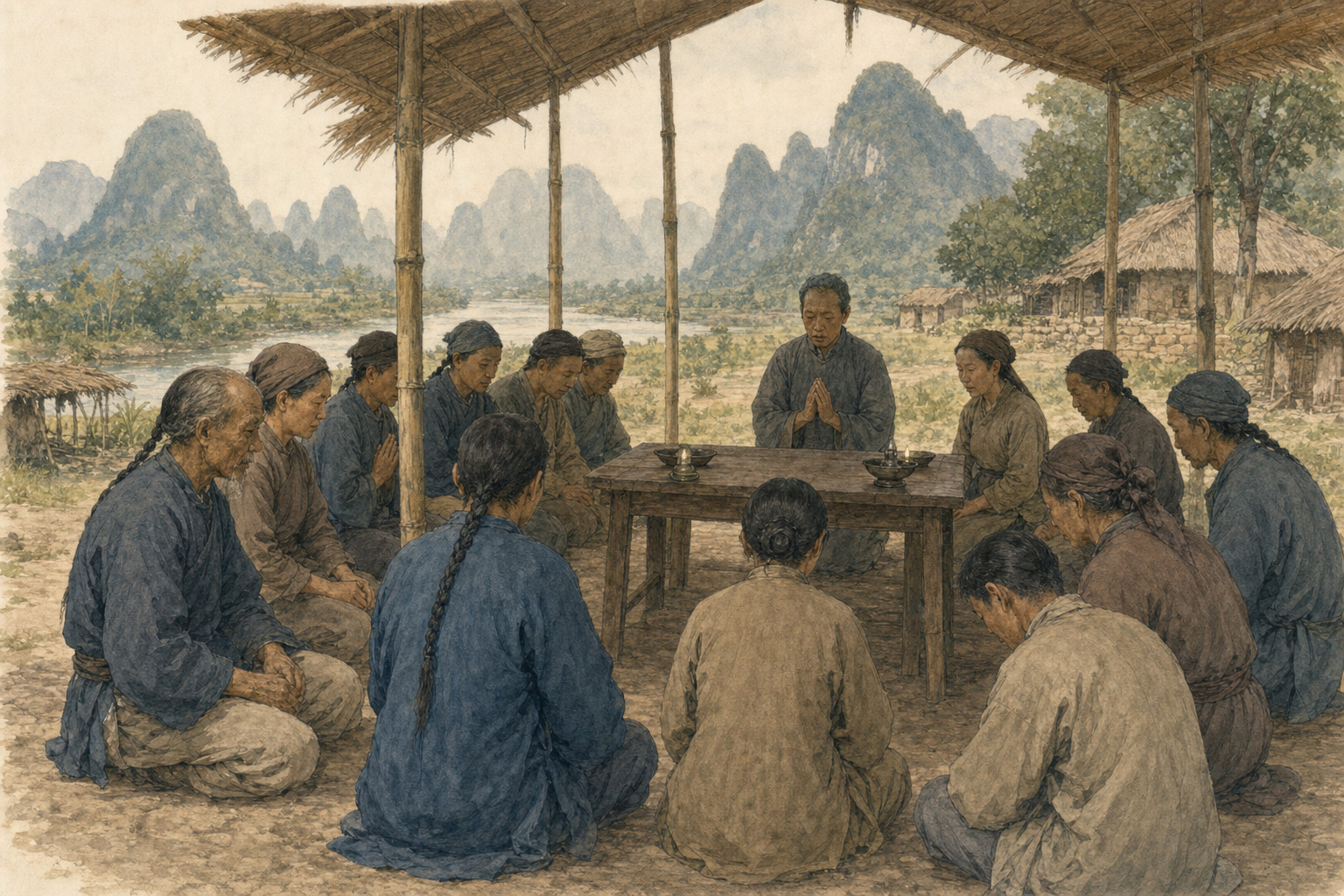
A movement that independently reworked ideas derived from Christianity expanded its following in Guangxi.
1851–1864
Taiping Rebellion
Current event
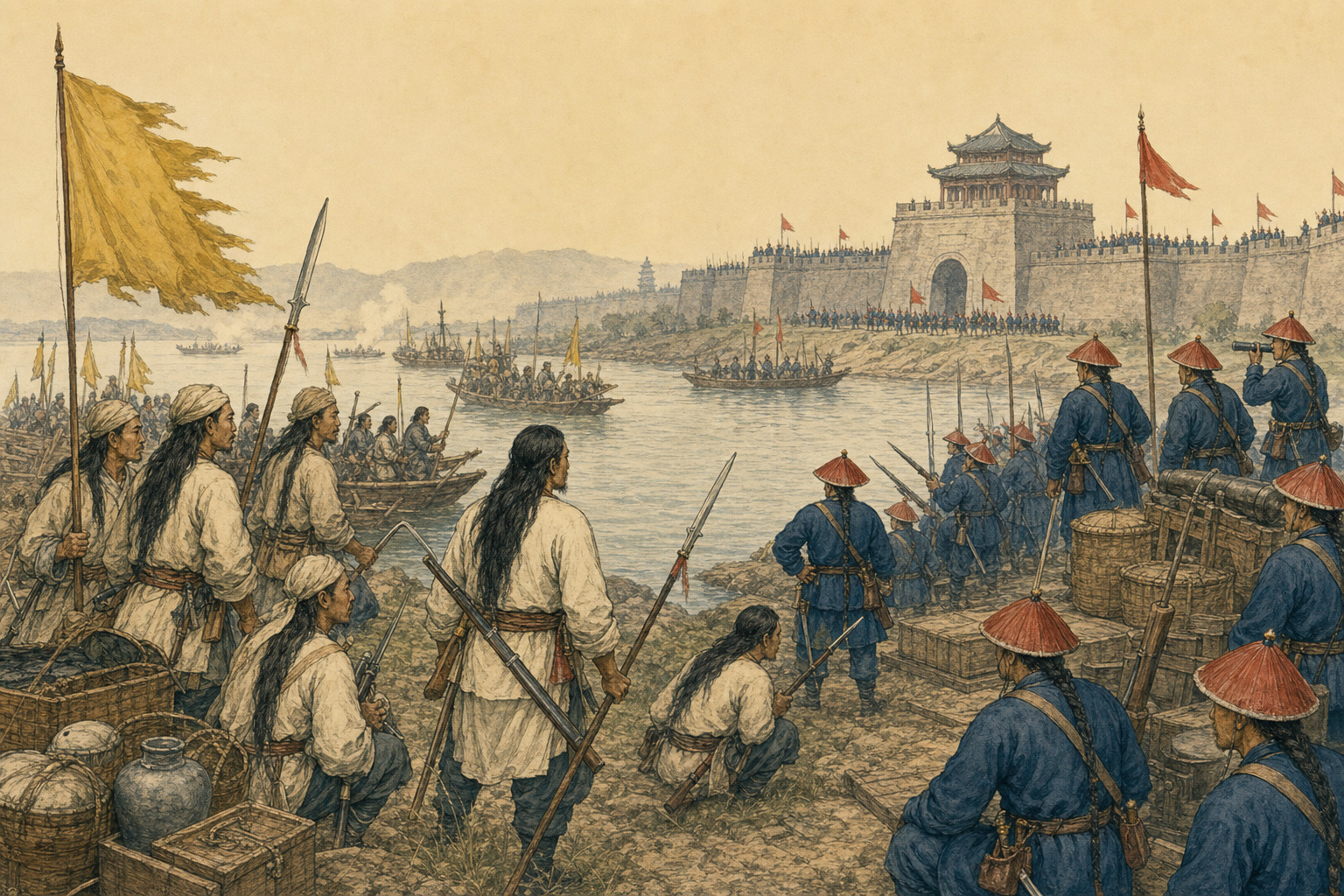
From the Jintian uprising of 1851, Taiping forces entered the Yangtze basin and fought the Qing from Nanjing.
1853–1864
Devastation of the lower Yangtze
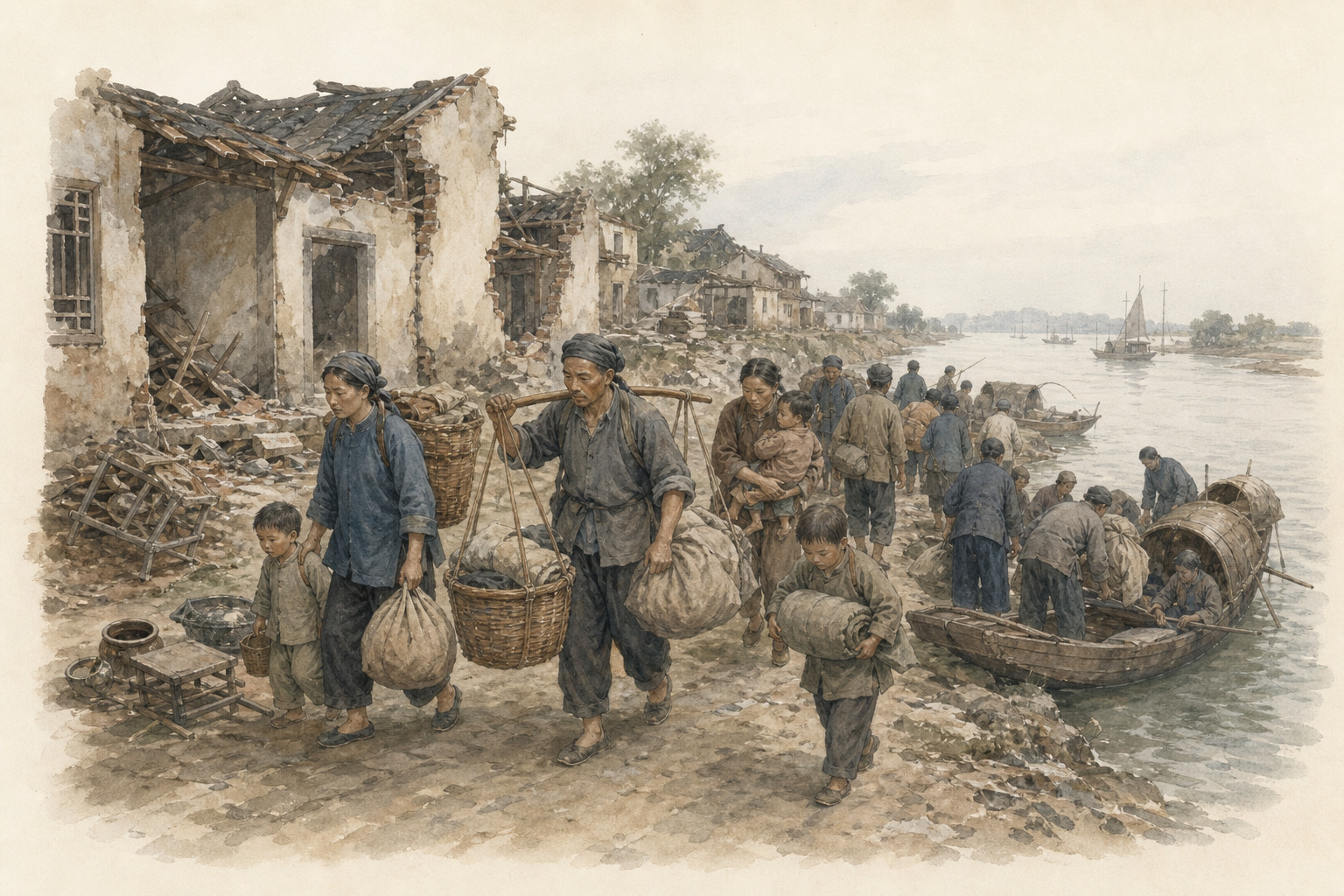
Prolonged warfare damaged cities, rural settlements, and trade networks and displaced many residents.
1864
Regional armies retain influence
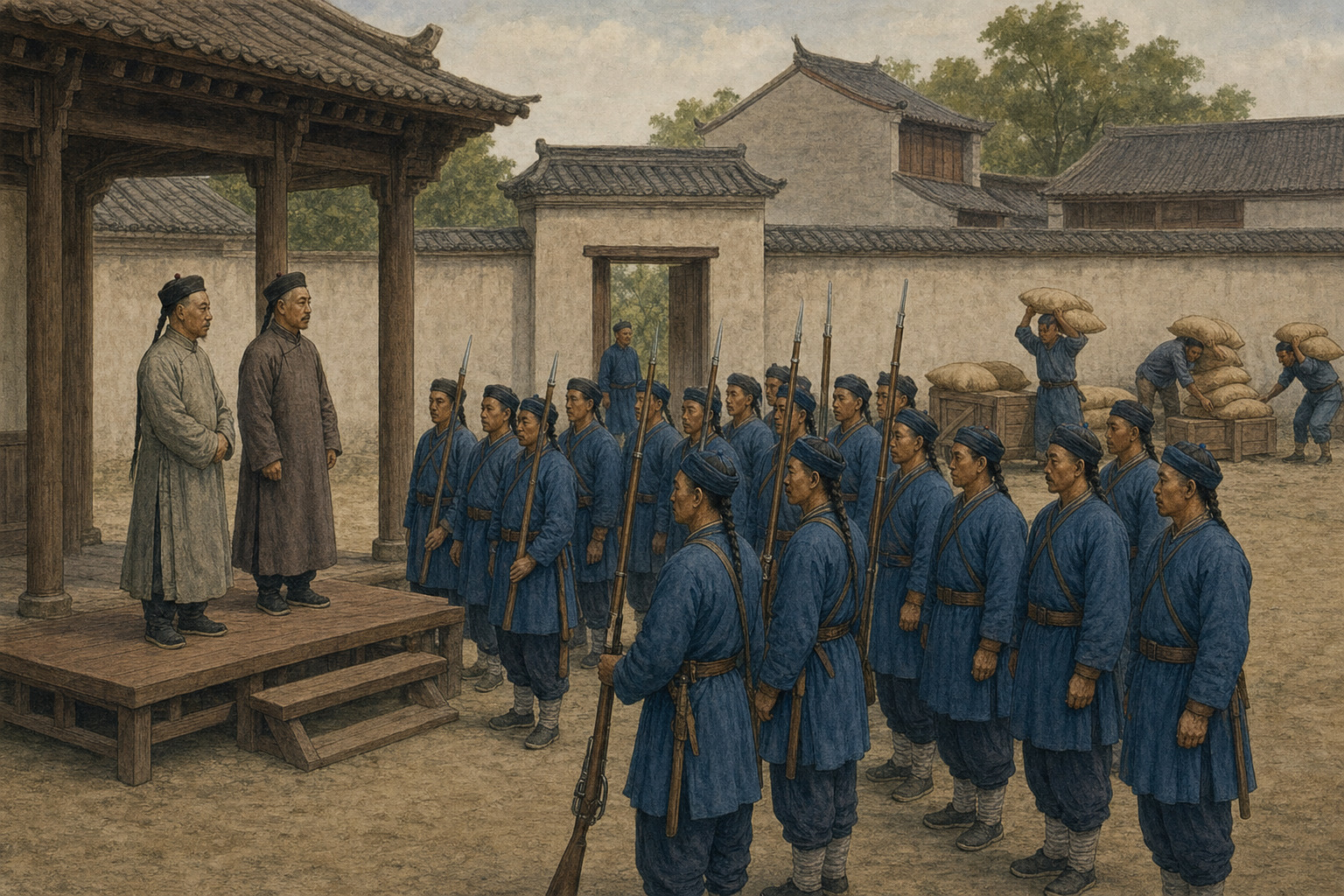
Xiang- and Huai-style forces that helped suppress the rebellion continued to shape Qing military and political life after 1864.


Sources
- The Taiping RebellionThe Cambridge History of ChinaA research chapter tracing the revolt, the war centered on Nanjing, and Qing suppression.
- The Taiping Heavenly KingdomAcademy of Chinese StudiesAn illustrated overview of major stages from the Jintian uprising to the fall of Nanjing.
- Christian Influence upon the Ideology of the Taiping RebellionThe Journal of Asian StudiesA study of Christian-derived elements in the religious thought of the God Worshippers and the Taiping.
- The Regional Army in the Late Qing DynastyJournal of Institutional EconomicsA study of the institutional role of regional armies that rose through suppression of the rebellion and their late-Qing legacy.